Why Your Georgia Coneflowers Have Fewer Blooms By Late Summer
It is frustrating to put so much time into caring for a flower bed, only to watch it lose its color before the season is over.
Everything seems to be growing well, yet the display is not as full as it was just a few weeks earlier.
That kind of change can leave anyone wondering what happened. It is easy to think the plant has reached the end of its season, but that is not always the case.
Small changes during the summer can affect how flowers perform long before anyone notices them. The good news is that the answer is often hiding in plain sight.
Many gardens in Georgia begin showing this change by late summer. Coneflowers are usually trying to tell you something.
Knowing what those signs mean can make all the difference.
1. Summer Heat Can Slow Down Flowering
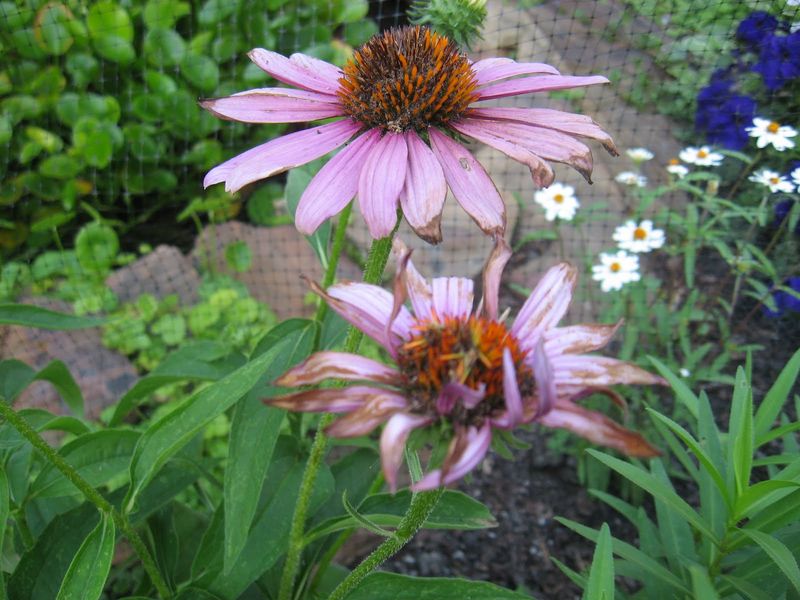
Scorching temperatures hit coneflowers harder than most gardeners expect. When daytime temps climb past 90 degrees for weeks at a stretch, flowering slows down noticeably.
Plants shift their energy away from blooming and focus instead on basic survival.
Coneflowers are tough, but prolonged heat stress takes a real toll. Buds may form more slowly, open smaller, or drop off before fully developing.
Leaves can curl slightly at the edges, which is a sign the plant is struggling to manage moisture loss.
Southern summers are especially intense, and the combination of high humidity and heat creates conditions that wear plants down fast. Afternoons above 95 degrees can cause blooms to fade within days of opening instead of lasting a full week or more.
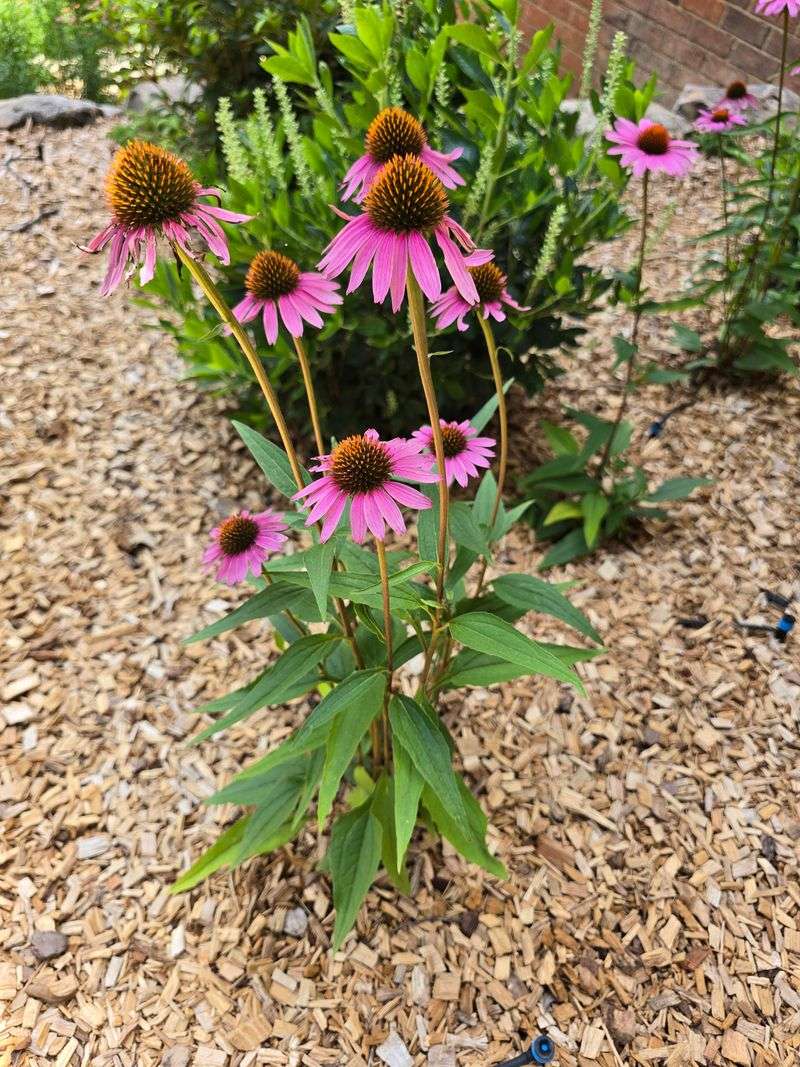
One practical step is to mulch around the base of each plant. A two- to three-inch layer of organic mulch keeps soil temperatures lower and reduces stress on the root zone.
Shredded bark or wood chips work well for this.
Watering in the early morning also helps. Cooler morning soil absorbs moisture more efficiently before the heat of the day sets in.
Midday watering tends to evaporate quickly and does less good overall.
Heat stress rarely causes permanent damage to established coneflowers.
2. Dry Soil Can Shorten The Blooming Season
Soil moisture matters more than people realize when it comes to bloom count. Coneflowers are drought-tolerant once established, but that does not mean they thrive when soil stays bone dry for weeks.
Consistent dryness shortens flowering noticeably.
When roots cannot pull enough water, the plant cuts back on energy-intensive processes first. Producing flowers is one of those processes.
Fewer buds form, and the ones that do open often look smaller or fade faster than usual.
Sandy soils common in parts of the Southeast drain quickly after rain. A stretch of two or three dry weeks can stress even well-established plants.
Heavy clay soils hold moisture longer but can crack and pull away from roots when severely dry, which causes its own set of problems.
Check soil moisture by pushing a finger about two inches into the ground near the plant base. If it feels completely dry at that depth, the plant likely needs water.
Your Georgia Garden Changes Every Week. Your Plan Should Too.
Gardening in Georgia changes quickly throughout the season. Every Friday you’ll receive a simple weekly plan showing exactly what to plant, prune, fertilize, harvest, and protect so you never miss the right timing.
Waiting until leaves wilt means the plant is already under significant stress.
Drip irrigation or soaker hoses work well for coneflowers. Water goes directly to the root zone without wetting foliage, which can reduce issues with fungal spots on leaves during humid stretches.
Adding compost to the planting area before each growing season improves moisture retention in both sandy and clay soils. Even a modest improvement in water-holding capacity can help blooms last longer into late summer.
3. Remove Faded Flowers Regularly
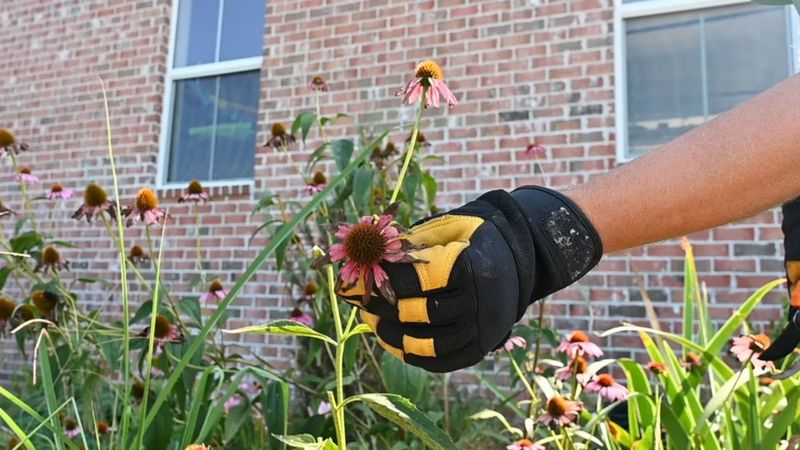
Deadheading sounds like extra work, but it pays off fast. Removing spent blooms before seeds fully form sends a clear signal to the plant: keep producing flowers.
Skip this step, and the plant shifts focus toward seed development instead.
Once a coneflower sets seed, it considers its reproductive job largely done for that cycle. Bloom production slows or stops on that stem.
In late summer, when plants are already dealing with heat and limited water, this slowdown becomes very obvious across the whole plant.
Snip faded flowers just above the nearest set of healthy leaves or a side bud. Use clean scissors or pruning shears to avoid tearing the stem.
Damaged stems are more vulnerable to disease during warm, humid weather.
Check plants every few days during peak bloom season. Flowers fade quickly in hot weather, sometimes within four to five days of opening.
Catching them early keeps the plant in active flowering mode rather than seed-setting mode.
One thing worth knowing: leaving a few seed heads toward the end of the season is fine. Birds like goldfinches feed on coneflower seeds in fall.
Letting some heads mature at the end of the season supports local wildlife without hurting next year’s plant performance much.
Regular deadheading can extend the blooming period by several weeks.
4. Water Deeply When Rainfall Is Limited
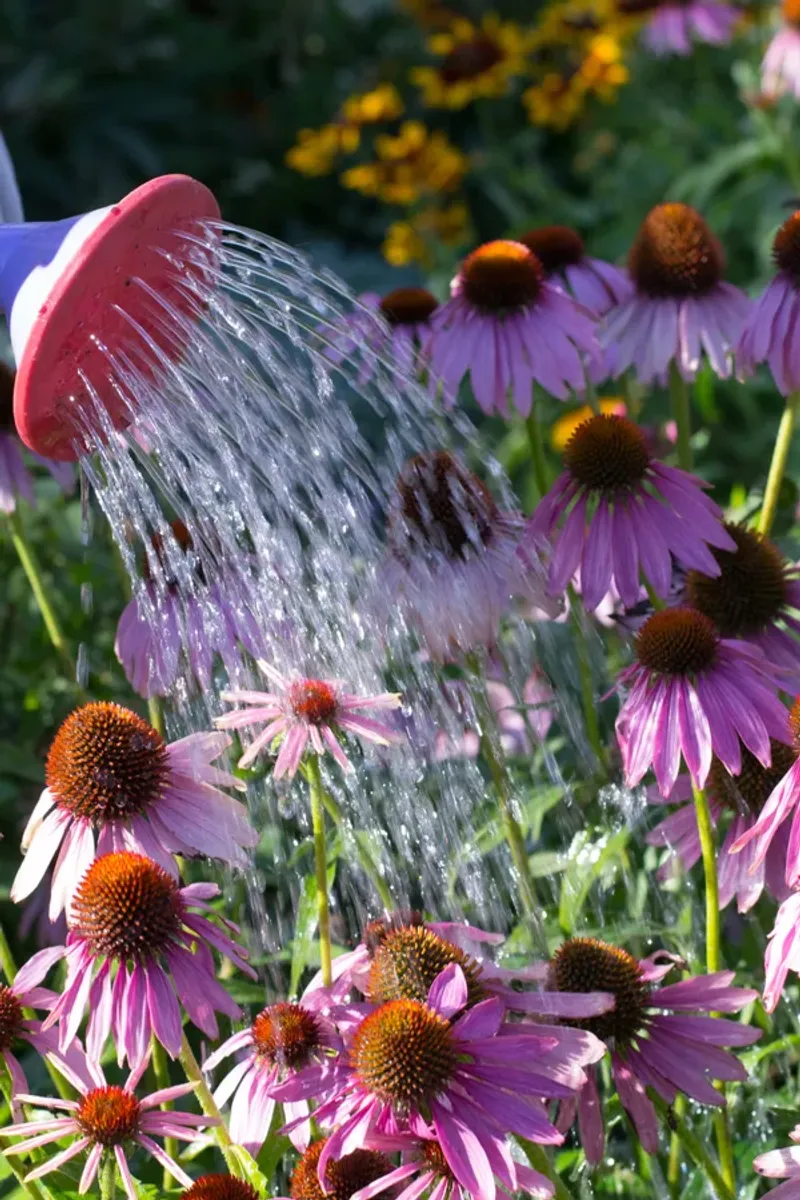
Shallow watering creates shallow roots. Shallow roots struggle during dry spells because the top few inches of soil dry out first and fastest.
Deep, infrequent watering encourages roots to grow further down where moisture stays more consistent.
Aim to water slowly and long enough to wet the soil at least six inches deep. A quick spray from a hose for two minutes barely reaches the root zone.
Slow, steady watering over twenty to thirty minutes makes a much bigger difference.
During dry stretches, coneflowers in Georgia generally benefit from about one inch of water per week. That number shifts depending on soil type, sun exposure, and recent temperatures.
Sandy soils may need slightly more frequent watering than clay-based ones.
Morning watering is preferable to evening. Wet foliage overnight in humid conditions can encourage fungal problems.
Coneflowers are not especially prone to leaf diseases, but humid Southern summers make it worth being careful.
A rain gauge is a surprisingly useful tool. Knowing exactly how much rainfall your garden received in a given week removes the guesswork.
If rain totals less than an inch, supplemental watering makes sense for plants that are actively blooming.
Overwatering is also a real risk. Soggy soil suffocates roots and leads to rot.
When in doubt, check soil moisture before watering rather than sticking to a rigid schedule.
5. Avoid Too Much Nitrogen Fertilizer
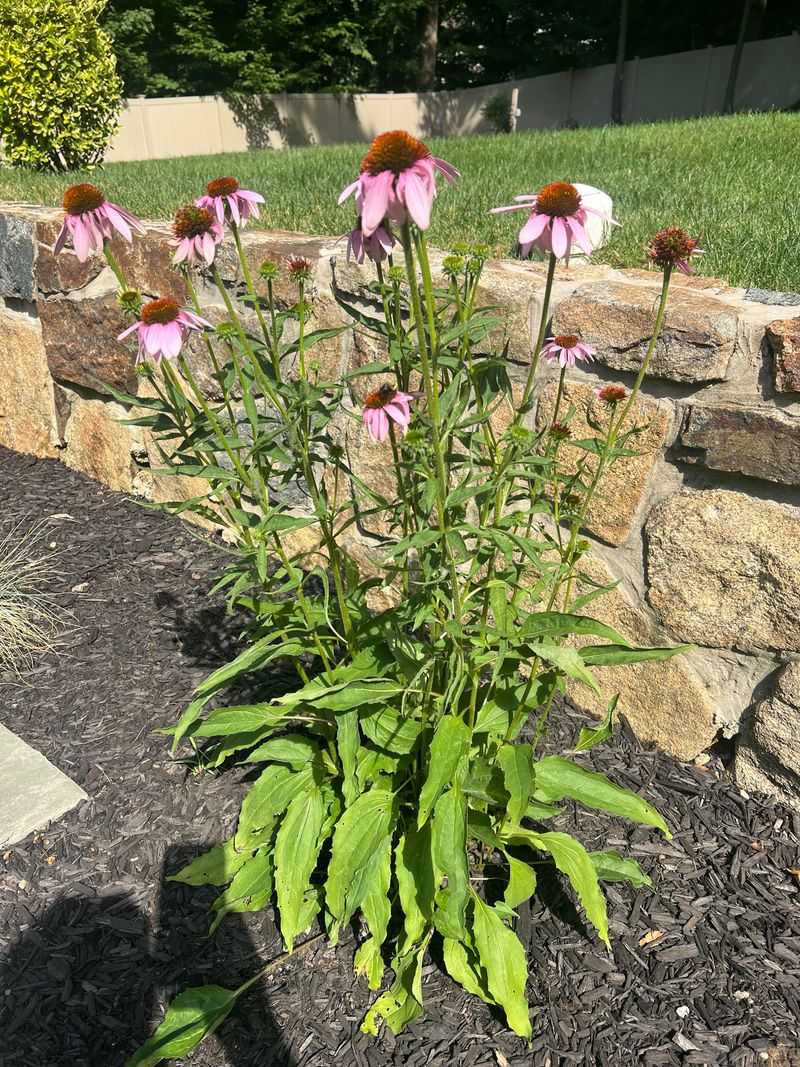
Nitrogen pushes green growth. A little is useful early in the season, but too much at the wrong time redirects the plant’s energy straight into leaves and stems rather than flowers.
Overfed coneflowers often look impressively bushy while producing surprisingly few blooms.
Late-season applications of high-nitrogen fertilizer are especially problematic. Feeding plants heavily in July or August can trigger a flush of new leafy growth right when the plant should be focusing on its remaining bloom cycle.
Coneflowers are not heavy feeders. In reasonably fertile soil, they often perform well with little to no supplemental fertilizer.
Compost worked into the bed at planting time usually provides enough nutrition for the season without pushing excessive foliage growth.
If you want to fertilize, a balanced or low-nitrogen formula works better for flowering plants. Look for products where the middle number, which represents phosphorus, is equal to or higher than the first number for nitrogen.
Phosphorus supports root development and flower production.
Soil testing removes the guesswork entirely. A basic test from your local cooperative extension office tells you what nutrients your soil already has and what it actually needs.
Fertilizing based on real data avoids both deficiencies and excess.
Cutting fertilizer applications in late summer often leads to better bloom production during that period.
6. Plant Coneflowers Where They Get Full Sun

Shade can greatly reduce blooming. Coneflowers are sun-loving plants that perform best with at least six hours of direct sunlight daily.
Less than that and blooming becomes noticeably sparse, especially as the season moves into late summer when sun angles shift.
Spots that looked sunny in spring can become shadier by midsummer. Trees leaf out fully, neighboring shrubs fill in, and structures cast longer afternoon shadows than expected.
A location that worked well in May might only get four hours of sun by August.
Coneflowers planted in partial shade tend to grow taller and leggier as they stretch toward light. Stems become weaker, and the plant puts most of its limited energy into reaching sunlight rather than producing blooms.
Flower count drops significantly in these conditions.
Before planting, observe a potential spot throughout the day. Track when direct sun hits and when shade takes over.
Morning sun with some afternoon shade is acceptable in very hot climates, but full sun is ideal for maximum flower production.
Relocating established plants is possible in early fall or early spring when temperatures are cooler. Coneflowers transplant reasonably well if moved carefully with a good root ball intact.
Moving them to a sunnier spot can noticeably improve bloom performance the following season.
South-facing beds and open garden areas away from tree canopy tend to be the best spots.
7. Divide Overcrowded Clumps Every Few Years
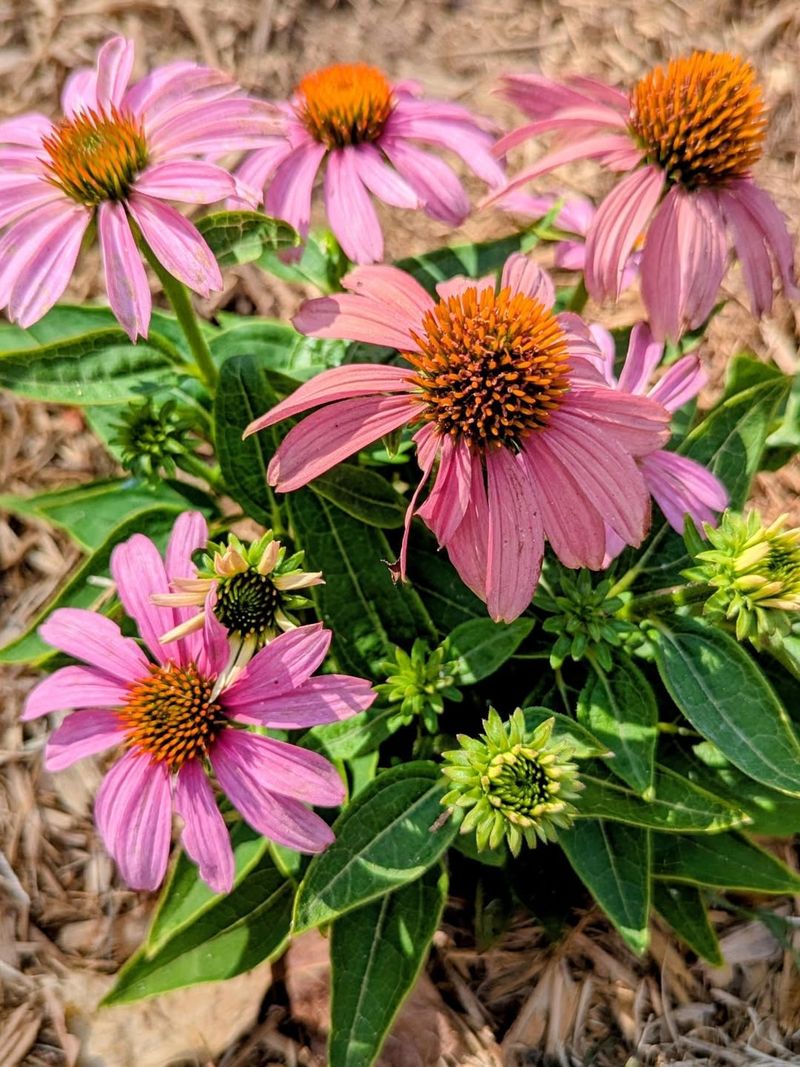
Crowded roots compete hard for water, nutrients, and space. Over three to four years, a single coneflower plant can spread into a dense clump with dozens of stems.
When that happens, bloom production often drops noticeably even if everything else seems fine.
Root competition is the main issue. Tightly packed roots struggle to pull enough resources to support a full flush of flowers.
Plants in crowded clumps tend to produce more foliage than blooms, and older central roots can weaken over time.
Dividing clumps refreshes the plants and gives each section room to establish a strong, healthy root system. New divisions often bloom more vigorously within a season or two.
It is one of the most reliable ways to restore bloom production in an aging planting.
Early fall is a good time to divide coneflowers in the South. Cooler temperatures reduce transplant stress, and roots have time to settle before winter.
Early spring works too, before new growth gets too far along.
Use a sharp spade to cut through the clump cleanly. Each division should have several healthy stems and a decent root section attached.
Replant divisions at the same depth they were growing before, water them in well, and apply a light layer of mulch.
Divisions from the outer edges of the clump tend to be the most vigorous.