What Causes Bitter Cucumbers In Georgia Gardens And How To Stop It From Ruining The Harvest
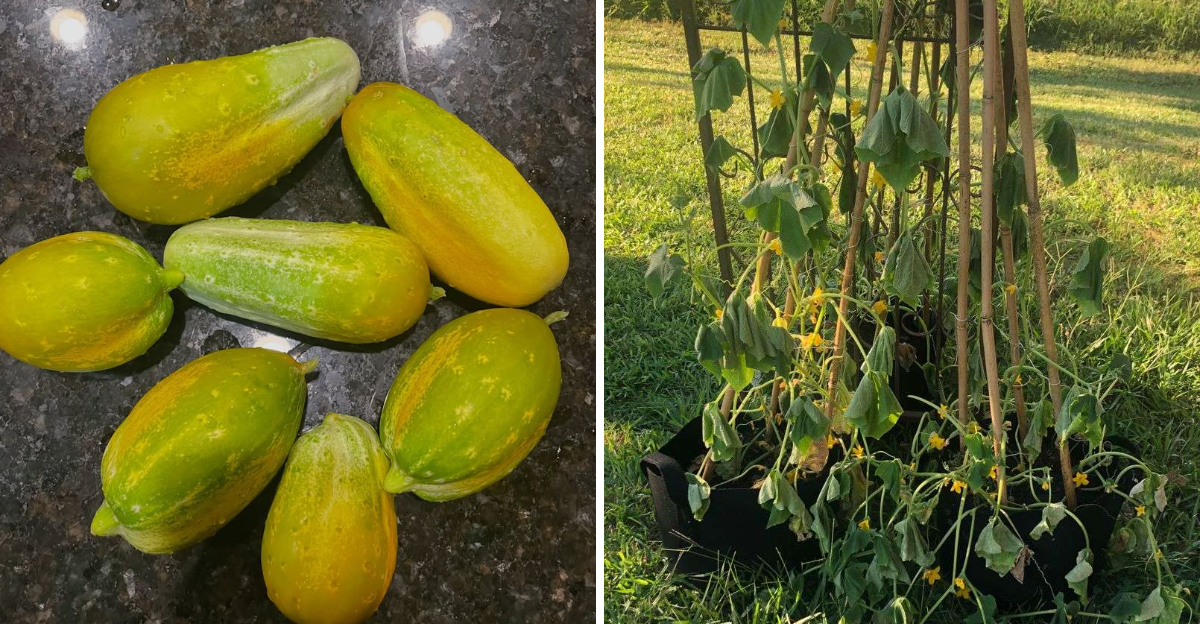
Georgia cucumbers can look perfect and still betray you. One moment, you are proud of that glossy green harvest.
The next, one bite tastes sharp, harsh, and weirdly soapy. Rude, right? The vine looked healthy. The fruit looked ready.
The garden seemed on track. Yet the flavor told a very different story.
Bitter cucumbers do not appear by magic, and they are not just bad garden luck. Something happened before that fruit reached your kitchen, and the plant left clues all over the bed.
Heat, dry soil, harvest timing, and root stress can all nudge the flavor in the wrong direction. The trick is learning which clue matters first.
Georgia summer loves to test vegetable gardens, but your cucumbers do not have to taste like punishment.
Want crisp slices that actually deserve a spot in your salad? The answer starts before harvest, down in the soil, and sometimes with one overlooked habit.
Once you spot the pattern, the next basket can taste like summer again, not garden betrayal at all.
1. Cucurbitacin Rises Under Stress
That harsh bite has a name, and it is not “bad luck in a green jacket.”
Cucurbitacin is a natural compound found in cucumbers and their relatives. It tends to stay more concentrated in leaves, stems, and skin, but stress can push bitter flavor into the fruit.
Georgia gardens give cucumber vines plenty of reasons to feel dramatic. Heat waves, dry soil, uneven water, weak roots, and rough harvest timing can all add pressure.
The plant responds with stronger defensive chemistry, and your salad pays the bill.
That is the frustrating part. The fruit can look beautiful on the outside while the flavor turns sharp inside. A cucumber does not wear a warning label. It just waits until lunch to make its point.
Start with variety choice. Look for types described as mild, burpless, or less prone to bitter flavor. That gives you a better starting line before July starts acting bold.
Then focus on steady care. Keep moisture consistent, feed the vines lightly, and reduce stress before fruit starts to size up.
Cucumbers are basically ninety percent garden mood ring. Treat the vine well, and the flavor usually behaves better.
The goal is not fancy care. It is calm care. Calm vines tend to make calmer cucumbers, and your taste buds deserve peace.
2. Heat Spikes Push Bitter Flavor
Georgia heat does not tap politely on the garden gate.
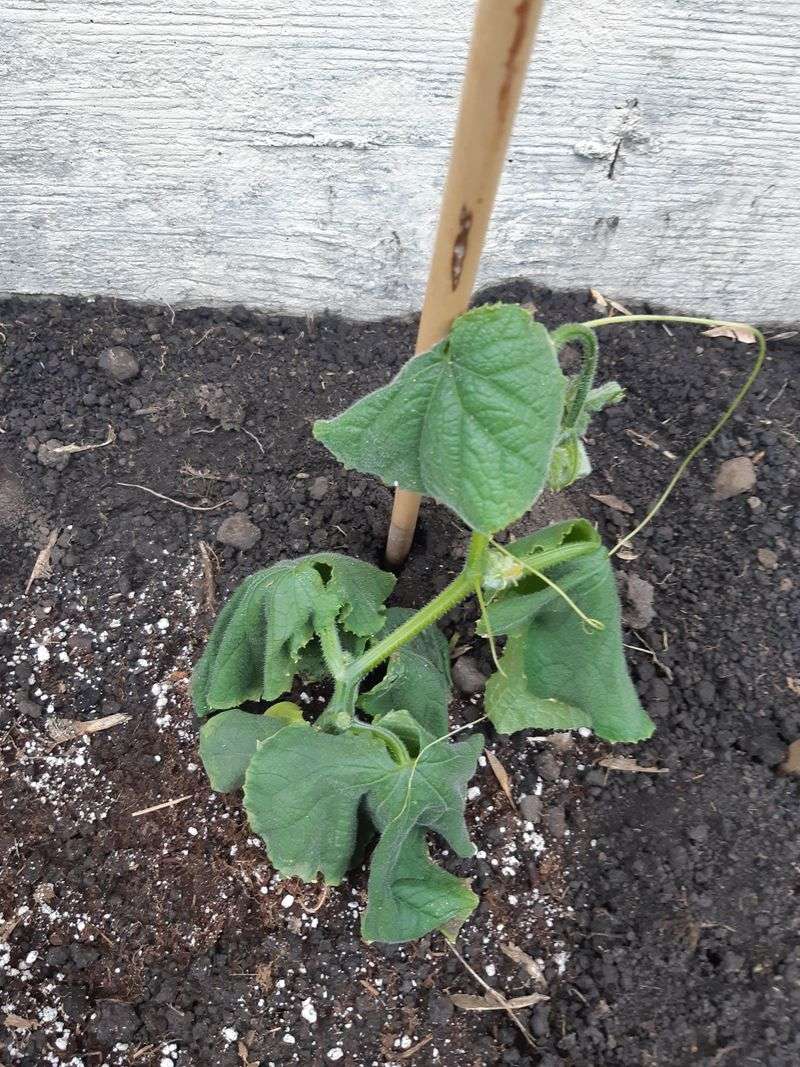
It barges in, sits on the cucumber bed, and dares the vines to keep up. Once daytime temperatures climb into the nineties for several days, cucumber plants can shift into stress mode.
That stress can raise bitter flavor in fruit that forms during the hot spell. Warm nights make it harder because the plants get less time to recover before the next bright day arrives.
Rapid swings add another layer. A cool morning, blazing afternoon, and sticky night can make the vine feel like it rode a weather roller coaster without a seat belt.
A little shade during the hottest part of the day can help. Use shade cloth, a taller crop nearby, or a bed that gets morning sun and later filtered shade. Do not block all light. Cucumbers still need sun to produce well.
Your Georgia Garden Changes Every Week. Your Plan Should Too.
Gardening in Georgia changes quickly throughout the season. Every Friday you’ll receive a simple weekly plan showing exactly what to plant, prune, fertilize, harvest, and protect so you never miss the right timing.
Plant timing matters too. In many Georgia gardens, an early crop can produce better flavor before peak summer heat gets bossy. A later crop may also perform better as the season starts to ease.
Choose heat-tolerant varieties suited to warm, humid regions.
That gives the vine a sturdier backbone before the forecast gets spicy.
Hot weather is not a cucumber’s favorite roommate. Give the plant a cooler schedule, and the harvest has a better chance to stay crisp instead of cranky.
3. Dry Soil Stresses Fast Fruit
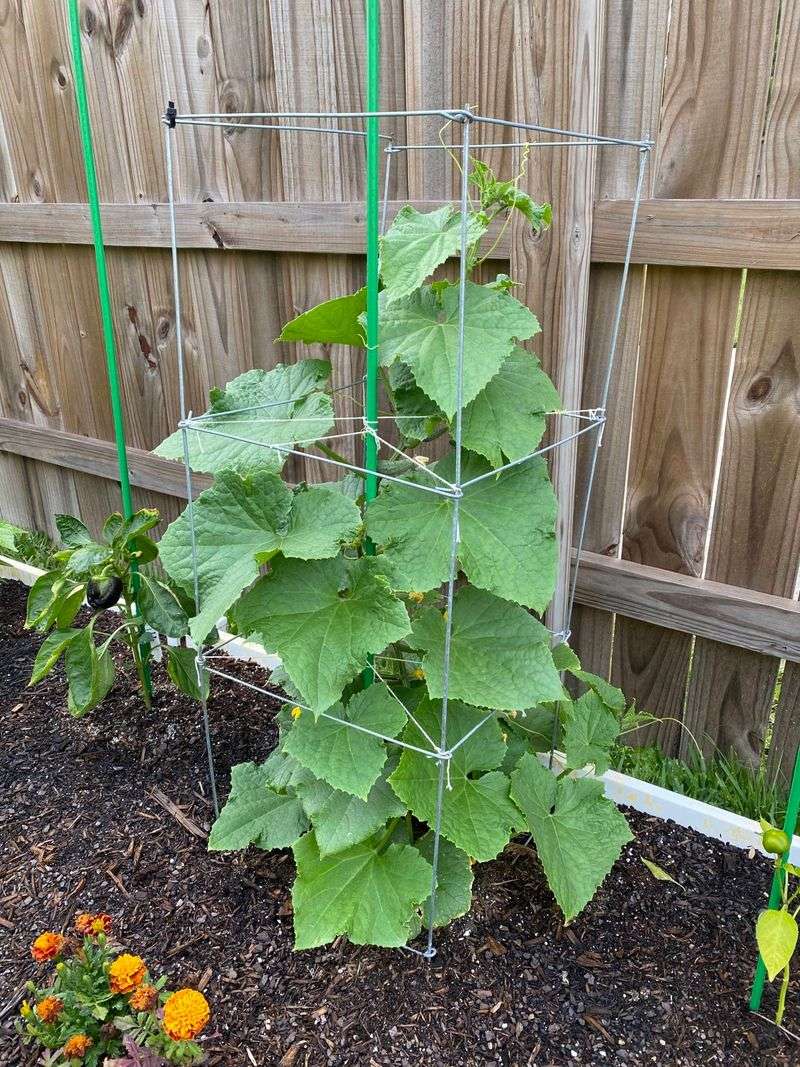
Cucumber vines are not built for surprise thirst.
The fruit contains a huge amount of water, so the plant needs steady moisture while cucumbers form and fill out. Dry soil can stress the vine fast, especially in Georgia beds with full sun and summer wind.
Rain makes this tricky. One week brings afternoon storms. The next week turns the garden into a dusty skillet. That back-and-forth can show up in the flavor.
Check soil before the leaves beg for help. Push a finger two inches down near the root zone. Dry soil at that depth means the plant needs a real drink, not a quick splash for appearances.
Deep watering works better than light sprinkles. A soaker hose or drip line gives water at soil level and keeps leaves drier, which also helps in humid weather.
Aim for even moisture rather than random rescue missions. Cucumbers like routine. They are the vegetable version of a calendar person.
Mulch can help hold that moisture longer. Straw, shredded leaves, or clean organic mulch can cool the soil and reduce rapid drying between rains.
Do not let the bed swing from soggy to thirsty and back again. The vine can handle normal summer ups and downs, but sharp moisture swings often leave their mark.
Steady water keeps the fruit fresh, mild, and much less likely to taste like garden betrayal.
4. Overripe Cucumbers Taste Harsher
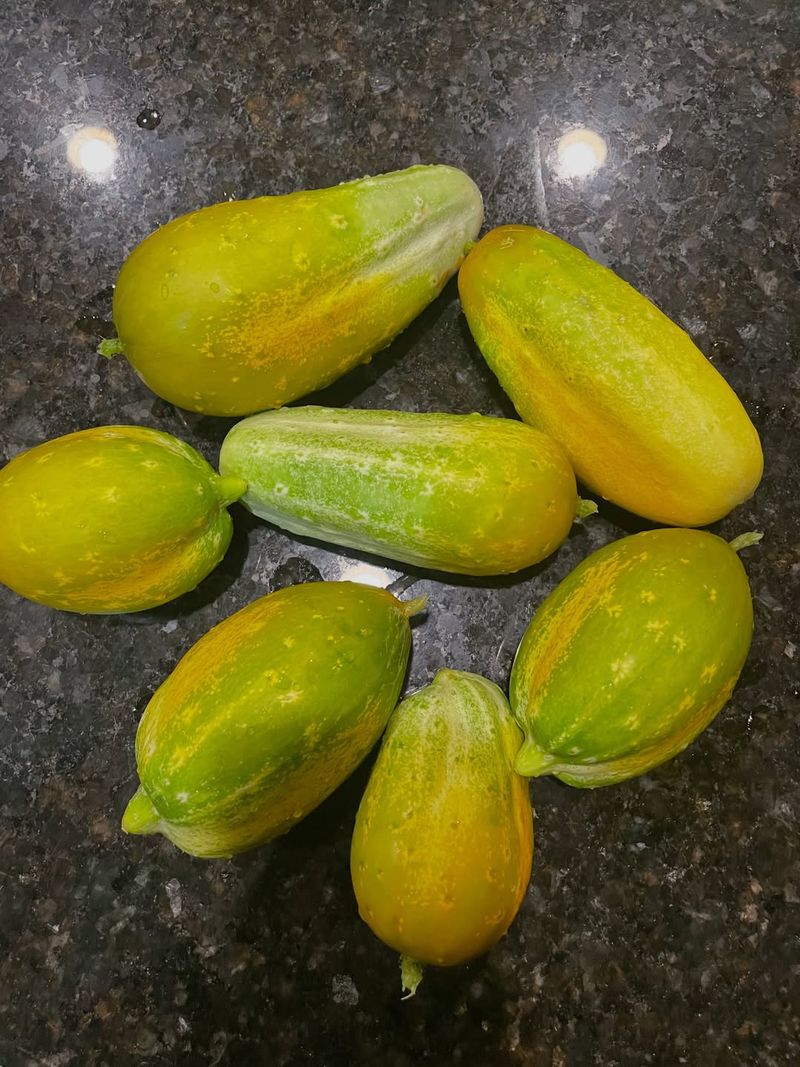
One hidden cucumber can cause a whole lot of flavor trouble.
Fruit left too long on the vine often turns tougher, seedier, and harsher. The skin may dull, the color may shift, and the inside can lose that clean snap you wanted from a summer cucumber.
Georgia warmth speeds everything up. A fruit that looked slightly small on Monday can look overgrown by Wednesday. Cucumbers do not wait around for your schedule. They have places to be, apparently.
Most slicing types taste best while still firm, green, and fairly young. Many reach peak quality around six to eight inches, though variety matters. Pickling types usually taste better at smaller sizes.
Frequent harvest also keeps the vine active. Once large fruit stays on the plant, the vine may slow fresh production. Removing cucumbers at the right stage tells the plant to keep the kitchen deliveries coming.
Walk the vines daily during peak season. Lift leaves gently and look underneath. The biggest cucumber in the garden is often hiding like it owes you money.
Use clean pruners or twist fruit off carefully. Rough pulls can damage the vine and stress the plant.
Harvest timing may sound simple, but it changes flavor fast. Pick early, pick often, and avoid the oversized cucumber that turns your lunch into a cautionary tale.
5. Poor Nutrition Weakens The Vines
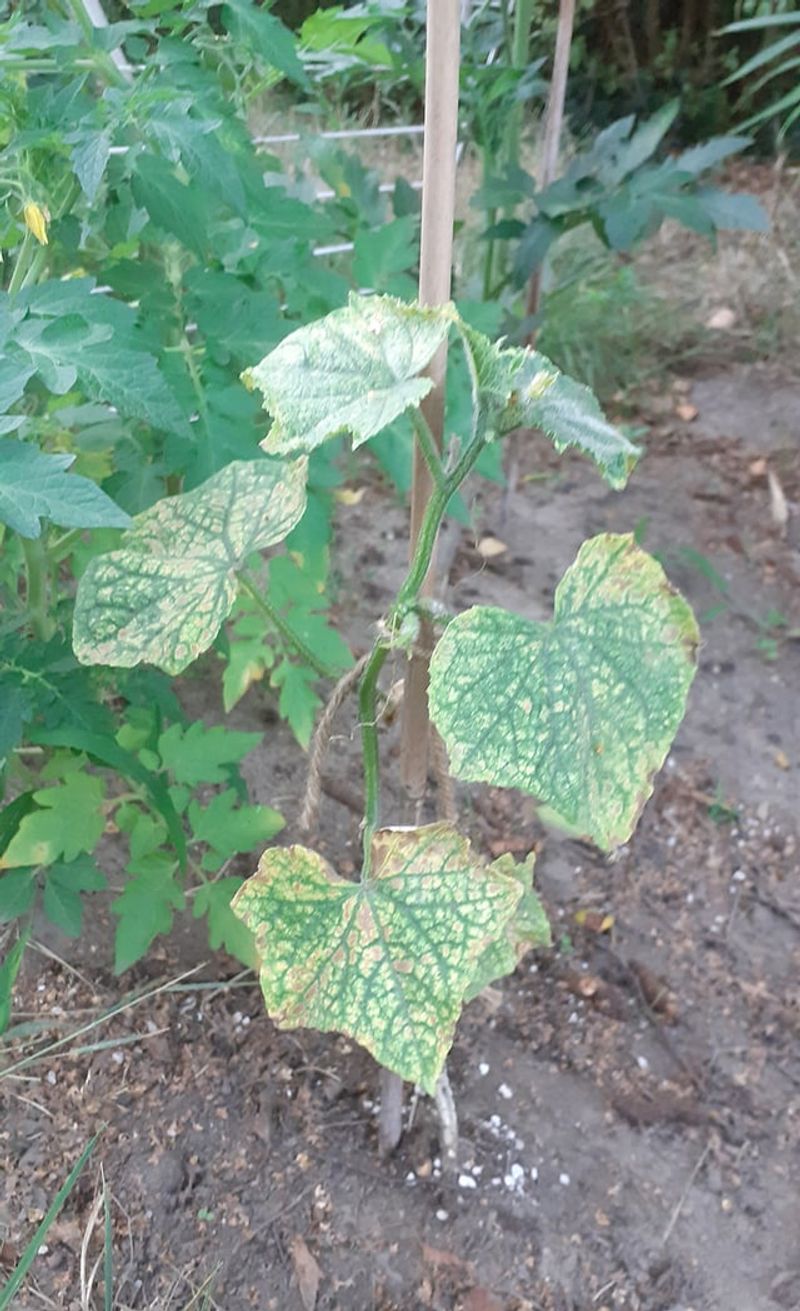
A hungry vine can still look green for a while.
That is what makes nutrition problems easy to miss. The cucumber plant may grow, flower, and set fruit, yet still lack the balanced support it needs for mild flavor and strong production.
Cucumbers need nitrogen for leafy growth, phosphorus for roots and flowers, and potassium for water movement and stress response.
Too little of any major nutrient can weaken the vine. Too much nitrogen can push lush leaves while fruit quality lags behind.
Soil testing gives the cleanest starting point. Georgia soils vary a lot, so guessing can turn into a fertilizer soap opera. The plant did not ask for drama with a side of excess nitrogen.
Compost can help improve soil texture and moisture balance. A balanced vegetable fertilizer can support vines at planting and again during production, as the label directs.
Avoid heavy feeding during major heat stress. A stressed plant may not use nutrients well, and a sudden push of growth can add pressure instead of relief.
Watch the leaves. Pale growth, weak vines, poor fruit set, or slow recovery after watering can all point to a soil support problem.
Healthy vines tend to handle Georgia’s summer mood swings with more grace. Good nutrition does not guarantee perfect cucumbers, but it gives the plant fewer reasons to turn bitter on you.
6. Pick Cucumbers While Still Young
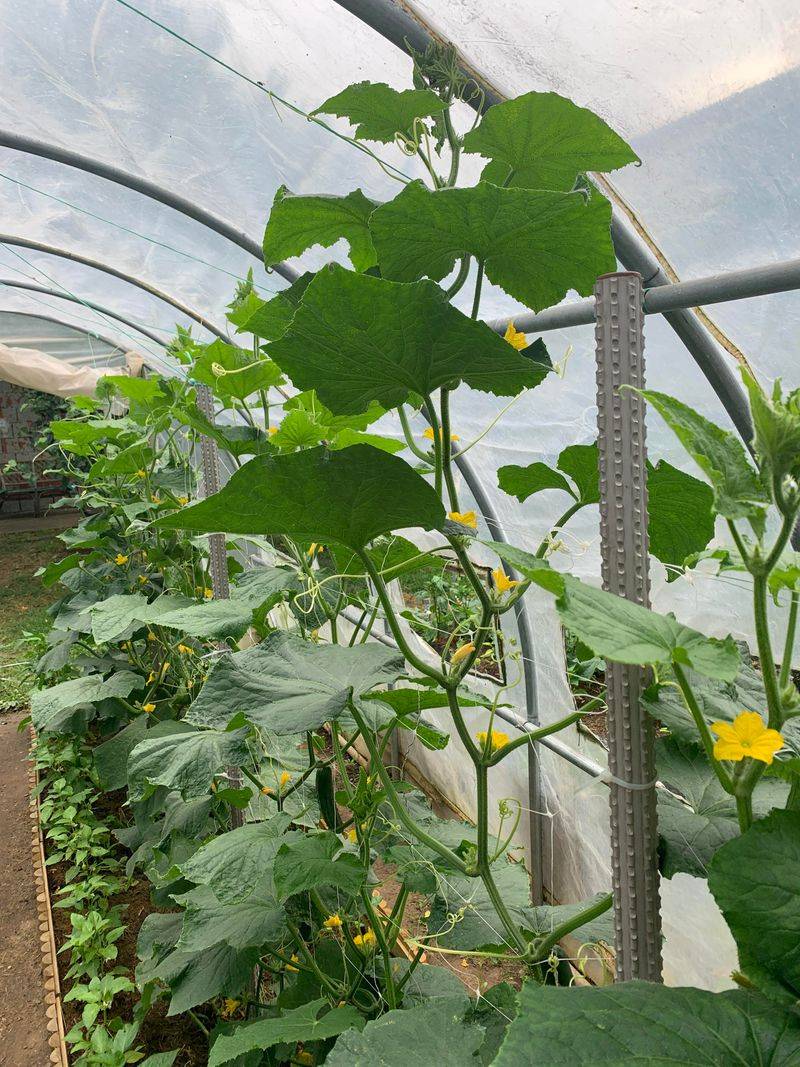
Small cucumbers bring the best crunch.
That sounds almost too easy, but harvest size makes a huge difference. Young fruit usually has thinner skin, softer seeds, and milder flavor. Older cucumbers tend to get tougher and more intense, especially during hot weather.
Georgia gardens move fast in summer. Warm days and humid nights can make cucumbers swell quickly. A fruit can go from perfect to oversized before your next grocery trip.
Make harvest a daily habit during peak season. Take a basket or bowl with you and lift the leaves slowly. Cucumbers love to hide under foliage like green little pranksters.
For many slicing varieties, pick while fruit is firm, evenly colored, and before the skin turns dull. For pickling types, harvest smaller for crisp texture and better flavor.
Do not wait for maximum size. Bigger is not better here. A giant cucumber may look impressive, but the taste can be less friendly. The kitchen does not hand out trophies for oversized vegetables.
Frequent picking also helps the vine keep producing. Removing young fruit tells the plant to send energy into more blooms and new cucumbers.
Use clean snips to avoid pulling stems loose. That keeps the vine calmer and reduces stress.
A steady harvest rhythm gives you better flavor now and more fruit later. That is cucumber math worth doing.
7. Water Deeply Before Harvest Week
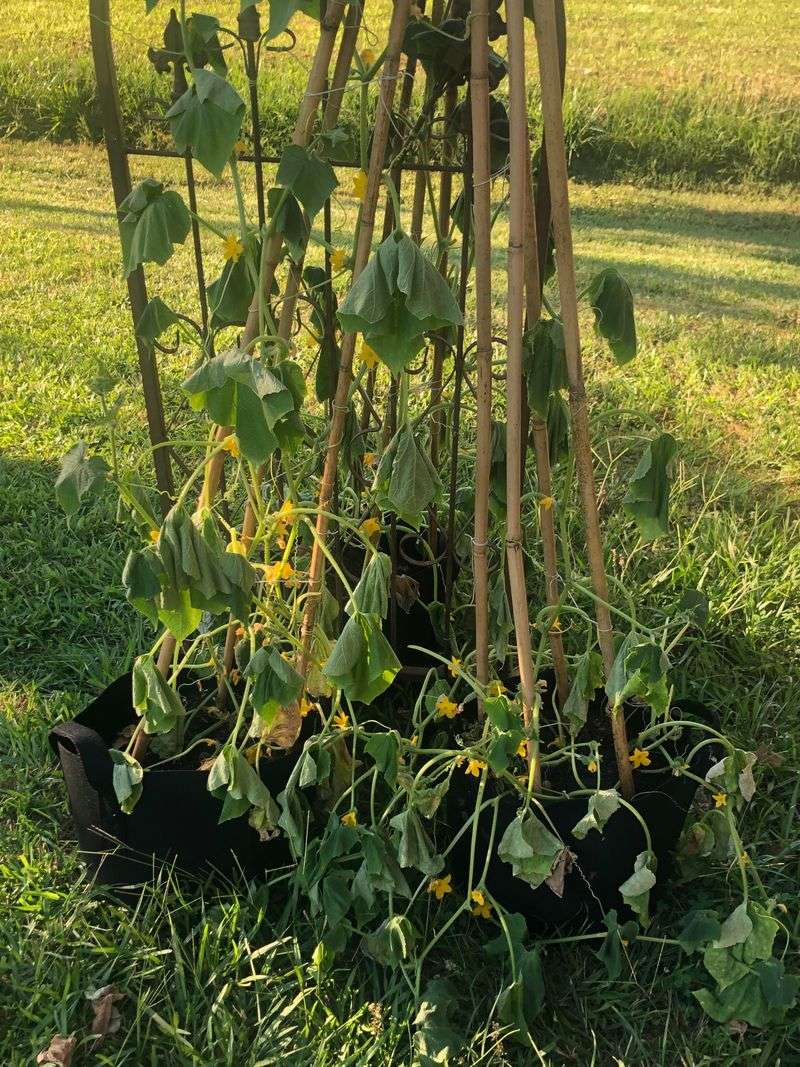
The final days before harvest matter more than many gardeners expect.
Fruit that sizes up during a dry stretch may develop a sharper flavor. That is why steady moisture during harvest week can make such a practical difference in Georgia cucumber beds.
Water deeply before the fruit reaches peak size. The soil should be moist several inches down, not just damp on top. A quick spray may make the bed look cared for, but roots need moisture where they actually live.
Use a soaker hose, drip line, or slow hose flow near the base of the plant. Let water soak in gradually. Georgia clay can shed water at first, so slower is usually smarter.
Morning water works well. It gives roots a supply before heat builds and lets any wet foliage dry faster. Humid evenings can leave leaves damp too long, which adds another problem to the vine’s to-do list.
This works like topping off the tank before a road trip. The cucumber is still growing, and the plant needs water in reserve.
Check the soil with a finger, dowel, or trowel. Moisture should reach below the surface layer.
Do not swing from dry soil to flooded soil right before picking. Aim for steady and calm.
A well-watered harvest week can help cucumbers stay crisp, mild, and much more welcome on the plate.
8. Mulch To Cool The Root Zone
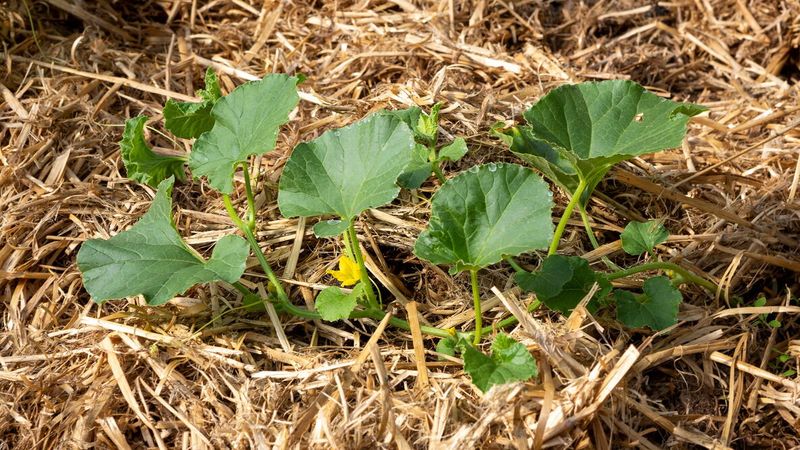
Mulch is the quiet helper that deserves more credit.
In Georgia vegetable beds, bare soil can heat fast and lose moisture quickly. Cucumber roots sit near that action, so a protective layer above the soil can reduce stress where it starts.
Use straw, shredded leaves, pine straw, or clean wood-based mulch around the vines. Two to three inches usually works well. Keep it a few inches away from the main stem so air can move and moisture does not sit against the base.
Mulch helps in two big ways. It slows evaporation after watering, and it keeps the root zone cooler during hot afternoons. Cooler, steadier soil gives the plant a calmer place to work.
That matters for flavor.
A vine under constant root stress may push fruit that tastes sharper than expected. Reduce the stress, and the harvest has a better chance to stay mild.
Mulch also helps limit weeds. Fewer weeds means less competition for water and nutrients. The cucumbers keep more of the buffet, and the weeds get fewer dinner invitations.
Refresh mulch after heavy rain or as it breaks down. Keep the layer fluffy, not packed tight like a wet mat.
A simple mulch layer can change the whole bed’s mood. It is not glamorous, but neither is bitter cucumber salad. Choose the mulch.