How To Support Native Toads In California Gardens Without Creating Mosquito Problems
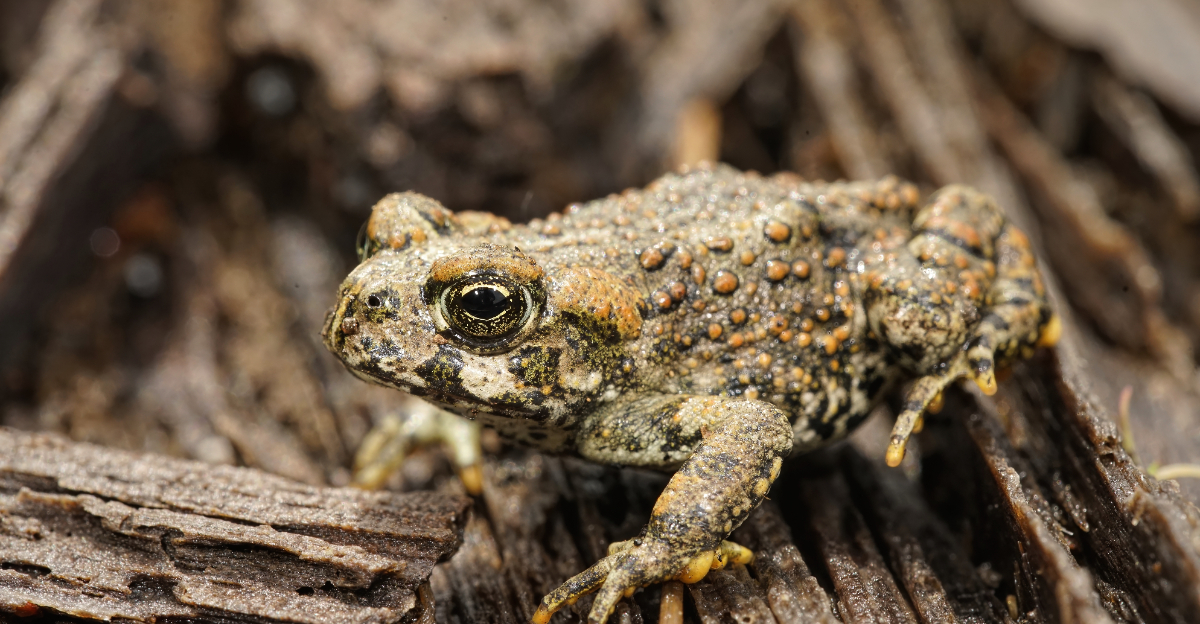
A toad-friendly garden sounds charming until someone hears “water” and pictures mosquitoes throwing a pool party.
The good news is that helping native toads does not mean turning your California yard into a buggy swamp.
These quiet little pest hunters need safe shelter, cool corners, and moisture that is managed with intention. The trick is creating habitat without leaving the kind of stagnant mess mosquitoes love.
Done well, your garden can support toads, look natural, and stay far less annoying at dusk. Before you add bowls, ponds, or damp hiding spots, it helps to understand the balance.
You want a backyard that says “welcome” to toads, not “open bar” to mosquitoes.
1. Give Toads Damp Shelter, Not Stagnant Water
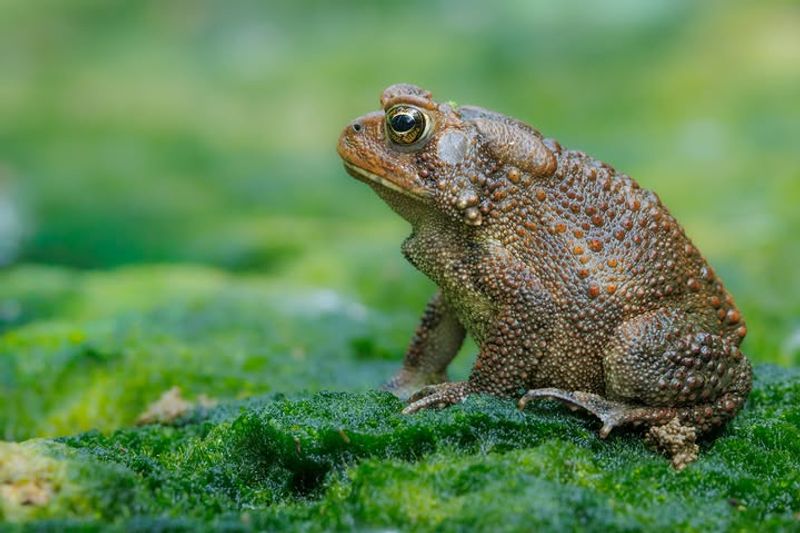
Toads do not actually need a pond to survive in your yard. What they really need is moisture, and there is a big difference between damp soil and stagnant water.
Damp soil under a shady plant or log gives a toad everything it wants. Stagnant water in a bowl or pot gives mosquitoes exactly what they need to breed.
Western Toads and other native species in California absorb water through their skin. They will press themselves against wet soil or hide under a moist rock to stay hydrated.
You do not need to fill a container with water and leave it sitting for days. A simple drip from a garden hose near a shaded corner can keep the ground moist enough.
Think of it like this: a toad wants a cool, wet retreat, not a swimming pool. Misting the soil near a toad shelter a few times a week works really well.
You can also place a toad house near a drip irrigation zone so the ground stays naturally damp. Avoid creating low spots in your yard where rainwater pools and sits for more than two days.
Mosquitoes can complete their early life stages in less than a week, so any water that sits too long becomes a risk. Keeping things damp but not flooded is the sweet spot every toad-friendly gardener should aim for.
2. Use Shallow Water That Gets Refreshed Often
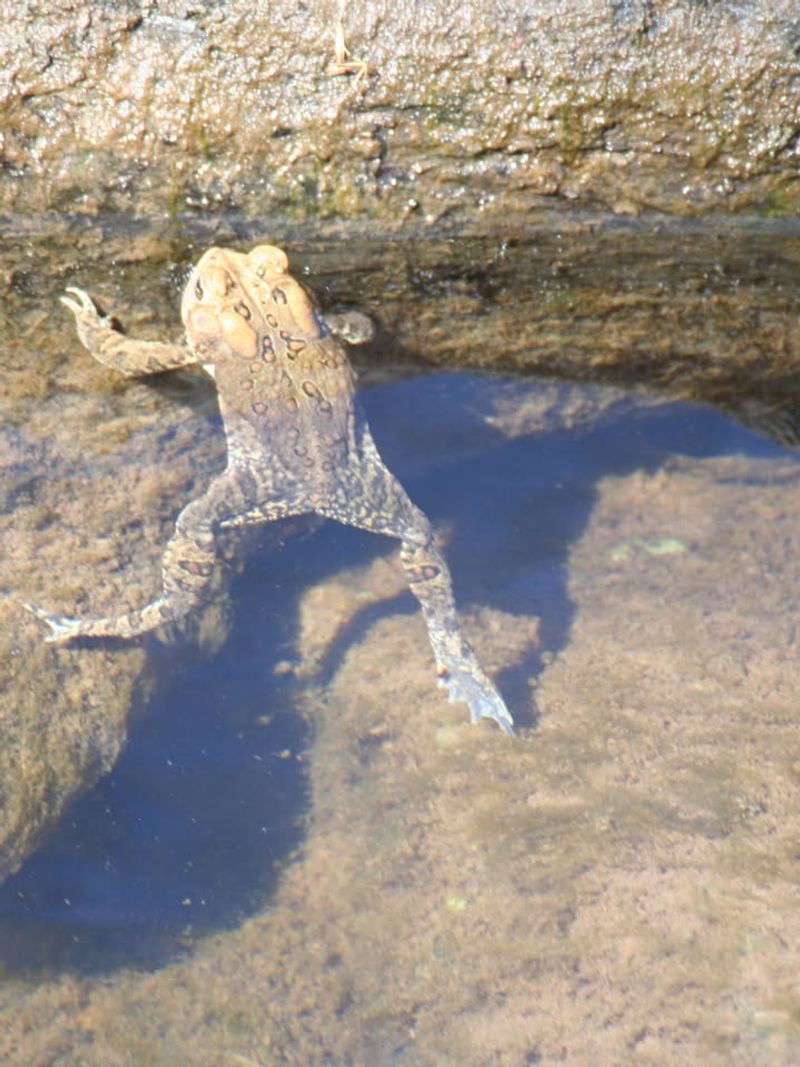
If you want to offer toads a water source, keep it very shallow and change it out often. A dish that is no deeper than one inch works well.
Toads will soak in it, and the shallow depth means it dries out or gets changed before mosquitoes can complete their breeding cycle.
Mosquitoes need still water to lay eggs, and those eggs need about a week to develop into adults. If you empty and refill your water dish every two to three days, you break that cycle completely.
It takes only a minute or two and makes a huge difference. Some gardeners add a few smooth pebbles to the dish so toads can climb in and out easily without slipping.
Placing the dish in a shaded spot slows evaporation and keeps the water cooler, which toads prefer. Direct sun warms the water fast and makes it less inviting for toads anyway.
Your California Garden Changes Every Week. Your Plan Should Too.
Gardening in California changes quickly throughout the season. Every Friday you’ll receive a simple weekly plan showing exactly what to plant, prune, fertilize, harvest, and protect so you never miss the right timing.
A simple saucer from a clay pot works perfectly and costs almost nothing. You can also use a shallow plastic lid from a storage bin if you want something lightweight and easy to dump and refill.
Refreshing the water is the most important habit you can build. Make it part of your regular garden routine, maybe every time you water your plants, and you will keep both the toads happy and the mosquitoes away.
3. Skip Deep Bowls That Sit For Days
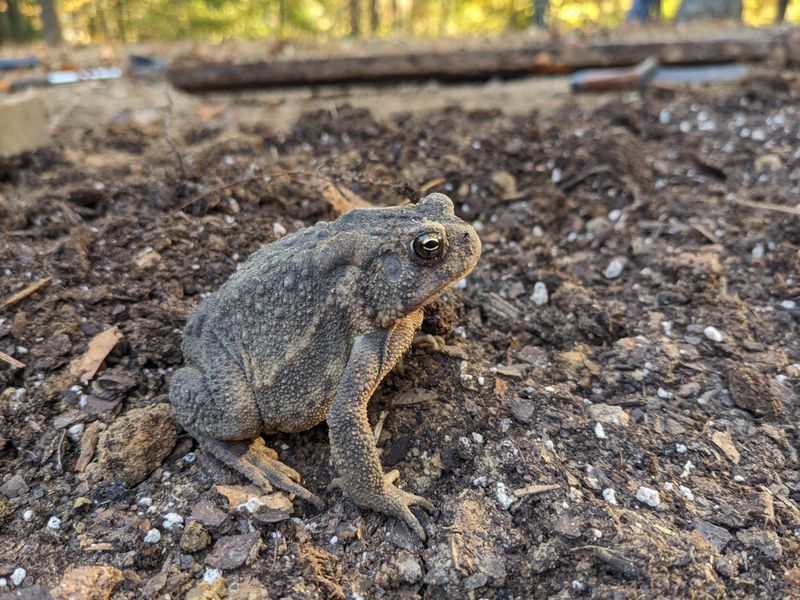
Deep containers are one of the biggest mistakes gardeners make when trying to help toads. A deep bowl holds a lot of water, and that water takes longer to evaporate.
That means it sits still for days, which is exactly what mosquito larvae need to grow and develop into adults.
Some well-meaning gardeners set out large birdbaths or old buckets thinking they are helping local wildlife. But without a pump or very frequent water changes, those containers become mosquito nurseries fast.
Toads do not need deep water. In fact, deep water can be a hazard for them if they cannot climb out easily.
A good rule of thumb is to avoid any container that holds more than a half inch of water and is not refreshed every two days. If you already have a deep container in your yard, consider adding a small solar-powered pump to keep the water moving.
Moving water does not allow mosquitoes to lay eggs successfully. Another option is to simply tip the container over and replace it with something shallower.
Old pie tins, plant saucers, and even frisbees make surprisingly good toad watering spots. The goal is water that serves the toad without serving the mosquito.
Small and shallow wins every time when it comes to building a safe, toad-friendly water setup in your garden.
4. Add A Toad House In Cool Shade
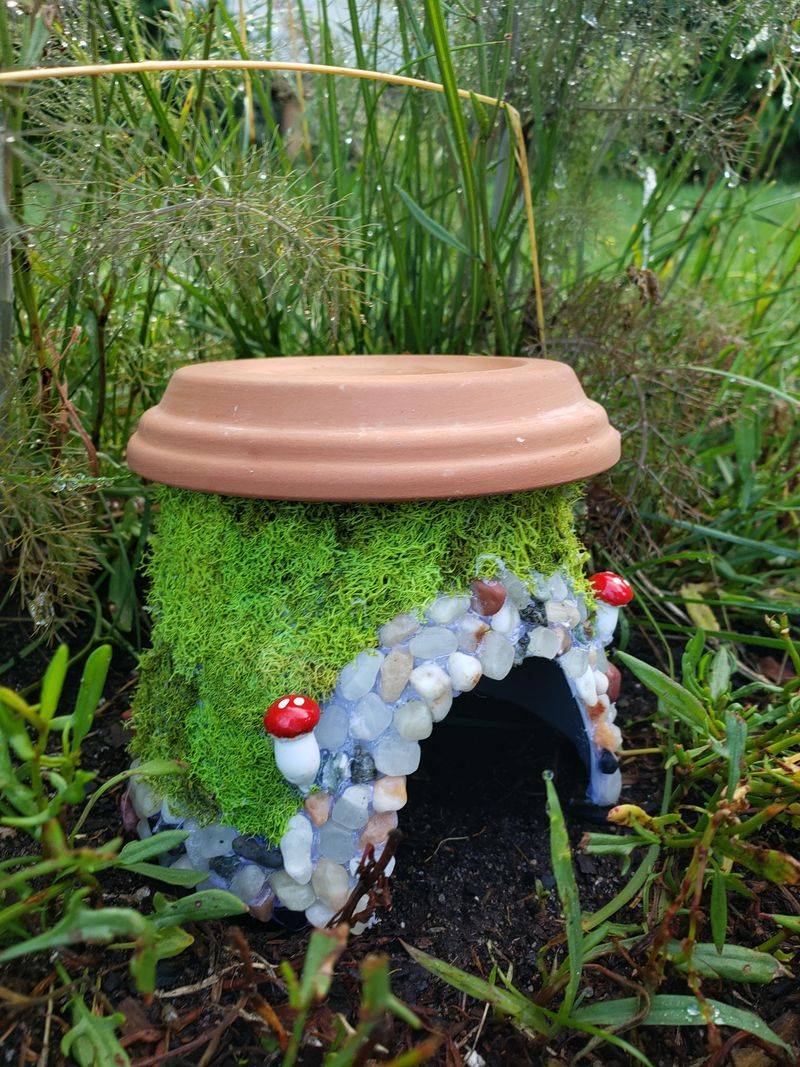
Toad houses are one of the most charming and practical additions you can make to a garden. They give toads a cool, dark place to rest during the heat of the day.
Toads are most active at night, so they spend their days hiding somewhere safe and shady. A toad house fits that need perfectly.
You can buy ceramic or clay toad houses at garden centers, or you can make one from a broken clay pot. Just prop the pot on its side with a small rock holding up one edge to create an opening.
Tuck it under a dense shrub or near a garden bed where the soil stays naturally cool. The shaded spot keeps the inside of the house damp and comfortable.
Placement matters a lot. Do not put the toad house in full sun, because it will get too hot inside and the toad will not use it.
Avoid placing it near bright lights too, since lights attract insects that can disturb a resting toad. A quiet corner near native plants or under a large fern is ideal.
Once a toad finds a house it likes, it will return to the same spot night after night. That kind of loyalty means you get a reliable pest-control partner working your garden on a regular schedule.
A shaded toad house costs very little but gives back a lot.
5. Leaf Litter Keeps Hiding Spots Moist
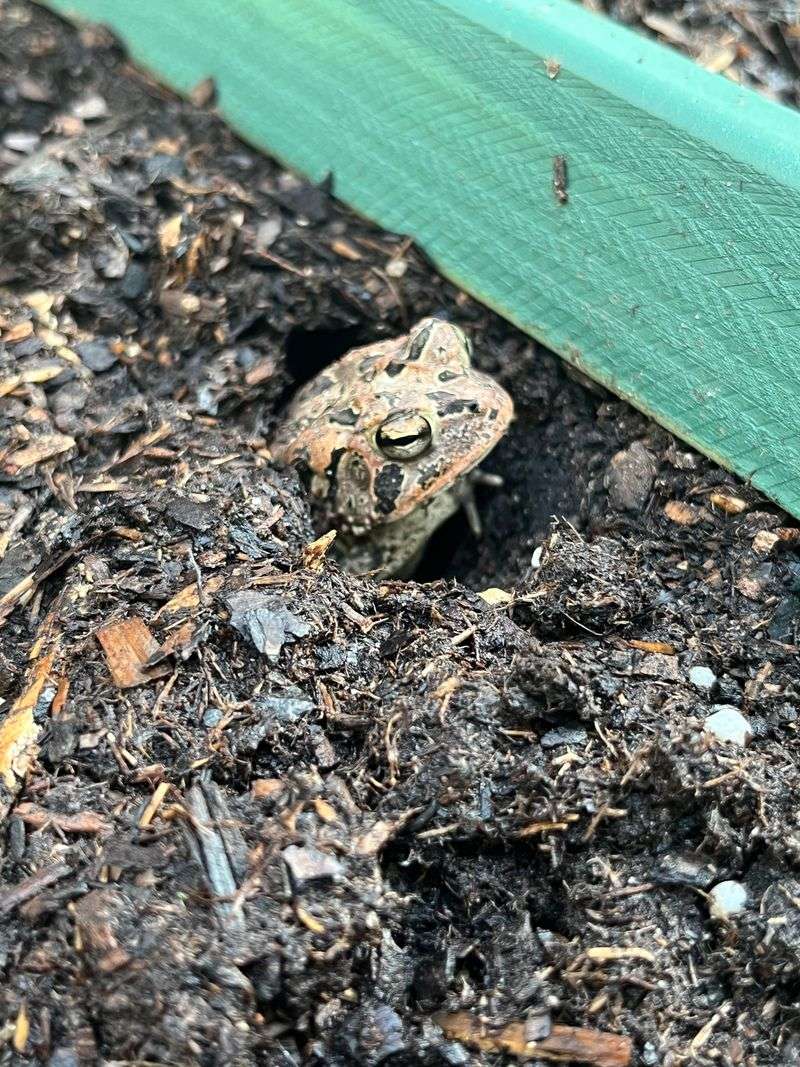
Most California gardeners rake up fallen leaves without a second thought, but those leaves are actually valuable to toads. A layer of leaf litter on the ground holds moisture, stays cool, and creates the kind of hiding spots that native toads love.
It is one of the simplest and most natural ways to make your yard more toad-friendly.
Toads tuck themselves under leaves during the day to avoid drying out in the sun. The decomposing leaves also attract small insects, worms, and other invertebrates that toads eat.
So leaf litter does double duty: it shelters the toad and brings food right to its doorstep. You do not need a huge pile.
Even a modest layer a few inches thick under a shrub or along a fence line works well.
In drier parts of California, leaf litter can dry out quickly. Adding a light mist from your hose every few days helps keep it damp enough to be useful.
You can also mix in some wood chip mulch to help retain moisture longer between waterings. Avoid using dyed or treated mulch products, as some contain chemicals that can harm toads through skin contact.
Stick to natural, untreated materials whenever possible. Leaving a messy corner of your yard intentionally wild is not laziness.
It is smart habitat design that supports native wildlife without any extra cost or effort on your part.
6. Native Shrubs Create Safer Cover
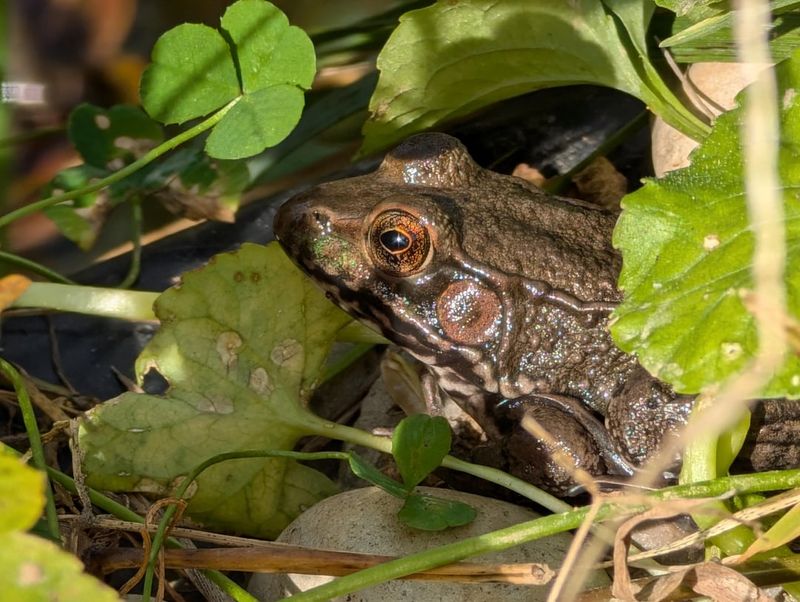
Native California shrubs do more than look good in a garden. They create layered cover that toads use for protection from the sun, predators, and dry air.
Plants like coffeeberry, toyon, and native currants grow dense enough to shade the ground beneath them, keeping the soil cool and slightly moist even on warm days.
Toads prefer areas where they can move from open ground to dense cover quickly. A yard with only lawn and bare soil gives them nowhere to hide.
But a yard with clumping native shrubs, ground-level plants, and mulched beds feels much safer to a toad. They will explore more freely and hunt more effectively in that kind of environment.
Planting natives also reduces how much water you need to use overall. Many shrubs native to our coastal and inland regions are drought-tolerant once established.
That means you can keep your garden lush without overwatering, which helps prevent the kind of soggy puddles that attract mosquitoes. Native plants also support the insects that toads eat, creating a full food web right in your yard.
You are not just planting a shrub. You are building a living system where toads can thrive.
Start with one or two native shrubs near a shaded garden bed and watch how quickly the wildlife in your yard responds. The difference can be noticeable within a single season.
7. Avoid Pesticides That Remove Their Food
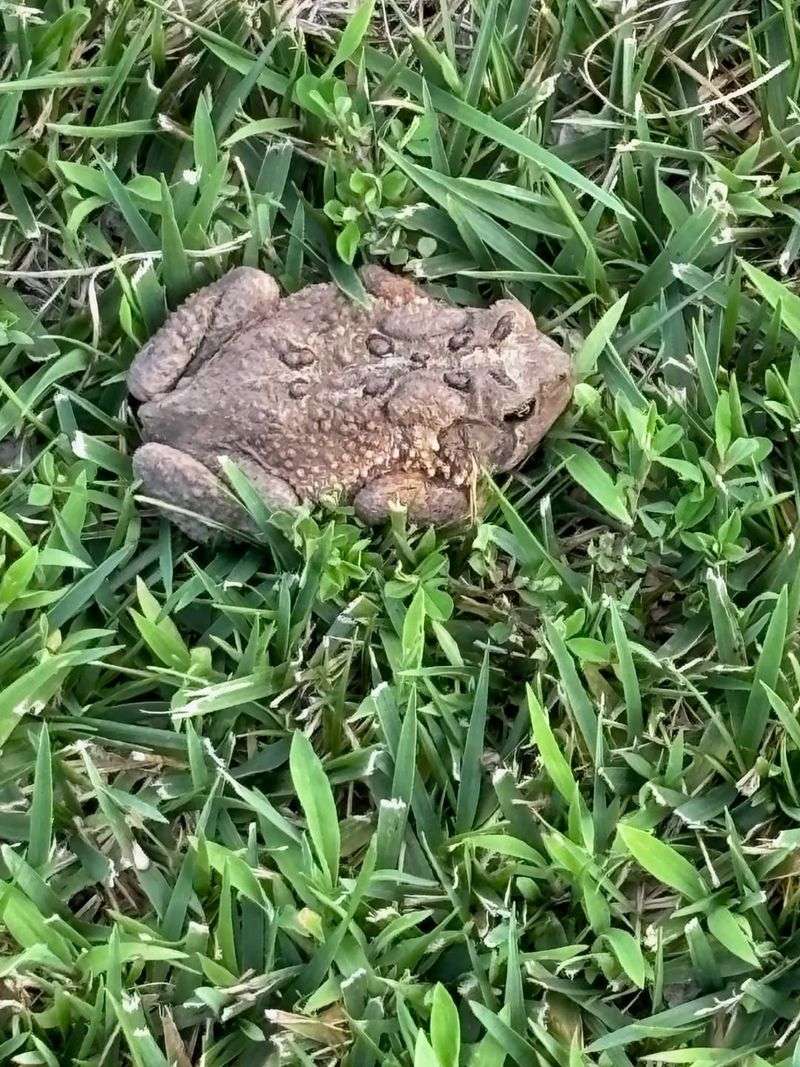
Toads are insect-eating machines. A single adult toad can eat up to 100 insects in one night.
That means they are doing serious pest control work while you sleep. But if you spray pesticides around your yard, you take away the very food source they depend on.
Broad-spectrum insecticides do not just target the pests you are trying to manage. They also wipe out beetles, moths, earwigs, and other insects that toads love to eat.
A yard with no insects is a yard a toad cannot survive in. Over time, pesticide use makes your garden less attractive and less livable for native toads.
Beyond removing their food, some pesticides absorb directly through a toad’s skin and cause serious harm. Toads are far more sensitive to chemical exposure than most other garden animals.
Even low concentrations of certain garden sprays can cause problems. If you have a pest issue, try targeted solutions first.
Hand-pick larger pests, use insecticidal soap only where needed, or introduce beneficial insects like ladybugs. Neem oil is another option that breaks down quickly and is less harmful to soil-dwelling creatures.
The goal is to manage specific problems without wiping out the entire insect community your toad depends on. A garden with a healthy toad population usually needs far fewer pest interventions anyway, because the toads are already doing the work.
8. Slug Baits Need Extra Caution
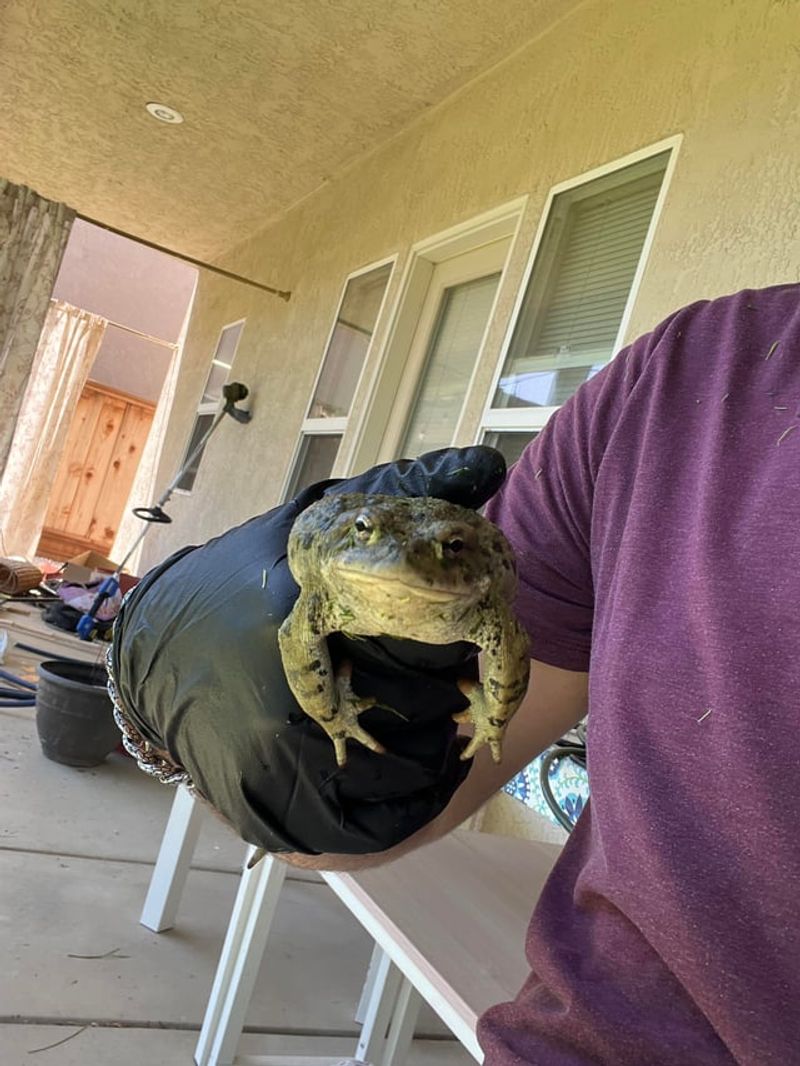
Slugs are one of a toad’s favorite snacks. If your California garden has a slug problem, your first instinct might be to reach for slug bait pellets.
But many common slug baits contain metaldehyde, a chemical that is highly toxic to toads and other wildlife. Even small amounts can cause serious harm when a toad eats a poisoned slug or contacts the bait directly.
Iron phosphate-based slug baits are a safer alternative. Products using this ingredient break down naturally in the soil and are considered much less harmful to wildlife, including toads.
Look for the active ingredient on the label before buying. Brands marketed as pet-safe often use iron phosphate, but always double-check the label to be sure.
You can also manage slugs without any bait at all. Copper tape around raised beds creates a barrier slugs avoid.
Beer traps attract and trap slugs overnight without using chemicals. Hand-picking slugs at night with a flashlight is surprisingly effective, especially after rain.
And of course, your resident toad is already on the job. A healthy toad population in a garden with good habitat will naturally keep slug numbers down over time.
Supporting your toads means letting them do what they do best. Reaching for chemical solutions too quickly can undercut all the habitat work you have done and put the very animals helping your garden at unnecessary risk.