Why Your Texas Yard Is Missing Painted Buntings And What Finally Brings Them In
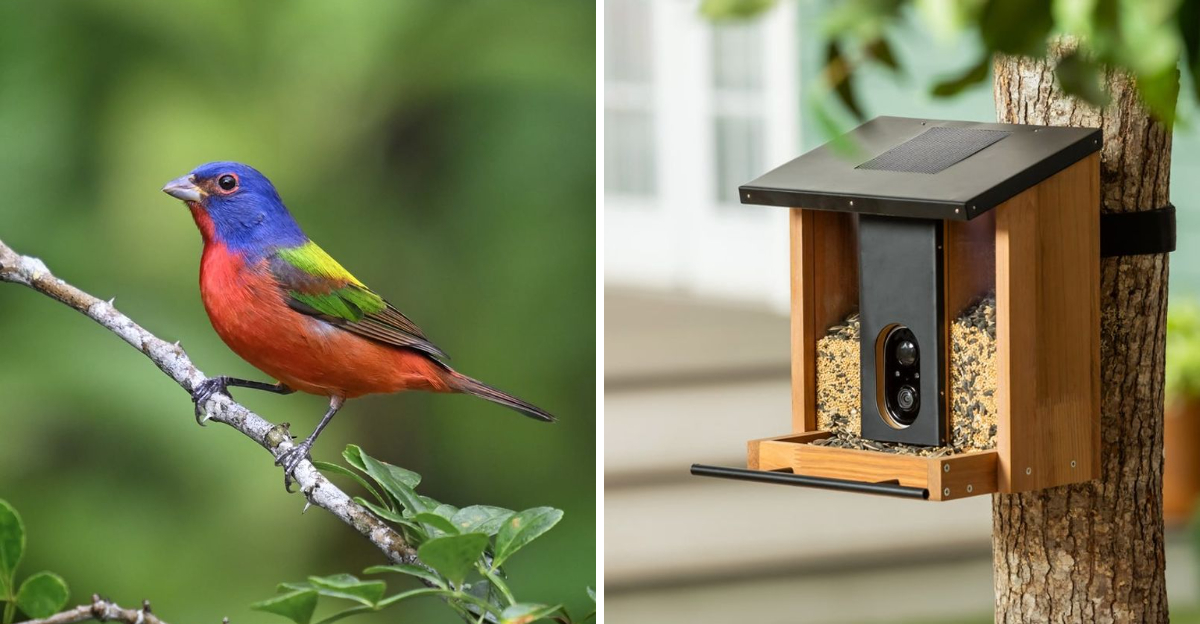
Painted buntings are one of the most spectacular birds that can visit a Texas yard, and most Texas homeowners never see one. That’s not because painted buntings are impossibly rare in this state.
Texas sits within their range, and they’re passing through or setting up territory in places that might be closer to your yard than you’d expect.
The reason most people miss them comes down to something more fixable than location. Your yard simply isn’t offering what painted buntings need.
These birds are selective. They have specific requirements when it comes to food, cover, water, and the overall character of a garden space.
A yard that meets those requirements consistently will see painted buntings. A yard that doesn’t, even one in the right geographic area, will be passed over season after season.
The good news is that the changes required to attract painted buntings are achievable for most Texas homeowners. Some of them are small adjustments. Others are planting decisions that pay off for years.
1. Your Yard Is Too Open And Manicured
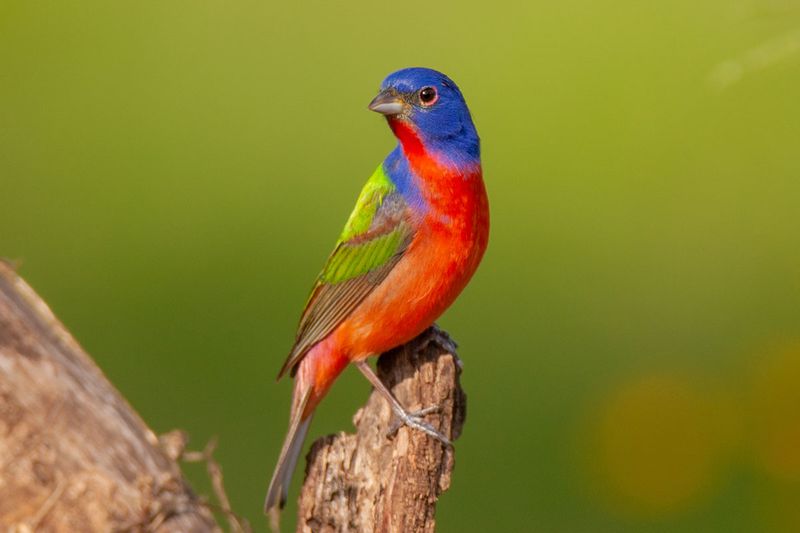
Picture a perfectly trimmed lawn, evenly spaced trees, and not a single wild plant in sight. It looks great to us, but to a Painted Bunting, it looks like a danger zone.
These birds are naturally drawn to brushy edges, overgrown fields, streamside thickets, and areas with a dense understory where they can hide quickly if threatened.
A wide-open lawn offers almost no low cover. Painted Buntings need layered vegetation, meaning plants at different heights, from ground-level grasses up through shrubs and small trees.
Without that layering, there is simply nowhere safe for them to land, rest, or nest. The fix does not have to be complicated. Start by letting one corner of your yard grow a little wild.
Add native grasses like little bluestem or Gulf muhly. Plant native shrubs such as agarita or native plum. Tuck in some wildflowers along a garden edge and let them go to seed.
Even a small patch of undisturbed, layered native vegetation can signal to a passing Painted Bunting that your yard is worth checking out.
Think of it less like gardening and more like building a neighborhood where birds feel genuinely comfortable and safe enough to stay awhile.
Texas has an incredible variety of native plants suited to this purpose. Local native plant societies and your county extension office are great places to start getting plant recommendations that work in your specific region of the state.
2. Your Bird Feeder Is Too Far From Protective Cover
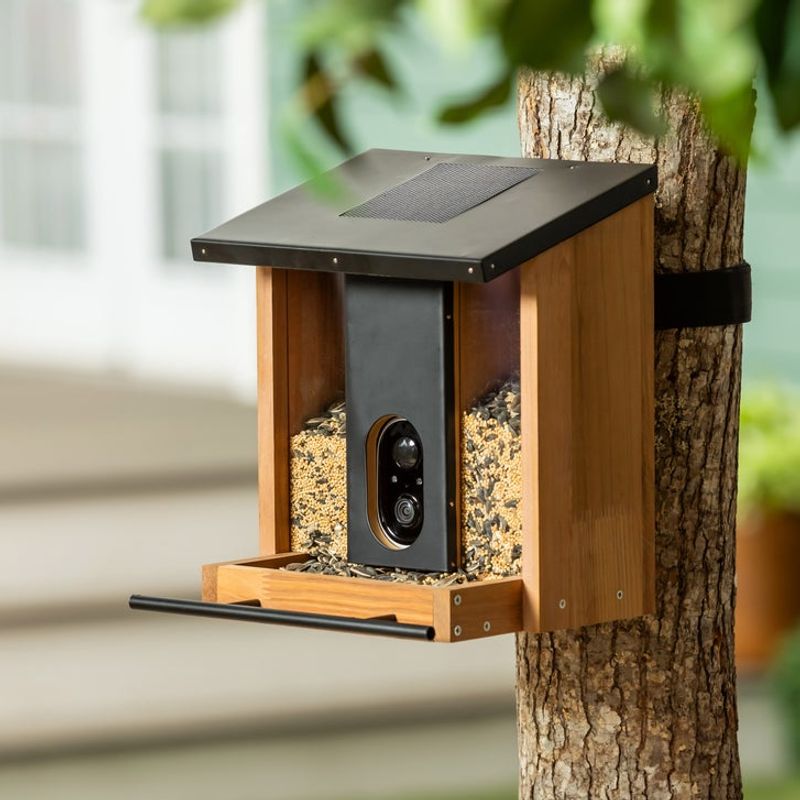
Here is something many bird lovers do not realize: putting a feeder out is only half the job. Where you place that feeder matters just as much as what you put inside it.
Painted Buntings are cautious birds. They will not casually stroll across an open lawn to grab a meal if they feel exposed and vulnerable the entire time.
Cornell Lab of Ornithology research confirms that Painted Buntings are far more likely to visit feeders in yards that have low, dense vegetation nearby. The birds need to feel like they can dart into cover quickly if a hawk or other predator shows up.
Your Texas Garden Changes Every Week. Your Plan Should Too.
Gardening in Texas changes quickly throughout the season. Every Friday you’ll receive a simple weekly plan showing exactly what to plant, prune, fertilize, harvest, and protect so you never miss the right timing.
A feeder sitting in the middle of a wide-open space rarely gets bunting visitors, no matter how good the seed is.
Move your feeder closer to a shrub, a dense hedge, or a grouping of native plants. Aim for a spot where the birds have about ten feet of clear visibility around the feeder so they can watch for threats, but also have quick access to cover within a short flight.
White millet is the seed Painted Buntings love most. A tube feeder or a platform feeder filled with white millet, placed near good shrub cover, is honestly one of the most effective setups you can create.
Keep the feeder clean and the seed fresh, because spoiled seed is a fast way to lose any bird’s interest.
Small adjustments in feeder placement can produce noticeable results within just a few weeks, especially during spring and fall migration.
3. You Are Removing The Seed-Producing Plants They Naturally Eat
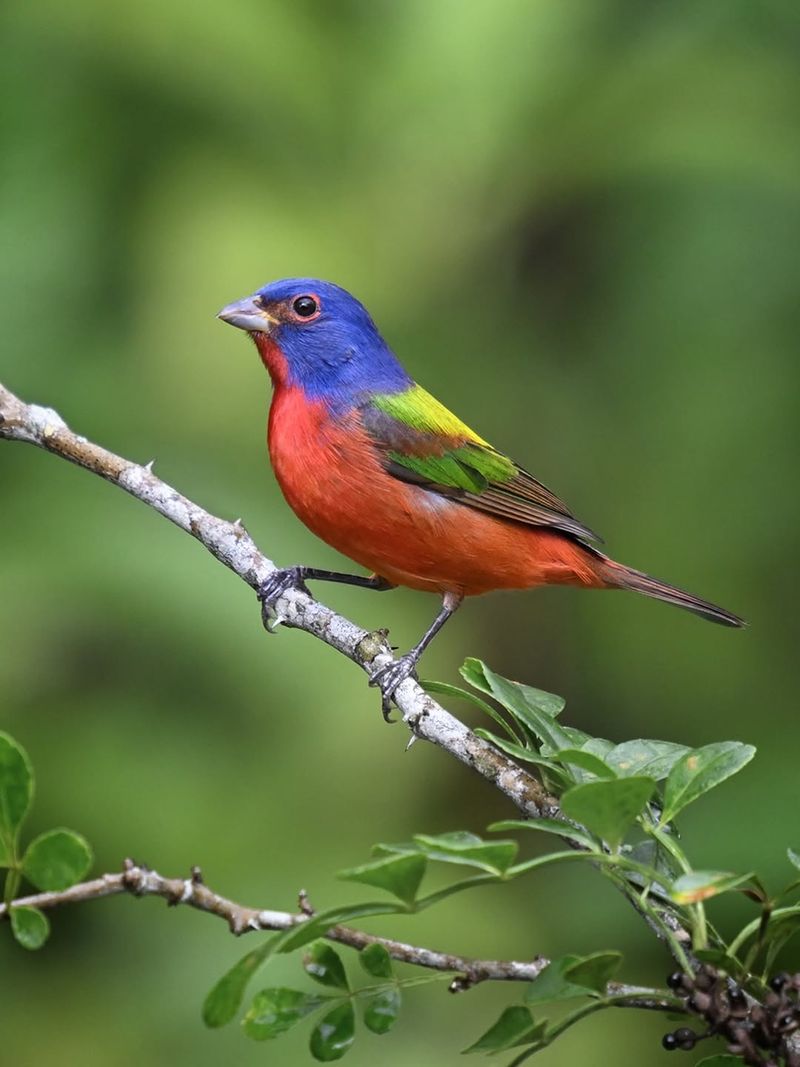
Most of us have been trained to think that a tidy yard means cutting everything back, pulling every weed, and keeping all plants neatly trimmed. But for Painted Buntings, that tidiness can actually remove one of their most important food sources.
Outside of breeding season, these birds are primarily seed eaters, and they rely heavily on natural plant seeds to fuel their lives.
Painted Buntings forage on seeds from native grasses, sedges, and a wide variety of broadleaf plants. Some of the plants we call weeds, like pigweed, panic grass, and native sunflowers, are actually excellent food sources for them.
Constant mowing and deadheading removes exactly the seedheads these birds are searching for.
Try leaving at least a portion of your yard, especially along fence lines or garden borders, where grasses and wildflowers can mature and produce seeds naturally.
Little bluestem, sideoats grama, and native sunflowers are all great Texas options that look attractive while feeding birds at the same time.
You do not have to let your entire yard go wild. Even a modest strip of unmowed native plants along one edge of your property can provide meaningful food during migration and winter months when Painted Buntings are most likely to visit Texas feeders and natural areas.
Think of mature seedheads as a living pantry stocked specifically for these birds. Once you start seeing your yard through their eyes, it becomes much easier to make small, strategic choices that add up to a genuinely bird-friendly habitat over time.
4. Summer Insecticides Are Eliminating Their Breeding-Season Food
Seeds are the staple of a Painted Bunting’s diet for much of the year, but breeding season changes everything. When these birds are raising young in late spring and early summer, they switch heavily to insects.
Caterpillars, grasshoppers, beetles, flies, spiders, and other small invertebrates become the primary food they need to survive and feed their nestlings.
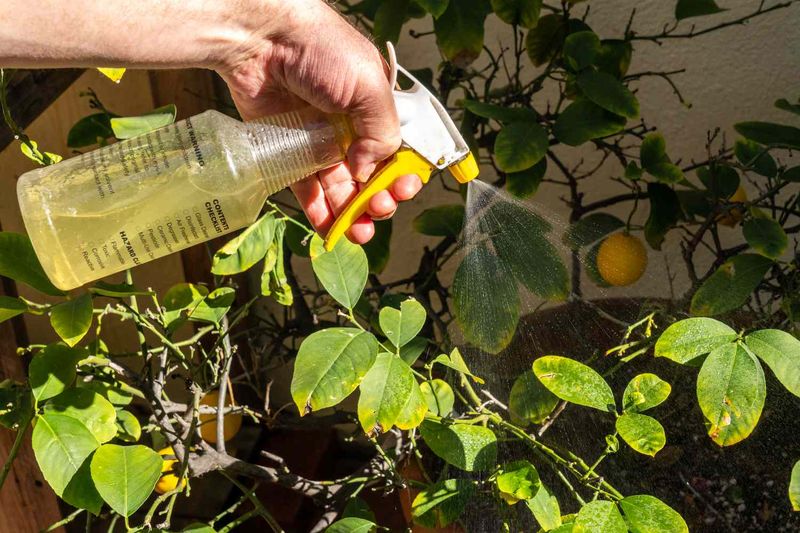
Broad-spectrum insecticides wipe out this food supply fast. Many common yard sprays do not distinguish between harmful pests and the beneficial insects that birds depend on.
When you spray for mosquitoes or general pest control, you are often removing the very creatures that make your yard valuable to breeding Painted Buntings and other insect-eating birds.
Reducing unnecessary pesticide use is one of the most impactful things you can do for backyard birds. Start by identifying which insects in your yard are actually causing problems and which ones are simply part of a healthy ecosystem.
Targeted, minimal treatments cause far less damage to the overall insect food web than routine broad-spectrum spraying.
Growing native plants is the single best way to support a functioning insect population. Native plants host native insects, and native insects feed native birds.
Plants like black-eyed Susan, Texas lantana, and native milkweeds attract and support dozens of insect species that Painted Buntings and their chicks need during nesting season.
A yard buzzing with the right kind of insect life is not a yard out of control. It is a yard that is working exactly the way nature intended, and birds will notice and reward that balance.
5. The Yard Has No Dense Shrub Suitable For Nesting
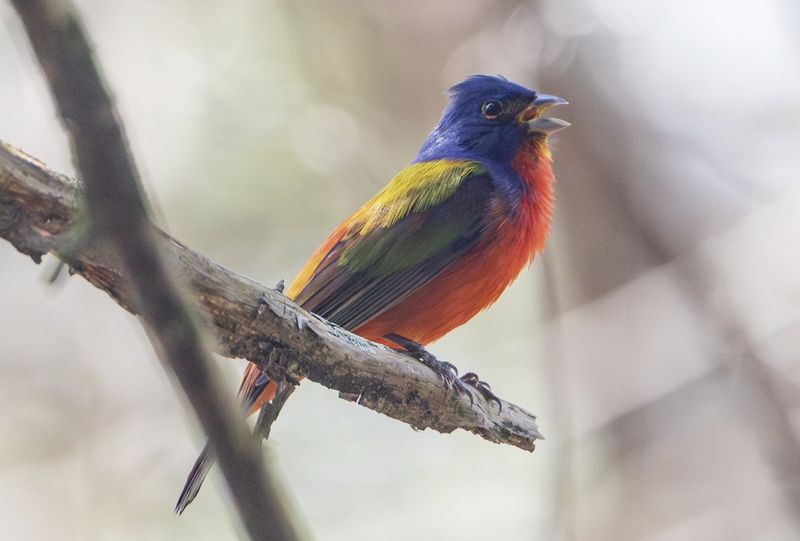
Painted Buntings are picky about where they build their nests, and for good reason. Nests are vulnerable spots, and these birds choose locations carefully to give their eggs and young the best chance of survival.
They typically place nests in dense foliage, usually somewhere between three and six feet above the ground, with nearby perches and open feeding space close by.
A yard that only has short turf grass, clipped foundation shrubs, and tall shade trees is missing the critical middle layer that Painted Buntings need.
That middle zone, the shrubby, dense, slightly messy layer between knee height and head height, is where nesting actually happens for this species.
Planting isolated shrubs scattered randomly across a yard does not really solve the problem. Painted Buntings prefer thicket-like groupings where several shrubs grow close enough together to create a dense, connected mass of foliage.
Native Texas shrubs like beautyberry, agarita, native plum, and yaupon holly work beautifully for this purpose.
Timing matters too. Avoid heavy pruning between April and August, which is the primary nesting season for Painted Buntings in Texas.
Cutting back shrubs during this period can disturb active nests and cause birds to abandon a site they might otherwise return to year after year.
Once you establish a thicket-like grouping of native shrubs in your yard, you may find that Painted Buntings and many other bird species begin using it regularly.
Dense native shrub cover is one of the highest-value habitat features any Texas yard can offer to resident and migratory birds alike.
6. Reliable, Clean Water Is Missing During The Texas Heat
Texas summers are brutal, and finding clean, fresh water can be genuinely difficult for birds during the hottest months. Water is not just a nice bonus feature for a backyard habitat in Texas.
During dry stretches and peak heat, it can be the single most important resource that determines whether birds visit your yard or move on entirely.
Painted Buntings are drawn to shallow, moving water. A simple birdbath works, but adding a small solar-powered bubbler or a dripping water feature makes it significantly more attractive.
The sound of moving water is a powerful signal to birds passing overhead or through nearby vegetation, especially during migration.
Placement matters as much as the water feature itself. Set your birdbath where birds have a clear view of their surroundings so they can watch for threats while drinking or bathing.
Position it within a short flight of dense shrub cover so birds can dash to safety quickly if needed. Avoid placing it directly under a feeder where droppings can contaminate the water fast.
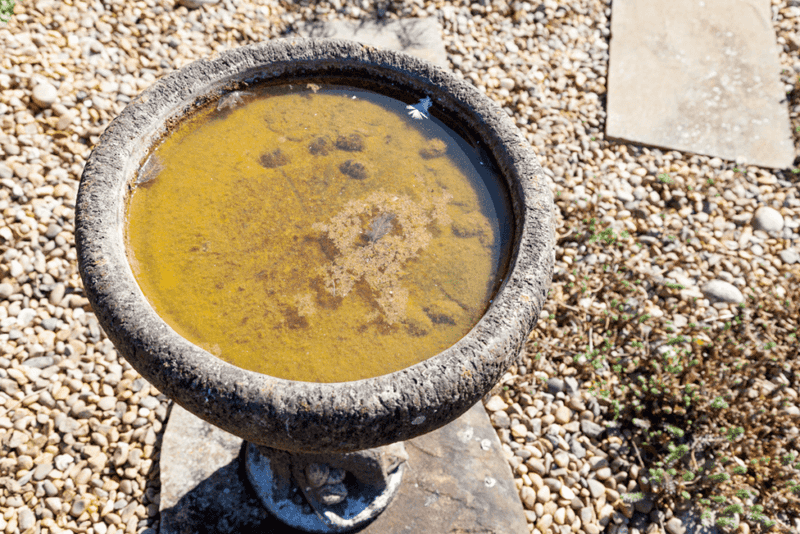
Refill the bath every one to two days during summer, and scrub it with a stiff brush at least once a week. Stagnant water grows algae and can carry disease, which drives birds away rather than attracting them.
A clean, fresh, shallow water source that gets regular attention is far more effective than an elaborate feature that sits neglected.
Even a modest dish set on a low stand near good shrub cover can make your yard a reliable stop for Painted Buntings and dozens of other Texas bird species throughout the year.
7. The Yard Feels Too Dangerous to Use Repeatedly
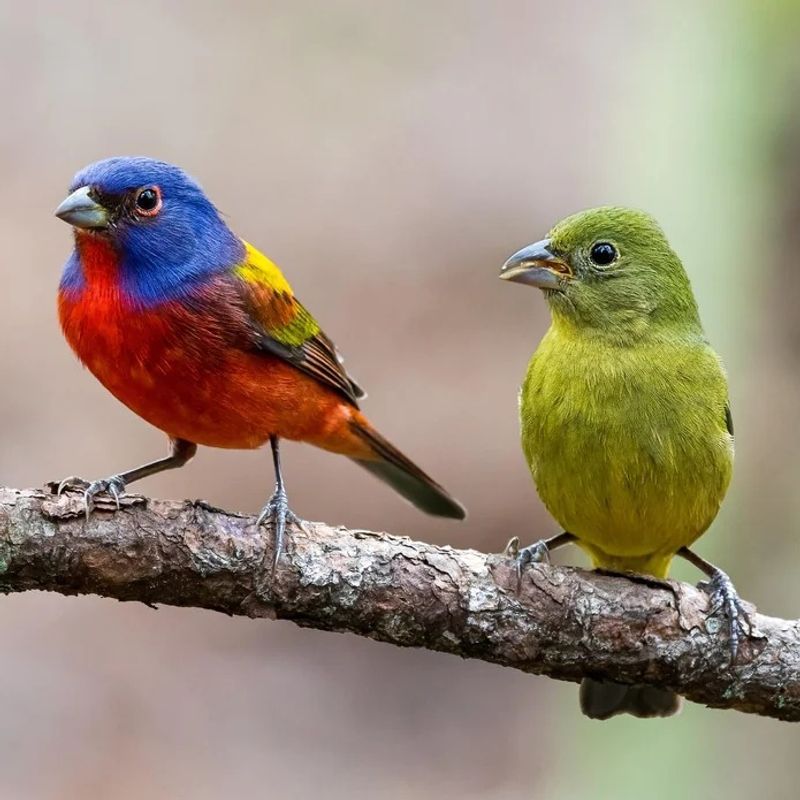
A yard can have the perfect feeder, the right plants, fresh water, and dense shrubs, and still fail to attract Painted Buntings consistently if it feels unsafe. Birds are constantly assessing risk, and they will avoid areas where threats show up regularly.
Even a single bad experience can teach a bird to skip your yard entirely on future visits.Outdoor cats are one of the biggest hazards for ground-feeding birds like Painted , which spend considerable time foraging low to the ground and near shrub edges.
Texas Parks and Wildlife specifically recommends keeping cats indoors to protect migratory birds. Even a well-fed, seemingly calm cat poses a serious threat to birds that visit your yard.
Window collisions are another major issue. Reflective glass is invisible to birds, and strikes happen fast.
Treating dangerous windows with exterior tape patterns, screens, or commercial bird-safe window film dramatically reduces this hazard. The markings need to be on the outside surface of the glass and spaced no more than two inches apart to be effective.
Connected vegetation also plays a safety role. When shrubs and plantings form a linked corridor through your yard rather than isolated islands, birds can move through your space with cover at every step.
Painted Buntings and other migratory species are much more likely to explore and return to a yard where they can travel safely between feeding, bathing, and resting spots.
Making your yard feel genuinely safe is not a one-time fix. It requires consistent attention to cats, windows, and connected native plantings working together as a complete system.