What Drooping Coleus Leaves In North Carolina Pots Are Telling You About Water, Roots, And Sun
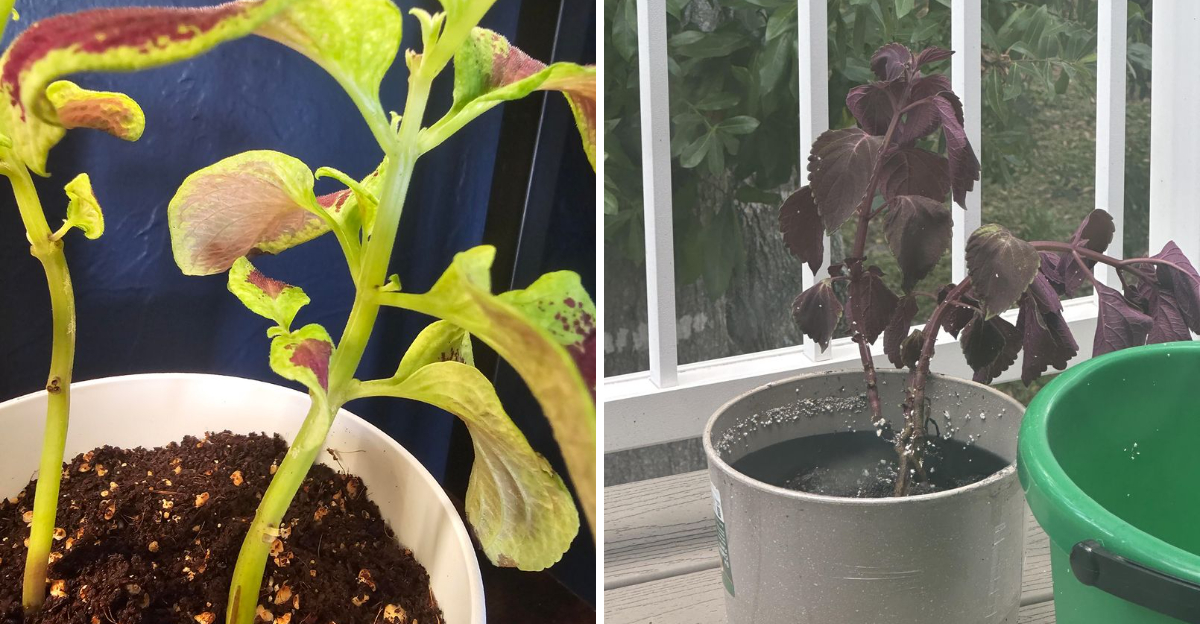
Coleus droop is one of the most misleading signals in container gardening, because the same symptom points in completely opposite directions depending on what is actually causing it. Overwatered coleus droops.
Underwatered coleus droops. Root-bound coleus droops. Coleus receiving too much direct afternoon sun in a North Carolina July droops with a conviction that makes the whole plant look finished.
Watering right away is sometimes the perfect fix, but other times it is the worst thing you can do. This choice matters much more in a container than in the ground, where surrounding soil can absorb your mistakes.
Reading the specific details of how and when coleus droops points directly to the real cause.
1. The Potting Mix May Be Too Dry Below The Surface
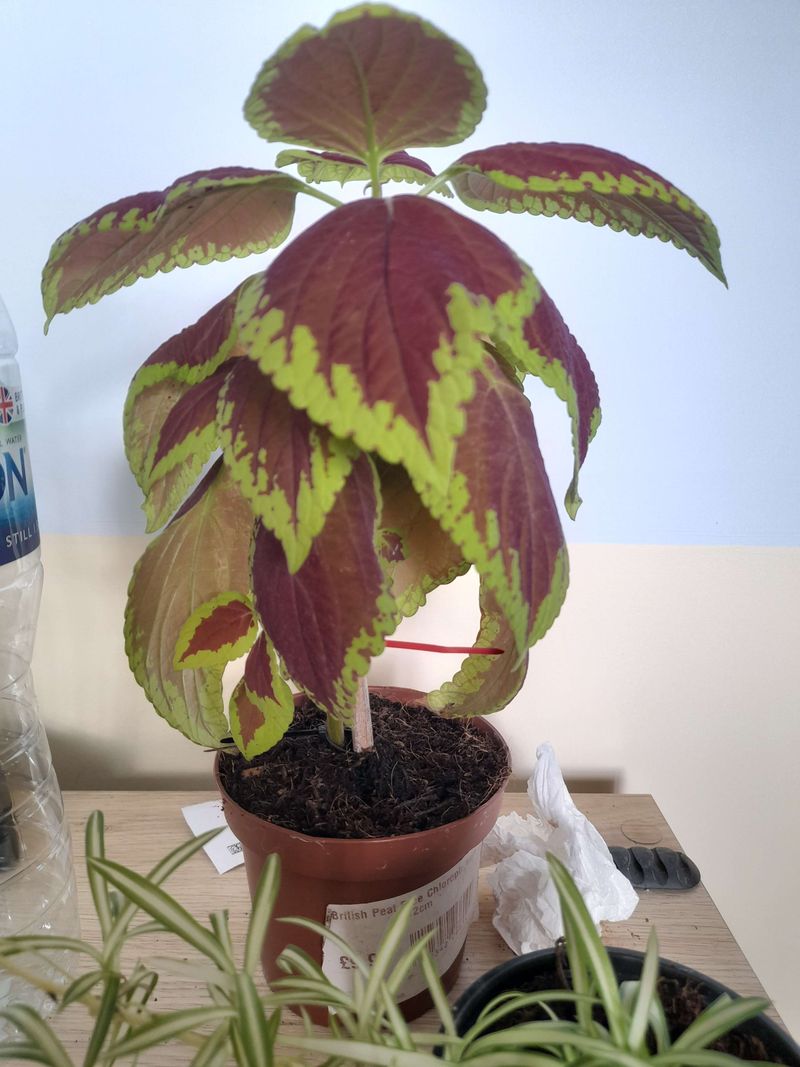
Stick your finger about two inches into the potting mix right now. That top layer might feel slightly cool or even damp, but the root zone deeper down could be completely dry.
Coleus roots live in the middle and lower sections of the pot, so judging moisture only by the surface can send you in the wrong direction.
North Carolina summers are no joke. Heat, humidity, and afternoon sun can pull moisture out of container soil much faster than most gardeners expect, sometimes drying out a small pot in less than a day.
Dark pots and porous terracotta containers lose moisture even faster, making the problem worse on windy days or when the pot sits in direct sun all afternoon.
A drooping coleus that perks back up after a thorough watering is a clear sign the root zone got too dry. The key word there is thorough.
A quick splash on top does not always reach the roots. Water slowly until it drains freely from the bottom holes, making sure the entire root zone gets fully saturated.
Checking soil moisture with a simple wooden chopstick or a moisture meter takes only a few seconds and gives you much more accurate information than guessing. Push it down to the middle of the pot and pull it out.
If it comes out dry or clean, the plant almost certainly needs water. Staying consistent with this habit through the hottest months keeps your coleus looking full, bright, and healthy all summer long in North Carolina containers.
2. The Pot May Be Too Small For The Plant
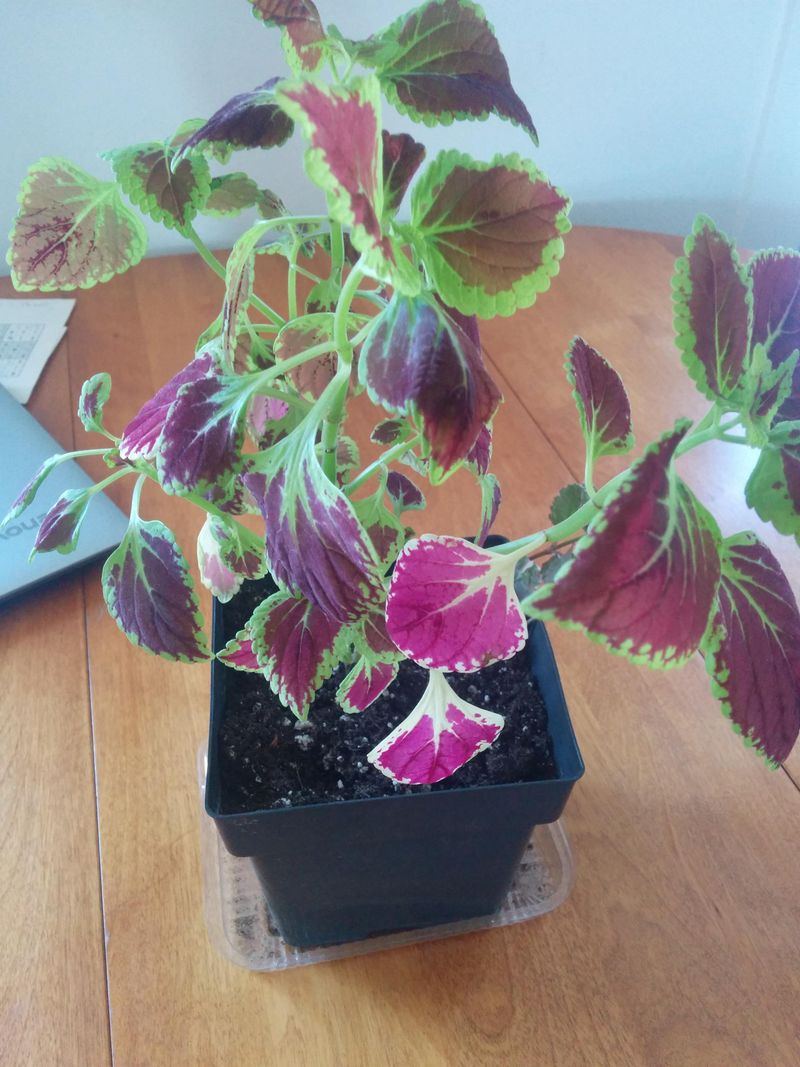
Picture a coleus plant that has been growing all spring and is now bursting with leaves, yet still sitting in the same small nursery pot it came home in from the garden center.
That crowded root system has very little soil left to hold onto moisture, which means even a thorough watering drains out almost immediately.
On a hot North Carolina afternoon, that plant can go from watered to stressed in just a few hours.
Roots that circle the inside of a pot, or push through the drainage holes at the bottom, are a strong signal that the plant has outgrown its container. When roots run out of room, they also run out of access to nutrients and stable moisture.
Your North Carolina Garden Changes Every Week. Your Plan Should Too.
Gardening in North Carolina changes quickly throughout the season. Every Friday you’ll receive a simple weekly plan showing exactly what to plant, prune, fertilize, harvest, and protect so you never miss the right timing.
The plant responds by drooping its leaves, which is its way of reducing water loss when supply cannot keep up with demand.
Moving a root-bound coleus into a pot that is two to four inches wider can make a noticeable difference very quickly. Choose a container with drainage holes and fill it with fresh, high-quality potting mix.
Avoid going too large too fast, though, because oversized pots hold extra moisture that roots cannot absorb quickly, which creates its own set of problems.
After repotting, water the plant well and move it to a shaded spot for a day or two while it settles in. Most coleus plants bounce back surprisingly fast once their roots have the space they need.
Giving your plant room to grow is one of the simplest ways to prevent drooping all season.
3. Too Much Afternoon Sun Can Make Leaves Sag
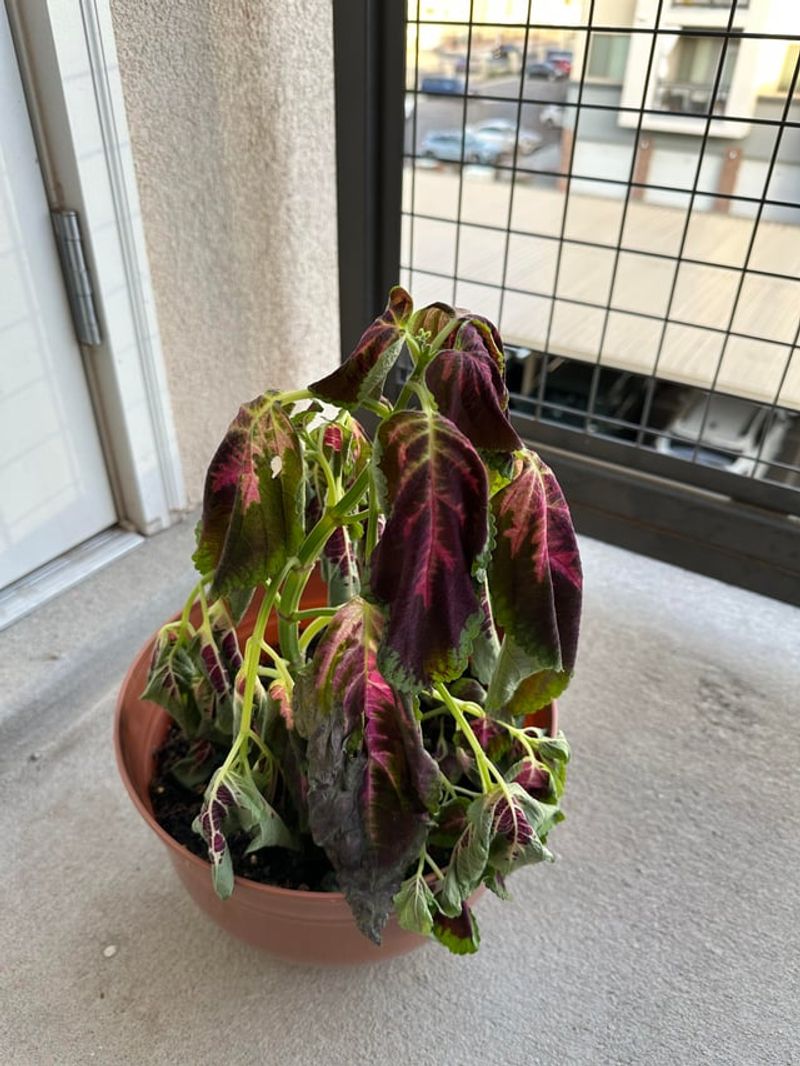
Coleus has a reputation as a shade plant, and for good reason. Most classic varieties were bred to shine in filtered light, dappled shade under trees, or bright spots that get morning sun but stay cool in the afternoon.
When a potted coleus sits in full western sun during a North Carolina July or August, the leaves can sag, fade, and look washed out even if the soil is perfectly moist.
Afternoon sun in North Carolina is especially intense. Temperatures regularly climb into the upper 90s, and the UV intensity during those hours is strong enough to stress even sun-tolerant plants.
Coleus leaves are thin and broad, which means they lose water through their surface quickly when heat and sun hit them at the same time. Drooping is the plant pulling resources inward to protect itself.
Newer sun-tolerant coleus varieties have been developed specifically for brighter conditions, and they do perform better in more light.
But even those varieties appreciate some relief during the hottest part of the day, typically between 2 p.m. and 5 p.m.
Moving a pot to a spot with eastern exposure gives the plant bright morning light without the punishing afternoon heat.
A simple fix is placing a lightweight shade cloth or moving the container near a wall, fence, or taller plant that blocks western sun. Coleus placed in the right light not only stops drooping but also holds its color much longer through the season.
Vibrant, upright leaves are a reliable sign that your coleus has found its happy spot in the garden.
4. Soggy Roots Can Cause The Same Droopy Look
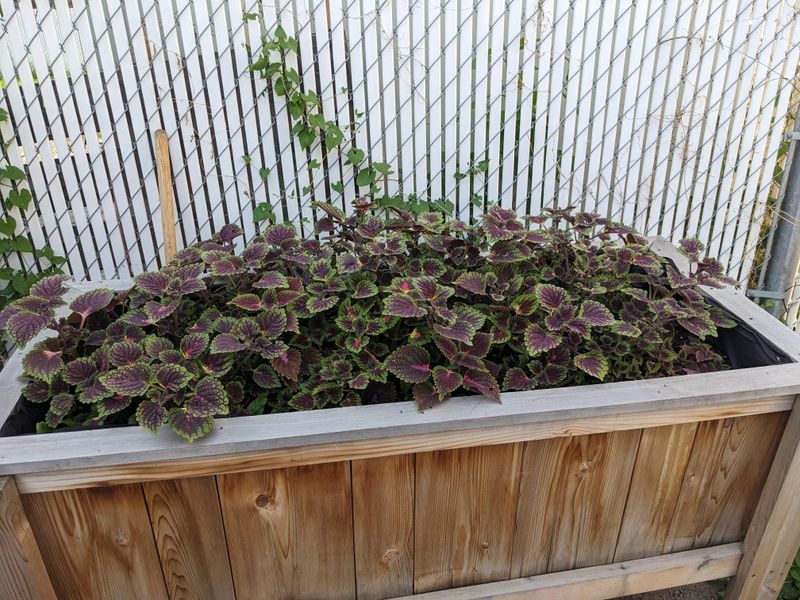
Here is something that surprises a lot of gardeners: overwatering and underwatering can look almost identical on a coleus plant. Both cause drooping leaves, and both make the plant look sad and limp.
The difference lives in the soil and at the base of the stem, not in the leaves themselves.
Roots need oxygen as much as they need water. When a pot stays soggy for too long, the air pockets in the soil fill with water and roots begin to struggle.
A coleus with oxygen-starved roots cannot move water and nutrients up to the leaves efficiently, so the foliage droops even though the soil is soaking wet. Checking the stem near the soil line can give you a quick clue.
Soft, mushy tissue near the base is a warning sign that too much moisture has been sitting too long.
Good drainage is the first line of defense. Every pot should have drainage holes at the bottom, and saucers should not be left full of standing water after rain or watering.
Heavy, dense potting mixes that compact over time can also trap moisture and reduce airflow around roots. Mixing in a small amount of perlite helps keep the soil light and well-drained.
If you suspect overwatering, hold off on watering for a few days and move the pot to a spot with better airflow. Let the top two inches of soil dry out before watering again.
Catching this problem early gives the roots a chance to recover and the plant a real opportunity to bounce back strong and healthy.
5. Hot Pots Can Stress The Roots
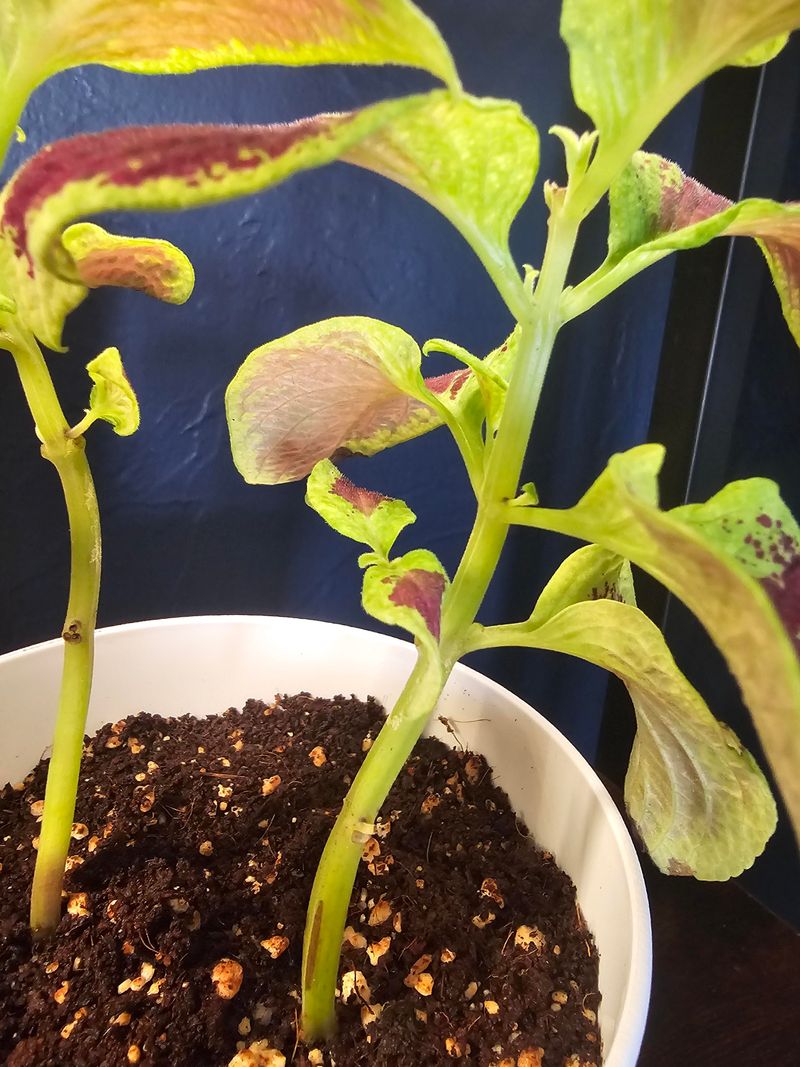
Most gardeners focus on the leaves when a coleus droops, but the answer is often hiding at the root level.
Pot temperature matters more than many people realize, especially during a North Carolina summer when concrete patios and full-sun decks can get scorching hot by midday.
The soil inside a dark pot sitting in direct sun can reach temperatures well above what coleus roots can handle comfortably.
Black plastic pots, dark glazed ceramic containers, and metal planters absorb and hold heat efficiently. That is great in cool spring weather, but it works against you in July and August.
When root zone temperatures climb too high, roots slow down their ability to absorb water and nutrients. The plant responds by drooping its leaves, even if the soil moisture level seems fine when you check it with your finger.
Switching to light-colored pots, double-potting by placing a dark pot inside a larger light one, or wrapping containers with burlap can all reduce heat absorption significantly.
Another easy trick is grouping several pots together so they shade each other’s sides, which keeps root zones cooler throughout the day without any extra effort or cost.
Moving containers off concrete and onto wooden surfaces, grass, or gravel also helps because those surfaces stay cooler and do not radiate heat upward into the pot.
Even shifting a pot just two feet into a shadier spot can drop root zone temperature by several degrees.
Cooler roots stay active and healthy, which means the coleus above them stays upright, colorful, and strong through the hottest weeks of the North Carolina growing season.
6. Pest Pressure May Be Weakening The Leaves
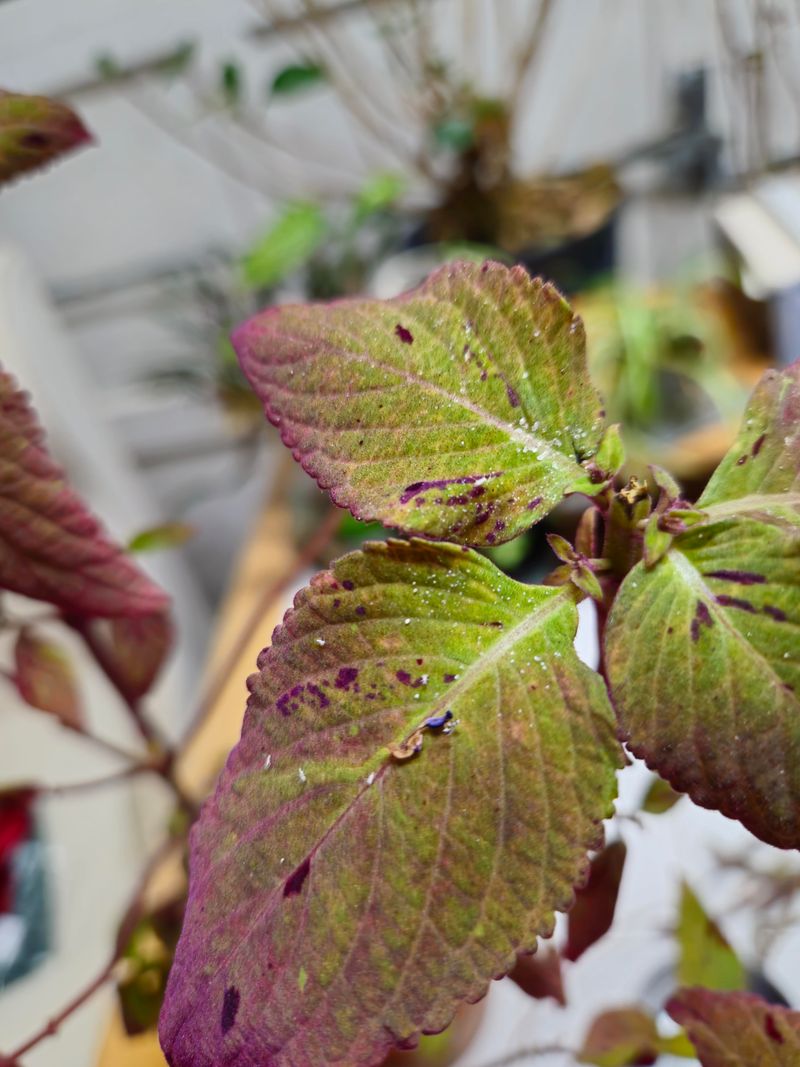
Not every drooping coleus has a watering or sunlight problem. Sometimes the trouble is much smaller, literally.
Tiny pests feeding on leaves, stems, and roots can quietly weaken a plant until the foliage starts to look limp, speckled, or just a little off. The tricky part is that these pests are easy to miss unless you know exactly where to look.
Spider mites love hot, dry conditions, which makes North Carolina summers practically ideal for them. They cluster on the undersides of leaves and leave behind fine webbing and tiny pale dots where they have been feeding.
Mealybugs show up as small white cottony clusters near stem joints and leaf bases. Aphids tend to gather on tender new growth, making young leaves curl and droop before the damage becomes obvious across the whole plant.
Checking the undersides of leaves every week or two is one of the best habits a container gardener can build. Flip a few leaves over and look closely with good light.
If you spot stickiness, webbing, distorted growth, or tiny moving dots, you have found your problem. Catching pest pressure early makes it much easier to manage without major intervention.
A strong spray of water from a hose can knock off spider mites and aphids quickly. Insecticidal soap spray works well for mealybugs and heavier infestations and is safe for most coleus varieties when used according to label directions.
Keeping the area around your pots clean and free of fallen leaves also reduces hiding spots for pests, giving your coleus a much better chance of staying healthy and vigorous all season long.
7. The Plant May Be Asking For A Better Balance Of Water, Sun, And Roots
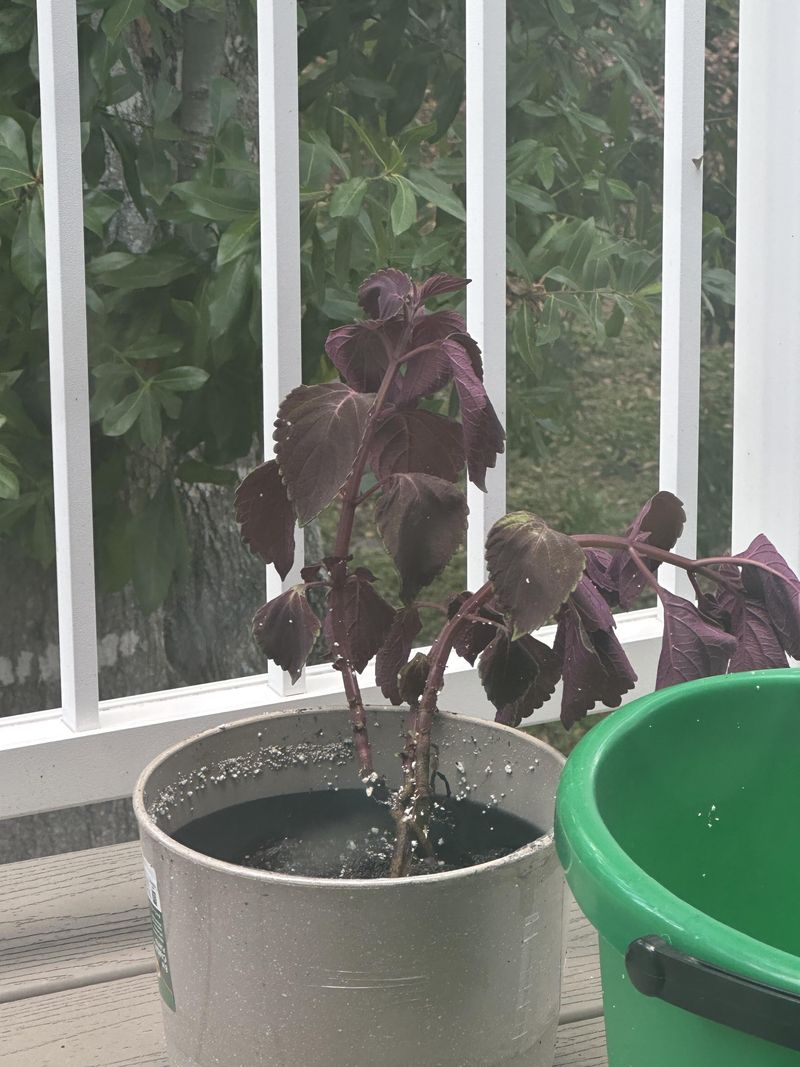
Drooping coleus leaves almost never come from just one single cause. Most of the time, the plant is reacting to a combination of factors that have gotten slightly out of balance with each other.
Moisture levels, root health, pot size, and light exposure all work together, and when one of them tips too far in the wrong direction, the leaves are usually the first thing to show it.
Before reaching for the watering can, take a full look at the whole picture. Check the soil moisture two inches down, not just at the surface.
Look at the pot size and see if roots are pushing out of the drainage holes. Think about where the sun hits the pot during the afternoon and whether the container might be sitting on a surface that holds heat.
All of these observations together give you a much more complete answer than any single check alone.
Drainage is worth double-checking every season. Old potting mix compacts over time and drains less efficiently than it did when it was fresh.
Refreshing the soil each spring, choosing pots with good drainage holes, and avoiding saucers that trap standing water all make a meaningful difference in how steady the root zone stays through summer heat and rain cycles.
A coleus that gets the right balance of consistent moisture, healthy root space, protection from harsh afternoon sun, and freedom from pests will reward you with upright, colorful leaves from late spring all the way through fall.
North Carolina container gardening takes a little attention, but the results are absolutely worth every bit of it. Your coleus will show you exactly when it is happy.