Why Your California Peppers Get Sunscald And How To Prevent It
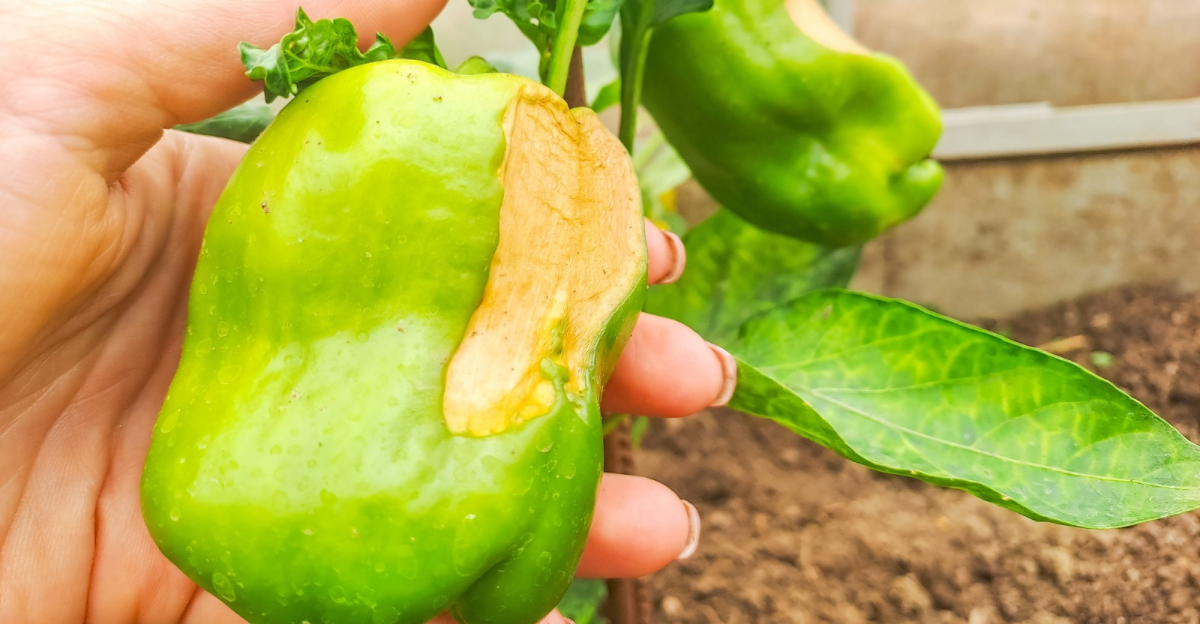
You put in the work, the plants look great, and then you walk out on a hot California afternoon to find pale, sunken, papery patches forming right on your peppers. Not exactly the reward you were expecting.
Sunscald has a way of showing up fast and quietly ruining fruit that looked completely fine the day before, and if you grow peppers in a California summer, it is one of those problems worth knowing about before it shows up rather than after.
Intense direct sun on exposed fruit is the main culprit, but thin leaf cover, branches bent open under heavy fruit, reflected heat from nearby walls, dry soil, and a weak plant canopy can all make things worse.
The encouraging part is that this is a very manageable problem once you know what is actually driving it and what to do about it.
1. Exposed Pepper Fruit Takes The Hit
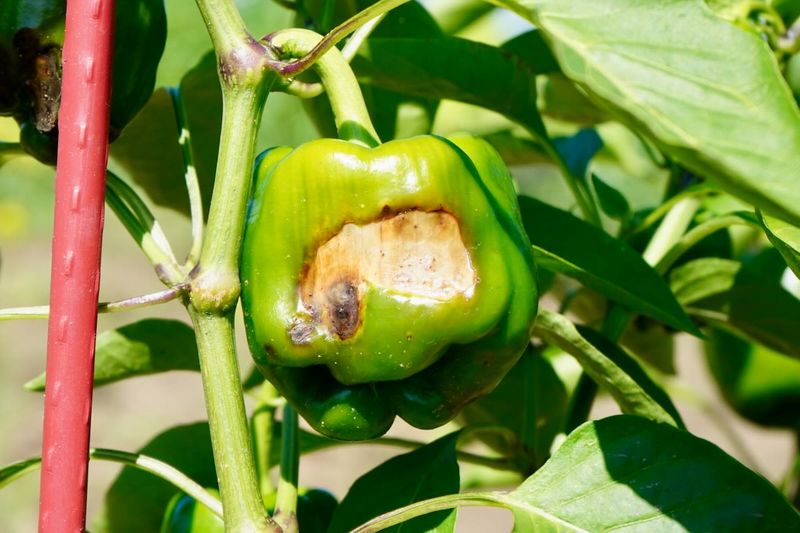
Pale, papery patches on a pepper fruit are usually the first sign that sunscald has already arrived.
When pepper fruit sits fully exposed to direct sunlight without any leaf shade above or around it, the skin of the fruit can overheat and the tissue underneath begins to break down.
The result is a bleached, sunken area that often feels soft or dry to the touch.
In California, where summer sun can be intense and relentless for weeks at a time, exposed pepper fruit is particularly vulnerable. A pepper that was tucked neatly inside the canopy one week may find itself hanging in full sun after a few leaves drop or a branch shifts.
Once that fruit skin heats beyond what it can handle, the damage is done quickly.
Sunscald tends to show up on the side of the pepper facing the afternoon sun, which in most California gardens means the south or west side of the fruit.
Checking your plants during the hottest part of the day can help you spot fruit that has drifted outside the canopy.
Tucking exposed fruit back under leaves or adding a little extra shade to the bed can help limit further damage.
2. Thin Leaf Cover Lets Sun Reach The Skin
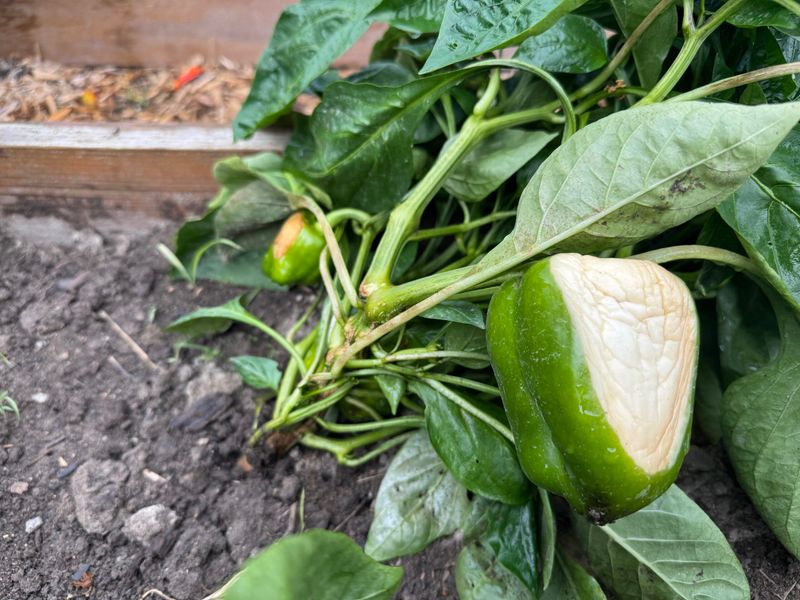
Hot July afternoons have a way of revealing just how much work a pepper plant’s leaf canopy is doing.
When leaf cover is thick and healthy, the canopy acts like a natural umbrella, keeping fruit shaded and cooler even when air temperatures climb.
When that leaf cover thins out, fruit that was once protected can end up sitting in full sun for hours at a time.
Leaf cover can thin out for several reasons in California gardens. Pest damage, nutrient deficiencies, overwatering, underwatering, or heat stress can all cause leaves to drop or curl, leaving gaps in the canopy.
Some pepper varieties naturally grow with more open branching, which means their fruit is more exposed from the start.
Keeping leaves healthy is one of the most reliable ways to reduce sunscald risk throughout the season. Consistent watering, proper fertilizing, and regular checks for pests and disease can all support a fuller, more protective canopy.
Your California Garden Changes Every Week. Your Plan Should Too.
Gardening in California changes quickly throughout the season. Every Friday you’ll receive a simple weekly plan showing exactly what to plant, prune, fertilize, harvest, and protect so you never miss the right timing.
If you notice leaves curling or dropping during a heat wave, take a closer look at the fruit underneath. Moving a container plant to a spot with afternoon shade or adding shade cloth over a raised bed can help fill the gap while the plant recovers.
3. Heavy Fruit Can Pull Branches Open
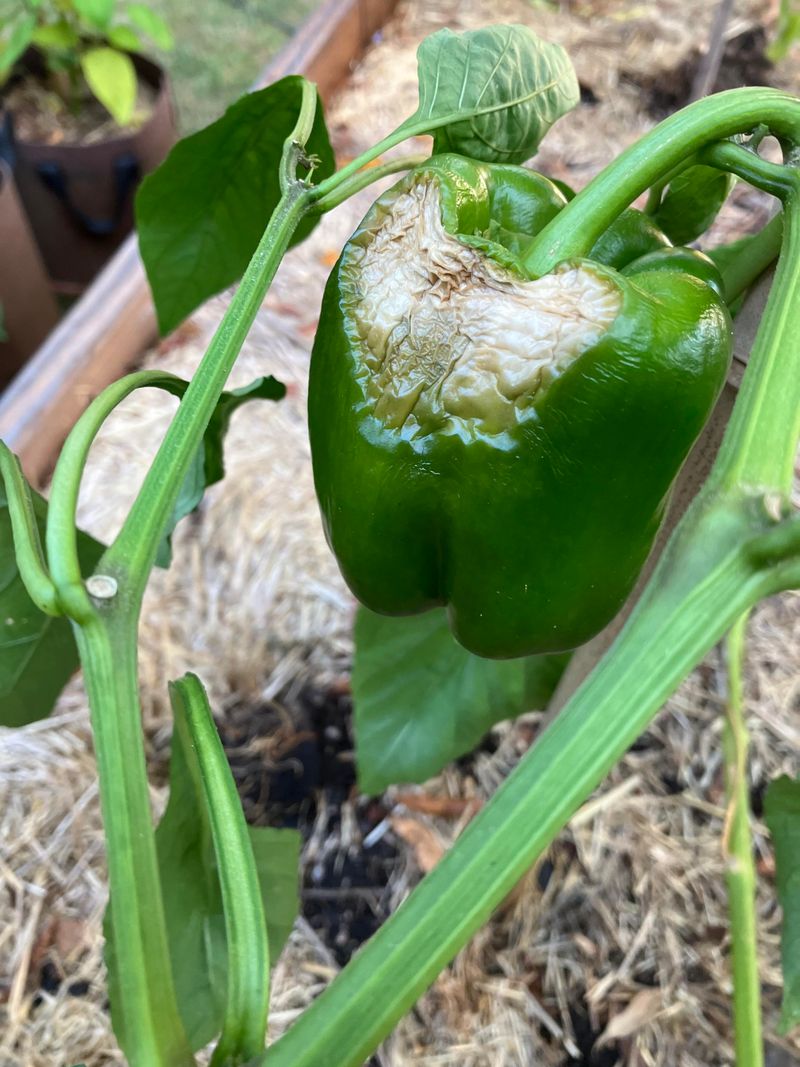
A pepper plant loaded with large fruit looks impressive, but all that weight can quietly work against you. When peppers grow heavy and numerous, the branches holding them begin to bend outward and downward under the load.
This spreading opens up the center of the plant and pushes fruit that was once shaded inside the canopy out into direct sunlight.
In California’s warm inland valleys, where pepper plants often thrive and produce heavily, this is a real and common problem.
A plant that looked full and well-covered in early summer can end up with a wide-open canopy by midsummer simply because the branches have been pulled apart by fruit weight.
Once those branches spread, the fruit on the outer edges has no shade protection during the hottest hours of the day.
Supporting your pepper plants early in the season can help prevent this kind of spreading. Tomato cages, bamboo stakes, or garden twine tied loosely around the plant can keep branches from bending too far outward.
Some gardeners tie individual heavy branches to a central stake to reduce drooping. Catching this early, before branches spread too wide, gives your pepper canopy a much better chance of staying intact through the heat of summer.
4. Inland Heat Makes Sunscald More Likely
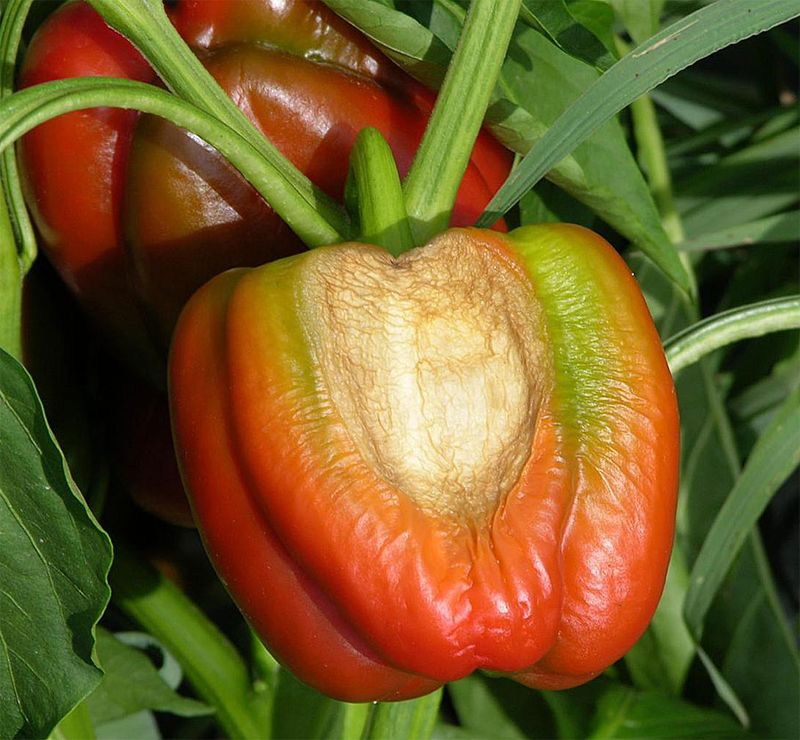
Growing peppers in California’s inland valleys, the Central Valley, or the foothills means dealing with summer heat that coastal gardeners rarely experience at the same intensity.
Temperatures in these areas can climb well above 95 degrees Fahrenheit during heat waves, and that kind of sustained heat puts pepper fruit at much greater risk of sunscald than mild, foggy coastal conditions.
Pepper fruit tissue can overheat and sustain damage even when air temperatures are not at record highs.
When direct sun hits exposed fruit for several hours on a hot inland afternoon, the surface temperature of that fruit can climb significantly higher than the surrounding air temperature.
That difference matters a great deal when it comes to how quickly sunscald develops.
Inland California gardeners often need to take extra steps that coastal growers may not think about.
Shade cloth, afternoon watering to cool the soil and air around the plant, and careful plant placement to avoid west-facing walls that radiate heat can all make a meaningful difference.
Raised beds and containers in particular can heat up quickly in inland areas, so monitoring soil moisture and shading the bed itself, not just the plants, can help keep root zones and fruit temperatures more manageable during the hottest stretches of summer.
5. Reflected Heat Can Intensify The Problem
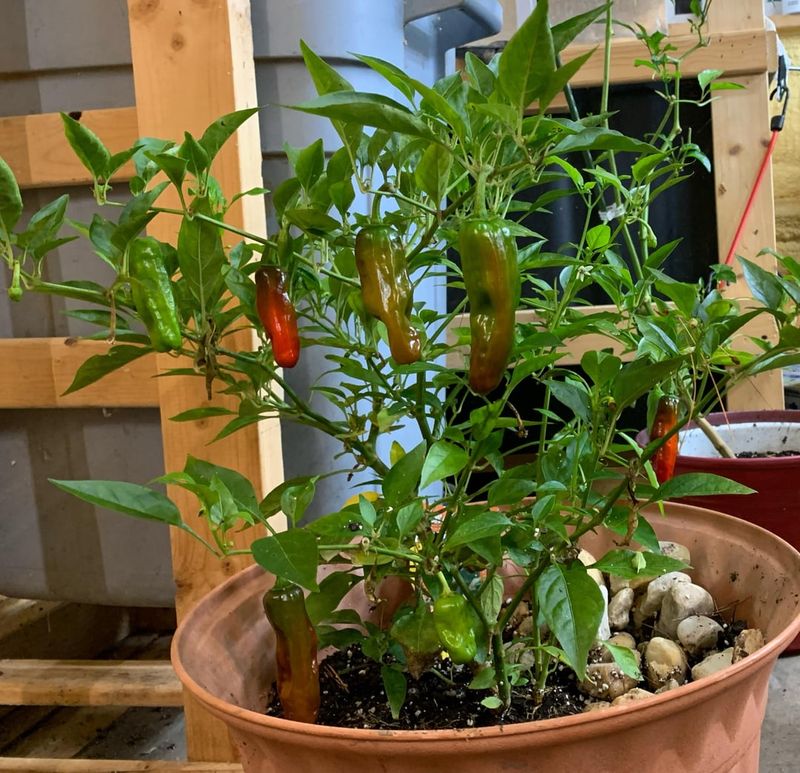
Walls, fences, concrete patios, and light-colored surfaces near your pepper plants can do more than just sit there looking harmless.
During California’s summer months, these surfaces absorb heat throughout the day and then radiate it back outward, creating a warmer microclimate around anything growing nearby.
For pepper plants already dealing with direct sun, that extra reflected heat can push fruit from stressed to damaged fairly quickly.
South-facing and west-facing walls are particularly problematic in California gardens.
A pepper plant growing within a few feet of a light stucco wall or a concrete block fence can experience noticeably higher temperatures around its fruit than a plant growing in an open garden bed away from hard surfaces.
Even gravel mulch and bare soil can reflect enough light and heat to contribute to the problem on very hot days.
Moving containers away from heat-reflecting walls during hot spells is one of the easiest adjustments you can make.
For in-ground beds or raised beds near walls, hanging shade cloth between the wall and the plants can reduce reflected heat significantly.
Choosing darker mulches like wood chips can also help, as they absorb more heat rather than bouncing it back onto fruit and foliage. Small adjustments in plant placement can have a noticeable effect on sunscald rates over a whole season.
6. Shade Cloth Helps During Hot Spells
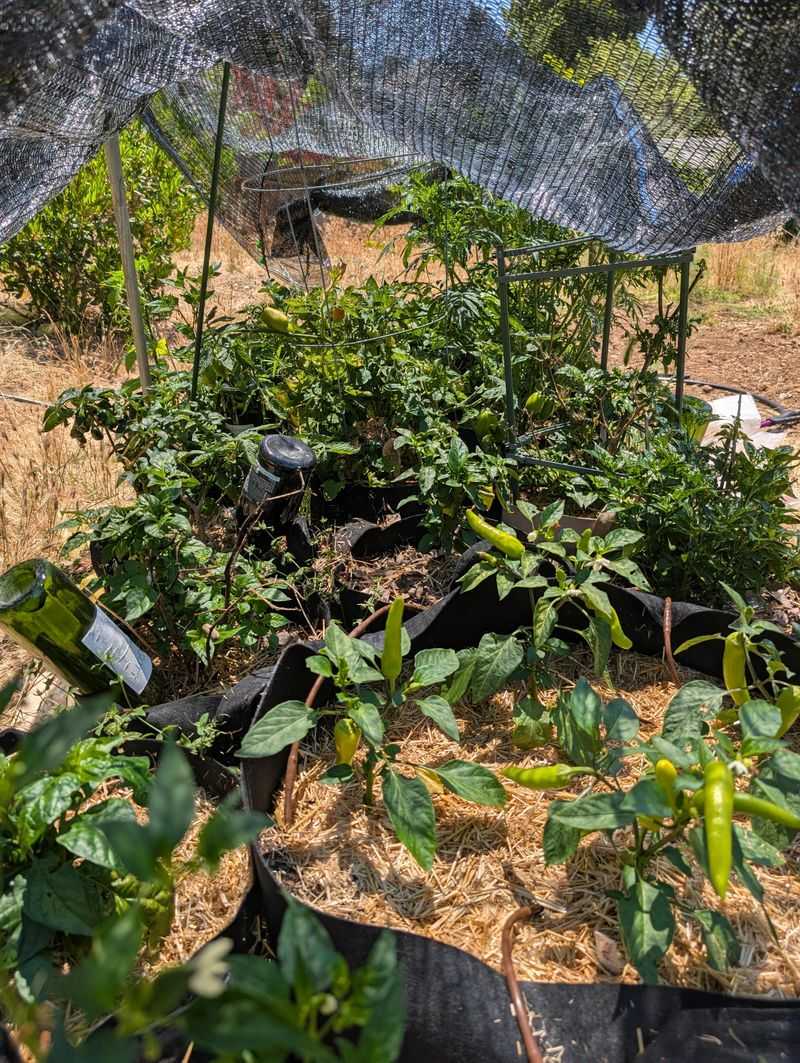
Shade cloth has become one of the most practical tools available to California pepper growers dealing with summer heat.
When temperatures spike and the sun is relentless for days at a time, even healthy pepper plants with good leaf cover can struggle to keep fruit protected.
A layer of shade cloth over the bed creates a buffer that reduces the intensity of direct sunlight reaching the plants and fruit below.
A 30 to 40 percent shade cloth is often recommended for pepper plants because it reduces light intensity without cutting out so much sun that the plant stops producing well.
Heavier shade cloth can help during extreme heat events but may slow fruit set if left in place for too long.
The goal is to take the edge off the most intense afternoon sun rather than block all light entirely.
Setting up shade cloth does not need to be complicated. A simple frame made from PVC pipe, wooden stakes, or metal conduit can hold the cloth above the plants with enough clearance for air to move through.
In California, many gardeners keep shade cloth on hand and put it up quickly when a heat wave is forecast, then remove it once temperatures drop back to more comfortable levels.
This flexible approach can protect fruit during the worst stretches without limiting the plant’s overall sun exposure across the whole season.
7. Cages Can Keep Plants More Upright
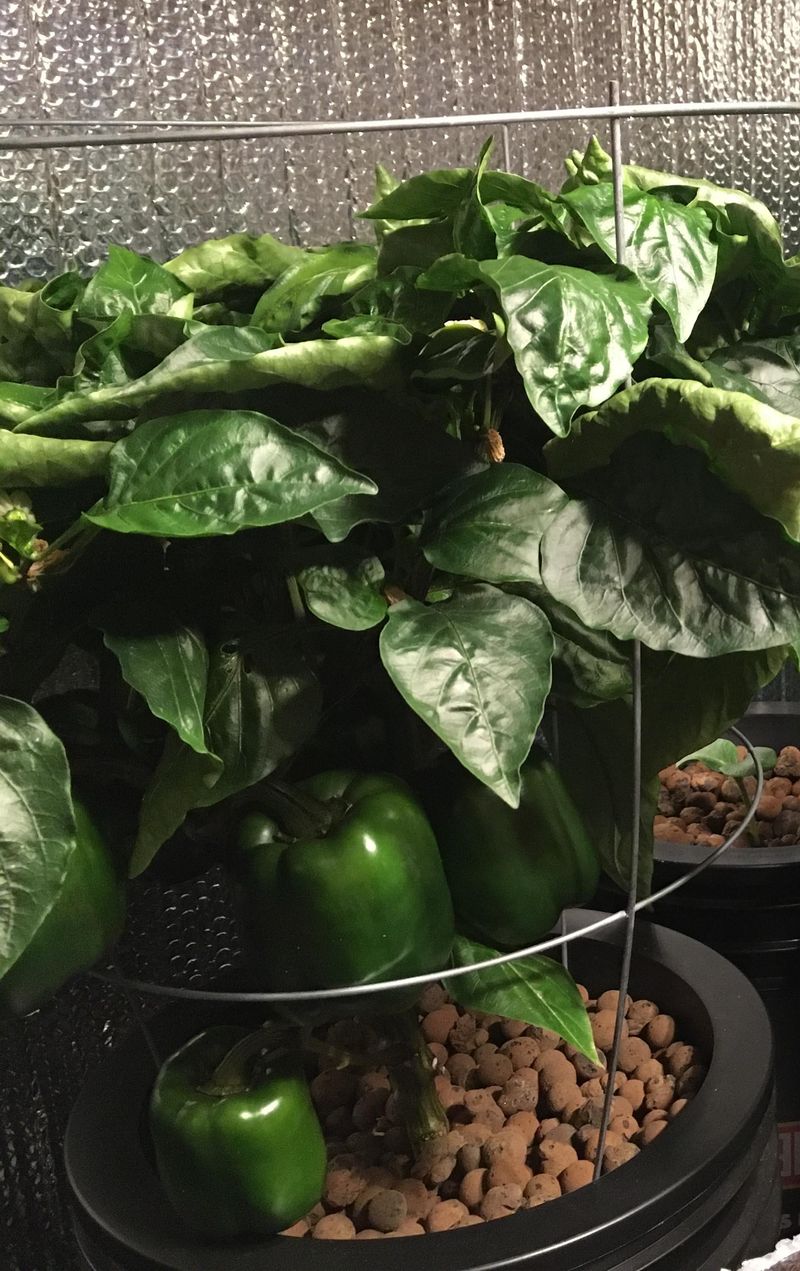
Cages around pepper plants serve a purpose that goes beyond just keeping the plant from flopping over. By holding branches in a more upright position, a cage helps the plant maintain a denser, more closed canopy that shades the fruit growing inside.
Without that support, branches tend to spread outward under the weight of fruit and foliage, opening up the plant and leaving inner fruit exposed to direct sun.
Standard wire tomato cages work reasonably well for many pepper varieties, though larger or more heavily loaded plants may benefit from sturdier options.
Square wire cages, heavy-gauge round cages, or DIY cages made from concrete reinforcing wire can all provide the kind of support that keeps a productive pepper plant from splaying open during a long California summer.
Placing the cage around the plant early in the season, before branches have started to spread, makes the job much easier. Once branches have bent outward significantly, coaxing them back into a cage without snapping them can be tricky.
A cage installed when the plant is still young and compact will guide branch growth upward and inward naturally as the plant fills in.
The result is a fuller, more self-shading plant that is better equipped to protect its own fruit through the hottest months of the year.
8. Consistent Watering Supports Leaf Cover
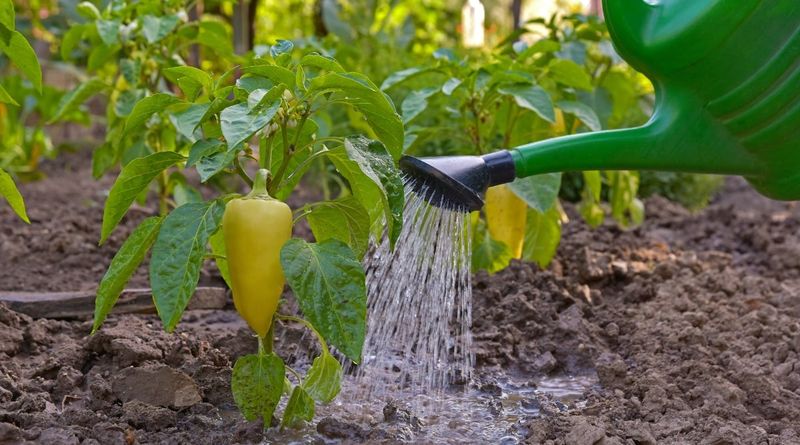
Dry soil under a California pepper plant does more damage than most gardeners expect. When a pepper plant does not get enough consistent moisture, it responds by dropping leaves and curling remaining foliage inward to reduce water loss.
That leaf drop directly reduces the canopy cover that protects developing fruit from direct sun, making sunscald more likely at exactly the time when heat is already a concern.
Watering consistently, rather than deeply and infrequently, tends to support steadier plant health and more stable leaf cover during hot stretches.
Drip irrigation or soaker hoses can deliver moisture directly to the root zone without wetting foliage, which helps reduce disease pressure while keeping the plant well-hydrated.
Mulching around the base of the plant helps the soil retain moisture between watering sessions and keeps soil temperatures from swinging too dramatically on hot California afternoons.
It is worth noting that watering supports the plant’s ability to maintain healthy leaves and canopy, but it cannot reverse sunscald damage that has already occurred on fruit tissue.
Once a patch of pepper skin has been bleached and damaged by sun exposure, that area will not recover its original texture or color.
Consistent watering is a preventive tool, not a cure, and it works best as part of a broader approach to keeping your pepper plants healthy through the full heat of summer.
9. Damaged Fruit Will Not Heal Smoothly
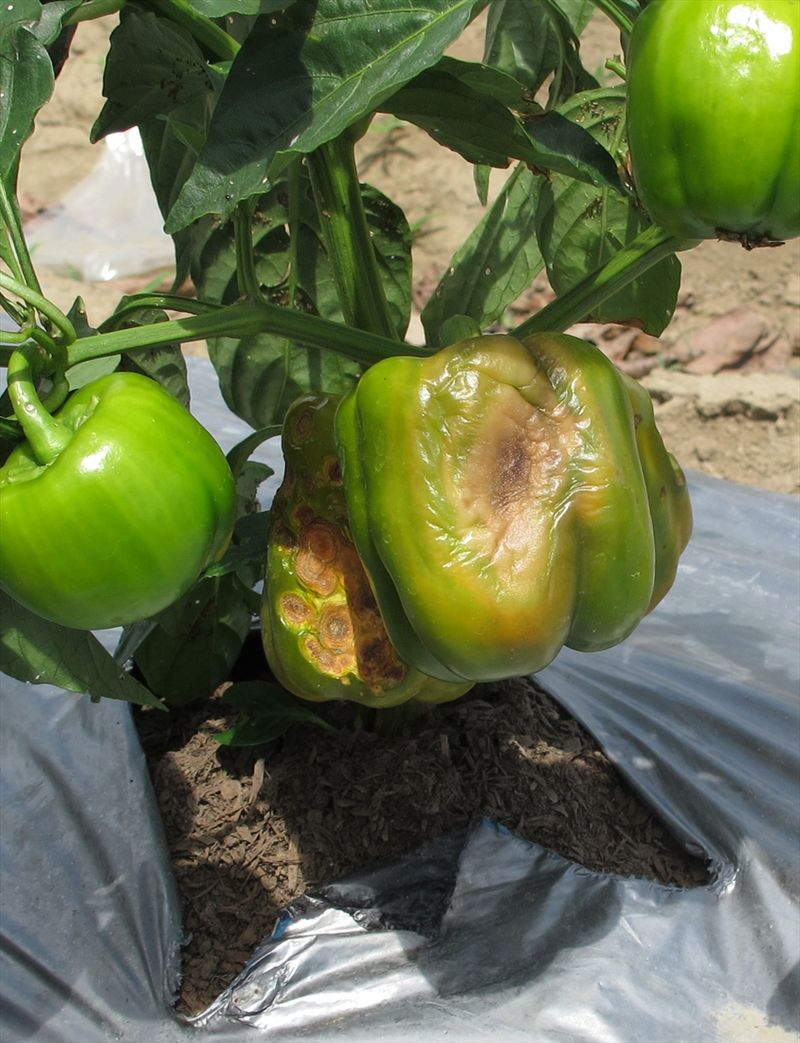
Once sunscald sets in on a pepper, the fruit does not bounce back the way some plants can recover from other kinds of stress.
The damaged area, typically a pale, sunken, or papery patch on the side of the fruit that faced the sun, is essentially injured tissue that has lost its normal cellular structure.
That spot will not regain its color, firmness, or smooth texture even if the plant is moved to shade immediately after the damage appears.
What can happen, though, is that secondary problems develop on top of the sunscald injury. Mold, rot, or other fungal issues can move into the weakened tissue, especially in areas with any humidity or where irrigation water contacts the damaged skin.
A pepper that starts with a small sunscald patch can end up with a much larger area of decay if conditions allow.
Harvesting affected fruit promptly is often the most practical response. If the sunscald patch is small and the rest of the pepper looks firm and healthy, the undamaged portions are still usable after trimming away the affected area.
Leaving heavily damaged fruit on the plant for too long is generally not worth the wait, as the fruit is unlikely to improve and may attract pests. Removing it frees up plant energy for new fruit development.
10. Harvest Timing Can Reduce Sun Exposure
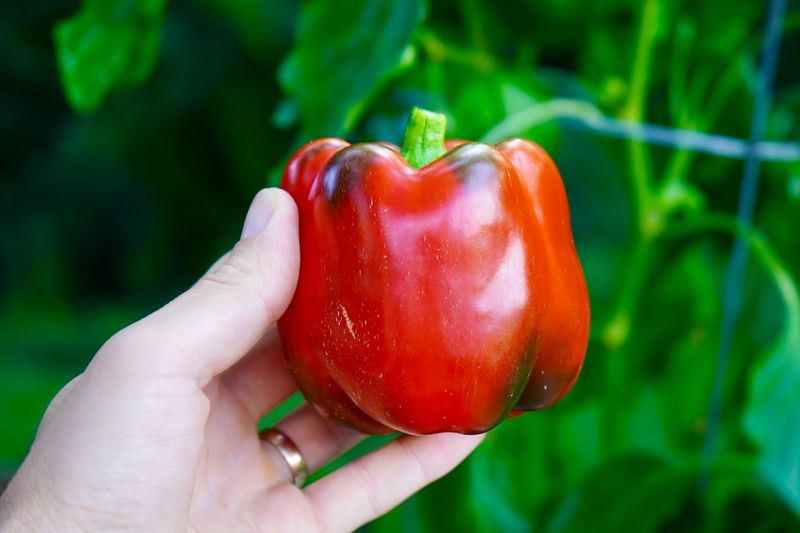
Harvest baskets fill up faster when you pay attention to timing, and with peppers, timing really does matter for more reasons than just flavor.
Fruit that has reached a mature size but is still in the color-change phase can sit on the plant for a week or more before it reaches its final color.
During that window, every hot California afternoon is another opportunity for sun to reach exposed fruit and cause damage.
Picking peppers at the green stage or just as they begin to change color removes them from sun exposure before the hottest and longest stretch of their time on the plant.
Many pepper varieties are perfectly flavorful and usable at the green or early-color stage, and harvesting earlier frees up the plant’s energy for producing new fruit.
It also reduces the number of heavy peppers pulling branches open and exposing the inner canopy.
Early morning is often the most comfortable time to harvest in California summer gardens, and it also means fruit is picked before the hottest part of the day heats it on the vine.
Keeping a close eye on which fruit is hanging in exposed spots and prioritizing those for early harvest can meaningfully reduce your overall sunscald losses across a full season without requiring any special equipment or major changes to how you manage the garden.