The Backyard Mulch Mistake That Can Make Tick Problems Worse In North Carolina
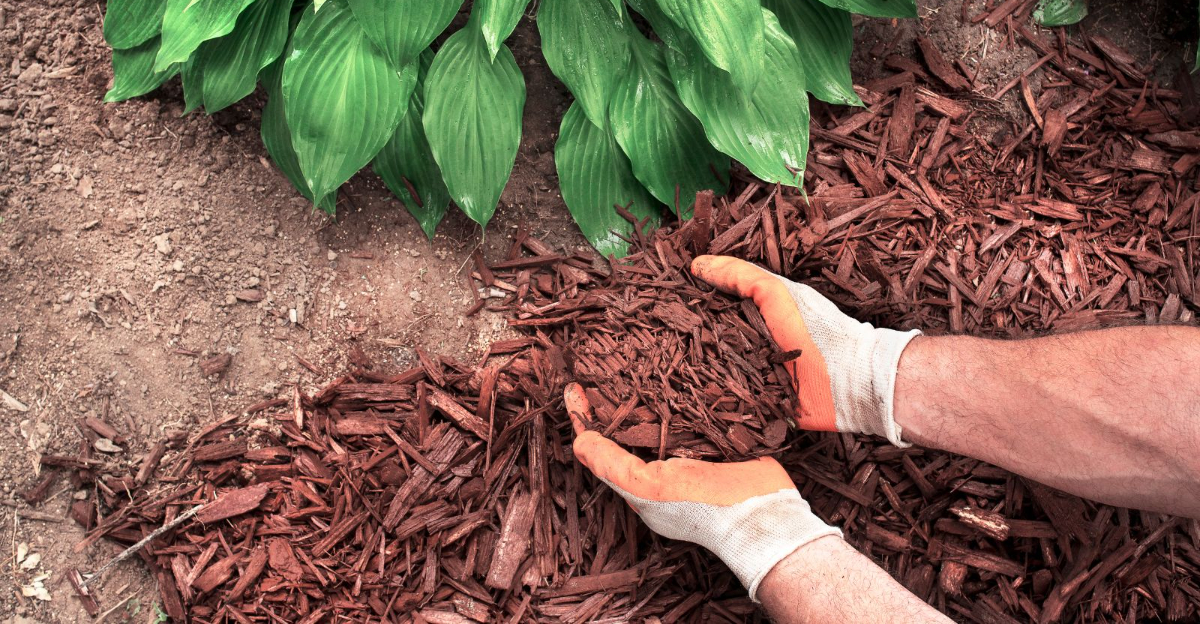
Mulch is one of those yard care staples that makes a North Carolina landscape look clean, polished, and well put together almost instantly.
But here is something most homeowners never think about when they are spreading it around: the way you use mulch and where you put it can either work against ticks or accidentally roll out a welcome mat for them.
Thick, damp, leaf-covered mulch piled near spots where people walk, sit, garden, or play creates exactly the kind of shady, moist conditions that ticks find very comfortable.
Dry wood chips or gravel used as a clear barrier between wooded edges and high-use spaces, though, can actually help reduce tick encounters when maintained consistently.
That difference matters a lot more than most people realize, and it is one of the most practical yard care distinctions a North Carolina homeowner can make.
1. Thick Damp Mulch Creates Tick-Friendly Cover

Along a shaded fence line or beneath low-growing shrubs, a thick layer of damp mulch can look perfectly tidy from a distance while quietly creating conditions that ticks find quite comfortable.
Ticks tend to seek out cool, humid, sheltered spots where they can wait for a passing host, and dense, wet mulch gives them exactly that kind of cover.
When mulch stays consistently moist and piled several inches deep, it holds heat and humidity close to the ground in a way that open, sunny lawn areas simply do not.
North Carolina summers are already warm and humid, and shaded garden beds tend to stay damp much longer than exposed spots. Mulch that never fully dries out between rainfalls becomes a welcoming microhabitat rather than a neutral ground cover.
Homeowners often add thick layers of mulch to suppress weeds or retain soil moisture, which are both reasonable goals, but going too deep near high-traffic areas can create unintended consequences.
A depth of about two to three inches is commonly recommended for most garden beds, and keeping mulch pulled back a few inches from walkways, patios, and play areas can make a noticeable difference.
Choosing lighter-colored, coarser wood chips that dry out more quickly between rainfalls is another practical adjustment.
When mulch stays thick, shaded, and damp right where people spend time outdoors, it can quietly raise the chances of a tick encounter in a North Carolina yard.
2. Dry Mulch Barriers Work Differently
Not every type of mulch creates the same conditions, and that distinction matters quite a bit when thinking about ticks near the edges of a North Carolina yard.
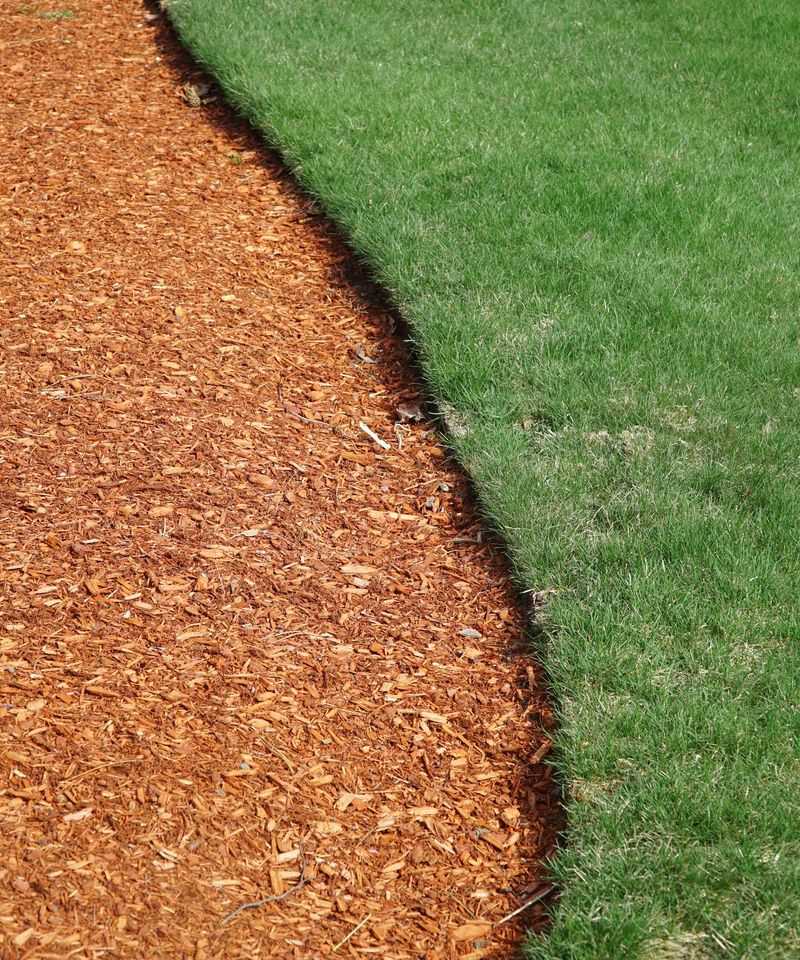
A well-maintained strip of dry wood chips or gravel placed between a mowed lawn and a wooded or brushy border can function as a genuine physical transition zone.
Ticks generally prefer not to cross open, dry, exposed surfaces, so a clear barrier that stays dry and free of debris can help slow their movement toward high-use areas.
Researchers and extension specialists have pointed to three-foot-wide dry wood chip or gravel strips as a reasonable way to create that kind of separation, particularly along wooded lot lines, fence rows, or areas where maintained lawn meets natural vegetation.
Your North Carolina Garden Changes Every Week. Your Plan Should Too.
Gardening in North Carolina changes quickly throughout the season. Every Friday you’ll receive a simple weekly plan showing exactly what to plant, prune, fertilize, harvest, and protect so you never miss the right timing.
The key word, though, is dry.
A barrier that fills up with fallen leaves, gets shaded out by overhanging branches, or stays wet from poor drainage loses much of its usefulness fairly quickly.
North Carolina yards with wooded borders, creek edges, or overgrown fence lines can benefit from this kind of intentional design.
Gravel tends to drain faster and stay drier than wood chips in many settings, making it a practical choice for particularly shady or low-lying spots.
Thinking of a dry mulch or gravel strip as a maintenance task rather than a one-time installation helps homeowners get the most out of this approach over time. Consistent upkeep is what makes the barrier actually function.
3. Leaf Litter Can Ruin A Mulch Barrier
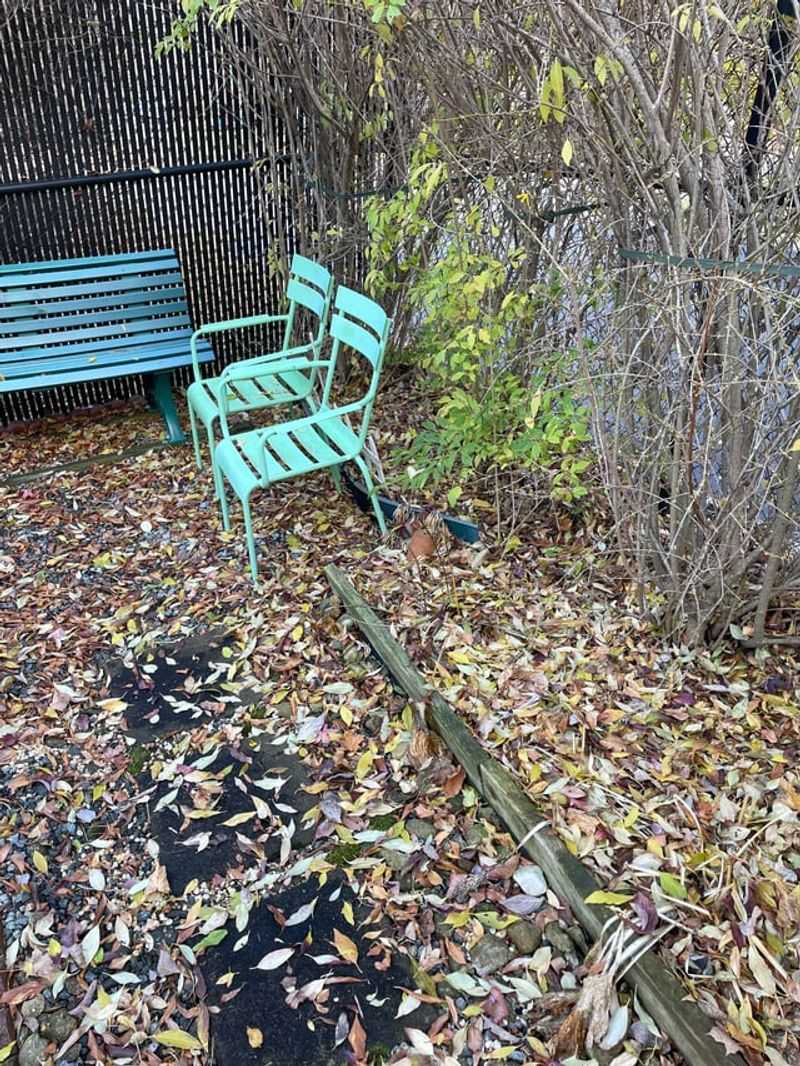
A pile of fallen leaves might look harmless, even seasonal and natural, but when leaf litter accumulates on top of a mulch barrier or throughout a garden bed, it changes the whole character of the surface underneath.
Leaves hold moisture, block airflow, and create a layered, damp environment close to the ground that closely resembles the kind of woodland floor habitat where ticks are often found.
In North Carolina, where deciduous trees drop heavy loads of leaves in fall and where rains can come frequently through spring, leaf litter is a recurring challenge for anyone trying to manage a yard edge carefully.
When leaves settle on top of wood chip barriers, they effectively cancel out much of what made the barrier useful in the first place. The surface stops draining well, stops drying out between rain events, and starts holding the kind of cool, sheltered moisture that ticks can take advantage of.
Even a relatively thin layer of matted leaves can make a previously open wood chip strip feel more like a woodland edge than a maintained transition zone.
Raking leaf litter off mulch paths and barrier strips regularly, especially during fall and after heavy winds, is one of the more straightforward ways to preserve the function of a dry barrier.
Keeping nearby trees trimmed so that fewer leaves fall directly onto the barrier area also helps.
North Carolina homeowners who stay on top of leaf cleanup tend to maintain cleaner, drier yard edges through the seasons when tick activity can be more noticeable.
4. Shady Edges Hold Moisture Longer
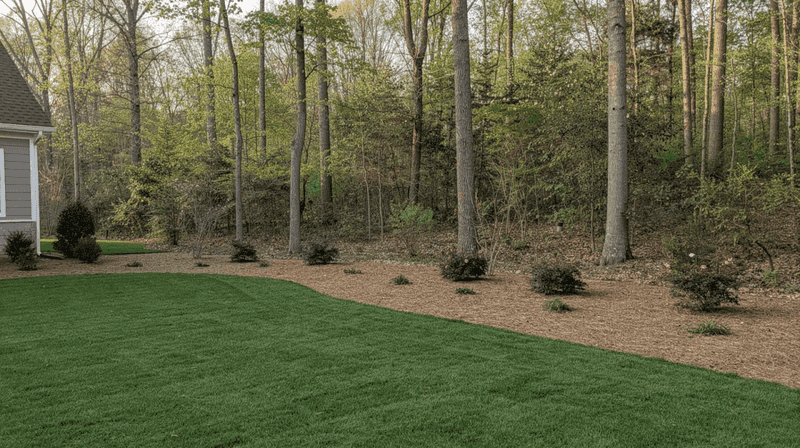
Shaded garden paths and bed edges have a way of staying damp long after the rest of the yard has dried out, and that lingering moisture is worth paying attention to when thinking about tick habitat.
Mulch that sits in full or heavy shade rarely gets the sun exposure needed to dry out between rainfalls, which means it can stay at a consistently cool and moist level for extended stretches of time.
North Carolina’s mix of humid summers and frequent spring and fall rains makes this pattern especially common in yards with mature trees or dense shrub borders.
Ticks tend to favor shaded, humid spots over open, sunny areas, and mulched edges that never fully dry out can mimic the conditions found along natural woodland borders.
Homeowners sometimes notice that shaded sections of their garden paths or flower beds feel noticeably cooler and wetter underfoot than open areas, and that same quality makes those spots more hospitable to ticks looking for a sheltered resting place.
The combination of shade, moisture, and dense ground cover creates a layered environment close to where people walk and garden.
Trimming back overhanging branches to allow more sunlight to reach mulched areas is one practical step that can help.
Choosing a coarser mulch material in shaded spots, rather than fine or shredded material that packs down and holds water, can also improve drainage and drying.
In North Carolina yards where shade is unavoidable, paying closer attention to mulch depth and moisture levels near walkways and sitting areas is a sensible approach.
5. Tall Grass Beside Mulch Adds Risk

Overgrown grass along the edge of a mulched bed or path creates a layered situation that can quietly raise the chances of tick encounters in a North Carolina yard.
Tall grass blades offer ticks a convenient place to wait at the tips, where they can more easily reach a passing person or pet.
When that tall grass grows right up against or into a mulched area, the two habitats essentially merge, eliminating whatever separation might have existed between the maintained yard and the rougher edge.
Mowing regularly and keeping grass trimmed short along the borders of garden beds, mulched paths, and wooded edges is one of the more straightforward yard-care habits that can reduce tick-friendly habitat.
Extension guidance on tick prevention often points to lawn maintenance as a meaningful part of an overall yard strategy, not because it eliminates ticks entirely, but because it reduces the kind of shaded, sheltered, grassy cover that ticks tend to use.
Short, well-maintained grass dries out quickly and offers far less cover than tall, dense growth.
North Carolina yards with vegetable gardens, flower beds, or ornamental borders often have areas where grass can get a bit overgrown between mowing sessions, especially along edges where the mower is harder to maneuver.
Edging tools or string trimmers can help keep those narrow strips tidy.
Making sure that the transition between lawn and mulch stays clean and open, rather than blurring into a tangle of grass and ground cover, is a practical way to manage the edges of a North Carolina yard more thoughtfully.
6. Patio And Play Areas Need Clear Edges
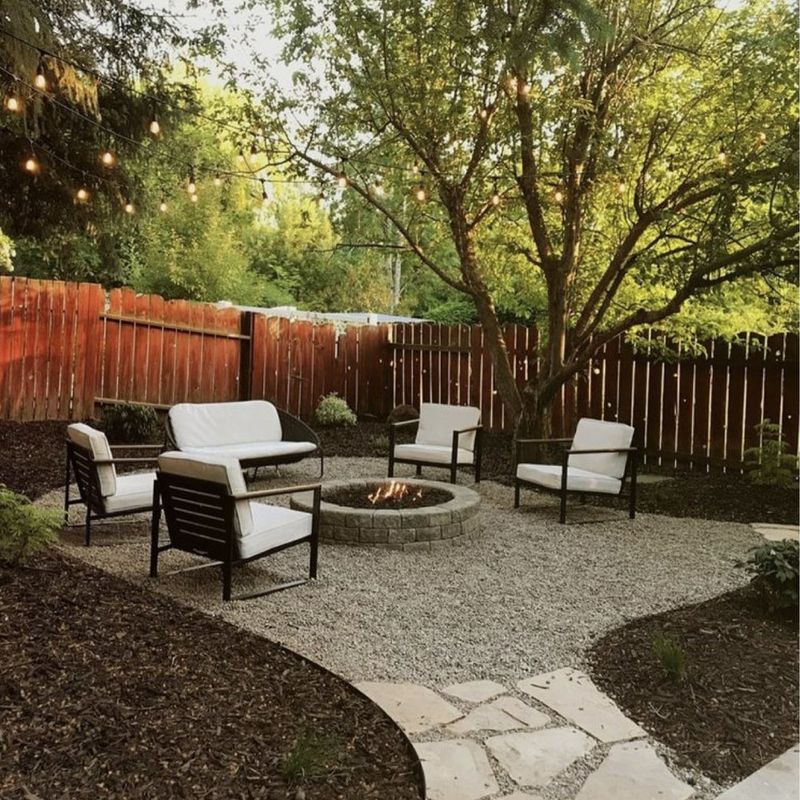
Mulch piled directly against a patio edge or spread close to a children’s play set might look tidy and finished, but it can create an awkward situation when it comes to tick exposure near spots where people spend the most time outdoors.
Patios, play areas, and outdoor seating spaces are exactly where families in North Carolina want to feel comfortable and relaxed, which makes managing the edges of those spaces especially worthwhile.
When damp, shaded mulch sits right at the border of a play area or patio, the boundary between a sheltered tick habitat and a high-use family space becomes very narrow.
Keeping play equipment positioned in open, sunny areas away from wooded borders and dense vegetation is a recommendation that comes up often in tick-prevention guidance.
Sun exposure helps keep surfaces drier and less hospitable to ticks, while open space reduces the chance of contact with brushy or wooded edges where ticks are more commonly found.
Placing a dry wood chip or gravel strip between the lawn edge and any nearby wooded border adds another layer of separation.
Around patios specifically, choosing a clean gravel border or maintaining a gap between garden bed mulch and the patio surface can help keep that area feeling more open and less connected to surrounding vegetation.
North Carolina homeowners who regularly use their patios and outdoor spaces through the warmer months have good reason to think about how mulch placement around those areas either adds to or reduces the overall comfort and safety of their yard.
Simple edge management goes a long way.
7. Wood Chips Should Stay Dry And Open
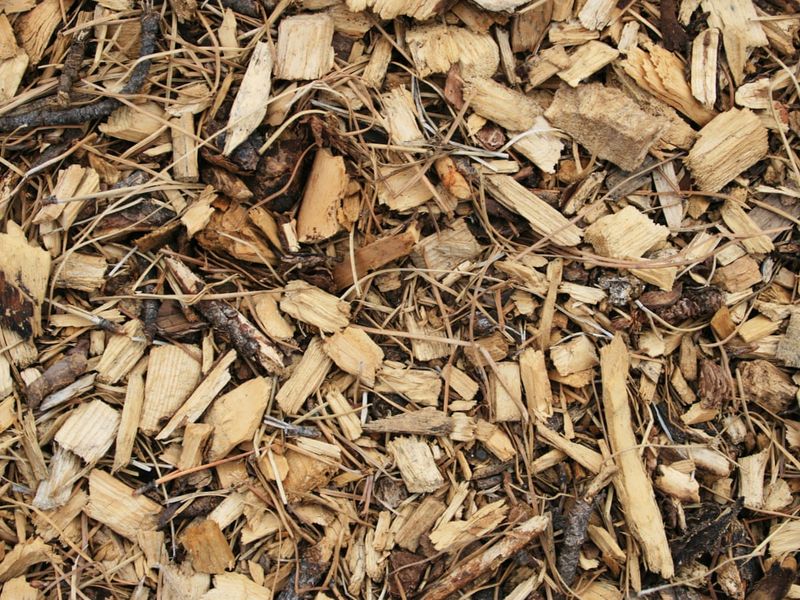
Wood chips used as a ground cover or barrier strip work best when they stay relatively dry, open, and free of debris, and that condition takes more regular attention than most homeowners initially expect.
Fresh wood chips tend to be coarser and lighter in color, which helps them dry out more readily after rain.
Over time, though, wood chips break down, compact, and darken, holding more moisture and becoming a finer, denser surface that stays wet longer between rain events in North Carolina’s humid climate.
Refreshing wood chip areas periodically rather than simply adding new layers on top of old, compacted material can help maintain the drier, more open surface that makes them useful as a barrier.
Raking wood chips occasionally to break up compacted spots and improve airflow is another simple step.
When chips sit undisturbed for a long time, they can start to behave more like a dense, moist mat than a dry, open ground cover.
Keeping wood chip areas out of heavy shade is also worth considering. Sunny or partially sunny locations dry out much faster after rain, which keeps the surface less hospitable to ticks looking for a cool, moist resting spot.
In North Carolina yards where wood chips are used along garden paths, vegetable garden borders, or wooded lot edges, a little routine maintenance makes a meaningful difference in how well the surface actually performs.
Thinking of wood chip areas as something that needs occasional care rather than a set-and-forget solution tends to produce better long-term results.
8. Mulch Works Best With Regular Cleanup
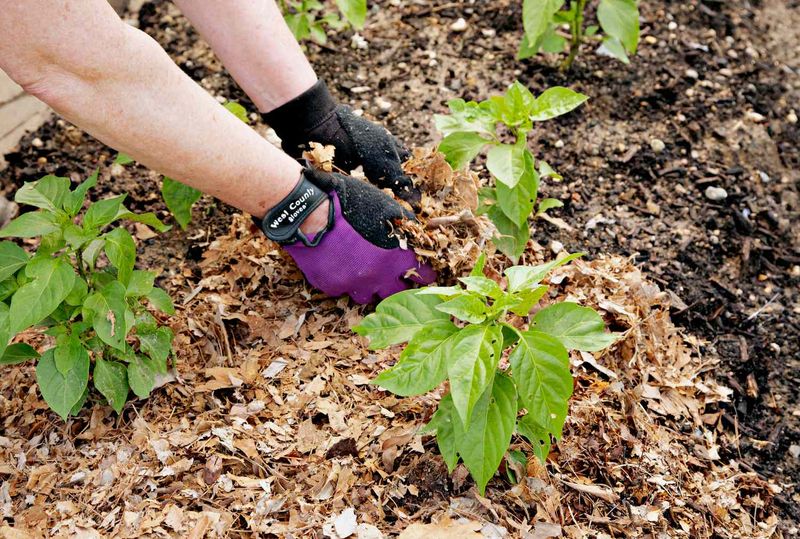
Keeping mulch areas tidy and well-maintained is what separates a yard feature that works in your favor from one that quietly adds to tick-friendly conditions around your home. Regular cleanup does not have to be a major project.
Raking out accumulated leaf litter, pulling back mulch that has crept too close to walkways or seating areas, and removing plant debris along bed edges are all manageable tasks.
Together they make a noticeable difference in the overall character of a yard’s edges.
North Carolina’s combination of humid summers, frequent rainfall, and heavy leaf fall in autumn means that mulched areas can shift from dry and open to damp and cluttered fairly quickly without regular attention.
Checking mulch depth a couple of times a year and removing excess material rather than simply adding fresh layers on top helps prevent the kind of thick, dense buildup that holds moisture and creates sheltered conditions close to the ground.
Keeping mulch at a reasonable depth rather than piling it deeply around plant bases or along paths is a straightforward habit worth maintaining.
Pet areas, vegetable garden borders, flower beds, and walkways all benefit from the same general approach: keep the surface relatively open, dry, and free of debris.
North Carolina homeowners who make light, regular yard cleanup part of their routine tend to keep their mulched areas functioning more like a tidy ground cover and less like an accidental extension of a wooded edge.
Consistent small efforts genuinely add up over a season.