Why North Carolina Homeowners Should Think Twice Before Removing Joro Spider Webs
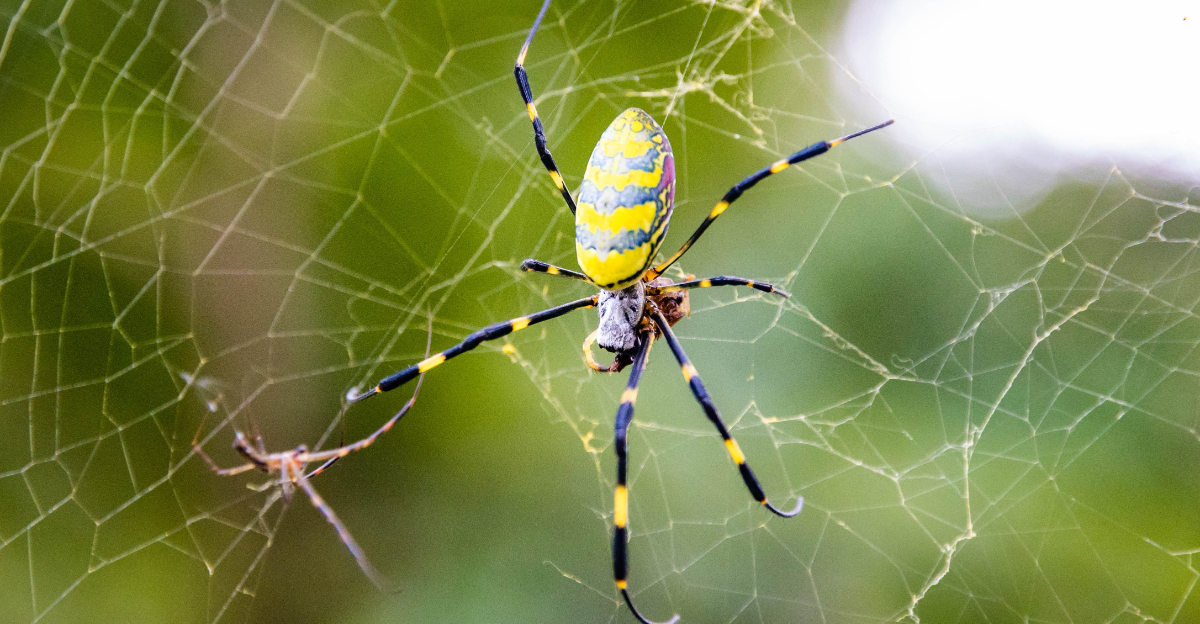
There’s a new resident settling into North Carolina yards, and it spins some seriously eye-catching golden silk. You might have spotted one glinting between your porch railings on a dewy morning.
Before you grab the broom, take a breath. This colorful newcomer has a few surprises tucked into those big, sturdy webs, often stretching several feet across and glowing almost golden in the right light.
Many folks assume anything with eight legs deserves an eviction notice. That reaction is understandable, especially given how large and bold these webs can look near a porch or tree branch.
Word has spread quickly since this species first showed up in the region, and not all of it has been accurate. Stick around, because the real story might change how you see your backyard visitors this season.
1. They Trap Pesky Insects For Free
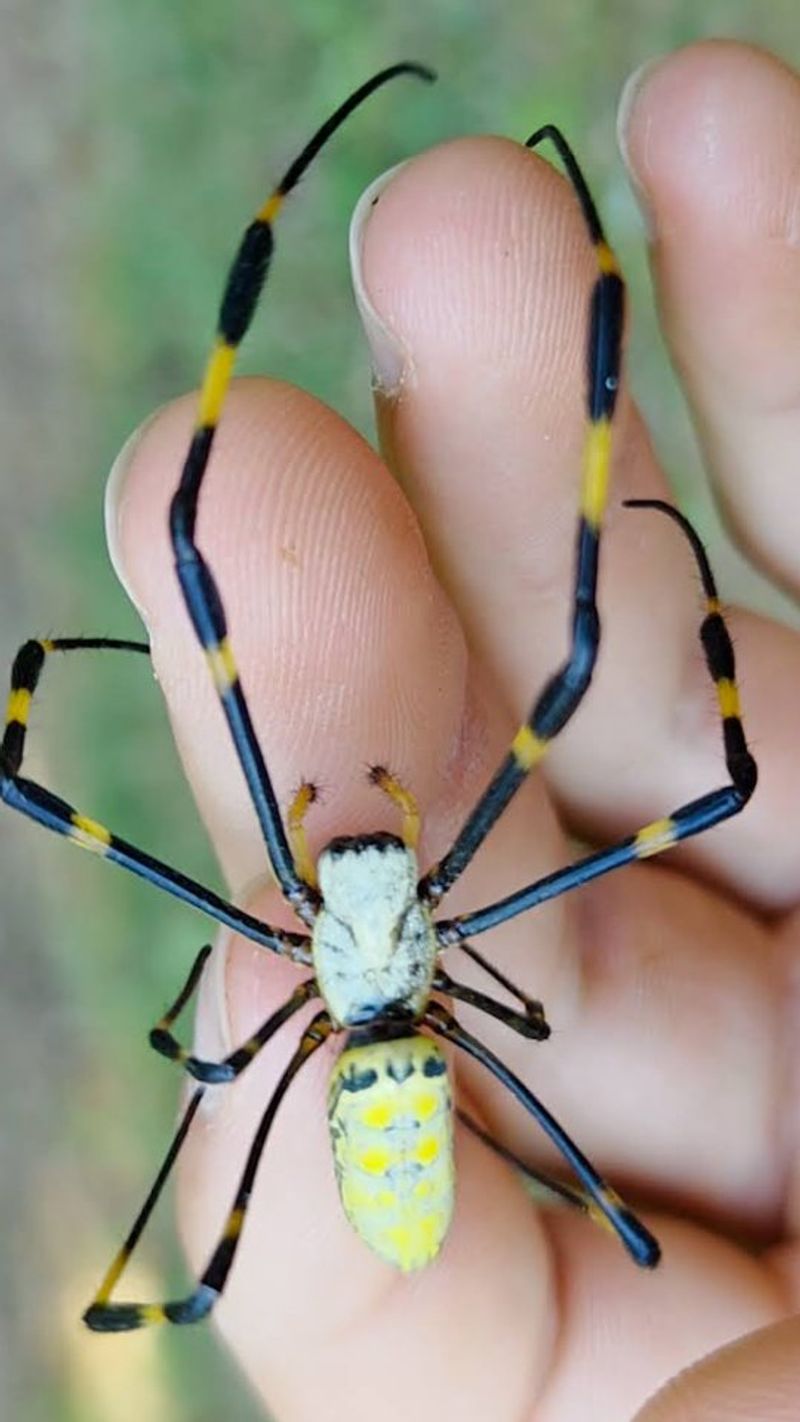
Picture a tiny security guard working around the clock without asking for a paycheck. That’s basically what a Joro spider offers when it hangs its web near your home.
These spiders build wide, strong orb webs that catch flying insects like mosquitoes, flies, gnats, and moths. In North Carolina summers, mosquitoes can turn a peaceful evening on the porch into an itchy retreat indoors.
A well-placed Joro web quietly reduces some of that flying nuisance for you.
Researchers at the University of Georgia have studied these spiders as they spread across the Southeast, including parts of North Carolina. They note that Joro spiders feed on many common yard pests, acting as a natural helper in keeping insect numbers down.
When you remove a web, you also remove that free pest patrol. The spider will simply need to build again somewhere else, wasting the silk and energy it already invested.
Think of it this way: fewer biting bugs around your patio means more comfortable time outside with family. That trade-off often beats the few seconds it takes to walk past a web.
If a web sits in an inconvenient spot, you can gently guide the spider elsewhere instead of destroying its work. Many gardeners find that leaving webs along fences or garden edges gives them the best of both worlds.
You keep the pest control benefits while keeping high-traffic paths clear for people.
2. Their Webs Signal A Healthy Yard
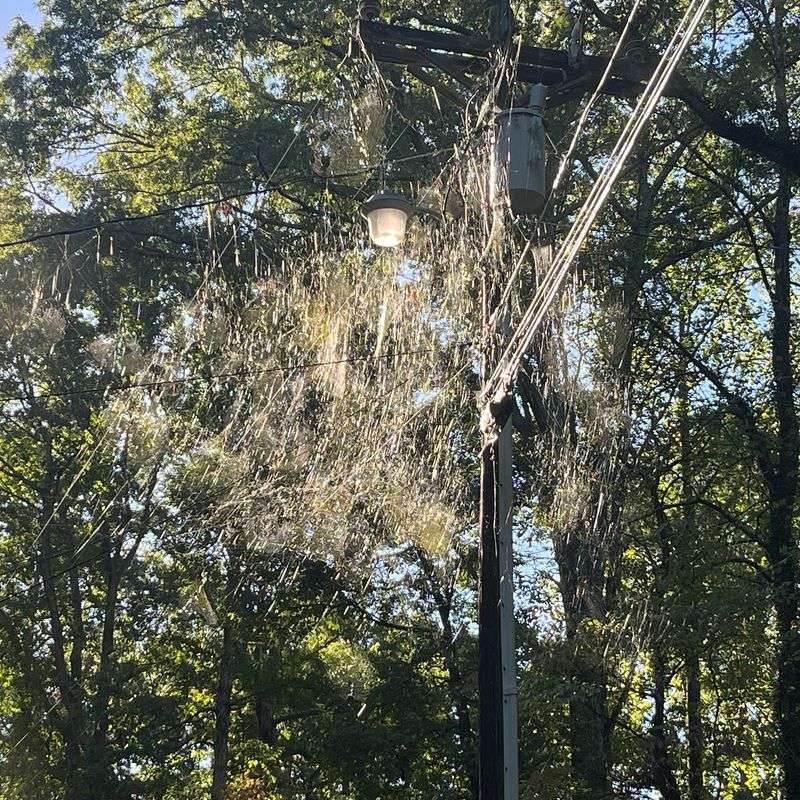
A yard full of spiders might sound unsettling, but it actually whispers good news about your outdoor space. Predators like Joro spiders show up where there’s plenty of food and a balanced environment.
When you spot several webs around your property, it usually means insects, plants, and other creatures are all present in reasonable numbers. That balance is a sign your garden is doing something right.
North Carolina yards packed with native flowers, shrubs, and trees tend to attract a wider mix of wildlife. Spiders fit into that mix as middle players, eating smaller bugs while feeding birds and other animals higher up the chain.
Tearing down webs won’t magically fix a yard problem, since spiders only settle where conditions already suit them. Instead, their presence can reassure you that pesticides aren’t wiping out everything crawling and buzzing nearby.
Your North Carolina Garden Changes Every Week. Your Plan Should Too.
Gardening in North Carolina changes quickly throughout the season. Every Friday you’ll receive a simple weekly plan showing exactly what to plant, prune, fertilize, harvest, and protect so you never miss the right timing.
Many gardeners actually watch for spiders as a rough gauge of how their landscaping is doing. Fewer chemicals and more variety in plants often lead to more of these helpful hunters.
If you’d like to encourage that healthy balance, try planting a variety of native species suited to the Carolinas. Local extension offices offer free plant lists tailored to your county’s soil and climate.
So the next time a golden web catches the morning light, consider it a small badge of honor. Your yard is alive, working, and supporting a web of connections that stretches far beyond one spider.
3. Joro Spiders Are Surprisingly Shy
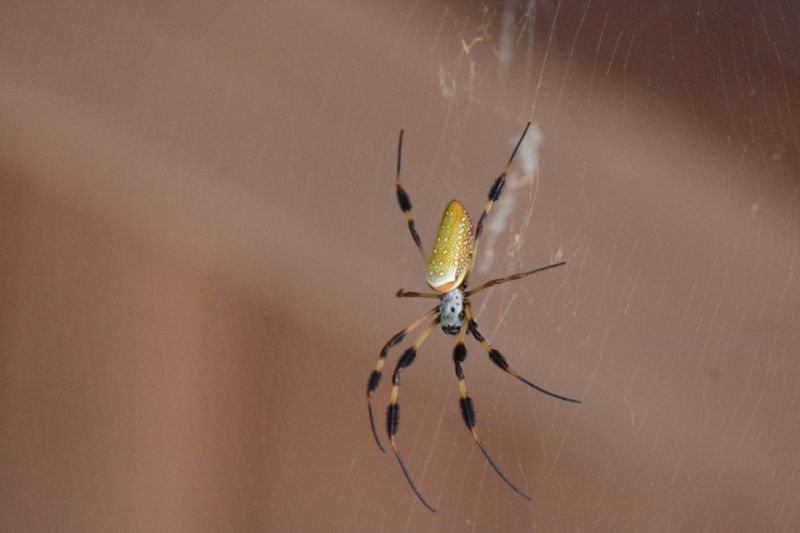
Despite their large size and bold colors, these spiders would rather flee than fight. Studies have shown that Joro spiders freeze for long stretches when startled, a sign of how timid they really are.
Researchers testing spider reactions found that Joros stayed still far longer than many other web-building species when gently disturbed. That reaction suggests they experience stress easily and prefer avoiding confrontation.
For homeowners, this behavior is reassuring. A spider that hides or holds perfectly still isn’t lunging toward you or your kids playing in the yard.
Their bite is not considered dangerous to people or pets. Their fangs are small, and they only bite in rare situations where they feel trapped against skin.
North Carolina residents worried about safety can relax knowing these creatures aren’t looking for trouble. They simply want to sit in their web and wait for a meal.
Removing a web because it seems scary often stems from the spider’s dramatic appearance rather than any real threat. Big and colorful doesn’t equal aggressive in this case.
If one ever wanders onto a doorway or walkway, you can coax it onto a stick and relocate it calmly. There’s no need for panic or heavy-handed methods.
Understanding just how mild-mannered these spiders are can shift your whole attitude toward them. What looks like a fearsome guardian is really a jittery, harmless neighbor that mostly wants to be left alone in peace.
4. Removing Webs Wastes The Spider’s Hard Work
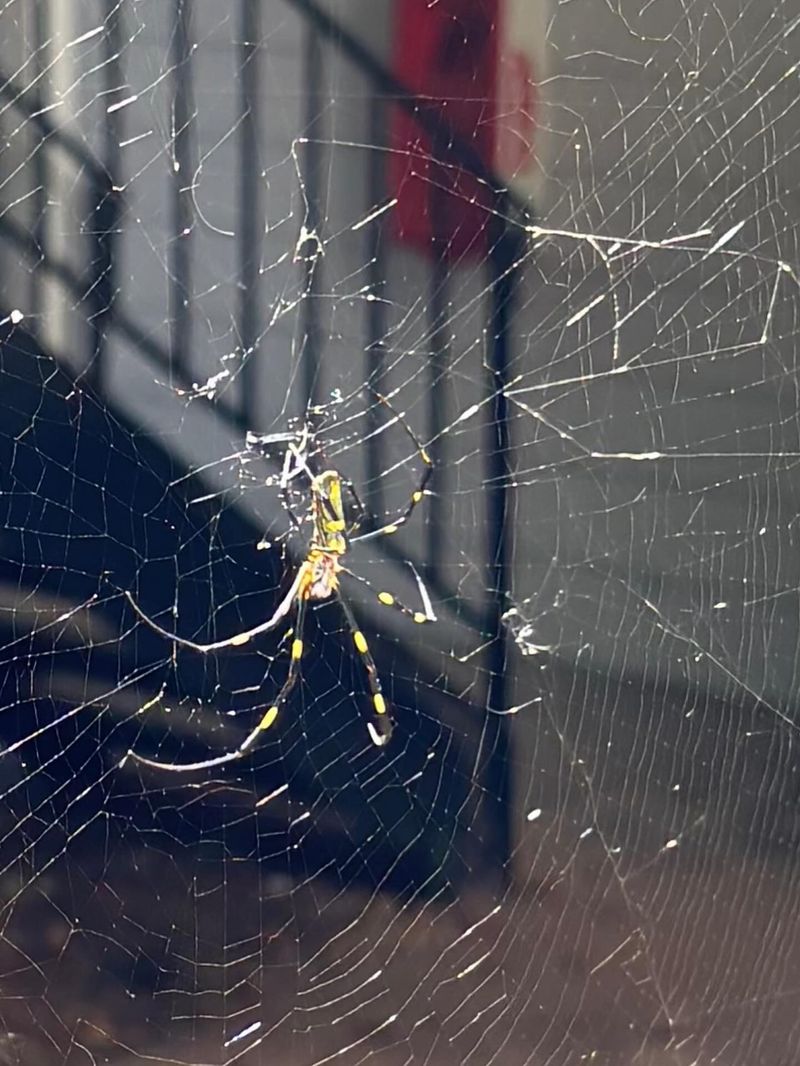
Spinning a web is no quick craft project. A Joro spider pours real energy into producing silk and arranging each strand into that wide, wheel-shaped pattern you see.
Every time you sweep a web away, the spider must start over from scratch. That means burning through stored energy and precious silk just to rebuild what it already had.
These orb webs can stretch several feet across, which represents hours of careful effort. Destroying that in one swipe forces the spider to hunt for a new anchor point and begin again.
In North Carolina’s warm months, a spider that keeps rebuilding may struggle to catch enough food to stay strong. Repeated setbacks can weaken it over time.
There’s also a practical downside for you. A relocated web often ends up somewhere else on your property, so you haven’t really solved anything by tearing down the first one.
Instead of clearing webs on sight, consider whether they’re actually in your way. Many sit in corners, along fences, or between shrubs where nobody walks anyway.
Leaving those out-of-the-way webs alone saves the spider effort and keeps your yard’s pest control humming along. It’s a low-effort choice on your part with a real payoff.
If a web truly blocks a doorway, a gentle relocation respects that hard work better than destruction. Nudge the spider to a nearby bush and let it resettle.
Appreciating the craftsmanship behind each web makes it easier to leave the useful ones standing.
5. They May Compete With Other Nuisance Species
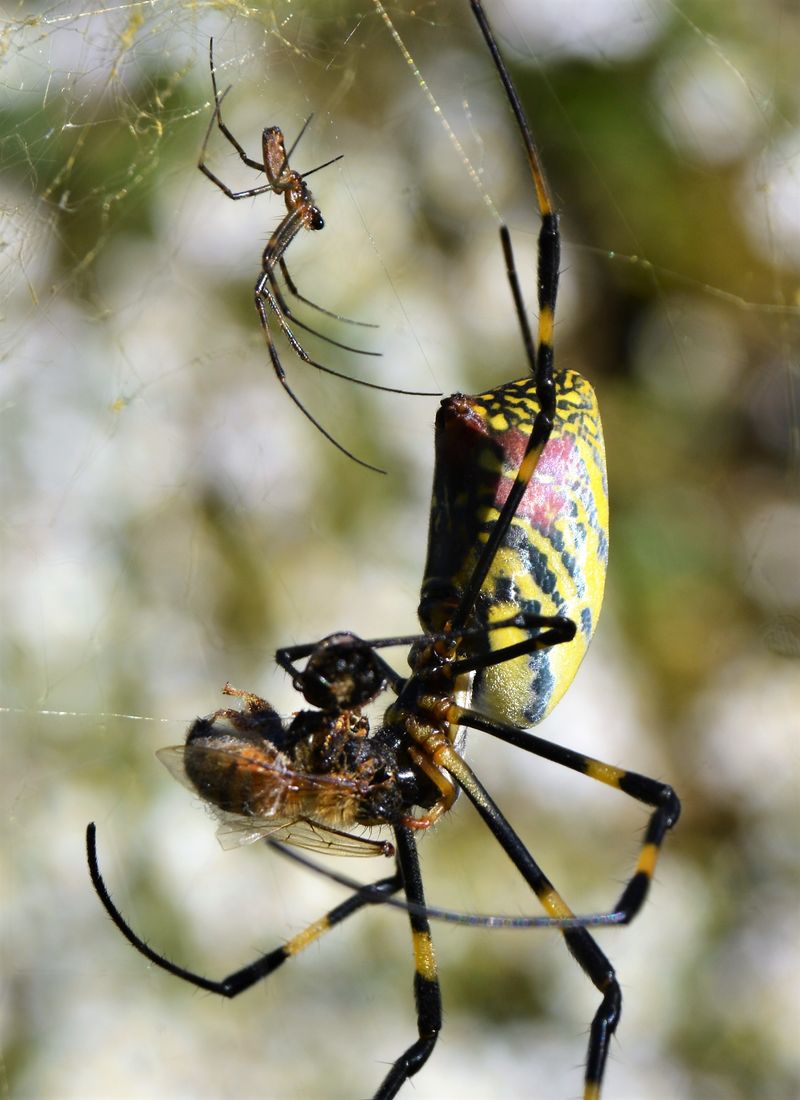
Nature loves a good tug-of-war, and Joro spiders are quietly joining one in North Carolina yards. As they settle in, they use resources that other insects and spiders would otherwise grab.
Scientists are still studying exactly how Joros interact with local species. Early observations suggest they may occupy spaces and food sources that certain pest insects rely on.
Because they eat such a wide range of flying bugs, Joros can put pressure on populations of insects many homeowners dislike. That includes some of the very pests that damage garden plants.
This kind of natural competition happens without any spray bottles or traps on your part. The spiders simply do what they do, and the insect balance shifts a little.
Of course, researchers caution that the long-term effects are not fully understood yet. Joros are relatively new arrivals, first noticed in Georgia around 2013 and later spreading into the Carolinas.
For now, watching how they fit into your yard can be genuinely interesting. You’re seeing a living science experiment unfold right on your own fence line.
Removing every web you find takes those spiders out of the equation before anyone learns their full role. Patience gives both you and scientists a clearer picture.
If you’re curious, North Carolina State University Extension shares updates on invasive and new species as findings come in. Following reliable local sources beats guessing about what these spiders really do in your neighborhood ecosystem.
6. Webs Feed Birds And Other Wildlife
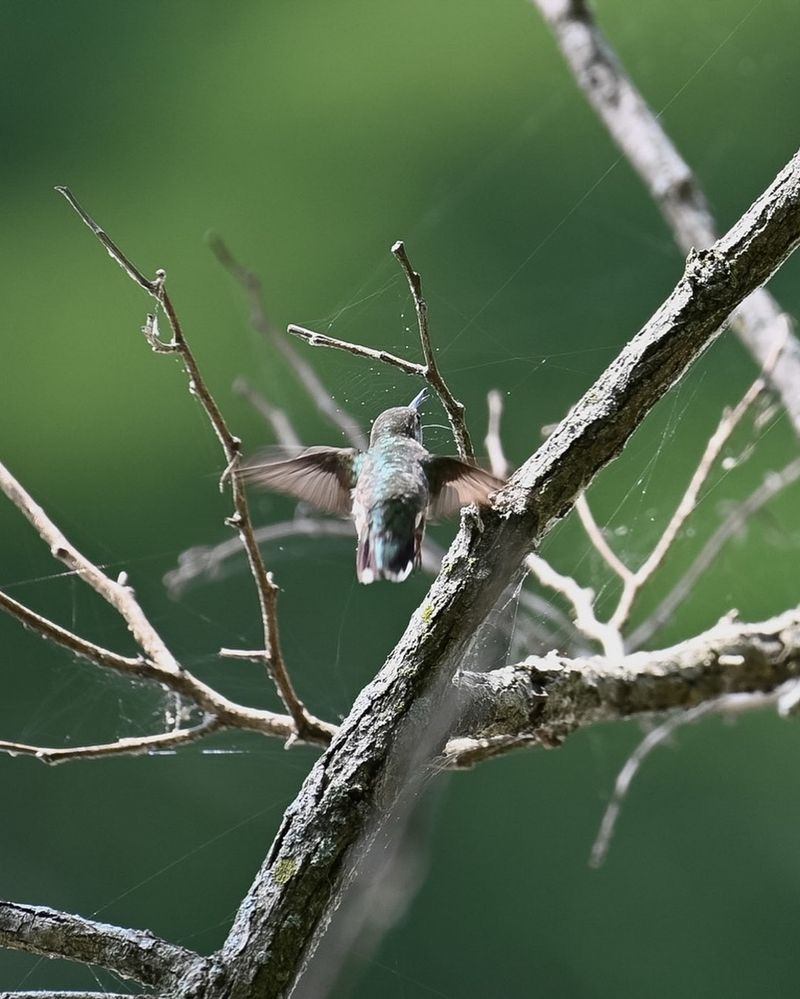
Here’s a twist most people miss: spider webs help feed the birds you love watching. Silk itself becomes a building material for many nesting songbirds each spring.
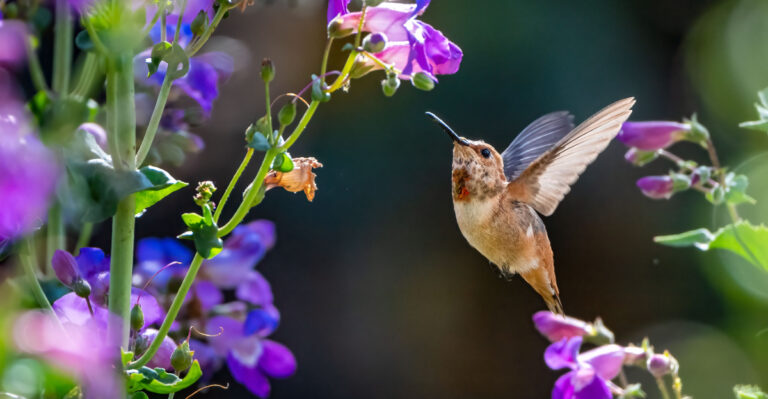
Birds like hummingbirds and gnatcatchers gather spider silk to hold their tiny nests together. The stretchy, sticky strands make excellent natural glue for cradling eggs.
Beyond the silk, the insects trapped in webs and the spiders themselves become snacks for birds, lizards, and other backyard hunters. A single web supports more life than it first appears.
In North Carolina, spring and summer bring plenty of nesting activity. Keeping a few webs around means offering free supplies right when parent birds need them most.
Clearing every web strips away part of that supply chain. You might not notice the missing silk, but a nesting bird surely would.
Think about the ripple effect for a moment. Fewer webs can mean fewer nest materials, fewer trapped insects for snacks, and a slightly quieter yard overall.
Homeowners who enjoy birdwatching often find that a wildlife-friendly yard rewards them with more visitors. Spiders are one small piece of that welcoming setup.
You don’t have to turn your whole property into a wilderness to help. Simply leaving webs in garden corners and along hedges provides plenty of resources.
Next time you see a bird darting near a web, watch closely. It might be collecting silk for a nest tucked somewhere nearby in your own trees.
7. They Reduce The Need For Chemical Pesticides
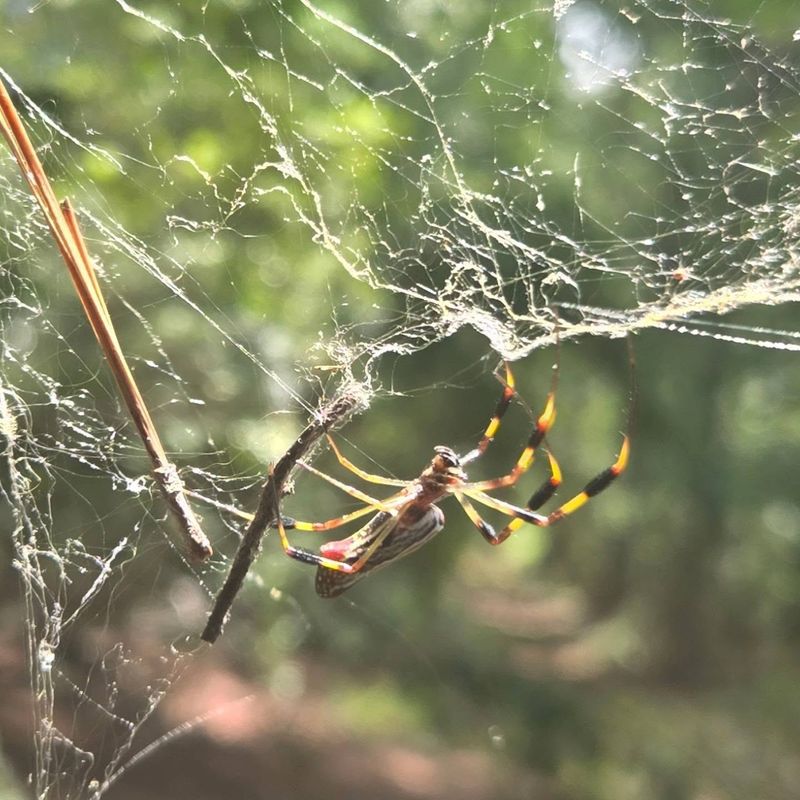
Reaching for a bottle of bug spray feels quick, but it comes with hidden costs. Chemicals can harm helpful insects, seep into soil, and add up in expense over a season.
Joro spiders offer a gentler alternative by eating pests naturally. Every mosquito or garden bug caught in a web is one you didn’t have to treat with a spray.
For North Carolina gardeners growing vegetables or flowers, that matters a lot. Fewer chemicals means safer produce and a healthier space for pollinators like bees.
When you rely on natural predators, you support a cycle that keeps working on its own. Spiders don’t need refills, storage, or careful timing around harvest days.
Pesticides can also affect pets and children who play in treated yards. Cutting back on sprays lowers those worries considerably.
By leaving webs in place, you let spiders handle part of your pest problem for free. That frees up money and effort for other gardening tasks.
Extension experts often encourage integrated pest management, which leans on natural helpers before chemicals. Spiders fit neatly into that approach.
Removing every web pushes you back toward sprays to control bugs those spiders would have eaten. It’s a bit of a backward step.
Give the natural system a chance to prove itself over a few weeks. Many gardeners are pleasantly surprised by how much quieter their pest troubles become. A yard that partners with its spiders often needs far less from the store shelf.
8. Their Golden Silk Is A Rare Natural Wonder
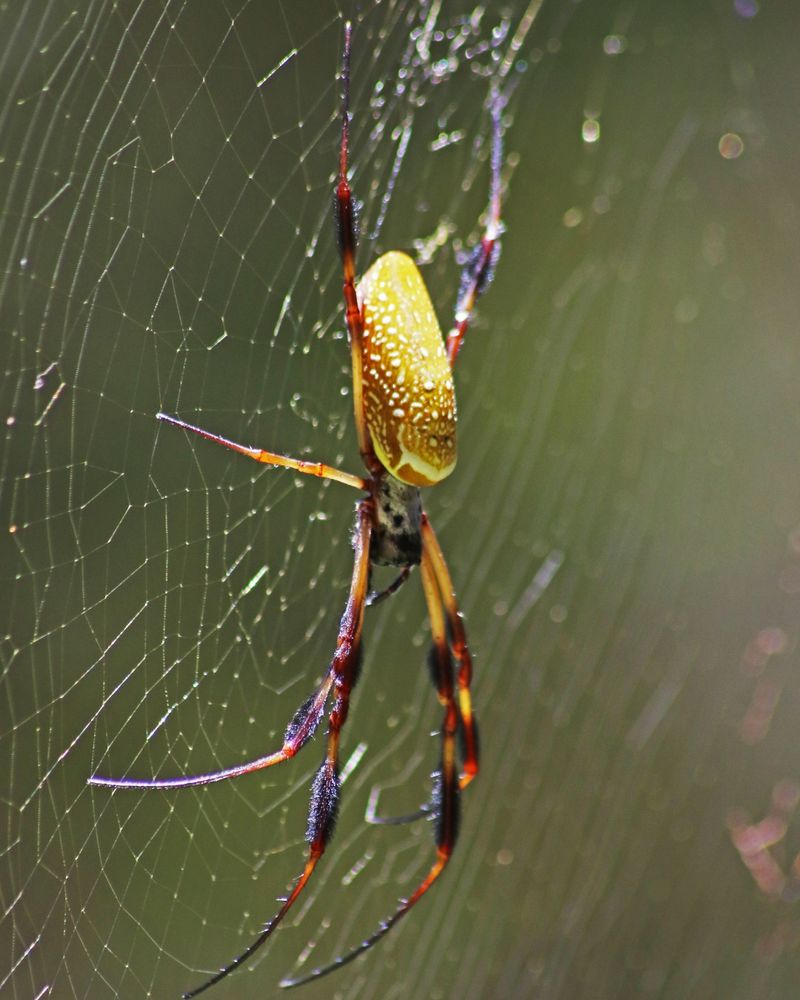
Sunrise turns a Joro web into something almost magical. Their silk carries a golden shimmer that ordinary house spider webs simply don’t have.
That yellow tint isn’t just pretty, it’s part of what makes these spiders stand out among orb weavers. Light catching the strands can stop you in your tracks on a misty morning.
Joro spiders belong to a group known for producing especially strong, golden-colored silk. Some scientists study this silk hoping to learn from its remarkable strength and stretch.
For a North Carolina homeowner, having such a display in your yard is a small gift from nature. It’s a chance to see something beautiful without traveling anywhere.
Kids especially tend to be fascinated by the size and color of these webs. Watching one glisten with dew can spark real curiosity about the natural world.
Sweeping the web away erases that fleeting art before you’ve had a chance to appreciate it. The morning light show lasts only a little while before the dew fades.
Consider grabbing a camera instead of a broom next time. Backlit webs make stunning photos that friends and family will hardly believe are real.
You might even use the moment to teach children about spiders and why they matter. A shared discovery like that sticks with young minds.
These golden threads remind us that even a common backyard can hold surprising beauty. Pause, look closely, and let that quiet wonder sink in before deciding anything.