Why This Year’s Sweet Corn Is Outperforming Expectations Across Illinois
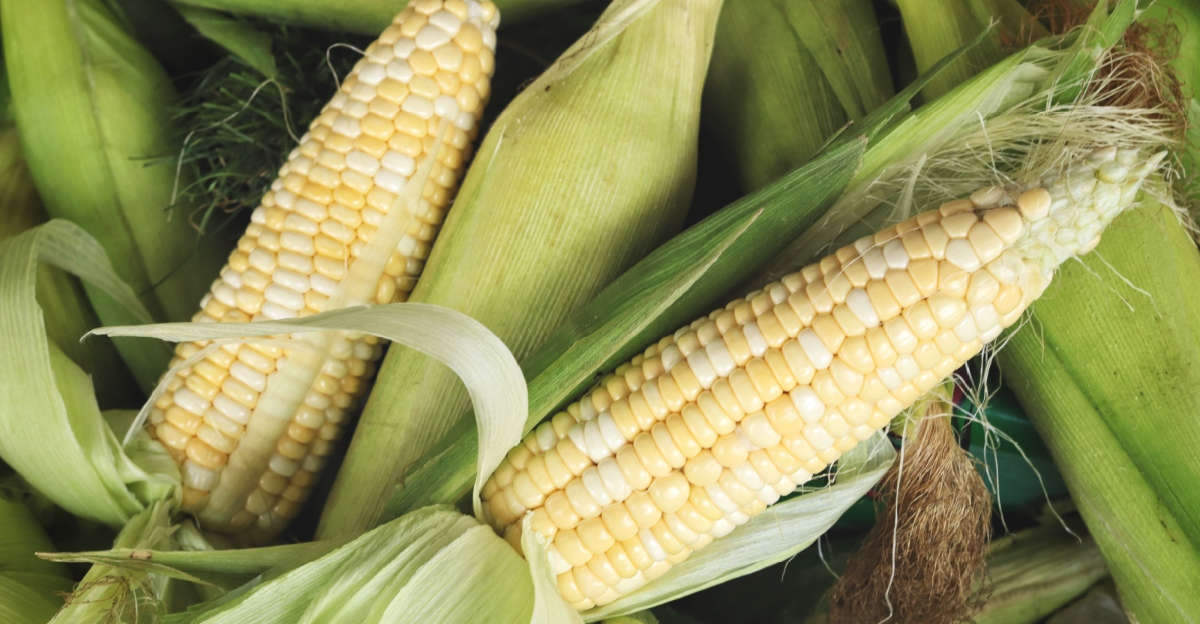
Illinois backyards are producing something gardeners haven’t seen in a long time. Sweet corn is outperforming expectations row after row.
Growers from Springfield to the collar counties are comparing notes. The story keeps repeating itself everywhere you look. Kernels are plumper. Sugar content is higher.
Pest damage is almost nonexistent this season. It’s the kind of harvest that makes neighbors stop mid-walk to ask what you did differently.
Part of it comes down to planting windows timed just right. Part of it traces back to soil that finally got the attention it deserved months before seeds went in.
Add in a stretch of gentle rainfall and cooler nights during pollination, and you get a season that feels almost charmed. Illinois growers are calling it a mix of good timing and solid preparation.
But nothing about a great corn crop comes down to chance alone. The details behind the results are worth digging into.
1. Earlier Frost Dates Widened The Planting Window
Gardeners who watched the calendar closely this spring got a head start that paid off big. Many growers reported frost dates arriving earlier than the historical average this year.
That shift gave growers an extra week or two to get seeds in the ground. Sweet corn needs a long growing season to develop full, sugary ears.
When the window opens sooner, plants have more time to mature before summer heat peaks. More days of growth means more sugar development in each kernel.
Experienced gardeners know that every extra day in the field adds flavor. Younger plants that go in earlier have time to establish deep root systems before the heat arrives.
Strong roots mean better water and nutrient uptake all season long. Some growers took a calculated risk and planted two weeks ahead of the traditional date.
Most of those early rows rewarded that boldness with earlier harvests and impressive ear size. The plants simply had more runway to perform.
If you missed the early window this year, mark your calendar now for next spring. Watching local frost data instead of relying on general regional guides makes a real difference.
Gardening apps and county extension offices post updated frost averages every year. This shift in frost timing is part of a larger pattern worth tracking.
Sweet corn performance often comes down to how well you use every available growing day. Starting earlier is one of the simplest ways to end up with a better harvest.
2. Lower Earworm Pressure Meant Cleaner Ears
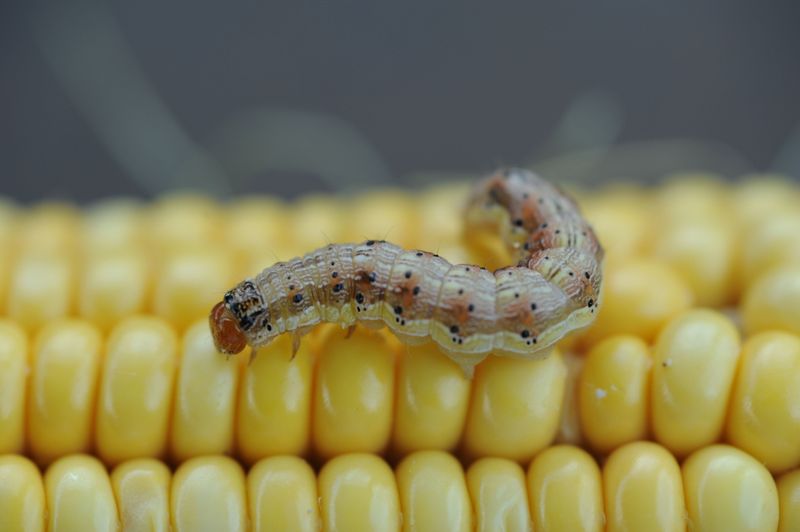
Pulling back a husk to find a perfect, undamaged ear is one of gardening’s best feelings. This year, Illinois sweet corn growers experienced that moment far more often than usual.
Many growers observed noticeably lower earworm populations across much of the region. Corn earworms are a persistent problem in most growing seasons.
The larvae burrow into the tip of the ear and feed on the kernels. Even a small infestation can ruin the top third of an otherwise beautiful ear.
Cooler spring temperatures slowed the development of earworm moths early in the season.
Your Illinois Garden Changes Every Week. Your Plan Should Too.
Gardening in Illinois changes quickly throughout the season. Every Friday you’ll receive a simple weekly plan showing exactly what to plant, prune, fertilize, harvest, and protect so you never miss the right timing.
Fewer moths flying in spring means fewer eggs laid on corn silks later. That chain reaction resulted in significantly cleaner ears at harvest time.
Growers who also applied mineral oil to the silk tips saw even better results this year. That simple trick stops newly hatched larvae before they can tunnel in.
Combined with lower natural pest pressure, many plots came through nearly untouched. Cleaner ears also store better and taste fresher right off the stalk.
When you’re not cutting away damaged tips, you’re getting more usable corn per plant. That adds up fast when you’re growing enough to freeze for winter. Tracking pest pressure in your county each season helps you plan smarter.
Extension services and university ag programs publish annual pest outlooks for Illinois growers. Using that data alongside natural observations gives you a real edge in protecting your crop.
3. Soil Testing Revealed Hidden Nitrogen Gaps
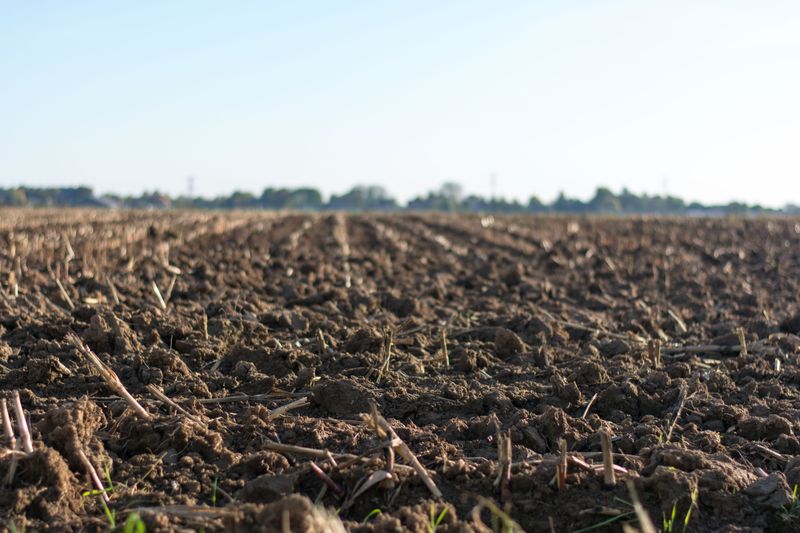
Most gardeners guess at what their soil needs, and corn quietly underperforms for it. This year, more growers than ever ran soil tests before planting, and the results were revealing.
Growers who corrected their nitrogen levels this spring saw notable differences in stalk height by midsummer.
Nitrogen is the fuel that drives corn growth. Without enough of it, stalks stay short, leaves pale out, and ears never fill properly. The problem is that low nitrogen often hides until the damage is already done.
A basic soil test from a county extension office is typically affordable and often takes about two weeks to return results, though this varies by county.
The report tells you exactly what your soil has and what it needs. Armed with that information, you can add the right amendments before seeds ever go in the ground.
Taller, thicker stalks support larger ears and hold up better in wind and rain. That structural strength also helps the plant push nutrients all the way to the tip of the ear.
Organic options like composted manure and blood meal work well for boosting nitrogen naturally.
Synthetic fertilizers deliver faster results but require careful application to avoid burning roots. Knowing your starting point from a soil test helps you choose the right approach.
Sweet corn is one of the heaviest nitrogen feeders in any garden. Skipping the soil test is like driving blindfolded. Test first, then plant with confidence.
4. Staggered Planting Stretched The Harvest All Summer
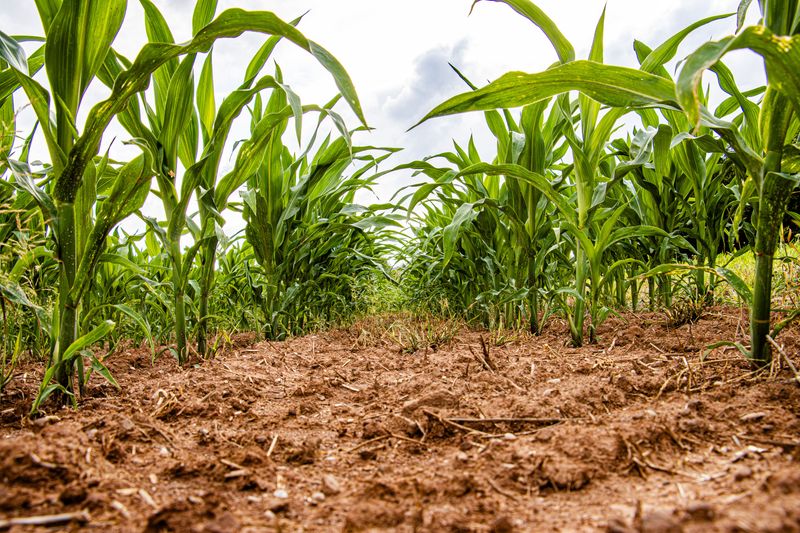
One of the smartest moves a corn grower can make is refusing to plant everything at once. Staggering plantings by two weeks kept Illinois gardens producing fresh ears from July all the way into September.
Instead of one overwhelming harvest, growers enjoyed a steady, manageable supply all season long.
The idea is simple: plant a small block every 10 to 14 days starting at your first safe planting date.
Each block matures at a different time, spreading the harvest across weeks instead of days. You get fresh corn on the table from midsummer until the first cool nights of fall.
This approach also reduces risk. If one planting hits a stretch of bad weather or pest pressure, the others may come through just fine. Spreading your bets across the season builds in a natural safety net.
Families who froze corn for winter especially benefited from staggered timing this year. Processing smaller batches every few weeks is far easier than handling a massive harvest all at once.
The corn also freezes at peak sweetness rather than sitting and losing sugar while you scramble to process it.
Choosing varieties with different maturity dates adds another layer of flexibility. Pairing an early 65-day variety with a mid-season 80-day type naturally extends your window.
Add a late-season variety and you have fresh ears from three separate waves of harvest. Staggered planting is a technique many experienced corn growers rely on.
Once you try it, single-block planting often feels like an unnecessary limitation by comparison.
5. Nitrogen Amendments Gave Stalks An Early Boost
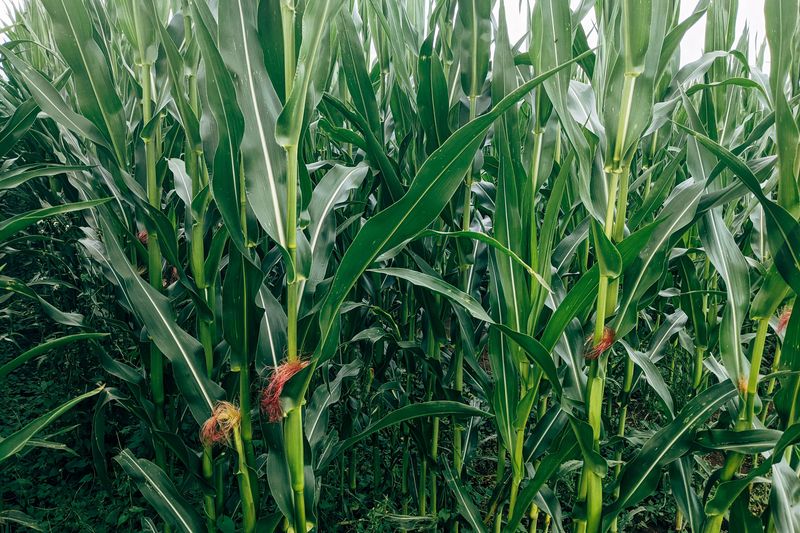
Corn is a heavy feeder and requires substantial nutrients throughout the season. Growers who applied nitrogen amendments at planting time gave their stalks a running start that showed up clearly by mid-June.
Those early-fed plants were noticeably taller and darker green than neighboring rows left unfed.
The key is timing the application correctly. Nitrogen applied too early can leach away before the plant roots can access it.
Applying it at or just before planting, followed by a side-dress application six weeks later, keeps the nutrient available when the plant needs it most.
Side-dressing means adding fertilizer alongside the row once the stalks reach about knee height. At that stage, corn is entering its fastest growth phase and needs a steady nitrogen supply.
Missing that window often shows up as pale leaves and stunted tassels later in the season. Blood meal, feather meal, and composted chicken manure are popular organic nitrogen sources for home gardeners.
They release nutrients more slowly than synthetic options but feed the plant over a longer period. Many growers combine both approaches for the best of each method.
Over-applying nitrogen is a real risk worth taking seriously. Too much pushes leafy top growth at the expense of ear development.
A soil test helps you apply just enough without overdoing it. Sweet corn fed well from the start produces ears with better tip fill and deeper kernel rows.
That early nitrogen boost is one of the clearest differences between average harvests and exceptional ones. Feed the stalk and the ear will follow.
6. Block Planting Improved Pollination And Fill
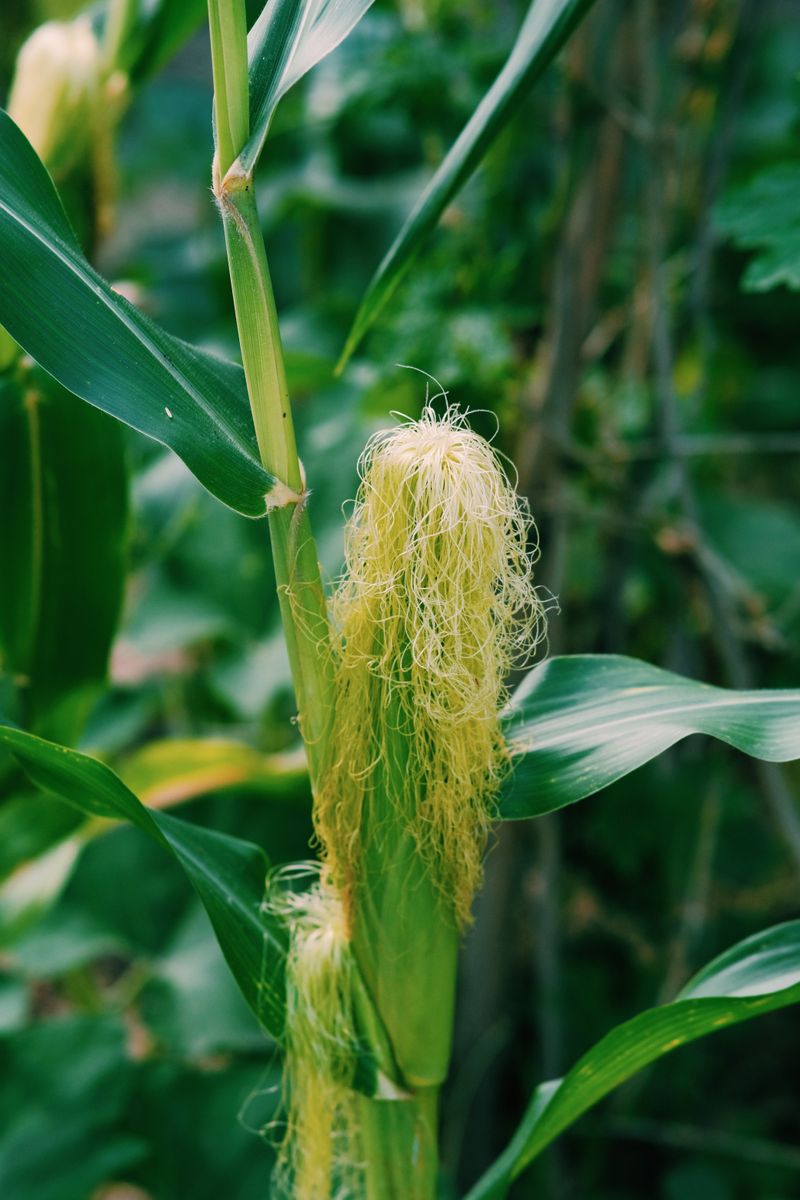
Corn pollinates by wind, and that fact changes everything about how you should plant it. Rows planted in long, thin lines often struggle with poor pollination because pollen blows away before it reaches nearby silks.
Block planting changed the game for Illinois growers this season. A block is simply a square or rectangular arrangement of shorter rows planted close together.
Instead of one long row of 30 plants, you plant three rows of 10 plants side by side. Pollen shed from tassels at the top falls more easily onto the silks of neighboring plants in every direction.
Poor pollination shows up as ears with missing kernels and gaps along the cob. That spotty fill is frustrating because the plant looks healthy right up until harvest.
The problem is not nutrition or water, it is simply not enough pollen reaching the silks at the right moment.
Blocks of at least four rows wide are the standard recommendation from most extension services. Wider blocks catch more of their own pollen and produce fuller ears consistently.
Even in smaller gardens, rearranging the layout into a compact block makes a measurable difference.
Hand pollination is an option for very small plots. Shake a tassel over a bag, then dust the collected pollen directly onto the silks of nearby plants.
It takes about ten minutes and can rescue a struggling planting that would otherwise produce half-filled ears.
Block planting is one of those tips that sounds almost too simple to matter. But the difference it makes at harvest time is measurable.
7. Cooler Spring Cut Pest Numbers
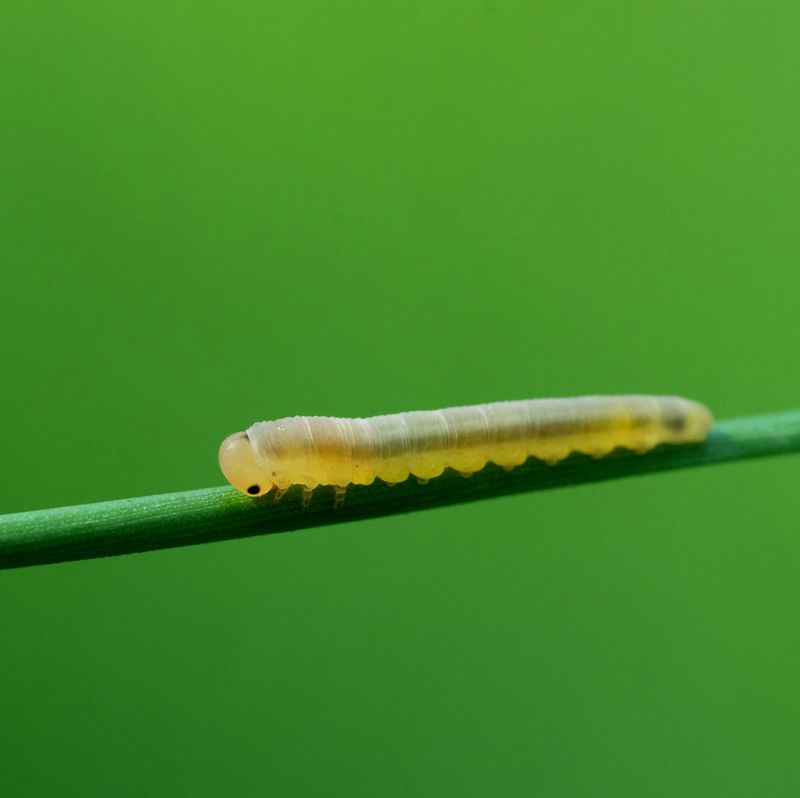
A cool spring is not always a gardener’s favorite thing, but corn pests struggle in it. Lower temperatures slow insect development, reduce reproduction rates, and shrink overwintering populations before the season even begins.
Illinois got that cold stretch this year, and the corn benefited enormously. Aphids, cutworms, and armyworms all struggle in prolonged cool conditions.
Their eggs hatch more slowly, and young larvae are less likely to make it through temperature swings. Fewer pests making it into May means less competition for your corn plants from the very start.
Corn rootworm is another pest that faced a harder road this spring. Larvae that overwinter in the soil need warm soil temps to become active.
A delayed warm-up kept populations suppressed longer than usual, giving young root systems time to establish before pressure mounted.
Beneficial insects also thrived in the cooler conditions. Ground beetles and parasitic wasps that prey on pest larvae were active and feeding before many harmful species recovered their numbers.
That natural predator advantage carried through much of the growing season. Cooler springs also mean slower evaporation from the soil surface.
Consistent soil moisture in the early weeks supports faster germination and stronger early root development.
Plants that get off to a strong start are naturally better at fending off pest damage later. You cannot control the weather, but you can take advantage of it.
Monitoring pest populations early and acting quickly when numbers start climbing keeps the natural advantage going. This year’s cooler spring worked in growers’ favor, and many made the most of it.
8. Timing Sowing To Soil Temp Paid Off
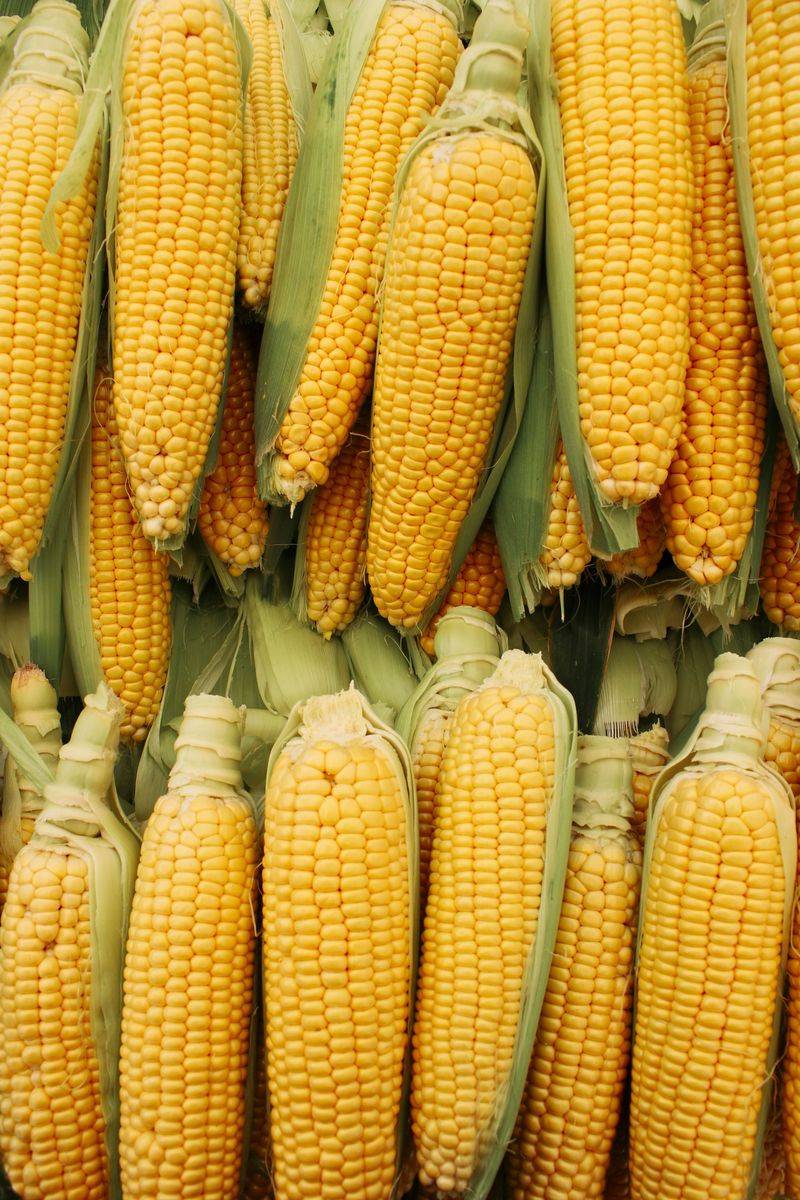
Air temperature gets all the attention, but soil temperature is what actually matters when planting sweet corn.
Seeds planted in soil below 60 degrees Fahrenheit are at high risk of rotting before they can germinate. Growers who used a simple soil thermometer this spring avoided that costly mistake entirely.
Corn germination happens best between 60 and 95 degrees Fahrenheit in the soil. Planting when the soil hits at least 60 degrees, ideally closer to 65, produces faster and more uniform emergence.
Uniform emergence means all your plants compete equally and no single plant gets shaded out early.
A soil thermometer costs less than five dollars at any garden center or hardware store. You push it two inches into the ground in the morning, before the sun has warmed the surface layer.
That reading gives you the most accurate picture of what seeds will actually experience. Many gardeners plant by the calendar date out of habit.
But calendar dates do not account for late cold snaps, wet springs, or unusually warm early seasons. Soil temperature gives you a real-time signal that no calendar can match.
Waiting an extra week for soil temps to rise can feel frustrating when everyone else seems to be planting.
But seeds that go in at the right temp catch up quickly and often pass early-planted seeds that struggled in cold ground. Patience at planting time improves results at harvest.
Sweet corn grown from properly timed sowing comes in stronger, more uniform, and more productive.
That small habit of checking soil temperature is one reason this year’s sweet corn outperformed expectations across Illinois.