Why East Tennessee Rhododendrons Face Tougher Conditions Than West Tennessee Ones
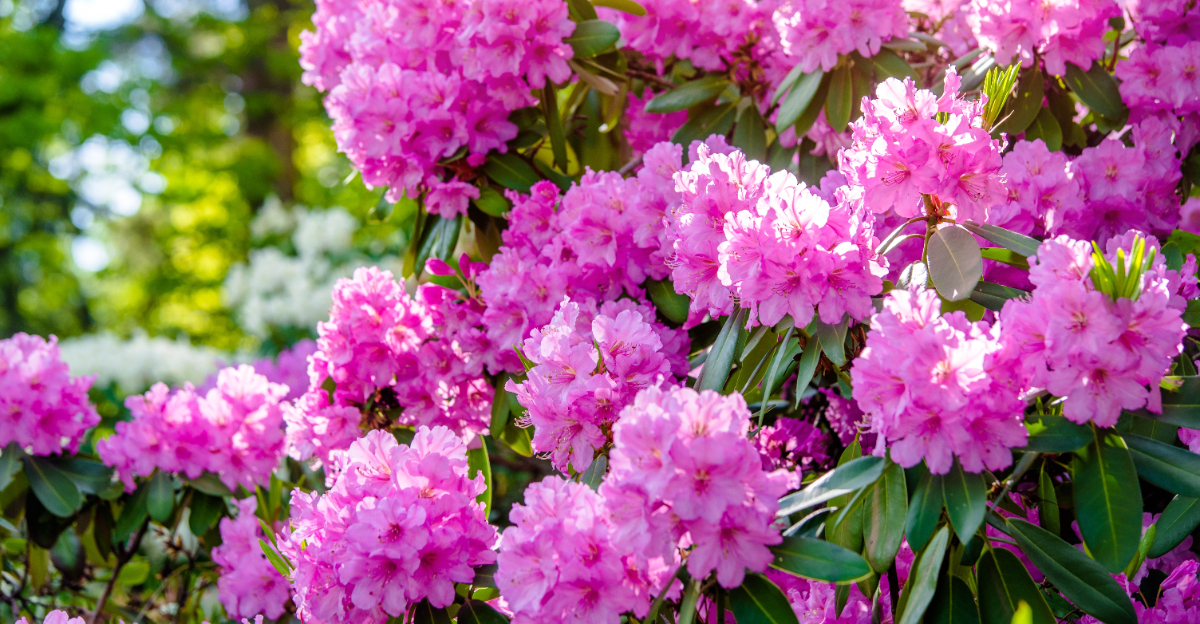
Anyone who has hiked through the Blue Ridge Mountains in late spring knows the scene. Entire hillsides burst into color as wild rhododendrons unfurl their pink and purple blooms against dark green leaves.
The display looks effortless, almost like nature decided to throw a party without asking permission. Behind that beauty, though, sits a plant working overtime against conditions most gardeners never think about.
Western North Carolina rhododendrons deal with steep terrain, shifting moisture levels, and soil chemistry that can swing from one ridge to the next. These are pressures their coastal cousins rarely encounter.
A gardener who understands what makes mountain rhododendrons tick gains something valuable: the ability to recreate those conditions, or work around them, no matter where they plant.
That knowledge turns a stubborn shrub into a garden showstopper, and it starts with knowing exactly what these mountains put their plants through.
Elevation And Cold Exposure Set The Two Regions Apart
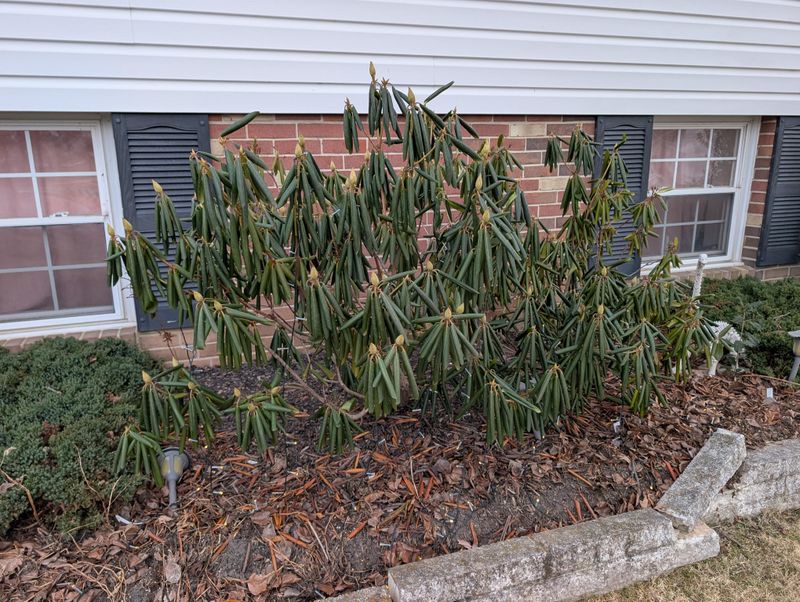
Mountain air bites hard. East Tennessee rhododendrons grow at elevations that can reach over 6,000 feet in some areas.
At those heights, temperatures drop fast and stay cold much longer than in the lowlands. Plants face constant wind exposure that pulls moisture from leaves faster than roots can replace it.
West Tennessee sits mostly flat, hovering just a few hundred feet above sea level. Rhododendrons planted there rarely have to fight that kind of elevation-driven cold.
The Appalachian peaks create what scientists call orographic lift, forcing clouds upward and triggering intense precipitation events. That moisture sounds helpful, but freezing rain and ice storms coat branches and snap them under weight.
A rhododendron in Gatlinburg faces conditions that a Memphis plant will not encounter. The mountain shrubs have adapted over centuries, developing thicker, waxier leaves to survive the exposure.
Thin mountain soil adds another layer of stress at these elevations. Roots have less room to anchor deeply, leaving the whole plant more exposed when strong gusts sweep across exposed ridgelines.
Still, even adapted plants struggle when late-season cold snaps arrive without warning. Gardeners in the eastern highlands learn quickly that protecting their plants from wind is just as important as watering them.
Elevation is not just a number on a map. It is a daily test of survival that shapes every rhododendron growing in East Tennessee, making them tougher but also far more vulnerable to sudden weather shifts.
Soil pH And Composition In The Appalachian Foothills
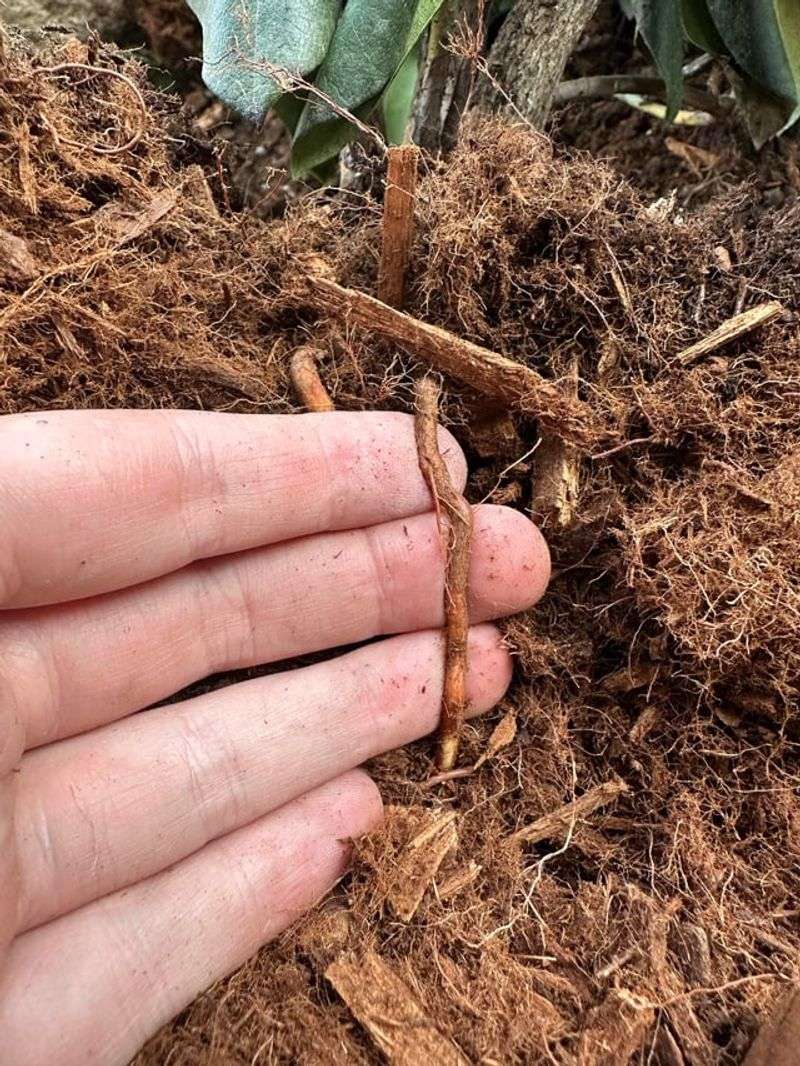
Soil tells the whole story. East Tennessee rhododendrons grow in ancient Appalachian soils that are deeply acidic, often ranging between pH 4.5 and 5.5.
That acidity sounds extreme, but rhododendrons thrive in it. The problem is that mountain soils are also thin, rocky, and prone to erosion on steep slopes.
West Tennessee has a completely different soil profile. The western part of the state features heavier clay and loam soils deposited by centuries of river activity near the Mississippi floodplain.
Those soils hold water longer and often trend toward a more neutral pH. Rhododendrons planted there need significant soil amendment to thrive, which actually gives western gardeners more control over growing conditions.
Your Tennessee Garden Changes Every Week. Your Plan Should Too.
Gardening in Tennessee changes quickly throughout the season. Every Friday you’ll receive a simple weekly plan showing exactly what to plant, prune, fertilize, harvest, and protect so you never miss the right timing.
Eastern mountain soils drain quickly because of the rocky substrate beneath them. During dry spells, rhododendrons can experience drought stress even in areas that receive plenty of annual rainfall.
Nutrient availability also shifts with pH. In highly acidic eastern soils, some minerals become locked up and unavailable to plant roots, creating deficiency symptoms even in otherwise healthy-looking shrubs.
Gardeners in East Tennessee often add sulfur or acidic mulches like pine bark to maintain that sweet spot of pH. Getting the soil right is the foundation of every successful rhododendron planting across the state.
Rainfall And Humidity Patterns Across The State
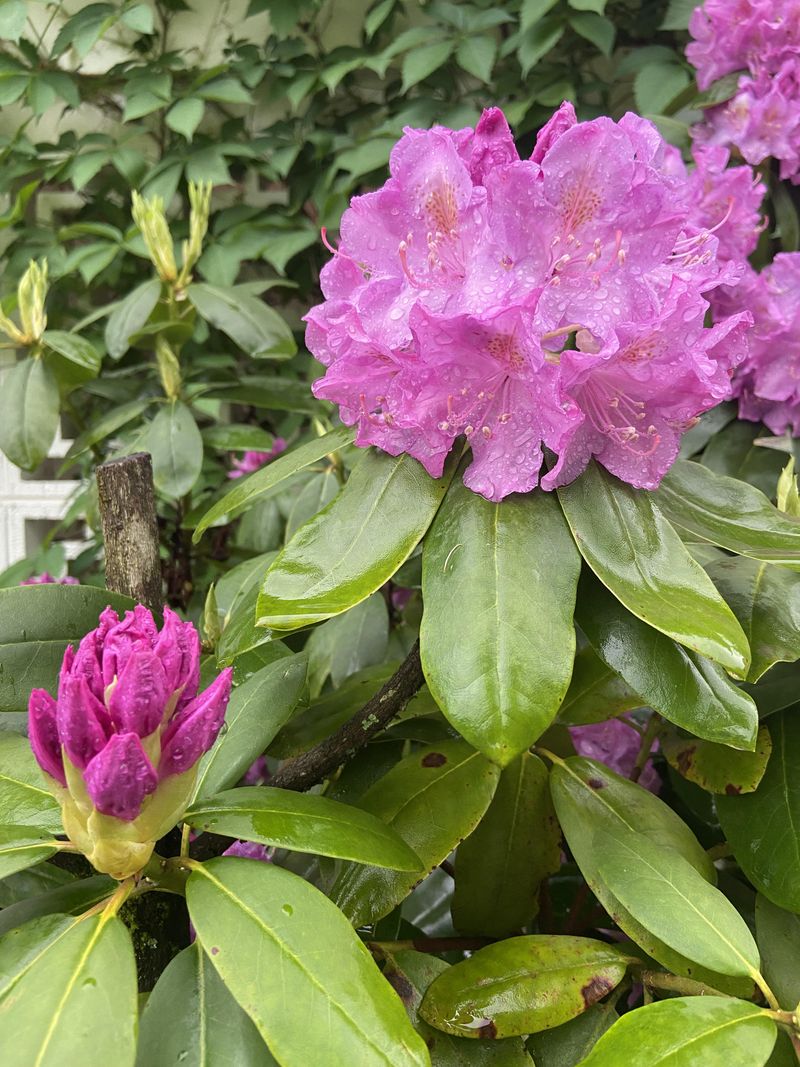
Rainfall in Tennessee is not distributed evenly. The eastern mountains catch moisture from Atlantic weather systems and Gulf storms, creating some of the wettest spots in the entire eastern United States.
Certain Appalachian ridges receive over 80 inches of rain annually. That sounds ideal for moisture-loving rhododendrons, but the pattern of that rain creates its own set of challenges.
Intense downpours on steep terrain cause rapid runoff instead of slow absorption. Roots sitting in waterlogged pockets after storms can develop fungal rot, even on plants that look perfectly healthy above ground.
West Tennessee gets meaningful rainfall too, usually around 50 inches per year. However, that rain falls more evenly across seasons, giving plants steady access to moisture without the boom-and-bust cycle of mountain weather.
Humidity also plays a role that gardeners often overlook. High mountain humidity encourages certain leaf diseases, including petal blight and powdery mildew, which thrive in persistently damp air.
Western rhododendrons face drier summer air, which actually reduces disease pressure significantly. Fewer fungal problems mean less time spent treating plants and more time enjoying blooms.
East Tennessee rhododendrons essentially live in a rain forest environment, which sounds romantic but demands constant attention. Knowing your local rainfall pattern is one of the smartest moves any rhododendron grower can make.
Sun Exposure And Native Forest Cover Differences
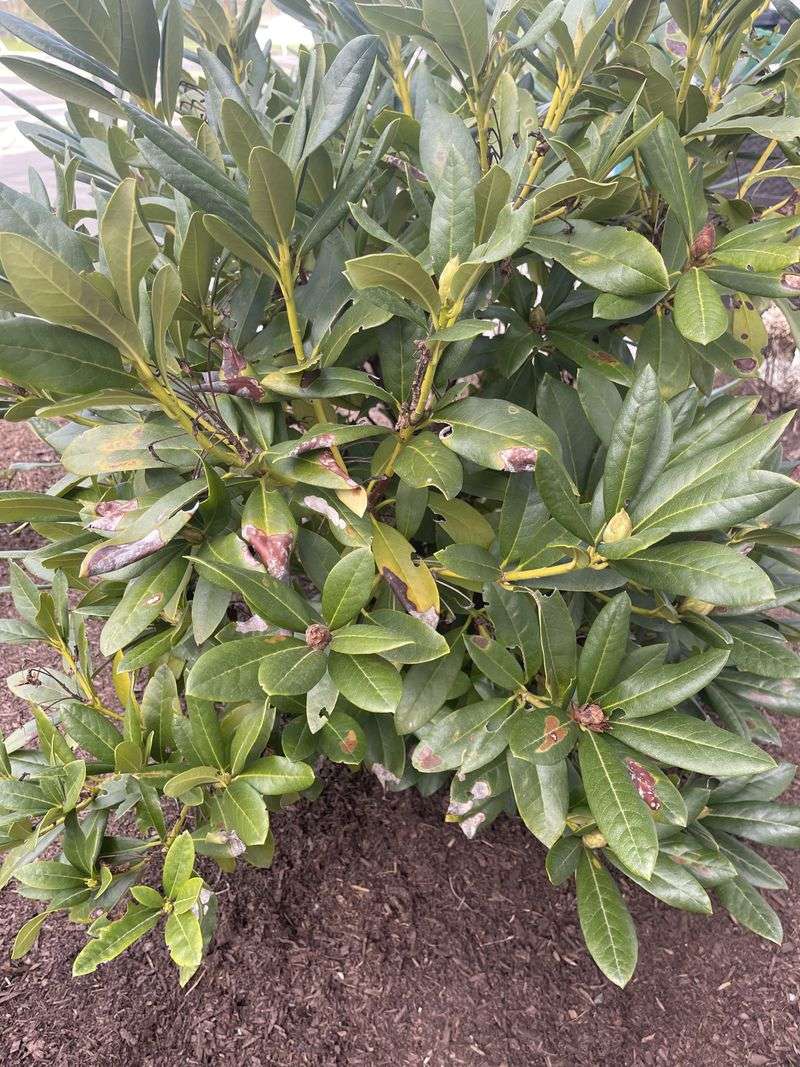
Light is everything to a flowering shrub. East Tennessee rhododendrons grow naturally beneath dense hardwood and conifer canopies that filter sunlight into shifting patches of shade.
That dappled light is their preferred habitat, but it also means they compete with massive trees for water and nutrients. The forest floor is a crowded, competitive place.
West Tennessee has far less native forest cover in many areas, especially in agricultural and suburban zones. Rhododendrons planted there often face full or partial sun exposure for much of the day.
Too much direct sun bleaches rhododendron leaves and scorches flowers before they fully open. Western gardeners frequently need to create artificial shade using shade cloth or strategic planting near structures.
The eastern forest canopy does something else valuable. It moderates temperature swings by acting as a natural insulator, keeping the understory cooler in summer and slightly warmer on cold nights.
Without that canopy, western plants experience wider temperature fluctuations throughout the day. Those swings stress root systems and can interfere with the plant’s natural bloom timing.
Interestingly, East Tennessee rhododendrons have evolved to photosynthesize efficiently in low-light conditions. Transplanting them to a sunny western Tennessee yard can actually shock them, even though the western climate seems milder overall.
Temperature Swings And Frost Risk In The Mountains
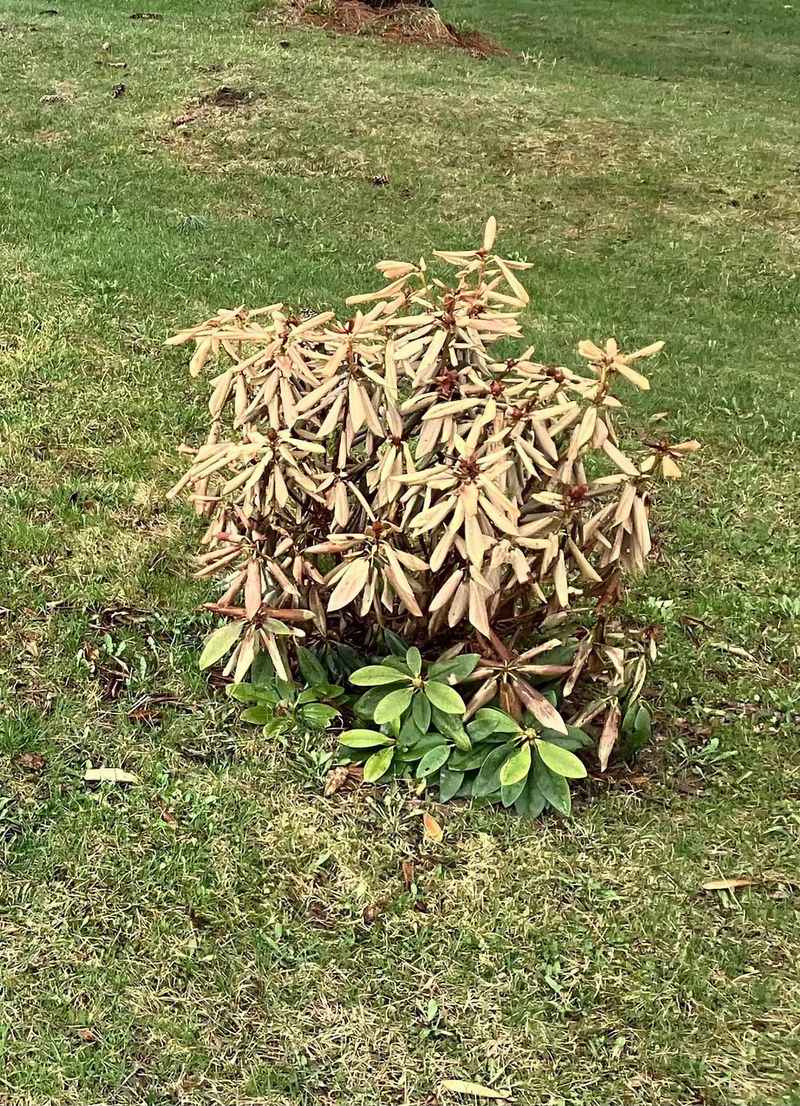
Spring in the mountains plays tricks. East Tennessee rhododendrons often experience warm stretches in February that coax buds to swell, followed by hard freezes in March that damage those same buds.
That cycle of false spring and late frost is one of the most damaging patterns rhododendrons face in the Appalachian region. A single overnight freeze can wipe out an entire season of blooms.
West Tennessee’s climate is influenced by its proximity to the Mississippi River corridor, which moderates temperature extremes. Winters are milder and late frosts are less frequent, giving buds a safer path to full bloom.
Mountain elevations experience what meteorologists call temperature inversions on calm nights. Cold air sinks into valleys and hollows, creating frost pockets that can be 10 to 15 degrees colder than nearby ridges.
Rhododendrons planted in those valley frost pockets suffer repeated cold damage that weakens them over time. Savvy eastern gardeners choose planting sites on slopes or elevated spots to avoid the worst of those cold sinks.
West Tennessee gardeners rarely need to think about frost pockets because the terrain is simply too flat for cold air pooling to occur. That one geographic difference saves western plants from enormous seasonal stress.
Temperature swings in East Tennessee rhododendron territory are not just inconvenient. They are a defining challenge that separates mountain growing from the comparatively forgiving climate of the western lowlands.
What These Conditions Mean For Home Gardeners In Each Region
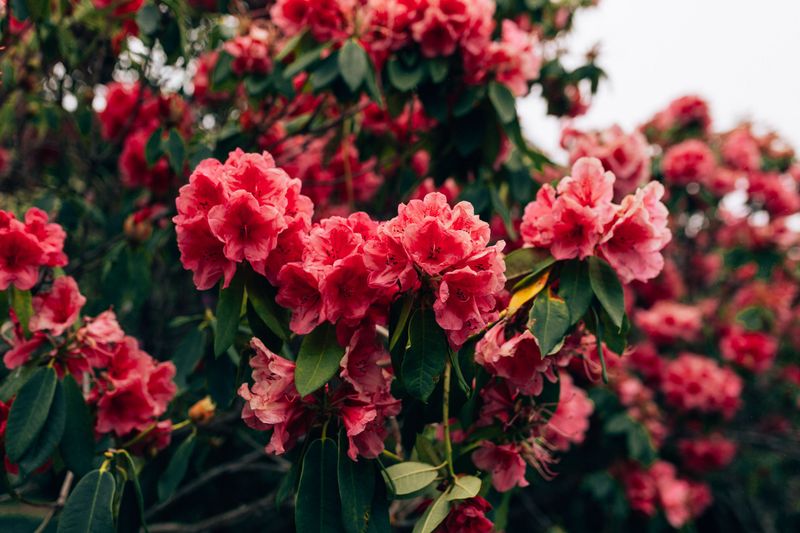
Knowing your region shapes every gardening decision you make. East Tennessee rhododendron growers need to prioritize wind protection, well-draining acidic soil, and frost monitoring from late winter onward.
Mulching heavily with pine bark or wood chips helps regulate soil temperature and retain moisture during the dry spells that follow heavy mountain rains. That one habit alone can dramatically improve plant health.
West Tennessee gardeners face a different checklist entirely. Amending soil to lower pH, providing afternoon shade, and selecting heat-tolerant rhododendron varieties are the most important steps for success in the western lowlands.
Choosing the right cultivar matters enormously in both regions. Eastern growers should look for cold-hardy varieties bred to withstand late frosts, while western growers benefit from cultivars with higher heat and sun tolerance.
Watering schedules also differ significantly between the two regions. Mountain gardeners often rely on natural rainfall but must watch for drainage issues, while western gardeners typically need supplemental irrigation through dry summer months.
Disease management is another area where the regions diverge. Eastern growers focus more on fungal issues from persistent moisture, while western growers focus more on spider mites and root stress from heat and less acidic soil.
No matter where you garden in Tennessee, understanding East Tennessee rhododendron challenges versus western ones helps you make smarter choices. The right knowledge turns a struggling shrub into a showstopper, season after season.