The Illinois Native Tree Your Sidewalks Will Thank You For
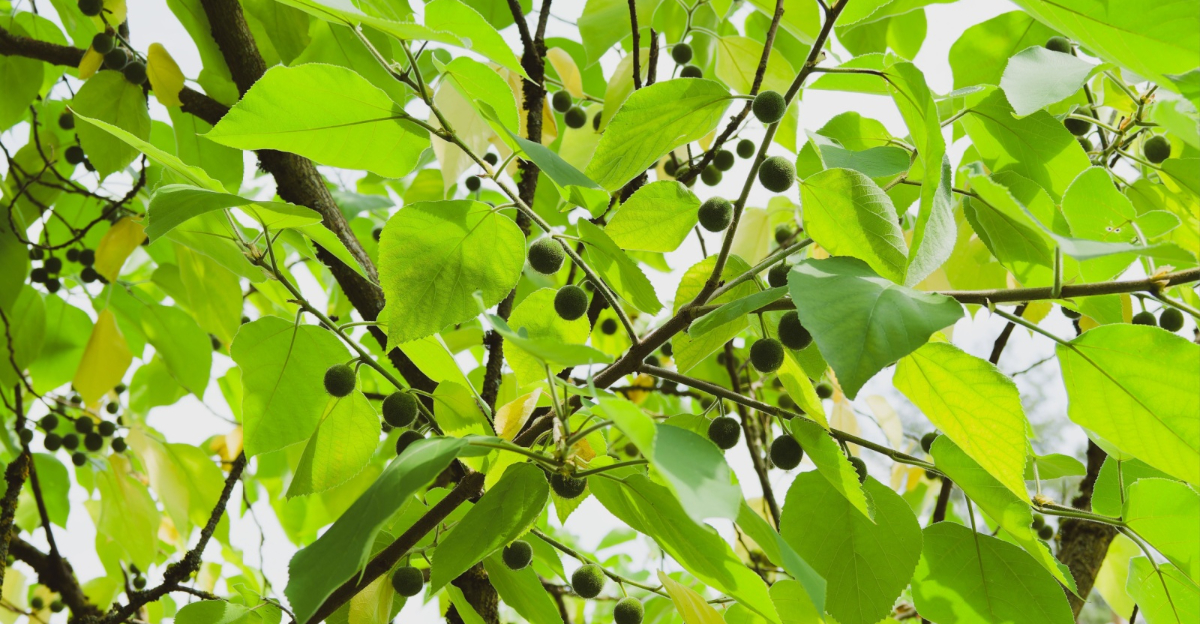
You plant a tree thinking you’re doing something good for your yard. Ten years later, that same tree is quietly destroying your sidewalk, one root at a time.
Here’s the thing: most tree problems aren’t about the tree. They’re about choosing the wrong one for your soil, your climate, and your neighborhood.
Illinois native trees have spent thousands of years figuring out exactly how to grow here. They didn’t need to bulldoze everything around them to do it.
The result? Deep shade, strong structure, and roots that know how to behave.
One tree in particular keeps showing up on city planting lists, landscape plans, and arborist recommendations across the Midwest. It’s tough, it’s native, and it’s probably not the one you’d guess.
Let’s talk about it.
The Illinois Native Tree Most City Planners Swear By
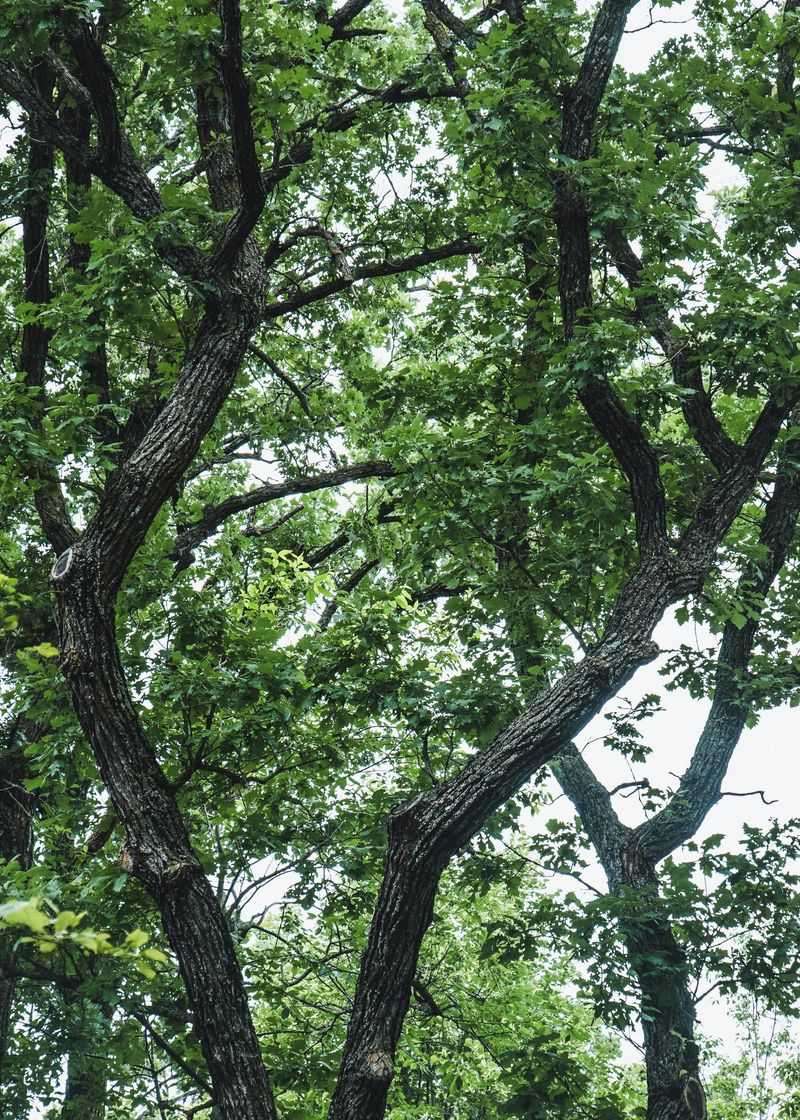
City planners have a quiet obsession, and it goes by the name hackberry.
Walk through any Illinois park, drive down a tree-lined median, or stroll past a well-kept front yard. Chances are hackberry is somewhere in the picture.
Not because it’s flashy. Because it simply works.
Celtis occidentalis, if you want to get scientific about it, is native to Illinois and has been growing along riverbanks and open woodlands here long before anyone was planting anything on purpose.
It handles heat, drought, compacted soil, and city pollution without complaint. Most trees would tap out under those conditions.
Hackberry just keeps growing. It reaches 40 to 60 feet tall with a canopy wide enough to shade an entire front yard, which means lower cooling costs and a lawn that actually survives August.
Urban foresters love it for one practical reason: the roots tend to stay deeper and less aggressive than most popular shade trees. Fewer cracked sidewalks.
Fewer awkward conversations with your neighbors.
Even the bark earns its keep. That warty, ridged texture gives it a rugged, architectural look that holds up through every season, not just when it’s in full leaf.
Hackberry doesn’t try to be the most beautiful tree in the yard. It just ends up being the most useful one.
Why Hackberry Thrives Where Other Trees Give Up
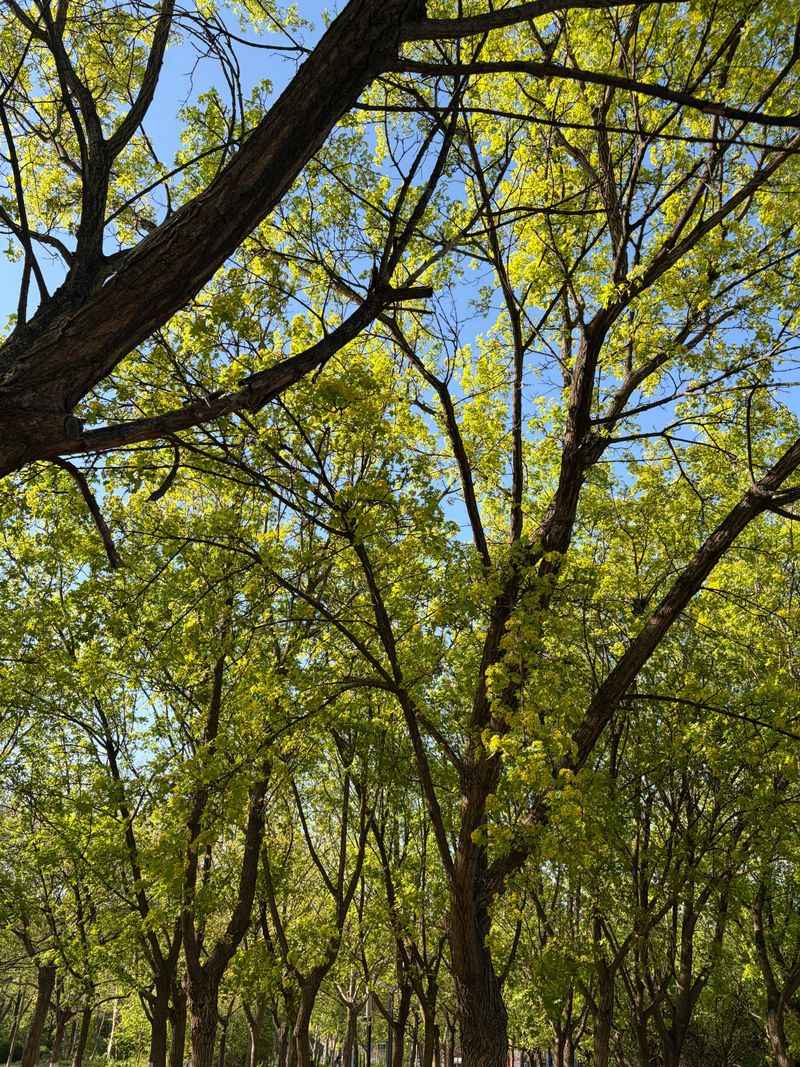
Most trees are picky. Hackberry is not.
This tree survives in conditions that would send other species into a slow, miserable decline. Clay soil, sandy soil, flooding followed by drought, hackberry handles the whiplash without flinching.
Its secret is deep genetic toughness built over thousands of years in the Illinois landscape. The tree evolved alongside harsh Midwest winters and blazing summers, which made it one of the most adaptable hardwoods in the region.
Once established, it does not need babying, fancy fertilizers, or special watering schedules. It simply grows.
Hackberry also tolerates air pollution better than most native species.
That makes it ideal for yards near busy roads or urban neighborhoods where exhaust and dust are constant companions. Even in compacted soil where construction has stripped away good topsoil, hackberry finds a way to push roots down and hold its ground.
Your Illinois Garden Changes Every Week. Your Plan Should Too.
Gardening in Illinois changes quickly throughout the season. Every Friday you’ll receive a simple weekly plan showing exactly what to plant, prune, fertilize, harvest, and protect so you never miss the right timing.
Other trees tap out when conditions get rough. Hackberry leans in, grows taller, and keeps shading your yard season after season.
It just gets the job done.
How Its Root System Actually Protects Your Sidewalks
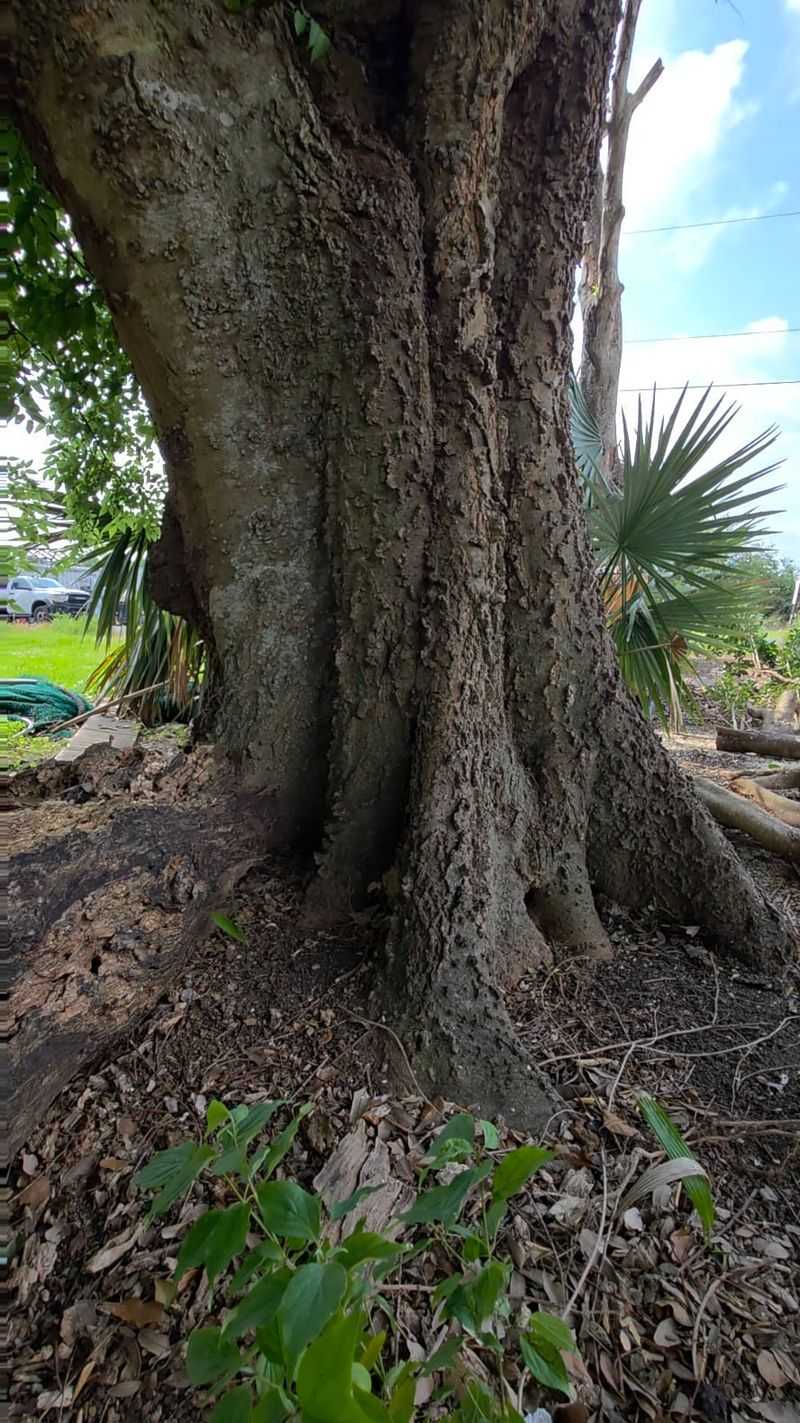
Sidewalk damage from tree roots costs homeowners thousands of dollars every year. Silver maples and willows are notorious culprits, and hackberry plays a completely different game.
Hackberry develops a strong taproot early in its life, though mature trees also develop lateral roots that stay well below the surface.
Those roots push downward into the soil rather than spreading aggressively along the surface. When a tree anchors itself deep, it has less reason to seek out moisture by creeping under pavement.
That behavior is exactly what spares your concrete from the heaving and cracking that plagues other popular shade trees.
Planting hackberry at least ten feet from your sidewalk gives the roots ample space to establish naturally. Even at closer distances, many homeowners report minimal issues compared to silver maple or Norway maple.
The key is choosing the right spot from the start. A well-placed hackberry becomes a long-term asset rather than a liability hiding under your driveway.
You get a gorgeous canopy overhead and a sidewalk that stays intact. With most shade trees, that combination is hard to find.
With hackberry, it comes standard.
The Shade It Provides And What Lives In It
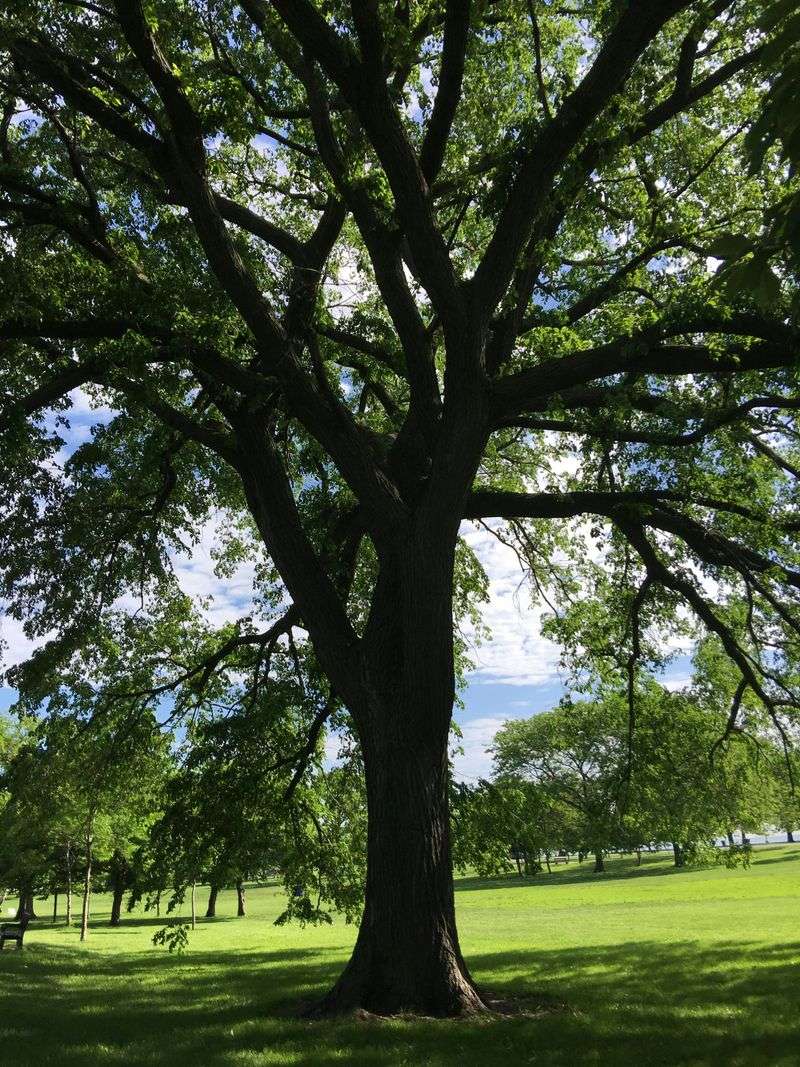
Shade is the obvious gift, but hackberry gives so much more than shadow.
The moment this tree matures, it becomes a living apartment building for wildlife. Birds flock to it, butterflies depend on it, and moths find shelter in its canopy through every season.
The hackberry emperor butterfly uses this tree exclusively as a host plant. No hackberry, no emperor butterfly.
The small, berry-like drupes that ripen in fall attract cedar waxwings, robins, mockingbirds, and dozens of bird species. Watching that kind of activity from your back porch turns an ordinary afternoon into something worth stepping outside for.
The canopy spreads wide and dense, cooling the ground beneath it by several degrees. Grass, garden beds, and outdoor seating areas all benefit from that natural temperature drop.
On a scorching July afternoon, kids and pets find it without being told.
The shade is not thin or patchy. It is the kind that makes you want to drag a lawn chair underneath and stay there all day.
When the birds show up, which they will, you will not want to go back inside anyway.
How To Plant Hackberry In Your Yard The Right Way
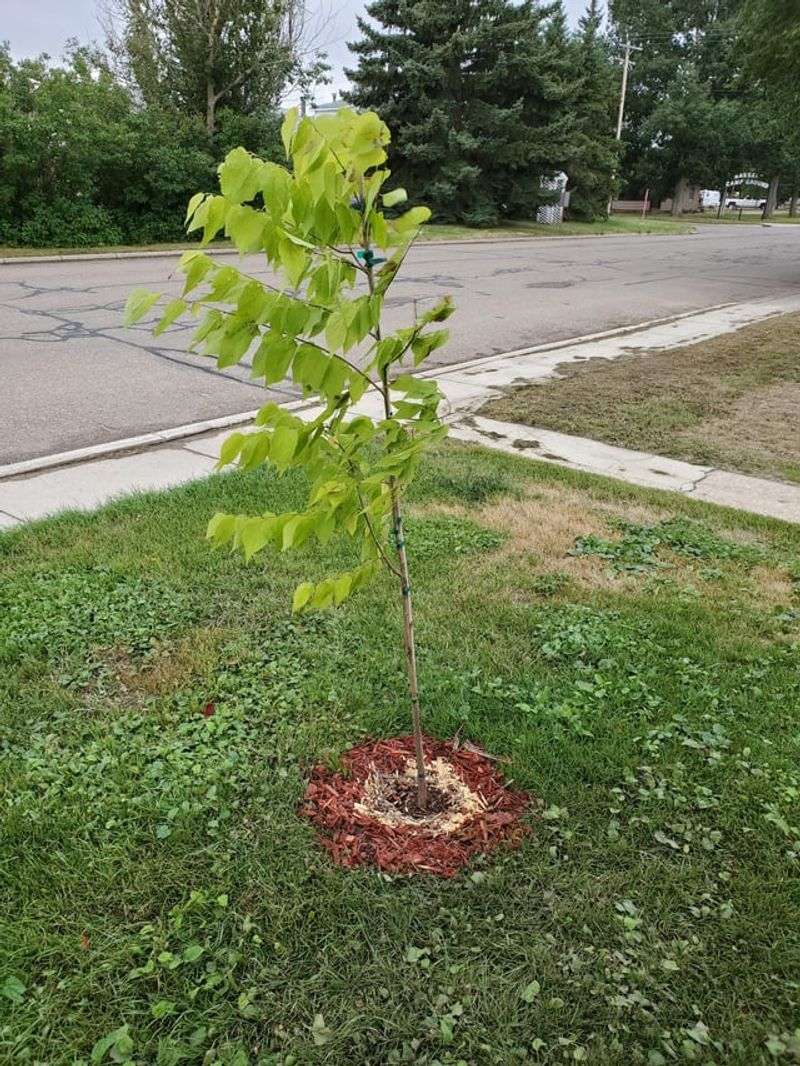
Getting the planting right from day one saves years of frustration. Hackberry is forgiving, but a smart start makes the difference between a tree that survives and one that genuinely thrives for decades.
Choose a spot with full sun to partial shade. Hackberry prefers at least six hours of direct sunlight daily, so avoid tucking it into a shady corner of the yard.
Dig your hole two to three times wider than the root ball, but no deeper than its height. Setting the tree too deep is one of the most common mistakes, and it slows early growth more than most people expect.
Water deeply right after planting, then keep the soil consistently moist through the first growing season. After that, hackberry becomes remarkably self-sufficient.
Mulch around the base to retain moisture and protect the trunk from lawn mowers. Just keep the mulch away from the bark itself, since piling it too close traps moisture and invites rot.
Spring is the ideal planting window in Illinois. It gives the tree a full warm season to establish roots before winter arrives.
A little patience in year one pays off with decades of shade you will actually use.
Common Mistakes To Avoid When Growing Hackberry
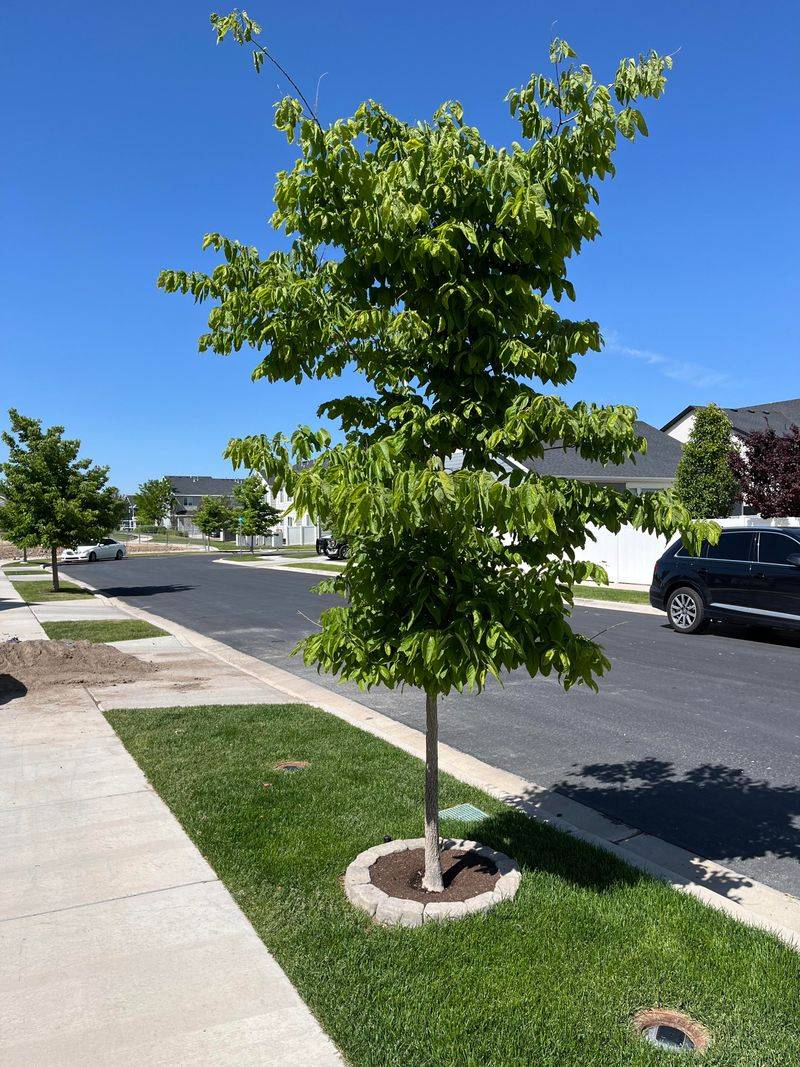
Even a tough tree can struggle when humans make avoidable errors. Knowing what not to do is just as valuable as knowing what to do.
Over-watering is the top mistake new tree owners make. Hackberry does not want soggy roots, and once established, it actually prefers dry to moderate soil moisture.
Watering too frequently after the first season leads to root rot and weak, leggy growth. Let the tree find its rhythm with natural rainfall whenever possible.
Pruning at the wrong time creates a different headache. Late winter or early spring, before new leaves emerge, is the best window for shaping hackberry.
Cutting branches during active growth stresses the tree and opens the door to pests.
Location matters more than most people realize. Avoid planting hackberry in low-lying areas where water pools after rain.
Standing water around the base suffocates roots faster than almost anything else. Get the location right, water wisely, and prune at the correct time.
After that, the tree pretty much handles itself. That is kind of the whole point.
Is Hackberry The Right Tree For Your Property
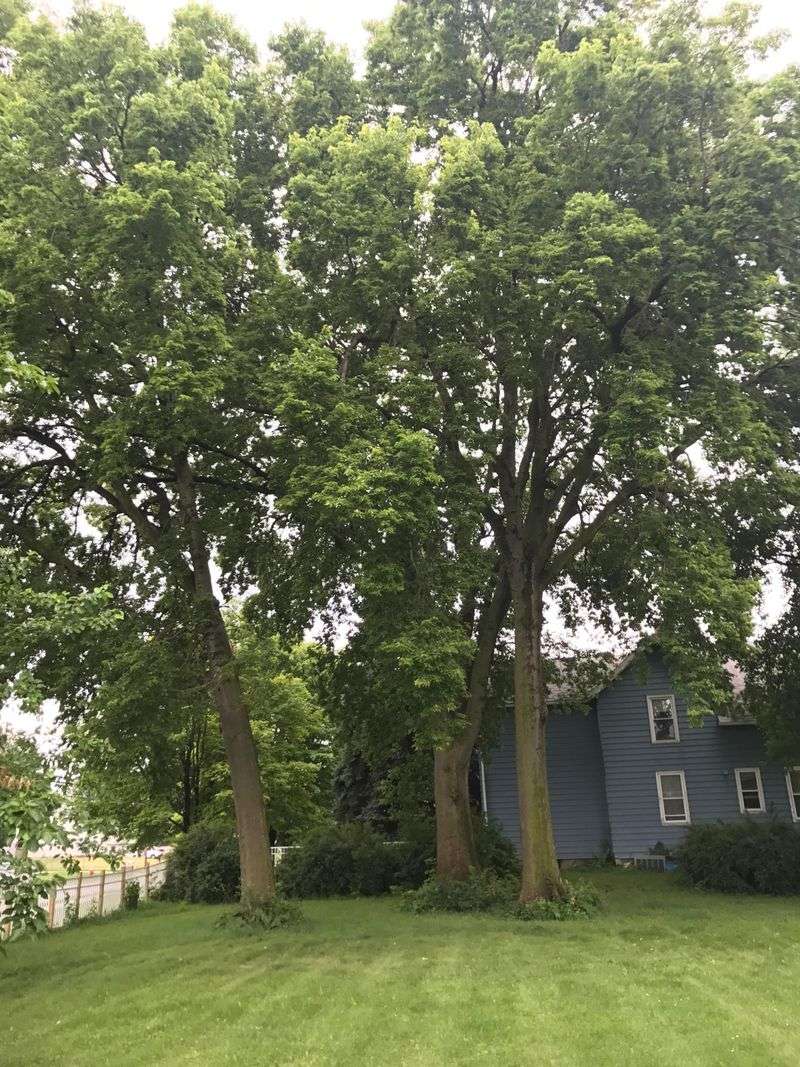
Not every tree fits every yard, and being honest about that upfront saves a lot of regret.
If your yard is small or tightly fenced, hackberry may outgrow the space over time. This tree wants room to spread its canopy 40 to 50 feet wide at maturity.
A cramped location leads to branches rubbing against structures and roots competing with foundations. Larger yards and open suburban lots are where hackberry truly shines.
But if you have a medium to large yard, a sunny exposure, and a desire to attract wildlife while cutting cooling costs, hackberry checks every box. Low-maintenance, native, and genuinely beautiful across all four seasons.
The warty bark adds character in winter when the leaves drop. The fall berries feed birds when other food sources disappear.
The canopy does real work every summer without asking much in return.
If you are searching for one Illinois native tree that shades your yard and spares your sidewalks, hackberry is probably already the answer. You just needed someone to introduce you.
It is not the most talked-about tree at the garden center. It rarely makes the cover of landscaping magazines.
But ask any urban forester in Illinois which native tree they would plant in their own yard, and hackberry comes up every time.