What It Really Means When You Find Praying Mantis Egg Cases In Your North Carolina Garden
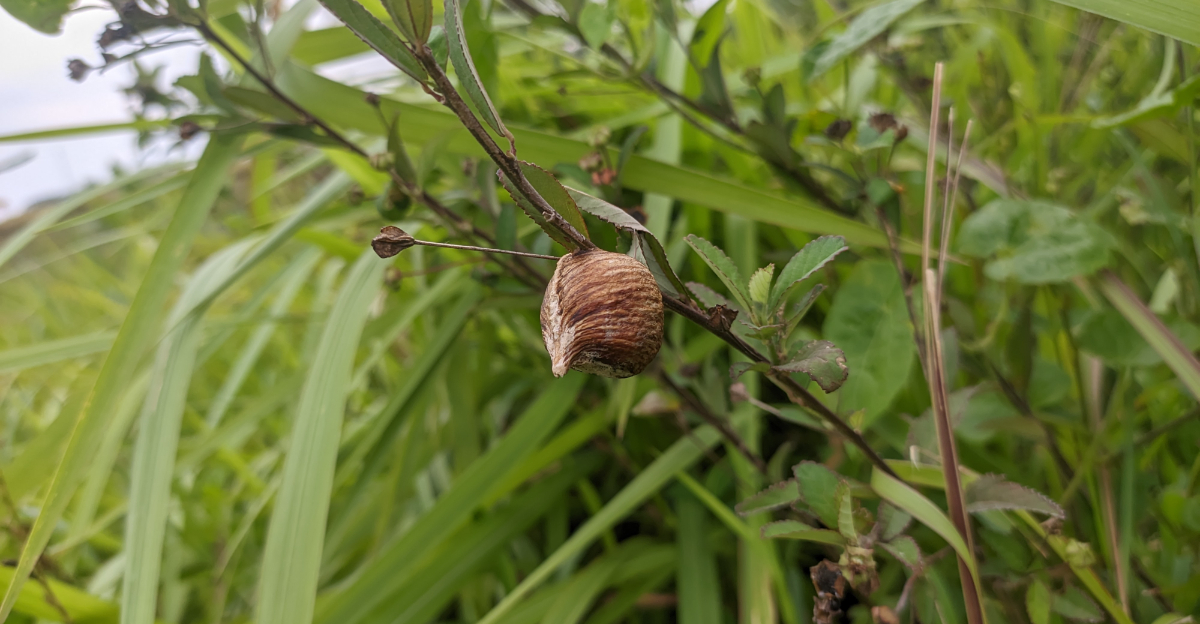
Finding a praying mantis egg case attached to a stem or garden structure is one of the better surprises a North Carolina gardener can encounter during a seasonal cleanup.
It is also one of the most commonly mishandled discoveries, with well-meaning gardeners accidentally destroying cases that were perfectly positioned to hatch and contribute something genuinely valuable to the garden ecosystem.
An egg case in the garden is not a coincidence. A female mantis chose that specific location based on microclimate conditions, structural stability, and proximity to the prey activity she anticipated in that space.
Understanding what that placement communicates and how to protect it through winter changes the outcome for the entire following season.
1. It Means A Mantis Used Your Garden As A Nursery
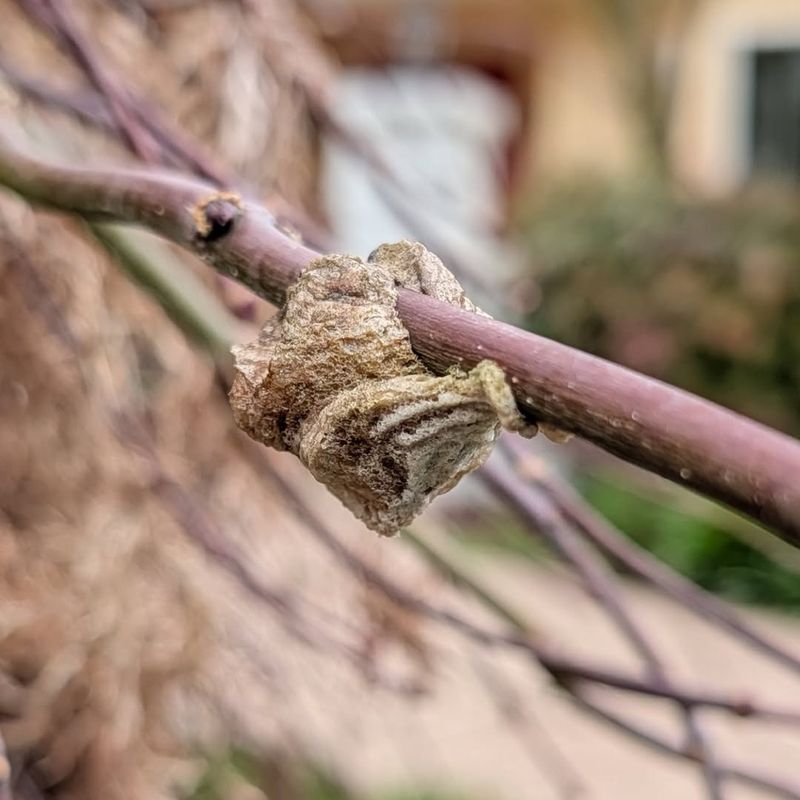
Your garden just earned a serious compliment from one of nature’s most fascinating insects.
When a female praying mantis chooses a spot to attach her egg case, she does not pick randomly.
She carefully selects a location that offers stability, shelter, and the right conditions for her eggs to survive the winter months ahead.
That stem, shrub branch, fence post, or garden structure you spotted the case on was chosen on purpose.
The female mantid produces a frothy substance from her body, then shapes it around her eggs before it hardens into the protective casing you see.
This structure, called an ootheca, is surprisingly tough and built to handle North Carolina winters without any help from you.
Finding one means a female mantid spent real time in your garden, fed well enough to reproduce, and trusted your space enough to leave her future offspring there.
That is a sign your garden offers good habitat, enough plant structure for shelter, and a solid insect food web to support predatory insects.
Gardens with diverse plantings, minimal pesticide use, and plenty of native shrubs or perennial stems tend to attract mantids season after season.
Think of it as a badge of honor for your gardening habits. The mantis essentially voted with her biology that your garden was worth investing in.
Keeping that habitat healthy means more generations of mantids may return to the same garden beds, stems, and structures year after year going forward.
2. It Was Likely Placed There In Late Summer Or Fall
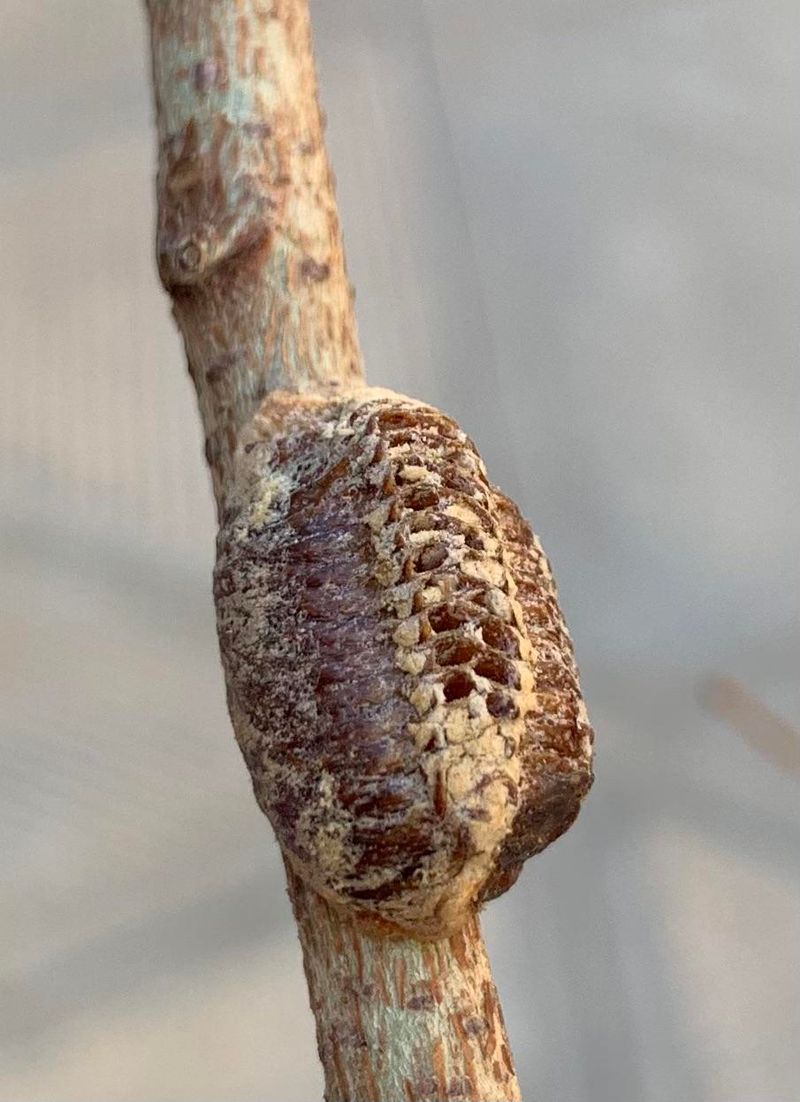
Timing matters a lot when it comes to praying mantis egg cases, and most North Carolina gardeners are surprised to learn the case was probably made months before they noticed it.
Female mantids typically deposit their oothecae in late summer or early fall, often between August and October depending on the species and local conditions.
The reason so many gardeners spot them in winter or early spring comes down to simple plant biology.
During summer and fall, leafy stems and dense perennial growth can easily hide a small egg case from view.
Once plants wither, leaves drop, and stems become bare, those same cases suddenly pop into sight like they appeared overnight.
North Carolina’s mild fall season gives mantids a generous window for egg laying, and the state’s diverse mix of gardens, meadows, and woodland edges provides plenty of suitable surfaces.
Your North Carolina Garden Changes Every Week. Your Plan Should Too.
Gardening in North Carolina changes quickly throughout the season. Every Friday you’ll receive a simple weekly plan showing exactly what to plant, prune, fertilize, harvest, and protect so you never miss the right timing.
Gardeners who do winter cleanup early sometimes unknowingly remove egg cases before ever spotting them, which is one strong reason to hold off on cutting back perennial stems until late winter or early spring.
Leaving dried stems standing through the colder months benefits far more than just mantids.
Native bees, beneficial wasps, and other overwintering insects all rely on hollow or pithy stems for shelter.
Spotting a mantis egg case during a winter garden walk is actually a perfect reminder that your garden is doing exactly what a healthy, wildlife-friendly space should be doing all season long.
3. Tiny Mantises May Hatch In Late Spring
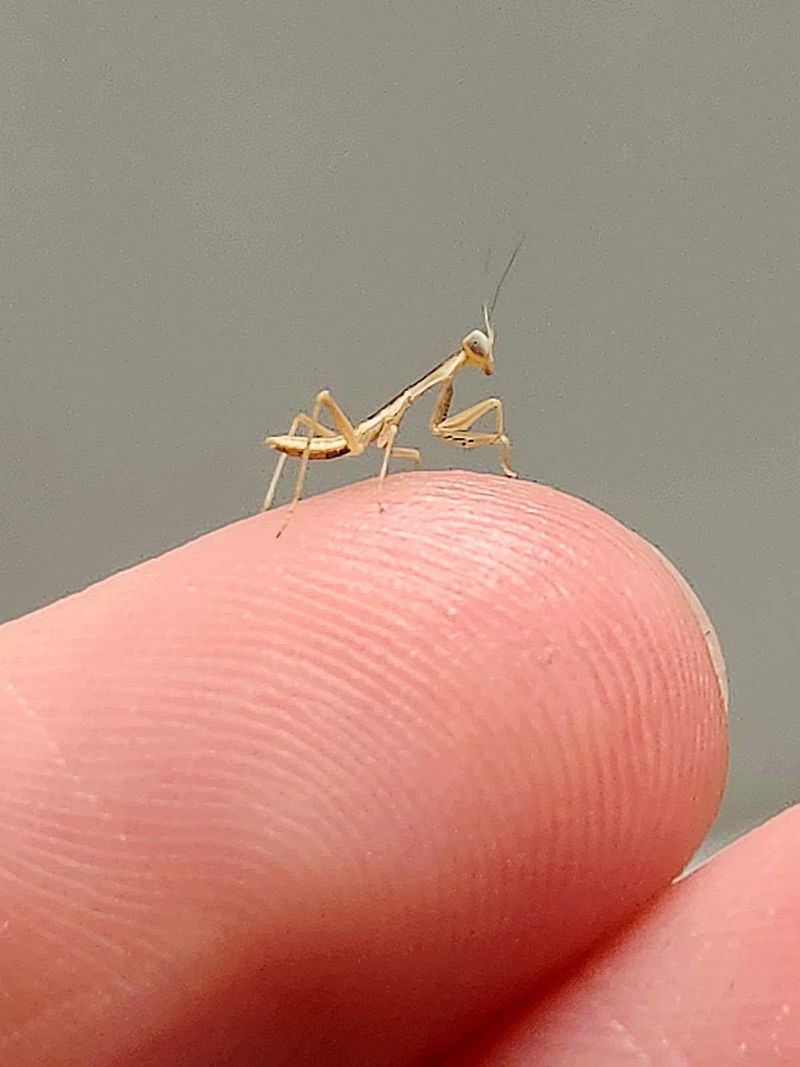
Patience pays off in the garden, and few moments reward that patience better than watching a praying mantis egg case hatch.
If the ootheca stays attached and undisturbed through winter, you can expect a lively event sometime in late spring, usually when daytime temperatures warm consistently and plant growth picks back up around it.
Young mantids, called nymphs, emerge looking like miniature wingless versions of the adults.
They are incredibly small right after hatching, often no bigger than a grain of rice, but they move fast and scatter quickly in every direction.
That spreading behavior is instinctual and helps prevent too many nymphs from competing for food in the same small area.
Each nymph immediately begins hunting for tiny soft-bodied insects like aphids, gnats, and small flies.
They are active, alert, and surprisingly capable hunters from their very first day outside the egg case.
Watching them move through garden foliage feels almost cinematic if you catch it at the right moment.
Not every nymph will survive to adulthood, as birds, spiders, and other garden predators find them just as interesting as any other small insect.
However, even a fraction of a successful hatch can add meaningful predatory insect activity to your garden across the growing season.
If you want to witness the hatch, check the egg case regularly once daytime highs climb into the 70s consistently, because the emergence can happen quickly and lasts only a short time before the nymphs disappear into the surrounding plants.
4. The Egg Case Could Be Native Or Non-Native
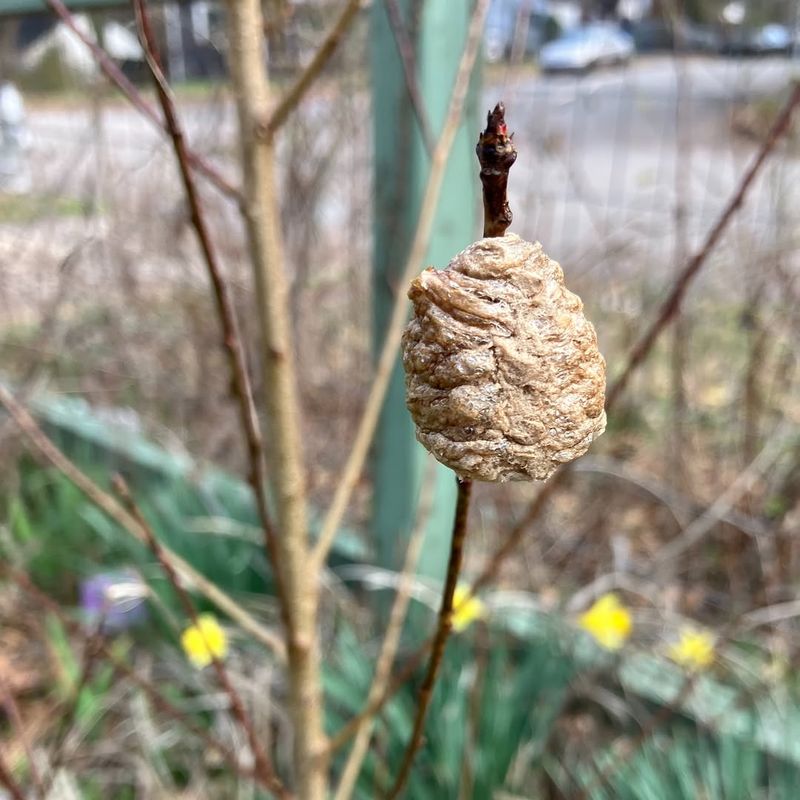
Not every praying mantis egg case tells the same story, and assuming they are all identical is one of the most common mistakes North Carolina gardeners make.
The state is home to multiple mantid species, including native ones and non-native ones that have established themselves across the region over the past century.
The Carolina mantid is the only mantid species native to North Carolina and the broader southeastern United States.
It plays a natural role in local ecosystems and has coexisted with native pollinators and other insects for a very long time.
The Chinese mantid, by contrast, was introduced to North America in the late 1800s and has spread widely, becoming one of the most commonly seen mantids in eastern gardens.
European mantids are also present in parts of North Carolina, adding a third species into the mix for some gardeners to consider.
Each species produces an egg case with a slightly different shape, size, and texture, making identification possible with a little practice and a good reference photo.
Learning to tell them apart is genuinely useful, especially for gardeners focused on supporting native insects and pollinators.
The good news is that you do not need to be an entomologist to start recognizing the differences.
Clear photos, a ruler for measuring size, and a quick comparison with your local NC Cooperative Extension resources can get you surprisingly far.
Knowing what species you are working with helps you make a more thoughtful decision about whether to leave the case, relocate it, or consult an expert before doing anything at all.
5. A Slender Gray-Brown Case May Be Carolina Mantis
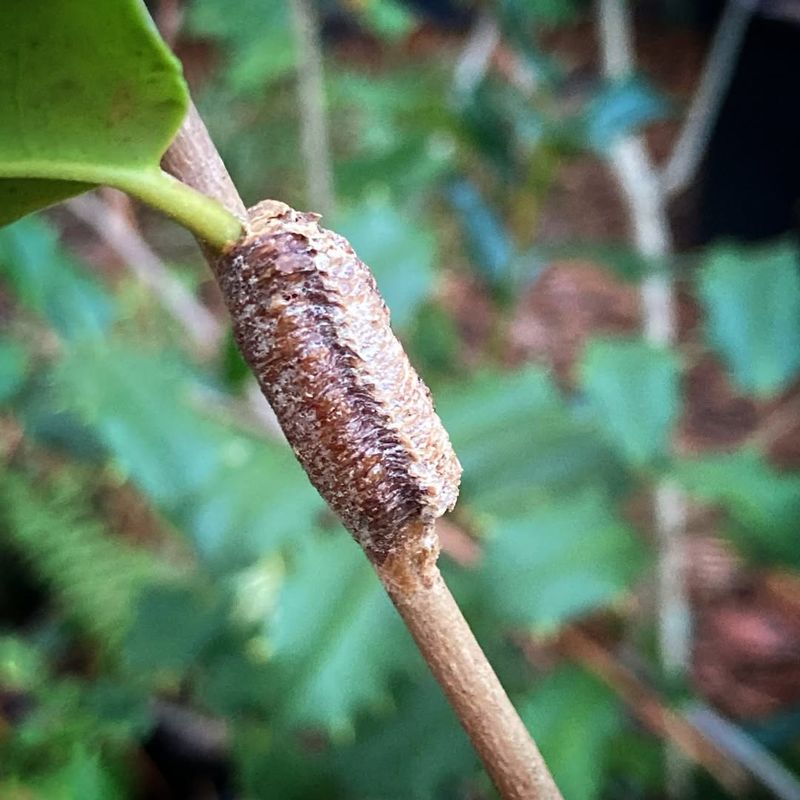
Shape and color are your best clues when trying to identify a native Carolina mantid egg case, and once you know what to look for, it becomes much easier to spot in your winter garden.
The Carolina mantid ootheca is typically elongated and slender, running along the length of a stem rather than bulging out from it in a rounded shape.
The color tends to be a muted gray-brown that blends naturally with dried plant material, which makes it excellent camouflage but a little tricky to spot at first glance.
One distinctive feature is a lighter-colored midrib, a subtle stripe running along the center of the case that sets it apart from the cases of non-native species.
The overall texture is papery and somewhat smooth compared to the coarser, foam-like surface of a Chinese mantid case.
Carolina mantid cases are also noticeably smaller than Chinese mantid cases, typically measuring around an inch or slightly less in length.
That smaller size reflects the smaller adult body size of the Carolina mantid, which is a more compact insect than its larger non-native relatives.
Finding a small, slender, gray-brown case is a genuinely exciting moment for any gardener who cares about supporting native wildlife.
If you think you have found a Carolina mantid ootheca, the best response is simple: leave it exactly where it is.
Avoid cutting the stem it is attached to, protect it from heavy foot traffic nearby, and let the natural process unfold on its own schedule when spring temperatures finally arrive in your garden.
6. A Larger Beige Foamy Case May Be Chinese Mantis
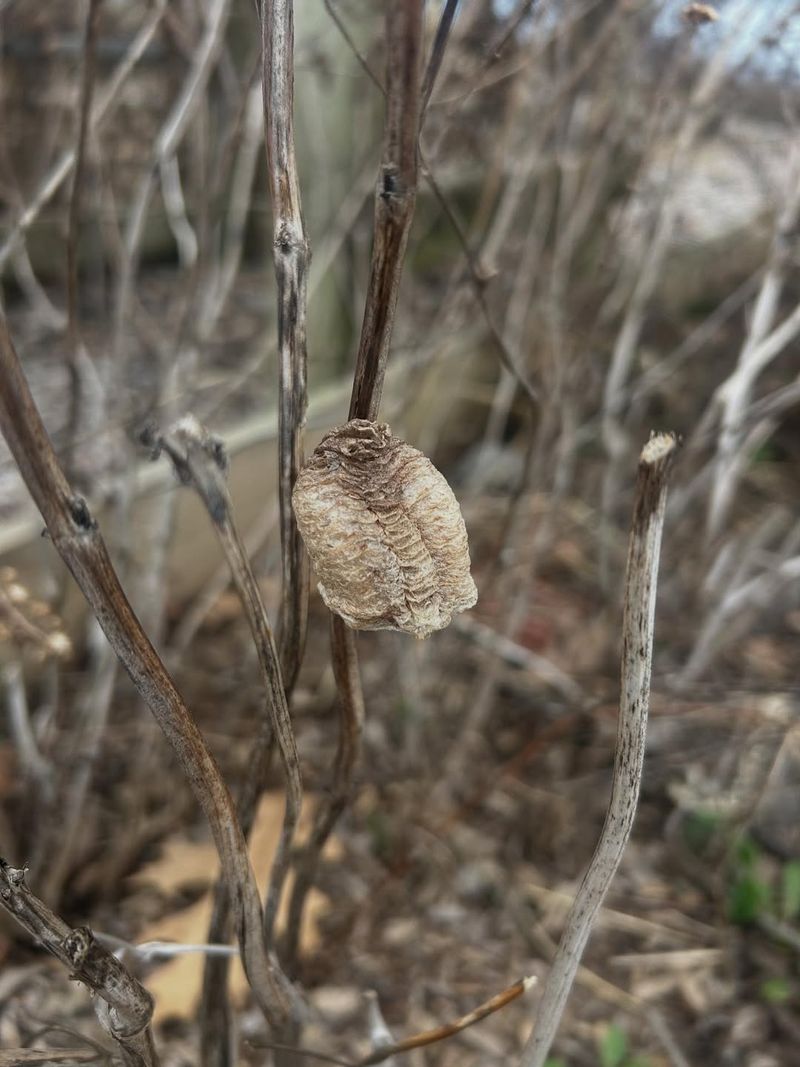
Size is often the first thing that catches a gardener’s eye when they encounter a Chinese mantid egg case, because these oothecae are noticeably bigger than what most people expect from an insect.
A Chinese mantid egg case can measure anywhere from one to two inches long and has a distinctly rounded or cube-like shape that sets it apart from the flatter, more streamlined Carolina mantid case.
The color is usually a warm beige or tan, and the surface has a bubbly, foam-like texture that looks almost like dried expanding foam insulation.
That texture comes from the way the female Chinese mantid produces and aerates the protective material as she deposits her eggs, creating a structure with many tiny air pockets inside.
Those air pockets actually help insulate the eggs through cold North Carolina winters. Each Chinese mantid egg case can hold anywhere from 100 to 300 eggs, which means a single case represents a significant number of future mantids.
In a garden focused on supporting native pollinators like bumblebees, native bees, and butterflies, that matters because Chinese mantids are large enough to capture and consume beneficial insects along with pest species.
They are not selective hunters, and their size gives them a wider range of prey than smaller native mantids.
Identifying a Chinese mantid case does not mean you must act immediately, but it does give you useful information.
Gardeners managing specifically for native insect diversity may want to make a thoughtful, informed choice about what to do with suspected non-native egg cases before the hatch arrives.
7. Finding One Does Not Mean Pest Control Is Solved
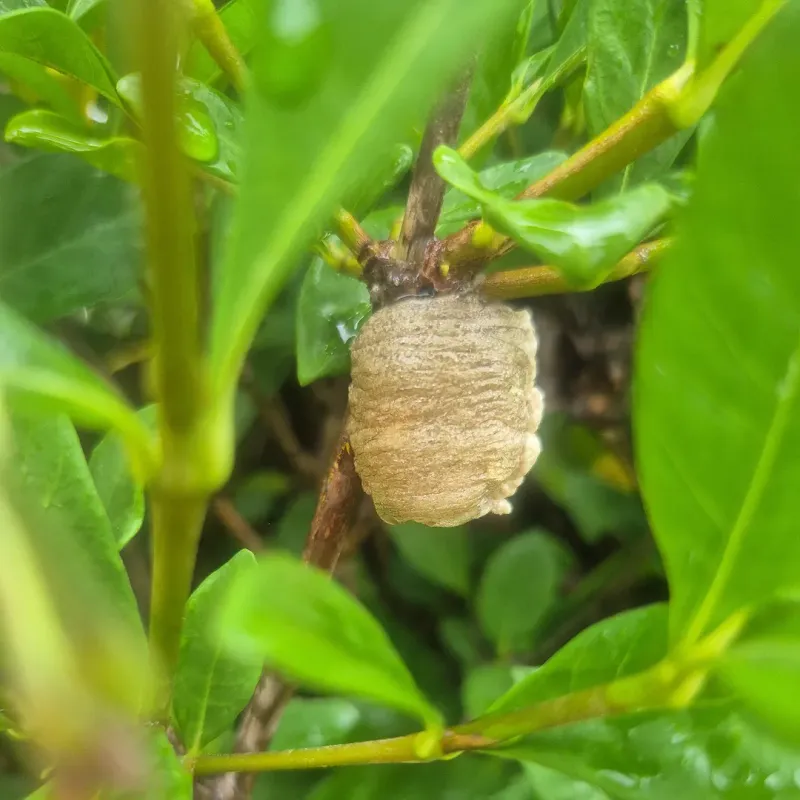
Praying mantids have a reputation as garden superheroes, and while they are genuinely impressive hunters, that reputation comes with some important fine print.
Spotting an egg case in your garden does not mean your pest problems are handled for the season, and treating mantids as a complete pest control solution can actually lead to some surprises.
Mantids are ambush predators, meaning they sit and wait for prey to come to them rather than actively patrolling your garden for specific problem insects. They do not distinguish between a harmful aphid and a helpful honeybee.
Whatever moves within striking range and fits in their grasp becomes a potential meal, which means they consume beneficial pollinators, predatory wasps, and even other mantids with the same ease they use on pest species.
A few mantids in a garden simply cannot address a significant infestation of any specific pest, either.
Their hunting style and relatively slow reproduction rate mean they work as one part of a broader ecological balance rather than a targeted solution.
Relying on mantids alone while skipping other good garden practices like companion planting, healthy soil, and diversity of plantings would leave any garden vulnerable.
The balanced view is the accurate one: mantids are a genuinely valuable piece of a healthy garden ecosystem, and having them present is a positive sign.
Just think of them as one voice in a much larger chorus of garden life rather than the single answer to every insect challenge your North Carolina garden might face across a full growing season.
8. The Best Response Depends On Identification First
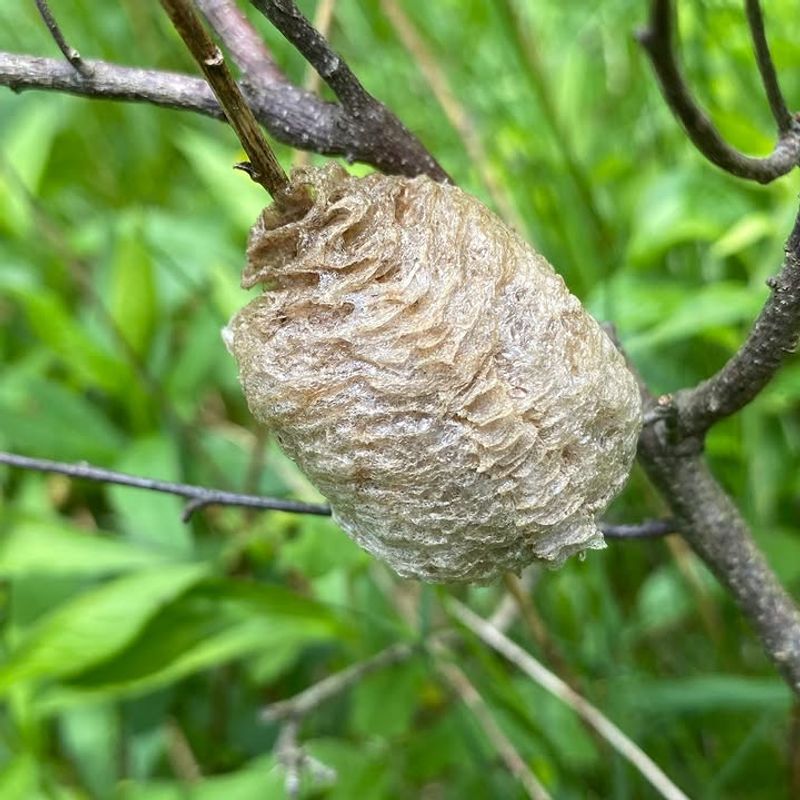
Before doing anything with a praying mantis egg case you find in your garden, the single most helpful step you can take is a good, clear photograph.
Getting a photo from multiple angles, ideally with something nearby for scale like a coin or a ruler, gives you the information you need to make a confident and informed decision rather than guessing.
Native Carolina mantid cases, recognized by their slender shape, gray-brown color, and subtle midrib, can almost always be left right where they are.
The stem they are attached to should stay standing through late winter to avoid disturbing the developing eggs inside.
Moving a native case unnecessarily can expose it to conditions it was not placed in by the female, so leaving it in place is genuinely the better choice whenever possible.
Suspected Chinese mantid cases are a different conversation, especially for gardeners who are actively working to support native pollinators and insects.
Some gardeners in that situation choose to carefully remove and relocate those cases away from pollinator gardens, though this is a personal choice rather than a hard rule.
There is no universal right answer, and the decision depends heavily on your specific garden goals and what you are trying to protect.
When you are genuinely unsure about what species you are looking at, reach out to your local NC Cooperative Extension office before taking any action.
Extension agents and Master Gardener volunteers can help you identify the case from a photo and walk you through the most sensible next steps for your specific situation and garden type.