Summer Gardening Mistakes That Are Ruining Perennials In North Carolina
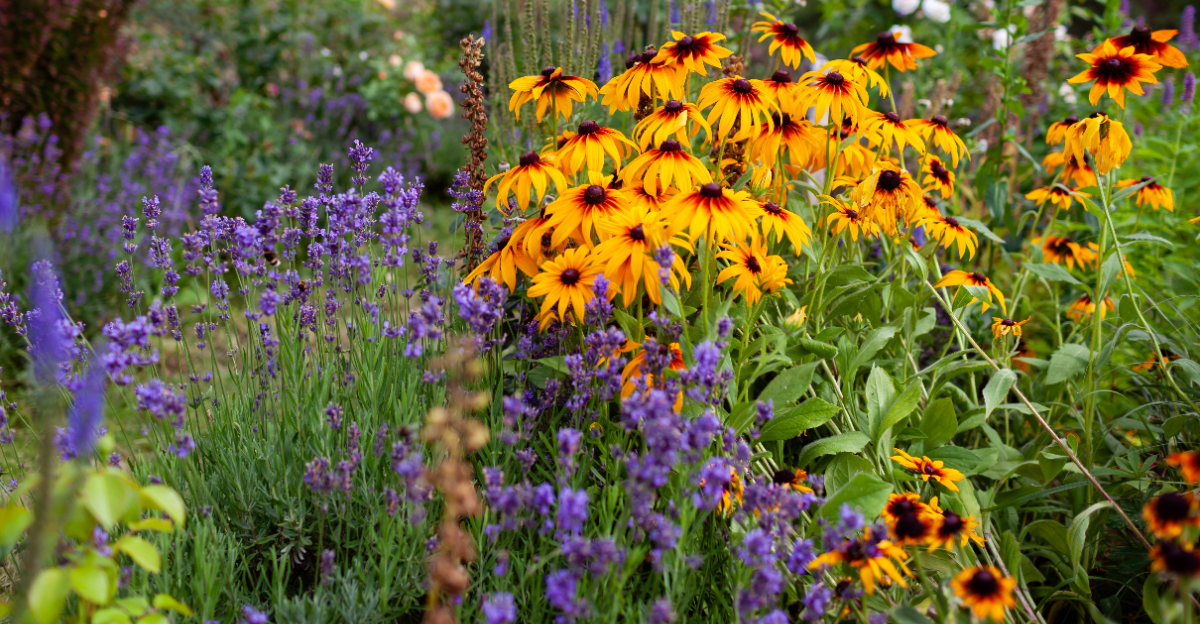
North Carolina summers are genuinely beautiful, but they are also one of the most stressful periods a perennial garden endures all year.
The combination of heat, humidity, inconsistent rainfall, and long stretches without any meaningful temperature relief creates conditions where small mistakes in garden care compound quickly into real plant damage.
What makes this frustrating is that most of the mistakes happening during this period feel completely reasonable in the moment.
Watering on a familiar schedule, cutting back plants that look ragged, adding fertilizer to push struggling growth, all of these habits seem logical and actually work against perennials during the specific pressures of a Southern summer.
Recognizing where those habits go wrong is the first step toward keeping your perennial beds genuinely healthy through the hardest months of the growing season.
1. Overwatering In Hot Months
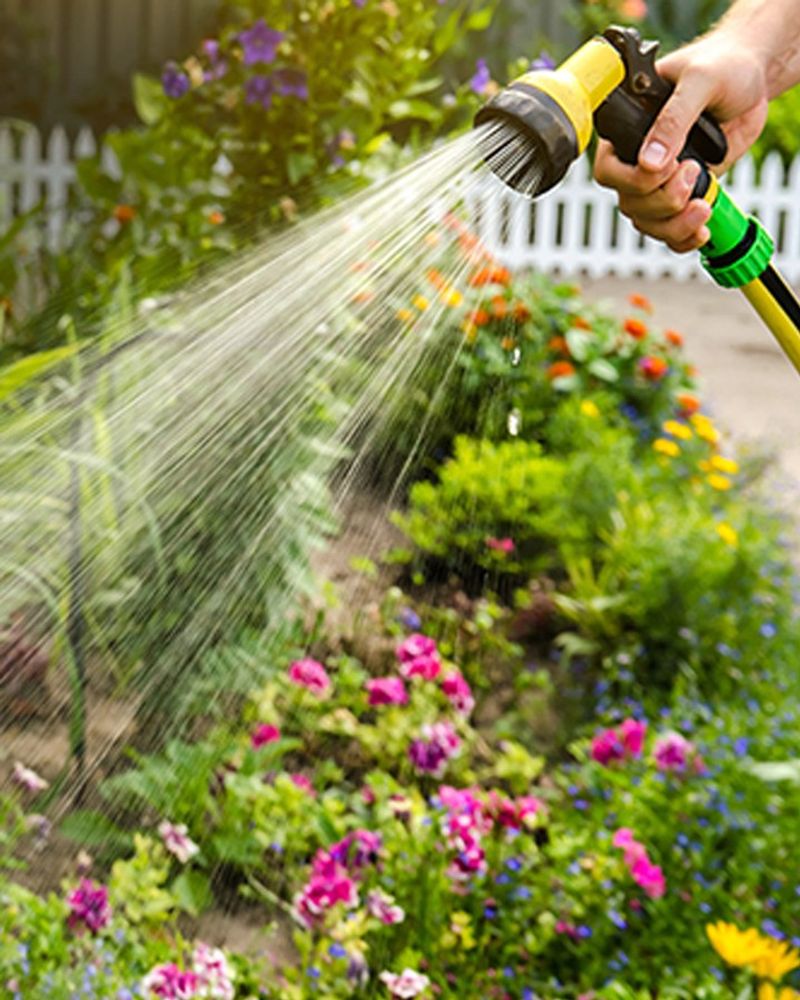
Most gardeners think more water equals happier plants, but during North Carolina’s steamy summers, overwatering is one of the fastest ways to stress your perennials.
The combination of high humidity and soggy soil creates the perfect environment for root rot and fungal diseases to spread through your garden beds.
When roots sit in waterlogged soil, they cannot absorb oxygen properly. You might notice yellowing leaves, wilting even after watering, or a musty smell near the soil.
These are all warning signs that your plants are struggling from too much moisture rather than too little.
The key is to water deeply but infrequently. Most established perennials in North Carolina need about one inch of water per week, including rainfall.
Before reaching for the hose, stick your finger about two inches into the soil. If it still feels moist, skip watering for another day or two.
Timing matters just as much as quantity. Watering in the early morning allows moisture to reach the roots before the midday heat causes evaporation.
Evening watering leaves foliage wet overnight, which encourages fungal problems that thrive in warm, humid conditions. Drip irrigation or soaker hoses work especially well because they deliver water directly to the root zone without soaking leaves.
Making this one simple change in your watering routine can dramatically improve the health and flowering of your perennials all season long.
2. Neglecting Mulch
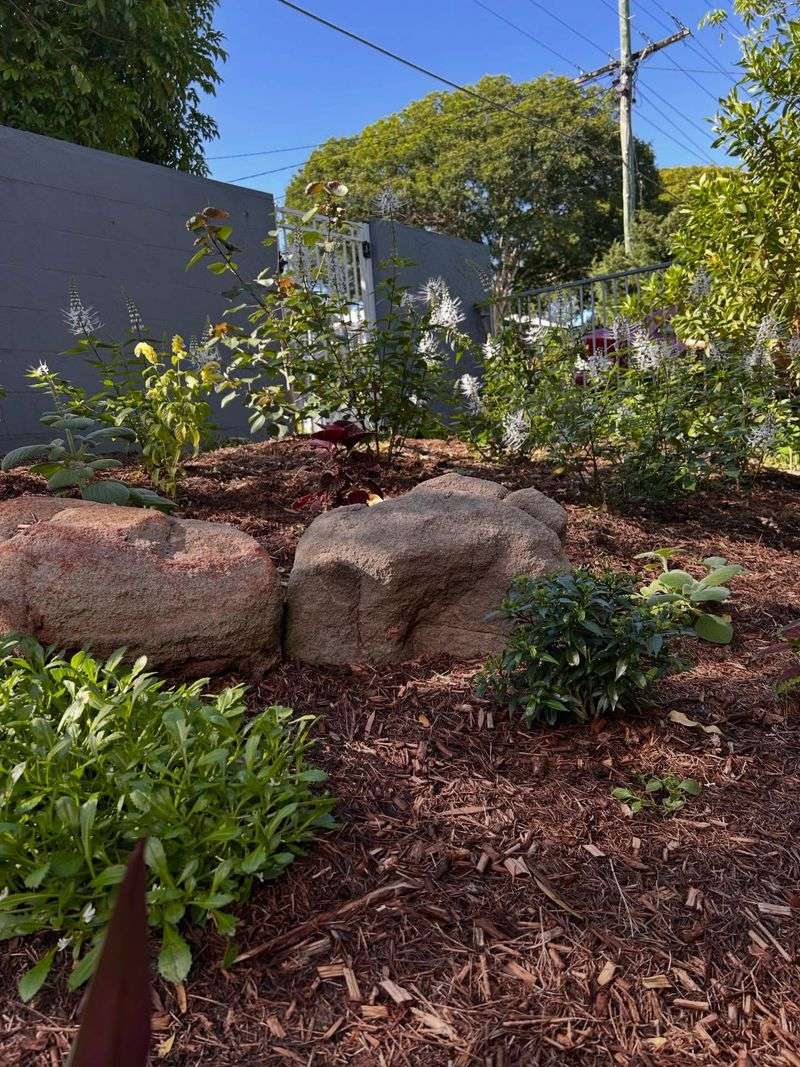
Bare soil in a North Carolina summer is basically an open invitation for trouble. Without a protective layer of mulch, soil temperatures can skyrocket on hot days, stressing root systems and causing plants to struggle just to maintain basic functions.
That thin layer of coverage makes a much bigger difference than most people realize.
Organic mulch, like shredded hardwood, pine straw, or bark chips, acts as a natural insulator. It keeps soil temperatures cooler during heat waves and helps the ground retain moisture between waterings.
In North Carolina’s humid summers, that moisture retention is especially valuable because it reduces how often you need to water while still keeping roots comfortable.
Weeds are another reason to mulch generously. Without coverage, weed seeds sprout quickly and compete with your perennials for water and nutrients.
Your North Carolina Garden Changes Every Week. Your Plan Should Too.
Gardening in North Carolina changes quickly throughout the season. Every Friday you’ll receive a simple weekly plan showing exactly what to plant, prune, fertilize, harvest, and protect so you never miss the right timing.
A consistent two to three inch layer of mulch blocks most weed germination and saves you hours of pulling and digging throughout the season.
One important tip: keep mulch pulled back a few inches from plant stems. Piling it right up against the base creates a moist, dark environment where fungal issues and pests can thrive.
Think of mulch as a protective blanket that surrounds but does not smother your plants. Refreshing your mulch layer in late spring and again in midsummer keeps it working effectively.
It is a low-effort step that pays off with stronger, more resilient perennials all the way through the hottest part of the year.
3. Pruning At The Wrong Time
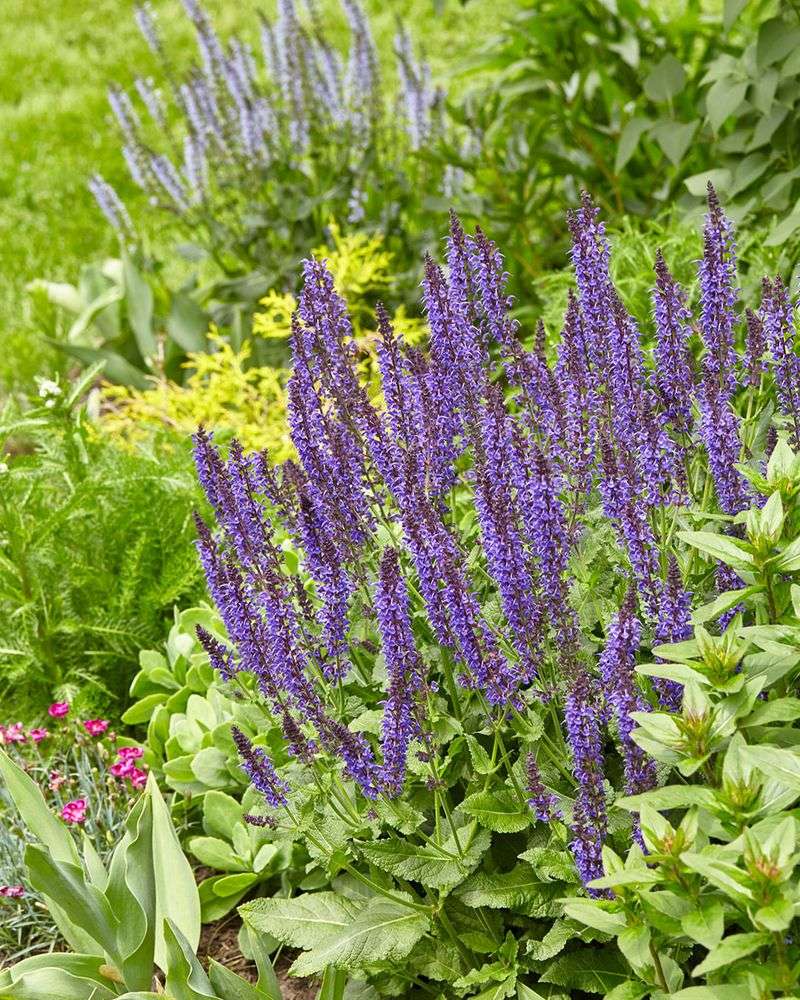
Timing is everything when it comes to pruning perennials, and cutting back plants at the wrong moment can cost you an entire season of blooms.
Many North Carolina gardeners make the mistake of trimming spring-blooming perennials in midsummer, not realizing those plants have already started forming next year’s flower buds on the new growth.
Plants like salvia, baptisia, and catmint set their buds shortly after their first bloom cycle ends. If you prune aggressively in July or August, you are removing exactly what would have produced flowers the following spring.
The result is a plant that looks tidy but delivers far fewer blooms when the season rolls around again.
A smarter approach is to deadhead spent flowers right after they fade rather than cutting the entire plant back. This encourages some perennials to rebloom while preserving the healthy stems and foliage the plant needs for energy storage.
For plants that bloom only once, a light cleanup trim after flowering is fine, but hold off on hard pruning until late fall or early spring.
Getting familiar with the bloom cycle of each perennial in your garden takes a little time, but it is absolutely worth it. Keep a simple garden journal or use sticky labels to track when each plant flowers.
That small habit helps you know exactly when it is safe to cut back and when to leave things alone. Pruning with intention rather than convenience keeps your perennials performing beautifully year after year without unnecessary setbacks.
4. Planting In The Wrong Microclimate
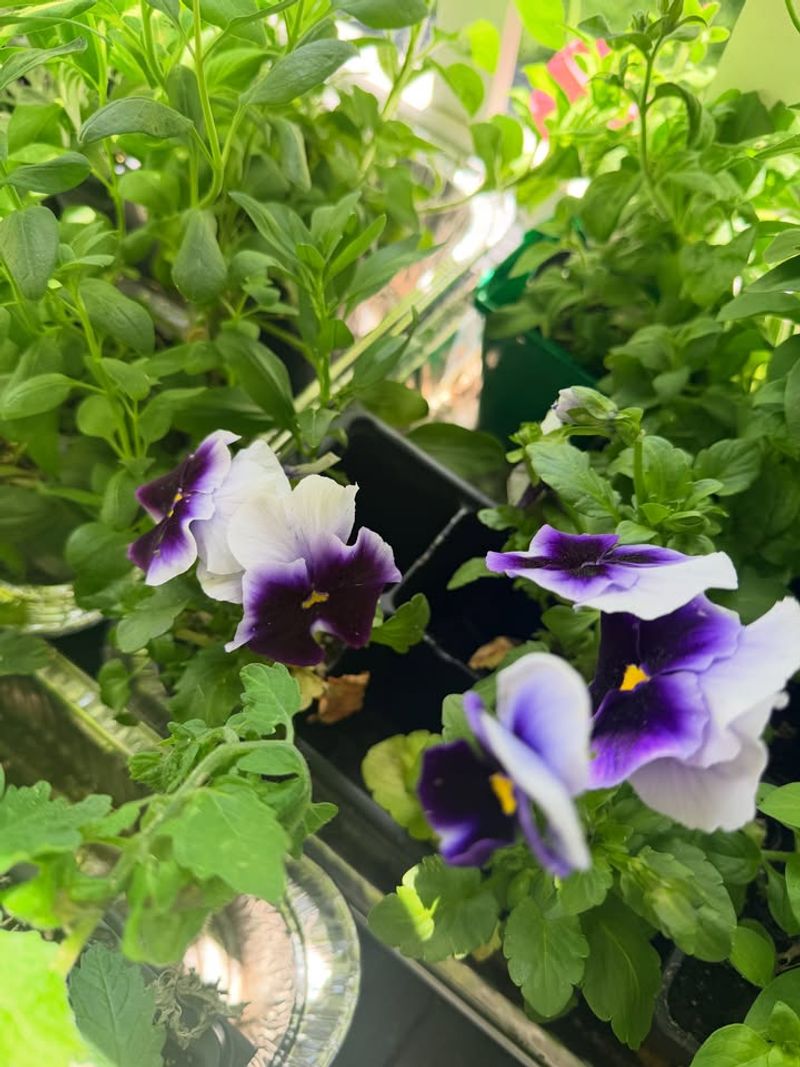
Your yard has more variety than you might think. Even within a single garden bed, some spots receive full sun all day while others stay shaded for most of the afternoon.
Planting a perennial in the wrong microclimate is one of the most common and frustrating mistakes North Carolina gardeners make, because the signs of stress show up slowly and are easy to misread.
Shade-loving perennials like astilbe, hostas, and bleeding heart planted in full sun will scorch quickly in the intense summer heat. Their leaves turn pale, crispy around the edges, and the plant spends all its energy just trying to survive rather than producing flowers.
On the flip side, sun-lovers like coneflower and black-eyed Susan planted in deep shade stretch toward light, grow leggy, and rarely bloom well.
Before planting anything new, spend a full day observing how sunlight moves across your garden. Mark which areas get full sun from morning to afternoon, which get afternoon shade, and which spots are consistently shaded.
North Carolina’s summer sun is especially intense from around 11 a.m. to 3 p.m., and that afternoon exposure can make or break a plant’s success.
Microclimates near walls, fences, or large trees also create pockets of reflected heat or extra moisture that affect plant health. Matching each perennial to its preferred light and moisture conditions is the single most effective way to reduce summer stress.
When a plant is in the right place, it practically takes care of itself, rewarding you with strong growth and reliable blooms season after season.
5. Failing To Watch For Pests
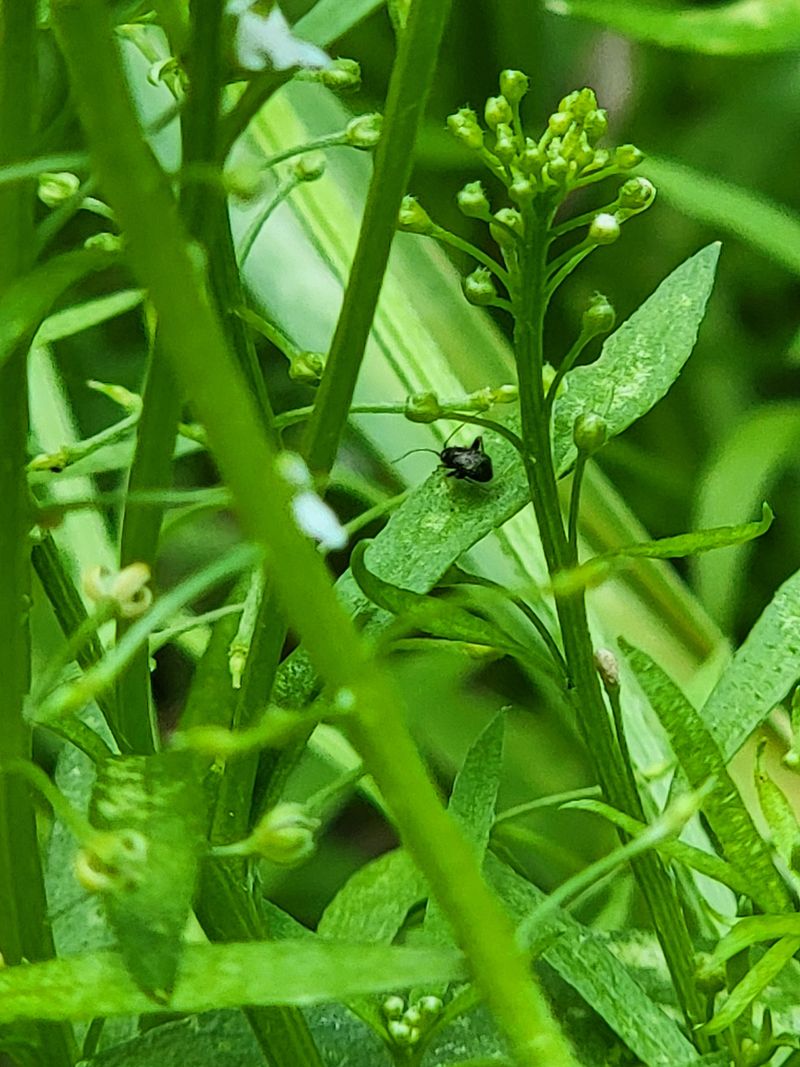
Summer in North Carolina brings more than just heat and humidity. It also brings a whole army of insects that are perfectly happy to snack on your perennials.
Japanese beetles, aphids, and spider mites are among the most common culprits, and they can cause serious damage before most gardeners even notice they have a problem.
Japanese beetles are especially destructive. They skeletonize leaves by eating the tissue between the veins, leaving behind a lacy, brown mess.
They tend to feed in groups, so once you spot one, there are usually many more nearby. Aphids cluster on new growth and flower buds, sucking out plant sap and causing leaves to curl and distort.
Spider mites show up during hot, dry stretches and leave behind fine webbing and stippled, grayish foliage.
Checking your plants a few times each week is the most effective early warning system you have. Look under leaves, along stems, and near flower buds where pests like to hide.
Catching an infestation early means you can often handle it with a strong spray of water or a targeted application of insecticidal soap, which is gentle enough to use without harming most beneficial insects like bees and ladybugs.
Avoid broad-spectrum pesticides whenever possible. They wipe out helpful predators along with the pests, which can actually make future infestations worse.
Encouraging natural predators by planting pollinator-friendly flowers nearby creates a more balanced garden ecosystem. A little attention each week goes a long way toward keeping your perennials looking full, healthy, and blooming beautifully all summer long.
6. Crowding Plants
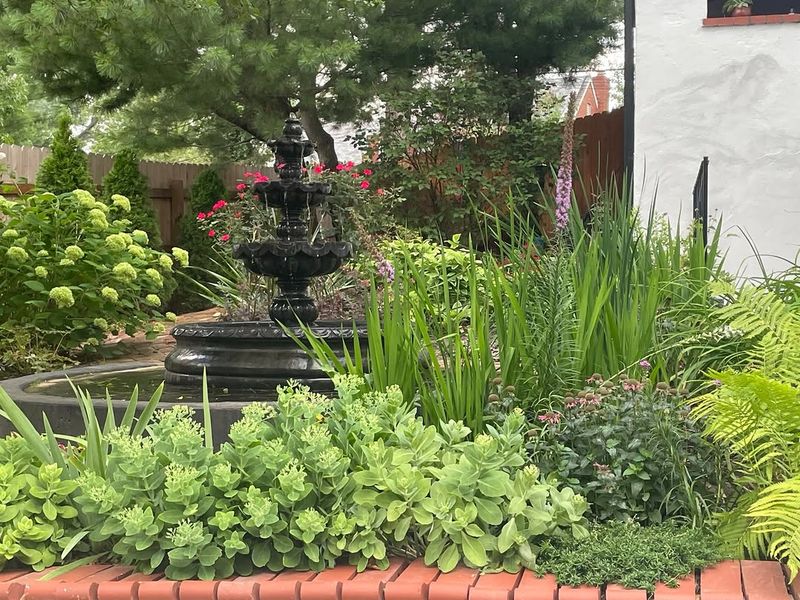
There is something satisfying about a lush, full garden, but there is a fine line between full and overcrowded. When perennials are planted too close together, they compete for water, nutrients, and light.
Over time, that competition weakens all the plants involved and creates conditions that invite disease to move in fast.
Poor air circulation is one of the biggest problems that comes from crowding. When foliage is densely packed with no space for air to move through, moisture stays trapped on leaves and stems.
In North Carolina’s already-humid summers, that lingering moisture becomes a breeding ground for powdery mildew, botrytis, and other fungal issues that spread quickly from plant to plant.
Overcrowded plants also tend to produce fewer flowers. Energy that should go toward blooming gets redirected toward competing for resources.
You might notice plants that looked great their first year slowly declining in performance as they grow larger and start encroaching on their neighbors.
Dividing overcrowded clumps every two to three years helps rejuvenate the plants and gives each one enough room to thrive.
When planting new perennials, follow the spacing recommendations on the plant tag, even if the bed looks sparse at first. Filling gaps temporarily with annuals is a great way to keep things looking lush while perennials establish their space.
Common North Carolina perennials like coneflowers, daylilies, and rudbeckia generally need at least 18 to 24 inches of space between plants. Giving them room to breathe now means a healthier, more stunning garden display as the seasons progress.
7. Neglecting Dry Flowers
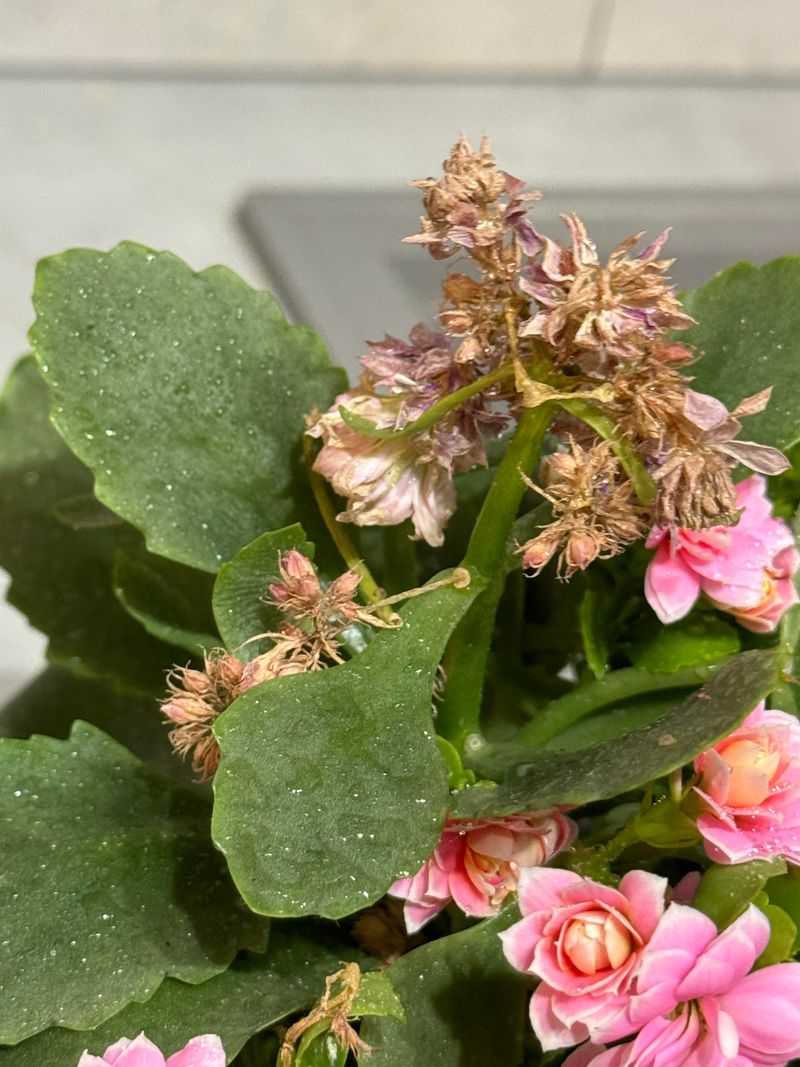
Spent blooms do not just look untidy. They actually signal to the plant that its job for the season is finished, which can cause it to stop producing new flowers altogether.
Deadheading, or removing those faded blooms, is one of the simplest and most rewarding tasks you can do in a North Carolina summer garden.
When a flower fades and begins forming seeds, the plant shifts its energy toward seed production rather than new blooms.
For many perennials, including coneflowers, black-eyed Susans, salvia, and daylilies, removing spent flowers regularly encourages a fresh round of flowering.
Some plants will rebloom multiple times throughout the season if you keep up with this practice consistently.
The technique matters too. For most perennials, snipping the spent flower stem back to the nearest set of healthy leaves or a lateral bud gives the plant a clean cut and directs energy to the right place.
Using clean, sharp pruners reduces the chance of introducing disease through rough or torn cuts. A quick wipe with rubbing alcohol between plants is a smart habit that prevents spreading any issues from one perennial to the next.
Not every perennial benefits from deadheading, though. Plants like sedum and ornamental grasses actually look beautiful with their dried seed heads left in place through fall and winter.
Birds love foraging on those seeds too, which adds extra life to your garden.
Knowing which plants to deadhead and which to leave alone gives you more control over both the appearance and the long-term health of your perennial beds through the warmest months of the year.
8. Ignoring Sun And Water Stress
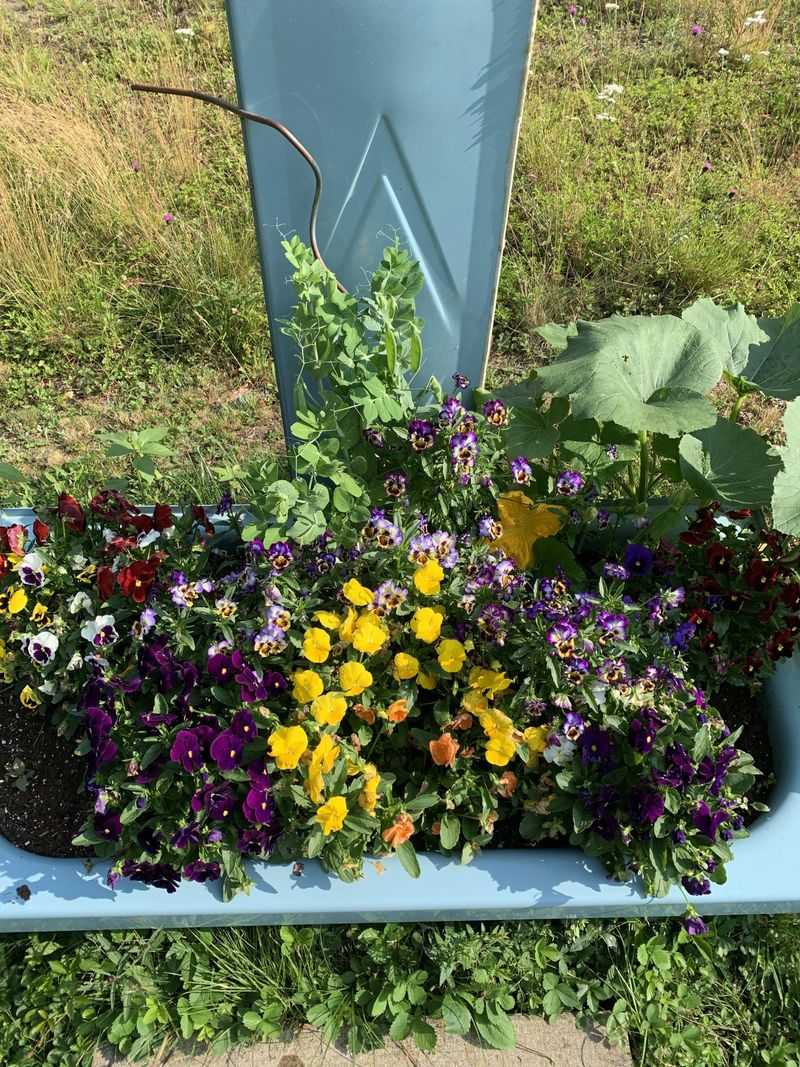
North Carolina summers can be relentless. Stretches of intense heat combined with weeks without significant rainfall put enormous stress on perennials, and many gardeners underestimate just how quickly that stress builds up.
A plant that looks fine one week can look exhausted and struggling the next if the conditions push past its tolerance level.
Prolonged drought causes perennials to curl their leaves, fade in color, and stop flowering as a way of conserving energy.
Sun-bleached foliage, especially on plants not suited for full afternoon exposure, is another clear sign that a plant is working harder than it should.
Left unaddressed, chronic stress weakens the plant’s immune response, making it far more vulnerable to pests and disease moving in to take advantage.
Improving your soil is one of the best long-term defenses against heat and drought stress. Mixing compost into your garden beds boosts water retention significantly, giving roots access to moisture even between rainfall events.
Mulching, as mentioned earlier, works hand in hand with good soil to keep root zones cooler and more consistently moist throughout the summer.
For plants in particularly harsh spots, shade cloth is a practical and affordable solution. Draping a light shade cloth rated at 30 to 40 percent over vulnerable perennials during the hottest part of the day reduces heat load without blocking the light they need to thrive.
Adjusting your irrigation schedule during dry spells, watering deeply every few days rather than lightly every day, encourages deeper root growth and builds stronger, more heat-tolerant plants over the long run.