What It Really Means When You Hear A Whip-Poor-Will In Pennsylvania At Night
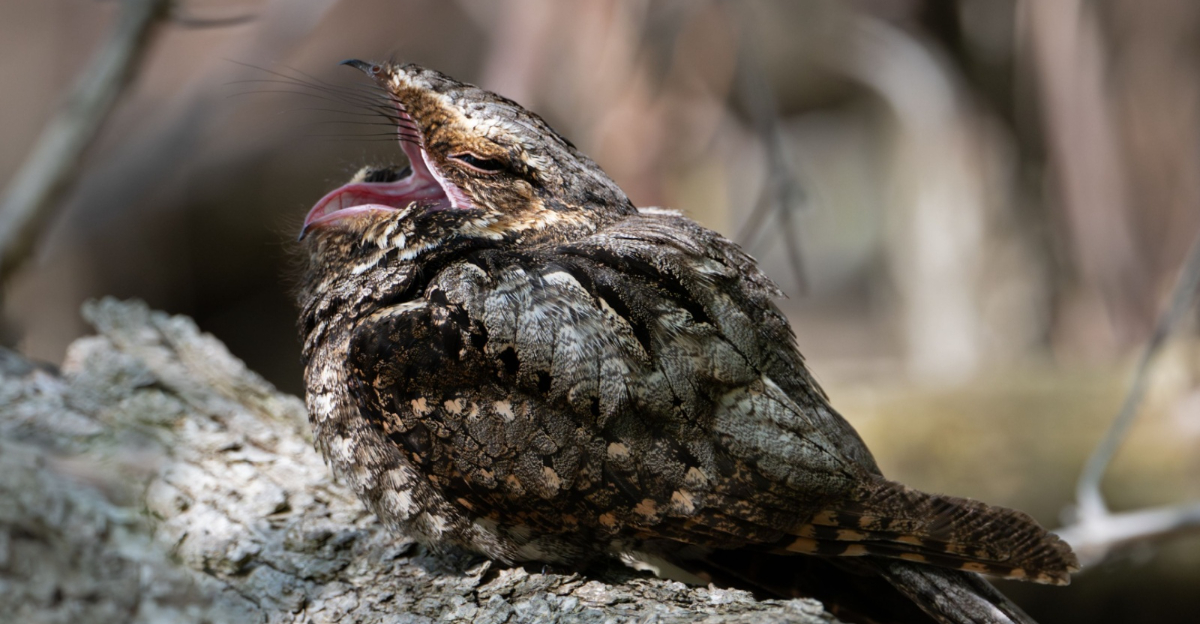
There are not many sounds in nature that stop you completely in your tracks, but the whip-poor-will is one of them.
That rhythmic, insistent call cutting through a warm Pennsylvania night, repeating itself so many times you genuinely lose count, is one of those experiences that sticks with you.
If you have heard it near your yard, along a wooded road, or from the edge of a rural property, you already know what that moment feels like.
What makes it even more meaningful is that whip-poor-wills have become harder to hear across Pennsylvania in recent decades, so catching that call on a moonlit night is not something to take for granted.
It also tells you something genuinely interesting about the habitat around you, the woodland edges, the insect life, the kind of land that still supports this remarkable bird.
1. A Male May Be Calling During Breeding Season
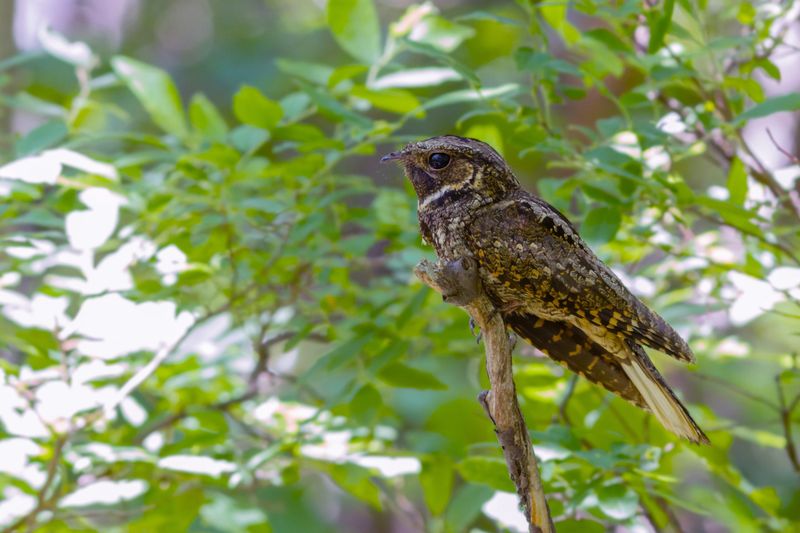
That persistent, rhythmic call echoing beyond your porch on a warm night is one of the most recognizable sounds of the Pennsylvania breeding season.
Male whip-poor-wills are known for calling repeatedly after dark, sometimes delivering the same phrase hundreds of times without stopping.
The call is their way of claiming territory and attracting a mate during the warmer months of late spring and early summer.
Breeding season for this species in Pennsylvania generally runs from May into July, which is when nighttime calling tends to be most intense.
If you are hearing the bird on multiple nights in a row from roughly the same direction, that repetition can be a clue that a male is actively holding a territory nearby.
The consistency of the sound is part of what makes this species so memorable once you have heard it.
Not every call means a nest is right on your property. The bird could be perched in a tree line, along a ridge, or in a nearby woodlot some distance away.
Still, regular calling from the same general area during late spring or early summer is a strong sign that breeding activity may be happening somewhere in the surrounding landscape.
For many Pennsylvania residents, hearing this call for the first time during the breeding season is a moment they remember for years.
2. Your Yard May Be Near Open Woodland Habitat
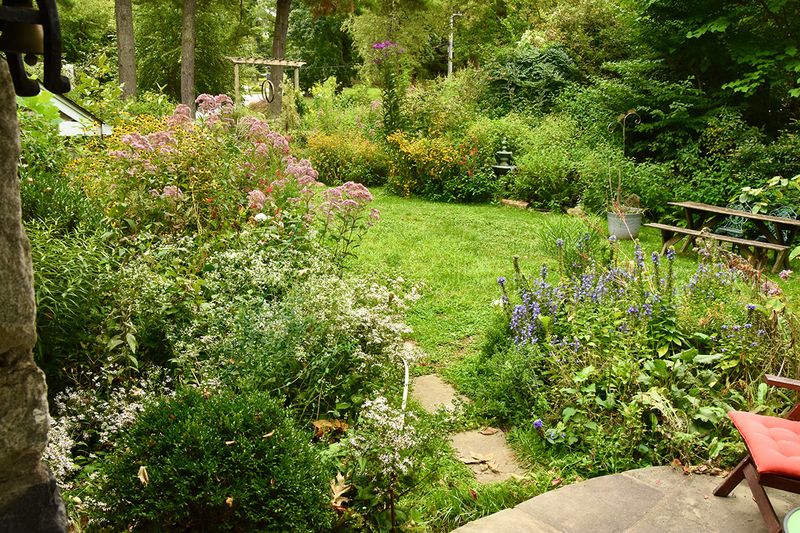
A call floating in from the dark edge of your yard can be a quiet signal about the land surrounding your property.
Whip-poor-wills in Pennsylvania tend to favor dry, open woodland habitat – the kind of forest where the canopy is not too dense, the understory is relatively open, and leaf litter covers the ground beneath the trees.
If that type of habitat sits near your home, a calling bird is not surprising at all.
Open woodland with scattered trees and patchy ground cover is common across much of rural and semi-rural Pennsylvania, particularly in areas with dry, sandy, or rocky soils.
These forests often include oaks, hickories, and pines, and they tend to have the open structure that whip-poor-wills seem to prefer.
Your Pennsylvania Garden Changes Every Week. Your Plan Should Too.
Gardening in Pennsylvania changes quickly throughout the season. Every Friday you’ll receive a simple weekly plan showing exactly what to plant, prune, fertilize, harvest, and protect so you never miss the right timing.
Properties that back up to ridges, hillsides, or old second-growth forest may be particularly close to suitable habitat.
Hearing the call does not confirm that the woodland directly behind your house is prime whip-poor-will territory. Sound carries a long distance at night, and the bird may be working a stretch of suitable habitat some distance from your property line.
Even so, the presence of nearby open woodland is worth noticing. It suggests your corner of Pennsylvania still holds some of the natural habitat that this increasingly uncommon species depends on throughout the warmer months of the year.
3. A Forest Edge Or Clearing May Be Nearby
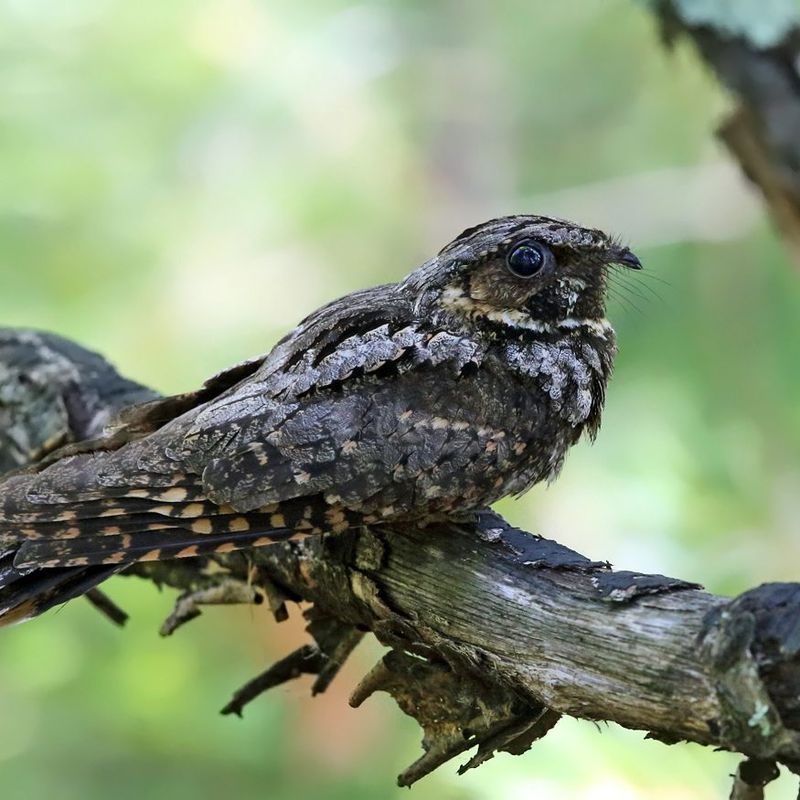
The wooded edge behind a country lane or the open gap at the end of a backyard can be exactly the kind of feature a whip-poor-will finds useful. These birds are frequently associated with forest edges and clearings, where open space meets the shelter of trees.
If your property sits near that kind of boundary, a nighttime call from the darkness is worth thinking about.
Forest edges in Pennsylvania come in many forms – old fields growing back into young forest, power line cuts running through wooded land, rural roads flanked by trees, or the back corners of properties where mowing stops and woodland begins.
Any of these transitional zones can provide the mix of open foraging space and nearby tree cover that whip-poor-wills tend to use.
The bird typically perches low, often right on the ground or on a low branch, while scanning for flying insects in the open air above.
Clearings are not just convenient resting spots. They also concentrate night-flying insects, which is the primary food source for this species.
A clearing near a forested edge essentially offers the bird both shelter and a reliable feeding area in one location.
If you know of a clearing, a gap in the tree line, or an open patch of land near where the call seems to be coming from, that feature may be playing a meaningful role in why the bird is present in your part of Pennsylvania.
4. Night-Flying Insects Are Likely Active
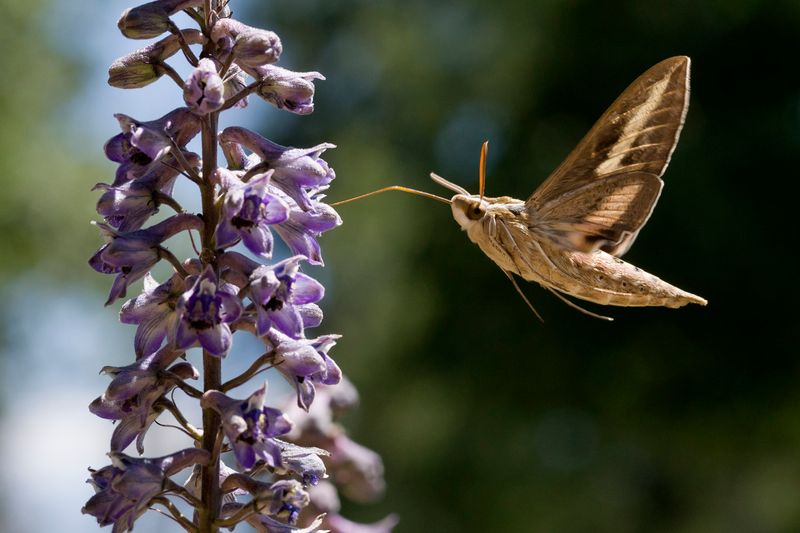
Moths circling your porch light on a humid summer evening are more than just a nuisance – they may be part of the reason a whip-poor-will is calling nearby.
This species feeds almost entirely on night-flying insects, catching them in mid-air with a wide, bristle-lined mouth designed for exactly that kind of aerial hunting.
A good insect night in Pennsylvania can be a busy night for a foraging whip-poor-will.
The insects whip-poor-wills tend to target include large moths, beetles, and other flying invertebrates that become active after dark.
Warm, humid nights with little wind tend to bring out more of these insects, which may also explain why the bird seems louder or more active on certain nights compared to others.
If your yard or the nearby woodland edge has healthy plant diversity, that vegetation likely supports the moth and beetle populations the bird depends on.
Hearing a whip-poor-will near your property does not mean your yard has an unusual insect problem. It more likely means the area has a functioning nighttime insect community, which is actually a sign of ecological health.
Many rural and semi-rural areas of Pennsylvania still support the kind of insect diversity that night-foraging birds need.
Noticing that connection – between a calling bird in the dark and the moths you see at your window – is one of the more satisfying aspects of paying attention to backyard wildlife.
5. Moonlight May Be Helping The Bird Forage
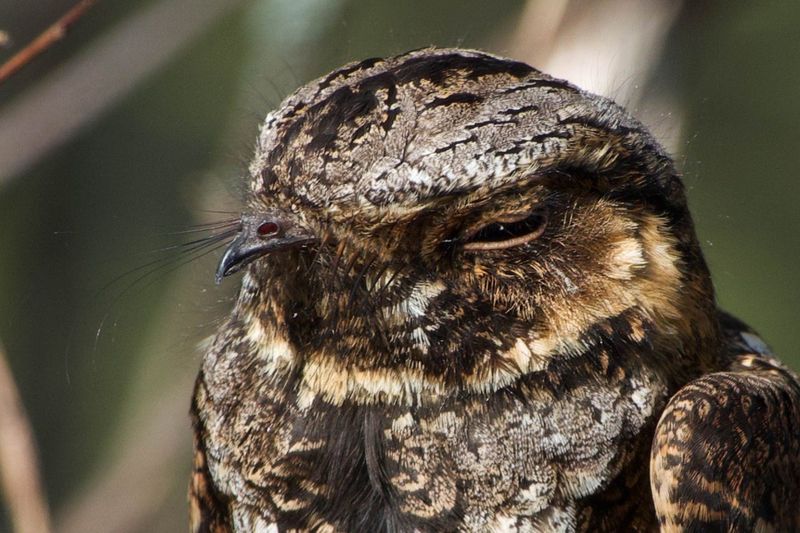
Bright moonlight over the Pennsylvania tree line does more than create a beautiful scene – it may actually be helping a whip-poor-will hunt.
Research on this species suggests that calling and foraging activity tends to increase around the full moon and in the days surrounding it.
More light at night gives the bird better visibility for spotting and chasing flying insects in open areas.
On nights with a bright moon, you may notice the call seems more frequent or carries on longer into the evening. This is not a coincidence.
The bird appears to take advantage of moonlit conditions to extend its foraging window, staying active later into the night when insects are still flying and visibility remains reasonable.
In parts of Pennsylvania where open woodland and clearings are common, a full moon can make for a particularly vocal night.
If you step outside on a moonlit evening and hear the call nearby, take a moment to look toward any open area or clearing in the direction of the sound.
You probably will not spot the bird – it blends remarkably well with leaf litter and bark – but you may catch a glimpse of moths or large insects flying through the moonlight, which is exactly what the bird is watching for.
Paying attention to moon phases can actually help you predict which nights are most likely to bring a whip-poor-will call to your Pennsylvania property.
6. The Bird May Be Closer Than It Looks
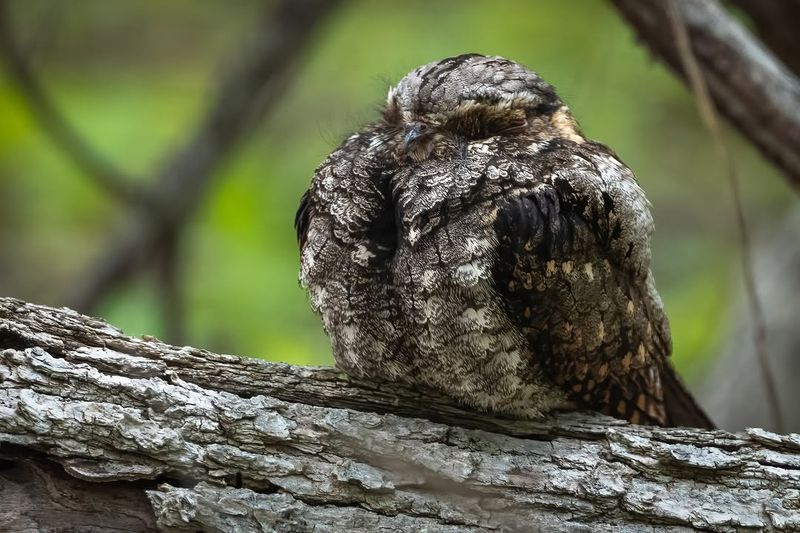
One of the most surprising things about a whip-poor-will call is how far it can travel on a still night. What sounds like a bird sitting just beyond the garden fence may actually be perched in a tree line a quarter mile away or further down a wooded ridge.
The call carries exceptionally well through open air, which can make estimating the bird’s actual location genuinely tricky.
At the same time, the opposite is also true – a bird that sounds like it is far away may actually be quite close. Whip-poor-wills rely on camouflage rather than distance for protection.
Their brown, gray, and black patterned feathers blend so well with leaf litter, bark, and dry ground that the bird can sit within a few feet of a person without being noticed.
This is one reason why people sometimes hear the call seemingly right outside a window and never catch a glimpse of the bird.
Trying to walk toward a calling whip-poor-will in Pennsylvania is an exercise in patience and humility. The bird tends to go quiet as you approach, and then resume calling once you stop moving.
If you do attempt to locate one by sound, move slowly, use a flashlight sparingly, and avoid disturbing the area around where you think the call is coming from. Respecting the bird’s space is more rewarding than a close look that sends it flushing into the dark.
7. Ground-Nesting Habitat May Be In The Area
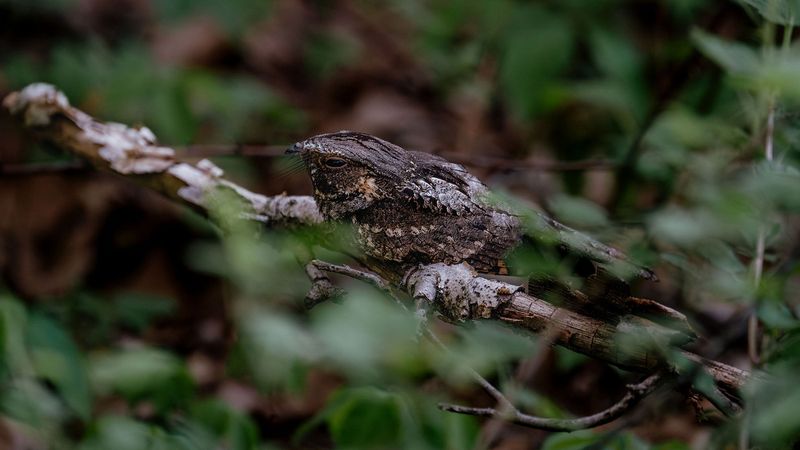
Leaf litter spread across the floor of an open Pennsylvania woodland is not just scenery – for a whip-poor-will, it may be exactly the kind of surface a female uses to lay her eggs. This species does not build a nest in the traditional sense.
Instead, the female lays her eggs directly on the ground, typically among dry leaves under an open tree canopy where the dappled light helps her blend in completely.
Ground-nesting habitat for whip-poor-wills generally includes dry, open woodland with little dense ground vegetation, enough canopy gap to allow some light through, and a thick layer of leaf litter for camouflage.
If the area near where you are hearing the call has that kind of open, leafy forest floor, it may be providing the conditions the species looks for during the breeding season.
This does not confirm that nesting is occurring on your specific property, but it suggests the surrounding habitat has some of the right features.
Ground-nesting birds in Pennsylvania face particular challenges from foot traffic, off-leash pets, and land disturbance during the breeding season.
If you suspect a whip-poor-will may be nesting somewhere near your property, giving that area a wide berth from late April through July is a simple and respectful way to help.
Keeping dogs leashed near wooded edges and avoiding unnecessary ground disturbance in those months costs very little and can make a real difference for ground-nesting wildlife.
8. You Are Hearing A Bird That Has Become Less Common
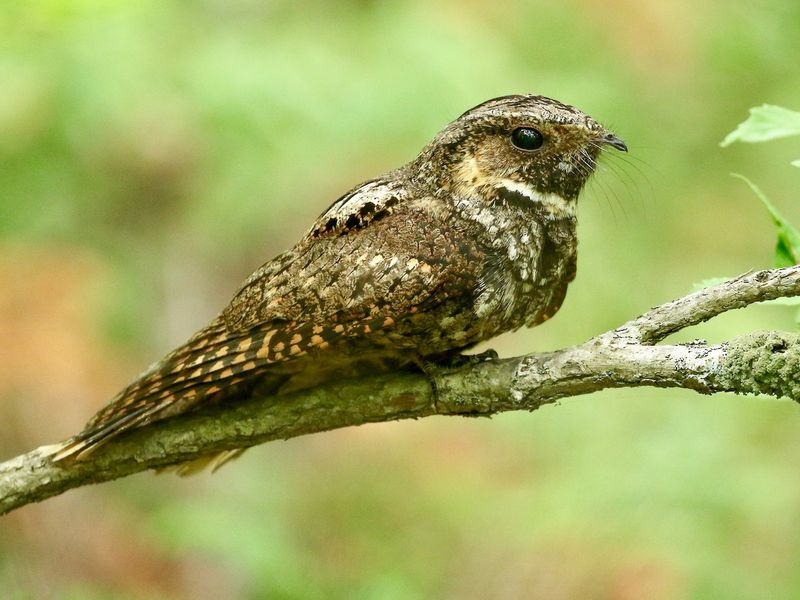
There was a time not so long ago when the whip-poor-will call was a familiar sound across much of rural Pennsylvania on warm summer nights. Today, that call is far less common than it once was, and many Pennsylvania residents have never heard it at all.
Populations of this species have declined noticeably across the eastern United States over the past several decades, making each nighttime encounter feel a little more meaningful.
Habitat loss, changes in forest structure, and the broader decline of night-flying insect populations are among the factors that researchers believe have contributed to the species becoming less frequently heard.
Open woodland with the right structure, healthy insect communities, and undisturbed ground are becoming harder to find in many parts of the state.
When all of those conditions still come together in one place, the whip-poor-will may still show up – but those places are fewer than they used to be.
Hearing this bird call from the dark edge of your Pennsylvania property is worth savoring. It means the land near you still holds something real – a patch of habitat, a population of insects, and a stretch of open woodland that a declining species found worth visiting.
You do not need to do anything dramatic to appreciate that moment.
Simply listening, staying curious, and supporting habitat-friendly practices on your property is enough to make a quiet but genuine difference for the wildlife that still calls Pennsylvania home at night.