Top Pennsylvania Blooms With Easy-To-Reach Pollen
Not every flower is equally welcoming to the insects that need it most. Some blooms require very specific body shapes, tongue lengths, or the right size and weight to access the pollen inside.
These specialized relationships between flowers and pollinators are genuinely fascinating, but they leave a significant portion of beneficial insects without reliable resources.
Flowers with easy to reach pollen serve a completely different and critically important role. They feed everyone.
Native bees of all sizes, hover flies, beetles, beneficial wasps, and dozens of other insects that most Pennsylvania gardeners never specifically think to support all rely on open, accessible flowers where pollen is available without specialized equipment or effort.
These insects are doing essential work in Pennsylvania gardens, from pest control and decomposition to pollination across the full range of garden plants, and the flowers that feed them most generously are the ones that make a garden function at its ecological best.
Pennsylvania has outstanding blooms in this category, native and adapted plants that are beautiful, reliable through the growing season, and genuinely welcoming to the full spectrum of beneficial insects working your garden.
1. Black-Eyed Susan
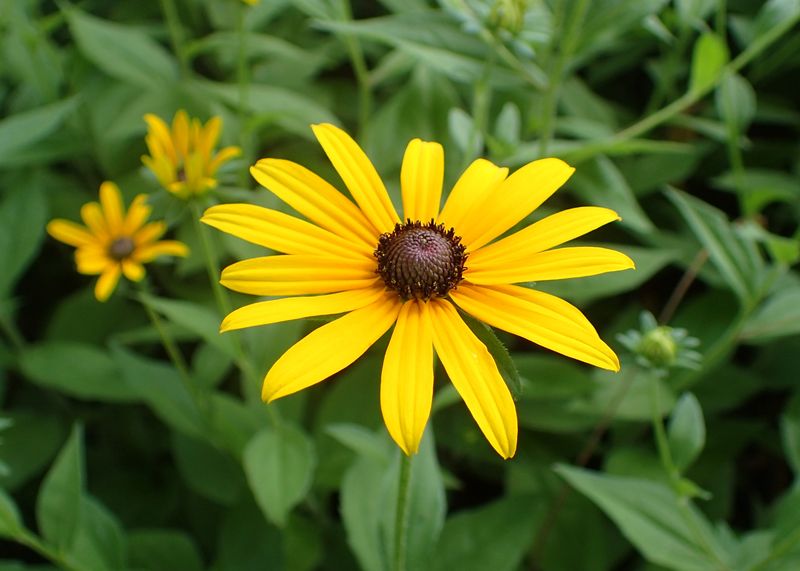
Few wildflowers are as cheerful and welcoming as the Black-Eyed Susan. With its bold yellow petals and dark chocolate-brown center, this native bloom has been brightening Pennsylvania roadsides and meadows for centuries.
Bees absolutely love it, and it is easy to see why once you look closely at how the flower is built.
The open, daisy-like flower head gives visiting bees a wide, flat landing platform. There is no need to squeeze into tight spaces or navigate complicated petals.
A bee can simply touch down and get right to work. That kind of easy access makes Black-Eyed Susans a favorite stop on any pollinator’s route.
The dark center of the flower is not just one structure. It is actually made up of dozens of tiny individual flowers called disc florets.
Each one produces both pollen and nectar, so a single visit can be very rewarding for a bee. The florets open in a ring pattern from the outside of the center inward, which means there is almost always something fresh and ready for pollinators to collect.
Black-Eyed Susans are also tough plants. They handle Pennsylvania summers well and do not need much extra watering once they are established.
They grow well in sunny spots with average soil, making them a low-maintenance choice for home gardeners. Planting a patch near a vegetable garden can even help attract more pollinators to improve your harvest.
If you want one plant that works hard for both beauty and wildlife, Black-Eyed Susan is a strong starting point.
2. Purple Coneflower
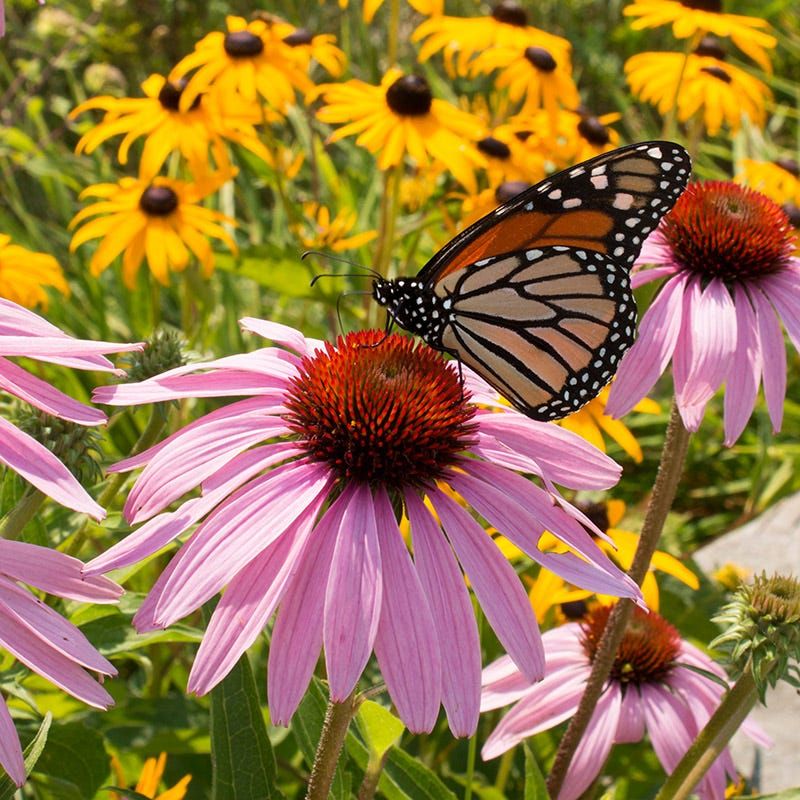
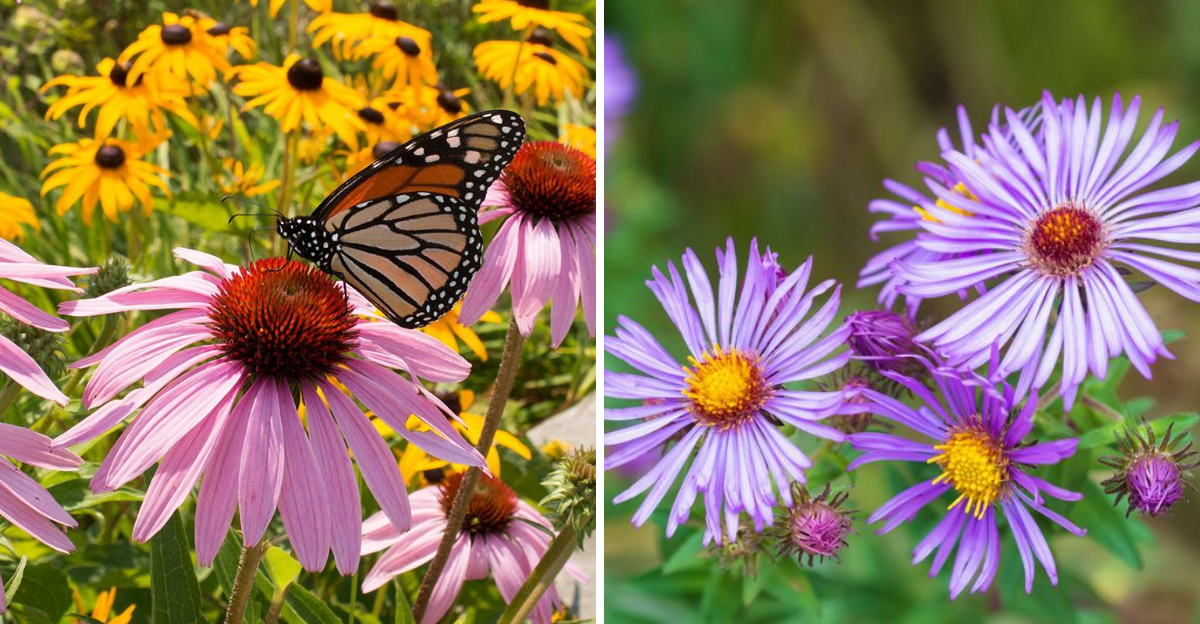
Walk through almost any Pennsylvania nature center or pollinator garden and you will spot Purple Coneflower right away. Also known by its scientific name Echinacea purpurea, this sturdy native perennial is a heavyweight when it comes to supporting local bees and butterflies.
Its spiky raised cone and sweeping pink-purple petals make it one of the most recognizable wildflowers in the region.
Your Pennsylvania Garden Changes Every Week. Your Plan Should Too.
Gardening in Pennsylvania changes quickly throughout the season. Every Friday you’ll receive a simple weekly plan showing exactly what to plant, prune, fertilize, harvest, and protect so you never miss the right timing.
What makes Purple Coneflower so special for pollinators is the structure of its central cone. Unlike flowers that hide their pollen deep inside, the cone of a Purple Coneflower is raised up and covered with small florets that open gradually over time.
As bees walk across the surface of the cone, they can easily brush against the exposed pollen and load up their pollen baskets with very little effort.
Bumblebees, in particular, seem to adore this flower. You will often see them moving methodically around the cone in a circular path, collecting pollen from every angle.
Smaller native bee species also visit frequently, and even butterflies like the Eastern Tiger Swallowtail stop by for nectar. The long blooming period, which typically runs from midsummer into early fall, means pollinators can rely on it for weeks at a time.
For Pennsylvania gardeners, Purple Coneflower is a dream plant. It handles heat, tolerates drought once established, and comes back reliably year after year.
It grows well in full sun and adapts to a range of soil types. Planting it in groups of three or more creates a visual impact and gives pollinators a concentrated feeding area they will return to all season long.
3. Goldenrod
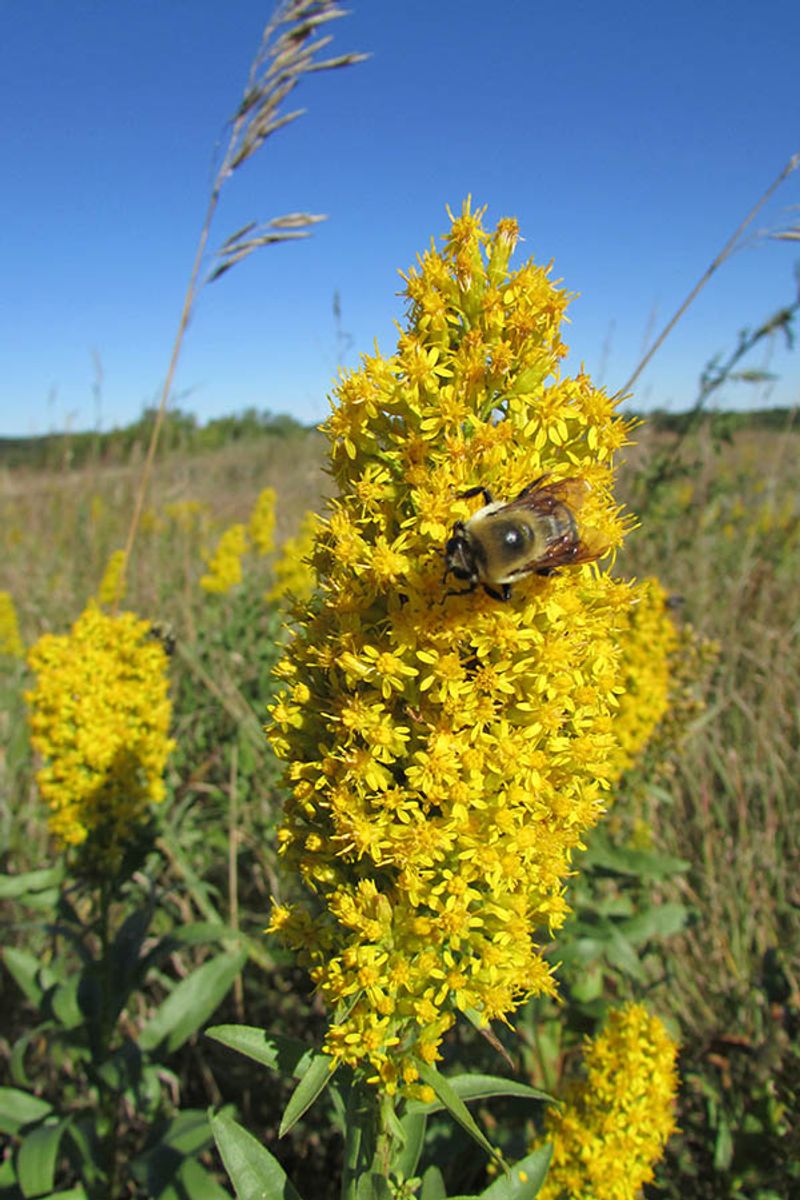
Goldenrod gets a bad reputation from people who blame it for fall allergies, but here is the truth: it is almost never the culprit. Ragweed, which blooms at the same time and releases lightweight airborne pollen, is usually the real problem.
Goldenrod pollen is heavy and sticky, meaning it stays on the plant and gets picked up by visiting insects rather than floating through the air. That makes it one of the most pollinator-friendly plants in Pennsylvania.
Dense clusters of tiny golden flowers cover each stem from top to bottom. Hundreds of individual blooms pack into each plume, giving bees an almost endless buffet of pollen and nectar in one compact location.
A single bee can collect a tremendous amount of resources without flying far at all. That kind of efficiency is exactly what pollinators need as they prepare for colder months.
Goldenrod is especially important to Pennsylvania pollinators in late summer and fall. By the time August and September roll around, many spring and summer flowers have already finished blooming.
Goldenrod steps in to fill that gap beautifully. It is one of the last major pollen sources available before the first frost arrives, making it a critical food source for bees building up their winter reserves.
Growing Goldenrod in a Pennsylvania garden is straightforward. It thrives in full sun and handles poor soil with ease.
Many native species spread on their own over time, so giving it a defined space is a good idea. Varieties like Solidago rugosa or Solidago speciosa stay more compact and work well in smaller garden beds without taking over neighboring plants.
4. New England Aster
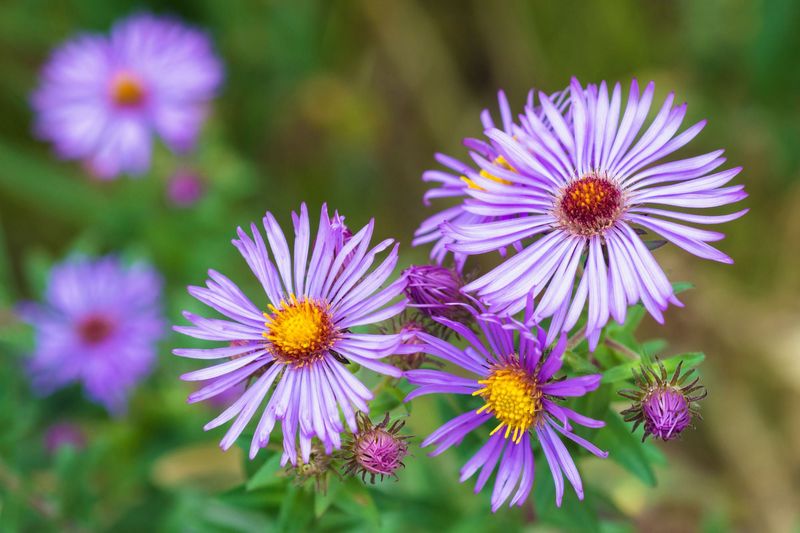
There is something almost magical about seeing a New England Aster in full bloom on a crisp fall afternoon. The deep purple petals surrounding a bright yellow center create a striking color combination that stands out even as the rest of the landscape begins to fade.
For Pennsylvania pollinators scrambling to find late-season food, this flower is nothing short of a lifeline.
The flower head of a New England Aster is wide and open, which is exactly what pollinators need. The central disc florets that contain pollen are easy to reach without any awkward maneuvering.
Bees, beetles, and butterflies can all land comfortably and feed without obstacles. Monarch butterflies, which pass through Pennsylvania during their fall migration, are especially drawn to this plant as a reliable nectar stop.
New England Aster blooms from late August through October, which is a period when most other flowers have already wrapped up for the year. That timing makes it one of the most valuable late-season plants a Pennsylvania gardener can include in their yard.
Bees use this window to gather as much pollen and nectar as possible before temperatures drop, and New England Aster delivers in a big way.
Planting New England Aster is simple. It prefers full sun to partial shade and does well in average garden soil that stays moderately moist.
It can grow quite tall, sometimes reaching four to six feet, so placing it toward the back of a garden bed works nicely. Cutting plants back by half in early summer helps keep them compact and encourages a fuller, more productive bloom display come fall.
5. Coreopsis
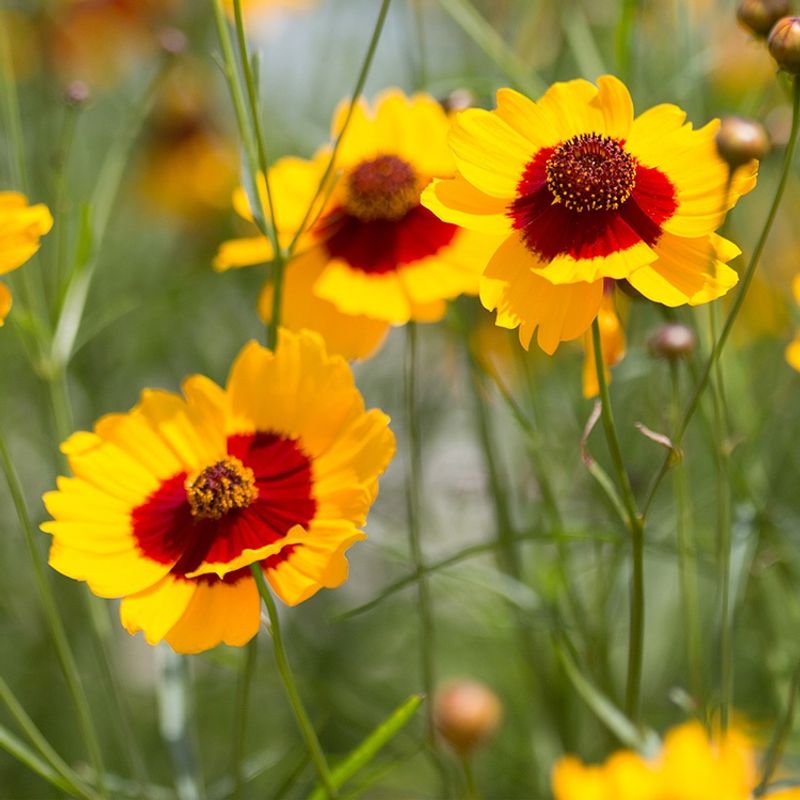
Coreopsis has a cheerful, no-fuss personality that makes it a favorite among both beginner gardeners and seasoned plant enthusiasts. Sometimes called Tickseed, this bright yellow native flower produces a steady stream of blooms from late spring well into summer.
Once it gets going, it practically takes care of itself, which is always a welcome quality in a garden plant.
What pollinators appreciate most about Coreopsis is how straightforward the flower design is. The blooms are simple, open, and flat, with no complicated petals hiding the pollen or nectar away from visitors.
A bee landing on a Coreopsis flower can immediately access everything it needs without any extra effort. That kind of uncomplicated structure makes it a highly efficient feeding stop.
Among the native species that grow well in Pennsylvania, lanceleaf Coreopsis, known scientifically as Coreopsis lanceolata, is a standout choice. It handles the heat of Pennsylvania summers without complaint and thrives in sunny spots with well-drained soil.
Once established, it even tolerates dry spells reasonably well, which is a big plus during hot July and August stretches.
Small native bee species, including sweat bees and mining bees, are frequent visitors to Coreopsis blooms. These smaller pollinators sometimes struggle with larger or more complex flowers, so the open design of Coreopsis is a particularly good fit for them.
Deadheading spent blooms regularly encourages the plant to keep producing new flowers throughout the season.
Planting Coreopsis alongside other native perennials like Black-Eyed Susan or Purple Coneflower creates a layered pollinator garden that stays active and colorful from spring through fall.
6. Sunflower
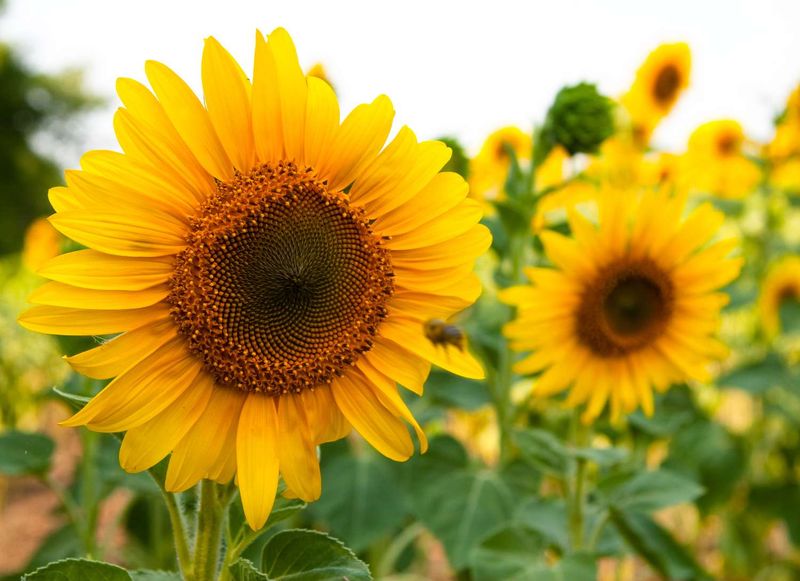
Few plants announce the height of summer quite like a towering sunflower. Whether planted in a backyard garden or growing wild along a Pennsylvania fence line, sunflowers have a way of making everything around them feel a little more alive.
And for bees, a sunflower in full bloom is basically an all-you-can-eat buffet set up just for them.
Each broad sunflower head is not a single flower at all. It is actually made up of hundreds of tiny disc florets packed tightly together across the face of the head.
These disc florets are the real stars of the show for pollinators. Each one produces pollen and nectar, and because they are all exposed on a flat, open surface, bees can gather enormous amounts of food in a short amount of time without needing to squeeze into narrow tubular flowers.
Honeybees, bumblebees, and native sweat bees are all regular visitors to sunflowers. Larger bee species especially benefit from the wide landing surface the flower head provides.
A bumblebee can walk slowly across the entire face of the flower, systematically visiting floret after floret without ever needing to fly. That kind of feeding efficiency is hard to beat.
Pennsylvania gardeners have plenty of sunflower varieties to choose from. Native species like Helianthus annuus grow tall and produce large heads that are particularly rich in pollen.
For smaller garden spaces, dwarf varieties work well without sacrificing much in terms of pollinator appeal. Sunflowers also produce nutritious seeds that attract birds in late summer and fall, so the benefits of planting them stretch well beyond the blooming season.
7. Blanket Flower
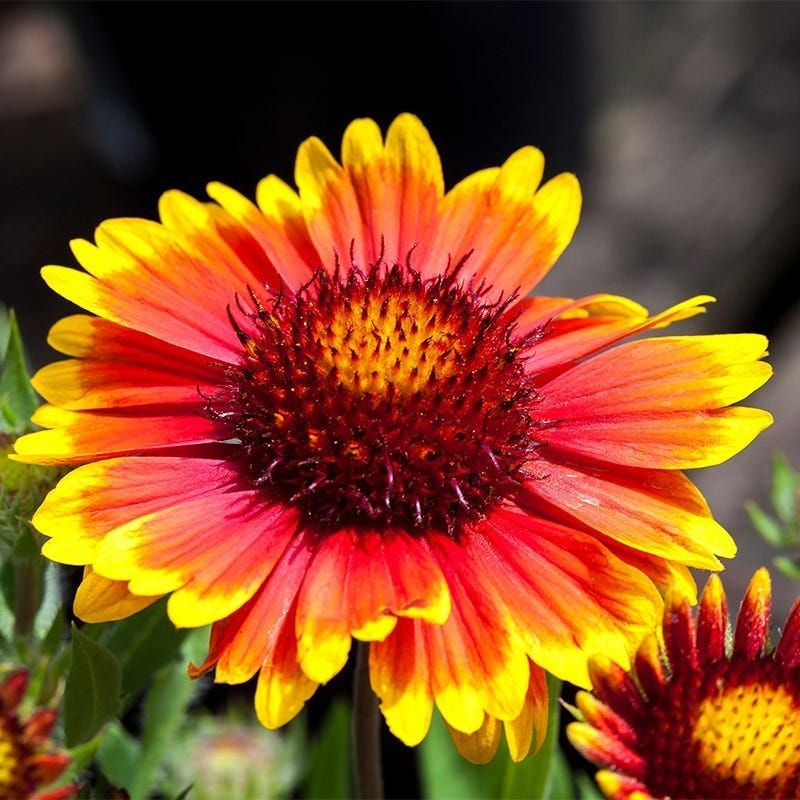
Blanket Flower, known scientifically as Gaillardia, brings some of the most vivid colors you will find in any Pennsylvania garden. The blooms mix fiery reds, warm oranges, and bright yellows in bold patterns that look almost painted on.
Beyond being beautiful, Blanket Flower is a genuinely hardworking plant that supports pollinators from early summer all the way through the first frosts of fall.
The flat, open flower structure is one of Blanket Flower’s biggest strengths when it comes to pollinator access. There are no deep tubes or hidden chambers that small insects have to wrestle with.
The pollen and nectar are right out in the open, sitting on a wide, welcoming surface that makes landing and feeding easy for bees, butterflies, and even hoverflies. That accessibility is a big reason why so many different pollinator species visit it regularly.
Blanket Flower thrives in full sun and does especially well in the kind of sandy, well-drained soil that other plants sometimes struggle with. Pennsylvania gardens with dry, rocky, or sandy patches are actually ideal spots for this plant.
It handles heat and drought with ease once it is settled in, and it rarely needs fertilizing. Overwatering or heavy, wet soil is the one condition it truly dislikes.
Deadheading spent blooms is the best way to keep Blanket Flower producing new flowers throughout the season. Leaving a few seed heads intact toward the end of summer gives birds a food source and can allow the plant to self-seed naturally for next year.
For a sunny Pennsylvania garden bed that needs reliable color and consistent pollinator activity, Blanket Flower earns its spot every single time.