Garden Designers Call This Fragrant Favorite The Next Big Trend For Wyoming Gardens
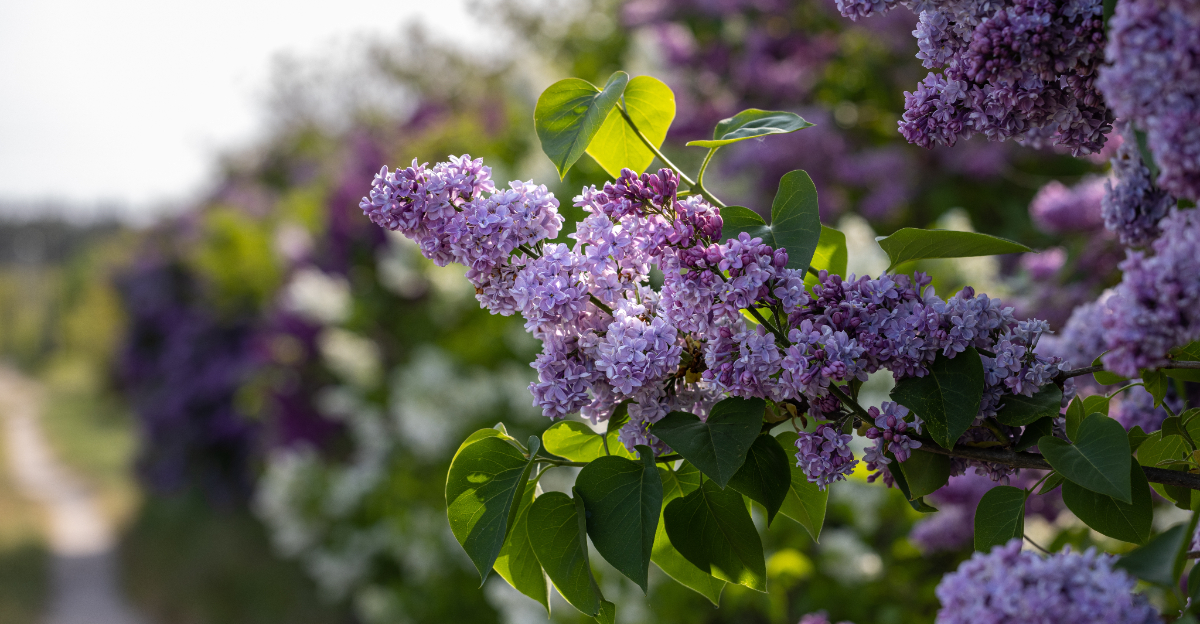
Something extraordinary is quietly happening in Wyoming gardens you pass every day. You have probably walked right past it without noticing. Lilac is quietly reclaiming a permanent place in your own front yard.
Cold snaps that damage other shrubs barely touch yours. Frost cannot stop what already flourishes through Wyoming winters near your home. Purple blooms open before your neighbors even glance outside.
Fragrance drifts through your yard like nothing you expected. Designers everywhere are quietly choosing your next planting wisely. Nothing about your common soil truly discourages this resilient old favorite.
Roots settle deep while your patience barely gets tested. Every bloom moves your landscape forward, never backward. Gardeners who once doubted lilac now finally tell you the truth.
Now your own fence line could hold that same magic. Few shrubs offer you scent, structure, and lasting charm together. That glance is enough for you to need this shrub.
Why This Fragrant Classic Is Suddenly Trending Again
Lilac never really left. It just waited for the world to catch up. Garden designers are noticing a major shift in what homeowners want from their outdoor spaces. People are craving plants that smell amazing, look beautiful, and do not demand constant attention.
Lilac checks every single one of those boxes with ease. Social media has played a huge role in this revival, too.
Stunning photos of lilac-lined walkways and cottage-style gardens have gone viral on platforms like Pinterest and Instagram. Suddenly, everyone wants that dreamy, romantic look in their own backyard.
This fragrant favorite is popping up in design blogs and local nursery newsletters across Wyoming. Designers say clients are specifically asking for plants with strong scent, which lilac delivers better than almost anything else.
There is also a practical reason for the trend. After years of chasing trendy tropical plants that struggle in cold climates, gardeners are returning to tough, reliable species.
Lilac has been growing in North America for centuries. It withstands harsh winters, returns every spring, and rewards patience with decades of blooms.
Some nurseries in Wyoming say they’ve noticed more interest in lilac over the past two growing seasons.
Interest is expected to keep growing as more homeowners discover just how easy and rewarding this shrub can be. The trend appears to be gaining real momentum.
Lilac Explained From Its History To Why Designers Love It Now
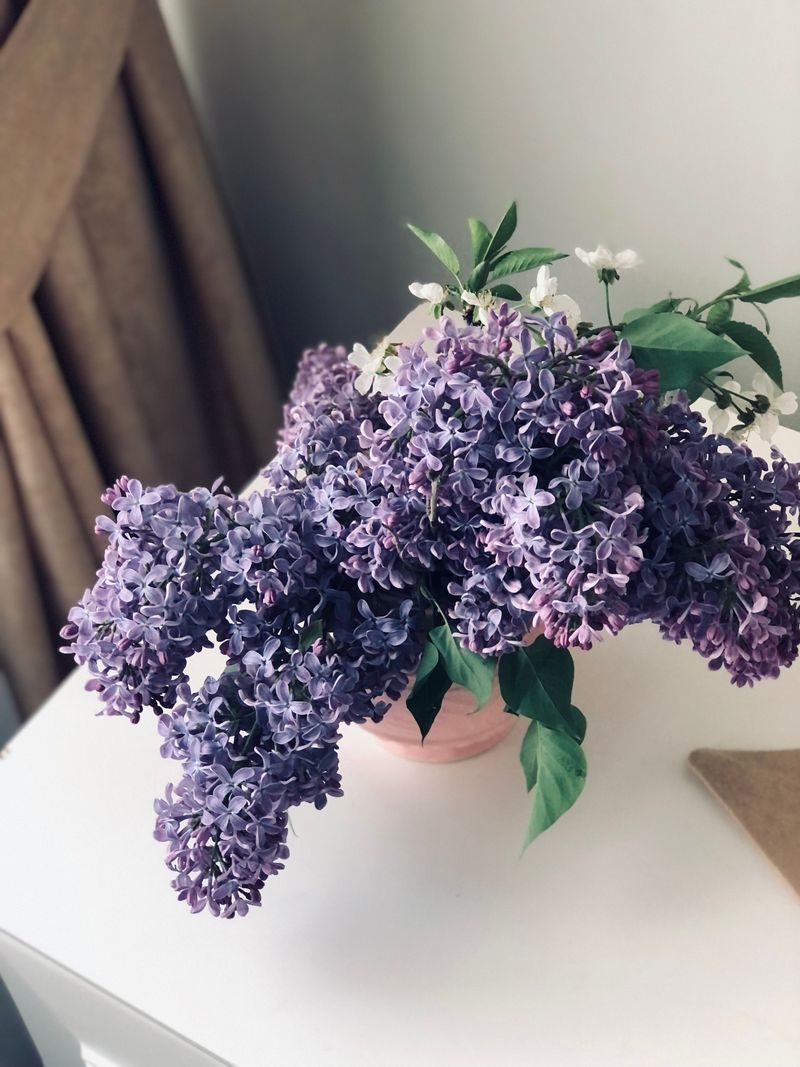
Lilac has a story that stretches back thousands of years. Ancient Greeks believed the plant was born from a nymph named Syringa, which is actually the genus name for lilac today.
European settlers brought lilac to North America in the 1700s. It quickly became a garden staple from New England to the Pacific Northwest.
Thomas Jefferson grew lilac at Monticello. That tells you something about its long-standing reputation as a prized garden plant.
Fast forward to today, and designers are falling in love with lilac all over again for very modern reasons. The shrub fits perfectly into the current trend of naturalistic, wildlife-friendly garden design.
Bees and butterflies absolutely adore lilac blooms. Planting it supports local pollinators, which is a top priority for eco-conscious gardeners right now.
Designers also love lilac for its versatility in the landscape. It works as a standalone specimen, a flowering hedge, or a backdrop for perennial beds.
The structure of a mature lilac bush adds year-round interest, even after the blooms fade. Its arching branches and heart-shaped leaves create texture and movement in the garden.
For Wyoming gardens specifically, lilac’s cold hardiness is a major selling point. Most varieties thrive in USDA hardiness zones 3 through 7, which covers nearly the entire state.
Some designers describe it as a ‘plant once, enjoy forever’ shrub, and that kind of reliability rarely goes out of style.
What Makes Its Fragrance And Blooms So Sought After
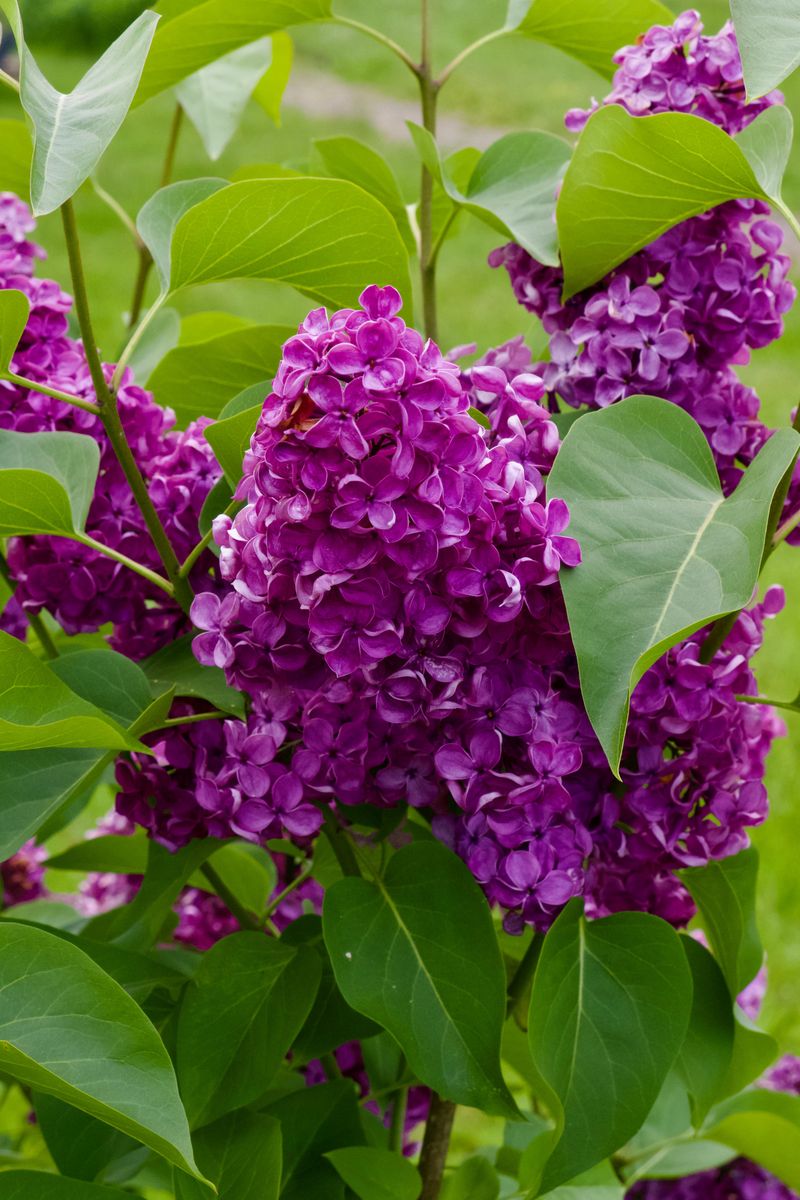
Close your eyes and imagine that scent. Sweet, powdery, and just a little floral, lilac’s fragrance is one of the most recognizable smells in the natural world.
Perfumers have tried to capture it for centuries. It’s considered notoriously difficult to fully replicate in a lab, which makes the real thing even more precious.
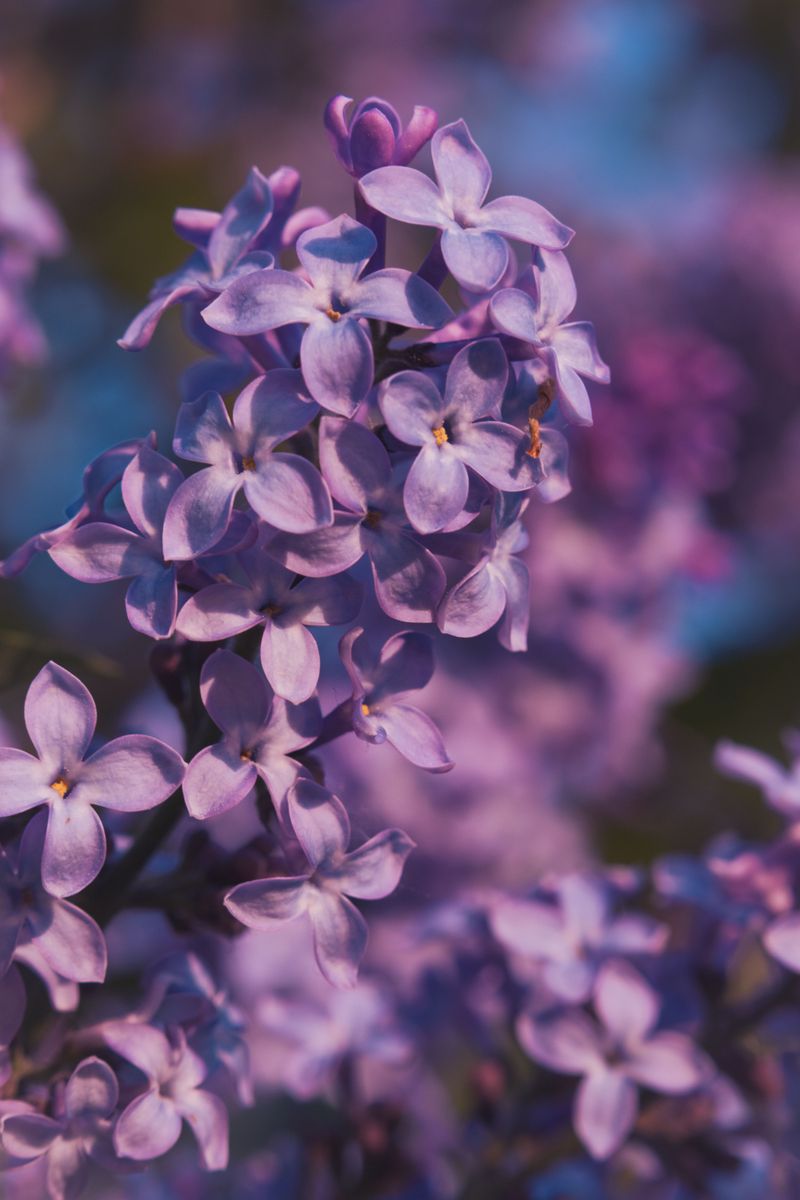
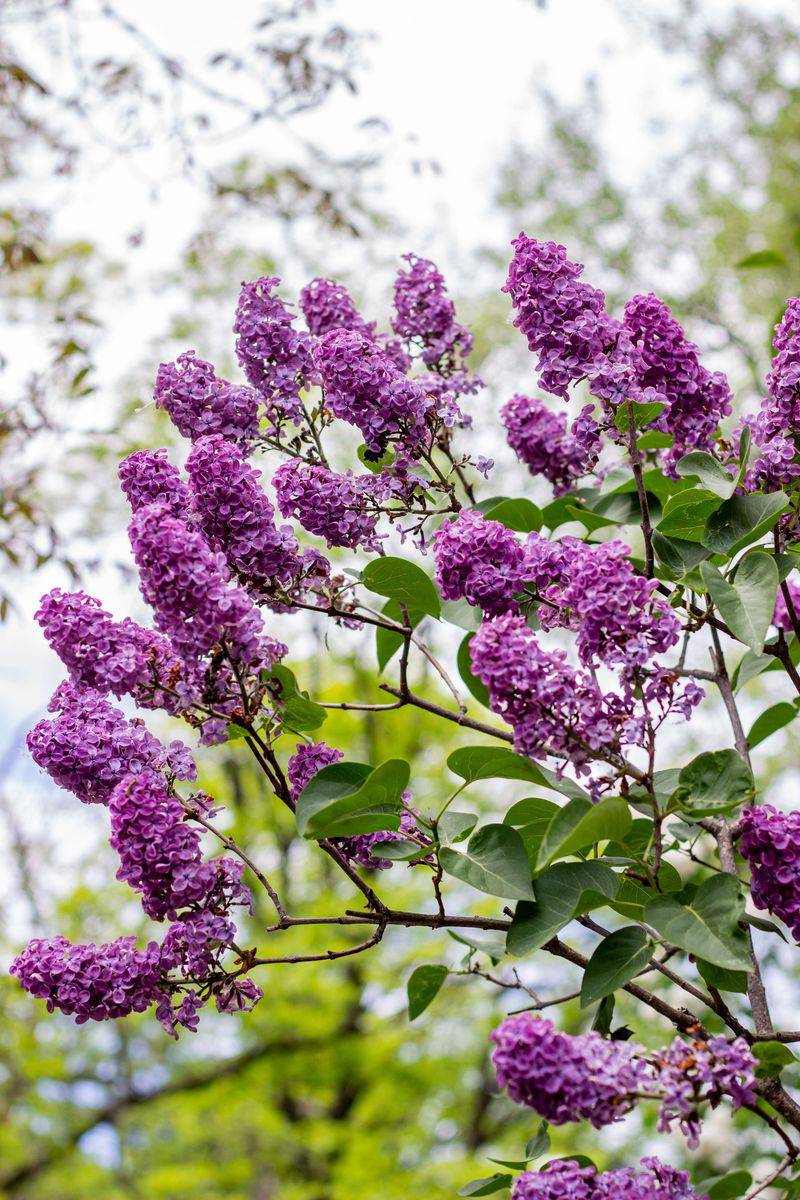
The blooms themselves are equally spectacular. Lilac flowers grow in large, cone-shaped clusters called panicles, which typically measure four to eight inches long, occasionally longer on select varieties.
Colors range from the classic purple to white, pink, deep magenta, and even a rare creamy yellow. That range gives gardeners plenty of options to match any design palette.
Each tiny floret within the cluster has four petals arranged in a delicate cross shape. Up close, the detail is surprisingly intricate for such a rugged shrub.
Bloom time in Wyoming typically falls between late April and early June, depending on elevation and variety. That window is short, which makes every bloom feel like a gift worth savoring.
Some newer varieties extend the season by blooming a second time in late summer. Reblooming lilacs are among the more notable developments in ornamental breeding right now.
The combination of beauty, scent, and seasonal drama is exactly why lilac holds such a powerful place in the gardening imagination. Cut a few stems for a vase, and your whole house smells like a spring garden. No candle comes close to matching that.
New Varieties Bringing Lilac Back Into The Spotlight
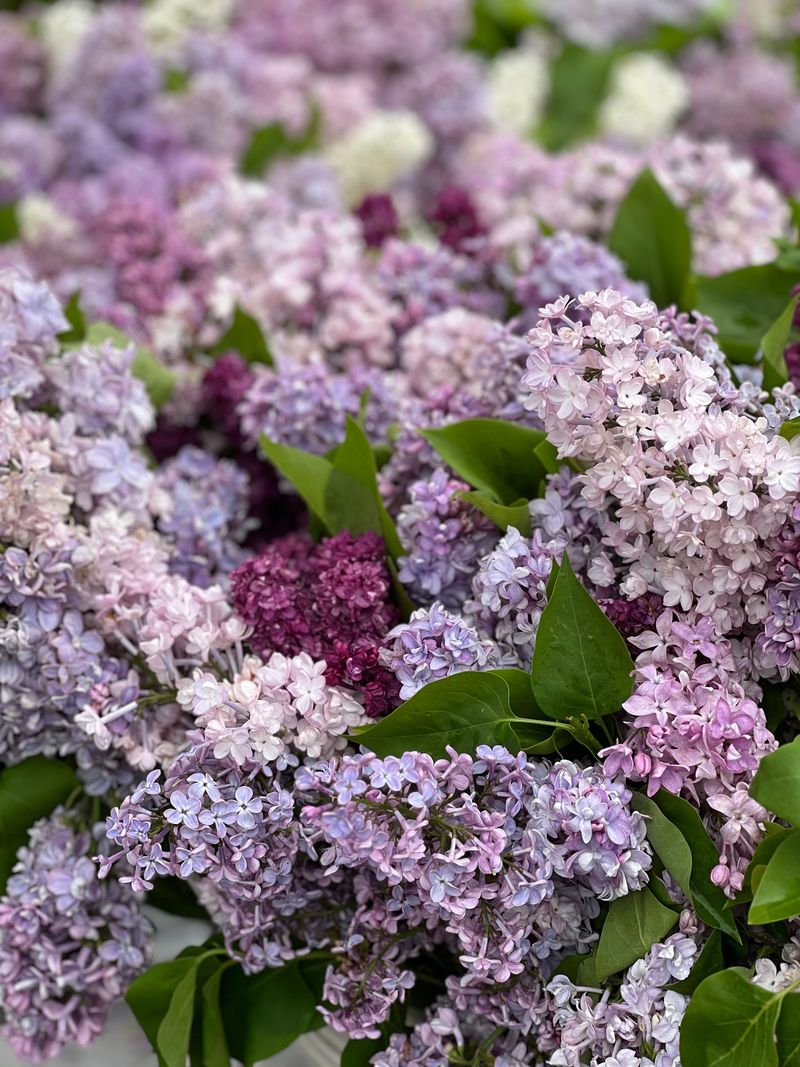
Your grandmother’s lilac was wonderful, but today’s options are genuinely exciting. Plant breeders have spent decades developing new lilac varieties with better bloom size, extended color range, and improved disease resistance.
The Bloomerang series is one of the more notable developments in recent lilac breeding. These compact reblooming shrubs flower in spring and again in late summer, nearly doubling your enjoyment.
Bloomerang Purple is a fan favorite among Wyoming gardeners because of its cold hardiness and reliable repeat blooms. It stays under five feet tall, making it ideal for smaller yards and mixed borders.
Josee is another popular rebloomer with fragrant pink flowers and a tidy, rounded shape. It fits beautifully in containers and foundation plantings without overwhelming a space.
For those who want dramatic size and old-fashioned charm, Charles Joly remains a top pick. This classic French hybrid produces deep magenta double blooms that look almost like small roses.
Sensation is a striking variety with purple florets edged in white, creating a bold two-tone effect. Designers love it as a focal point in garden beds.
Penda, sold under the name Scentsation, offers enormous clusters of pale yellow flowers with an exceptionally strong fragrance. It is one of the few truly yellow-toned lilacs available to home gardeners.
With so many outstanding choices now available, finding a lilac that fits your space and style has never been easier. Wyoming gardens deserve nothing less than the best modern varieties of this fragrant favorite.
Best Growing Conditions For Wyoming Gardens
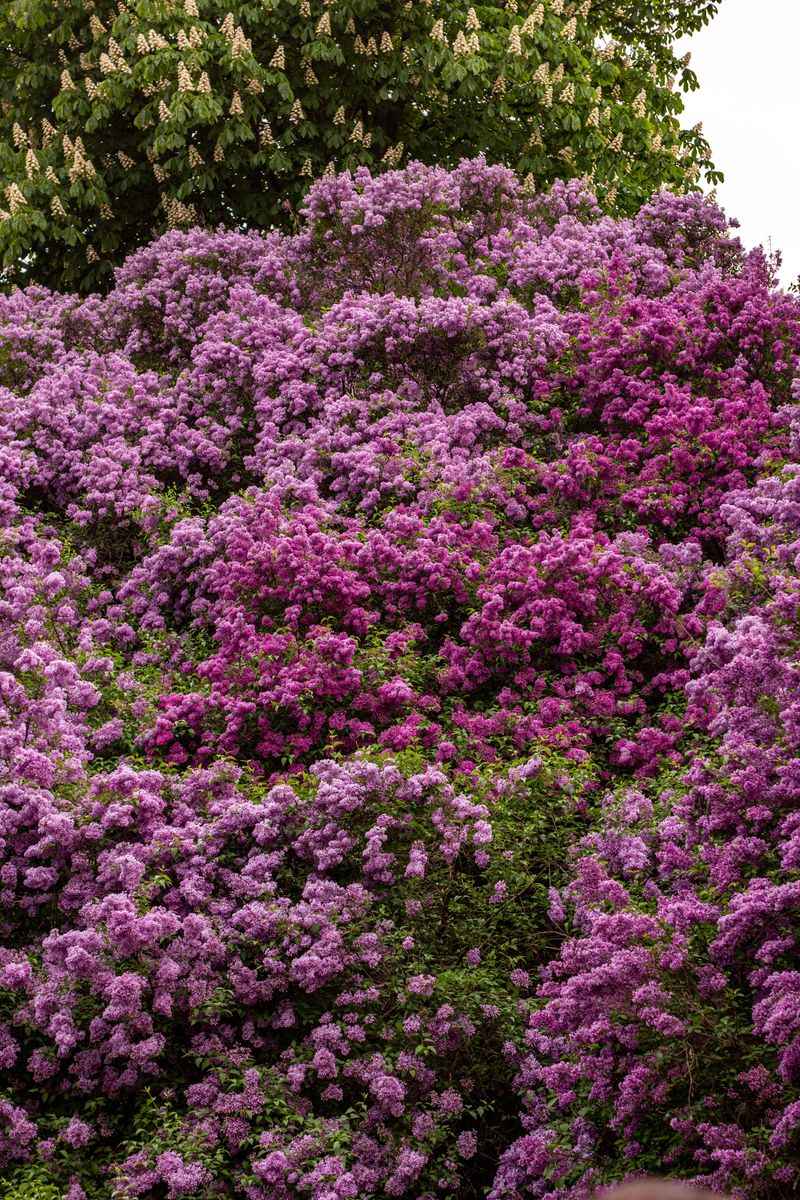
Wyoming is not the easiest place to garden, but lilac was practically designed for it. The state’s cold winters, hot summers, and low humidity actually mimic the conditions where lilac naturally thrives.
Sunlight is the single most important factor for a healthy lilac. Aim for at least six hours of direct sun per day, and your shrub will reward you with maximum blooms.
Planting in full shade leads to weak growth and disappointing flower production. Even partial shade can significantly reduce the number of blooms you get each season.
Soil drainage matters just as much as sunlight. Lilac roots struggle in soggy ground, so avoid low spots where water collects after rain or snowmelt.
Wyoming’s naturally alkaline soils are actually a good match for lilac, which prefers a slightly alkaline pH between 6.5 and 7.0. You may not need to amend your soil much at all.
Wind can be a challenge in many parts of the state. Planting lilac near a fence, wall, or windbreak helps protect young shrubs during their first few winters.
Elevation plays a role in timing, too. Gardeners at higher elevations should expect blooms to arrive a few weeks later than those in lower valleys.
Cold hardiness is rarely a concern with most lilac varieties rated for zone 3 or lower. Wyoming winters, even at their coldest, rarely threaten a well-established lilac shrub. Choose your spot wisely, a well-established lilac can outlive the gardener who planted it.
Tips For Planting And Caring For A Thriving Lilac
Planting lilac is refreshingly simple, even for beginners. The best time to get one in the ground is either early spring or early fall, when temperatures are cool and roots can settle in without heat stress.
Dig a hole twice as wide as the root ball but no deeper than the plant was growing in its container. Setting it too deep is one of the most common planting mistakes gardeners make.
Backfill with the original soil, and skip the fertilizer at planting time. Too much nitrogen early on encourages leafy growth at the expense of blooms.
Water thoroughly after planting and keep the soil consistently moist for the first growing season. After that, established lilac is surprisingly drought-tolerant and rarely needs supplemental watering.
Mulching around the base helps retain moisture and regulate soil temperature through Wyoming’s wild temperature swings. Keep mulch a few inches away from the main stem to prevent rot.
Pruning is where many gardeners go wrong with lilac. Always prune immediately after blooming, never in fall or winter, because next year’s flower buds form shortly after this season’s blooms fade.
Remove spent flower clusters and any damaged or crossing branches to improve airflow and shape. Light annual pruning keeps the shrub tidy and encourages strong new growth.
Older, overgrown lilacs can be rejuvenated by removing one-third of the oldest stems each year over three seasons. Patience pays off beautifully with this long-lived shrub.