4 Reasons Your Texas Hibiscus Quit Blooming In July (And What Actually Brings It Back)
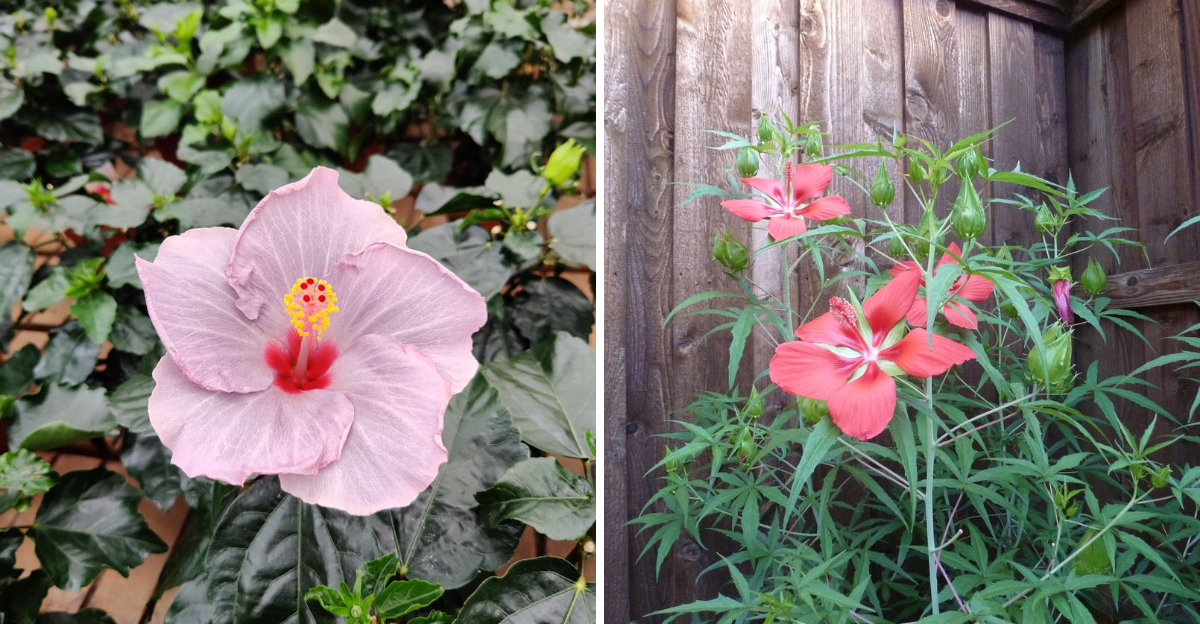
Texas hibiscus can turn quiet just when the patio needs color most.
Spring makes it look easy. Huge blooms, glossy leaves, tropical energy, the whole container acting like it deserves applause.
Then July arrives with skillet-hot pots, dry root zones, and afternoons that feel personally designed to cancel flowers.
The plant may still look green, which makes the silence even more confusing.
But a hibiscus that stops blooming in Texas heat is usually not finished. It is pausing, conserving energy, and waiting for better conditions before spending strength on flowers again.
That is good news, because the fix is not a mystery.
So why did your Texas hibiscus quit blooming right in the middle of summer?
Start with heat, water, fertilizer, and the pot itself. Once those four things get adjusted, the plant has a much better chance of moving from leafy silence back to big, showy blooms before the season slips away.
Extreme Heat Pauses Buds
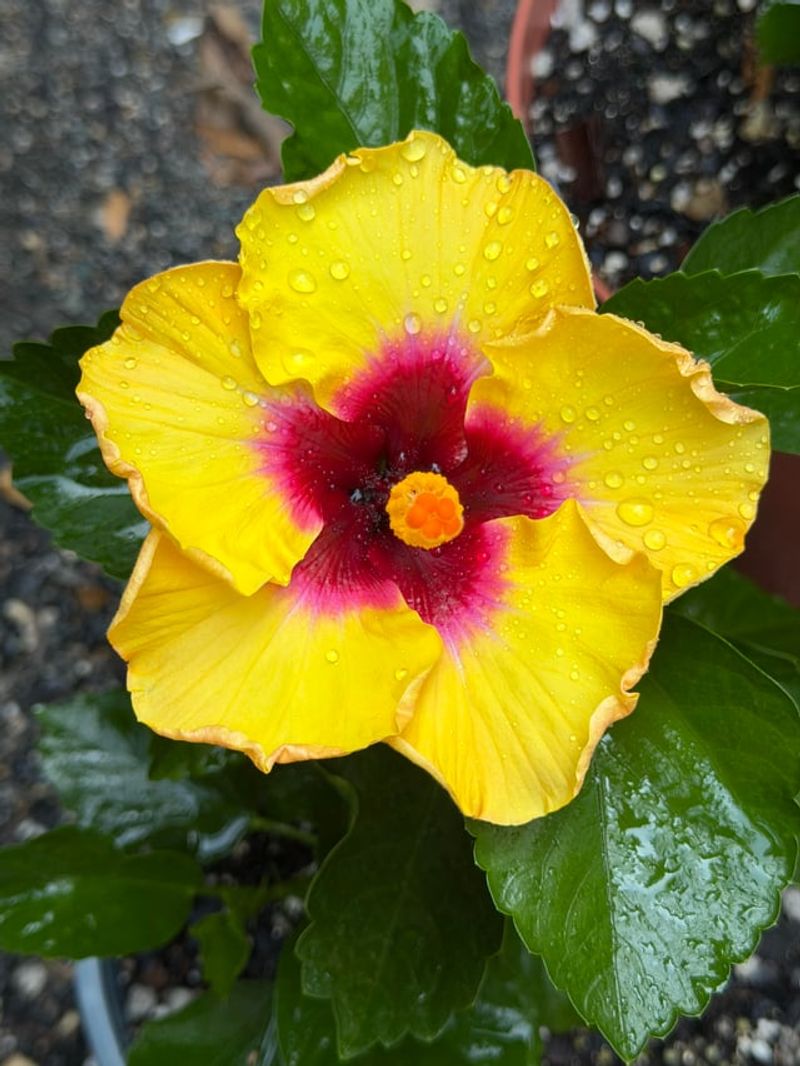
A leafy hibiscus with zero flowers in July is not a broken plant. It is a smart one.
When daytime temperatures in Texas climb past 95 degrees and nights stay above 70, tropical hibiscus often drops its buds before they open.
The plant is not being dramatic. It is conserving energy to protect itself from heat stress.
Texas A&M AgriLife Extension notes that hibiscus bud drop during extreme heat is a natural, temporary response.
The plant shifts its focus away from blooming and toward keeping its roots and stems alive.
Buds that were just starting to form may shrivel and fall off without ever opening. This can feel like a big setback, but it is actually the plant doing exactly what it should do.
The good news is that this bloom pause is usually short-lived.
Once temperatures drop back into the upper 80s, even briefly in late July or early August, buds start forming again.
Giving the plant some afternoon shade during peak heat speeds up the recovery. A shade cloth or a nearby tree that blocks the brutal 2 p.m. sun can make a real difference.
Keep the plant watered consistently and avoid stressing it further with heavy pruning or strong fertilizer during the hottest stretch.
Your hibiscus is resting, not retiring, and the blooms will come back once the heat lets up even a little.
Dry Roots Drop The Show
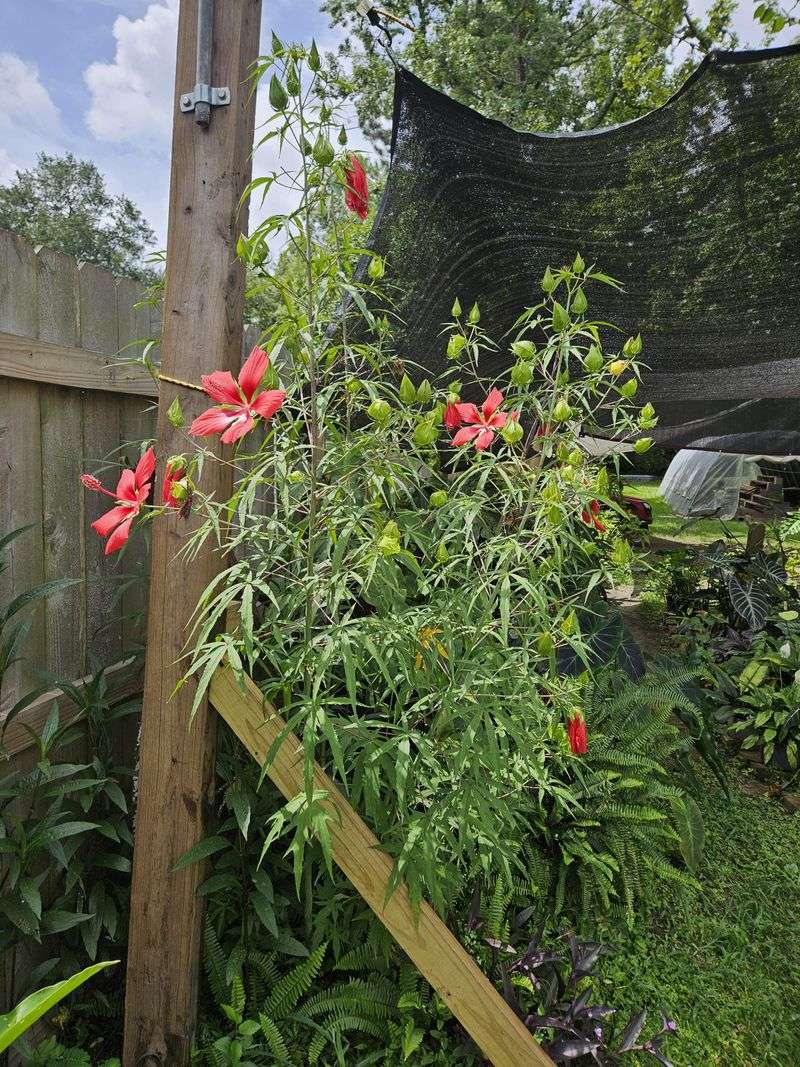
A dry root ball is one of the fastest ways to shut down a hibiscus flower show.
In Texas July heat, a container can lose moisture within hours of watering, especially if the pot is small, made of terra cotta, or sitting directly on a concrete surface that bakes all day.
When roots run dry, the plant stops pushing energy into blooms and starts just trying to stay hydrated.
Uneven watering is just as damaging as no watering at all.
If you water lightly on the surface, the top inch feels damp but the roots deeper in the pot stay bone dry.
Hibiscus roots need consistent, deep moisture to support bud development. Stick your finger two inches into the soil. If it feels dry at that depth, the plant needs water right now.
Your Texas Garden Changes Every Week. Your Plan Should Too.
Gardening in Texas changes quickly throughout the season. Every Friday you’ll receive a simple weekly plan showing exactly what to plant, prune, fertilize, harvest, and protect so you never miss the right timing.
Deep watering in the morning helps roots stay hydrated through the hottest part of the day.
Water slowly and thoroughly until you see it drain from the bottom of the pot.
During peak July heat, most hibiscus in containers need watering every single day. In-ground plants may need watering every two to three days depending on soil type.
Adding a two-inch layer of mulch around the base of in-ground plants holds moisture in the soil and keeps roots cooler.
Consistent moisture is not just about keeping the plant alive. It is the foundation that allows buds to form, stay on the plant, and open into those wide, showy flowers you planted it for.
Too Much Nitrogen Builds Leaves
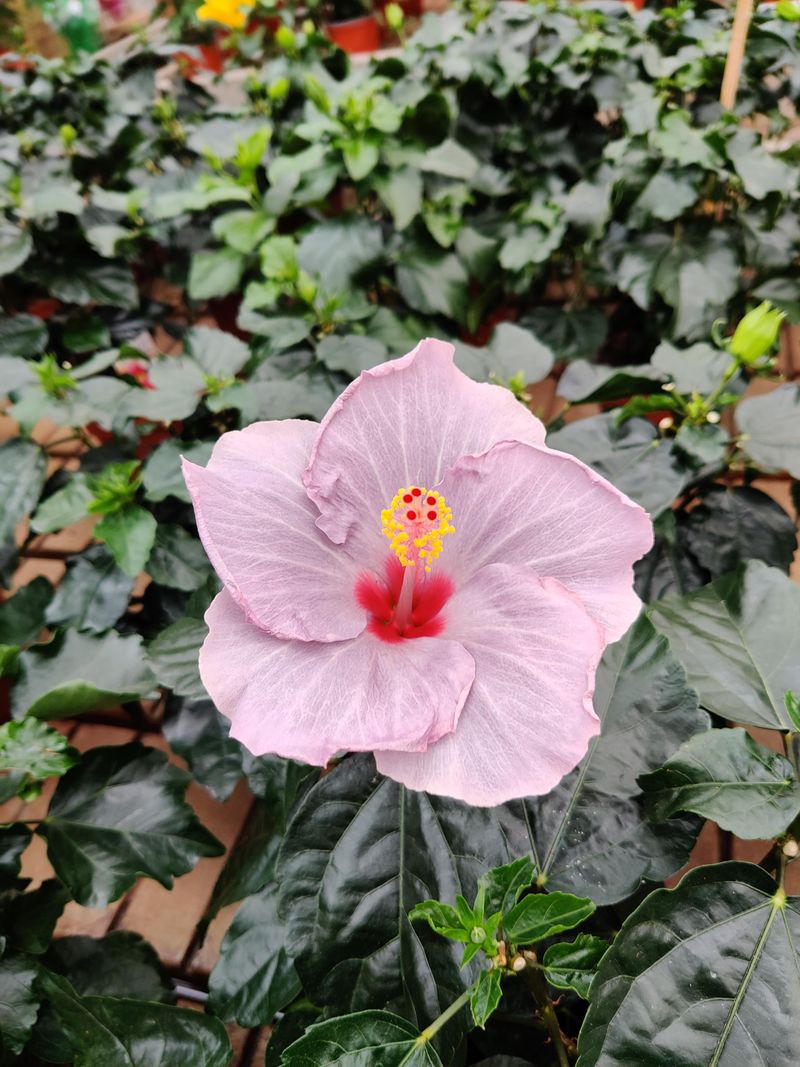
Grab a fertilizer bag from your shed and flip it over.
See those three numbers on the label? The first number is nitrogen.
Nitrogen is fantastic for growing thick, green, leafy plants. For a hibiscus that you want to bloom, too much of it is the exact wrong move in July.
When hibiscus gets a heavy dose of nitrogen, it puts all its energy into pushing out new leaves and stems.
The foliage looks incredible. Dark green, glossy, and full. But flowers get pushed to the back of the line.
Texas Master Gardener resources point out that high-nitrogen fertilizers, including many all-purpose lawn and garden blends, are a common reason tropical hibiscus produces beautiful leaves and almost no blooms during summer.
Switching to a fertilizer with a lower first number and a higher middle number, which represents phosphorus, encourages the plant to shift its energy toward flower production.
Look for a balanced blend like a 10-10-10 or a bloom-boosting formula with more phosphorus than nitrogen.
Feed lightly and consistently rather than dumping a large amount at once. Hibiscus responds well to regular small feedings during the growing season.
Back off fertilizing entirely during the absolute peak of a heat wave, since the plant cannot use nutrients effectively when it is already under stress.
Less nitrogen means more room for blooms to steal the spotlight.
Hot Pots Stress The Root Zone
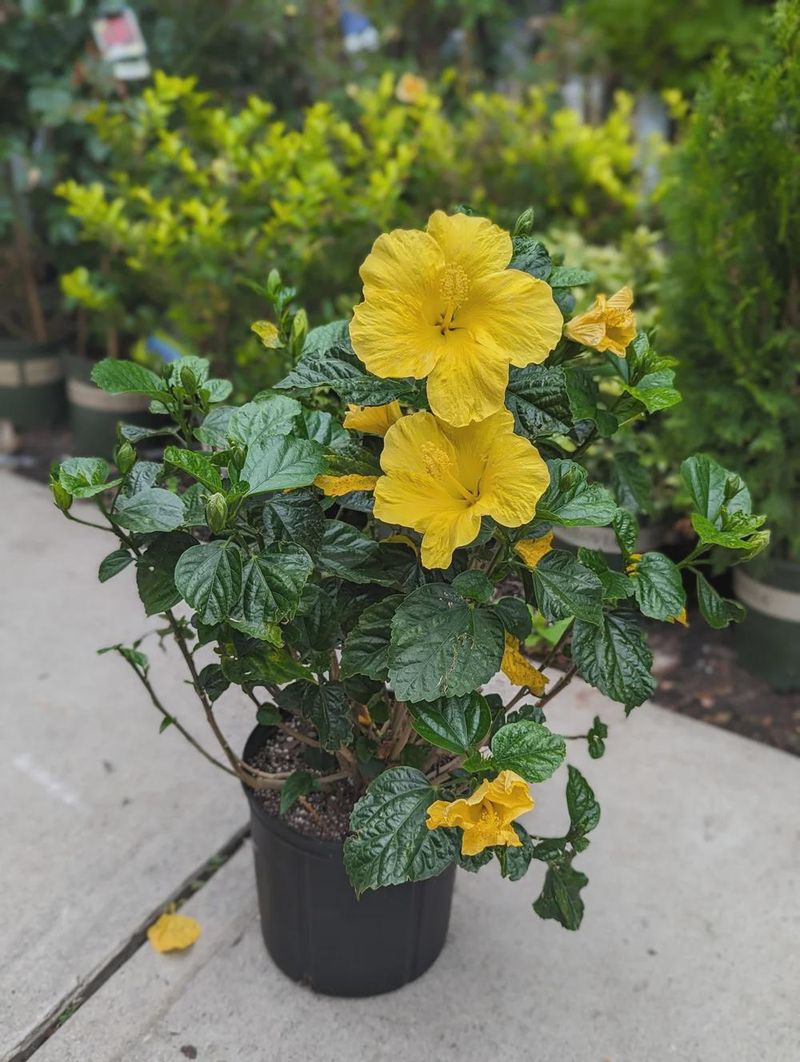
A shrub sitting against a south-facing brick wall in a black plastic pot on a concrete patio is fighting battles on three fronts at once.
The wall radiates stored heat. The concrete reflects sunlight upward. The dark pot absorbs both and turns the root zone into an oven.
Roots that overheat cannot absorb water or nutrients properly, and a hibiscus with stressed roots simply will not bloom.
Container color and material matter more than most gardeners realize.
Dark plastic and metal pots absorb heat rapidly and hold it for hours after the sun moves.
A pot sitting on a hot concrete surface in direct Texas sun can reach internal soil temperatures well above 100 degrees Fahrenheit. That level of root-zone heat shuts down normal plant functions fast.
Switching to a light-colored or white container reflects heat instead of absorbing it.
Setting the pot on a wooden deck, a plant stand, or even a folded piece of burlap insulates the bottom from hot concrete.
Moving containers to a spot that gets bright morning sun but shade after noon gives hibiscus the light it needs without the brutal afternoon punishment.
If repotting is not an option right now, try slipping the existing pot inside a slightly larger light-colored pot to create an insulating air gap.
These small changes lower root-zone temperatures enough to ease stress and give the plant a real chance to start setting buds again.
Cool roots are happy roots, and happy roots eventually push out blooms worth bragging about.
Feed When New Growth Returns
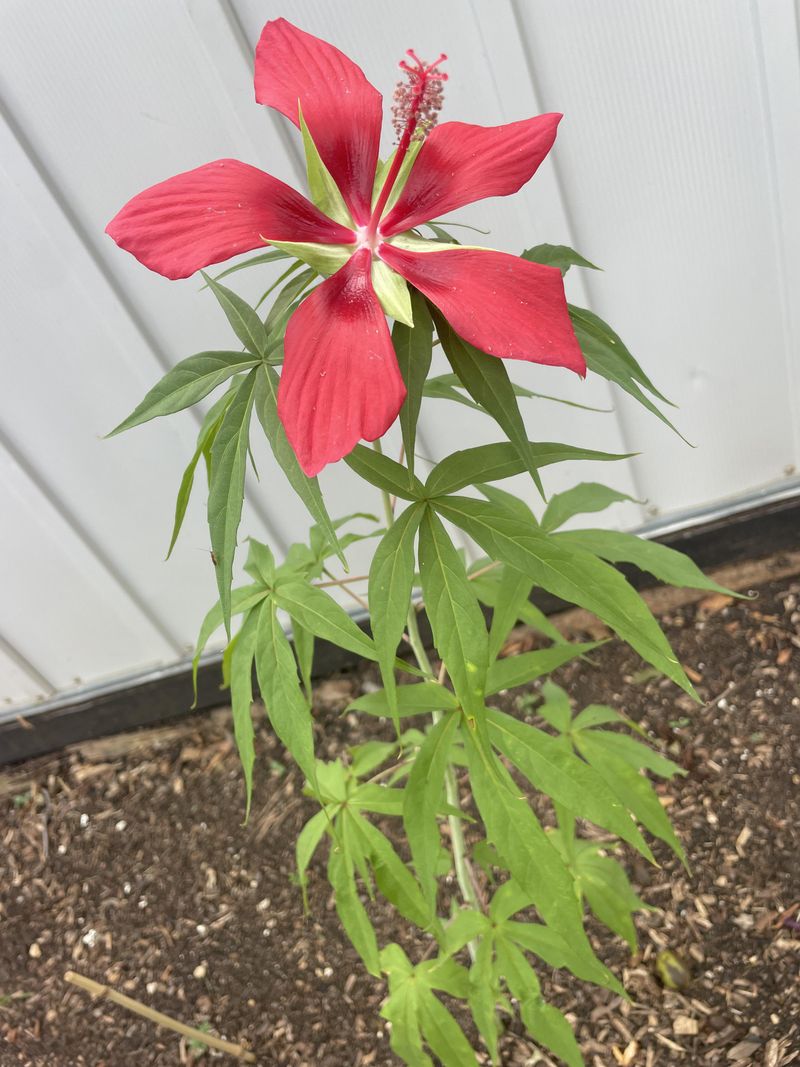
Spotting a tiny new green shoot on a hibiscus that has been sitting quiet all July is one of the best signs you will see all summer.
It means the plant is stabilizing and ready to move forward. That is the moment to start thinking about fertilizer, but not a moment before.
Feeding a plant that is deep in heat stress is like asking someone to run a race when they are already exhausted.
The roots are not in a position to absorb and process fertilizer efficiently, and pushing nutrients into the system too early can actually cause root burn and add more stress to the plant.
Once you see consistent new leaf growth or fresh bud development, a balanced fertilizer with more phosphorus than nitrogen works well for hibiscus in Texas.
Look for a bloom-boosting formula and apply it at the rate listed on the package label. More is not better with hibiscus.
Excess nitrogen pushes leafy growth at the expense of flowers, which is the opposite of what you want during a comeback phase.
For container plants, a water-soluble fertilizer applied every two to three weeks once active growth resumes gives you more control over the dose.
Always water the plant before fertilizing to avoid applying nutrients to dry roots.
A well-timed feeding after new growth appears can genuinely speed up the bloom recovery you have been waiting for all month.
Pinch Tips For Fuller Growth
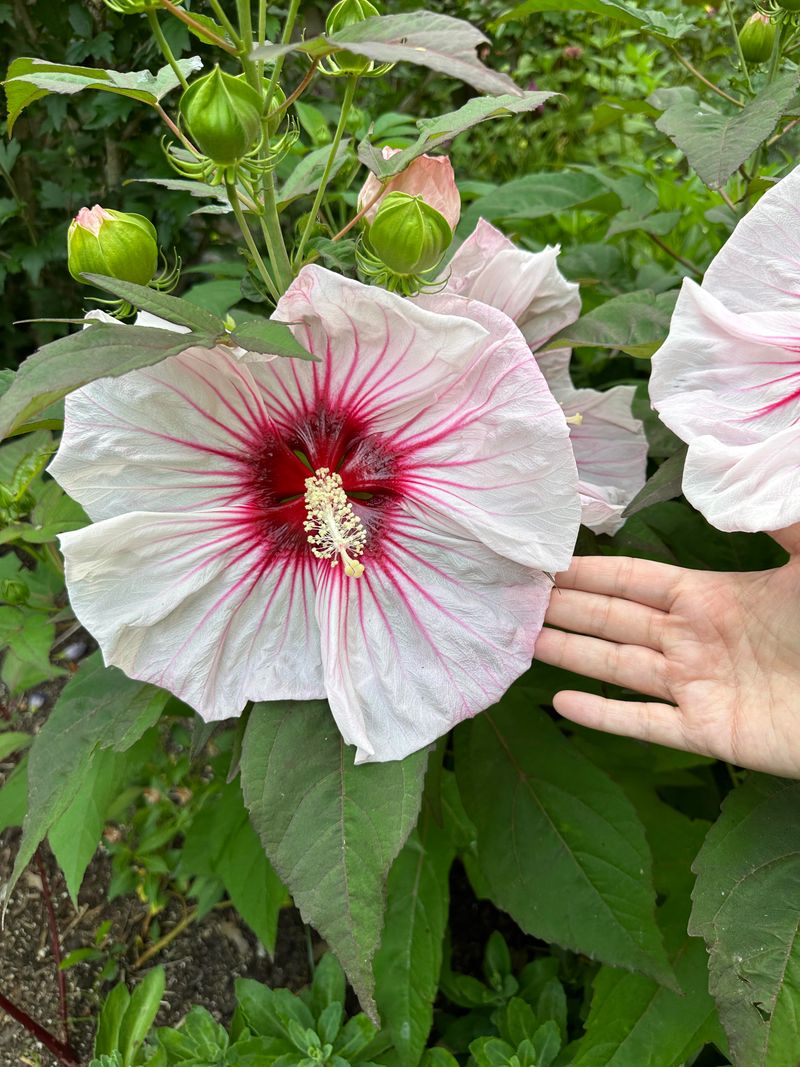
Once your hibiscus starts pushing fresh growth after a rough stretch of July heat, a small but powerful trick can help it come back bushier and more floriferous than before.
Pinching works by removing just the very tip of a new growing shoot, which signals the plant to branch out from that point rather than continuing in one long, single direction.
Each pinch creates two or more new shoots where there was only one.
More shoots mean more potential flower buds down the line. For a plant that dropped most of its buds during the heat stress period, this is a straightforward way to rebuild a fuller, more productive plant heading into fall.
Use your thumbnail and index finger to snap off just the top quarter inch of a new shoot.
Target shoots that have at least two sets of leaves and are actively growing. Avoid pinching anything that still looks weak or pale.
Do not pinch every shoot at once.
Work through the plant gradually over one to two weeks so you are not removing too much active growth at a single time.
Texas gardeners who pinch their hibiscus in late August and September often see a strong flush of blooms in October and November when the heat finally backs off.
That fall reward is worth every careful pinch you put in now.
Scout Scale And Mealybugs
A gardener checking the underside of a hibiscus leaf in August might find something that looks like tiny white cotton puffs or small brown bumps stuck to the stems.
Those are mealybugs and scale insects, two of the most common pests that take advantage of a heat-stressed hibiscus in Texas.
Both pests feed by piercing plant tissue and sucking out sap.
A healthy, well-watered plant can usually handle a small infestation without much visible damage. But a plant already struggling with heat stress has fewer defenses, and a pest load that would normally be minor can push it into a much worse condition quickly.
Check stems, leaf undersides, and the joints where leaves attach to stems at least once a week during the hottest months.
Mealybugs look like small white fuzzy clusters. Scale insects look like flat or slightly raised brown or tan bumps that do not move when you touch them.
For light infestations, a cotton swab dipped in rubbing alcohol works well to remove mealybugs manually.
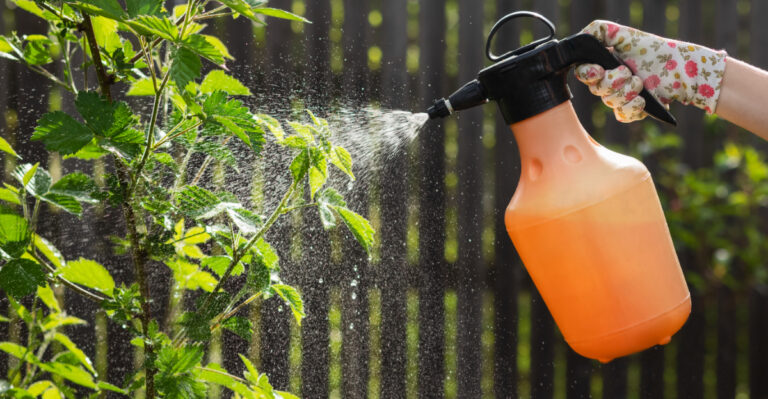
Horticultural oil or insecticidal soap sprays labeled for use on ornamentals are effective options for larger populations.
Apply these treatments in the early morning or evening to avoid additional heat stress from spraying in direct Texas sun.
Keeping pests under control removes one more burden from a plant that is already working hard to recover.
Fewer pests mean more of the plant’s limited energy goes directly into producing new buds and flowers instead of fighting off sap-sucking intruders.
Protect Pots From Hot Walls
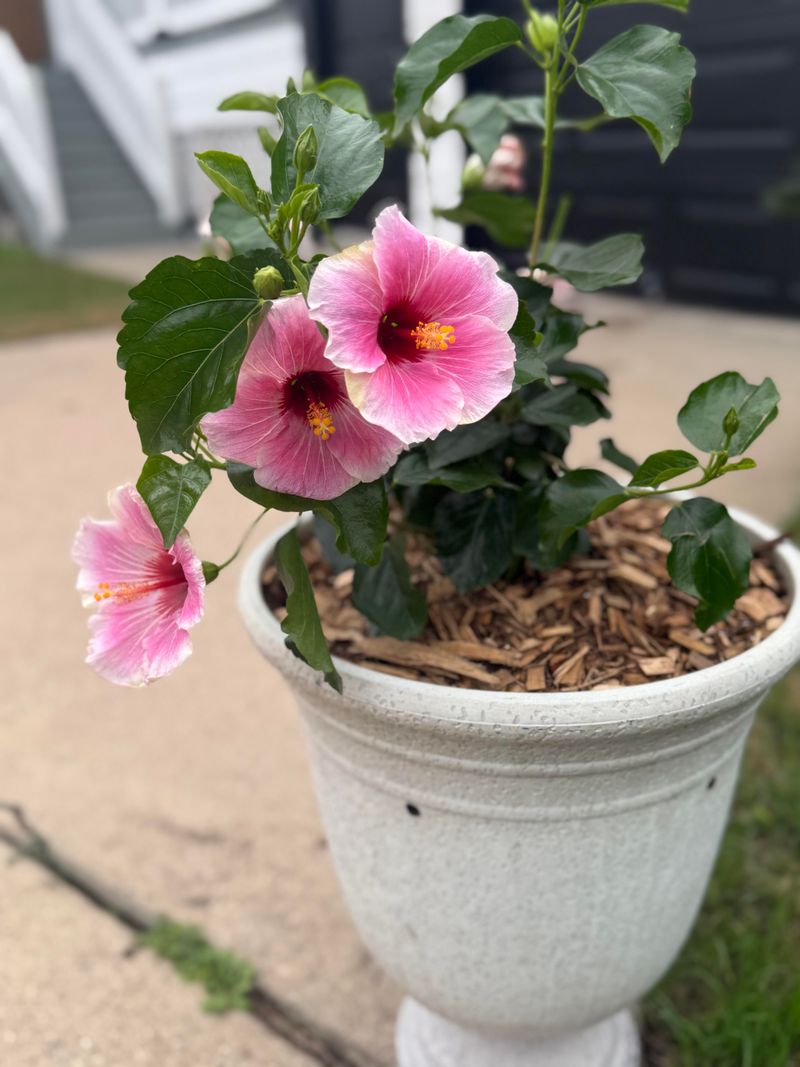
A heavy pot sitting tight against a south-facing wall on a Texas patio is dealing with more heat than most gardeners realize.
The wall absorbs sun all day and radiates that stored heat directly back into the pot from the side. The concrete below radiates heat from underneath. The pot itself heats from the outside in.
Root zone temperature matters enormously for hibiscus.
When soil in a container gets too hot, roots stop functioning normally. They cannot absorb water or nutrients efficiently, which means the plant starts showing stress symptoms even when you are watering correctly and the air temperature seems manageable.
Moving a pot just six to twelve inches away from a hot wall can lower the root zone temperature noticeably.
That small gap allows air to circulate around the pot and breaks the direct heat transfer from the wall surface.
It sounds almost too simple, but Texas gardeners who try it often notice a real difference in how their plants look within a week or two.
Dark-colored plastic pots heat up the fastest.
If you have a hibiscus in a black or very dark container, consider slipping it inside a larger light-colored pot or wrapping the outside with burlap to reflect some of that absorbed heat.
Elevated pot feet also help by allowing airflow under the container and preventing direct heat transfer from hot concrete.
Protecting pots from reflected and radiated heat is one of the most underrated moves you can make for a hibiscus that has gone quiet in the Texas summer heat.
Cool roots come back to bloom. Cooked ones just keep struggling.