What California Law Actually Says About Trimming A Neighbor’s Overhanging Fruit
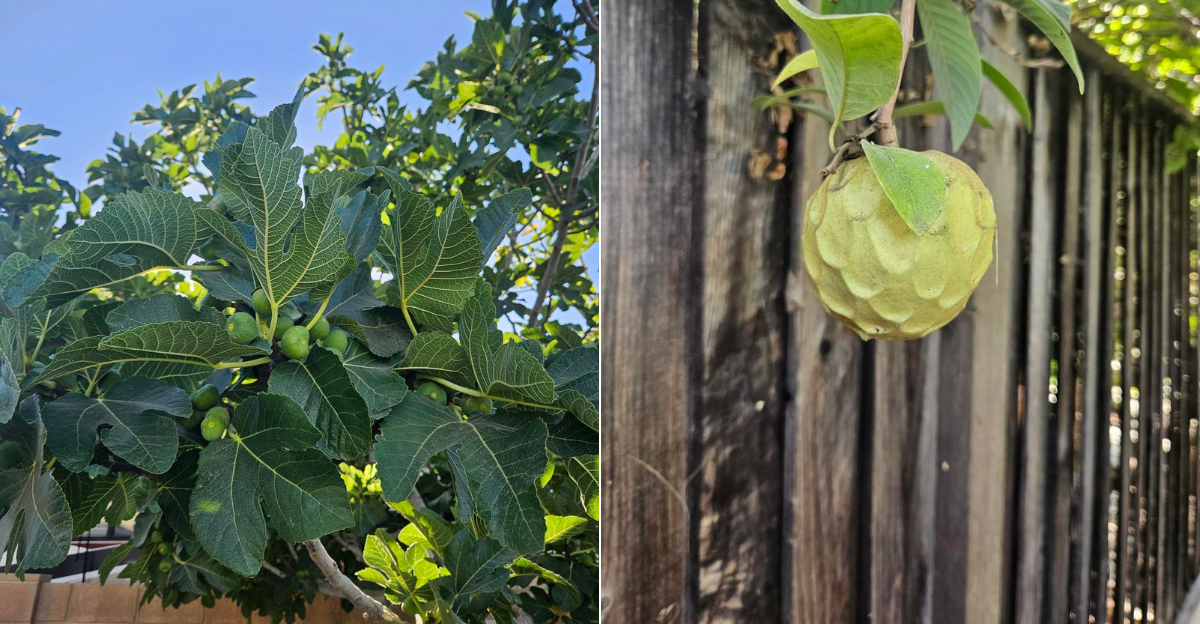
Overhanging fruit sounds charming until it is dropping on your side of the fence and starting a very tiny neighborhood legal drama.
In California, trimming a neighbor’s tree is not something to do with blind confidence and pruning shears.
Fruit, branches, property lines, damage, and permission can all make the situation messier than it looks. The tricky part is that what feels fair in the moment may not match what the law allows.
Before you cut, collect, or casually toss a few branches back over the fence, it helps to know where your rights actually stop. A little caution can save you from turning free fruit into an expensive argument.
1. The Property Line Matters Most
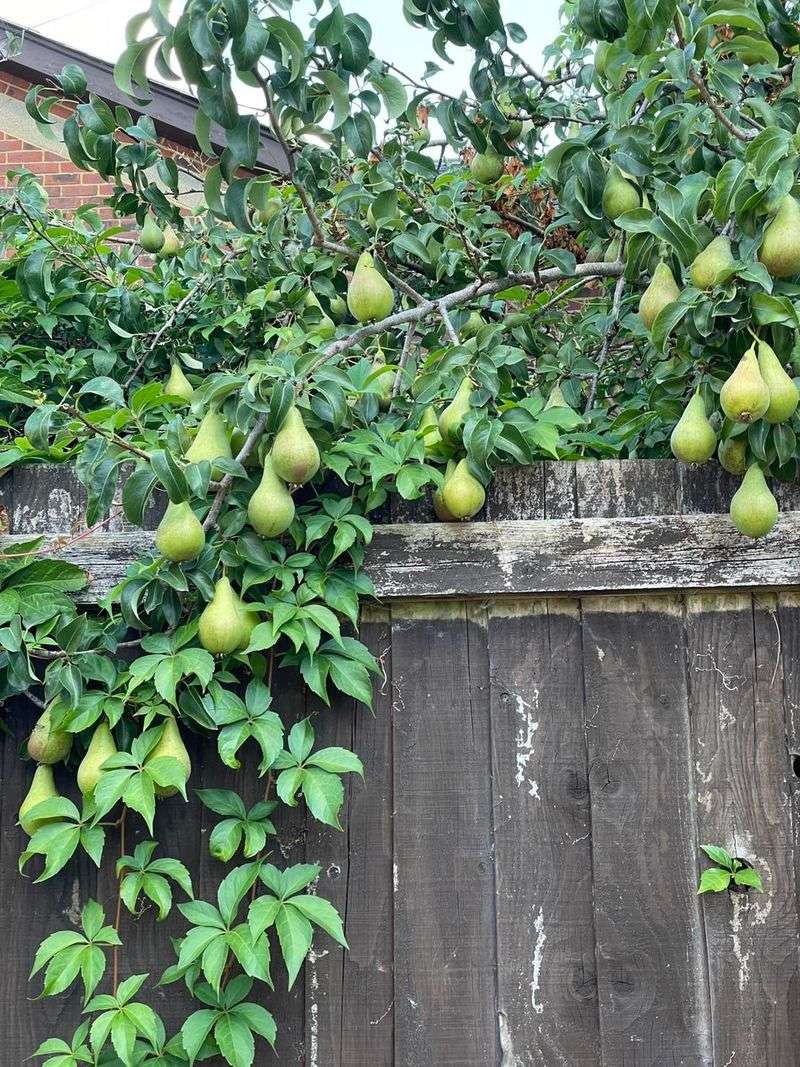
Before you reach for the pruning shears, you need to know exactly where your property ends and your neighbor’s begins. The property line is the foundation of almost every tree and fruit dispute in California.
Without knowing that line, you could accidentally break the law even with good intentions.
A survey is the most reliable way to find out where your boundary sits. Many homeowners are surprised to learn their fence does not sit exactly on the legal property line.
Sometimes it is off by several feet in either direction.
You can request a copy of your property survey from your county recorder’s office or hire a licensed land surveyor to mark it out. This small investment can prevent a very expensive legal fight later on.
Courts in California take property boundaries seriously, and judges do not look kindly on neighbors who act without checking first.
The property line also determines who legally owns a tree. If the trunk sits entirely on your neighbor’s land, it is their tree, full stop.
Even if half the canopy shades your yard, you do not own any part of that tree. Knowing where the line falls puts you in a much stronger position before any trimming begins. Always start here, not at the branch tips.
2. Overhanging Fruit May Be Different Than Fallen Fruit
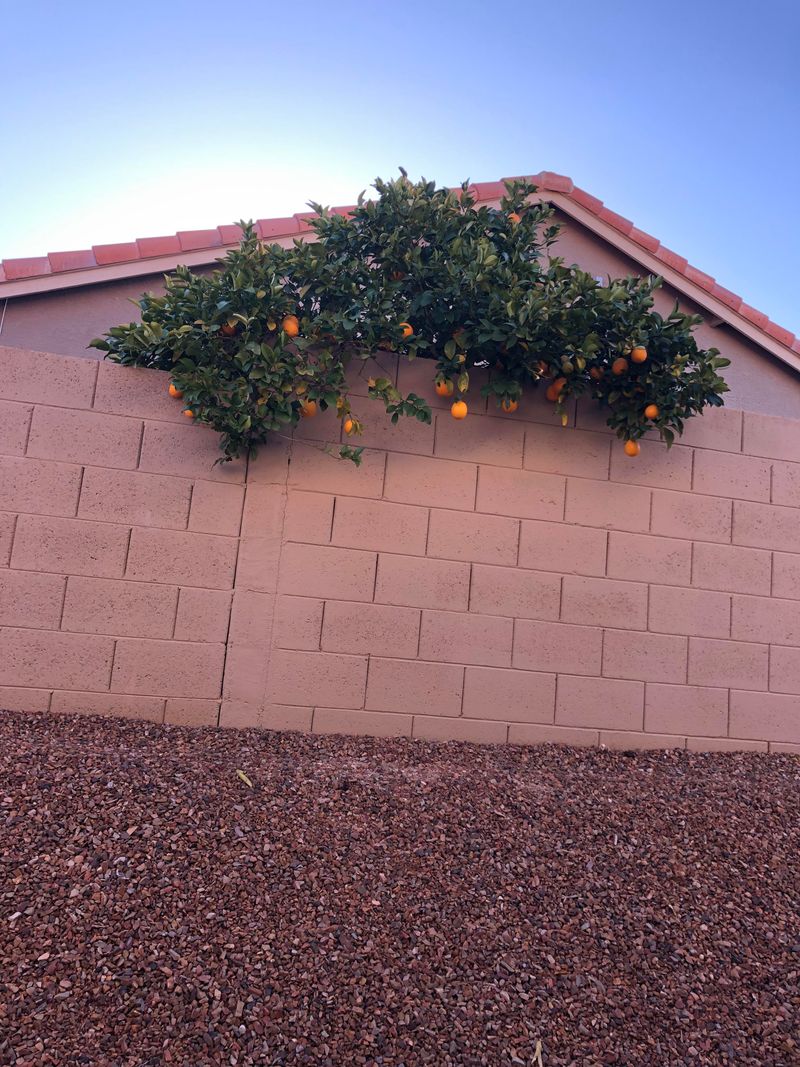
Here is something that surprises a lot of people: fruit hanging over your yard and fruit that has already fallen on your yard are not always treated the same way under California’s legal tradition.
Courts have wrestled with this question for a long time, and the answers are not perfectly simple.
Fruit still attached to an overhanging branch generally belongs to the tree owner, even if that branch extends over your property.
Just because it hangs above your lawn does not mean it is yours for the taking. Picking it without permission could be considered theft in some situations.
Fallen fruit is a slightly different story. Once fruit drops onto your land, many legal experts and court decisions suggest it becomes yours to keep.
The reasoning is that once it leaves the tree and lands on your property, ownership can shift. However, this is not written into one clean, simple law, so local ordinances can change things.
To stay safe, never assume that fruit above your head is fair game just because the branch is on your side. The tree’s owner still has a claim to what grows on it.
Your California Garden Changes Every Week. Your Plan Should Too.
Gardening in California changes quickly throughout the season. Every Friday you’ll receive a simple weekly plan showing exactly what to plant, prune, fertilize, harvest, and protect so you never miss the right timing.
A quick, friendly conversation with your neighbor is always smarter than grabbing fruit and hoping for the best. Keep things neighborly and you will avoid most problems before they start.
3. You Can Trim Branches On Your Side
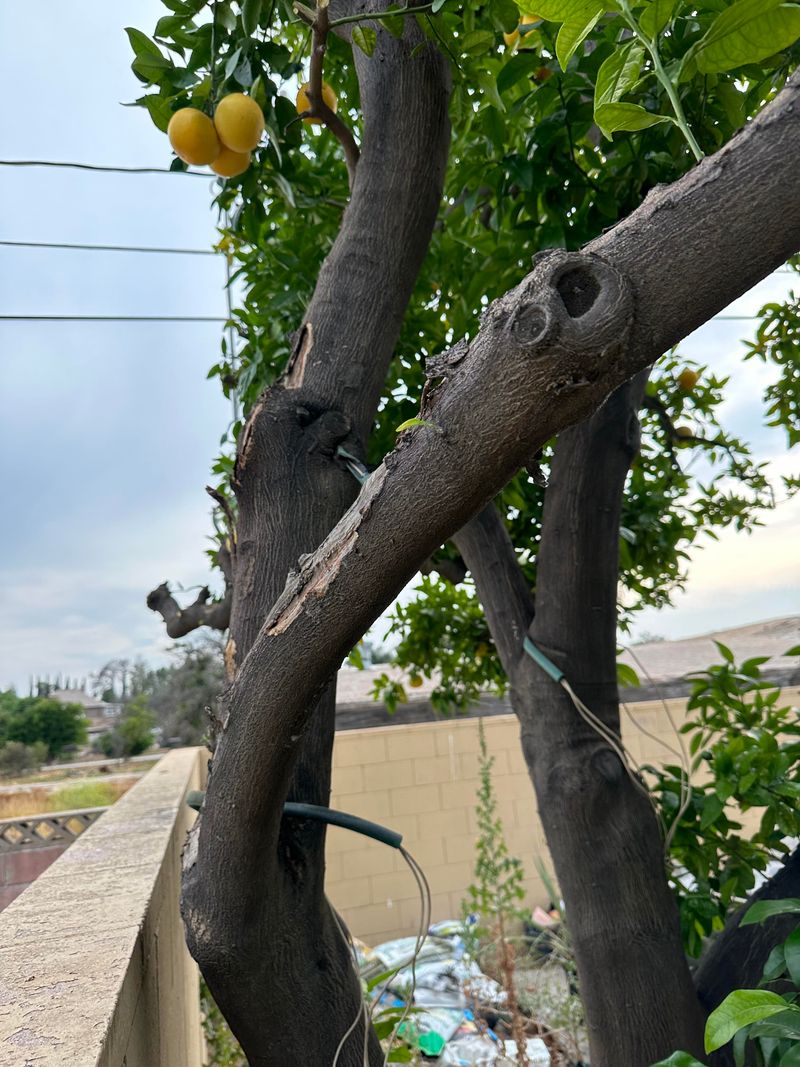
One of the clearest rights homeowners have in California is the right to trim branches that hang over their property.
You do not need your neighbor’s permission to cut back what crosses the property line onto your side. This right has been upheld in courts here for many decades.
However, that right comes with real limits. You can only cut branches up to the property line.
You cannot go over the fence and trim branches on your neighbor’s side, no matter how far they lean. Crossing onto their property to cut without permission is trespassing.
Another important limit is that your trimming must not harm the tree. Courts have ruled that a neighbor who causes serious harm to a tree through aggressive cutting can be held financially responsible.
Cutting roots or major limbs can stress a tree badly, and that could land you in small claims court or worse.
Keep your cuts clean and careful. Use sharp, proper tools designed for the size of branch you are removing.
Ragged cuts can open a tree up to disease and pests, which can travel back to harm the original tree. That harm could be traced back to you.
Trim only what truly hangs over your side, stay on your side of the fence, and document your work with photos before and after. That habit alone can protect you from future disputes.
4. Don’t Cross The Line To Pick Fruit
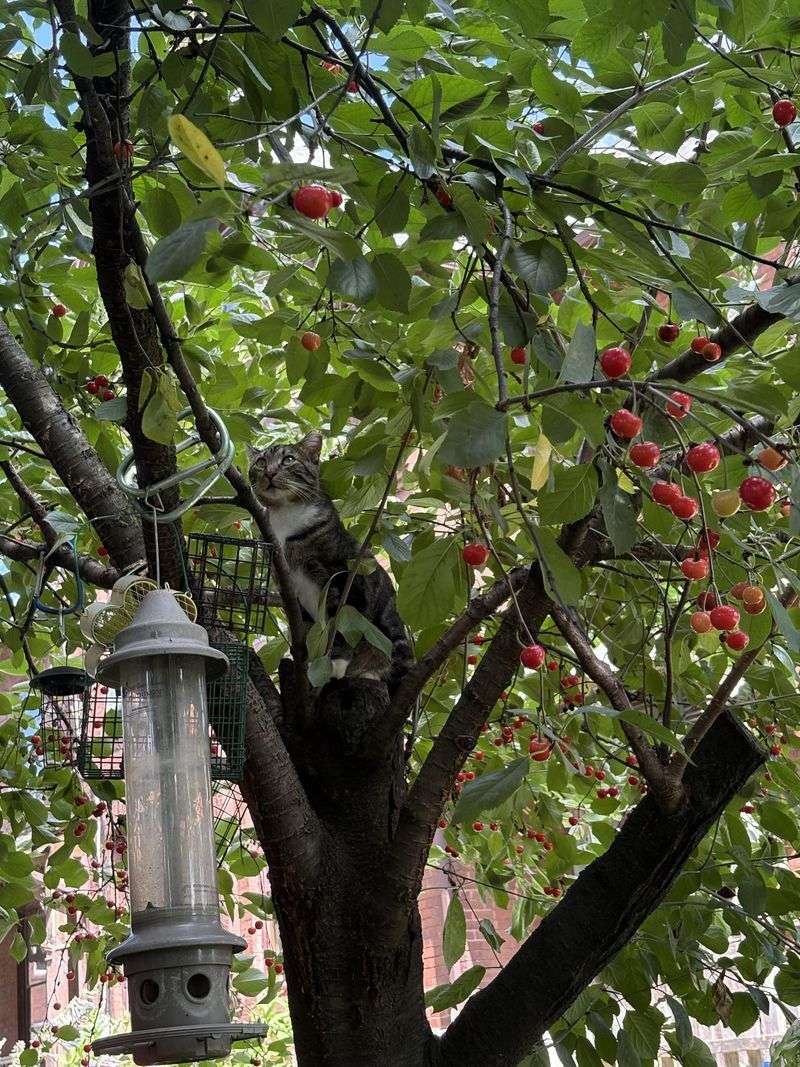
Reaching over or stepping through a fence to pick fruit from a neighbor’s tree is one of the fastest ways to turn a small situation into a legal problem.
Even if the branch hangs right over your yard, the fruit attached to it still belongs to the tree’s owner in most cases.
Picking it without asking is not a gray area in the eyes of many courts. Trespassing is a real concern here.
If you physically cross the property line to grab fruit, even just for a second, you have entered someone else’s land without permission.
California takes property rights seriously, and a neighbor who feels disrespected can file a complaint or pursue civil action.
Even using a long-handled tool to reach fruit on a branch that is technically above your yard could be considered overstepping.
The fruit is still connected to the tree, and that tree belongs to your neighbor. Picking it removes their property without consent.
The simplest fix is also the most obvious one: ask. A polite knock on the door and a short conversation can turn a potential conflict into a shared harvest.
Many neighbors are happy to let fruit go rather than see it rot. Building that goodwill costs nothing and protects you from legal headaches.
Respect the line, keep the peace, and you will likely get more fruit in the long run anyway.
5. Never Damage The Neighbor’s Tree
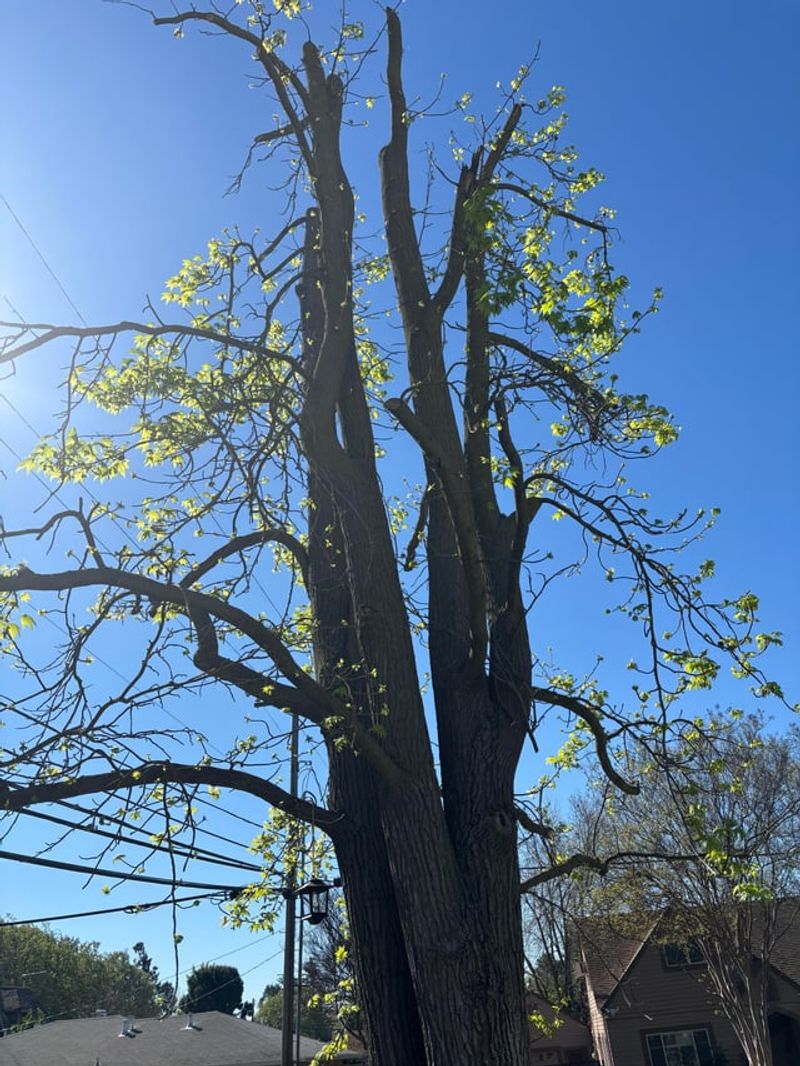
Willfully harming a neighbor’s tree is one of the most serious mistakes you can make in a property dispute. California has laws that protect trees, and the penalties for causing damage can be steep.
In some cases, courts have ordered neighbors to pay two or three times the value of a tree they harmed.
What counts as damage? Cutting too deep into major limbs, severing large roots near the trunk, or using chemicals to weaken a tree all qualify.
Even “over-pruning” on your side of the fence, which means removing so much that the tree cannot survive, can be considered damage. Judges look at the intent and the outcome.
The value of a mature fruit tree is not just what you would pay at a nursery. Courts consider the tree’s age, its fruit production history, and its shade value.
A 30-year-old lemon tree could be valued at thousands of dollars. Harming it carelessly could cost you far more than you expected.
Always err on the side of caution when trimming near the property line. If a branch is large and close to the trunk, think twice before cutting.
A certified arborist can tell you where a safe cut ends and a damaging one begins. Protecting your neighbor’s tree is not just good manners; it is smart legal self-defense.
A little restraint now can save a lot of money later.
6. The Tree Owner Still Owns The Trunk
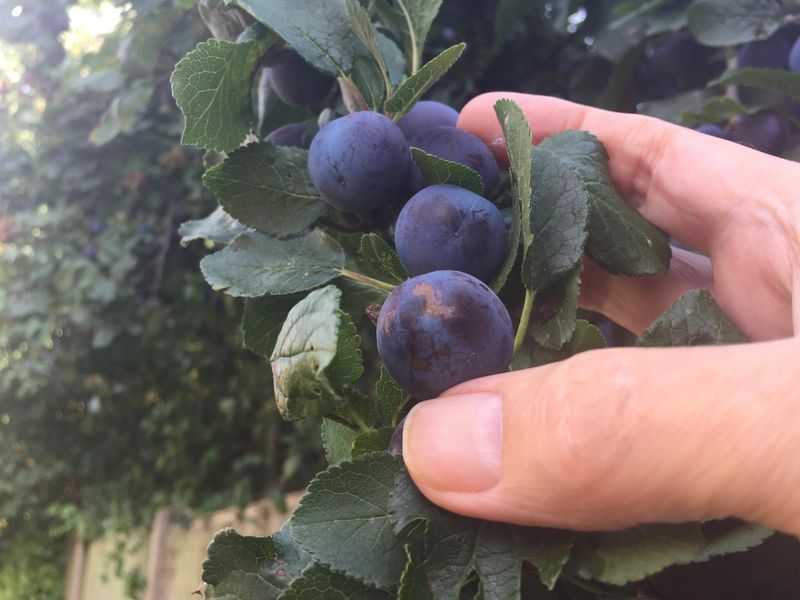
No matter how far a tree’s branches spread into your yard, the person who owns the trunk owns the tree. This is a foundational principle in California’s property law.
Even if you have been mowing around exposed roots for years, that does not give you any ownership claim over the tree itself.
Ownership of the trunk also means the tree owner is responsible for its upkeep in most situations.
If a branch falls and damages your property, you may have a claim against your neighbor, especially if they knew the tree was in poor condition and did nothing about it. Documenting problems in writing is always a wise move.
Some people mistakenly believe that if a tree straddles the property line, both neighbors share ownership. That is only true when the trunk itself sits on the boundary.
If the trunk is entirely on one side, one person owns it, even if the canopy covers both yards completely.
Knowing who owns the trunk helps settle arguments before they start. If you are unsure, check your property survey or call your county assessor’s office.
Getting this fact right early can prevent misunderstandings about who can authorize pruning, who pays for removal, and who is liable for damage.
Ownership of the trunk is the anchor point for every legal question that follows. Start there and the rest becomes much clearer.
7. Line Trees Need Extra Caution
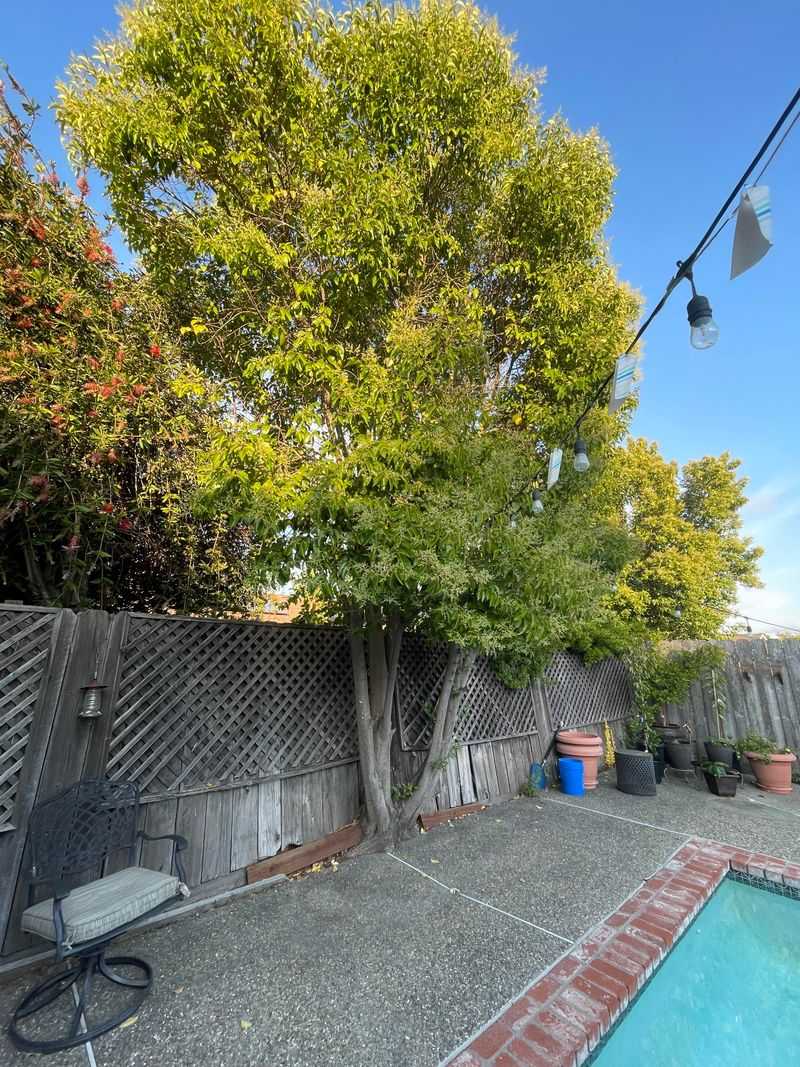
A “line tree” is a tree whose trunk sits directly on the boundary between two properties. In California, both neighbors are considered co-owners of that tree.
That shared ownership changes the rules in important ways. Neither owner can remove or significantly alter the tree without the other’s agreement.
That means you cannot just cut down a line tree because you find it inconvenient. Even trimming major limbs requires cooperation.
If you act alone and cause harm to a line tree, your neighbor has a legal basis to pursue compensation. Courts have sided with tree co-owners in these situations many times.
Line trees are more common than most people realize. Older neighborhoods in northern regions of California often have mature trees that were planted decades ago without much thought about the exact property line.
Over time, a trunk can appear to straddle the fence, making ownership complicated.
If you suspect a tree on or near your fence is a line tree, get a professional survey done before you touch it. Talk to your neighbor openly and agree on any maintenance plan in writing.
A simple written agreement, even just a signed letter, can protect both of you. Shared ownership sounds complicated, but with clear communication it does not have to be.
Treat a line tree like a shared investment that benefits both yards, and you will navigate it just fine.
8. Ask Before Harvesting To Avoid A Fight
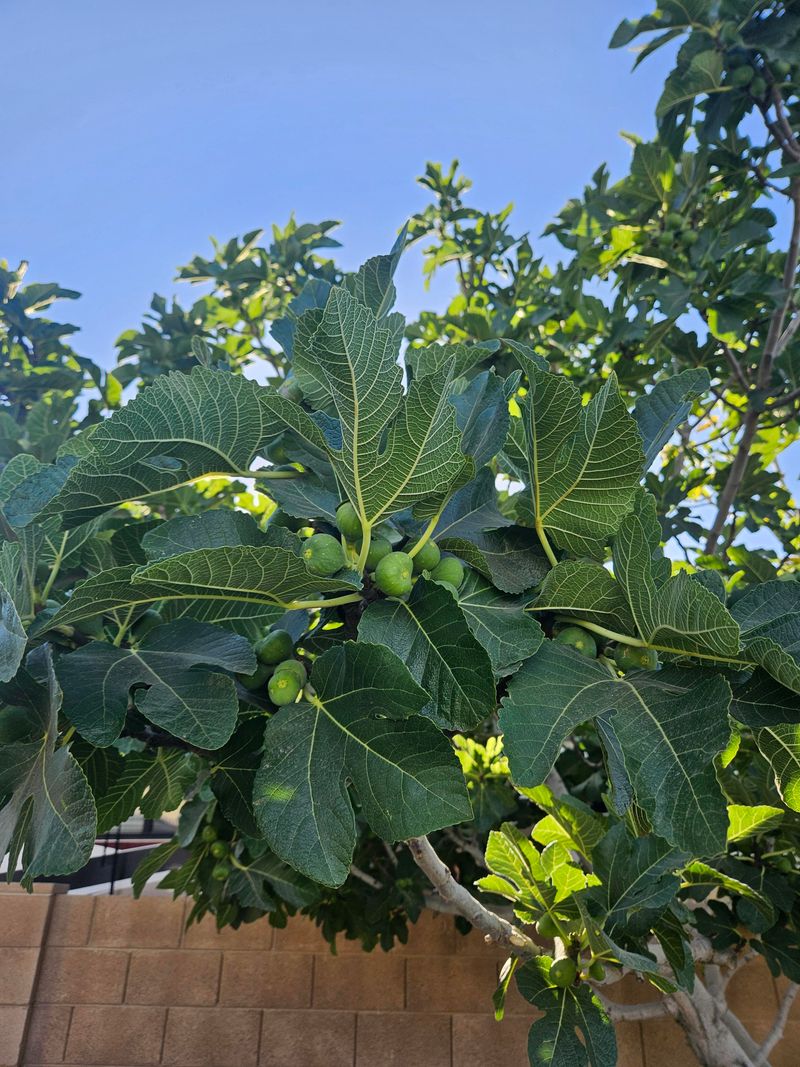
A simple conversation can prevent more legal trouble than any rulebook. Before you harvest a single piece of fruit from a tree near the fence, ask your neighbor first.
Most people are genuinely happy to share, especially when excess fruit would otherwise go to waste. A friendly ask costs nothing and builds goodwill that can last for years.
Skipping that conversation, on the other hand, can turn a small misunderstanding into a real conflict fast.
Even if you believe the law is on your side, a neighbor who feels disrespected may still file a complaint, call the city, or pursue a civil dispute.
Being legally right does not always protect you from the stress and cost of a fight.
When you do ask, keep it casual and positive. Something like, “Hey, I noticed some of your plums are hanging over my side.
Would you mind if I picked them?” goes a long way. You might even offer to split the harvest or share something in return. That kind of exchange builds trust.
In some neighborhoods, particularly in the Central Valley and other fruit-growing areas, informal harvest agreements between neighbors are totally normal.
People share produce, help with pruning, and split costs for tree care without any legal paperwork at all.
That community spirit is worth protecting. A respectful ask is almost always the right first move before anything else.
9. Local Rules May Limit Pruning
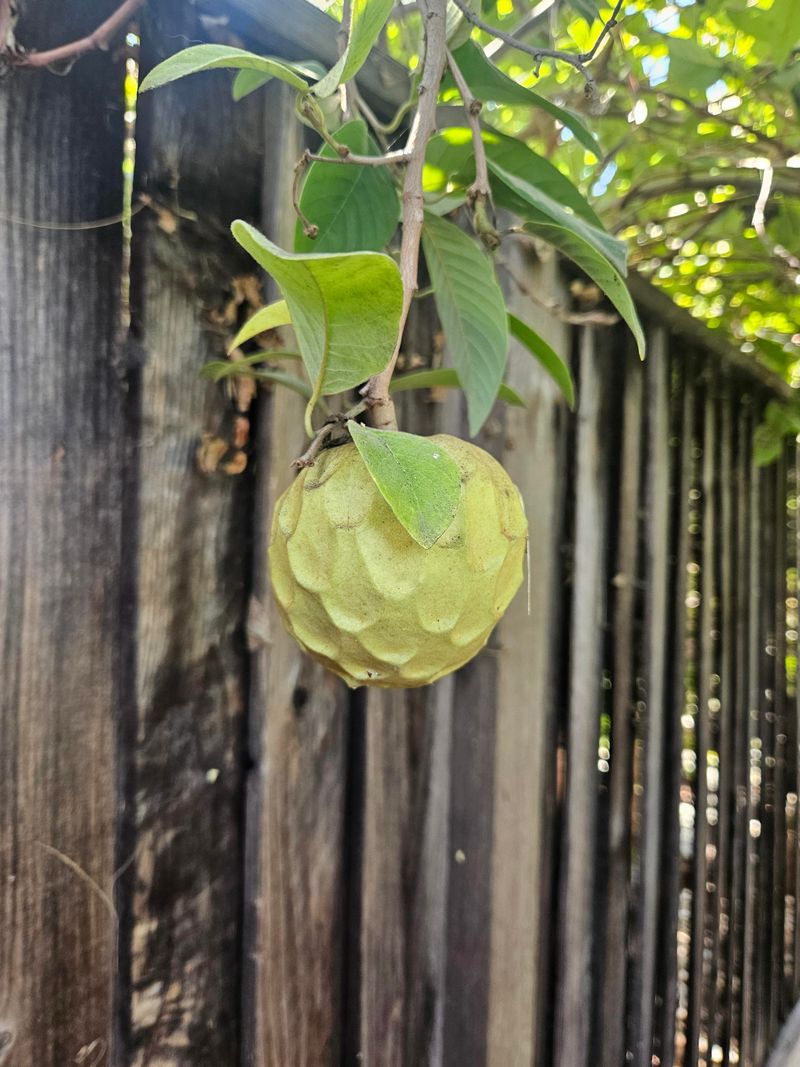
State law sets the general framework, but local rules can add extra layers that homeowners need to know about.
Cities and counties across California have their own tree ordinances, and some of them are surprisingly strict.
What is allowed in one city might be restricted just a few miles away.
Some cities require permits before you remove or heavily prune certain trees, even on private property.
Heritage trees, which are trees designated as historically or environmentally significant, often have extra protections.
Cutting one without a permit can result in fines that run into the thousands of dollars.
In coastal communities and some urban areas, local tree canopy goals influence how aggressively the city enforces its tree codes.
A neighbor’s complaint about your pruning could trigger an inspection by city staff. That is not a comfortable position to be in, especially if you did not check the rules first.
Before you pick up any saw or loppers near a large overhanging branch, call your city’s planning or public works department. Ask specifically about tree trimming ordinances for private property.
Many cities post their codes online, making it easy to check from home. Spending ten minutes reading local rules is a much better use of your time than spending months dealing with fines or neighbor complaints.
Local regulations are not optional, and they can surprise even experienced homeowners.