Why California Citrus Leaves Curl In July And What The Plant Is Actually Trying To Tell You
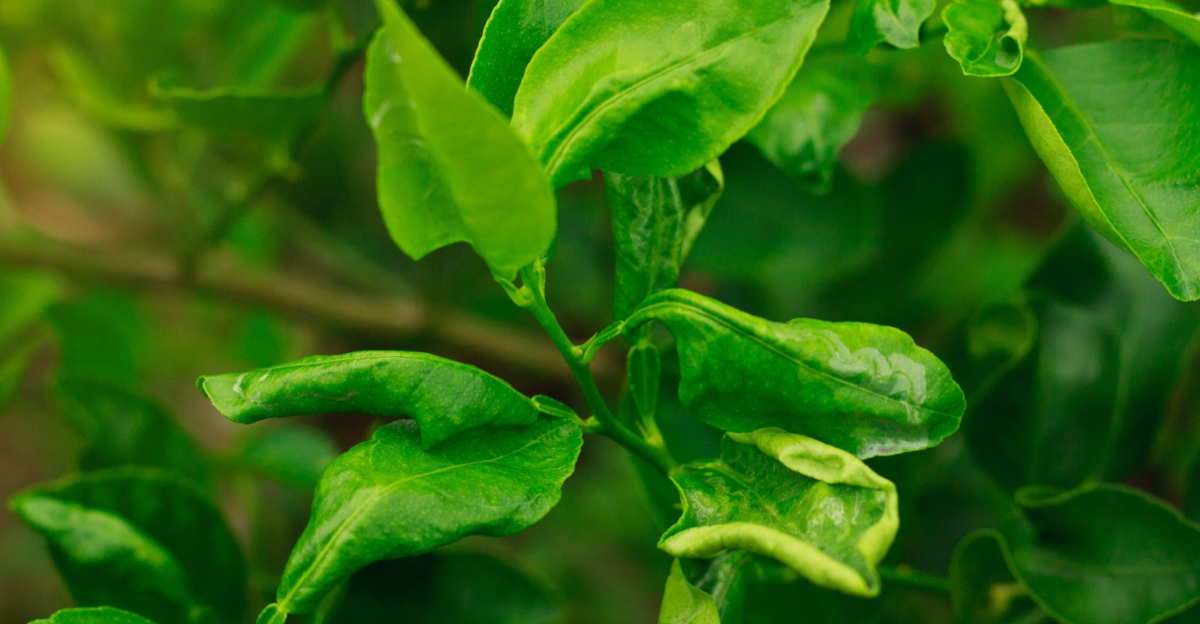
Curled citrus leaves in July have a way of turning a perfectly pleasant California morning into a mild panic. The tree looked completely fine last week.
Now something is clearly off and you have absolutely no idea where to start. Here is the thing though: curled leaves are not a single problem with a single fix.
They are more like a message, and the curl pattern itself is usually the most important clue you have.
Hot weather, dry soil, uneven watering, container heat, aphids, citrus leafminer, Asian citrus psyllid, and thrips can all cause leaves to curl, but they tend to do it in slightly different ways.
California summers put serious pressure on backyard citrus, and reaching for the hose or a spray bottle before you know what you are actually dealing with can sometimes make things worse. Slow down and read the plant first.
1. July Heat Is Pushing Water Loss
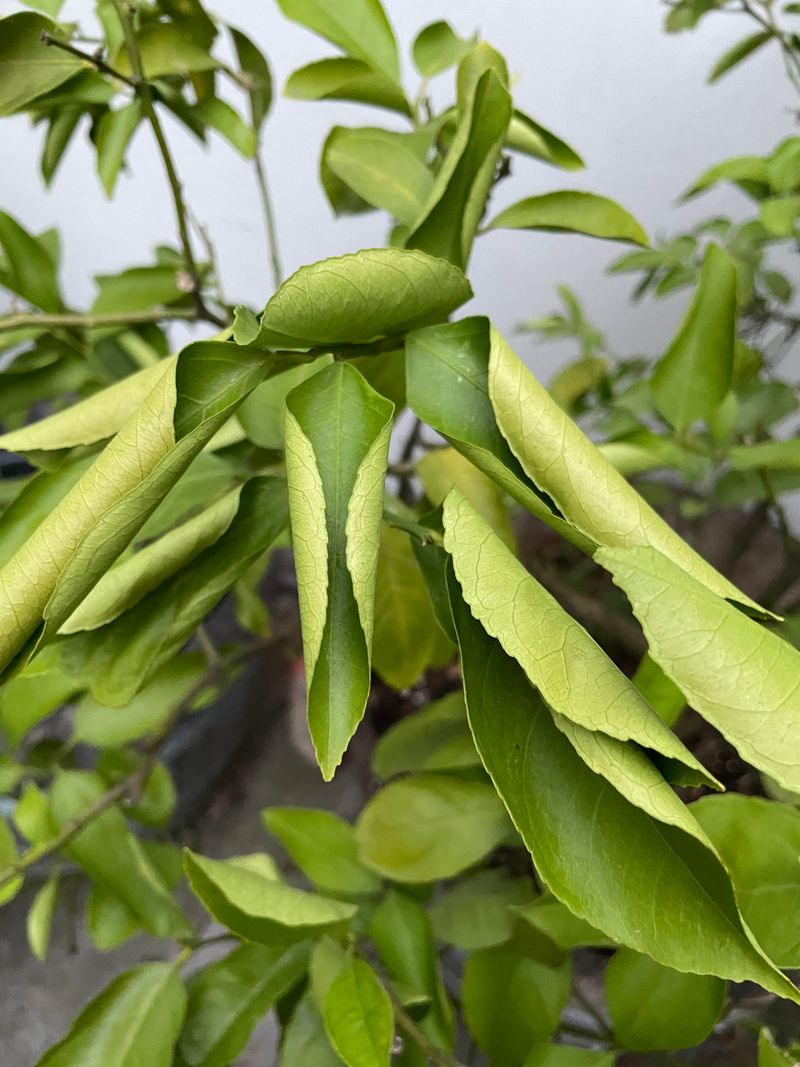
Temperatures that push past 95 degrees Fahrenheit in California’s inland valleys can trigger leaf curl on citrus faster than most gardeners expect.
When the air is that hot and dry, a citrus tree loses water through its leaves faster than the roots can pull moisture up from the soil.
The leaf curls inward along its length as a survival response – reducing the surface area exposed to the sun and slowing down water loss.
In coastal California, this kind of heat curl is less common, but inland areas including the Central Valley, Inland Empire, and parts of the Bay Area foothills can see it regularly in July.
The curling usually appears across the whole canopy rather than on just a few branches, and the leaves may feel slightly soft or limp rather than crisp.
Watering deeply in the early morning hours gives roots time to absorb moisture before the heat peaks. Mulching the root zone with a few inches of wood chips helps the soil hold that moisture longer.
If the tree perks back up by evening once temperatures drop, heat-driven water stress is very likely the cause.
2. Dry Soil Is Stressing The Root Zone
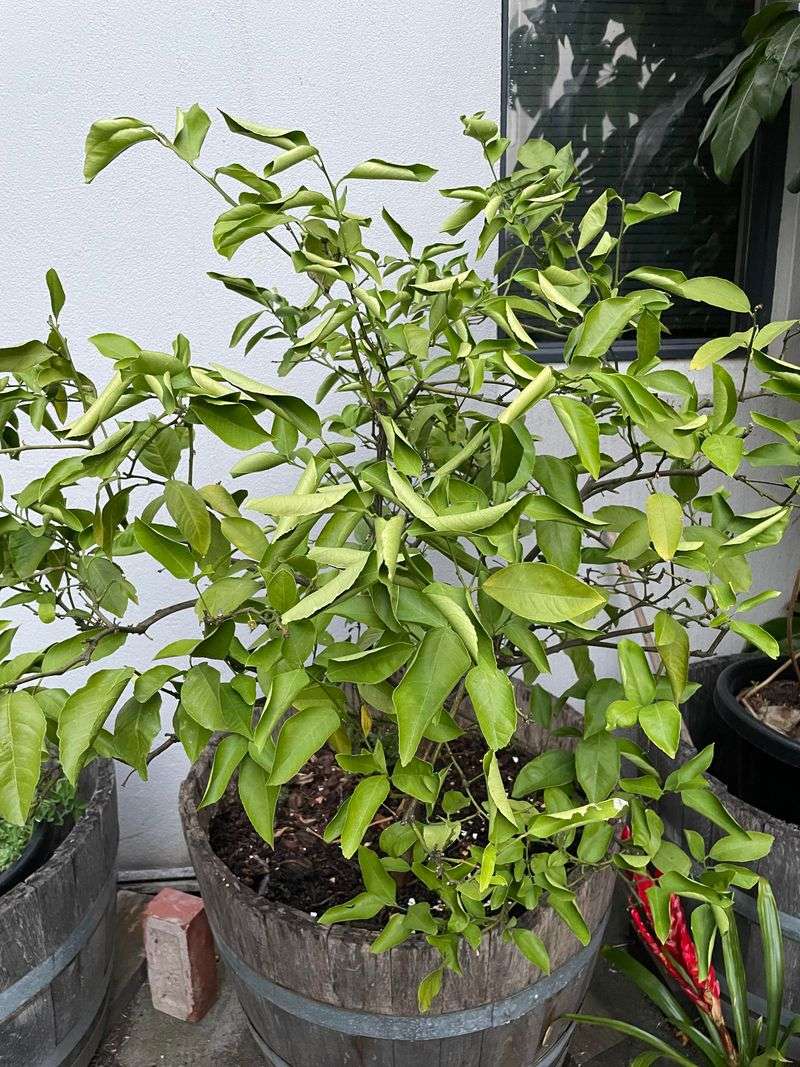
Reaching down and pressing your fingers two inches into the soil beneath your citrus tree can tell you more than any symptom chart. Dry, powdery soil at root depth is a strong signal that the tree is not getting enough water to meet its July demands.
Citrus roots are relatively shallow and spread outward rather than downward, which means surface soil conditions matter more than many gardeners realize.
In California’s dry season, which runs roughly from late spring through early fall, backyard citrus depends entirely on irrigation. Natural rainfall offers almost no help during this stretch.
Trees growing in sandy or fast-draining soil may need water more often than those in heavier clay soil, which holds moisture longer but can also compact and repel water when it dries out completely.
Leaves curl downward and inward when root-zone moisture drops too low for too long. Young trees and recently planted citrus are especially sensitive because their root systems have not spread wide enough to access deeper reserves.
Your California Garden Changes Every Week. Your Plan Should Too.
Gardening in California changes quickly throughout the season. Every Friday you’ll receive a simple weekly plan showing exactly what to plant, prune, fertilize, harvest, and protect so you never miss the right timing.
Watering slowly and deeply, allowing moisture to soak down through the full root zone rather than just wetting the surface, gives the tree a much better chance of recovering quickly.
3. Uneven Watering Is Confusing The Tree
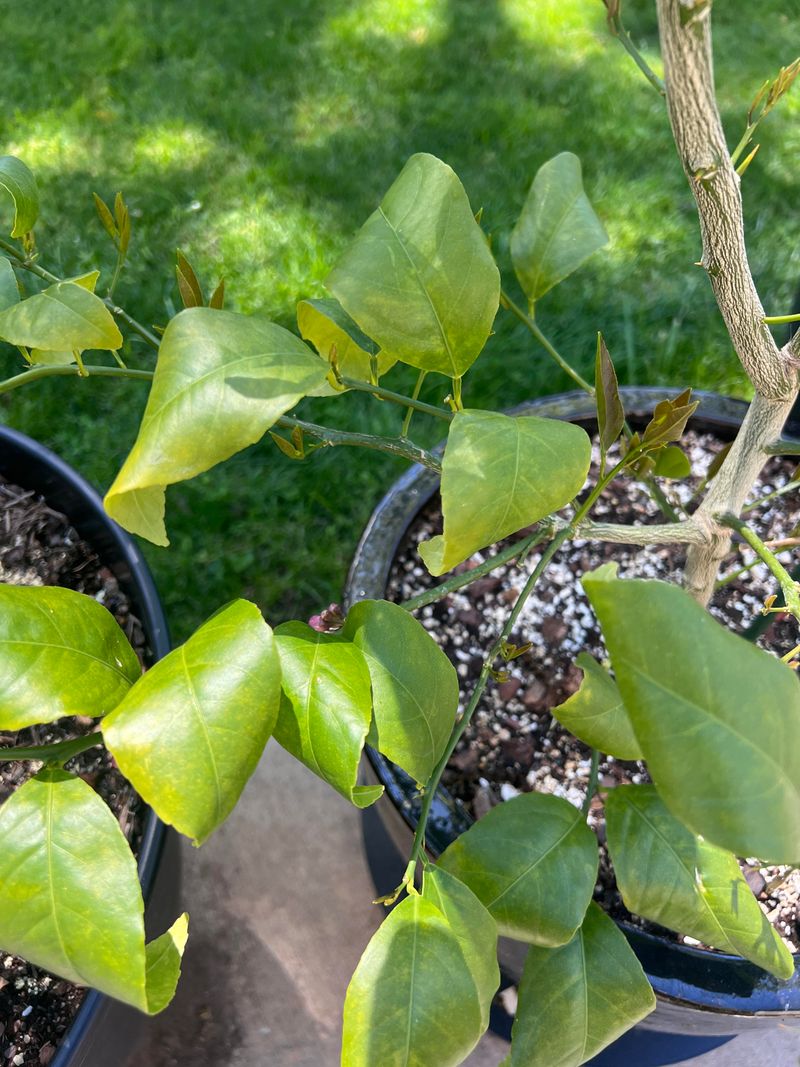
Skipping a watering day and then flooding the root zone to compensate is one of the more common mistakes California home gardeners make with citrus in summer. Citrus trees respond poorly to feast-or-famine moisture cycles.
When soil dries out between waterings and then gets saturated all at once, the roots struggle to regulate water uptake consistently, and the tree may show leaf curl even when the soil seems moist on the day you check it.
Drip irrigation systems can develop clogged emitters or uneven pressure over time, leaving parts of the root zone drier than others. A tree getting water on only one side of its canopy may curl leaves on the drier side while looking fine everywhere else.
Checking each emitter periodically during July is a simple but worthwhile habit.
Hand-watering with a hose often wets the soil surface without reaching the depth where most feeder roots are active.
Running water slowly for a longer period, or using a soil probe to check moisture at six to eight inches deep, helps confirm whether the root zone is actually getting what the tree needs.
Consistent, deep watering tends to produce more stable results than frequent shallow applications.
4. Container Citrus Is Heating Up Too Fast
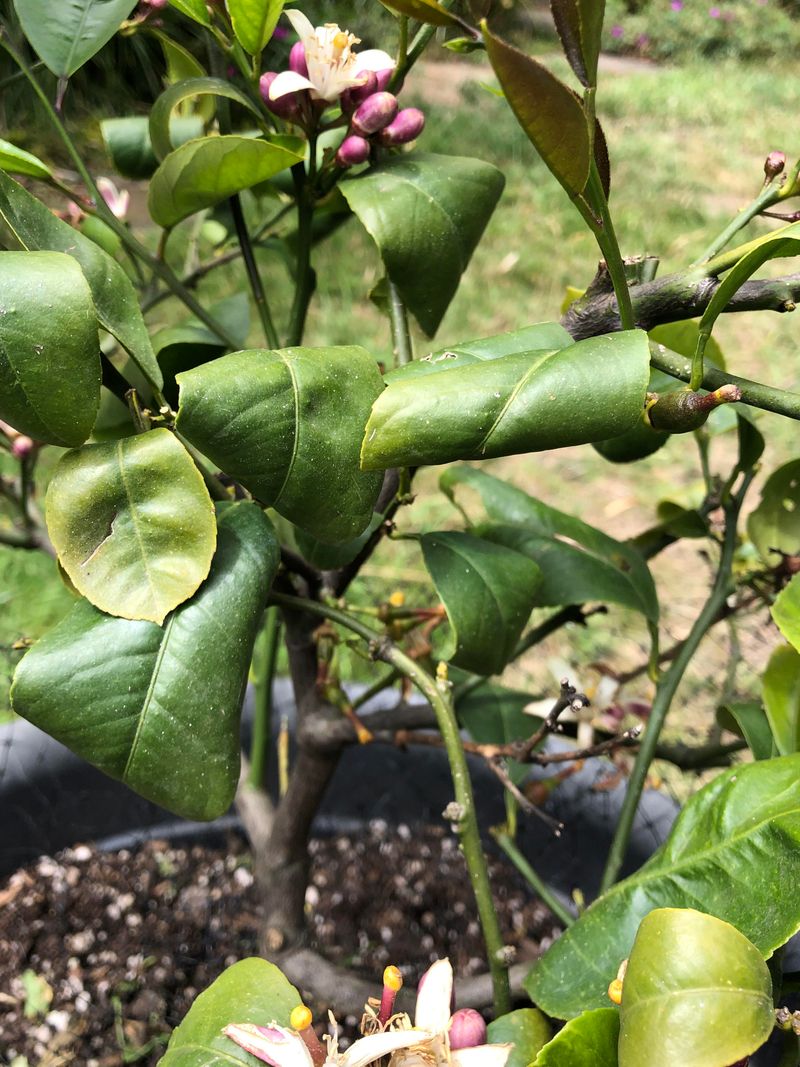
Concrete patios in California can reach surface temperatures well above 130 degrees Fahrenheit on a July afternoon, and any container sitting directly on that surface is absorbing heat from below as well as from the sun on all sides.
Potted citrus roots have nowhere to escape that heat.
When root-zone temperatures climb too high, water uptake slows even if the soil feels moist, and leaves begin to curl as the tree tries to manage the stress.
Dark-colored containers absorb more heat than light-colored ones, making the problem worse in full sun. Small containers dry out much faster than large ones, sometimes needing water more than once a day during a California heat wave.
Gardeners often underestimate how quickly a five-gallon pot can go from adequately moist to bone dry on a hot afternoon.
Moving containers to a spot with afternoon shade during July can reduce heat stress significantly without depriving the tree of the morning sun it needs.
Placing pots on wooden platforms or pot feet raises them off hot concrete and allows some airflow beneath the container.
Watering in the early morning rather than midday gives roots a better opportunity to absorb moisture before peak heat arrives.
5. Aphids Are Curling Tender New Growth
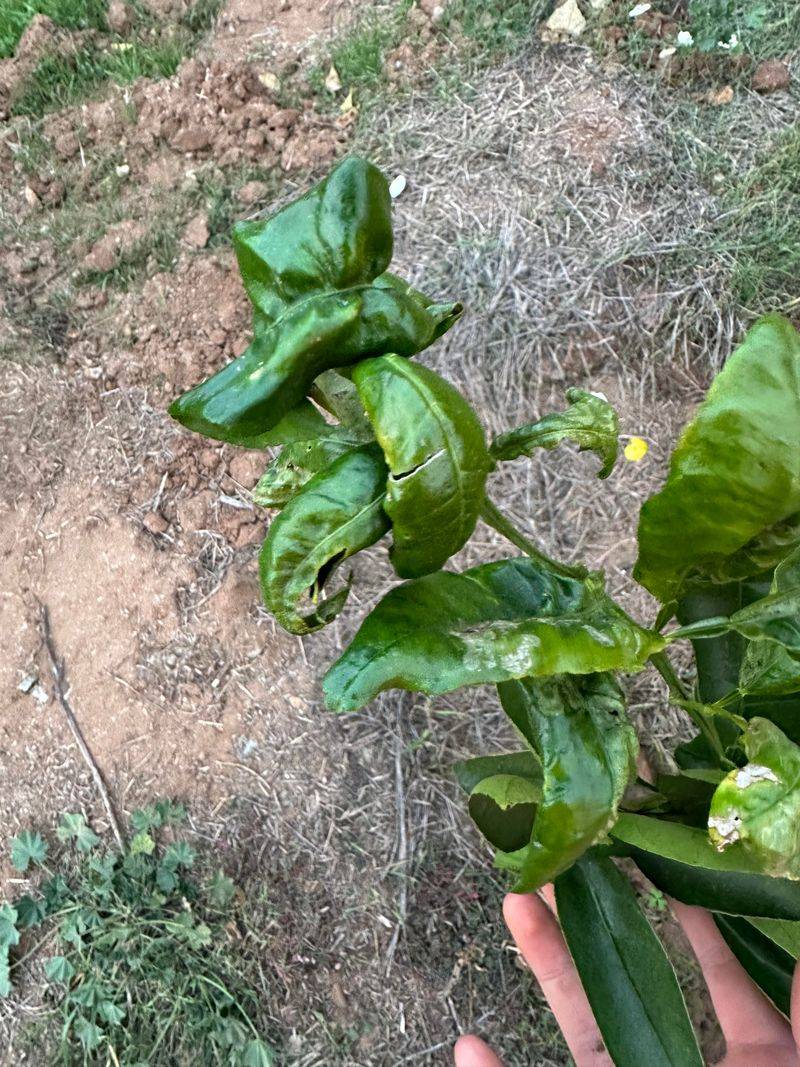
Soft, freshly emerged citrus shoots are exactly what aphids are looking for in a California garden, and July often brings a new flush of tender growth that these insects colonize quickly. Aphids feed by piercing young leaf tissue and drawing out plant sap.
That feeding pressure causes new leaves to curl tightly, pucker, and sometimes twist in ways that look alarming up close.
Checking the undersides of curled new leaves and along soft green stems is the best way to confirm aphids. They tend to cluster in groups rather than spreading out individually, and you may also notice a shiny, sticky residue on leaves below the infestation.
That sticky substance is called honeydew, and it can attract ants that actually protect aphid colonies from natural predators.
A firm spray of water from a garden hose can dislodge aphids from new growth without harming the tree. Repeating this every few days tends to reduce populations noticeably.
Beneficial insects including ladybugs and lacewings help keep aphid numbers in check when they are present in the garden.
Avoiding broad-spectrum insecticide sprays helps protect those natural predators, which do a lot of quiet work keeping aphid populations from getting out of hand.
6. Citrus Leafminer Is Distorting Fresh Leaves
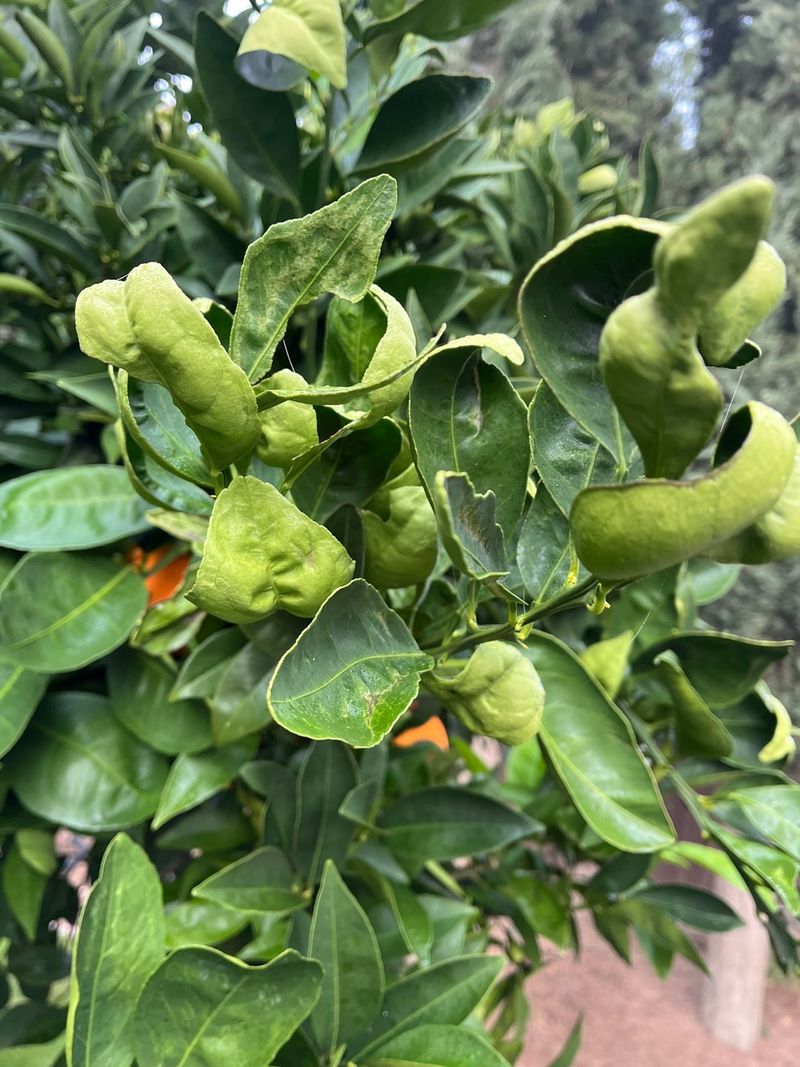
Silvery, winding trails etched into the surface of young citrus leaves are one of the most recognizable signs in a California backyard garden.
Citrus leafminer is a tiny moth whose larvae tunnel through the upper layer of new leaf tissue, leaving those distinctive serpentine marks behind.
The feeding causes leaves to curl along their edges and sometimes roll into tight tubes as the damage progresses.
Only new, tender growth is vulnerable – mature, fully hardened leaves are not affected by leafminer larvae. This means the damage appears primarily during flush periods when the tree is pushing out fresh shoots.
In California, citrus trees can flush multiple times from spring through fall, giving leafminer several windows of opportunity throughout the warm season.
The cosmetic damage can look dramatic, but healthy established trees generally tolerate leafminer without serious long-term effects.
Young trees under three years old may be more affected because a higher proportion of their canopy is made up of new growth at any given time.
Avoid encouraging excessive new flushes with heavy nitrogen fertilizer during summer, since lush new growth tends to attract leafminer more than balanced, steady growth does. Patience and monitoring are usually the most practical approach for backyard trees.
7. Asian Citrus Psyllid Needs Immediate Attention
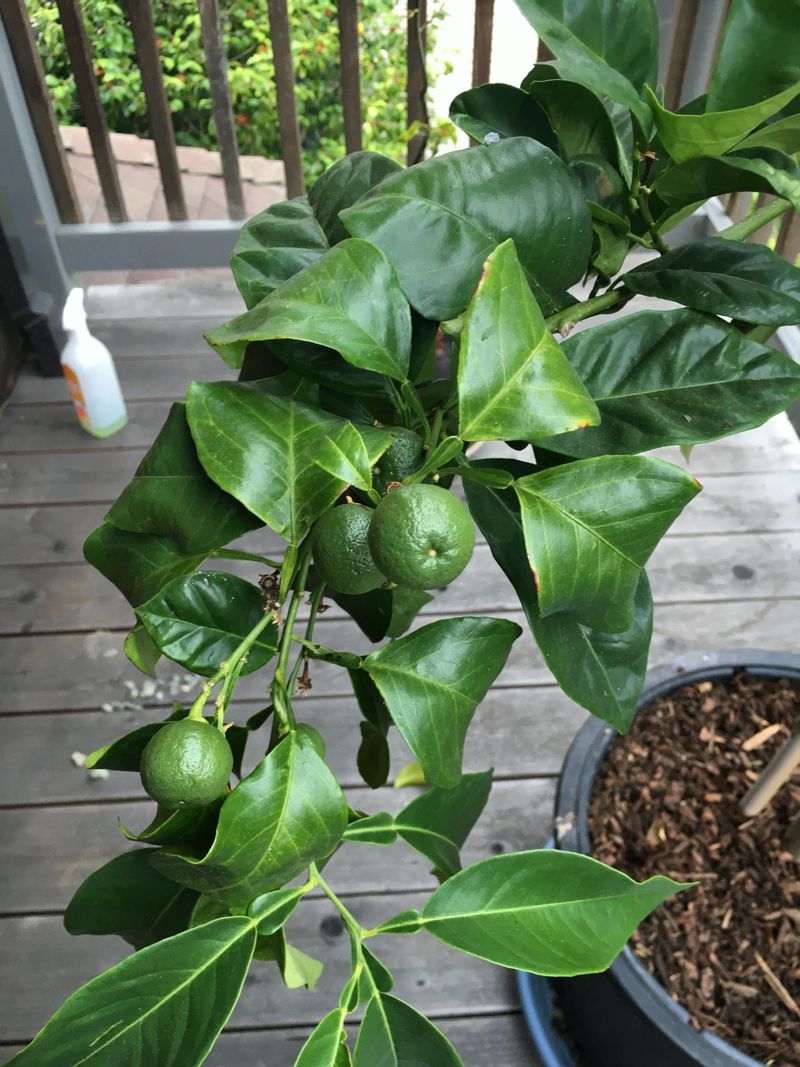
Waxy, white, tubular deposits curled around the tips of new citrus growth are one of the warning signs that California gardeners need to know well.
Asian citrus psyllid nymphs produce these distinctive waxy threads as they feed on tender new shoots, and the feeding itself causes young leaves to curl and distort in ways that can look similar to other pest damage at first glance.
What makes Asian citrus psyllid a serious concern in California is its potential to spread huanglongbing, a bacterial disease that has caused severe damage to citrus in other parts of the country and world.
California has been working actively to manage psyllid populations and prevent the disease from becoming established in backyard and commercial orchards alike.
Not every psyllid sighting means the disease is present, but the pest should still be taken seriously.
If you notice the waxy tubes, distorted new growth, and small yellowish-orange insects on your citrus, contact your local county agricultural commissioner or UC Cooperative Extension office rather than attempting to treat the problem on your own.
Early reporting and proper identification genuinely matter in California, where protecting the state’s citrus from this disease is an ongoing and community-wide effort.
Avoid moving citrus plant material between locations.
8. Thrips Can Distort Young Leaves
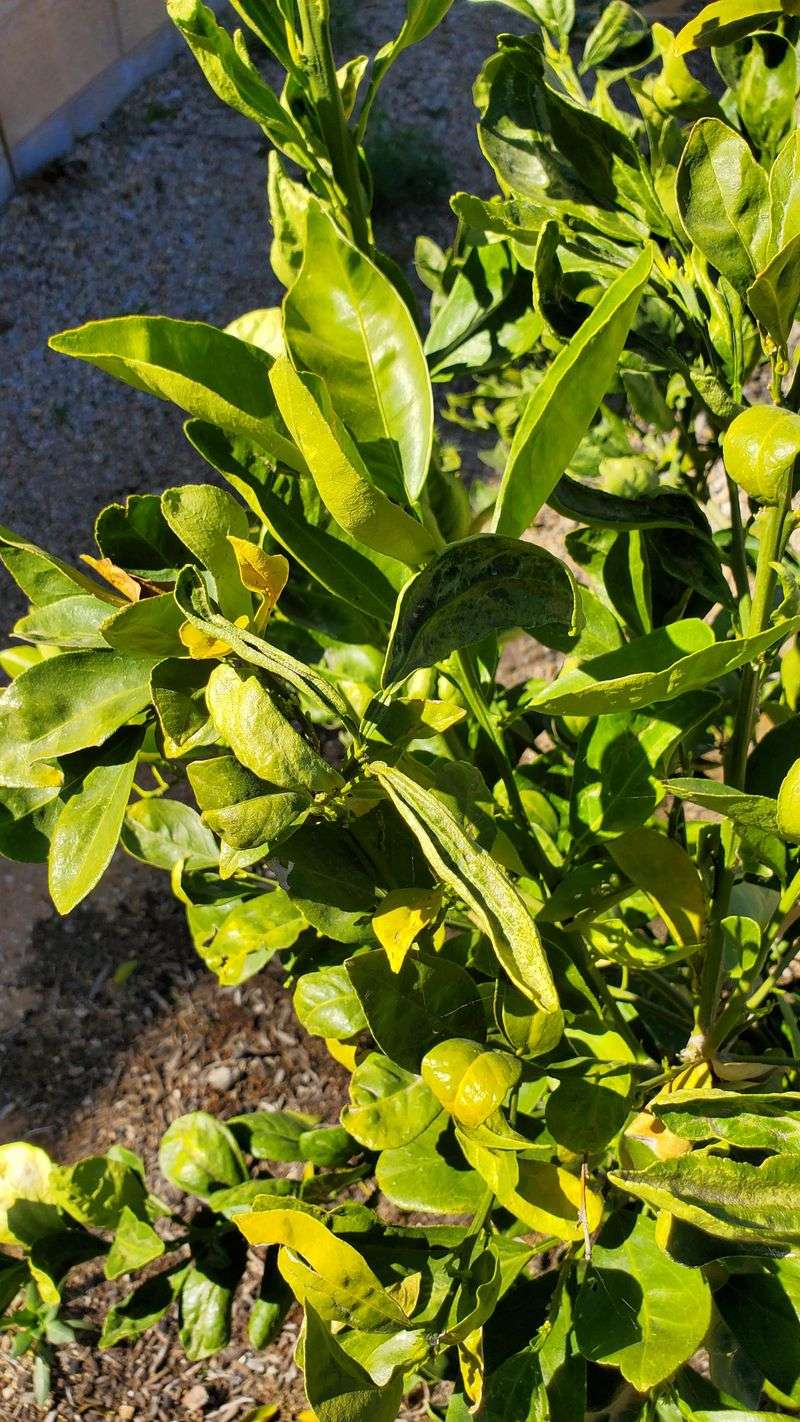
Scarred, silvery-looking patches along the edges or surfaces of young citrus leaves can point toward thrips feeding. Thrips are tiny, slender insects that rasp the surface of tender plant tissue and feed on the cell contents released.
The damage leaves behind a roughened, discolored appearance, and affected young leaves may curl or curl slightly at the margins as the tissue hardens unevenly.
In California, citrus thrips activity tends to peak during warm, dry conditions – which describes much of July across inland and valley areas.
Fruit surfaces on young developing citrus can also show scarring from thrips feeding, appearing as a silvery or tan ring near the stem end of the fruit.
Leaf damage alone rarely causes serious harm to a healthy, established tree.
Checking new growth carefully under good lighting, or using a hand lens for a closer look, helps confirm whether thrips are present. The insects themselves are small enough that they can be easy to miss without magnification.
Natural predators including certain mite species and minute pirate bugs help keep thrips populations in check in gardens that are not regularly treated with broad-spectrum sprays.
Keeping trees healthy and well-watered through July tends to reduce the overall impact of thrips feeding on new growth.
9. Wind And Hot Sun Are Increasing Stress
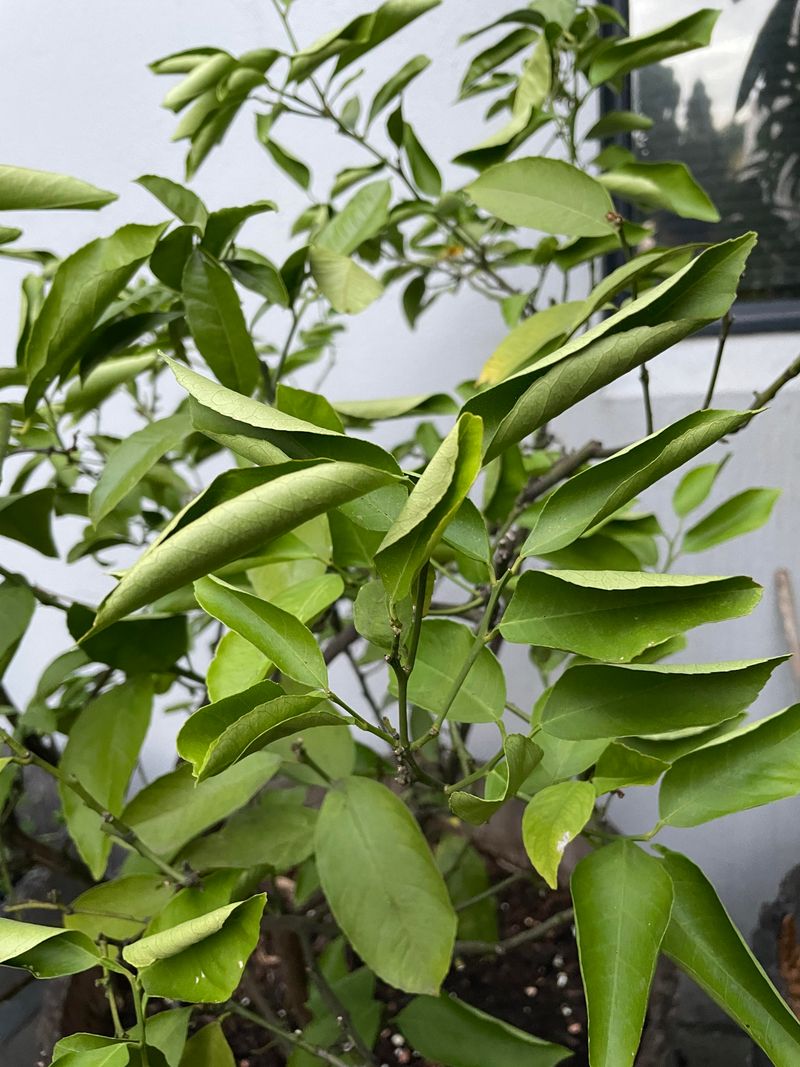
Hot, dry winds are a familiar part of summer in many parts of California, and citrus trees feel their effects quickly.
Wind accelerates water loss from leaves even when temperatures are only moderately high, and when hot wind combines with full afternoon sun exposure, the stress on a backyard citrus tree can be significant.
Leaves may curl along their length, point downward, or droop during the hottest and windiest parts of the day.
West-facing and south-facing trees often receive the most intense afternoon sun exposure and tend to show more stress symptoms during July than trees planted on the east or north side of a structure.
Reflected heat from walls, fences, or pavement nearby adds to the overall heat load the tree is managing.
Young trees with thin bark and small canopies are particularly sensitive to these conditions.
Providing some afternoon shade with a shade cloth during extreme heat events can help reduce stress without eliminating the sunlight the tree needs.
Windbreaks made of fencing, hedging, or nearby structures can reduce wind exposure for container citrus on patios.
Watering more frequently during windy periods helps compensate for the increased water loss, and checking the soil moisture more often than usual during July heat waves gives you a better picture of what the tree actually needs.
10. The Curl Pattern Is Telling You Where To Look
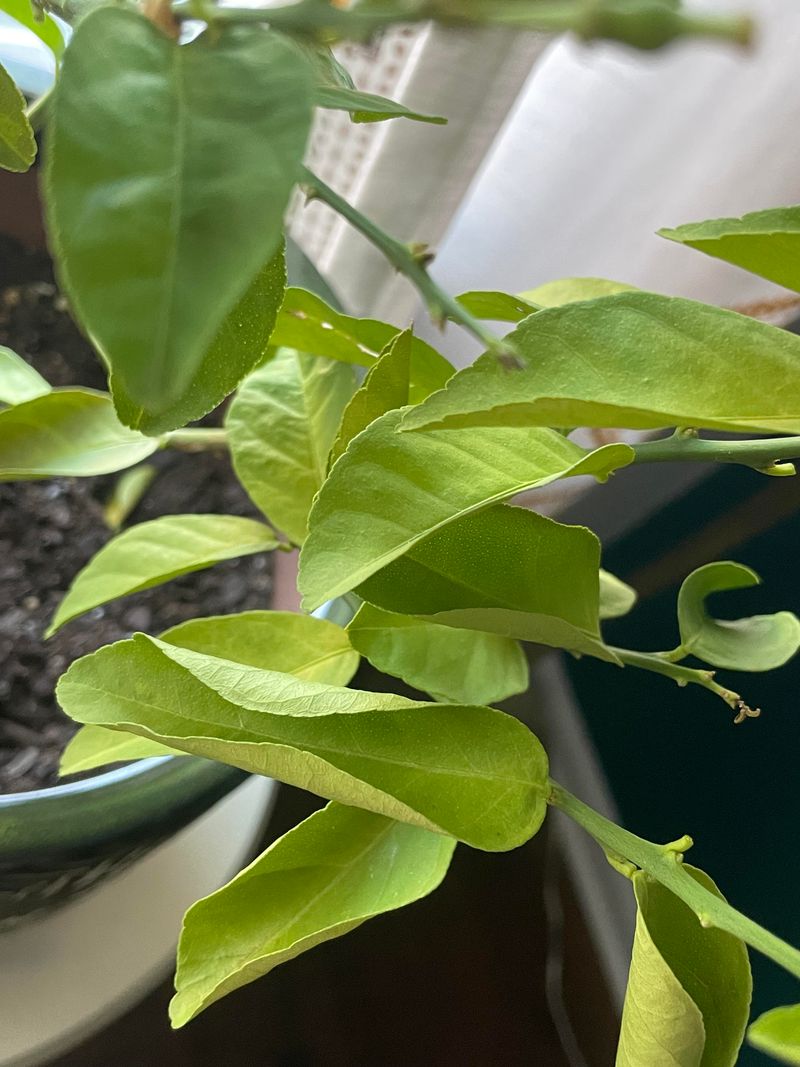
Not all leaf curl looks the same, and paying attention to the specific pattern can save a lot of guesswork. Whole-canopy curl that relaxes in the evening tends to point toward heat or water stress.
Curl concentrated on new shoot tips with sticky residue underneath suggests aphids. Silvery trails etched into young leaves with curled edges point toward leafminer.
Waxy white tubes on new growth tips call for a closer look and possibly a report to local authorities.
Checking both the top and underside of affected leaves is a habit worth building before July is over. Many pest issues hide on the underside of leaves or along stems where they are easy to miss during a quick visual scan from a distance.
A simple hand lens or even a smartphone camera zoomed in close can reveal details that are invisible to the naked eye from arm’s length.
Working through the possible causes in a logical order – starting with water and heat, then checking for pests – tends to produce clearer answers than treating for everything at once.
California citrus is resilient and can handle a surprising amount of summer stress with the right support.
Reading the curl pattern carefully before reacting gives you a much better chance of addressing the real issue rather than the symptom.