The California Yard Mistakes That Make Grasshopper Damage Worse In Dry Weather
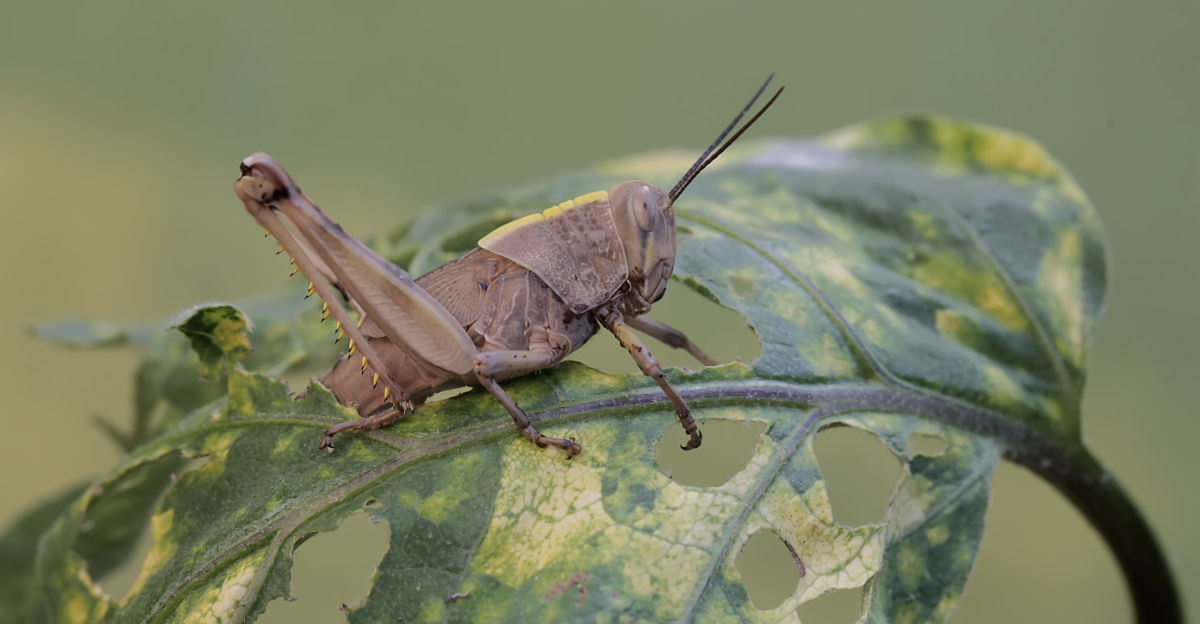
Dry weather has a way of turning grasshoppers into tiny landscaping critics with knives for mouths. In California yards, the damage can seem to explode overnight, especially when plants are already stressed.
One day the garden looks fine. The next, leaves are shredded, edges are chewed, and everything feels unfair.
The twist is that grasshoppers are not always the only problem. Certain yard habits can make their damage look worse and spread faster.
Those habits may seem normal during a dry spell, which is exactly why they get missed. Before you blame bad luck or launch into full pest-control panic, take a closer look at what your yard is accidentally encouraging.
A few smarter choices can help plants hold up better when the weather and the grasshoppers both get rude.
1. Weedy Borders Become Grasshopper Launch Pads
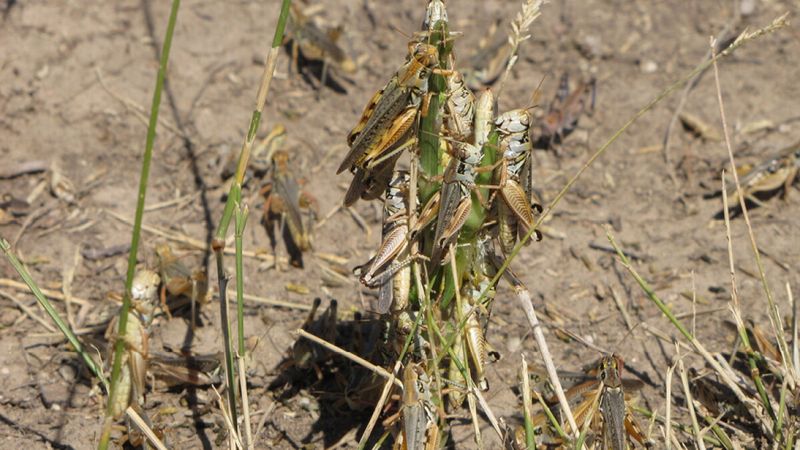
Weedy borders are basically a welcome mat for grasshoppers. When the edges of your yard are packed with wild grasses and broadleaf weeds, you are giving grasshoppers exactly what they need to breed and feed before moving into your garden.
Grasshoppers lay their eggs in dry, undisturbed soil near weedy patches. When those eggs hatch, the young insects start feeding right where they were born.
They build up their numbers in the weedy border before making their way into your garden beds.
Clearing weedy borders removes that early feeding zone. Mow or pull weeds along your fence lines, property edges, and garden borders at least once a month during summer.
Keep a clean, dry buffer zone of bare soil or gravel between wild areas and your planted beds.
Even a two-foot clearing can slow down grasshopper movement. Pair that with regular checks so new weed growth doesn’t sneak back in.
In drier inland areas of California, weeds along borders dry out fast and become even more attractive to grasshoppers looking for any green food source they can find.
Don’t ignore the corners of your yard either. Grasshoppers love to cluster in sheltered spots where weeds grow thick.
Staying on top of border weeds is one of the simplest and most effective things you can do to reduce grasshopper pressure all season long.
2. Waiting Too Long Makes Damage Spread
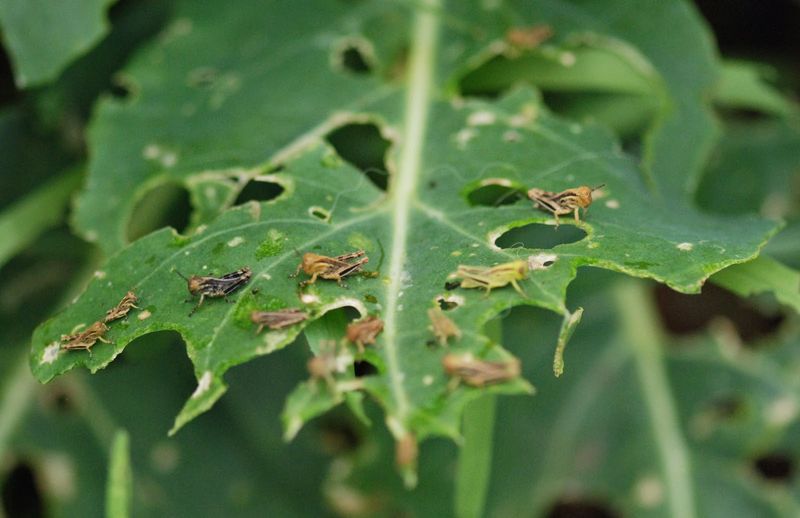
Most people wait until their plants look terrible before they do anything about grasshoppers.
By that point, the insects have already spread through the yard and are feeding on multiple plants at once. Acting early is always more effective than reacting late.
Grasshoppers feed heavily and move fast. A small group can strip a plant in just a few days during hot, dry weather.
Once they finish one plant, they simply move to the next one. Waiting too long means you are always playing catch-up.
Check your yard at least twice a week during peak summer months. Look at the undersides of leaves, along stems, and near the soil surface.
Early signs include small ragged holes in leaves and chewed leaf edges. Catching these signs early gives you time to respond before numbers grow.
Your California Garden Changes Every Week. Your Plan Should Too.
Gardening in California changes quickly throughout the season. Every Friday you’ll receive a simple weekly plan showing exactly what to plant, prune, fertilize, harvest, and protect so you never miss the right timing.
In the hot inland regions of California, grasshoppers are most active in the morning and late afternoon.
Doing your checks during those times gives you the best chance of spotting them in action. Once you see feeding damage, take action the same day.
Removing visible grasshoppers by hand, applying organic sprays, or setting up barriers right away can stop a small problem from becoming a big one.
Speed matters more than perfection when it comes to grasshopper control in dry weather.
3. Tall Fence-Line Grass Gives Them Cover
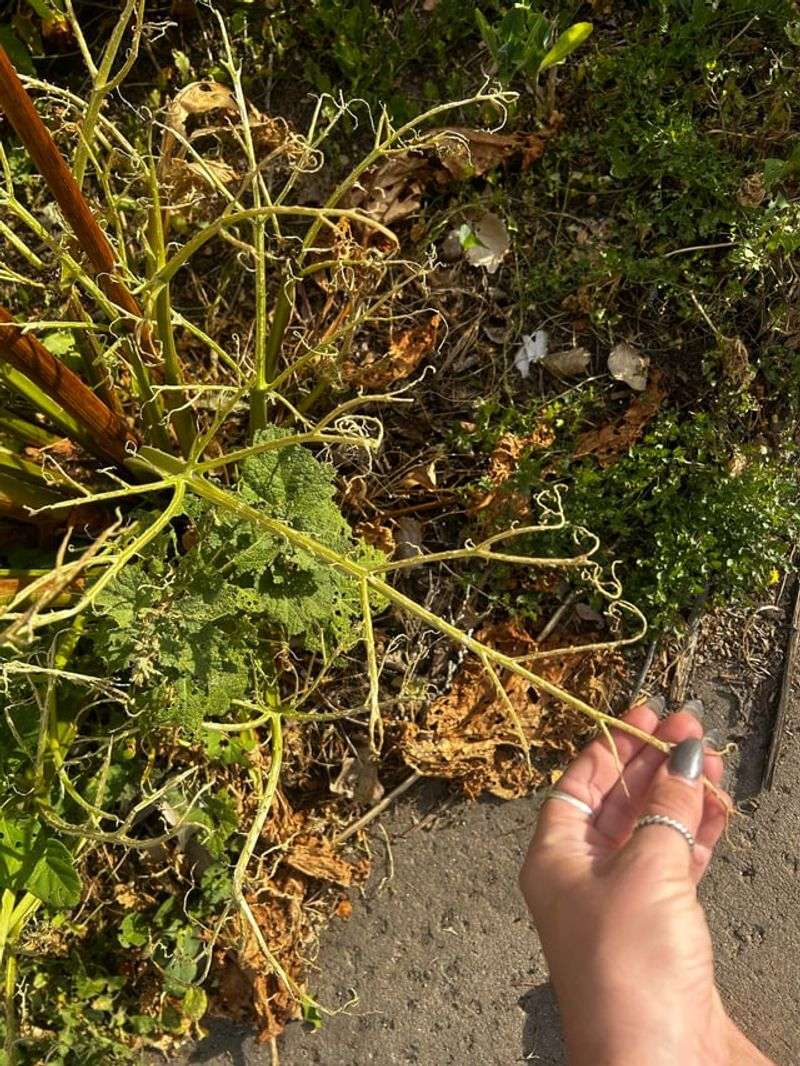
Long grass along your fence line is one of the most overlooked grasshopper problems in yards across California. Tall grass provides shade, shelter, and food all in one spot.
Grasshoppers hide there during the hottest parts of the day and then move into garden beds when temperatures cool slightly.
Fence lines are easy to forget because they’re out of the way. But that’s exactly why they become such a strong grasshopper zone.
The grass grows tall, stays undisturbed, and creates a protected corridor that runs right along the edge of your property.
Keeping fence-line grass trimmed short removes that shelter. Aim to keep grass along fences under four inches tall throughout the summer.
If you have a lot of fence line to manage, a string trimmer makes the job fast and easy. Do it regularly, not just once at the start of the season.
In areas with strong summer winds, like the foothills and inland valleys of California, grasshoppers use fence-line grass as windbreaks too. Tall grass near fences gives them a calm, protected place to rest and breed without much disturbance.
Removing that comfort zone forces grasshoppers to stay in more exposed areas where they are less likely to settle in large groups. Trimmed fence lines also make it easier to spot grasshoppers when you do your regular yard checks.
4. Dry Lots Push Grasshoppers Toward Gardens
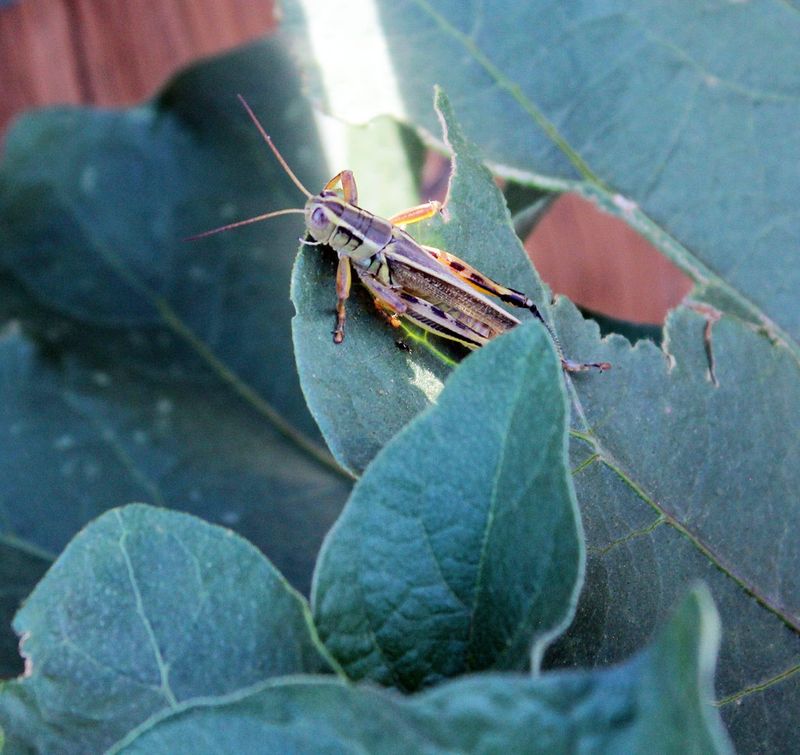
Vacant lots and dry open land near your property are a major source of grasshopper pressure.
When surrounding land dries out completely, grasshoppers leave those areas and move toward any green, irrigated space they can find. Your garden becomes the most attractive destination around.
This is a common problem in suburban neighborhoods, especially in areas where new housing developments sit next to undeveloped land.
Dry lots heat up fast in summer, and grasshoppers instinctively move toward moisture and green vegetation.
You can’t control what your neighbors do with their land, but you can protect your own yard. Creating a physical barrier along the side of your property that faces dry lots makes a real difference.
A row of gravel, a low barrier fence, or even a band of diatomaceous earth along the border can slow grasshopper movement onto your property.
Reducing the amount of bare, moist soil in your garden also helps. Grasshoppers are attracted to irrigated soil because it signals food nearby.
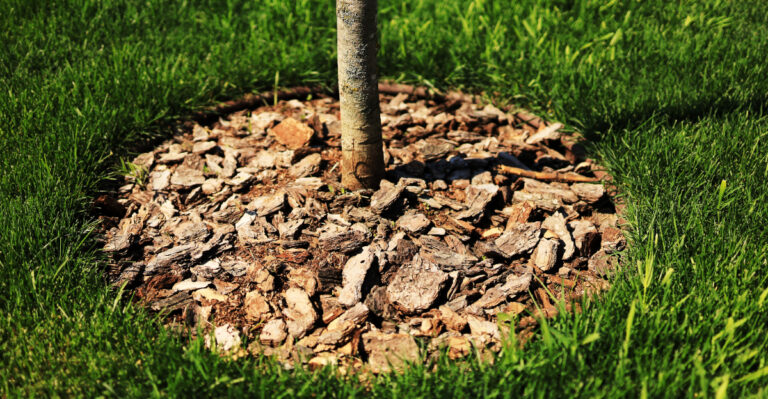
Using mulch to cover bare soil makes your garden less obvious as a target from a distance.
In the Central Valley and other hot, dry regions of California, the contrast between dry lots and irrigated yards is extreme in summer. That contrast draws grasshoppers in large numbers.
Being aware of what’s happening on the land around you is key to staying ahead of the problem.
5. Garden Borders Need The First Check
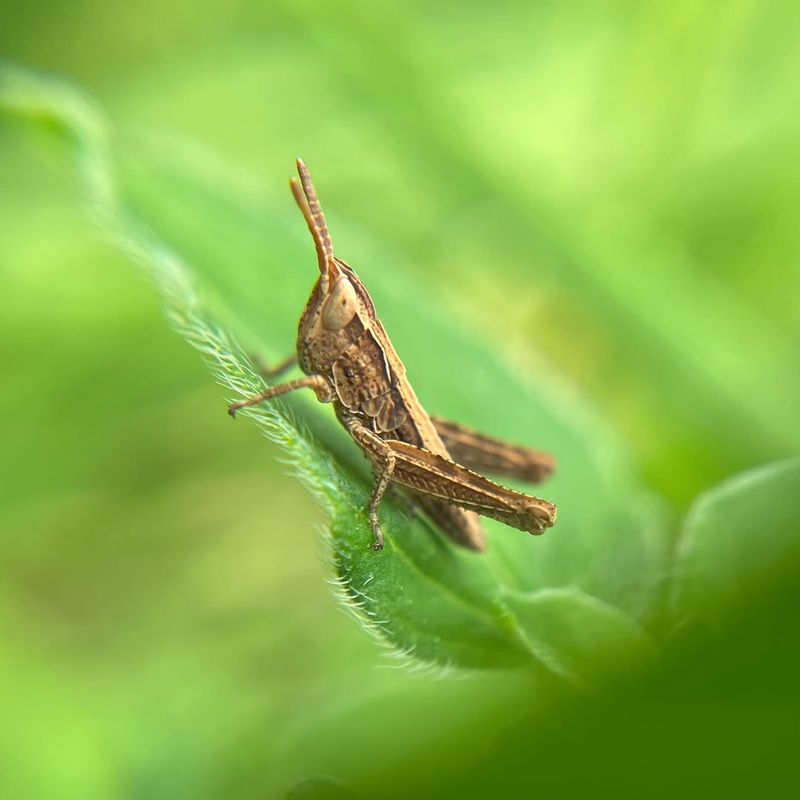
Garden borders are where grasshopper invasions almost always begin. Before insects reach your main planting beds, they pass through the edges first.
Most homeowners check the middle of their garden but completely overlook the perimeter, which is exactly where early activity shows up.
Border areas tend to be slightly more exposed and often have a mix of soil, mulch, and low-growing plants. Grasshoppers use these transition zones to assess whether a garden is worth entering.
If they find food and shelter at the border, they stay and multiply before pushing deeper into your beds.
Make border checks your first priority every time you walk through your yard. Look at the soil surface for small grasshoppers, check the lowest leaves of border plants for chew marks, and scan the ground for insects resting in the shade of plant stems.
In the morning, grasshoppers often cluster near borders while warming up in the early sun. That makes early morning the ideal time to catch them before they scatter.
A quick five-minute border check each morning can give you a clear picture of what’s happening before it becomes a bigger issue.
Keeping border plants trimmed and well-spaced also reduces hiding spots. Dense, overgrown border plantings give grasshoppers too much cover.
Open, tidy borders make it easy to spot insects early and take action before they reach your most valuable plants.
6. Irrigated Plants Become The Green Buffet
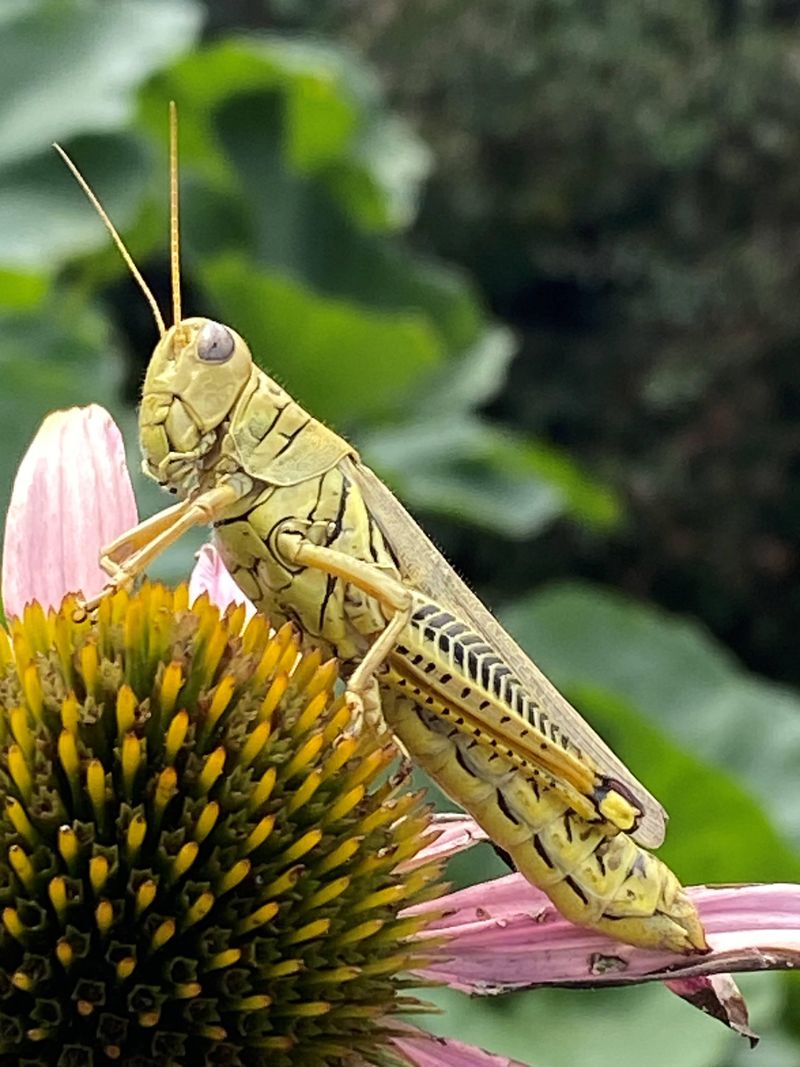
When everything around your yard is brown and dry, your irrigated garden glows like a neon sign to hungry grasshoppers.
Green, well-watered plants are packed with moisture and nutrients that grasshoppers desperately need during a dry summer. Your garden is essentially the only restaurant in town.
Grasshoppers are not picky eaters. They will feed on vegetables, flowers, shrubs, and even young trees.
The more lush and green your garden looks compared to the surrounding area, the more grasshoppers it will attract from a wide range. This is a tough reality for gardeners who take pride in a healthy, well-irrigated yard.
One way to reduce the buffet effect is to water deeply but less frequently. Deep watering encourages plant roots to grow down rather than staying shallow.
Plants with deeper roots stay green with less surface moisture, making them slightly less obvious to passing grasshoppers.
Watering in the early morning also helps. It gives plants time to absorb moisture before the heat of the day, and the soil surface dries out faster.
Grasshoppers prefer moist soil surfaces, so a drier surface during peak activity hours makes your garden less inviting.
Grouping your most vulnerable plants together and covering them with row covers during heavy grasshopper season is another smart move.
Protecting your highest-value plants first gives you the best return on your effort while reducing overall feeding pressure across the yard.
7. Flimsy Covers Won’t Protect Tender Leaves
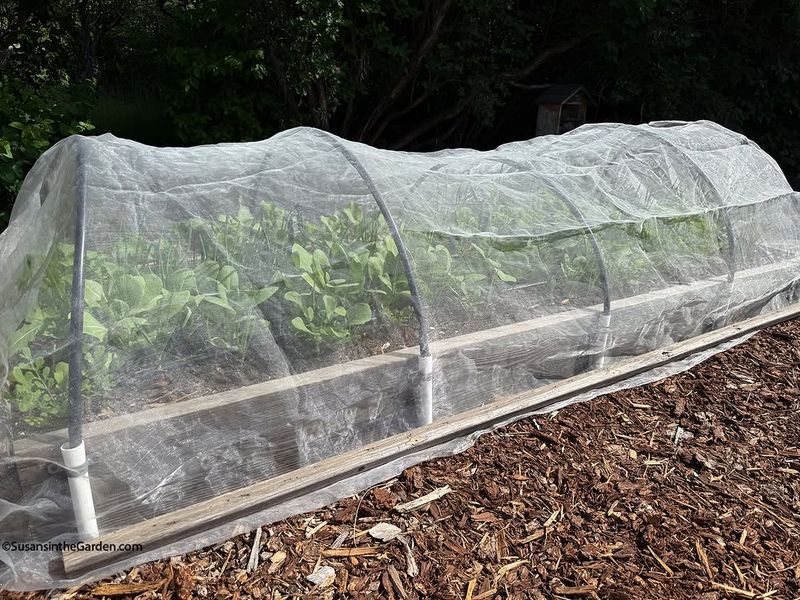
Row covers and plant barriers are a great idea in theory, but the wrong type does almost nothing to stop determined grasshoppers.
Thin, loosely draped fabric with gaps at the edges is more of a suggestion than a barrier. Grasshoppers will find every opening and crawl right through.
Not all row cover fabric is created equal. Lightweight floating row covers designed to let in light and air are helpful for frost protection, but they aren’t strong enough to stop hungry insects.
You need a more substantial fabric with a tight weave and secure edges to actually block grasshoppers.
Insect netting with small mesh openings is a better choice for grasshopper protection. Look for netting with openings of one millimeter or smaller.
Secure the edges by burying them slightly in the soil or pinning them down tightly so there are no gaps at the base of the cover.
Check your covers regularly for tears, holes, or edges that have come loose. Grasshoppers are persistent, and they will probe the edges of any barrier looking for a way in.
A cover that worked fine last week might have a gap this week after wind or watering.
In the warmer inland parts of California, covers also trap heat, which can stress plants if left on during the hottest part of the day.
Ventilating your covers in the morning and replacing them before peak grasshopper activity in late afternoon is a smart routine to build.
8. Young Grasshoppers Are Easier To Stop
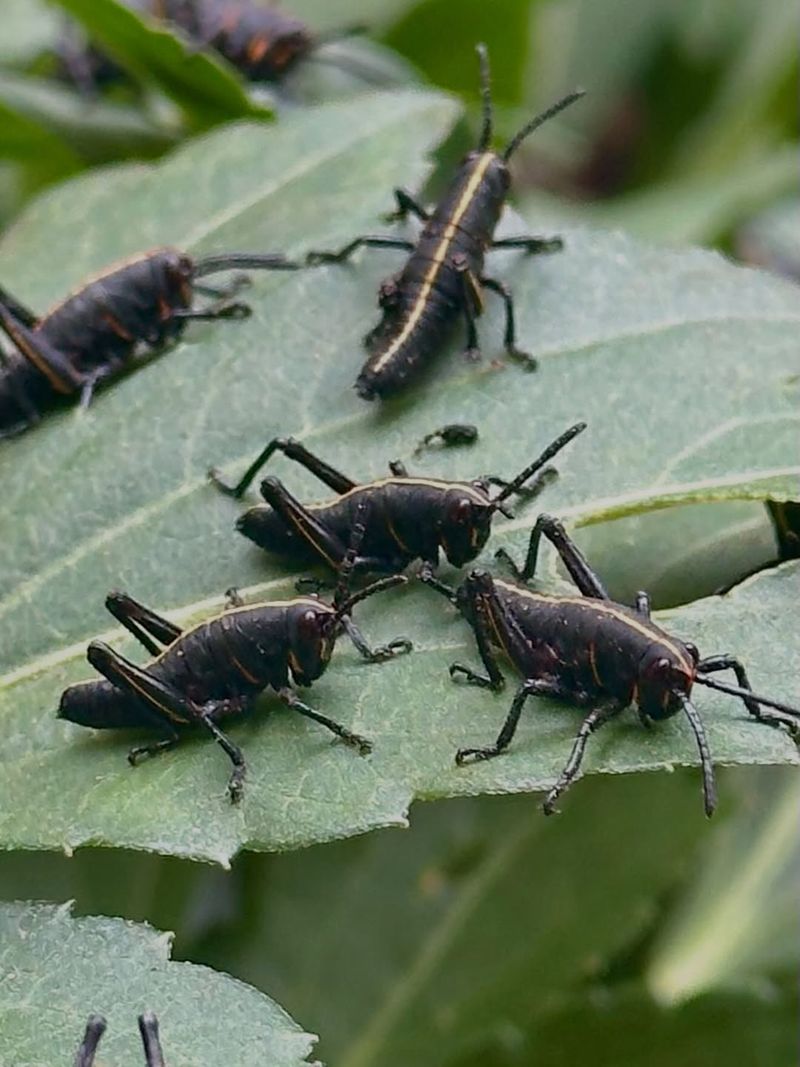
Here’s something most people don’t know: young grasshoppers, called nymphs, are far easier to manage than adults. Nymphs can’t fly, which means they can’t escape quickly and can’t travel far.
If you catch them early in the season, you can stop a big problem before it ever fully develops.
Nymphs hatch in late spring and early summer in most parts of California. They start out tiny, barely the size of a grain of rice, and they cluster together near where they hatched.
At this stage, a small group can be removed by hand, treated with organic sprays, or disrupted before they spread out.
The mistake most people make is not looking for nymphs at all. Because they are so small and blend in well with dry soil and grass, they are easy to miss.
But if you get into the habit of scanning the soil surface and low-growing plants in late spring, you will start to notice them.
Once grasshoppers grow wings, usually by midsummer, they become much harder to manage.
Adult grasshoppers can fly in from neighboring properties and are strong enough to push past weak barriers.
Stopping them as nymphs means you never have to deal with the adult stage.
Early morning is the best time to find nymphs because they move slowly when temperatures are cool.
Walk the yard with a close eye on the ground and low stems, and you will catch them at their most vulnerable point in the season.
9. Trap Crops Need Constant Monitoring
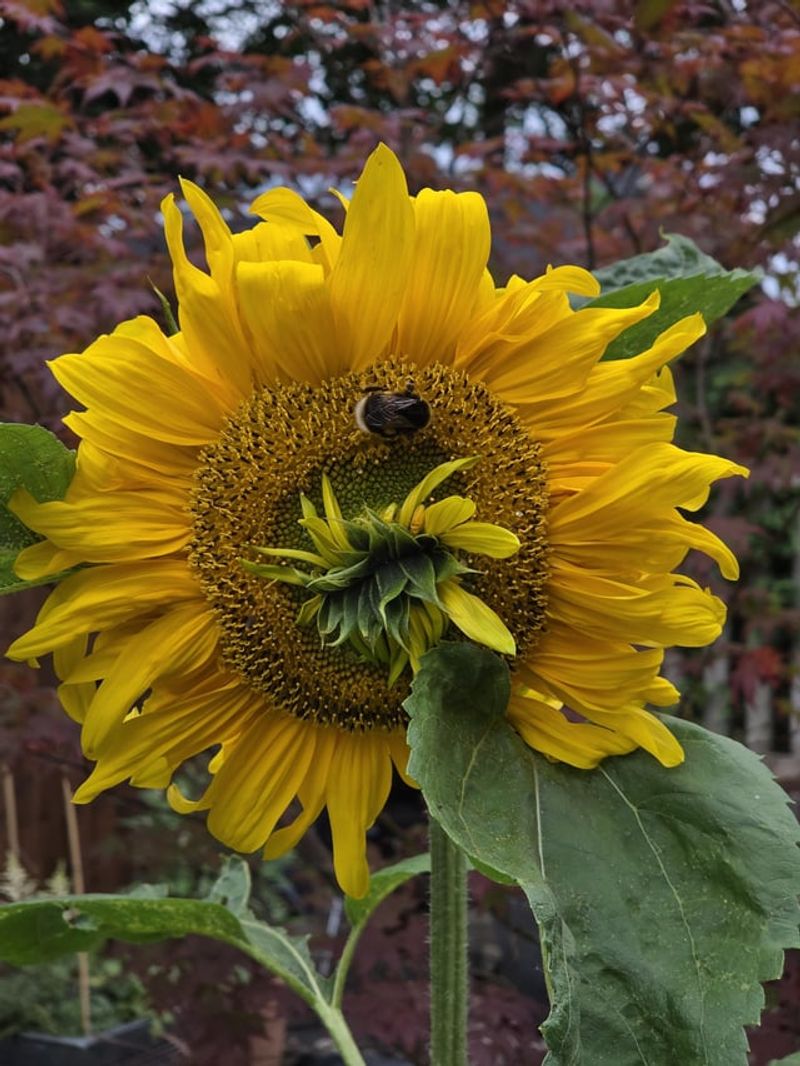
Trap cropping is a smart strategy where you plant certain plants on the edges of your yard to lure grasshoppers away from your main garden.
Plants like sunflowers and corn are especially attractive to grasshoppers and can draw them away from more valuable crops.
But here is the catch: trap crops only work if you monitor them closely.
A trap crop that gets ignored quickly becomes a breeding ground. If grasshoppers are allowed to feed, breed, and multiply on your trap plants without any intervention, you have just created a grasshopper nursery next to your garden.
That is the opposite of what you want. Check your trap crops every single day during peak season. When you see grasshoppers gathering on them, that is your signal to act.
You can remove them by hand, apply an organic insecticide directly to the trap plants, or use a vacuum device to collect them in large numbers.
The goal is to keep grasshoppers concentrated in one spot long enough to reduce their population before they move into your main beds.
Trap crops buy you time and give you a focused area to treat rather than chasing insects all over your yard.
In the hot, dry summer regions, trap crops dry out fast and lose their appeal quickly. Keeping trap plants irrigated enough to stay green and attractive is part of the strategy.
A dry trap crop stops working, so consistent watering and daily monitoring are both essential to making this method effective.