Hard To Find Native Pennsylvania Wildflowers Worth The Search For A Meadow Garden That Manages Itself
A meadow garden that genuinely manages itself sounds almost too good to be true. No weekly mowing, no constant replanting, no fighting conditions that don’t suit what you’ve put in the ground.
Just a living, evolving patch of native wildflowers that grows more beautiful and self sufficient with each passing season. It’s not a fantasy.
But getting there requires starting with the right plants. Native Pennsylvania wildflowers are the foundation of any meadow garden worth having.
The challenge is that the most ecologically valuable and interesting native wildflowers are often not the ones sitting on the shelves at your local garden center.
They’re harder to find, sometimes available only through specialty native plant nurseries, seed swaps, or conservation plant sales.
But for meadow gardeners who track them down, the payoff is a planting that supports local pollinators, wildlife, and soil health at a level that common garden center varieties simply can’t match.
Here are the hard to find native Pennsylvania wildflowers worth searching for and exactly why they’re worth the effort.
1. Purple Milkweed
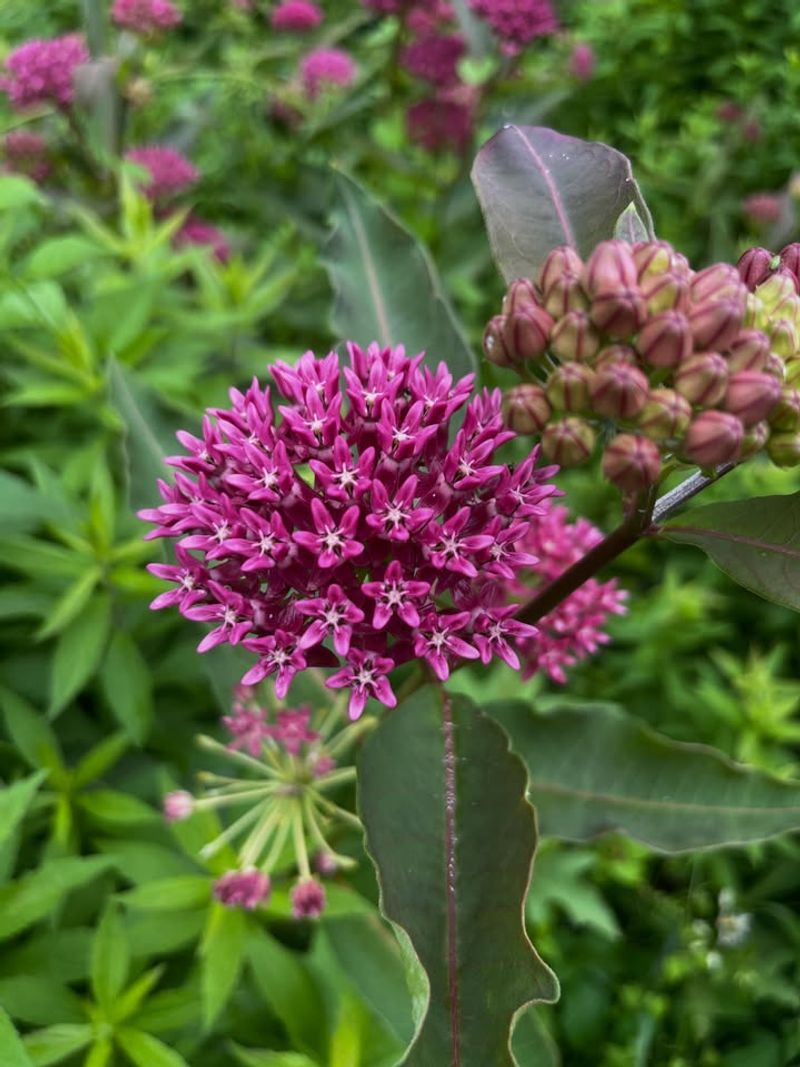
Few wildflowers stop people in their tracks quite like Purple Milkweed. Its clusters of rich, rosy-purple blooms are bold, beautiful, and unmistakable in any meadow setting.
Unlike the more common orange Butterfly Weed, this species is genuinely hard to come by, which makes finding it feel like a real treasure hunt.
Purple Milkweed, known scientifically as Asclepias purpurascens, thrives in open woodlands and meadow edges across Pennsylvania. It prefers well-drained soil with partial to full sun.
Once established, it spreads slowly through underground rhizomes, creating a low-maintenance colony that returns year after year without any replanting on your part.
Monarch butterflies absolutely love this plant. It serves as a critical host plant for their caterpillars and provides nectar for adults and many other pollinators.
Bees, beetles, and fritillary butterflies flock to its flowers throughout late spring and early summer.
Getting your hands on Purple Milkweed can take some patience. Most garden centers do not carry it, so your best bet is to search native plant nurseries, plant swaps, or conservation organizations in Pennsylvania.
Some native plant societies sell seeds and starter plants at annual sales. When planting, give each plant about two feet of space. Avoid moving it once it is settled since it dislikes root disturbance.
Water it regularly during the first growing season, and then step back and let it do its thing. Over time, Purple Milkweed will reward your patience with a stunning display that monarchs and gardeners alike will appreciate every single year.
2. Dense Blazing Star
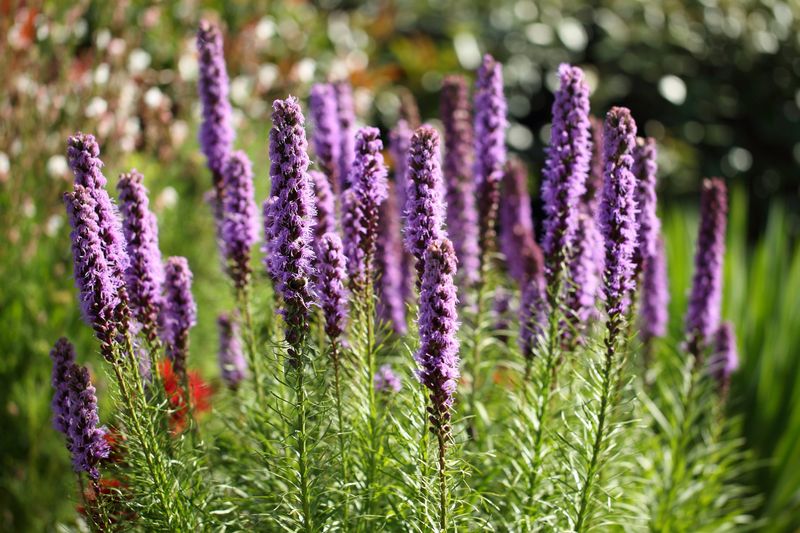
Imagine tall, torch-like spikes of vivid purple-pink rising above a meadow like natural fireworks frozen in time. That is Dense Blazing Star in full bloom, and it is one of the most eye-catching native wildflowers you can grow in Pennsylvania.
Also called Liatris spicata, this plant has a bold vertical presence that adds real drama to any meadow planting.
Dense Blazing Star blooms from the top of its spike downward, which is actually unusual for flowering plants. Most flowers open from the bottom up, but this one does the opposite.
Your Pennsylvania Garden Changes Every Week. Your Plan Should Too.
Gardening in Pennsylvania changes quickly throughout the season. Every Friday you’ll receive a simple weekly plan showing exactly what to plant, prune, fertilize, harvest, and protect so you never miss the right timing.
That quirky trait makes it even more interesting to watch as the season progresses through midsummer into early fall.
Pollinators go absolutely wild for it. Bumblebees, monarch butterflies, and swallowtails are regular visitors.
It is also a favorite of migrating monarchs who stop to fuel up during their long journey south in late summer and fall. Planting Dense Blazing Star means you are actively supporting that migration.
Finding Dense Blazing Star in Pennsylvania is not always easy. It naturally grows in moist meadows, prairies, and open areas, but habitat loss has made wild populations less common.
Look for it at native plant nurseries or through Pennsylvania Native Plant Society sales. Seeds are sometimes available from specialty seed companies that focus on native species.
In the garden, this plant thrives in full sun and tolerates both moist and average soils. It grows from a corm, which is a small bulb-like structure underground.
Plant it in groups of three or more for the best visual impact and to attract the most wildlife. It is a true meadow workhorse.
3. Culver’s Root
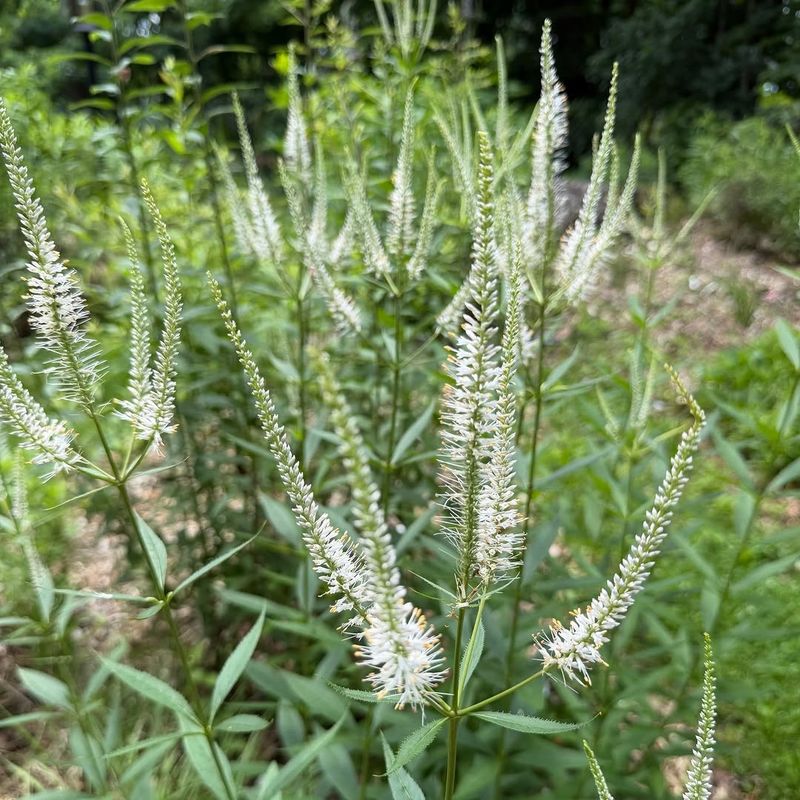
Culver’s Root has a quiet elegance that sets it apart from flashier wildflowers. Its tall, white, candelabra-like flower spikes rise gracefully above the foliage, giving the meadow a refined, almost architectural look.
Botanically known as Veronicastrum virginicum, this Pennsylvania native can grow four to six feet tall, making it one of the tallest wildflowers you can add to your meadow.
It blooms in midsummer, which is a great time because many spring bloomers have already faded. The slender white spikes last for weeks and attract an impressive range of pollinators.
Bees, wasps, and butterflies all visit regularly, and the plant provides valuable late-season nectar when many other sources are drying up.
Here is something most people do not know: Culver’s Root was used medicinally by several Native American tribes and early American settlers. The root was considered a powerful remedy, though it should never be used without expert guidance today.
That rich history adds a fascinating layer to an already impressive plant. Tracking down Culver’s Root can require some searching.
It is not a common nursery find, but dedicated native plant retailers and conservation plant sales in Pennsylvania do carry it occasionally. Online native plant nurseries that ship to Pennsylvania are also a good option.
Plant it in full sun to light shade with moist, rich soil for best results. It is slow to establish but extremely long-lived once settled.
Give it room to grow tall and do not crowd it with aggressive neighbors. Over time, Culver’s Root will become a stunning vertical anchor in your self-managing meadow garden that draws admiring glances from every visitor who passes by.
4. Meadow Closed Gentian
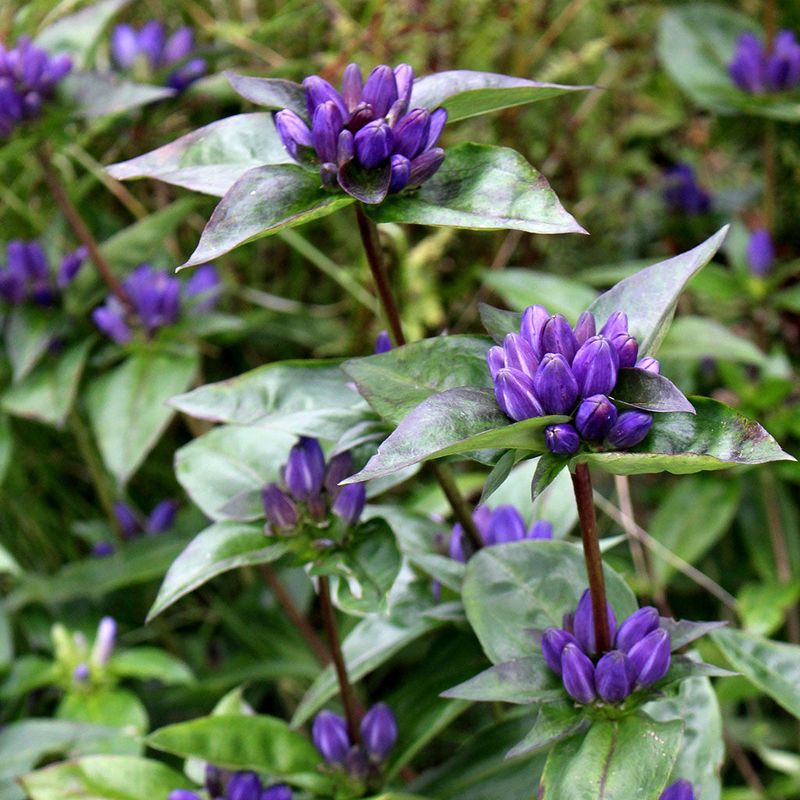
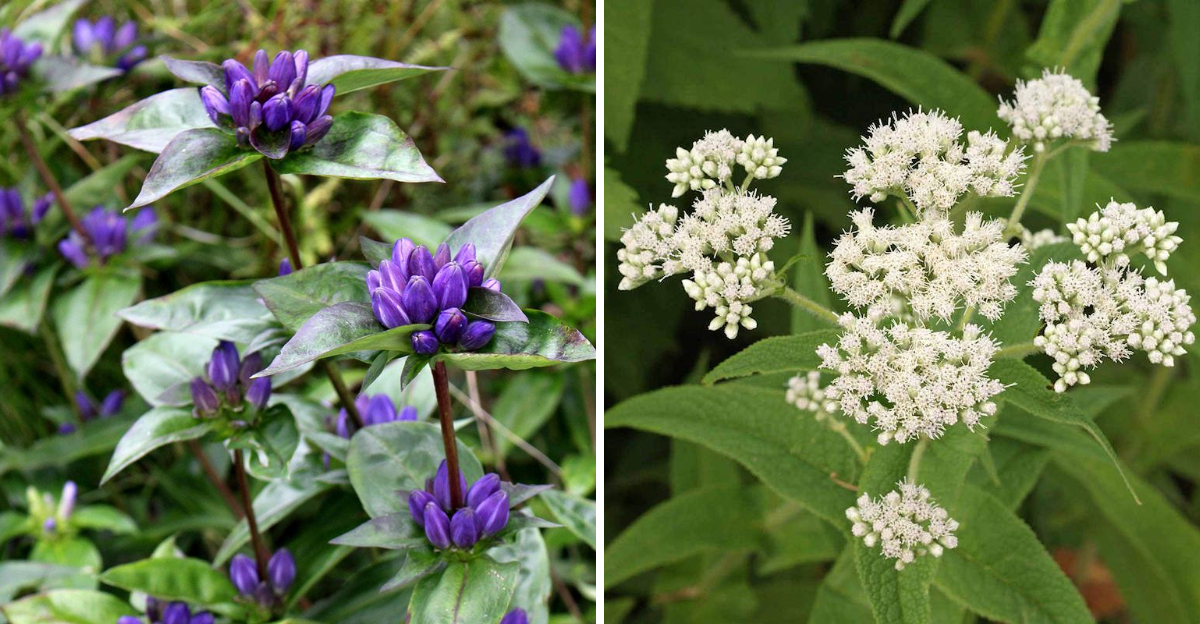
There is something almost mysterious about Meadow Closed Gentian. Its deep blue-violet flowers never fully open, staying tightly closed like little sealed bottles even at peak bloom.
That unusual trait makes it one of the most fascinating wildflowers in Pennsylvania, and it is a plant that sparks curiosity in anyone who notices it growing in the wild.
Scientifically known as Gentiana clausa, Meadow Closed Gentian blooms in late summer and fall when most wildflowers have already finished for the year. That late-season timing makes it incredibly valuable in a meadow garden.
When goldenrods are fading and asters are winding down, this gentian steps in with rich color that carries the garden all the way to frost.
You might wonder how bees pollinate a flower that never opens. Bumblebees are strong enough to force their way inside, and they are the primary pollinators of this plant.
Only large, robust bees can do this, which means Meadow Closed Gentian has a very exclusive pollinator relationship that is genuinely cool to observe up close.
Finding this plant is a real challenge. It prefers moist meadows, stream edges, and rich woodland openings, but it is increasingly rare in the wild due to habitat loss.
Native plant nurseries that specialize in uncommon species are your best source. Some Pennsylvania conservation organizations also propagate it for restoration projects and public plant sales.
Grow it in partial shade to full sun with consistently moist, slightly acidic soil. It does not like to dry out.
Plant it near a rain garden or low-lying meadow area for the best results. Once established, it self-seeds gently and slowly expands into a small, beautiful colony over several seasons.
5. Common Boneset
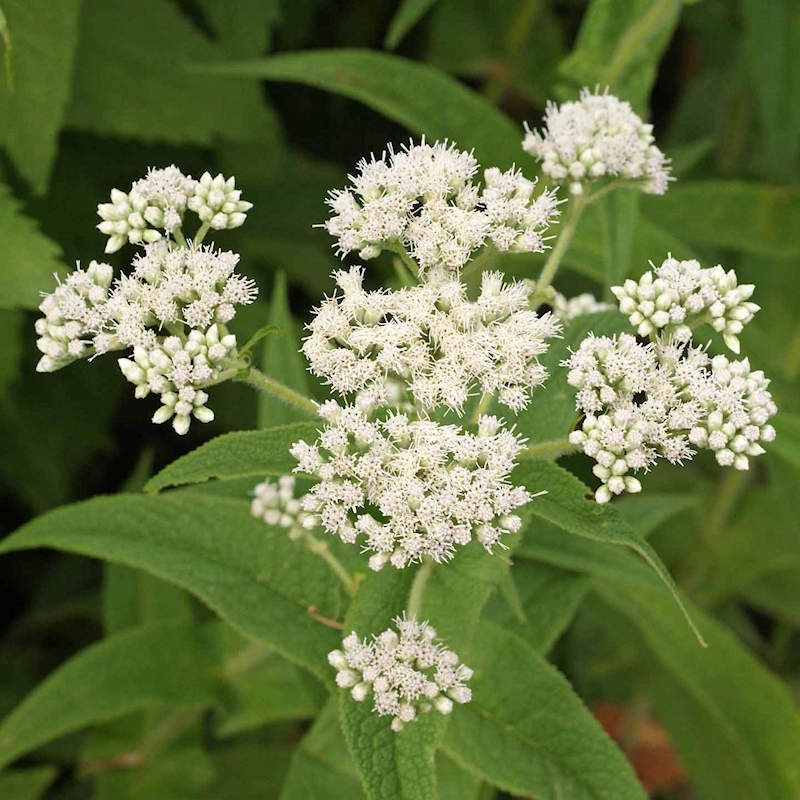
Common Boneset might not have the flashiest flowers, but it has personality to spare. Its flat-topped clusters of small, fuzzy white blooms sit atop tall stems with distinctive leaves that appear to wrap completely around the stalk.
That leaf arrangement, called perfoliate, makes Boneset instantly recognizable and genuinely fascinating to look at up close.
Eupatorium perfoliatum is its botanical name, and it has deep roots in American history. Native American peoples and early settlers used it extensively as a medicinal plant.
It earned the name Boneset from a folk belief that it could help heal broken bones. While modern medicine has moved on, that colorful history makes growing it feel like a living connection to the past.
As a meadow plant, Boneset is a late-summer superstar for pollinators. It blooms from July through September and draws an extraordinary variety of insects.
Bees, wasps, flies, beetles, and butterflies all visit the flowers. It is considered one of the most insect-friendly native plants in the eastern United States, which makes it a must-have for any wildlife-focused meadow garden.
Finding Common Boneset is easier than some of the other plants on this list, but it still requires a trip to a native plant nursery rather than a big-box garden center.
Look for it at Pennsylvania native plant sales, conservation nurseries, or reputable online retailers that specialize in eastern native species.
Plant it in full sun to partial shade in moist to wet soil. It naturally grows along stream banks and wet meadows, so it thrives in low-lying garden spots where other plants might struggle.
Once established, it spreads steadily and needs very little attention, making it a perfect fit for a self-managing meadow that works beautifully on its own.