The Georgia Native Plant That Keeps Blooming Long After Most Summer Flowers Fade
Every summer, there comes a moment when the garden no longer looks as colorful as it did a few weeks earlier. That change can feel disappointing after all the care you have given every flower bed.
Then one plant keeps blooming while everything else begins slowing down. It almost feels out of place, yet it never seems to lose its color.
That kind of staying power always gets noticed.
Georgia has a native plant that keeps flowering long after most summer favorites have faded. It continues adding fresh color when many gardens begin looking tired.
Once you discover what makes it so dependable, you may never look at late summer the same way again.
Its steady blooms often surprise first-time growers and keep outdoor spaces cheerful until cooler weather arrives.
1. Blue Mistflower Keeps Blooming Into Fall
When everything else in the garden starts looking worn out, Blue Mistflower is just getting started. Most gardeners notice the blooms kicking in around late August and continuing well into October.
That timing alone makes it stand out from nearly every other flowering plant in a typical backyard.
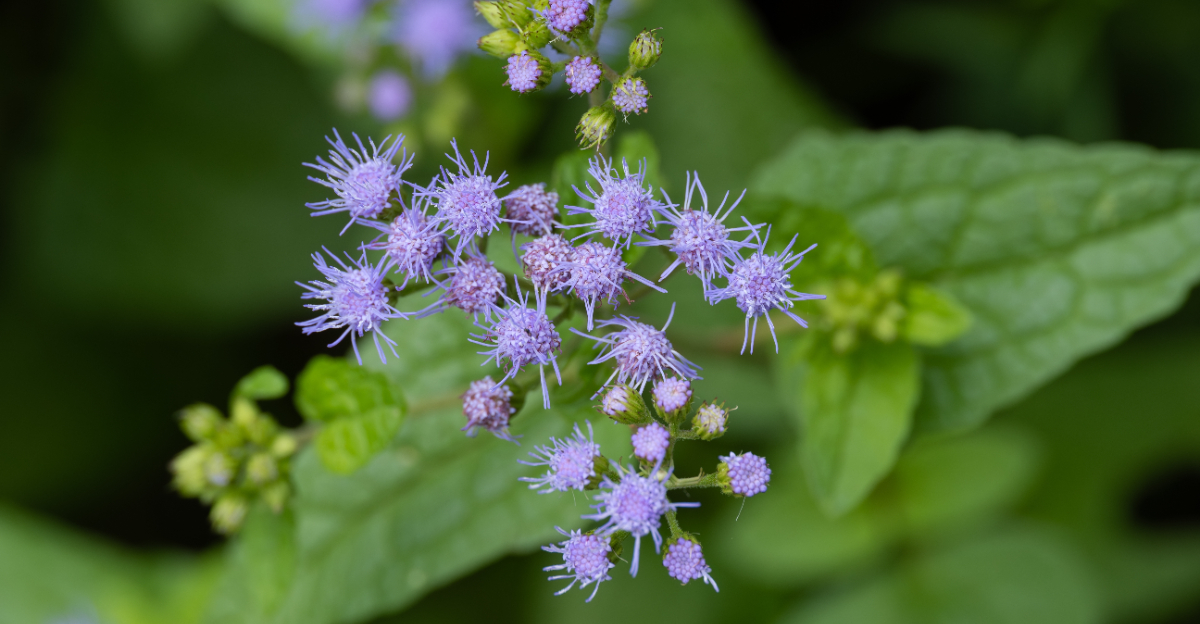
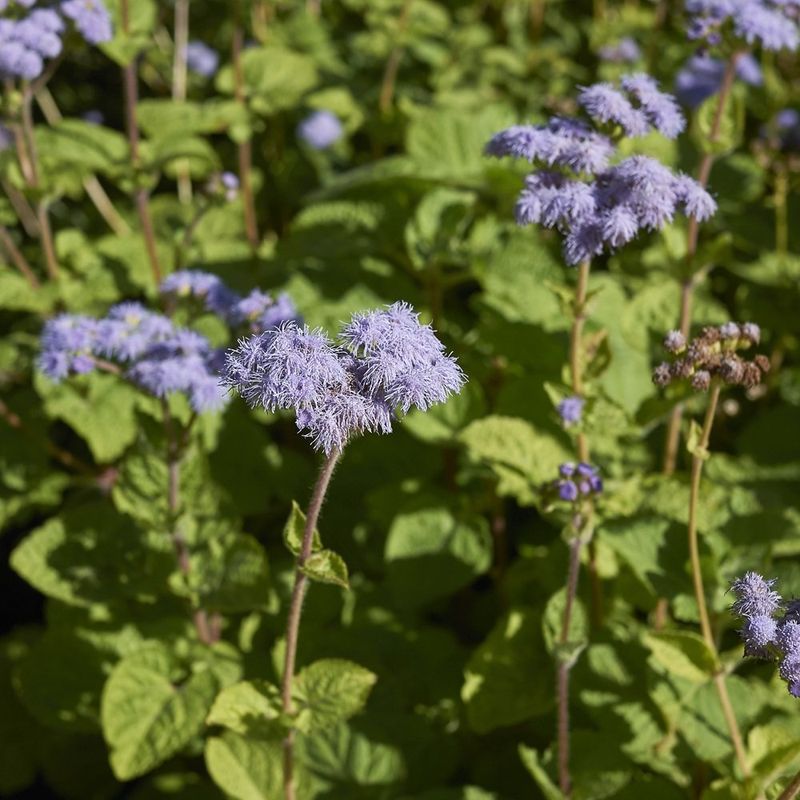
Soft lavender-blue flower clusters cover the plant in a fuzzy, mist-like display. Up close, each tiny bloom is surprisingly detailed.
From a distance, the whole plant looks like a gentle blue haze floating above the foliage.
Fall gardens in the Southeast can feel pretty empty once summer perennials fade. Blue Mistflower steps in and fills that gap naturally.
It does not need extra encouragement to bloom late in the season.
Native to the eastern United States, this plant evolved to thrive in the same climate conditions found across much of the region. That natural fit means less guesswork for the gardener.
It tends to bloom on schedule without a lot of fuss.
One thing worth knowing is that bloom timing can shift slightly depending on your specific conditions. Soil moisture, sun exposure, and local weather patterns all play a role.
In shadier spots, blooming may start a bit later or be less dense than in sunnier areas.
2. Full Sun Brings The Best Flower Display
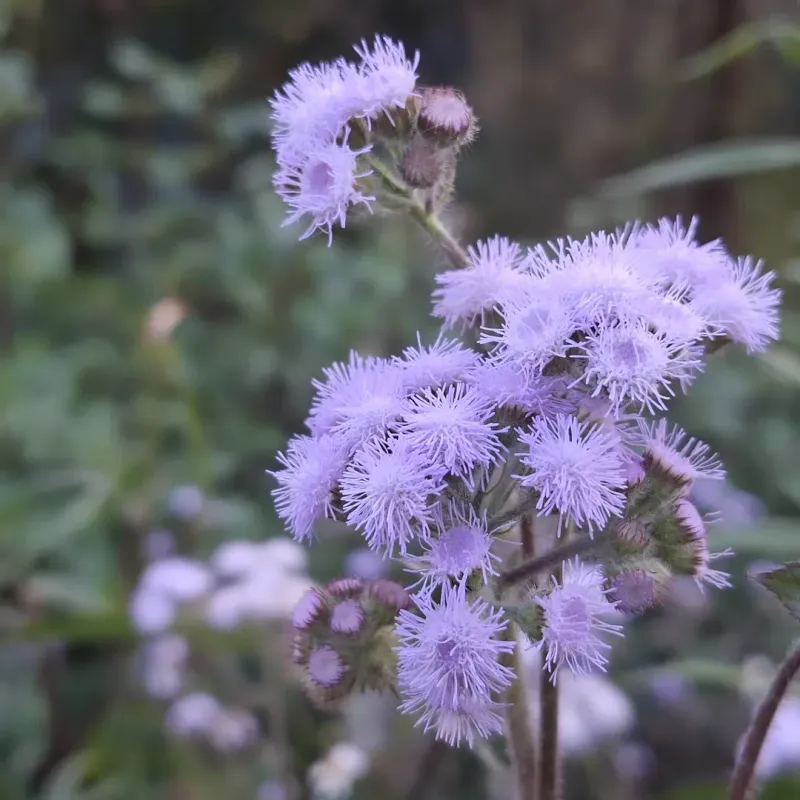
Sunlight is one of the biggest factors in how well Blue Mistflower performs. Plants grown in full sun tend to produce noticeably more blooms than those tucked into shadier corners of the yard.
More light means more flowers, plain and simple.
Full sun generally means at least six hours of direct sunlight each day. South-facing beds or open garden areas with minimal shade from trees or structures work well.
If your planting spot gets morning sun and afternoon shade, expect a decent but lighter bloom.
Partial shade does not ruin the plant. It will still grow and flower in shadier spots.
Just do not expect the same dense, showy clusters you get with good sun exposure.
One practical tip: if you are working with a garden bed that gets mixed light throughout the day, place Blue Mistflower toward the edge closest to the open sky. Even a small shift in position can make a real difference in how much bloom you get come fall.
Your Georgia Garden Changes Every Week. Your Plan Should Too.
Gardening in Georgia changes quickly throughout the season. Every Friday you’ll receive a simple weekly plan showing exactly what to plant, prune, fertilize, harvest, and protect so you never miss the right timing.
Compacted or poorly drained soil in a sunny spot can still limit performance. Sun helps, but it works best when paired with decent soil conditions.
Getting both factors right tends to produce the strongest plants.
Gardeners across the Southeast have found that plants in sunny, open spots also tend to stay more upright.
3. Moist Soil Helps It Stay Healthy
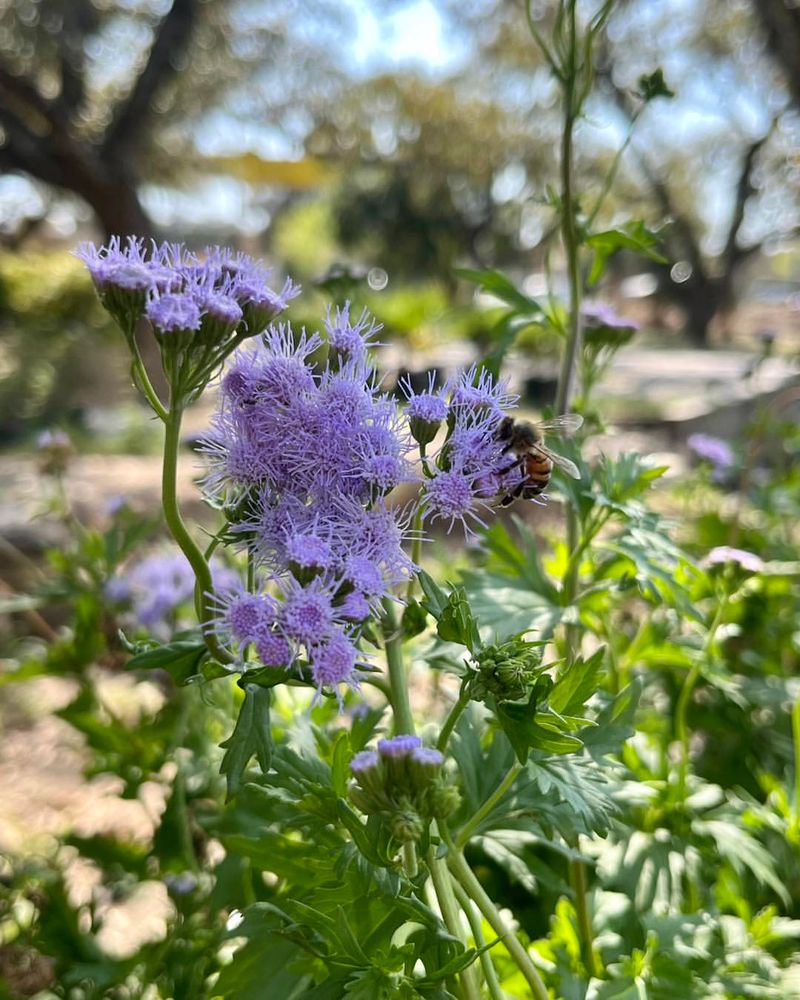
Moisture matters more to Blue Mistflower than most people expect. In the wild, it often grows along stream banks, woodland edges, and low spots where the ground stays consistently damp.
Replicating those conditions in your garden goes a long way toward keeping it healthy.
Consistently moist soil does not mean waterlogged. Standing water and poor drainage can cause root problems over time.
Aim for soil that drains well but does not dry out completely between rain events.
During dry stretches in summer and early fall, supplemental watering helps. A deep watering once or twice a week is often more effective than light, frequent sprinkles.
Deep watering encourages roots to grow downward rather than staying near the surface.
Adding a layer of mulch around the base of the plant helps retain soil moisture between waterings. Two to three inches of shredded bark or leaf mulch works well.
Keep the mulch a couple of inches away from the main stems to allow airflow.
Georgia summers can get brutally hot and dry. During heat waves, even established plants may show some stress if the soil dries out too much.
Checking soil moisture during hot spells and watering when needed keeps the plant in better shape heading into its peak bloom period.
4. Give It Room To Spread Naturally
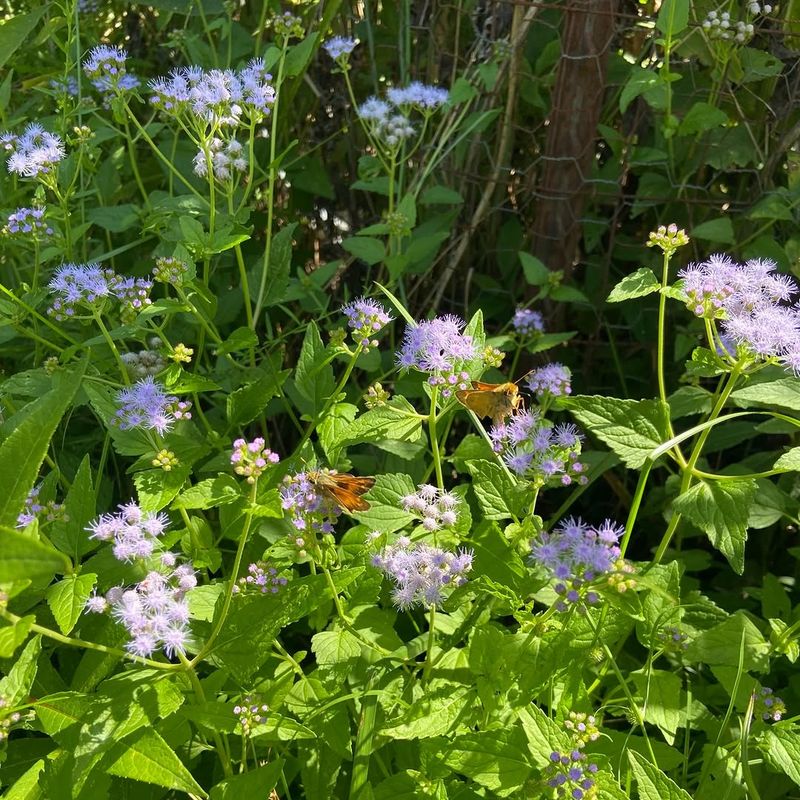
Space is something Blue Mistflower uses well. Given enough room, it spreads through underground rhizomes to form wide, full clumps over a few seasons.
That spreading habit is part of what makes it so effective as a ground-covering fall bloomer.
When planting, give each plant at least two to three feet of space in every direction. It may look a little sparse at first.
By the second or third year, those gaps tend to fill in on their own.
In smaller garden beds, the spreading can feel aggressive. Roots are not hard to pull, and the plant responds well to having its edges managed each spring.
A spade or garden fork works fine for keeping it within bounds.
Pairing it with other native plants that can hold their own helps strike a balance. Plants like native grasses, ironweed, or Joe-Pye weed can coexist without getting overwhelmed.
Mixing Blue Mistflower into a naturalistic planting scheme tends to work better than trying to keep it as a tidy specimen plant.
Borders, rain gardens, and low spots in the yard are natural fits. It spreads more readily in moist areas, so placing it where spreading is welcome saves a lot of management work later.
Letting it do what it naturally wants to do is often the easiest approach.
5. Cut Back Old Stems In Late Winter
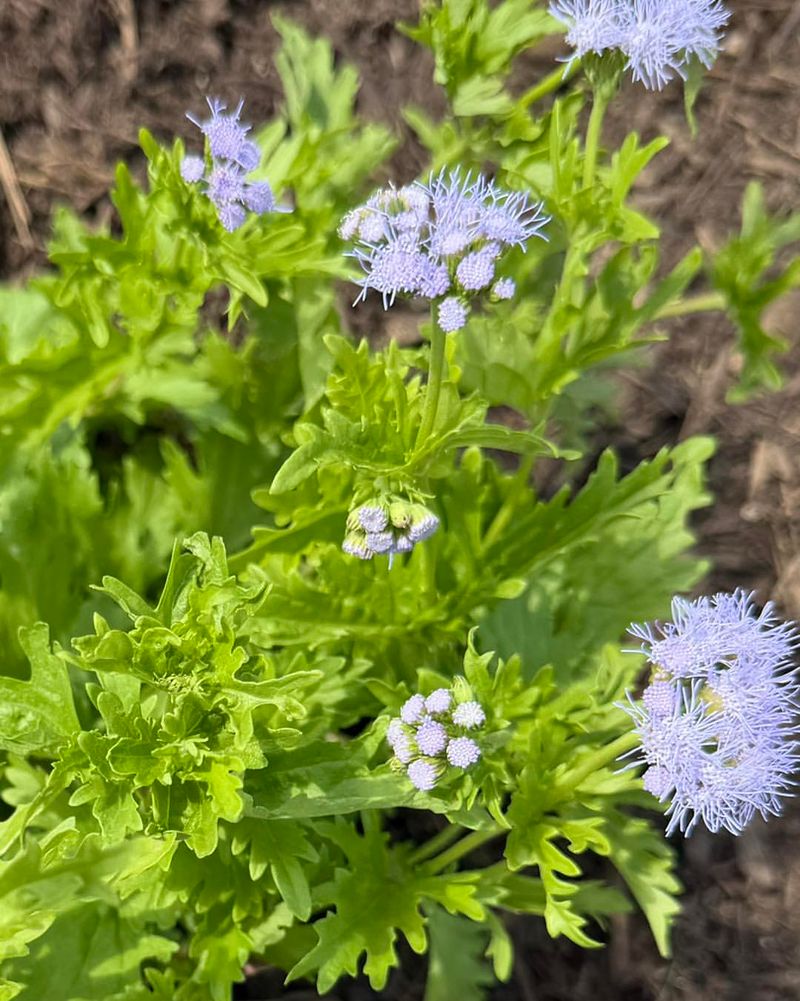
Pruning Blue Mistflower is straightforward, and late winter is the right time to do it. Waiting until late winter rather than cutting back in fall has real benefits.
Old stems provide shelter for beneficial insects through the colder months, and leaving them standing until late February or early March respects that value.
When the time comes, cut stems back to just a few inches above the ground. New growth will emerge from the base once temperatures start climbing.
The plant responds quickly once spring arrives.
Sharp, clean pruning shears make the job easier and reduce the risk of damaging emerging growth nearby. Dull blades can crush stems rather than cutting cleanly.
A quick sharpening before the task is worth the extra minute.
Leaving the cut stems on the ground as mulch is an option some gardeners choose. Others prefer to compost them or remove them from the bed entirely.
Either approach works fine depending on how tidy you want the garden to look.
Skipping the late-winter cutback does not ruin the plant. New growth will push up through old stems eventually.
However, the bed tends to look messier, and old stems can sometimes shade out new growth at the base if left too long.
A consistent late-winter cutback keeps plants looking tidy and encourages strong, fresh growth each season.
6. Pollinators Visit The Flowers For Weeks
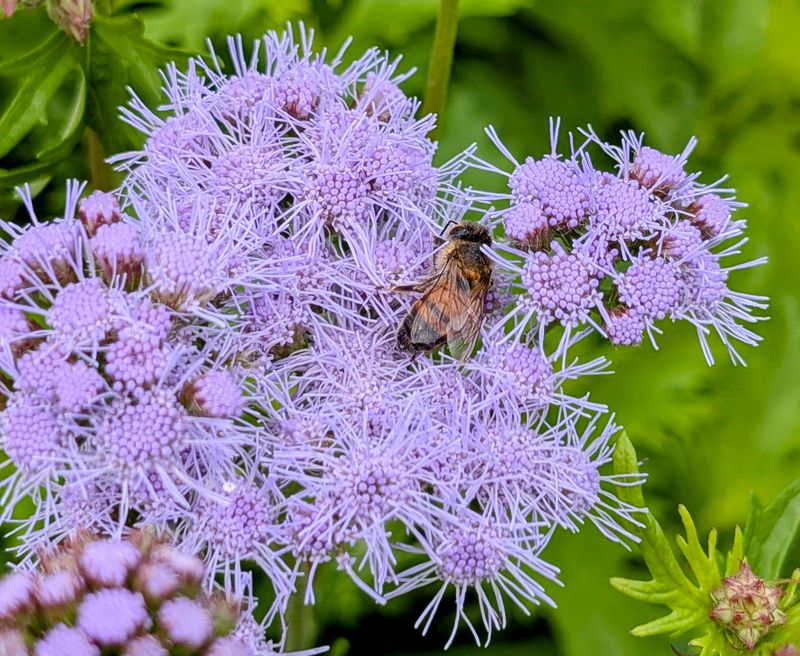
Pollinators go wild for Blue Mistflower, and the timing could not be better. By the time it peaks in September and October, many other nectar sources have faded.
Butterflies, bees, and other beneficial insects are actively searching for late-season food, and this plant delivers reliably.
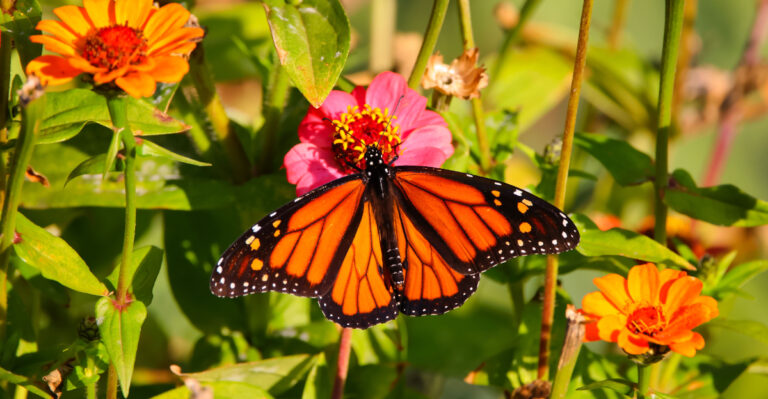
Monarch butterflies are among the most frequent visitors. During their fall migration south, they fuel up on available nectar wherever they can find it.
A well-established patch of Blue Mistflower can attract dozens of monarchs on a single good day.
Bumblebees and smaller native bees also work the flowers steadily. Watching a patch in full bloom on a warm fall afternoon gives a clear picture of just how much pollinator activity this plant supports.
It is genuinely impressive for a plant that asks so little from the gardener.
Beyond butterflies and bees, various skippers, wasps, and other small insects visit regularly. Biodiversity in a garden improves when late-season nectar sources are available.
Blue Mistflower is one of the more effective ways to extend that support deeper into autumn.
Planting it in groups rather than as isolated single plants increases the draw for pollinators. A larger patch is easier for passing insects to spot and offers more foraging area once they arrive.
Even a three-by-three-foot cluster makes a noticeable difference compared to a single plant.
7. Divide Mature Clumps To Grow More Plants
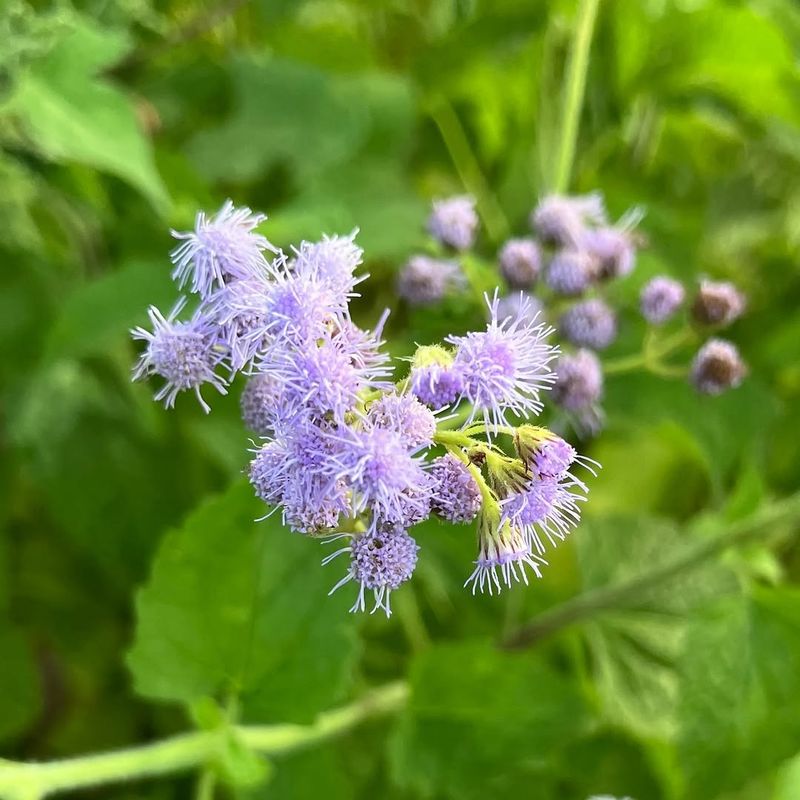
After a few years, Blue Mistflower clumps can get quite large. Dividing them is one of the easiest ways to multiply your plants without spending any money.
Spring is the best time to do it, just as new growth begins to emerge from the ground.
Use a sharp spade or garden fork to lift the clump from the soil. Work around the edges rather than straight through the center to keep roots intact.
Once lifted, the clump can be separated into several smaller sections by hand or with a blade.
Each division should have a healthy chunk of roots and at least a few visible growth points. Sections that look thin or rootless tend to struggle.
Choosing divisions with good root mass gives each new plant the best start.
Replant divisions promptly so roots do not dry out. Water them in well after planting and keep the soil consistently moist for the first few weeks.
Established divisions usually bounce back quickly and can bloom in their first fall if planted early enough in spring.
Dividing mature clumps also benefits the original plant. Older clumps can sometimes get crowded at the center, with less vigorous growth in the middle.
Removing and replanting the outer sections while refreshing the center keeps the planting productive over time.