Why Fig Trees Across Mississippi Are Thriving This Growing Season
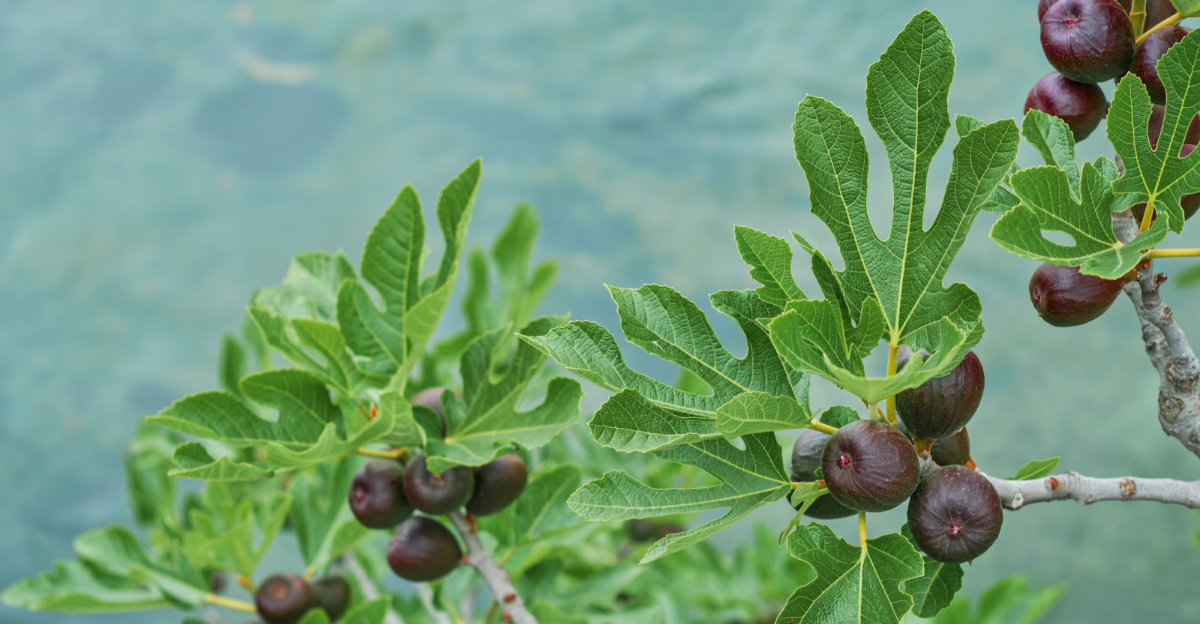
Something unusual is happening across Mississippi this summer, and it smells like ripe figs. Backyard trees that usually offer a modest handful of fruit are suddenly overflowing.
Branches curve low, heavy with fruit, close enough to brush the grass. Neighbors are trading buckets over fences.
Farmers markets can barely keep tables stocked. Tables empty out again within hours. Longtime growers admit they can’t remember a year like this one.
They’ve watched these trees through droughts, late frosts, and lazy summers. Ask them why, and you’ll get a different theory every time. Some point to a wetter spring.
Others mention warmer nights. A few credit soil that finally hit its stride after years of adjustment.
Whatever the exact formula, something clicked. The timing lined up. The rain came when it needed to.
The heat held off just long enough for the fruit to swell without splitting. Mississippi orchards are having a moment.
Anyone who’s tasted one of these figs this year understands exactly why people are talking about it.
1. Rains Arrived At Just The Right Time
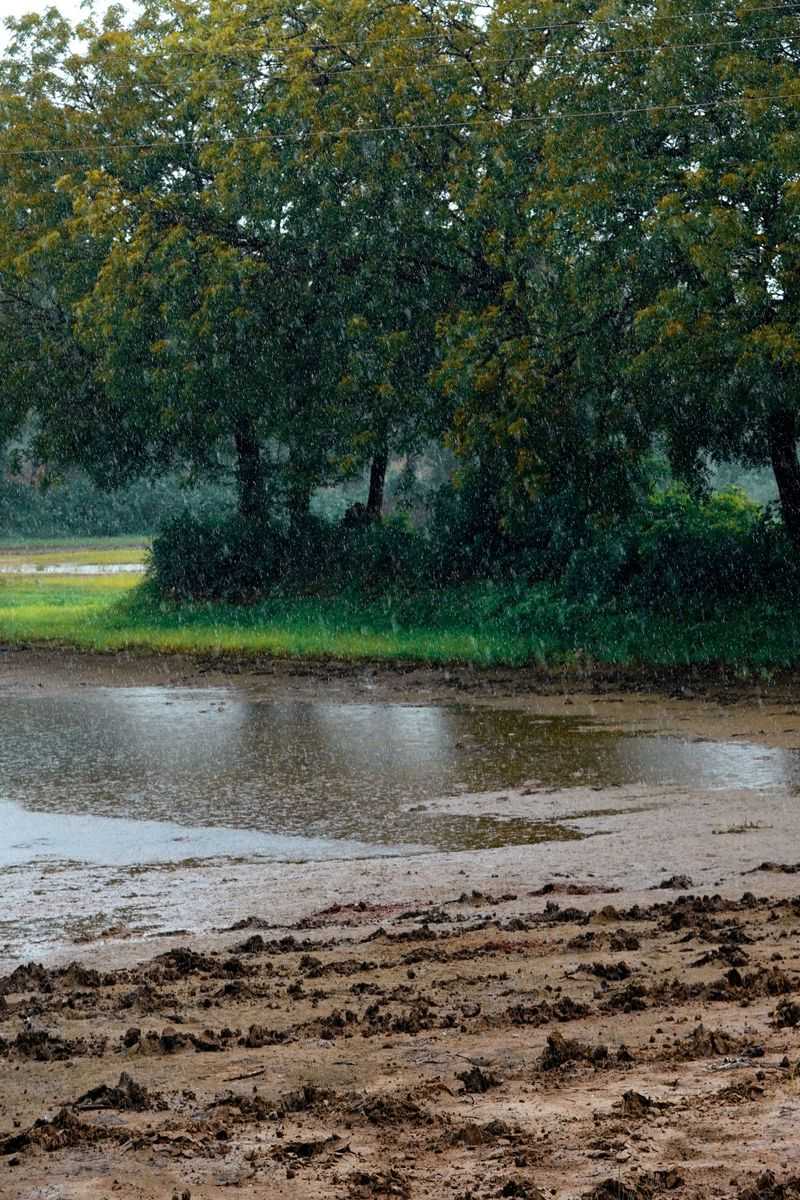
Timing is everything in gardening, and this season the rain showed up exactly when fig trees needed it most. Moisture arrived during the critical early growth phase, giving roots a strong foundation to build on.
That early hydration set the tone for the entire season. Fig trees are surprisingly sensitive to dry spells during their first growth push in spring. Without enough water at that stage, fruit development slows down or stops entirely.
Mississippi got lucky this year with well-timed showers that kept the soil consistently moist. Farmers and home gardeners noticed something unusual by late spring. Their trees were pushing out new growth faster than in previous years.
The extra rainfall gave each tree the energy to produce more fruit clusters along every branch.
Consistent moisture also helped prevent fruit drop, which is a common frustration for fig growers. When trees get stressed from drought, they shed immature figs to conserve energy.
That did not happen this season, and growers were thrilled to see nearly every small fig develop into a full-sized fruit.
Water also helps trees absorb nutrients already present in the soil. Even rich soil cannot feed a tree properly if there is no moisture to carry those nutrients to the roots.
The well-timed rains this season essentially unlocked the soil’s full potential for fig trees across the state.
2. Warm Nights Sped Up Fruit Ripening
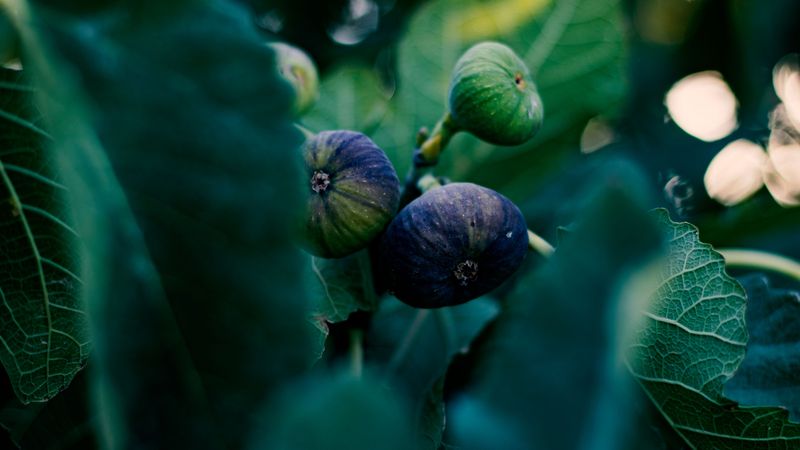
Nighttime temperatures this season stayed warmer than usual across much of the state. That small shift made a surprisingly big difference for fig development.
Warm nights gave trees extra hours to push energy into ripening fruit. Plants do not just grow during the day. A lot of the chemical work that turns green figs into sweet, soft fruit actually happens overnight.
When temperatures stay mild after sunset, that process keeps moving at a steady pace without interruption.
In cooler seasons, chilly nights can slow ripening significantly. Fruit that should take two weeks to mature might stretch to three or four.
Your Mississippi Garden Changes Every Week. Your Plan Should Too.
Gardening in Mississippi changes quickly throughout the season. Every Friday you’ll receive a simple weekly plan showing exactly what to plant, prune, fertilize, harvest, and protect so you never miss the right timing.
This year, warmer overnight lows kept the ripening timeline on track and even pushed it slightly ahead of schedule.
Home growers noticed their figs turning color earlier than expected. Brown Turkey and Celeste varieties, both popular in Mississippi, seemed to respond especially well to the warm nights.
Harvests started arriving nearly a week earlier than in most recent seasons. Earlier ripening also means a longer window to enjoy fresh figs before summer heat peaks.
Growers had more time to pick, share, and preserve their harvest without the usual race against the heat.
That extra breathing room made this season feel genuinely rewarding. Warm nights are one of those quiet factors that rarely get credit.
But fig growers who paid attention this year saw exactly how much overnight warmth shapes the final quality of their fruit. This season proved that nighttime conditions matter just as much as sunny days.
3. Humid Air Kept Trees Well Hydrated
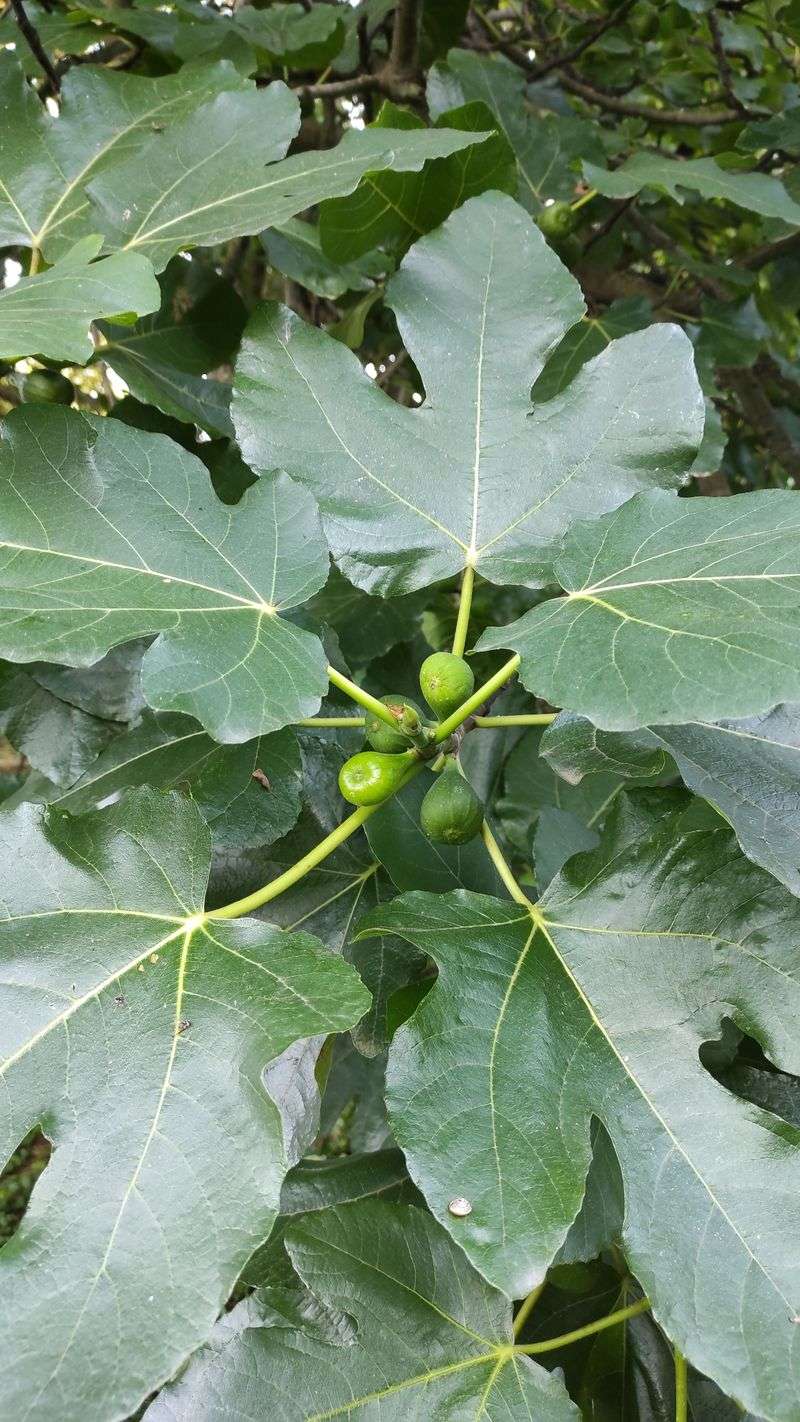
Mississippi summers are famously humid, and this year that sticky air worked in the fig trees’ favor. High humidity reduces the rate at which leaves lose moisture through a process called transpiration.
Less moisture loss means trees can direct more energy toward growing fruit. Fig trees have large, broad leaves that can release a lot of water on hot dry days.
When the air around them is already saturated with moisture, that water loss slows down considerably. Trees stay hydrated longer between rainfalls, which keeps stress levels low.
Growers noticed their trees looked healthier and more vibrant than in drier years. Leaves stayed a deep, rich green well into midsummer instead of showing the pale or curled edges that signal drought stress.
Healthy leaves mean a healthy tree working at full capacity. Humidity also benefits the soil by slowing surface evaporation. Ground moisture sticks around longer when the air is already heavy with water.
That means roots had consistent access to hydration even between rain events this season. Some gardeners worry that humid conditions encourage fungal disease on fig trees.
That concern is valid, but good airflow around the canopy usually keeps serious problems at bay.
Most Mississippi growers reported minimal disease pressure this season despite the moisture-rich air.
The takeaway here is that humidity, often seen as a nuisance, actually supports fig tree health in meaningful ways.
When conditions align just right, humid Mississippi air becomes a contributing factor in producing a strong harvest. This season was a perfect example of that balance.
4. Longer Growing Season Boosted Total Yield
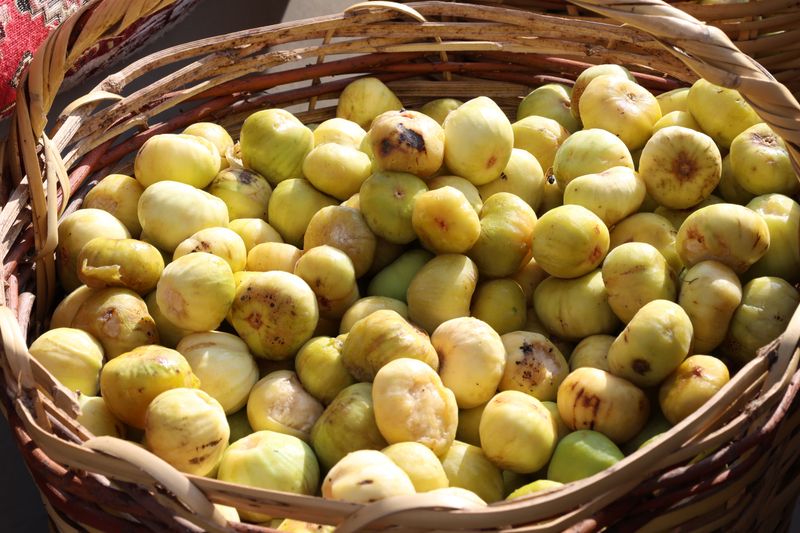
A longer growing season is like getting bonus time on a test. Fig trees had more weeks to develop fruit, which translated directly into higher yields across the state.
Growers who usually fill one basket ended up filling three or four this year. The season stretched in both directions. A mild early spring allowed trees to wake up and start budding sooner than normal.
On the back end, warm temperatures lingered well into fall, giving late-developing figs enough time to fully ripen.
Fig trees are known as heavy producers when conditions cooperate. A single mature tree can yield dozens of pounds of fruit in a good season.
With extra weeks added to the calendar this year, that natural productivity increased significantly.
Growers with multiple trees found themselves scrambling to keep up with the harvest. Figs ripen quickly and do not last long once picked, so the abundance created a happy but busy challenge.
Many turned to canning, drying, and sharing with neighbors just to keep up. A longer season also gave second-crop figs, sometimes called the breba crop, a better chance to develop.
These early figs grow on last year’s wood and often get cut short by summer heat. This year, many growers saw both crops come in strong. More growing days mean more opportunity for every fig on the tree to reach its full potential.
This season reminded gardeners why timing matters so much in horticulture. A few extra weeks can be the difference between a decent harvest and an above-average one.
5. Mild Winter Protected Roots From Damage
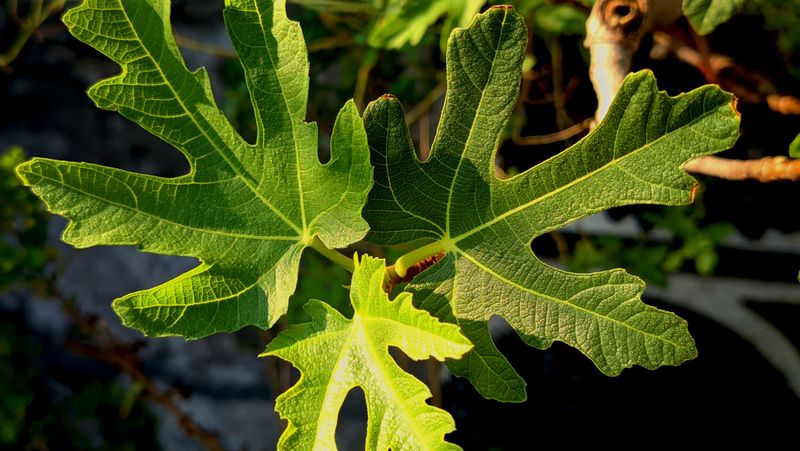
What happens in winter shapes everything that follows in spring. A mild winter across Mississippi this past year meant fig tree roots stayed safe from the hard freezes that can set a tree back for an entire season.
Healthy roots in spring equal healthy fruit in summer. Fig roots are relatively shallow compared to other fruit trees. That makes them more vulnerable to cold snaps that freeze the top layer of soil.
When roots freeze, they lose their ability to absorb water and nutrients until the damage heals, which takes time.
This past winter delivered few of those damaging cold events. Temperatures stayed above the danger zone for most of the season, allowing roots to remain active and ready for spring growth.
Trees essentially skipped the recovery phase and went straight into production mode. Growers who had lost trees or seen major branch loss in previous harsh winters were pleasantly surprised.
Their fig trees emerged from winter looking strong and full of potential. Some even noticed more new growth shoots than they had seen in years.
Root health is the foundation of everything a fruit tree does. Strong roots absorb more water, pull in more nutrients, and support heavier fruit loads without stress.
A protected root system this winter gave Mississippi fig trees a serious head start on the season.
Protecting roots is something gardeners can also do proactively with mulch. But nature took care of it automatically this year.
That natural protection turned out to be one of the biggest hidden drivers behind this season’s outstanding fig performance.
6. Strong Sunlight Increased Sugar Production
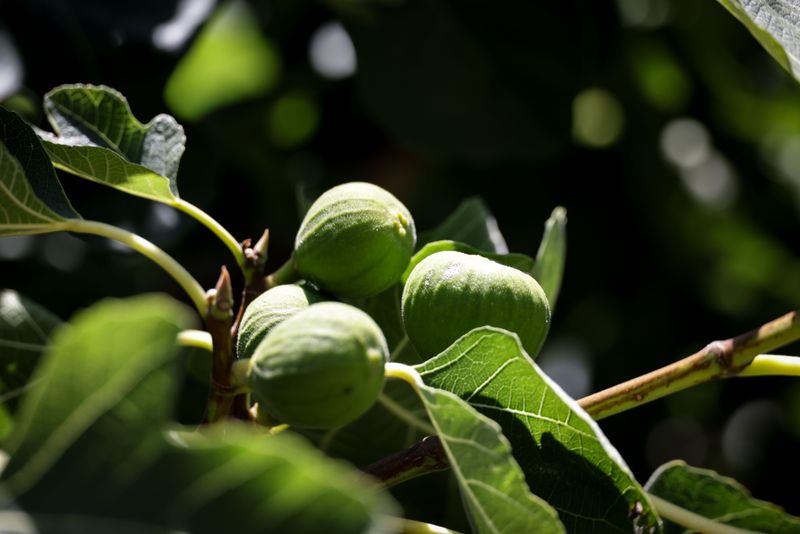
Sweet figs start with strong sunlight. This season brought an abundance of clear, sunny days that powered the photosynthesis process in ways a cloudy season simply cannot match.
More sunlight means more sugar, and more sugar means better-tasting fruit. Photosynthesis is the way plants convert sunlight into the sugars they use for energy and growth.
Fig trees that receive full sun for most of the day produce noticeably sweeter fruit than those growing in shade. This season’s sunny weather gave every tree a natural sugar boost.
Some growers reported their figs tasting sweeter than usual this year. Even varieties that tend toward a milder flavor came in richer and more complex. That sweetness traces directly back to the high number of sunny days the season delivered.
Sunlight also helps figs develop their signature soft texture. The result is a softer texture that makes fresh Mississippi figs especially enjoyable.
Beyond flavor, strong sunlight also supports the tree’s immune system. Well-lit trees tend to have better airflow through the canopy, which reduces moisture buildup and lowers the risk of fungal issues.
A sunny season is a healthy season in more ways than one. If you have ever tasted a fig with a honey-like sweetness, sunshine deserves a lot of the credit.
This season’s generous sunlight did not just feed the trees. It produced noticeably sweeter figs this season.
7. Rich Soil Nutrients Fueled Fruit Growth
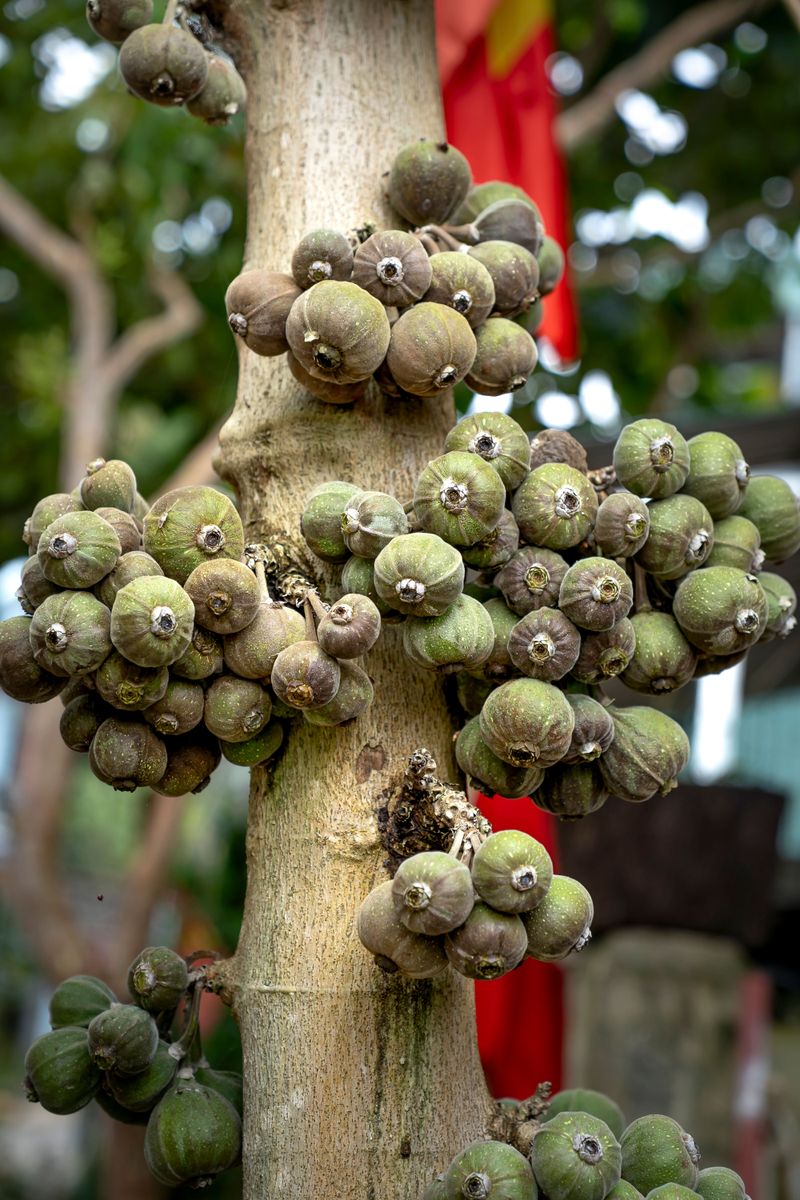
Parts of Mississippi, particularly the Delta region, have especially fertile soil, and fig trees there take full advantage of it.
This season, that natural richness came through in every piece of fruit hanging from the branches. Good soil is not just background noise.
It is the engine behind every great harvest. Fig trees are heavy feeders, meaning they pull large amounts of nutrients from the soil throughout the growing season.
Nitrogen supports leafy growth, phosphorus powers root development, and potassium drives fruit quality. Mississippi soil delivered all three in strong supply this year.
Growers who added compost or organic matter in early spring saw especially impressive results. That extra nutrient boost helped trees perform strongly all season.
A well-fed tree in spring is a productive tree all summer long. Soil pH also plays a critical role in nutrient availability. Fig trees prefer a slightly acidic to neutral pH range.
Much of the natural soil across the region falls right in that sweet spot, making it a near-perfect match for fig cultivation without much amendment needed.
Earthworm activity, which thrives in rich moist soil, also helped this season. Worms break down organic material and improve soil structure, making nutrients easier for roots to absorb.
More worm activity means better nutrient delivery to the tree with no extra effort from the gardener.
Great fruit always starts below ground. This season reminded every Mississippi gardener that investing in soil health pays off in ways you can taste. Rich, living soil is the quiet reason fig trees across the state are thriving right now.
8. Fewer Pests Left Trees Undisturbed
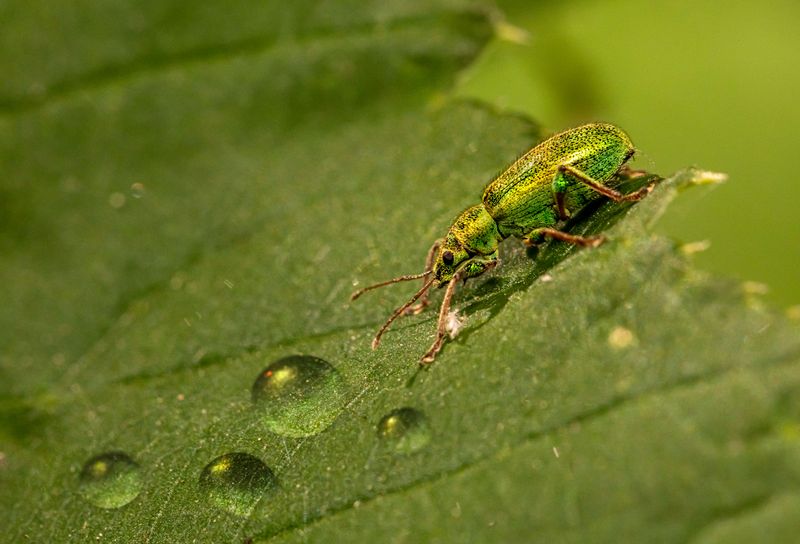
A season without serious pest pressure is a favorable outcome for growers. Fig trees across Mississippi enjoyed relatively low insect and disease interference this year, and the results showed in the quality and quantity of fruit produced.
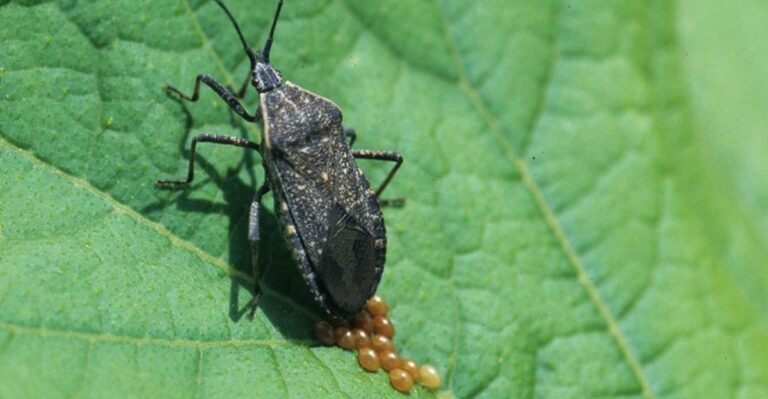
Undisturbed trees simply perform better. Fig beetles, stink bugs, and certain caterpillar species can cause significant damage when populations spike. This season, those pest numbers stayed low across much of the state.
Agricultural specialists suggest that weather patterns and natural predator activity may explain the lower pest numbers.
Birds, beneficial wasps, and predatory insects all help keep harmful pest populations in check. A healthy garden ecosystem creates a natural balance that chemical sprays cannot fully replicate.
This season, that balance seemed to tip in the fig grower’s favor across the board. Less pest activity also meant less fruit damage and fewer dropped figs.
Insects often feed on fruit directly, causing early drop or surface scarring that ruins the harvest.
With pests staying away, fruit developed cleanly and completely without interruption or blemish.
Growers who practice organic methods were especially pleased this season. Without relying on heavy sprays, their trees stayed productive and their fruit remained clean.
The low pest year validated the patience that organic gardening requires year after year. Pest management is usually one of the biggest challenges in growing figs successfully.
This season offered a rare and welcome break from that struggle, letting trees focus all their energy on producing fruit.
Mississippi fig trees across the state are thriving, and fewer pests deserve a big share of the credit.