What Georgia Gardeners Do In July That Causes Bean Plants To Slow Down
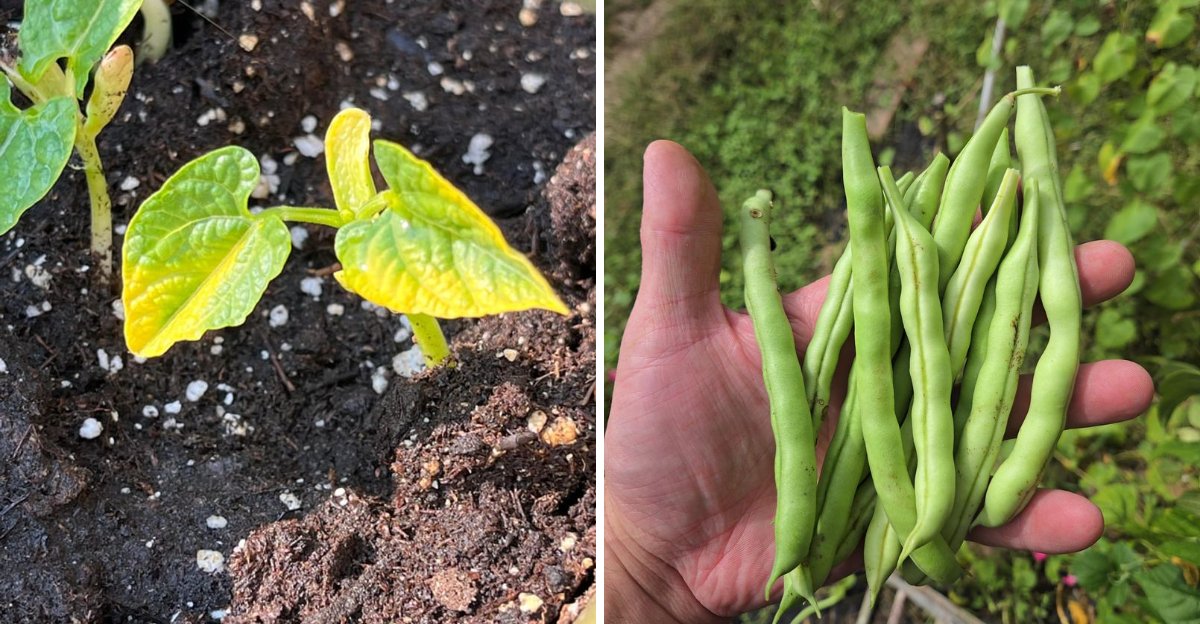
Georgia bean plants can lose their enthusiasm fast in July.
One week the vines are blooming, the rows look promising, and dinner plans involve fresh snap beans with everything.
Then the heat settles in like it owns the garden.
Flowers drop. Pods slow down. Leaves sag by lunch. The whole row starts acting like it needs a long vacation and a fan.
The frustrating part is that beans often get blamed for being fussy when the real problem is timing, stress, or one small habit repeated at the wrong moment.
A missed harvest, shallow watering, late planting, or too much fertilizer can push already hot plants into a midsummer slowdown.
So what are Georgia gardeners doing in July that makes beans quit producing?
Start with the daily choices. Beans need steady moisture, regular picking, good airflow, and protection from heat stress before the row decides to take an unpaid break right when you wanted another basket.
1. Planting Too Late Starts Trouble
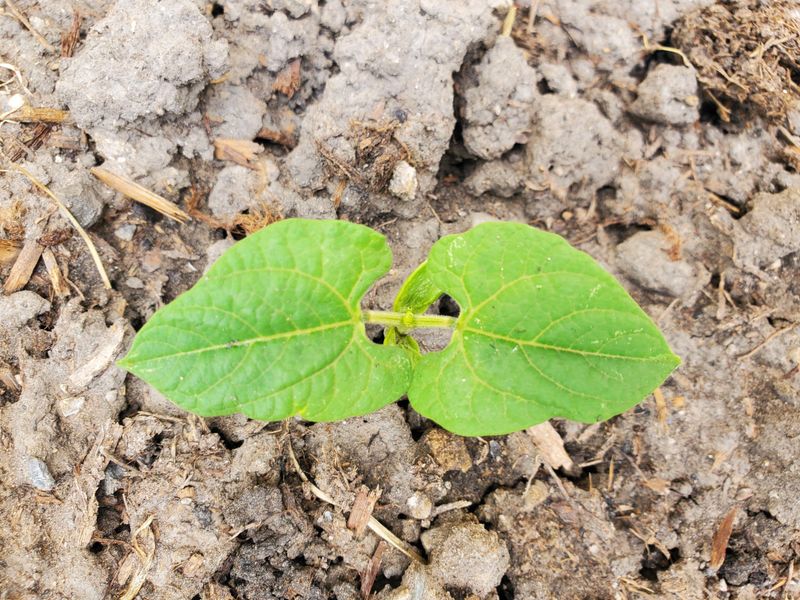
A packet of bean seeds sitting on the potting bench in late June or early July might seem like a good idea, but the timing math rarely works out in Georgia.
Bush beans need about 50 to 60 days to reach harvest, and pole beans push even longer.
Plant in early July and you are sending tender seedlings straight into the hottest stretch of the Georgia summer.
UGA Extension recommends finishing spring bean plantings well before summer peak heat arrives.
Beans planted too close to midsummer face soil temperatures that can exceed 90 degrees Fahrenheit just a few inches down.
At those temperatures, germination drops sharply and young roots struggle to establish before the plant burns out its energy just trying to survive.
Flowers are especially heat-sensitive.
Even if a late-planted bean manages to push up green and grow, it often reaches the flowering stage right when July heat is at its worst. Blossoms drop before pods can form, leaving gardeners with leafy plants and nothing to pick.
The smarter move is to treat late spring as the final window for summer beans and shift your attention toward a fall planting instead.
UGA suggests late July to early August as the right time to start planning a fall bean crop, giving plants a chance to mature in cooler September and October temperatures.
Timing is everything in a Georgia garden.
2. Heat Stops Fresh Flowers
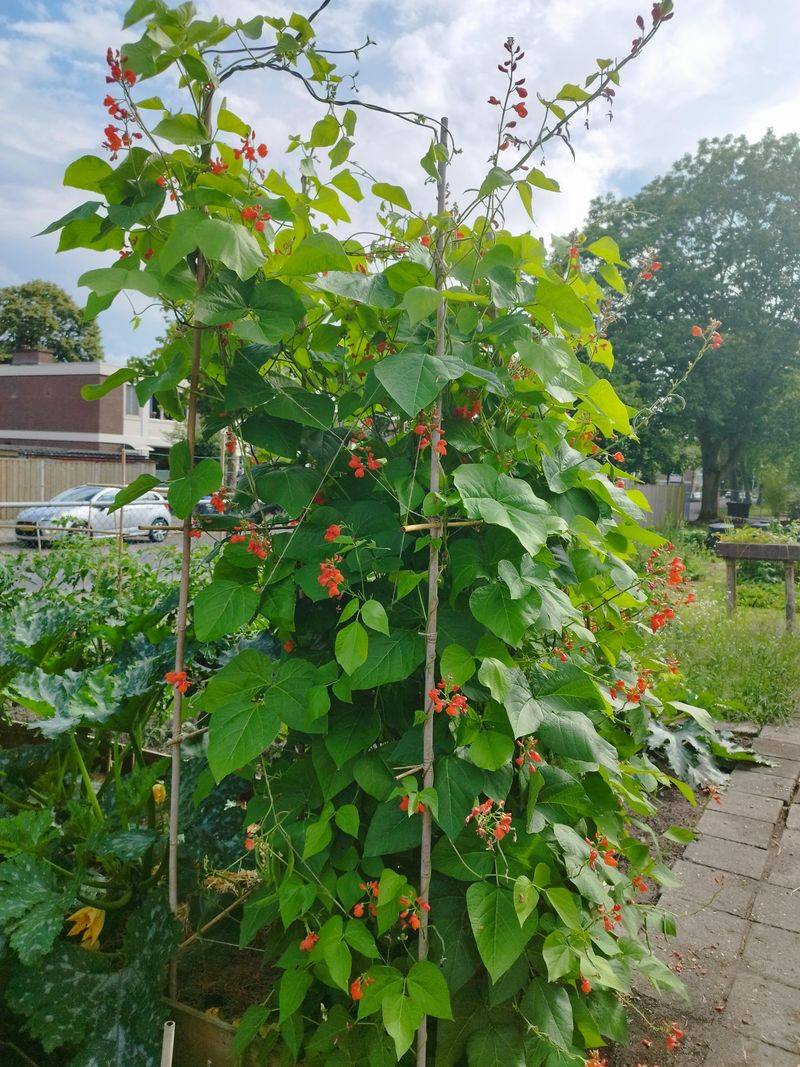
Standing at the edge of a bean row at noon in July feels like standing next to an open oven.
Temperatures in Georgia regularly hit the mid-90s and beyond during peak summer, and bean flowers are not built to handle that kind of punishment.
When daytime temperatures push above 90 degrees Fahrenheit and nighttime lows stay above 70, bean blossoms simply fall off before they can become pods.
This process is called blossom drop, and it is one of the most frustrating things a gardener can watch happen.
The plant looks healthy. It is green, it is upright, and it is even pushing out new buds. But every flower that opens just shrivels and falls to the ground.
Your Georgia Garden Changes Every Week. Your Plan Should Too.
Gardening in Georgia changes quickly throughout the season. Every Friday you’ll receive a simple weekly plan showing exactly what to plant, prune, fertilize, harvest, and protect so you never miss the right timing.
No flower means no pod, and no pod means no harvest.
UGA Extension notes that high temperatures interfere with pollen viability in many vegetable crops, and beans are particularly sensitive during pollination.
Shade cloth rated at 30 to 40 percent can help reduce canopy temperatures slightly and extend the flowering window during extreme heat events.
Watering deeply in the morning also helps keep root zones cooler through the afternoon.
Beans cannot escape Georgia July, but a few smart moves can help them hold on a little longer before the fall reset begins.
3. Uneven Water Slows Pods
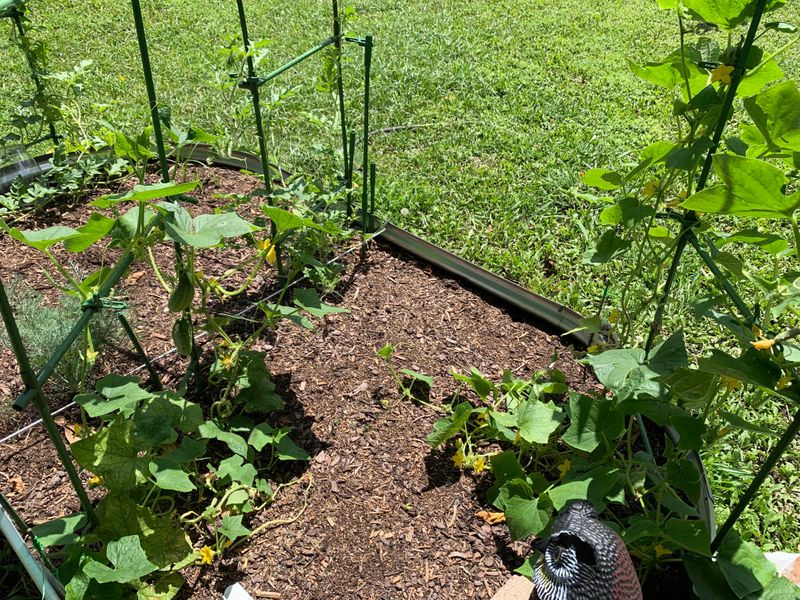
Pods forming on a bean plant are like guests at a dinner table. They need steady, reliable service.
When water comes in bursts, heavy one day and skipped the next, the plant cannot maintain the consistent internal pressure it needs to fill pods properly.
The result is pods that curl, stay short, or stop developing altogether.
Inconsistent moisture is a common problem in Georgia July gardens because the weather itself is unpredictable.
A thunderstorm might dump two inches of rain on a Tuesday, then nothing follows for ten days. Gardeners who rely on rainfall alone without supplemental irrigation often find their bean plants reacting badly to these swings.
UGA Extension recommends that beans receive about one inch of water per week, applied consistently.
Drip irrigation or soaker hoses work far better than overhead sprinklers for maintaining even soil moisture. Overhead watering also wets the foliage, which increases the risk of fungal issues in Georgia’s humid summer air.
Mulching heavily around bean rows makes a significant difference.
A two to three inch layer of straw or wood chips slows evaporation dramatically, buffers soil temperature swings, and keeps moisture available between watering sessions.
Steady water is one of the simplest fixes a Georgia gardener can make.
4. Dry Soil Stalls Growth
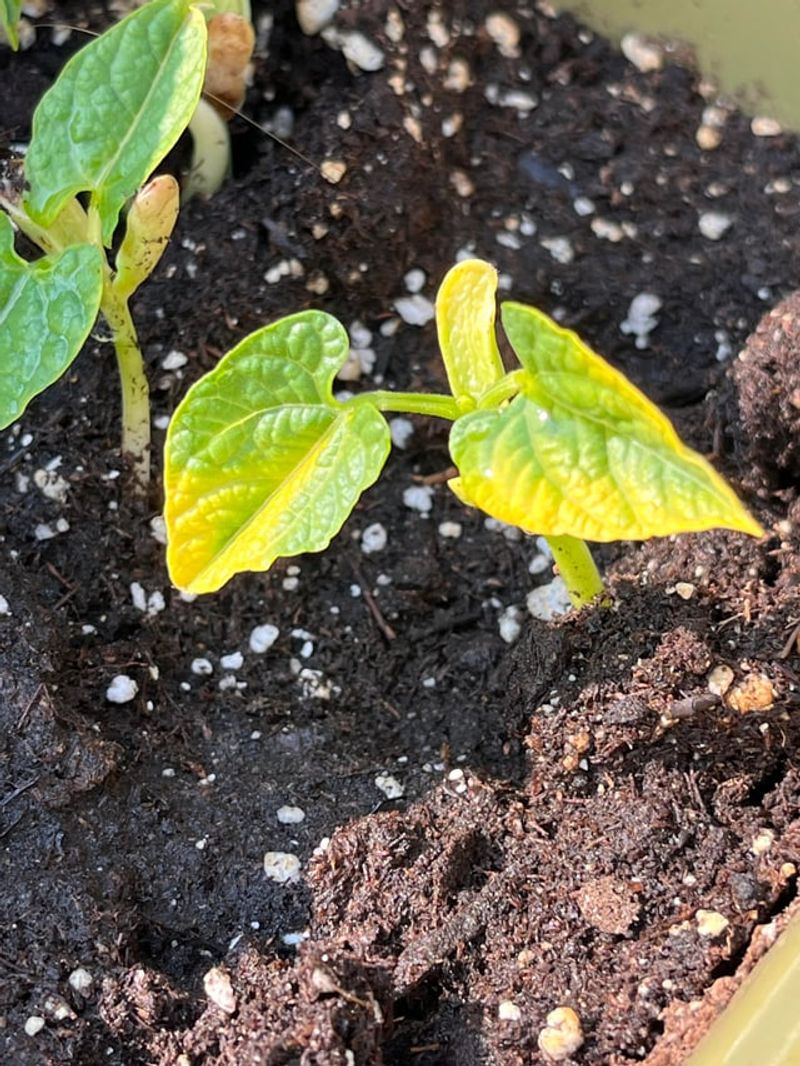
Dry soil in a Georgia July garden does not just slow bean plants down. It puts them into survival mode.
When the top several inches of soil dry out completely, bean roots pull back from active growth and the plant redirects what little energy it has toward staying alive rather than producing pods.
A plant in survival mode is not a productive plant.
Georgia red clay presents a particular challenge because it can crust over quickly after rain or irrigation, making it hard for water to penetrate deeply on the next watering cycle.
Gardeners who give their beans a quick splash with the hose might see the surface look wet but leave the root zone bone dry just a few inches below.
Deep, slow watering is the answer.
Letting water soak in for 20 to 30 minutes at the base of the plant encourages roots to follow moisture downward, where soil temperatures are cooler and more stable.
A soil probe or even a long screwdriver pushed into the ground can tell you how deep moisture is actually reaching before you walk away from the hose.
Adding compost to clay soil improves drainage and water retention at the same time.
Dry soil is a fixable problem, and fixing it mid-July can absolutely wake a struggling bean row back up.
5. Heavy Nitrogen Pushes Leaves
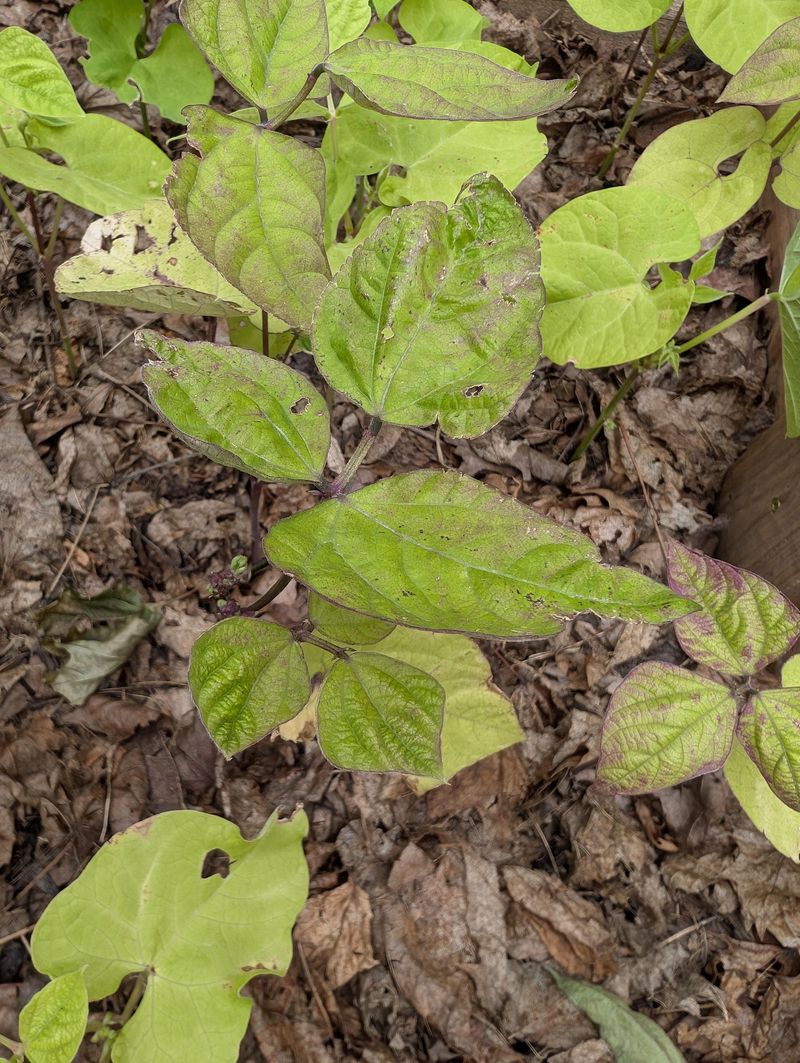
Walk down a bean row in July and notice plants that are almost embarrassingly green, thick with leaves, bushy and full but producing almost nothing.
That picture-perfect foliage might actually be the problem.
Too much nitrogen in the soil pushes plants into vegetative overdrive, sending energy into leaves and stems rather than into the flowers and pods a gardener actually wants.
Beans are legumes, which means they have a built-in advantage most vegetables do not.
They fix their own nitrogen from the air through a relationship with soil bacteria. That natural process means beans generally need far less added nitrogen than crops like corn or tomatoes.
When gardeners apply the same heavy fertilizer schedule they use on other vegetables, beans respond by going leafy fast.
UGA Extension guidance on beans recommends a modest application of fertilizer at planting, with very little added nitrogen once plants are established and flowering.
If you suspect a nitrogen overload, hold off on any additional feeding and let the plant work through what is already in the soil.
Switch your attention to phosphorus and potassium support if anything, since those nutrients encourage flowering and pod development rather than leaf growth.
Letting beans be a little lean in the nitrogen department is almost always the better bean strategy in a Georgia summer garden.
6. Old Pods Stay Too Long
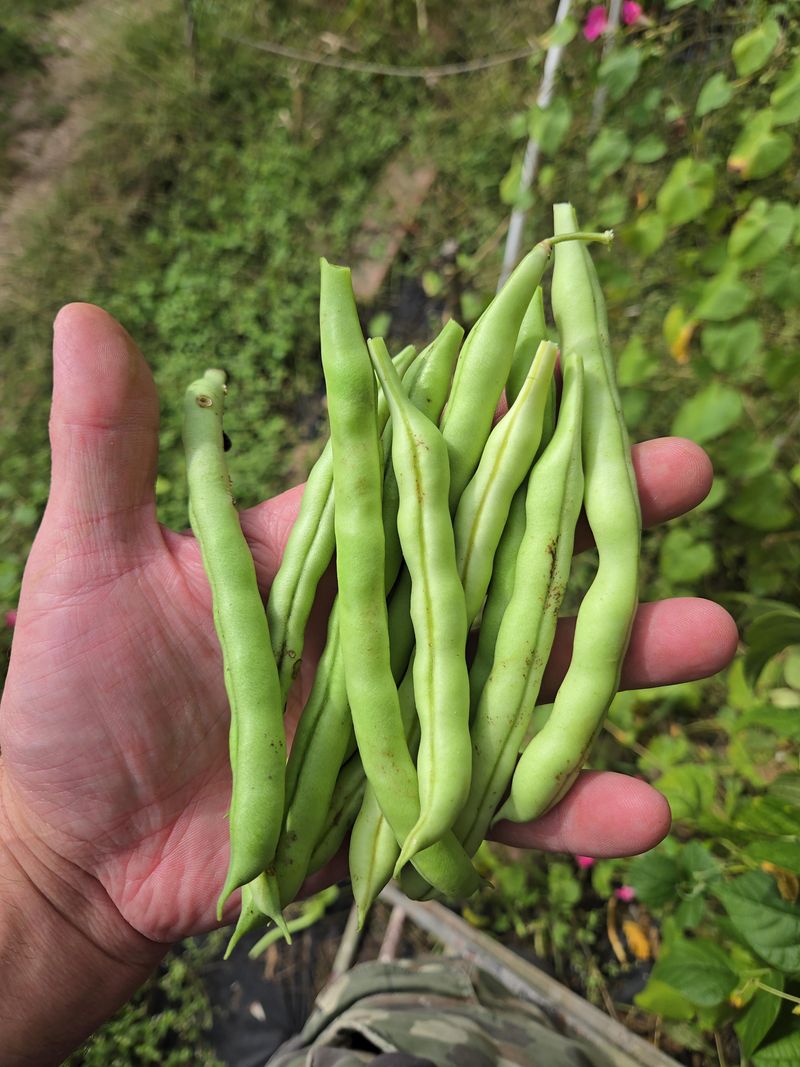
Old pods hanging on a bean vine are like a stop sign for new production.
Once a bean plant senses that its seeds are maturing inside existing pods, it shifts its energy toward finishing those seeds rather than pushing out new flowers.
A fat pod full of ripening seeds tells the plant that its mission is nearly complete.
Skipping a harvest day or two in July feels easy to justify. It is hot, the garden is far from the back door, and the pods already look fine.
But letting pods go past their prime picking window triggers this slowdown faster than almost anything else a gardener does.
Within days, a plant that was flowering regularly can go completely quiet.
Beans should be picked every two to three days during peak production.
That frequent harvesting signals the plant to keep producing more flowers and pods. It is one of the most effective ways to extend a bean harvest well into the season.
The more you pick, the more the plant gives. Skip the picking, and the plant starts wrapping things up on its own schedule.
In Georgia July heat, checking bean rows every other morning before temperatures climb is the most practical approach.
Pods picked young and tender taste better, cook faster, and encourage faster regrowth. Leaving even a few pods to go fully mature and seed-filled can slow down an entire row.
7. Crowded Rows Trap Heat
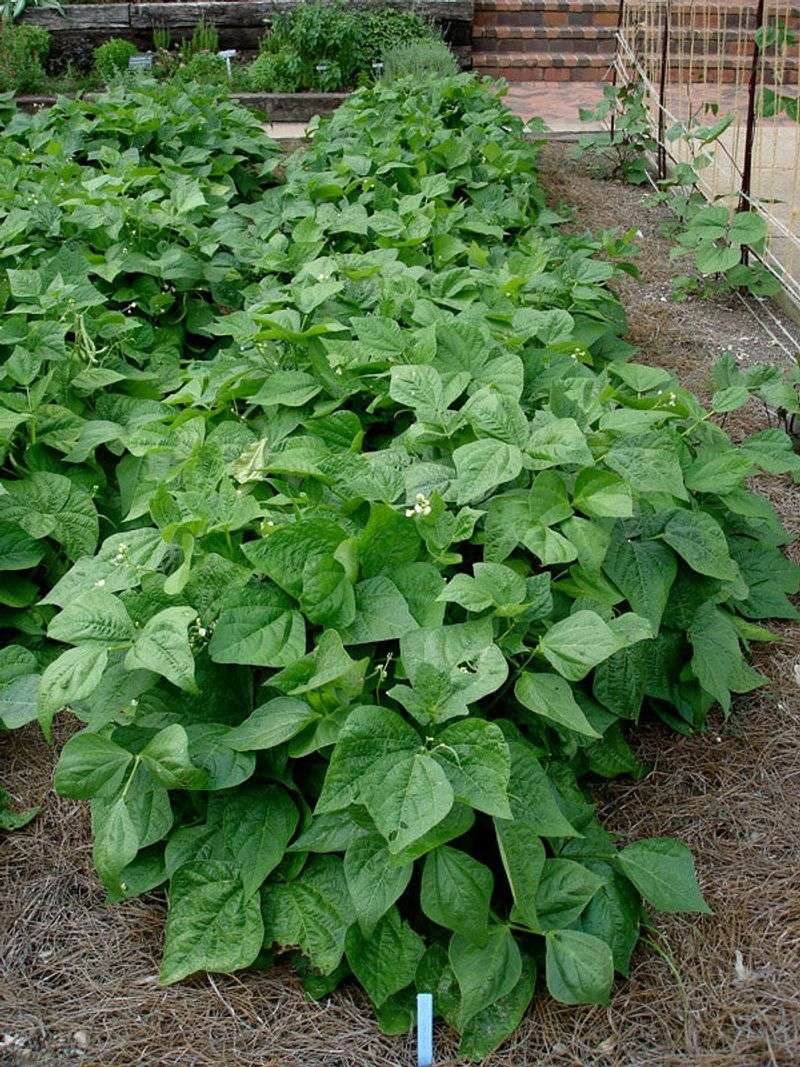
Rows packed too tightly together might look productive at first glance, but by July they become heat traps.
When bean plants are spaced too close, their leaves overlap and block airflow between rows.
Stagnant air between plants holds moisture and heat, creating the kind of humid, hot microclimate that beans absolutely hate during summer.
Good airflow helps bean plants in two important ways.
First, it allows excess heat to escape rather than build up around stems and leaves. Second, it reduces humidity at the leaf surface, which cuts down on fungal diseases like powdery mildew and rust that spread quickly in Georgia’s muggy summer air.
UGA Extension recommends spacing bush beans about four to six inches apart within the row, with rows spaced at least 18 to 24 inches apart.
If you are already mid-season with crowded rows, careful thinning can still help open things up a bit.
Removing a few plants to create gaps allows air to move through more freely.
It feels counterintuitive to pull healthy plants, but the remaining plants often respond with stronger growth and better pod set once they have room to breathe.
In Georgia July heat, every bit of airflow matters. Giving beans a little elbow room is one of those simple moves that pays off more than most gardeners expect it to.
8. Skipping A Fall Reset Costs Time
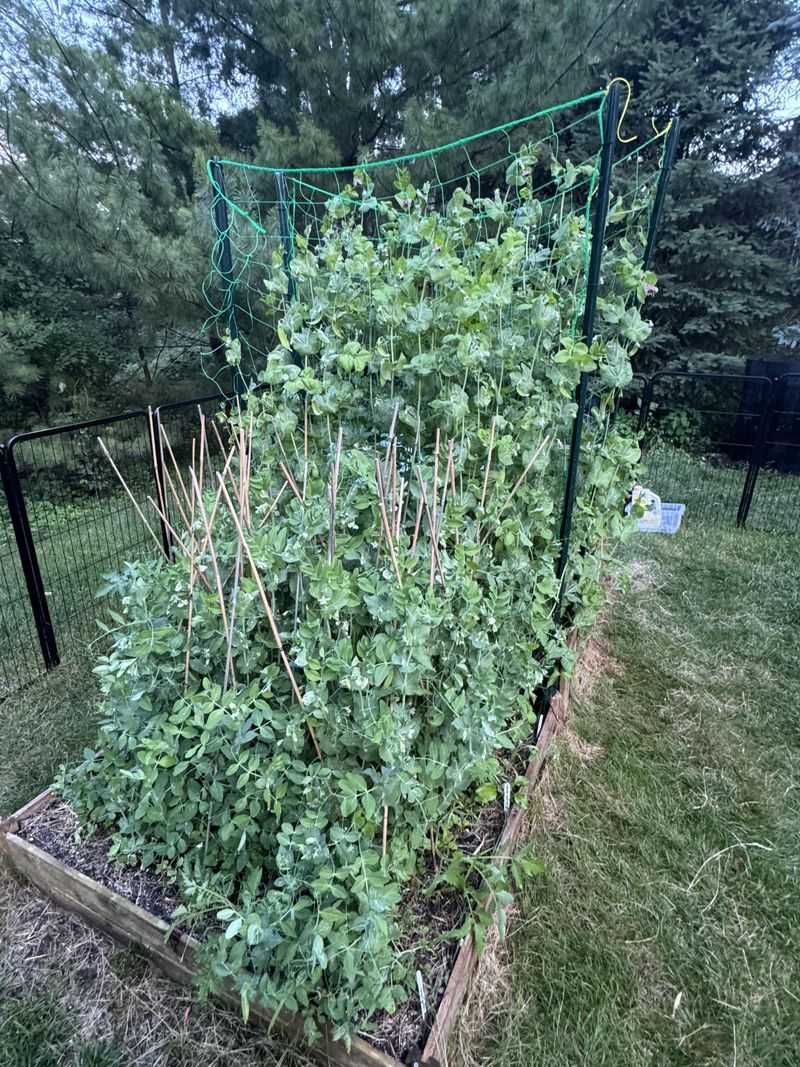
Tired bean plants clinging to life in August heat are not going to make a comeback.
Holding on to worn-out summer plants past their productive window wastes valuable weeks that could be spent preparing for a fall garden that actually performs.
Pulling spent plants and resetting a bed is one of the most productive things a Georgia gardener can do in late July.
UGA Extension points to late July through early August as the ideal window for planting fall beans in Georgia.
Bush beans planted during this stretch can mature before the first frost, giving gardeners a second solid harvest in much more comfortable temperatures.
September and October days are kinder to bean flowers, and pod set improves significantly once nighttime temperatures start dropping back below 70 degrees.
Resetting a bed does not have to be complicated.
Pull the old plants, add a couple inches of compost, turn it in lightly, and give the soil a good deep watering before planting fresh seed.
Planning a cool-season follow-up crop alongside fall beans is also worth considering.
Crops like turnips, kale, and collards thrive in Georgia fall conditions and fill garden space productively.
A garden that resets on purpose in July comes out of summer in far better shape than one that limps along waiting for heat to break on its own.
Reset early and the fall garden rewards the effort.