Why Bermuda Grass Spreads Into Georgia Flower Beds In Summer And How To Stop It
You pull a few blades of grass from a flower bed, thinking the job is finished. A week later, they are back again, creeping between flowers and popping up where they do not belong.
It can feel like an endless battle, especially when the rest of the bed is growing just the way you hoped.
Some plants stay where you put them, but Bermuda grass plays by different rules. Once summer arrives, it grows with incredible speed and easily finds its way into nearby planting beds.
Ignoring the first signs usually gives it more time to spread and become much harder to manage.
In Georgia, this is a common frustration during the hottest months of the year. Understanding why Bermuda grass moves into flower beds is the first step.
A few well timed actions can stop it before it takes over the space your flowers need to thrive.
1. Underground Rhizomes Keep Spreading Beneath The Soil
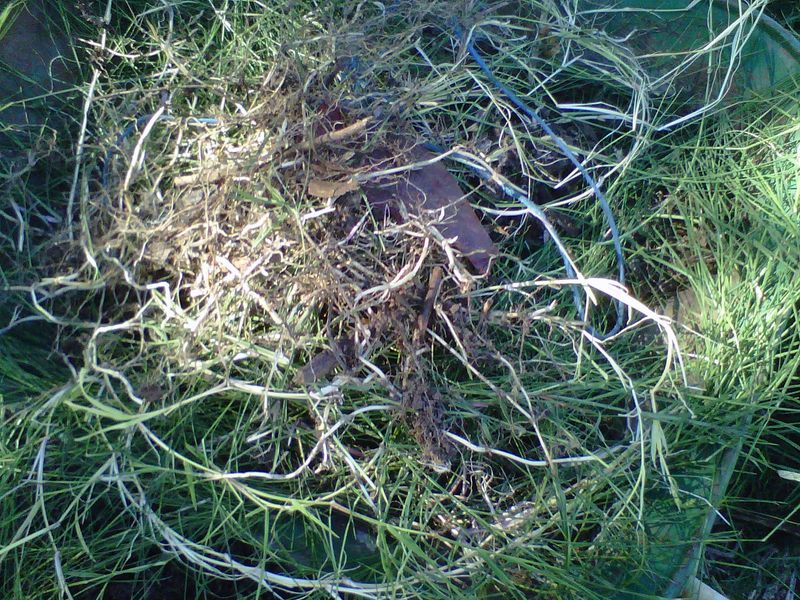
Pull up a clump of Bermuda grass and look closely at what comes with it. You will see thick, pale stems running horizontally underground.
Those are rhizomes, and they are the main reason this grass keeps coming back no matter how many times you remove the tops.
Rhizomes grow entirely below the surface. They spread outward in all directions, quietly pushing past lawn edging and under mulch without any visible sign above ground.
By the time you notice new shoots in your flower bed, the root system may already stretch a foot or more beneath the soil.
Warm soil temperatures in summer accelerate rhizome growth significantly. Temperatures between 75 and 95 degrees Fahrenheit create near-perfect conditions for rapid underground expansion.
In many parts of the Southeast, those temperatures last for months.
Removing rhizomes by hand takes patience. You need to follow each stem back as far as possible and pull gently to avoid snapping it.
Any piece left behind can sprout a new plant within days.
A garden fork works better than a hand trowel for this job. Loosen the soil around the clump first, then trace the rhizomes outward carefully.
2. Above-Ground Stolons Grow Faster In Summer
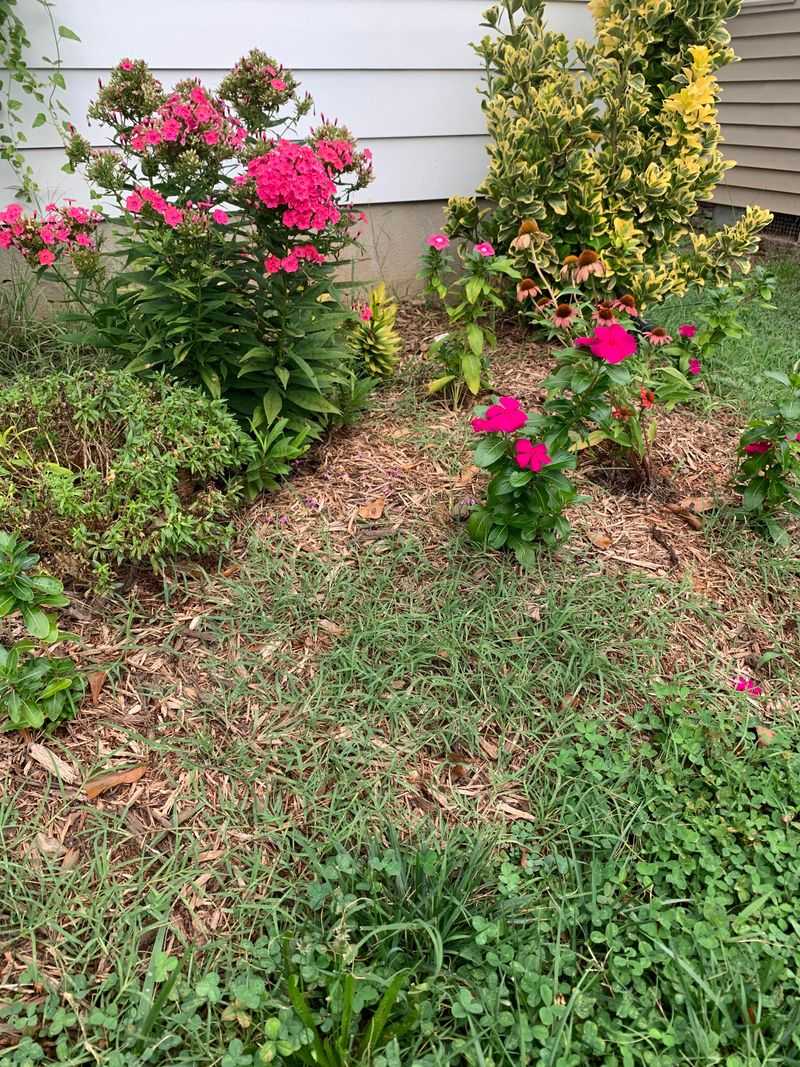
Stolons are the above-ground runners Bermuda grass sends out across the soil surface. Unlike rhizomes, you can actually see them moving into your flower beds in real time if you watch closely during peak summer weeks.
Heat speeds everything up. Stolons can extend several inches in a single week during hot, humid stretches.
They root at every node they touch, meaning one runner crossing into a flower bed can anchor itself in multiple spots before you even notice it arrived.
Mowing the lawn edge frequently helps reduce stolon spread. Cutting runners back before they reach the bed limits how far they can travel.
It is not a complete fix, but it slows the invasion enough to make your other control efforts more effective.
Stolons are easier to remove than rhizomes because they sit right on the surface. Grab the tip and follow the runner back to its origin point.
Your Georgia Garden Changes Every Week. Your Plan Should Too.
Gardening in Georgia changes quickly throughout the season. Every Friday you’ll receive a simple weekly plan showing exactly what to plant, prune, fertilize, harvest, and protect so you never miss the right timing.
Pull it up cleanly, including any small roots that formed along the nodes.
Check your flower bed edges at least once a week during July and August. Stolon growth peaks during those months across the region.
Catching runners early, before they root deeply, saves a significant amount of labor compared to dealing with established patches later in the season.
3. Repeated Removal Weakens New Growth Over Time
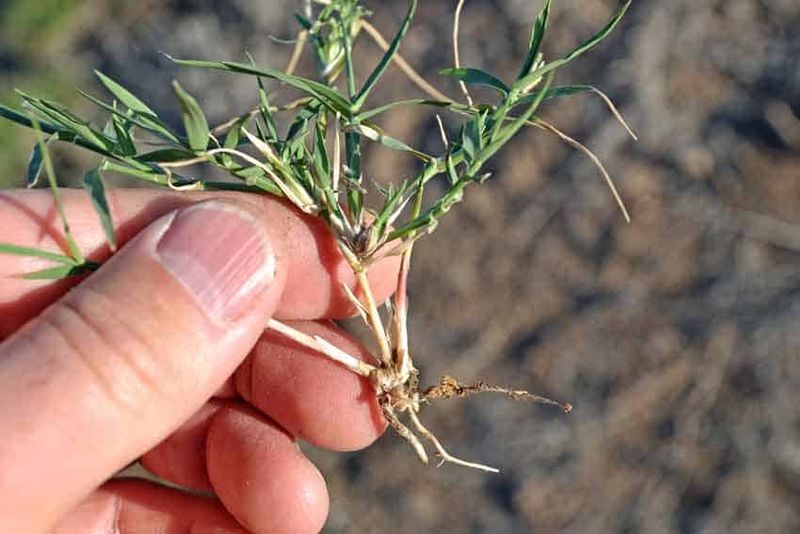
Bermuda grass is persistent, but it is not invincible. Every time new growth gets removed before it can photosynthesize and build energy reserves, the plant loses a little ground.
Repeated removal is one of the most effective long-term strategies available to home gardeners.
The key word is repeated. A single removal session does not accomplish much.
Bermuda grass rebounds quickly from stored energy in its roots and rhizomes. Consistent removal every week or two throughout the growing season is what gradually depletes those reserves.
Focus on removing shoots as soon as they emerge. Small, young growth is easier to pull cleanly.
Older, more established shoots develop stronger root attachments and are harder to remove without leaving fragments behind.
Wear gloves and use a hand weeder or narrow hori-hori tool for better leverage. Pulling straight up often snaps the stem at the surface.
Inserting a tool beside the shoot and angling it slightly before pulling tends to bring up more of the underground connection.
Keep a consistent schedule rather than waiting until the bed looks overrun. Sporadic removal allows Bermuda grass to recover between sessions and limits the cumulative effect of your effort.
4. Thick Mulch Makes New Shoots Easier To Spot
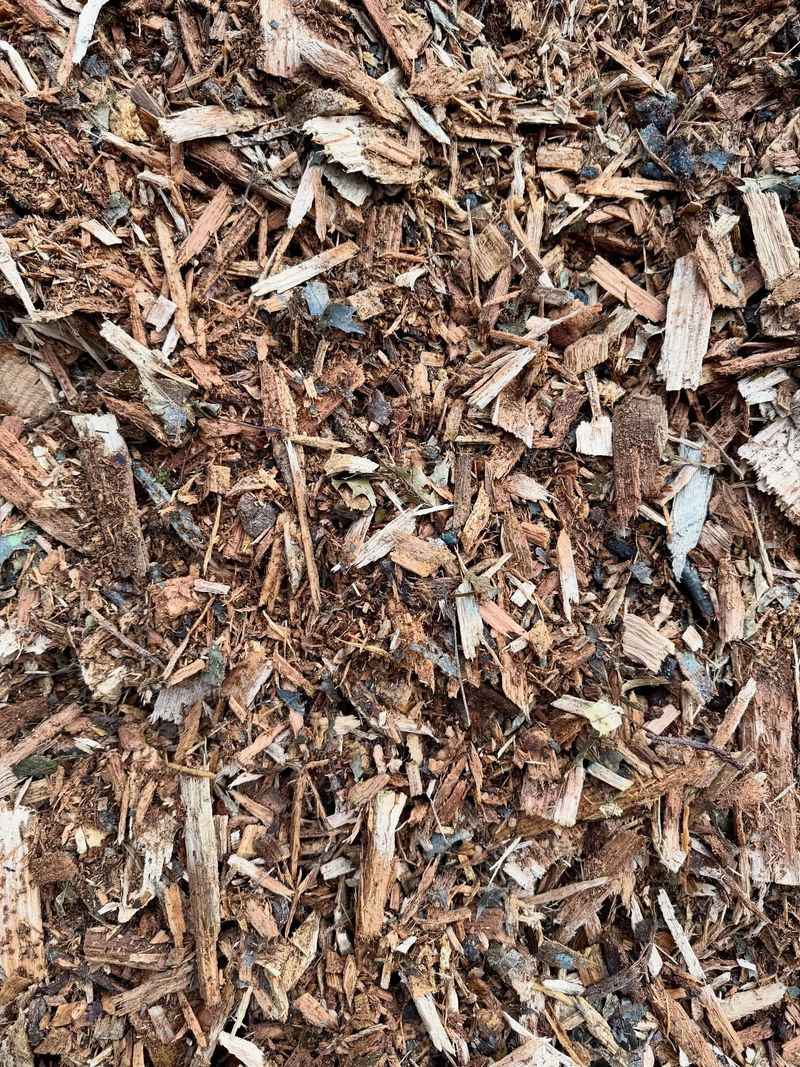
Mulch does not stop Bermuda grass completely, but a properly applied layer does slow it down and makes management much easier.
Shoots pushing through mulch are more visible, easier to grab, and less anchored than those growing through bare or compacted soil.
Aim for a mulch layer between three and four inches deep. Anything thinner provides minimal resistance.
Anything deeper can create problems for your plants by trapping too much moisture around stems and crowns.
Wood chips and shredded bark work well for this purpose. They stay in place, break down slowly, and create enough of a physical barrier to slow stolon rooting at the surface.
Pine straw is popular across the Southeast but tends to shift and thin out faster, requiring more frequent reapplication to stay effective.
Refresh mulch at the start of summer before Bermuda grass growth peaks. Adding a fresh inch or two on top of existing mulch restores depth without the labor of full replacement.
Check the layer again in mid-summer and top it off if needed.
One practical benefit of mulch is contrast. Pale green Bermuda grass shoots stand out clearly against dark brown wood chips.
That visibility makes your weekly removal sessions faster and more thorough. Missing a shoot tucked into bare soil is easy.
5. Deep Lawn Edging Helps Slow The Spread
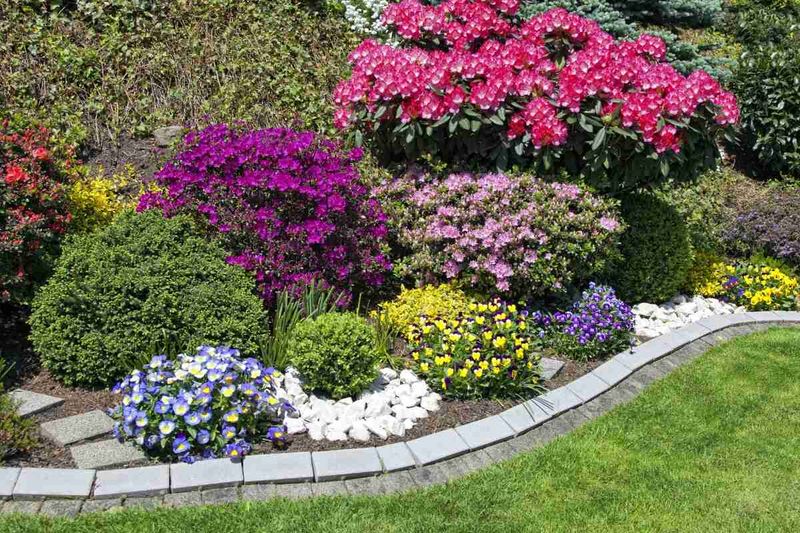
A shallow edge does almost nothing to stop Bermuda grass. Rhizomes travel six or more inches below the surface, so a thin plastic border strip barely slows them down.
Depth is what actually matters when you are trying to create a real barrier.
Steel or aluminum edging installed at least five to six inches deep gives you a much better chance of blocking underground runners.
Flexible plastic edging pushed only two to three inches into the soil is a common mistake that leads to frustration within one growing season.
Trench edging is another solid option. Cut a clean, vertical trench about six inches deep along the border between your lawn and flower bed.
Bermuda grass rhizomes tend to follow the path of least resistance, and a clean trench disrupts that path effectively.
Maintain the trench edge every few weeks throughout summer. Soil settles, edges soften, and runners find gaps quickly.
A few minutes spent resharpening the border keeps it working the way it should.
Root barrier fabric installed vertically in the trench adds an extra layer of protection. It is not foolproof, but combined with regular maintenance it creates a more reliable boundary.
6. Bare Soil Gives It Room To Spread Faster
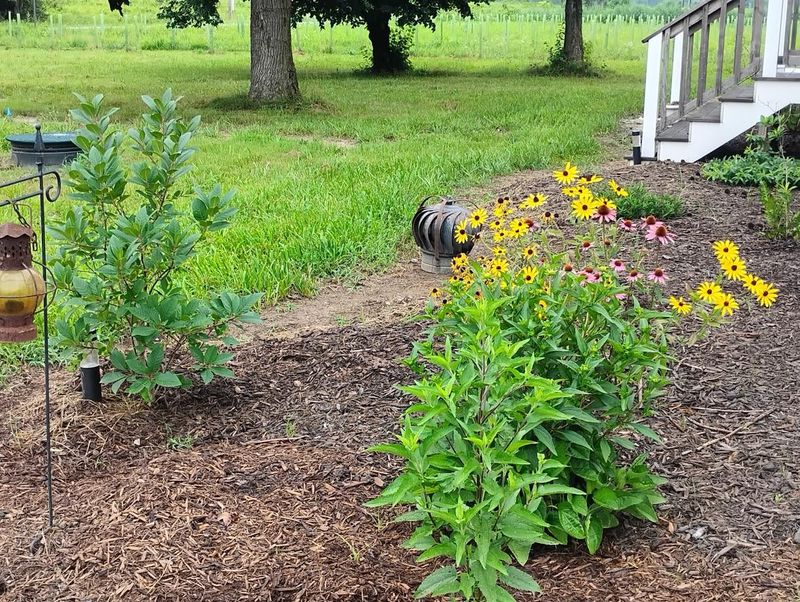
Open soil is an invitation. Bermuda grass spreads most aggressively into spaces where there is no competition, no ground cover, and nothing blocking the surface.
Bare patches in flower beds are exactly the kind of opportunity this grass exploits without hesitation.
Ground cover plants close gaps and reduce available real estate for spreading stolons. Low-growing perennials, ornamental grasses, or dense mulch all create physical competition that slows Bermuda grass movement across the soil surface.
Spacing your flower bed plants too far apart creates the problem unintentionally. It looks fine in spring when plants are small, but by midsummer those gaps become entry points.
Adjusting plant spacing or filling gaps with mulch before summer hits makes a real difference.
Compacted bare soil is especially vulnerable. Runners root easily in firm, warm ground with no organic matter or plant roots competing for space.
Improving soil structure with compost before planting helps your desired plants establish faster and crowd out unwanted invaders.
Walk your flower beds in late spring, before peak Bermuda grass season begins. Note any bare areas and address them before the heat arrives.
Filling gaps with annuals, perennials, or additional mulch at that point costs far less effort than battling an established Bermuda grass patch in August.
7. Consistent Control Brings Better Long-Term Results
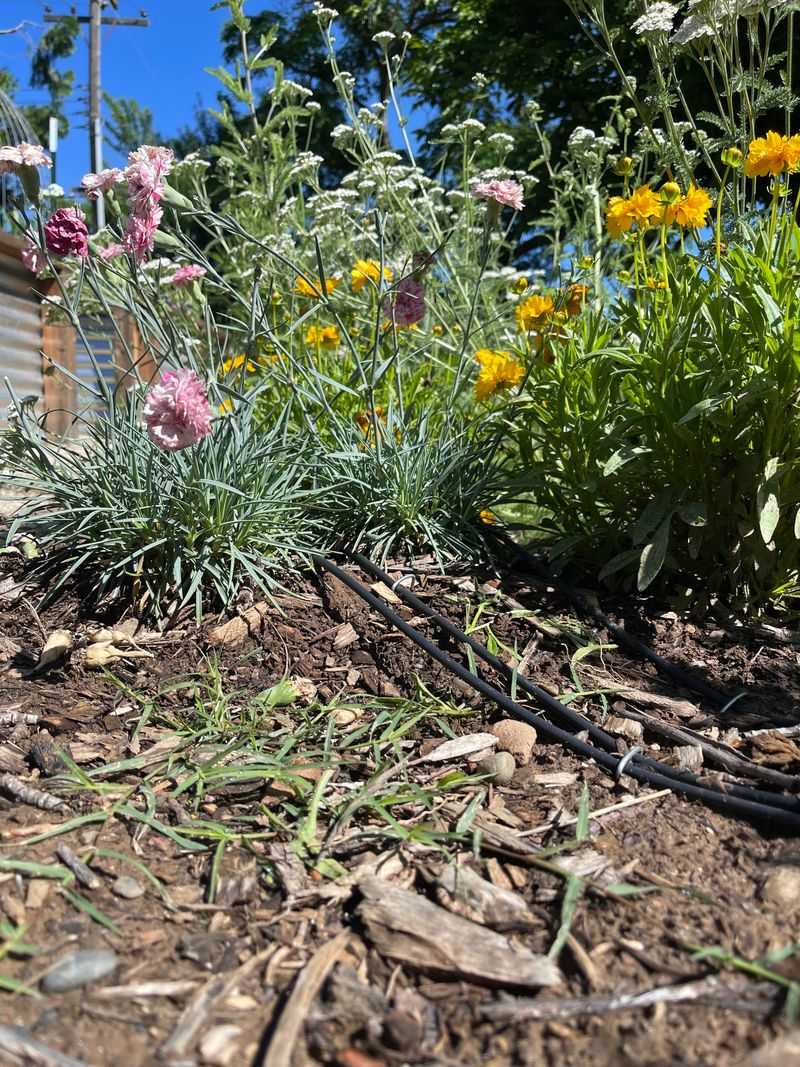
No single tactic stops Bermuda grass permanently. What actually works is combining multiple strategies and applying them consistently over time.
Gardeners who see real improvement are the ones who treat control as an ongoing seasonal habit rather than a one-time fix.
Start the season with fresh deep edging, topped-up mulch, and a clean removal of any visible growth. That sets a strong baseline.
From there, weekly or biweekly maintenance keeps the pressure on without requiring large blocks of time.
Track your progress through the season. Taking simple photos of your flower bed borders in early summer and again in late summer shows whether your approach is working.
Visible reduction in new growth over several weeks confirms that repeated removal is depleting the root reserves.
Adjust your methods if something is not working. If runners keep crossing a certain section of border, that spot may need deeper edging or a root barrier.
Problem areas deserve extra attention rather than the same routine applied everywhere equally.
Patience is genuinely required here. Bermuda grass does not retreat in a week or two.
Sustained effort across a full growing season, and into the next, is what produces a real shift.