What Oregon Gardeners Should Do The Moment A Heat Wave Forecast Appears For Their Area
That heat wave notification on your phone is not something Oregon gardeners can afford to scroll past and deal with later.
When temperatures are forecast to spike, the window to get your garden ready is genuinely short. The difference between acting early and reacting too late shows up fast in wilting leaves, scorched containers, and stressed young trees that take weeks to recover.
Oregon summers can shift from perfectly pleasant to seriously hot in what feels like no time at all, and plants that seemed completely fine on a mild Tuesday can be in real trouble by Thursday afternoon.
The goal is preparation before the heat peaks, not damage control once things are already struggling.
A few targeted steps taken early can dramatically change how your garden handles the hottest days of the year.
1. Water Deeply Before The Heat Arrives
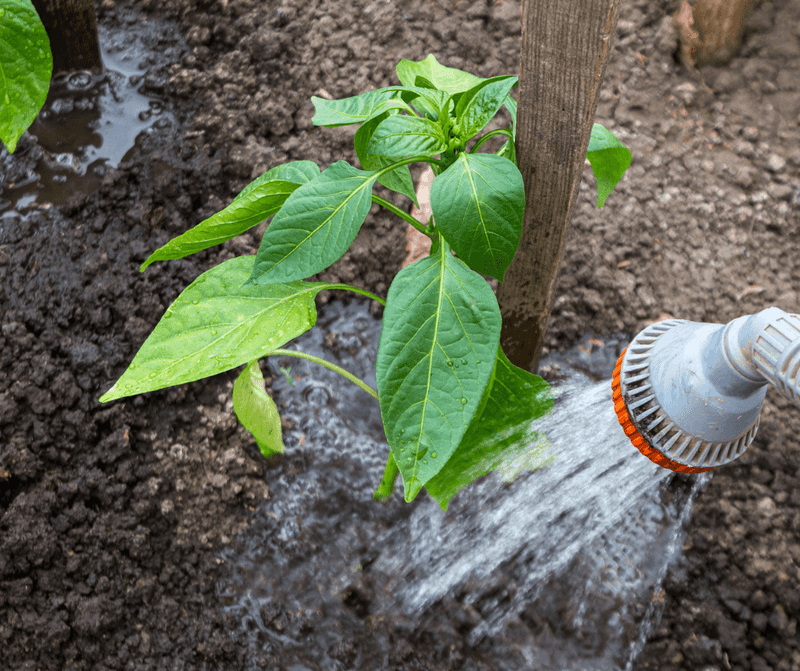
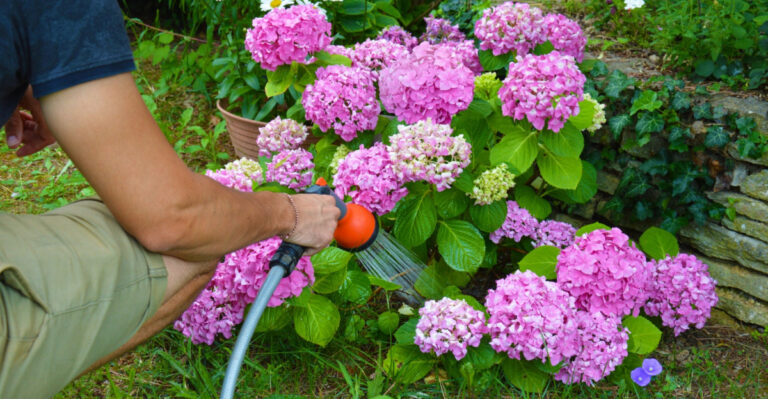
Spotting a heat wave forecast on your phone is the signal to head outside and water thoroughly, not lightly. Plants handle extreme temperatures much better when the root zone is already holding moisture before the heat peaks.
A shallow sprinkle on the surface does little good when roots are reaching deeper into the soil for hydration.
For vegetable beds, raised beds, and flower borders, slow and deep watering gives moisture time to soak down where roots can actually use it.
Running a soaker hose for a longer stretch or standing in one spot longer than usual with a wand helps push water deeper into the soil profile.
Sandy or loose soils may need a bit more time since water moves through them quickly.
Avoid overwatering to the point of soggy, waterlogged soil, which can stress roots just as much as drought can. The goal is a well-hydrated root zone that gives plants a steady reservoir to draw from over the next several days.
Checking soil moisture a few inches down with your finger before watering can help you judge whether the soil actually needs more water or is already in good shape.
2. Check Containers And Hanging Baskets First
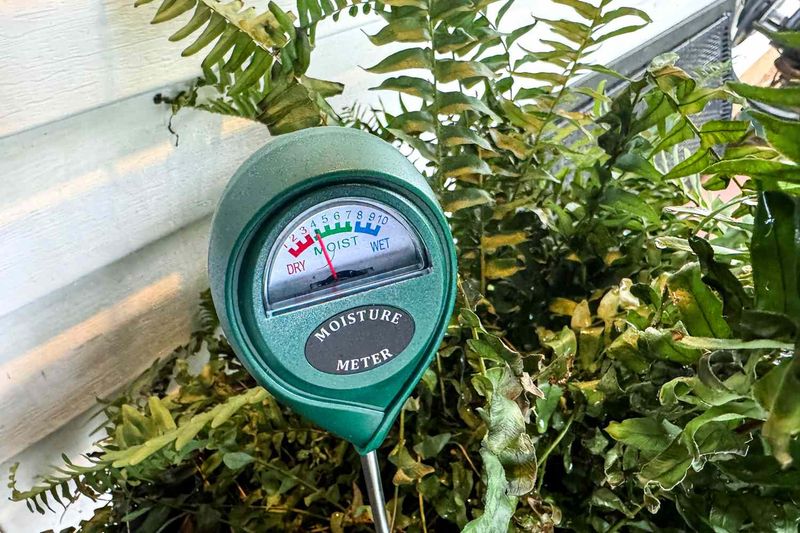
A hanging basket that felt heavy and moist yesterday morning can feel surprisingly light and bone-dry by afternoon, especially during Oregon’s warmer summer stretches.
Small pots, grow bags, and baskets have limited soil volume, which means they lose moisture far faster than plants growing directly in the ground.
Before a heat wave arrives, these are the first containers that deserve your attention.
Lift baskets by hand to feel their weight. Press a finger an inch or two into the soil of your containers.
If the soil feels dry or the pot feels noticeably light, water it thoroughly until moisture drains from the bottom. Repeat this check across all your containers, since a single missed basket can go from stressed to crispy within a day of extreme heat.
Pay close attention to dark-colored pots and containers sitting on concrete, pavement, or south-facing surfaces. These absorb heat quickly and can raise soil temperatures enough to damage roots even when the air temperature seems manageable.
Your Oregon Garden Changes Every Week. Your Plan Should Too.
Gardening in Oregon changes quickly throughout the season. Every Friday you’ll receive a simple weekly plan showing exactly what to plant, prune, fertilize, harvest, and protect so you never miss the right timing.
Grouping containers together in a shadier spot before the heat wave hits can also help slow moisture loss and reduce the stress placed on roots during the worst of the heat.
3. Move Potted Plants Into Temporary Shade
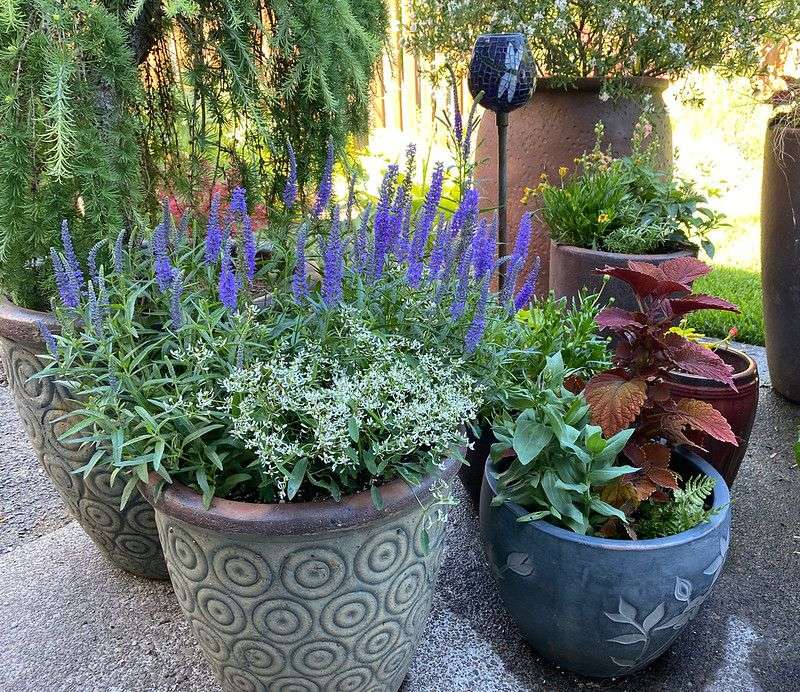
Pots baking on a south-facing patio or a sun-drenched driveway can heat up faster than most gardeners expect. When soil temperatures rise too high inside a container, roots suffer even if the plant looks fine on the surface.
Moving potted plants before the worst heat arrives is one of the quickest and most effective things you can do with almost no cost or equipment needed.
Look for spots that offer afternoon shade, such as the east side of a house, beneath a covered porch, or under a tree with a decent canopy.
Morning sun is generally gentler and less likely to cause heat stress than the intense afternoon sun that Oregon summers can deliver during a heat wave.
Even partial shade during the hottest hours of the day can reduce moisture loss and keep soil temperatures more manageable.
Tender vegetables like lettuce, spinach, and herbs in containers are especially worth relocating before extreme temperatures hit. Ornamental plants in small or dark-colored pots also benefit from a temporary move.
Once cooler conditions return, you can shift everything back to its original spot without any lasting disruption to your plants or your garden routine.
4. Put Shade Cloth Over Vulnerable Plants
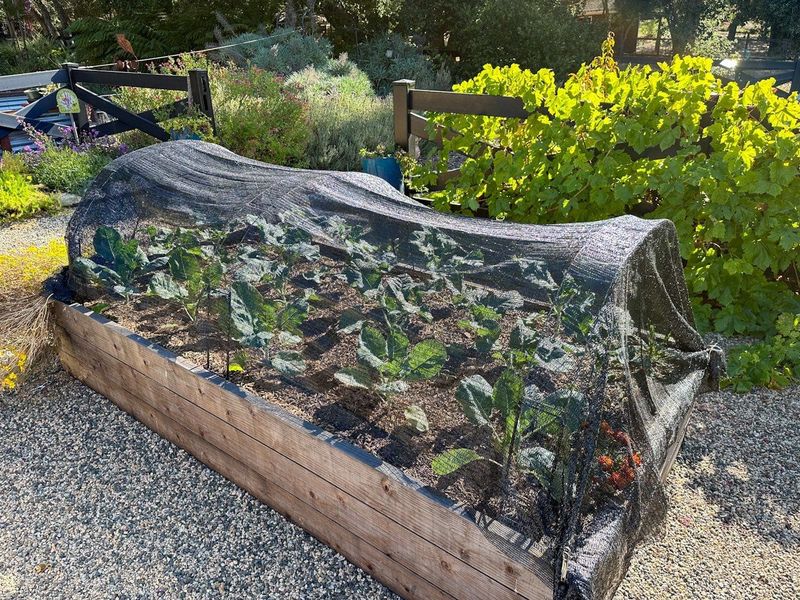
Tender leaves under a blazing summer sun can scorch faster than you might expect, and leafy greens, young transplants, blueberries, and hydrangeas are among the most vulnerable plants in an Oregon garden during a heat wave.
Shade cloth is a practical and reusable tool that can reduce the intensity of direct sunlight reaching sensitive plants without cutting off airflow or blocking all light entirely.
Draping shade cloth loosely over raised beds or supported on simple hoops gives plants a buffer against the harshest afternoon rays. You do not need to cover everything in the garden, just focus on the plants most likely to scorch or wilt quickly under extreme heat.
Leafy vegetables, newly planted ornamentals, and fruiting plants that are mid-harvest are often the best candidates for temporary shade protection.
Avoid leaving shade cloth on for extended periods once the heat wave passes, since plants still need adequate light to grow well. Remove or loosen the cloth on cooler days to give your garden full access to sunlight again.
Setting it up before temperatures peak gives your plants a head start rather than trying to rescue already-damaged leaves once the hottest part of the day has passed.
5. Refresh Mulch Before Soil Dries Out
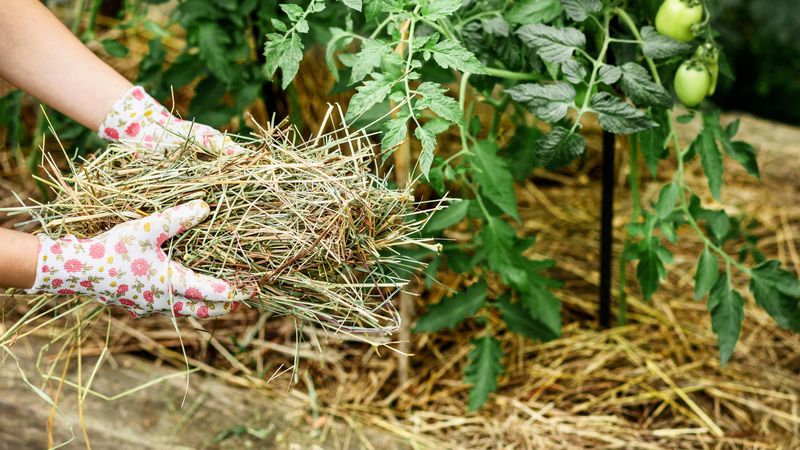
Mulch pulling back from plant stems or thinning out around the base of shrubs and vegetables is a sign that your garden may be losing ground moisture faster than you realize.
Before a heat wave rolls through Oregon, refreshing your mulch layer is one of the most low-effort ways to help slow evaporation and keep soil temperatures from spiking too dramatically during the hottest days.
Wood chips, straw, shredded leaves, and similar organic materials all work reasonably well as mulch. Spreading a fresh layer around vegetable beds, flower borders, and the base of young trees and shrubs can help the soil hold onto moisture longer between waterings.
The buffer that mulch provides between soil and hot air makes a noticeable difference when temperatures climb.
Keep mulch a few inches away from plant stems and crowns rather than piling it directly against them. Mulch pressed tightly against stems can trap moisture and encourage rot, which is the opposite of what you want.
A moderate, even layer across the soil surface, without burying crowns or suffocating shallow roots, gives your garden the best chance of staying hydrated and stable through the heat wave ahead.
6. Water Early In The Morning
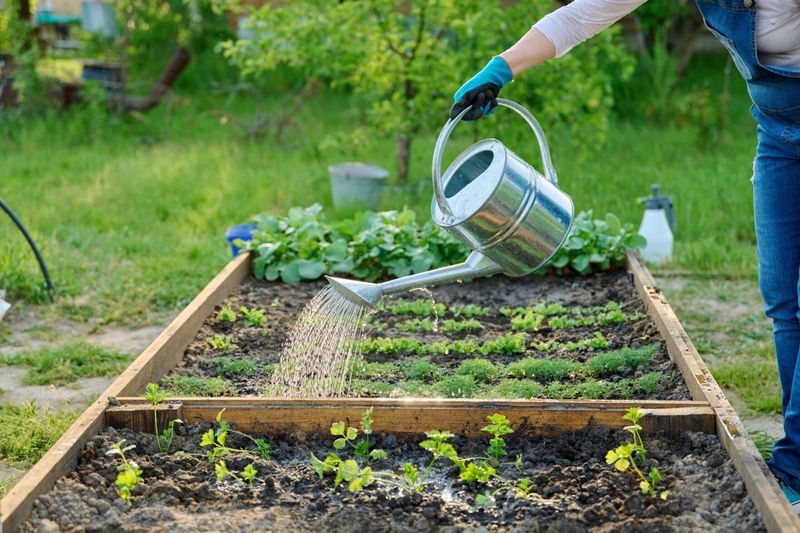
Morning watering is one of those gardening habits that pays off most when a heat wave is on the way. Getting water to your plants early gives roots time to absorb moisture before the hottest part of the day sets in.
By the time afternoon temperatures peak, well-watered plants have a better internal reserve to draw from rather than starting the day already stressed.
Watering in the evening is often suggested as an alternative, but morning watering tends to be easier to manage during a heat wave because soil and air temperatures are cooler, which means less immediate evaporation.
Foliage also has the entire day to dry out, which can reduce the conditions that encourage fungal issues in humid spots of an Oregon garden.
For gardeners using drip irrigation or soaker hoses, setting a timer to run early in the morning before the heat builds is a straightforward way to stay consistent without having to be out in the garden during the hottest hours.
Hand-watering works well too as long as you give each area enough time to let moisture soak down rather than running off the surface.
Consistency in the morning routine matters more than any single heavy watering session.
7. Pause Fertilizing During Extreme Heat
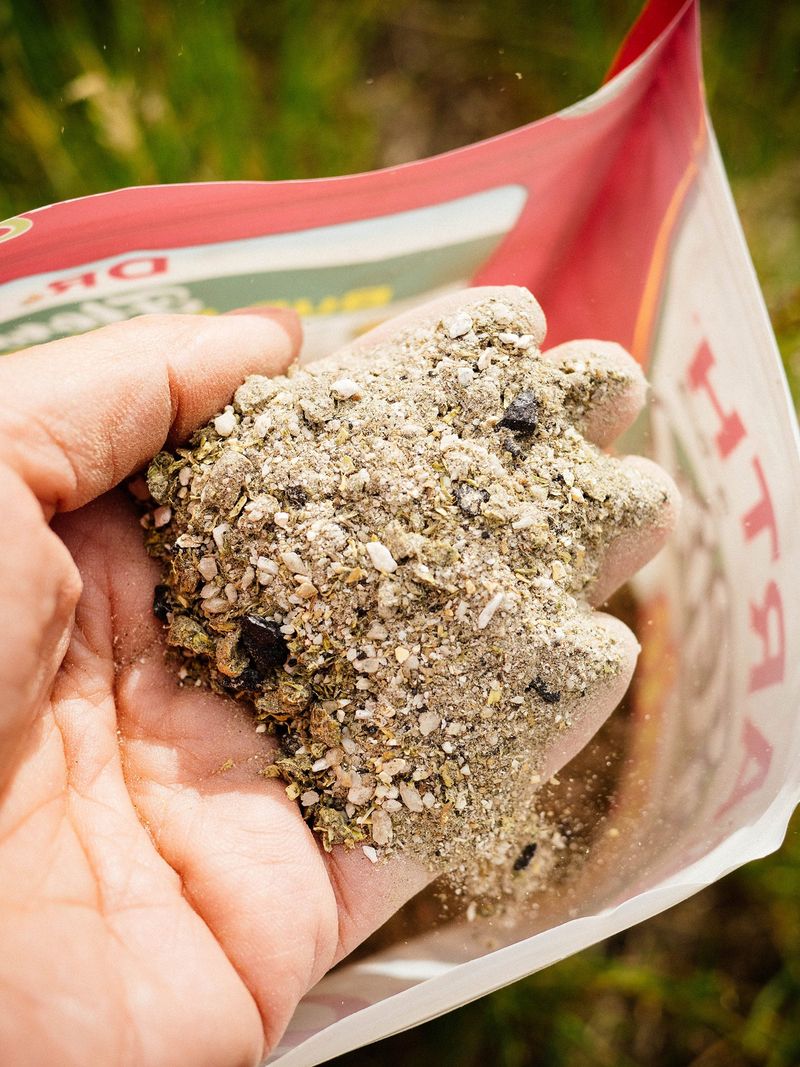
Reaching for the fertilizer when plants look a little stressed before a heat wave is a natural instinct, but it can actually make things harder on your garden.
Fertilizer encourages new growth, and fresh, tender growth is among the most vulnerable plant tissue when extreme heat arrives.
Pushing plants to grow right before a heat spike adds stress rather than reducing it.
Most fertilizers, especially synthetic types, work by drawing water and nutrients into plant tissue through osmosis.
When a plant is already working hard to manage moisture loss during hot weather, adding fertilizer salts to the soil can interfere with that process and make it harder for roots to take up water efficiently.
Organic fertilizers are generally gentler, but even those are worth pausing during a heat wave.
Hold off on any fertilizing until temperatures return to a more manageable range and your plants have had a few days to recover from the stress of the heat. Resume your regular feeding schedule once conditions stabilize and your garden looks settled again.
Timing fertilizer applications around cooler weather is a simple adjustment that reduces one more source of strain on plants that are already working hard just to stay hydrated and healthy through the heat.
8. Hold Off On Pruning And Planting
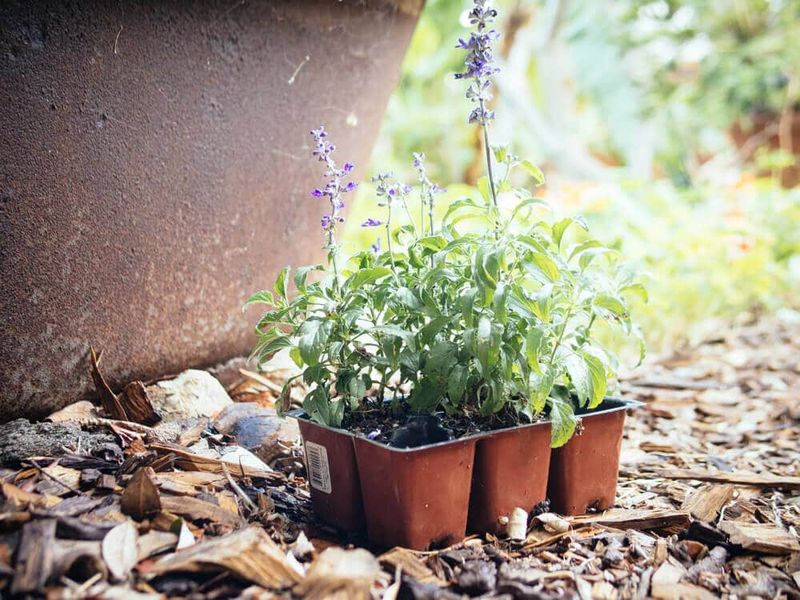
A garden that looks full and healthy right before a heat wave is actually better off left alone than trimmed back or disrupted. Leaves are not just decorative during a heat wave – they provide shade for stems, developing fruit, and the soil below them.
Removing foliage before extreme temperatures arrive can expose parts of the plant that were previously protected and increase the risk of sunscald and moisture loss.
Major pruning cuts also create open wounds on plants that take energy and time to heal. When a plant is about to face days of extreme heat, that healing energy is better spent maintaining hydration and root function rather than recovering from fresh cuts.
Waiting until after the heat wave passes to do any significant pruning is a much gentler approach for your garden.
Transplanting or putting new plants in the ground right before a heat wave is another task worth postponing. Newly transplanted plants have disrupted root systems and need calm, mild conditions to establish themselves.
Putting a fresh transplant into the ground the day before temperatures spike gives it very little chance to settle in before stress hits. Waiting for a stretch of cooler weather to do your planting gives new additions a far better start in an Oregon garden.
9. Check Drip Lines And Soaker Hoses
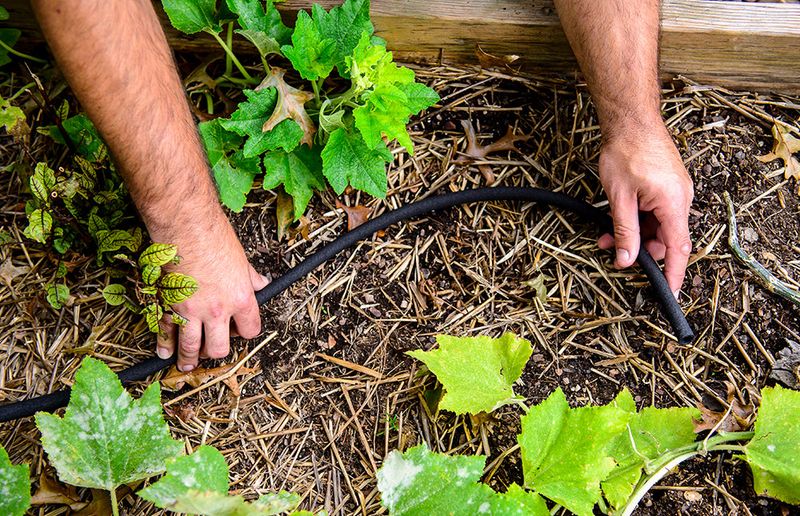
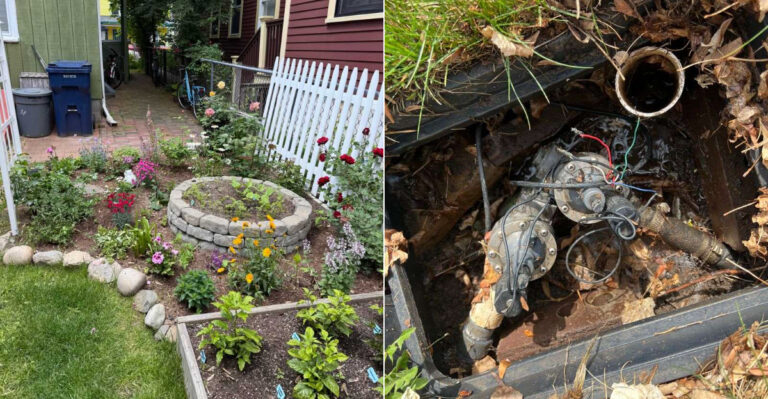
Drip lines missing dry corners, clogged emitters that have gone unnoticed for weeks, or soaker hoses that have shifted out of position can all mean that parts of your garden are not getting the water you think they are.
Before a heat wave arrives, walking your irrigation system and confirming that water is actually reaching the root zones you care about is time very well spent.
Run your drip system or soaker hoses for a normal cycle and then walk the entire garden while it is running. Look for spots where water is pooling in one place and dry in another.
Press your finger into the soil several inches down in different parts of the bed to confirm moisture is reaching below the surface rather than just wetting the top layer.
Pay extra attention to the edges of raised beds, containers connected to drip lines, and any newly planted areas that may not have been fully integrated into your irrigation setup yet.
Emitters can get clogged with mineral deposits or debris over time, especially in Oregon areas with harder water.
Cleaning or replacing a clogged emitter before the heat hits takes just a few minutes and can make the difference between a plant that survives the heat wave and one that wilts beyond recovery.
10. Prioritize New And Shallow-Rooted Plants
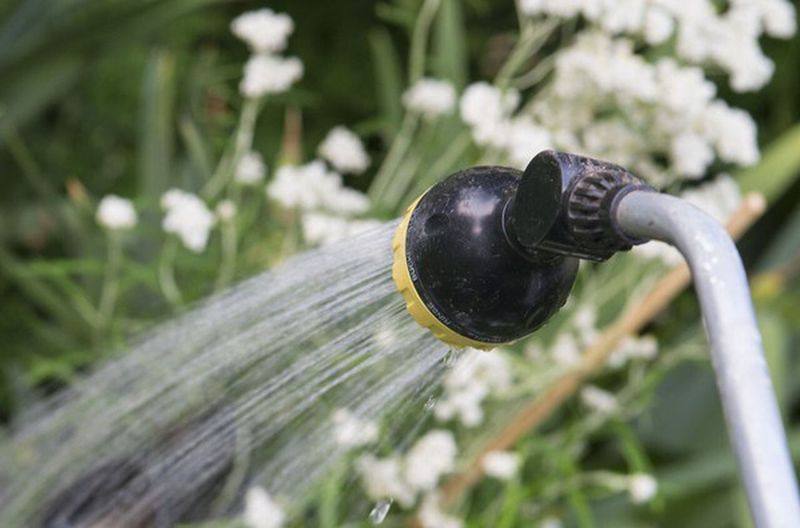
New shrubs that have only been in the ground for a few weeks, vegetable seedlings still developing their root systems, and shallow-rooted crops like lettuce and herbs are the plants most at risk when a heat wave forecast appears for your Oregon area.
Established trees and drought-adapted perennials generally have deeper, more extensive root systems that give them more resilience during short periods of extreme heat.
Focusing your preparation time and water on the most vulnerable plants first makes sense when time is limited.
New plantings, containers, hanging baskets, and shallow-rooted vegetables should be checked, watered, mulched, and sheltered before you spend energy on plants that are already well-established and better equipped to handle a few hot days on their own.
Keep a close eye on newly planted ornamentals, young fruit trees, and recently divided perennials throughout the heat wave.
Even with preparation, these plants may show signs of stress such as drooping leaves, curling foliage, or dry soil at the root zone faster than older plants nearby.
A quick check each morning during the heat wave lets you respond early rather than discovering serious damage after the hottest part of the day has already passed and the harm is done.