How Ollas Help Arizona Gardens Through Extreme Summer Heat
Hot weather has a way of changing your daily routine before you even realize it. You start checking on your plants more often because everything seems to dry out faster than it did a few weeks earlier.
Some days, it feels like yesterday’s watering barely lasted until the next morning. That can leave even healthy plants looking less lively than expected.
It does not take long before you start wondering whether there is a better way to help them through the hottest part of the season.
Finding a solution that works without adding more work always feels like a welcome surprise.
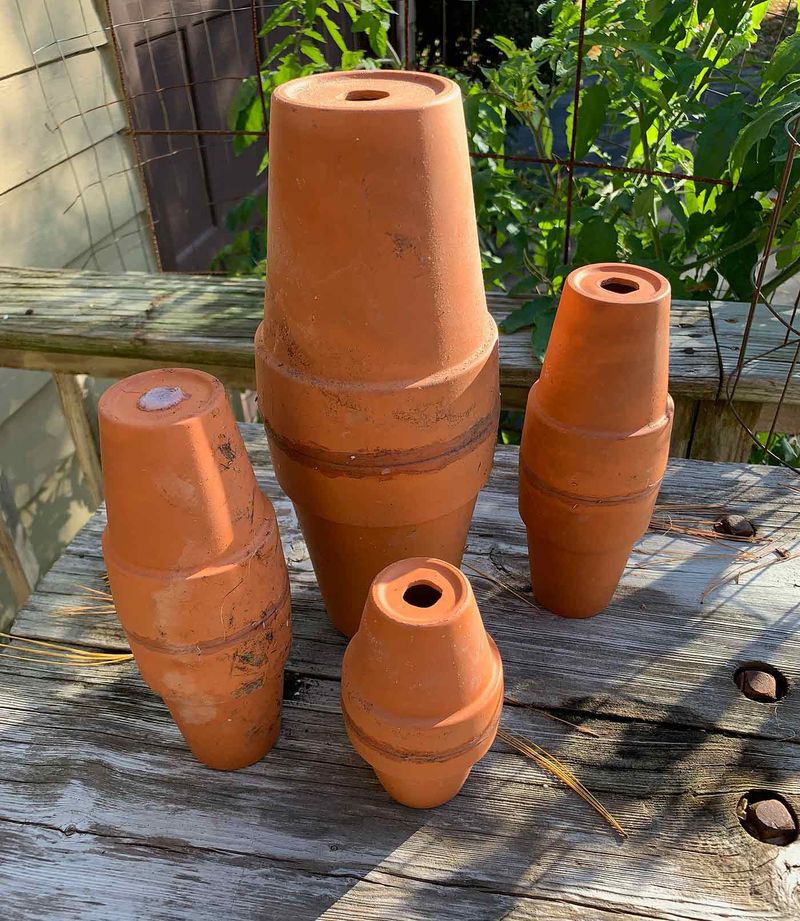
That is why ollas have become a valuable tool for many gardeners in Arizona. These simple clay watering pots help deliver moisture slowly where plants need it most during extreme summer heat.
They offer a practical approach that helps gardens stay healthier while reducing the need for constant watering.
1. Ollas Deliver Water Directly To The Roots
Roots are thirsty, and surface watering does not always reach them fast enough in scorching heat. Ollas skip the surface entirely.
Water seeps slowly through the porous clay walls and moves straight into the soil around the root zone.
Clay is naturally full of tiny pores. When dry soil surrounds a water-filled olla, it pulls moisture outward through those pores by suction.
Plants essentially draw water toward their own roots, which is a remarkably efficient process.
Sprinklers and drip lines wet the surface first. Much of that moisture evaporates before it ever reaches deeper roots, especially on days above 100 degrees.
Ollas bypass that problem entirely.
Root-zone delivery also reduces the chance of fungal issues. Wet leaves and wet soil surfaces invite mold and rot.
Keeping moisture underground and targeted helps plants stay healthier through the long summer stretch.
Gardeners in hot desert climates often notice that plants near ollas look steadier during heat spikes. Consistent underground moisture supports root health without flooding or drying out unpredictably.
It is not a guarantee against heat stress, but it gives roots a real fighting chance when temperatures get extreme.
2. Slow Water Release Reduces Soil Drying
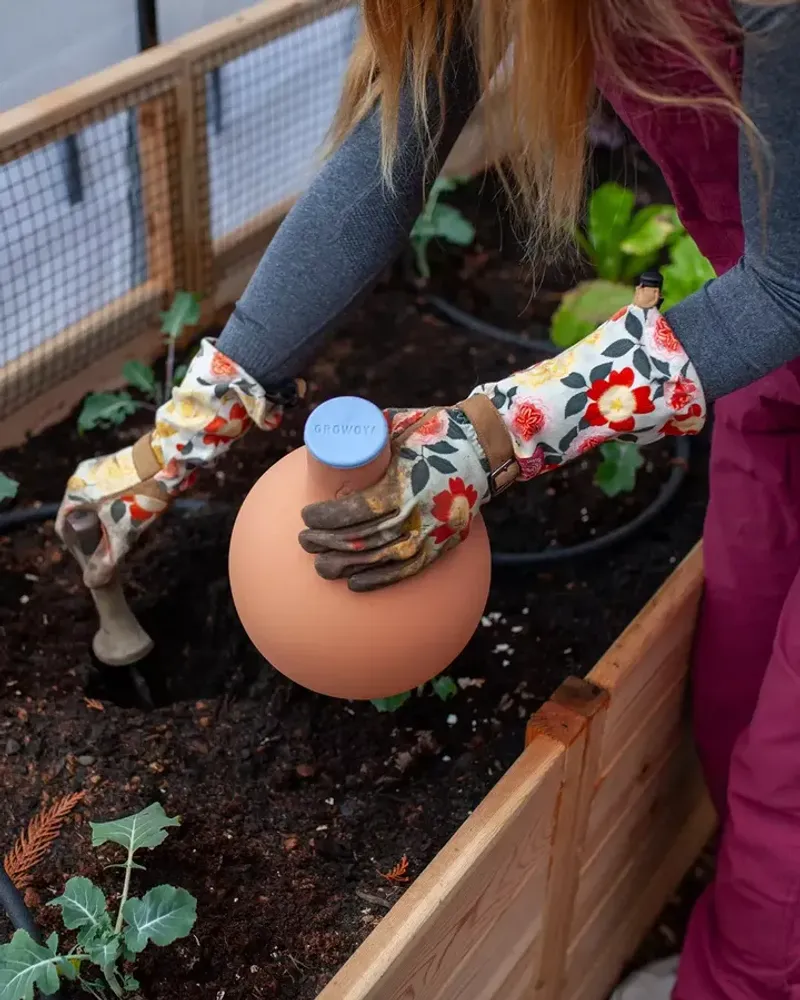
Speed is the enemy of desert irrigation. Fast water runs off, evaporates, or drains past the root zone before plants can use it.
Slow release is what actually keeps soil moist.
An olla releases water at a pace matched to soil demand. When soil is very dry, it pulls water faster.
When soil moisture is adequate, the flow slows naturally. That self-regulating quality is hard to replicate with a timer or hose.
Desert soils are often sandy or rocky with low water retention. Quick watering saturates briefly, then dries out fast.
Slow seepage from an olla keeps the area around roots consistently moist without oversaturating.
Consistent moisture matters more than occasional deep watering in extreme heat. Plants under stress from rapid dry-wet cycles tend to struggle more than those with steady, moderate moisture.
Ollas help reduce that cycle.
On a 112-degree afternoon in the Sonoran Desert, soil surface temperatures can hit extreme levels. Buried moisture from an olla stays cooler and more protected from that surface heat.
Your Arizona Garden Changes Every Week. Your Plan Should Too.
Gardening in Arizona changes quickly throughout the season. Every Friday you’ll receive a simple weekly plan showing exactly what to plant, prune, fertilize, harvest, and protect so you never miss the right timing.
It does not eliminate drying completely, but it slows the process enough to make a real difference for vegetable roots and young transplants trying to establish during summer months.
3. Bury The Olla With The Neck Above The Soil
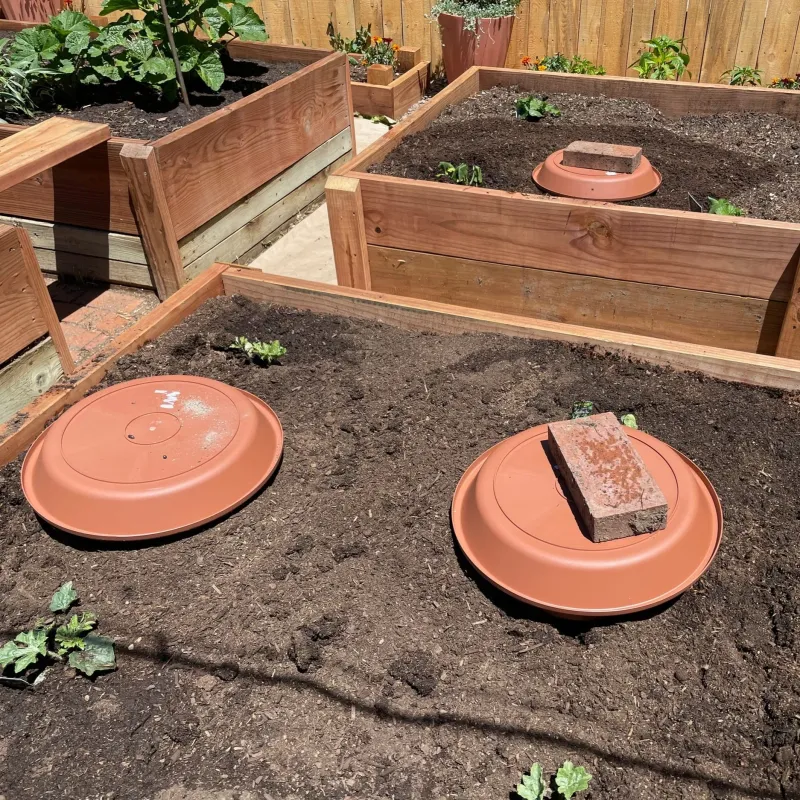
Placement makes or breaks how well an olla performs. Burying it too deep limits your ability to refill it.
Leaving too much above the soil surface wastes water through evaporation at the opening.
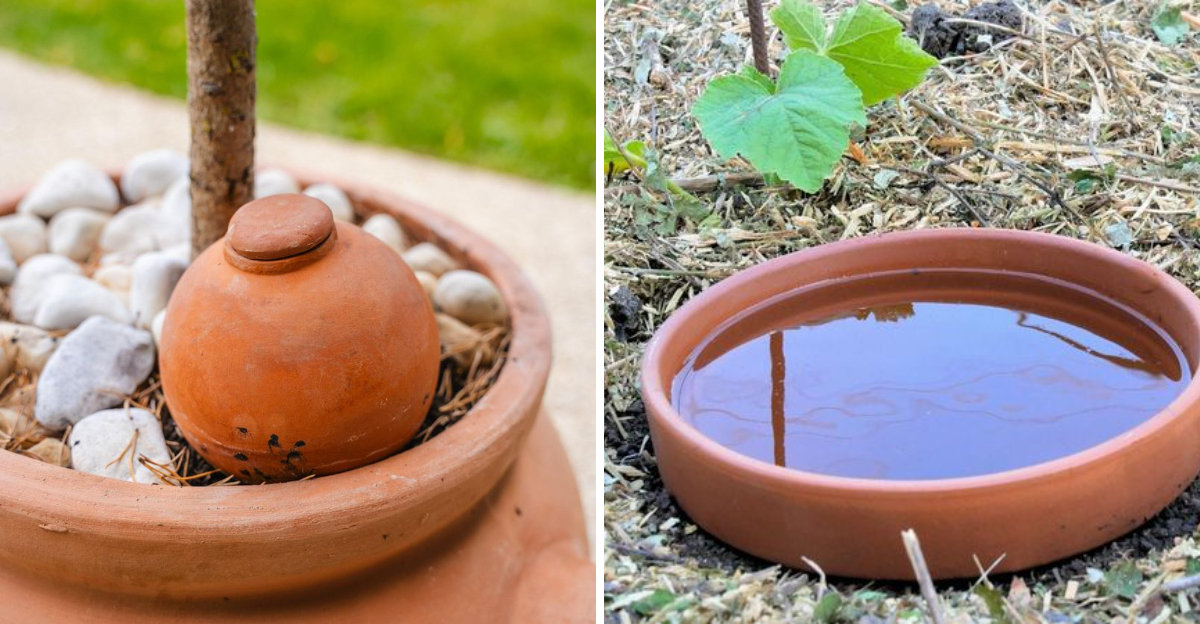
Aim to bury the main body of the olla fully in the soil. Only the neck should stick out above ground level.
Most standard ollas have a narrowed neck that makes this straightforward to judge.
When the neck sits just above the soil, you can easily pour water in without digging. Refilling stays simple even in tight garden beds where space is limited.
A small funnel helps if the neck opening is narrow.
Getting the depth right also protects the clay body. Exposed clay dries out faster and can crack under intense sun exposure.
Keeping the body buried shields it from direct heat and extends its lifespan through multiple growing seasons.
Some gardeners mark the neck with a small flag or stake so they can find it quickly under mulch. Mulch around the neck helps reduce surface evaporation near the opening.
Burying correctly from the start saves time and effort later, especially when desert summer heat makes bending over a hot garden bed less than enjoyable. A good setup at planting time pays off all season long.
4. Place Them Near The Root Zone
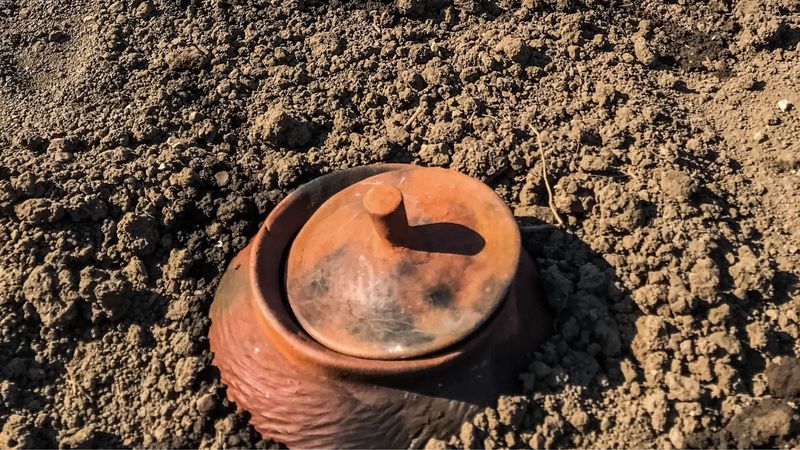
Location inside the garden bed matters just as much as depth. Placing an olla too far from a plant means water seeps into empty soil before reaching any roots.
Proximity is key.
A general rule is to position the olla within six to twelve inches of the main stem, depending on plant size. Larger plants with wide root systems can handle slightly more distance.
Seedlings and young transplants need the olla much closer.
Water from a buried olla spreads outward in a roughly circular pattern. Soil texture affects how far it travels.
Sandy desert soils spread moisture less broadly than clay-heavy soils, so placement needs to be tighter in typical desert garden conditions.
Planting in clusters around a single olla is a practical approach. Three or four smaller plants spaced evenly around one olla can all benefit from the same water source.
Herbs, peppers, and greens work especially well with this setup.
Avoid placing ollas near large rocks or hardpan layers that block moisture movement. Check the soil before burying to make sure water can actually travel outward.
Hot-climate gardens in the Southwest often have compacted subsoil that slows moisture spread, so loosening the planting area first gives the olla a better chance of delivering water where plants actually need it most.
5. Refill The Olla As The Water Level Drops
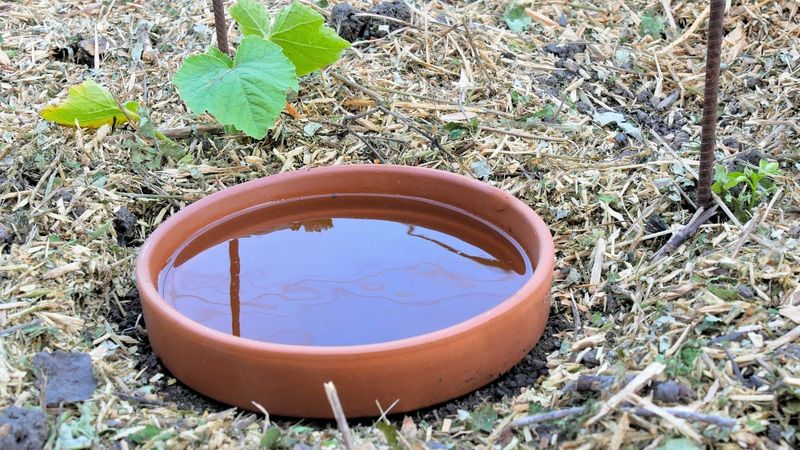
Empty ollas do nothing for thirsty plants. Keeping them filled is the most important maintenance task in the entire system.
During peak summer heat, water levels can drop faster than expected.
Check water levels every day or every other day when temperatures are above 100 degrees. Smaller ollas in fast-draining sandy soil may need refilling once daily.
Larger ollas in denser soil might last two to three days between refills.
Build refilling into your morning routine. Early morning is the best time to water in hot climates because temperatures are lower and evaporation from the opening is reduced.
A quick check takes less than a minute per olla.
Use a long-necked watering can or a hose with a slow-flow nozzle for easy refilling without splashing.
Splashing water on dry hot soil near the neck causes surface evaporation and can disturb mulch placement around the olla.
Track how quickly each olla empties during different parts of the summer. Levels may drop faster during the hottest weeks and slow down slightly when monsoon humidity arrives.
Adjusting your refill schedule based on actual conditions rather than a fixed routine helps you stay ahead of soil drying without overcomplicating the process. Consistent attention keeps your plants supported without wasted water or guesswork.
6. Cover The Opening To Reduce Evaporation
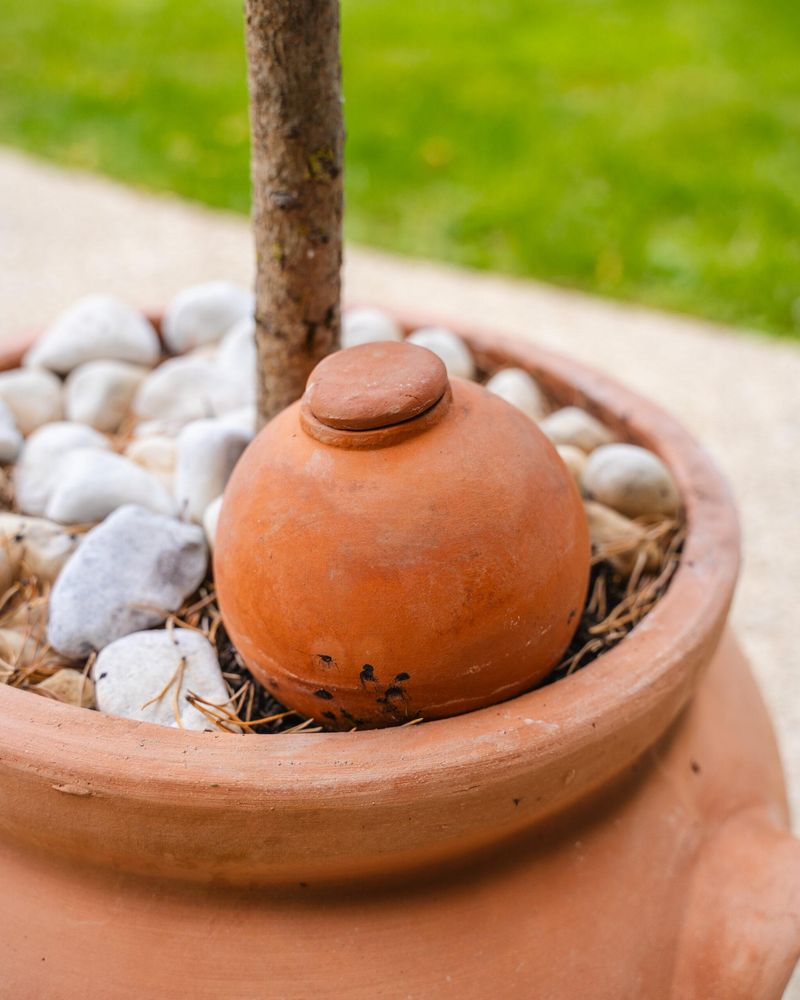
An uncovered olla opening loses water faster than most gardeners expect. Hot, dry desert air pulls moisture out of any exposed water surface within hours.
A simple cover makes a measurable difference.
Flat stones work well as olla covers. They sit naturally over the neck opening, block direct sunlight from hitting the water inside, and are easy to lift for refilling.
No special equipment needed.
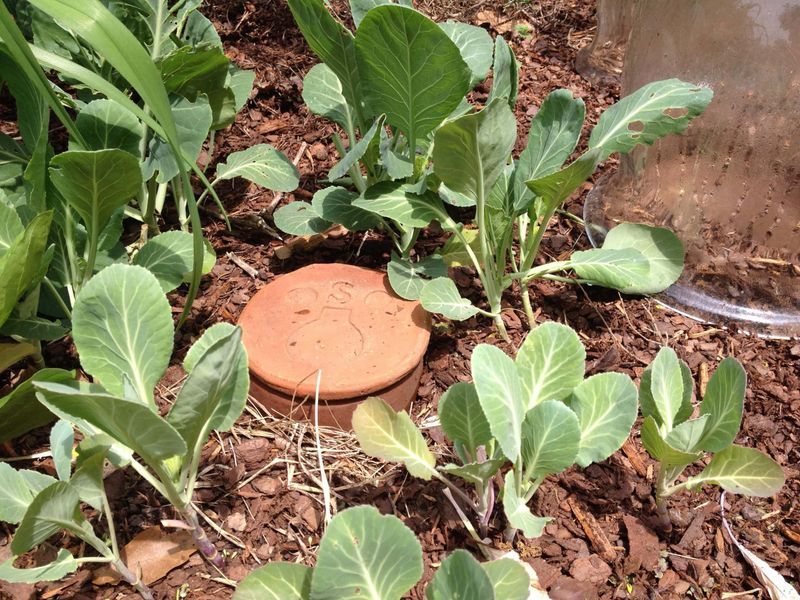
Small clay discs made specifically for ollas are also available and fit snugly over the neck. Some gardeners use pieces of broken terracotta pot or even a folded piece of burlap.
Anything that blocks airflow across the opening helps slow evaporation.
Covering the opening also keeps debris out. Leaves, dust, and insects can fall into an uncovered olla and eventually block the porous walls.
A cover reduces how often you need to clean the inside.
Mosquitoes are a real concern in any standing water container, especially during monsoon season when they breed quickly in warm conditions.
Keeping the opening covered limits their access and reduces the risk of the olla becoming a breeding spot.
A properly covered olla stays cleaner, holds water longer, and requires less frequent refilling. It is a small step that adds up to meaningful water savings over a full desert summer season.
7. Clean The Clay Surface Each Season
Clay pores clog over time. Mineral deposits from hard water, algae growth, and compacted soil particles can all reduce how well an olla releases moisture into the surrounding soil.
At the start of each growing season, pull the olla from the ground and inspect it carefully. Look for white chalky buildup on the outside, which indicates mineral scaling from hard water.
A stiff scrub brush and plain water remove most of it without damage.
Avoid using strong chemical cleaners on clay ollas. Soap residue can soak into the porous surface and affect the taste of water absorbed by edible plants.
A diluted white vinegar solution works well for stubborn mineral deposits and rinses away cleanly.
Check the inside of the olla too. Algae can grow inside if light reaches the water through a pale or thin-walled pot.
A bottle brush helps scrub the interior. Rinse thoroughly before reburying.
Inspect the clay body for hairline cracks while cleaning. Small cracks may not affect function much, but larger ones can cause the olla to leak unevenly or lose structural integrity over time.
Replacing a cracked olla before the season starts prevents mid-summer surprises.