Why Oregon Vegetable Gardens Stop Producing In Summer And What You Should Do Differently
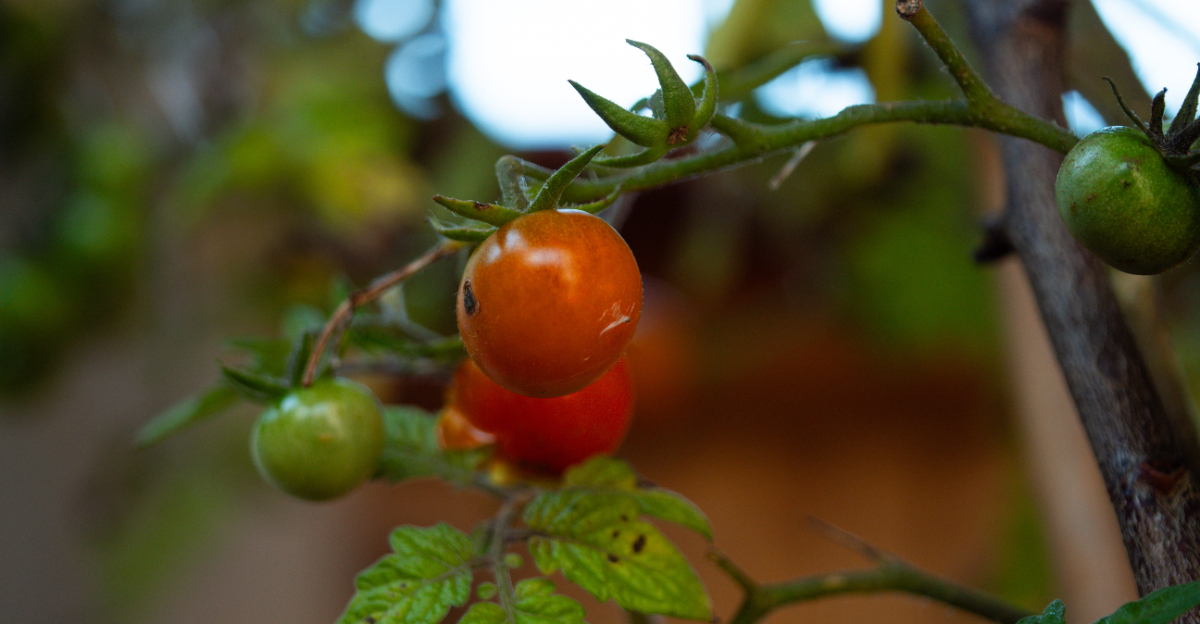
Your Oregon vegetable garden may not be lazy. It may just be very done with your summer routine.
Production can slow fast when heat, water stress, timing, or tired plants start piling on. The frustrating part is how sudden it feels.
One week, you are bragging about dinner coming straight from the yard. The next, flowers drop, leaves sulk, and harvests shrink like the garden unionized.
Before you blame the seeds or start ripping everything out, look at what changed after the season warmed up. Summer success often depends less on working harder and more on adjusting sooner.
A few smarter moves can help your garden keep producing instead of quietly clocking out before fall.
1. Heat Stress Slows Flowers And Fruit
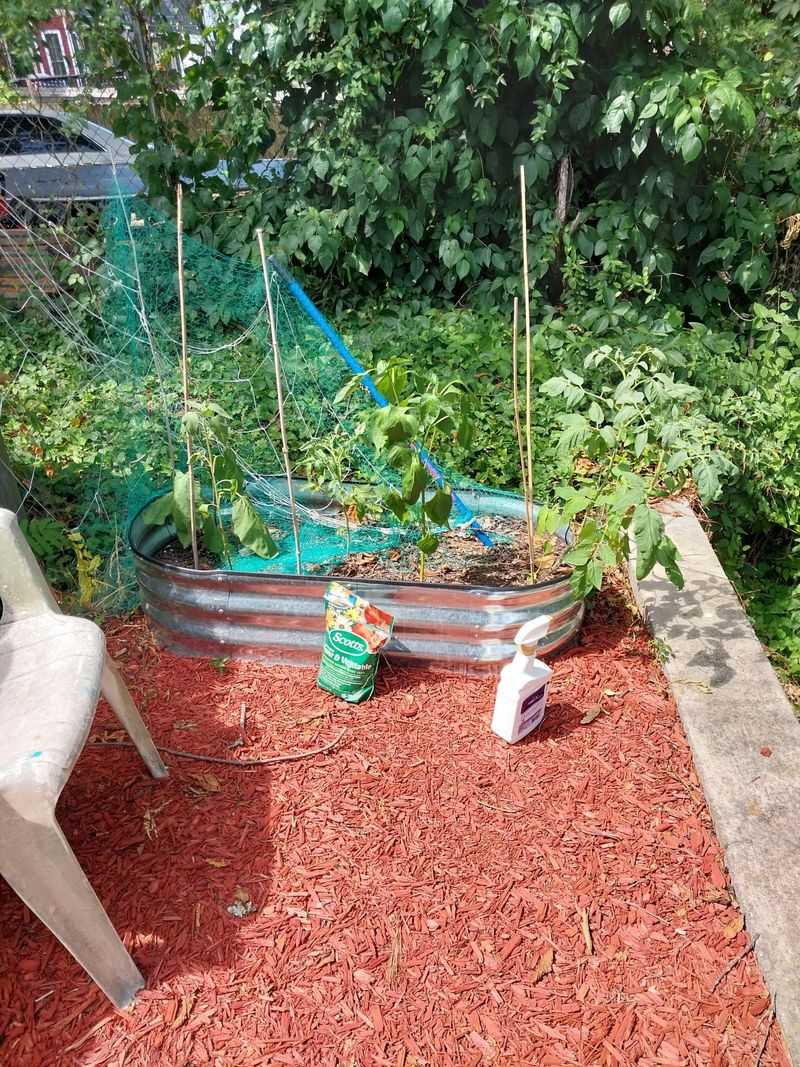
When temperatures climb above 90 degrees, most vegetable plants go into survival mode. They stop putting energy into flowers and fruit and focus entirely on staying alive.
Peppers, tomatoes, and beans are especially sensitive to this kind of heat stress.
Oregon summer heat waves can arrive suddenly, especially in the inland valleys. A plant that was blooming beautifully one week can drop all its flowers the next.
The blossoms fall off before they even get a chance to turn into food.
Shade cloth is one of the easiest fixes available. A 30 to 40 percent shade cloth draped over your garden during the hottest part of the day can lower soil and leaf temperatures by 10 degrees or more.
That small drop makes a big difference for flower and fruit production. Watering in the early morning also helps plants handle afternoon heat better. Cool roots stay more stable when the sun is at its strongest.
Avoid watering in the middle of the day, since water can evaporate before it reaches the roots.
Mulching around the base of plants keeps the ground cooler and holds moisture in longer. Straw, wood chips, or shredded leaves all work well.
Once temperatures drop back into the 80s, most plants bounce back and start flowering again quickly.
2. Shallow Watering Leaves Roots Struggling
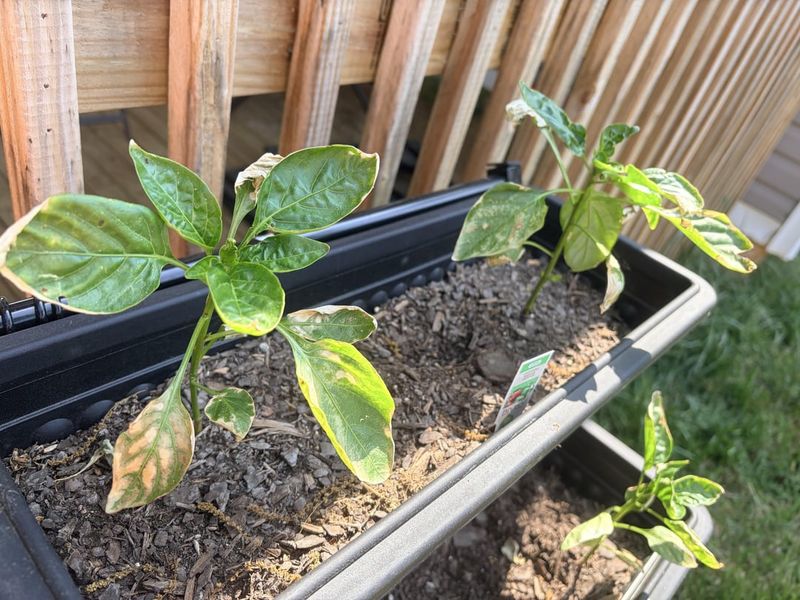
A lot of gardeners water their vegetables every day without realizing the water never actually reaches deep enough. Light, frequent watering only wets the top inch or two of soil.
Roots follow the moisture, so they stay shallow and weak. Shallow roots cannot handle heat, drought, or wind. Plants with shallow roots wilt quickly on hot days and struggle to absorb the nutrients they need to produce fruit.
They look stressed even when you are watering them regularly. Deep, infrequent watering trains roots to grow downward where the soil stays cooler and more consistently moist.
Aim to water slowly and deeply two or three times a week rather than a little every single day.
Push your finger two inches into the soil after watering to check if moisture reached that depth.
Drip irrigation is one of the best tools for encouraging deep root growth. It delivers water slowly right at the base of the plant, giving it time to soak down rather than run off.
Your Oregon Garden Changes Every Week. Your Plan Should Too.
Gardening in Oregon changes quickly throughout the season. Every Friday you’ll receive a simple weekly plan showing exactly what to plant, prune, fertilize, harvest, and protect so you never miss the right timing.
Soaker hoses work similarly and are affordable for most home gardens.
Sandy soils common in some parts of Oregon drain quickly, so they may need more frequent deep watering. Clay soils hold water longer but can become compacted.
Knowing your soil type helps you water smarter and keeps your plants producing through the hottest weeks of summer.
3. Dry Soil Makes Plants Drop Blossoms
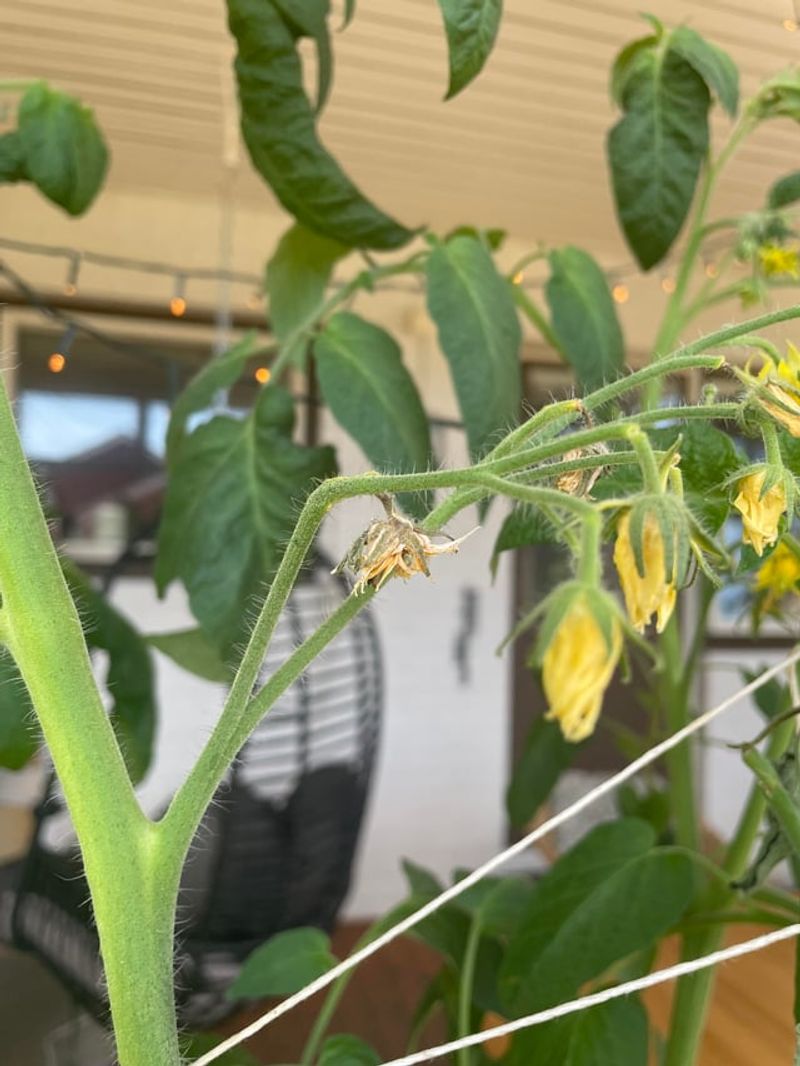
Blossom drop is one of the most discouraging things a gardener can experience. You see the flowers forming, you get excited, and then they fall off before turning into anything edible.
Dry soil is one of the biggest triggers for this problem.
Plants need consistent moisture to support the energy-demanding process of pollination and fruit development. When Oregon soil dries out completely between waterings, the plant experiences stress.
It responds by dropping flowers to conserve energy for survival.
Consistency is the key word here. Irregular watering, where the soil swings from bone dry to soaking wet, causes more blossom drop than steady dryness alone.
Tomatoes, peppers, and squash are especially sensitive to these swings.
Checking soil moisture before watering is a simple habit that makes a real difference. Stick your finger or a wooden dowel into the soil about two inches deep.
If it comes out dry, water deeply. If it feels damp, wait another day.
Adding compost to your soil improves its ability to hold moisture evenly. Compost acts like a sponge, absorbing water during irrigation and releasing it slowly to roots over time.
A two-inch layer worked into the top six inches of your garden bed can dramatically reduce blossom drop.
Mulching on top of the soil helps lock in that moisture even further. Together, compost and mulch create a stable, supportive environment where flowers can develop into the fruit you are waiting to harvest.
4. Too Much Nitrogen Pushes Leaves Over Harvests
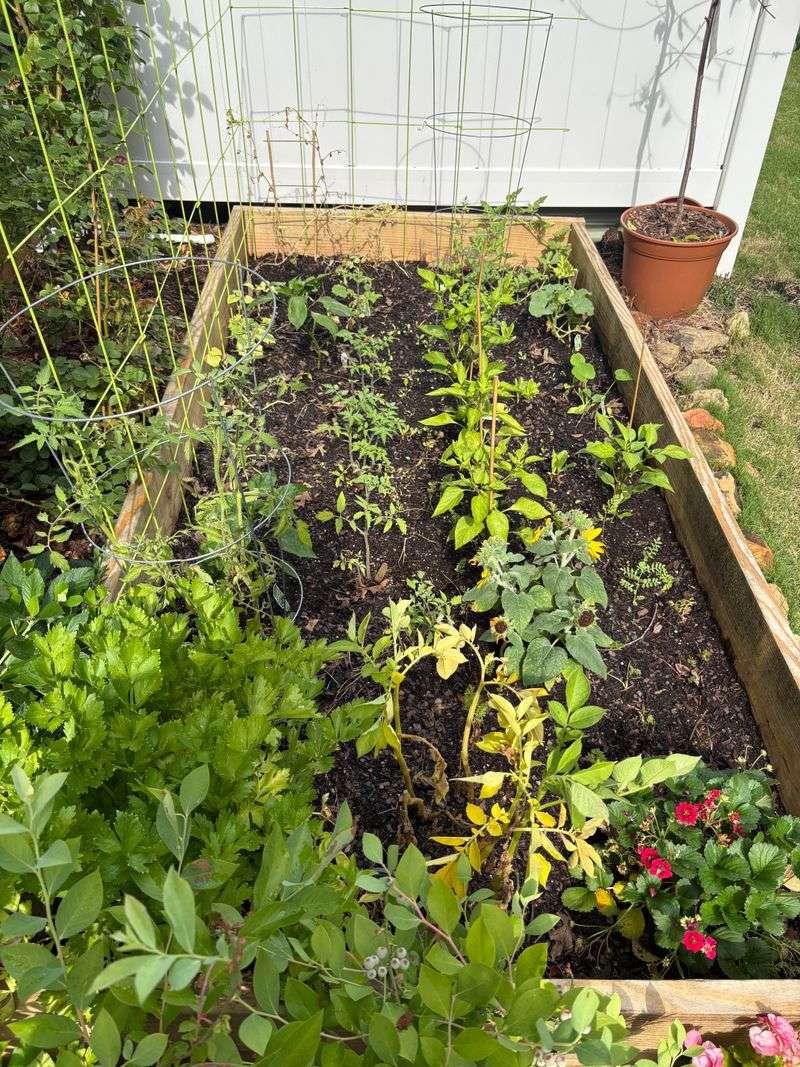
Nitrogen is great for green growth, but too much of it sends your garden in the wrong direction.
When plants get an overload of nitrogen, they put all their energy into producing big, lush leaves instead of flowers and fruit. The garden looks amazing but produces almost nothing to eat.
Many gardeners make this mistake in early summer by adding too much fertilizer or compost that is high in nitrogen.
Grass clippings, blood meal, and fresh manure are all high-nitrogen materials. Used in excess, they push vegetative growth at the expense of fruiting.
If your tomato plants are huge and dark green but have very few flowers, nitrogen overload is likely the problem. The same goes for pepper and squash plants that look healthy but sit unproductive for weeks.
Switching to a fertilizer with more phosphorus and potassium can help redirect the plant’s energy toward flowering and fruiting. Look for fertilizers labeled as bloom boosters or fruiting formulas.
These typically have a lower first number and higher second and third numbers on the label.
Avoid adding nitrogen-rich amendments once plants are established and flowering has begun. Let the plant use what is already in the soil.
If your soil is already rich from years of composting, you may not need any additional fertilizer at all during the growing season.
A soil test from your local extension office can tell you exactly what your garden needs and what it already has too much of.
5. Old Beans Stop Producing Without Picking
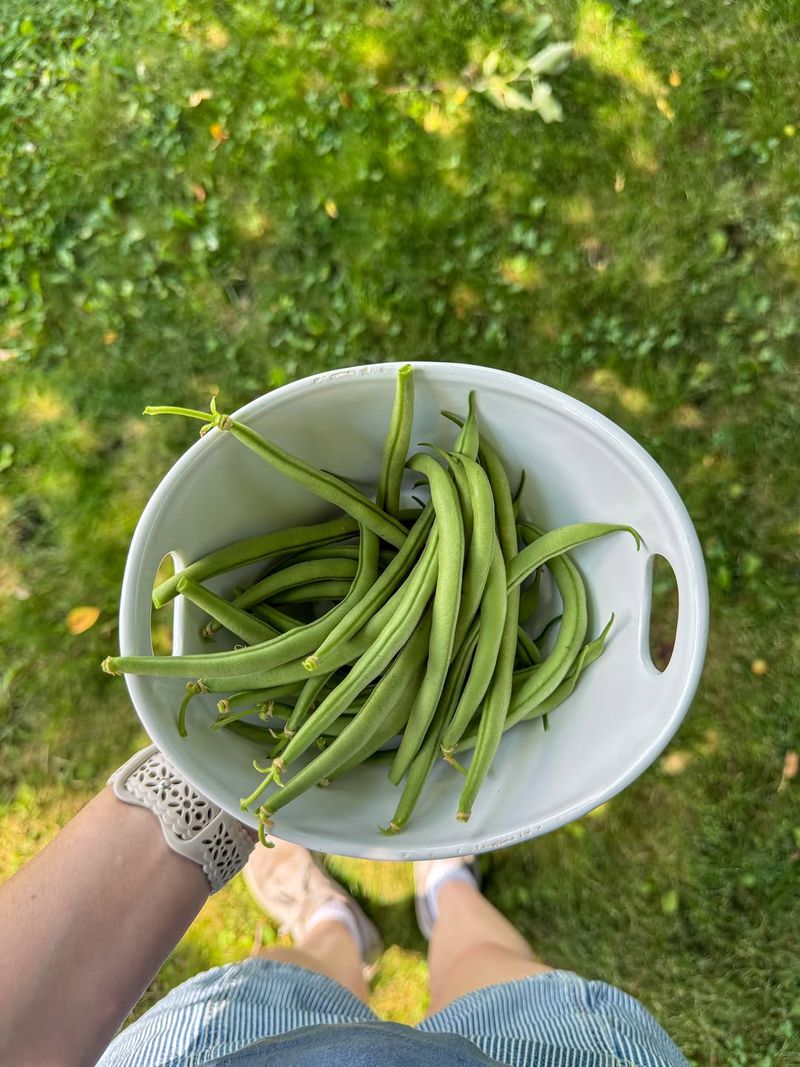
Bean plants operate on a very clear biological mission: produce seeds to ensure the next generation. Once they feel that mission is complete, they stop making new pods entirely.
Leaving old, mature pods on the plant signals to the plant that its job is done. This is one of the most common reasons bean production drops off in summer.
Oregon gardeners get busy, miss a few days of picking, and come back to find fat, dry pods hanging everywhere and no new flowers in sight. The plant has already started shutting down its fruiting cycle.
Picking beans every two to three days during peak season keeps the plant in production mode. The more you pick, the more the plant produces.
It is a simple but powerful feedback loop that experienced gardeners rely on all summer long.
Even if some pods get too big and tough to eat, pull them off the plant anyway. You can dry them for seed saving or add them to the compost pile.
The important thing is to remove them so the plant does not think its work is finished.
Bush beans have a shorter production window than pole beans, so succession planting helps. Sow a new round of seeds every three weeks from spring through midsummer.
By the time one planting slows down, the next one is just hitting its stride and ready to pick.
6. Bolting Greens Need A Fall Reset
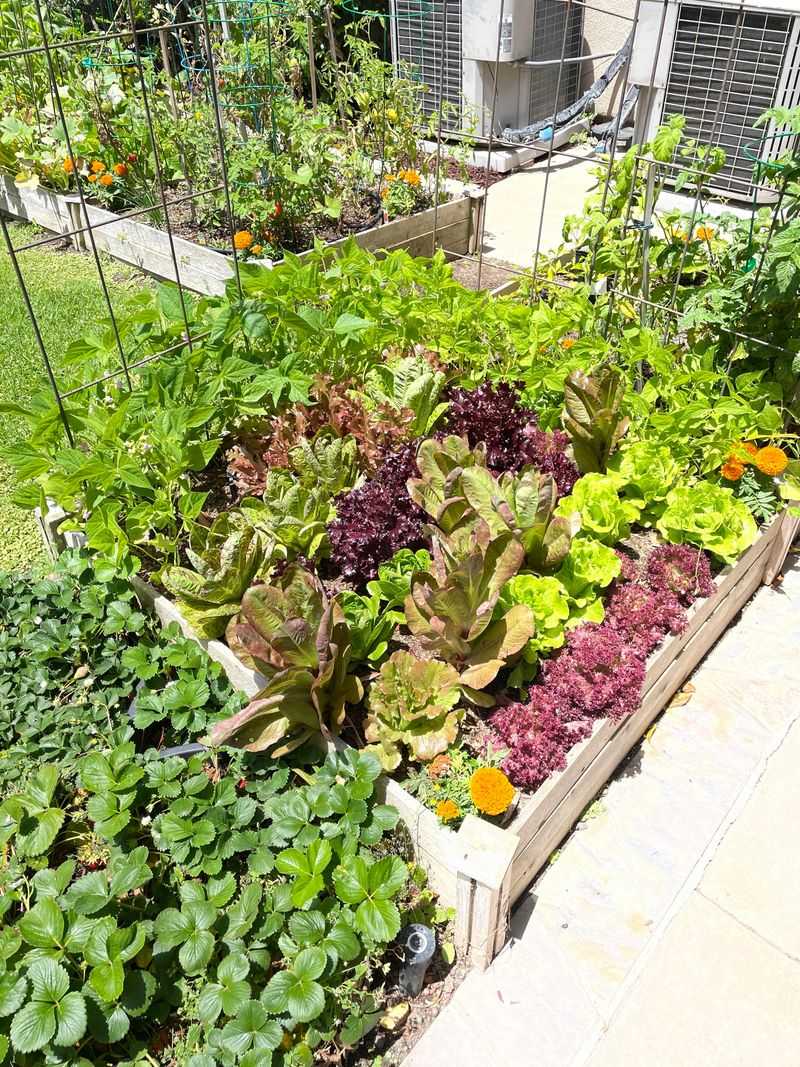
Spinach, lettuce, arugula, and cilantro all have one thing in common: they hate summer heat.
When temperatures rise and days get long, these plants shift their energy toward making seeds instead of leaves.
Gardeners call this bolting, and it happens fast once the heat sets in.
Bolted greens turn bitter and tough almost immediately. The leaves become unpleasant to eat, and no amount of watering or fertilizing will bring them back to their tender, mild flavor.
Once a plant bolts, that crop is essentially finished for the season.
Rather than fighting nature, the smarter move is to work with it. Pull out bolted plants and use that space to plan a fall planting.
Greens love the cooler temperatures that return in late summer and early fall across most parts of Oregon.
Start seeds for fall greens indoors in late July or direct sow in early August. Lettuce, kale, Swiss chard, and spinach all do beautifully in the cooler fall weather.
Some gardeners get their best harvests of the entire year from fall plantings.
While you wait for fall temperatures to drop, plant heat-tolerant crops like beans, cucumbers, or summer squash in the space left behind by bolted greens. That way, your garden stays productive all summer instead of sitting empty.
A light shade cloth can also extend the life of greens by a few weeks if you catch them before they fully bolt.
7. Tomatoes Stall When Nights Stay Too Warm
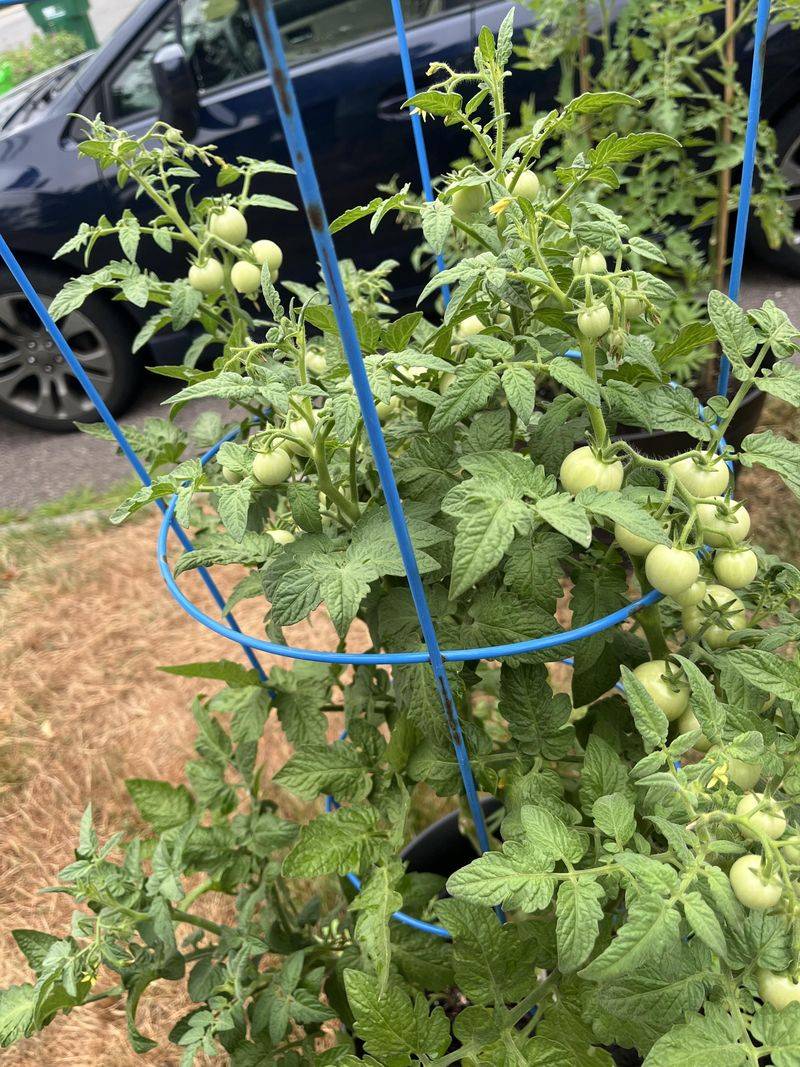
Most gardeners know that tomatoes need warm weather to thrive, but there is a less-known problem that affects production in hot summers: nights that are too warm.
Tomatoes need nighttime temperatures to drop below 70 degrees for pollen to remain viable and set fruit properly.
When nights stay in the 70s or higher, pollen becomes sticky and clumped. It does not transfer effectively from the flower’s stamen to its pistil, and the fruit never forms.
You will see plenty of flowers but very few tomatoes actually developing on the vine.
This is a real challenge during heat waves that hit parts of the inland valleys of Oregon. Even plants that look perfectly healthy can stall for weeks when night temperatures stay elevated for several days in a row.
One helpful strategy is to gently shake your tomato plants in the morning when flowers are open.
This mimics the vibration that bees normally provide and can help release pollen even when conditions are not perfect.
An electric toothbrush held near open flowers works surprisingly well for this.
Choosing heat-tolerant tomato varieties makes a big difference for summer production. Varieties like Celebrity, Heatmaster, and Sweet 100 are bred to set fruit in warmer conditions.
Ask your local nursery which varieties perform best in your specific growing zone.
Once nighttime temperatures drop back into the 60s, your tomato plants will almost always start setting fruit again on their own without any extra help.
8. Zucchini Needs Pollination, Not More Fertilizer
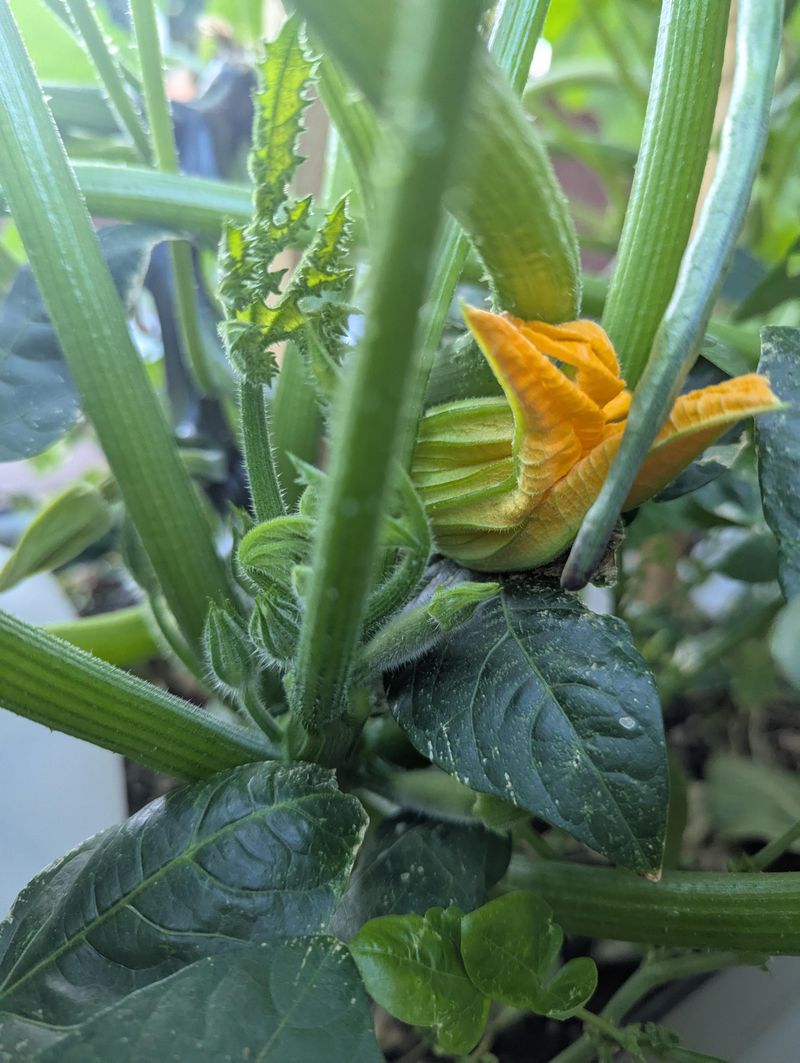
Few things are more puzzling than a zucchini plant covered in flowers that produces almost no squash. Many Oregon gardeners respond by adding more fertilizer, thinking the plant needs a boost.
But the real problem is almost always pollination, not nutrition.
Zucchini plants produce separate male and female flowers on the same plant. Male flowers appear first and have a thin straight stem.
Female flowers come a bit later and have a tiny immature zucchini at the base. If bees or other pollinators do not transfer pollen from male to female flowers, the tiny fruit shrivels and falls off.
Pollinator populations have dropped significantly in recent years, which means many home gardens do not get the bee visits they once did.
Early morning is when zucchini flowers are open and most receptive to pollination. If bees are not visiting during that window, the flowers close and the opportunity is lost.
Hand pollination is a simple and effective solution. Use a small paintbrush or a cotton swab to collect pollen from a male flower and gently dab it onto the center of a female flower.
Do this in the morning when both flowers are fully open.
Planting pollinator-friendly flowers nearby helps attract bees back to your garden. Borage, marigolds, and lavender are all excellent companions for zucchini.
Even a small patch of these flowers near your vegetable bed can dramatically improve pollination rates and zucchini production through the rest of the summer.
9. Bare Soil Lets Roots Overheat
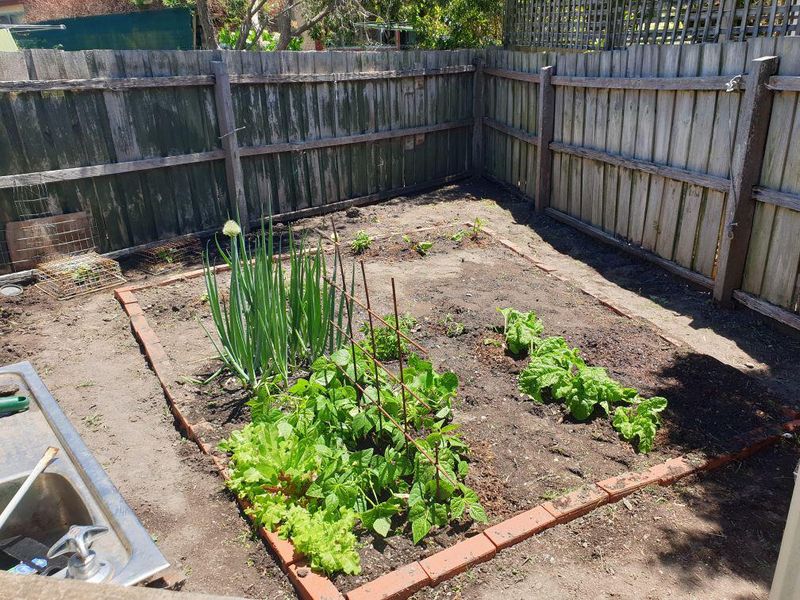
Soil that has no covering bakes in the summer sun. Surface temperatures on bare garden soil can reach 140 degrees or higher on a hot afternoon.
At those temperatures, the roots near the surface become damaged and the plant’s ability to absorb water and nutrients drops sharply.
Most vegetable plants have feeder roots in the top six inches of soil. Those roots are incredibly sensitive to heat.
When they overheat, the whole plant suffers, even if you are watering regularly and fertilizing properly.
The roots simply cannot function well in extreme heat. Mulch is the single most effective tool for solving this problem.
A three to four inch layer of straw, shredded leaves, or wood chips spread around the base of your plants can lower soil temperature by 20 degrees or more.
That difference keeps roots healthy and active all summer long. Apply mulch after watering so you are locking moisture into already-damp soil. Keep it a few inches away from the base of plant stems to prevent rot.
Replenish it throughout the season as it breaks down, since decomposing mulch also slowly improves your soil over time.
Cover crops or low-growing companion plants can also shade the soil between larger vegetable plants. Clover, thyme, and low-growing basil all work well as living mulches.
Keeping the soil covered from above is one of the smartest and simplest habits any gardener in Oregon can develop for long-term summer productivity.