These 10 Oregon Garden Plants Are Being Quietly Replaced And Most Gardeners Don’t Know Why
Garden trends can change quietly, one plant swap at a time. Oregon gardeners may not notice it at first because the old favorites still show up in yards, nurseries, and neighborhood borders.
But more people are starting to rethink plants that need too much water, spread too aggressively, or struggle when the weather shifts. A replacement does not always mean the original plant is terrible.
It may simply mean there is a better fit for the way Oregon gardens are being managed now. Some newer choices offer easier care.
Others support wildlife or handle local conditions with less fuss. Once you understand why these swaps are happening, the change makes a lot more sense.
The plants leaving the spotlight may be familiar, but the ones taking their place can make gardens stronger, smarter, and easier to enjoy.
1. Boxwood Hedges Are Losing Their Easy-Care Shine
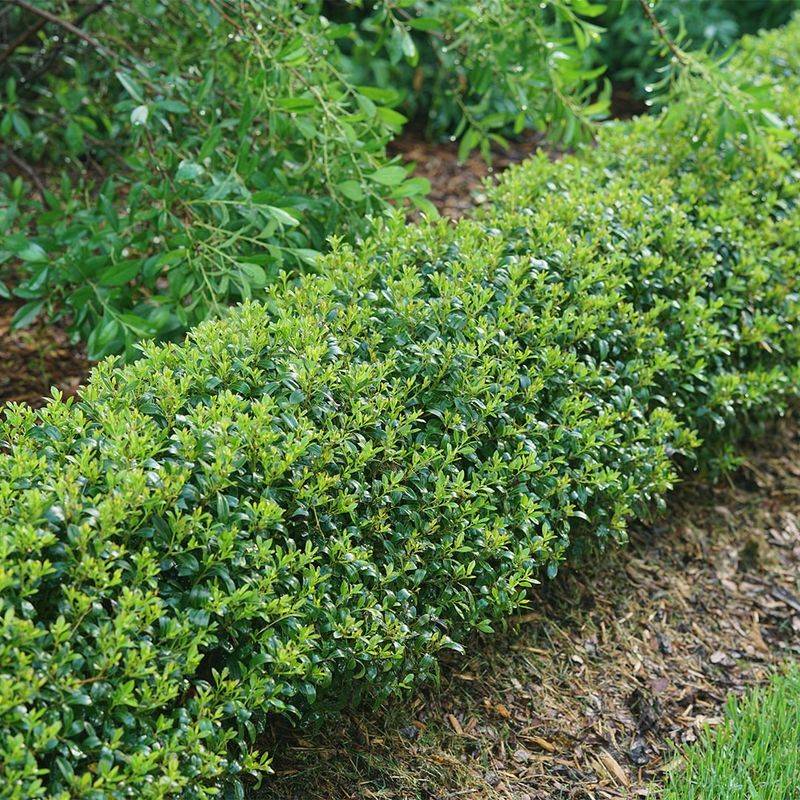
For decades, boxwood was the go-to hedge for tidy, formal gardens. Neat, dense, and evergreen, it seemed almost too good to be true.
Turns out, it kind of was.
Boxwood blight has been spreading steadily across the Pacific Northwest, and it’s hitting hard. The disease causes brown patches, leaf drop, and bare stems that no amount of pruning can fix.
Once it shows up in a yard, it’s nearly impossible to get rid of completely.
On top of the blight problem, boxwood psyllid and boxwood leafminer are also causing damage. These pests leave foliage looking puckered and discolored.
Many gardeners spend more time fighting problems than actually enjoying their hedges.
The bigger issue is that boxwood blight spreads easily on tools, shoes, and even rainwater. A neighbor’s infected plant can put your whole hedge at risk.
That kind of vulnerability makes it hard to justify planting boxwood in new spaces.
Savvy gardeners are now turning to alternatives like dwarf inkberry holly, native Oregon grape, or even well-clipped huckleberry for that structured look. These options hold up better against local pests and diseases.
They also tend to need less fussing overall.
If you already have boxwood and it looks healthy, keeping it clean and avoiding overhead watering can help. But many gardeners are quietly pulling theirs out and starting fresh with something more resilient.
2. Butterfly Bush Comes With Oregon Restrictions
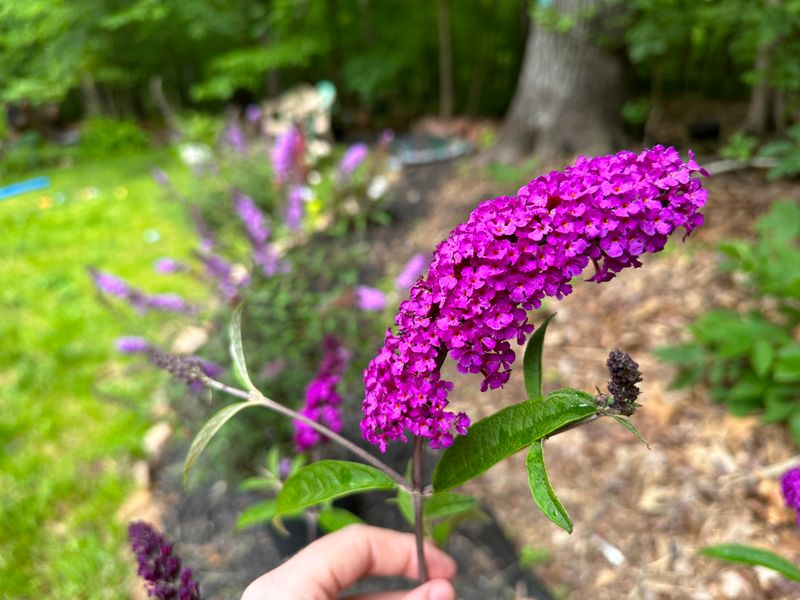
Few plants attract as many compliments as butterfly bush in full bloom. Those long, cone-shaped flower clusters in purple, pink, or white are genuinely stunning.
But there’s a real catch that most buyers never see on the label.
Butterfly bush is classified as invasive in several parts of the Pacific Northwest. The state has placed restrictions on certain varieties because the plant spreads aggressively into wild areas.
It crowds out native plants that local wildlife actually depend on for food and shelter.
The tricky part is that it still attracts butterflies to your yard, which feels like a win. But experts point out that it offers very little nutritional value to caterpillars.
So it draws butterflies in without supporting their full life cycle.
Your Oregon Garden Changes Every Week. Your Plan Should Too.
Gardening in Oregon changes quickly throughout the season. Every Friday you’ll receive a simple weekly plan showing exactly what to plant, prune, fertilize, harvest, and protect so you never miss the right timing.
Sterile varieties have been developed and are sometimes sold as safer options. Still, many garden centers have quietly stopped carrying the original species altogether.
Shoppers browsing for pollinator plants are increasingly being steered toward better alternatives.
Native plants like ceanothus, red flowering currant, and native asters do a much better job supporting pollinators from egg to adult. They also blend naturally into the regional landscape without taking over.
Once established, they need very little extra care.
Swapping butterfly bush for these native bloomers is one of the easiest upgrades a gardener can make. Your local pollinators will genuinely benefit, and your garden will feel more connected to the land around it.
3. Vinca Creeps Farther Than Gardeners Expect
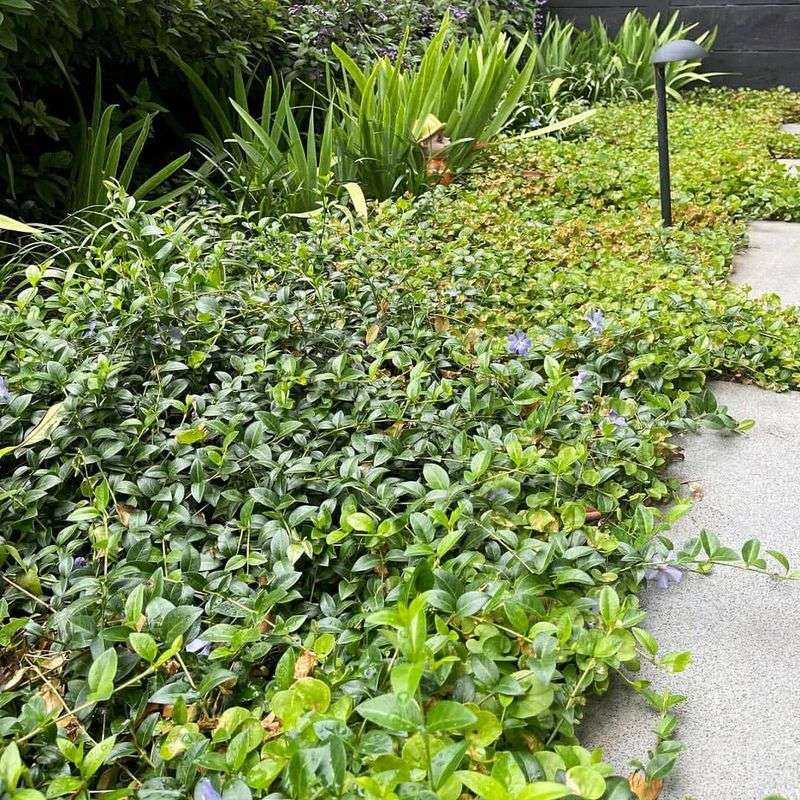
Vinca looks like a dream solution for shady spots under trees. It’s evergreen, produces pretty little purple flowers in spring, and asks for almost nothing in return.
That low-maintenance reputation is exactly why so many gardeners reach for it.
The problem shows up a few years down the road. Vinca doesn’t stay politely in the bed where you planted it.
It sends out long runners that root wherever they touch soil, and before long, it’s spilling into the lawn, neighboring beds, and beyond the fence line.
In natural areas near homes, vinca has been documented spreading into forests and stream banks. Once it gets established in a wild space, it forms a dense mat that smothers native wildflowers and seedlings.
Removing it from those areas is incredibly labor-intensive.
Many counties have added vinca to watch lists for invasive plants. Nurseries are starting to stock it less prominently, and some have stopped carrying it entirely. The shift is subtle but real.
Gardeners who want a low-growing, shade-tolerant groundcover now have better choices. Native options like wild ginger, sword fern, and inside-out flower handle shady spots beautifully.
They support local insects and don’t try to take over the neighborhood.
If you have vinca already, keeping it trimmed back from natural edges helps limit spread. But for new plantings, choosing a native groundcover from the start saves a lot of headaches later on.
4. Creeping Jenny Turns Moist Beds Into A Mat
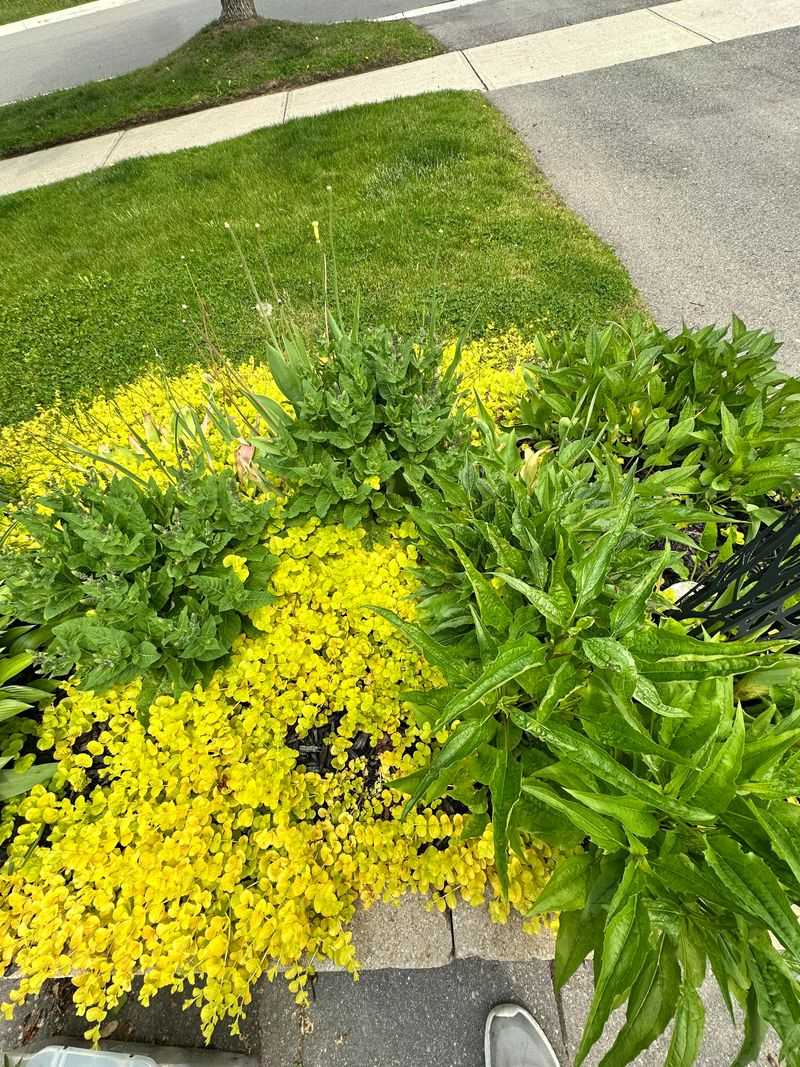
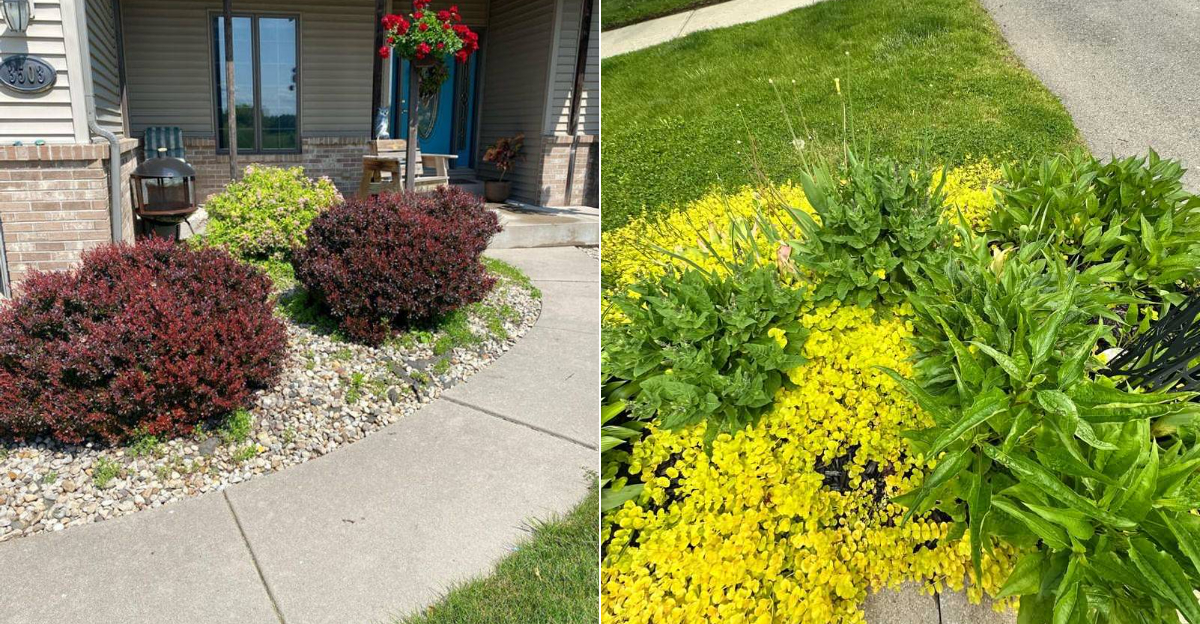
With its bright chartreuse leaves and cheerful trailing habit, creeping Jenny is one of those plants that looks fantastic in a pot or a garden photo. Gardeners love it for adding a pop of color to damp, shady corners.
The trouble starts when it hits the ground and realizes it has room to run.
In moist Pacific Northwest climates, creeping Jenny spreads at a pace that surprises even experienced gardeners.
It roots easily along its stems and forms a thick, low mat that crowds out everything nearby. Slower-growing perennials often get buried before anyone notices.
Near water features, rain gardens, or low-lying wet areas, the spread becomes even more dramatic. It can migrate into natural wetlands and stream edges, where it competes with native sedges and moisture-loving wildflowers.
Ecologists have flagged it as a concern in several western states.
The golden variety is especially popular but behaves just as aggressively as the straight species.
Many gardeners plant it thinking it will stay contained, only to spend future seasons pulling it out of places it was never meant to go.
Better choices for damp, shady spots include native foamflower, piggyback plant, or yellow monkey flower. These plants add texture and color without the territorial behavior.
They also provide real habitat value for native insects and ground-nesting birds.
Creeping Jenny isn’t going away overnight, but its reputation among informed gardeners is definitely changing. Choosing a better-behaved alternative from the start makes the whole garden easier to manage.
5. Traditional Lawns Are Giving Way To Ecolawns
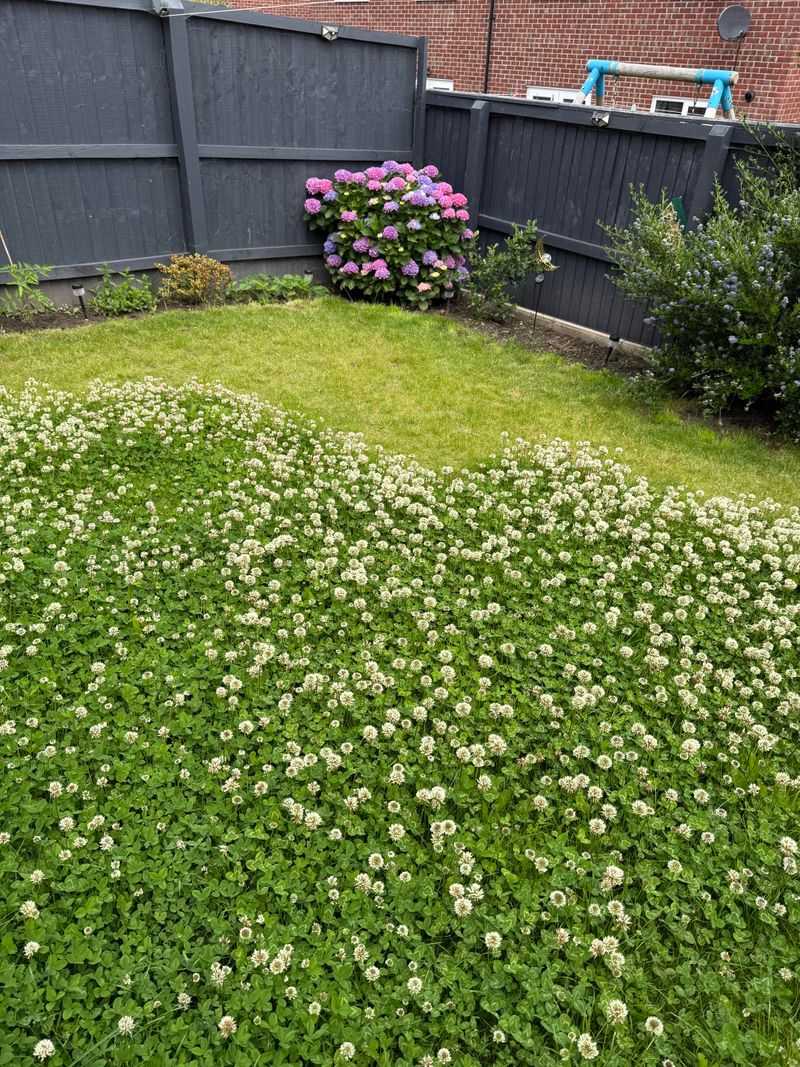
The classic American lawn, wall-to-wall Kentucky bluegrass kept perfectly green and evenly mowed, is quietly losing ground in the Pacific Northwest.
Not because people stopped caring about their yards, but because they started caring more about what their yards actually cost them.
Traditional turf grass demands a lot. It needs regular watering, fertilizing, aerating, dethatching, and reseeding.
During summer dry spells, which are getting longer and hotter across the region, keeping a lawn green can feel like a second job. Water bills climb fast, and the results still look stressed.
Ecolawns, which blend low-growing clovers, fine fescues, and native grasses, are stepping in as a smarter option. They stay green with far less water and require mowing only a few times per season.
Many ecolawn mixes also support pollinators, which traditional turf simply cannot do.
Some homeowners are going even further, replacing lawn sections with native meadow plantings, gravel paths, or low groundcover gardens.
These conversions reduce water use dramatically and create genuine wildlife habitat right at home.
Local water districts and conservation programs in Oregon now offer rebates for lawn replacement projects. That financial incentive is helping nudge more homeowners toward making the switch.
Nurseries have responded by stocking more ecolawn seed mixes and native groundcovers than ever before.
The shift away from traditional lawns isn’t about giving up on a beautiful yard. It’s about finding a version of beauty that actually fits the climate we’re living in right now.
6. Privet Hedges Demand Too Much Clipping
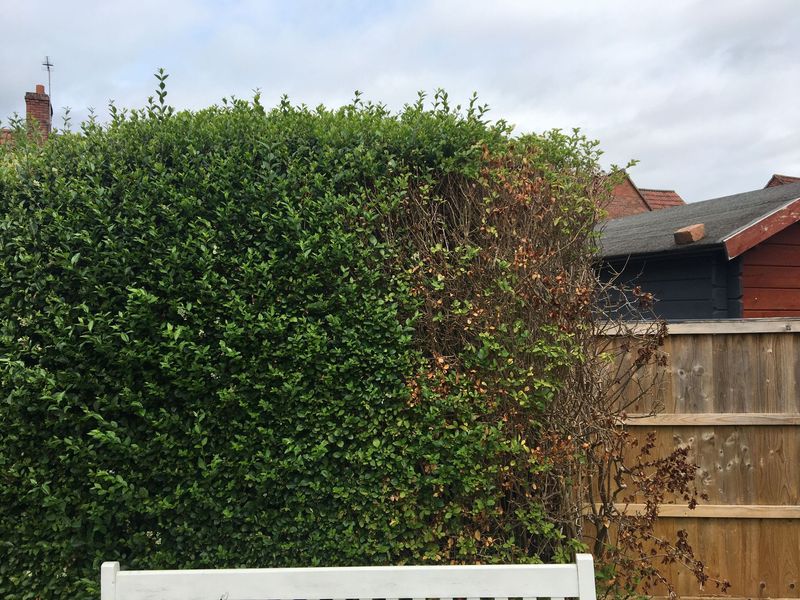
Privet hedges were once considered a reliable, affordable way to create privacy in a yard. They grow fast, fill in thickly, and respond well to shaping.
For a while, that seemed like everything a gardener could want from a hedge plant.
The catch is that privet never stops. It grows aggressively and needs clipping multiple times a season to stay looking neat.
Skip a few weeks during a busy summer, and suddenly your tidy hedge looks like a wild thicket pushing against the fence.
Beyond the maintenance grind, privet also produces berries that birds spread into surrounding areas.
Seedlings pop up in gardens, along roadsides, and in natural areas where they compete with native shrubs.
Several species of privet are now on invasive plant lists across the western United States.
The pollen from privet flowers is also a known allergen. People who suffer from seasonal allergies often find that a flowering privet hedge makes things noticeably worse.
That’s one more reason homeowners are rethinking their commitment to this plant.
Native alternatives like snowberry, oceanspray, or tall Oregon grape offer similar screening ability with far less upkeep. They also provide food and shelter for birds and beneficial insects.
Once established, many of these native shrubs need little more than occasional shaping.
Privet is still sold widely, but its days as a go-to hedge plant seem numbered. More gardeners are choosing plants that work with the local ecosystem instead of constantly fighting against it.
7. Pachysandra Has A Boxwood Blight Connection
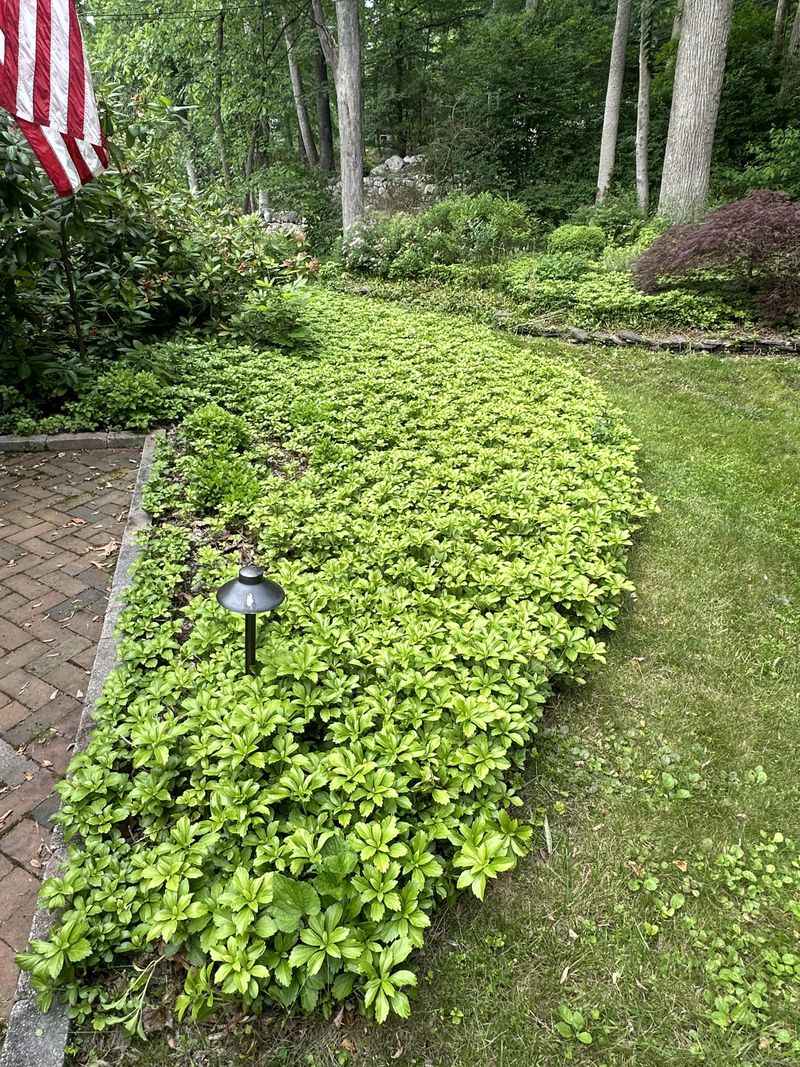
Pachysandra has been a staple of shady garden beds for generations. It’s evergreen, it handles deep shade without complaint, and it spreads steadily to fill in bare spots.
Many gardeners inherited it along with their homes and never thought to question it.
Recent research has changed the picture significantly. Pachysandra can act as a host for the same fungal pathogen that causes boxwood blight.
Even when pachysandra itself shows no visible symptoms, it can harbor and spread the disease to nearby boxwood plants.
That connection has made landscape professionals rethink how they use these two plants together. Planting pachysandra near boxwood hedges is now considered risky practice.
For gardeners who have both in their yards, the combination creates an ongoing disease risk that’s hard to manage.
The plant also spreads more aggressively than many gardeners realize. In mild, wet climates like those found in western parts of Oregon, pachysandra can push into natural areas and outcompete native woodland plants.
It’s not as dramatic a spreader as vinca, but it’s persistent.
Shade-tolerant native alternatives are plentiful and often more interesting. Bunchberry, native bleeding heart, and low-growing native ferns all thrive in similar conditions.
They support local wildlife and don’t carry the same disease risk.
Swapping pachysandra out is a straightforward project for most gardeners. Removing it in sections and replacing with native groundcovers is manageable over one or two seasons.
The result is a healthier, more dynamic garden floor.
8. Thirsty Annual Beds Are Being Reworked
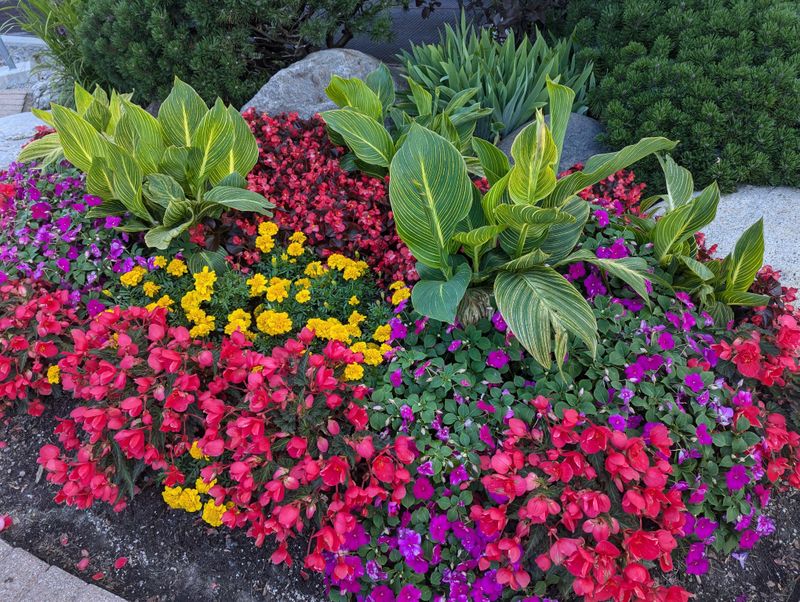
There was a time when replanting annual flower beds every spring felt like a fun ritual. Flats of impatiens, petunias, and marigolds showed up at every nursery, and gardeners snapped them up eagerly.
The results were bright, colorful, and cheerful all summer long.
But those beds come with a hidden cost. Annuals need to be watered constantly, especially during the dry Pacific Northwest summers that have become more intense in recent years.
A week without rain and a missed watering can wipe out an entire bed. The time, money, and water involved add up fast.
Many gardeners are now converting their annual beds to perennial plantings that come back on their own each year.
Native perennials like yarrow, camas, and prairie smoke offer season-long interest without the constant attention.
Once established, they handle dry spells much more gracefully than thirsty annuals.
The shift also reflects a growing awareness of where garden water actually goes. Outdoor water use spikes dramatically during summer, and annual flower beds are among the biggest contributors.
Rethinking those spaces is one of the most practical ways to reduce a garden’s water footprint.
Ornamental grasses, lavender, and drought-tolerant sedums are also filling in where annual beds once ruled. These plants offer texture and movement that annuals can’t match.
Many also provide seeds and shelter for birds through the fall and winter months.
Nurseries have noticed the shift and are stocking more perennials and native plants than ever before. The annual bed isn’t completely gone, but it’s definitely shrinking.
9. Mophead Hydrangeas Struggle In Hotter Yards
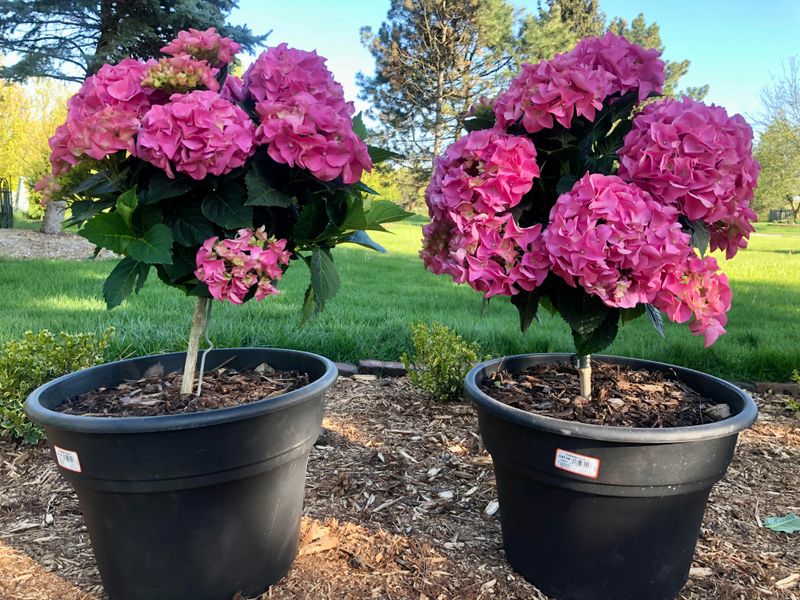
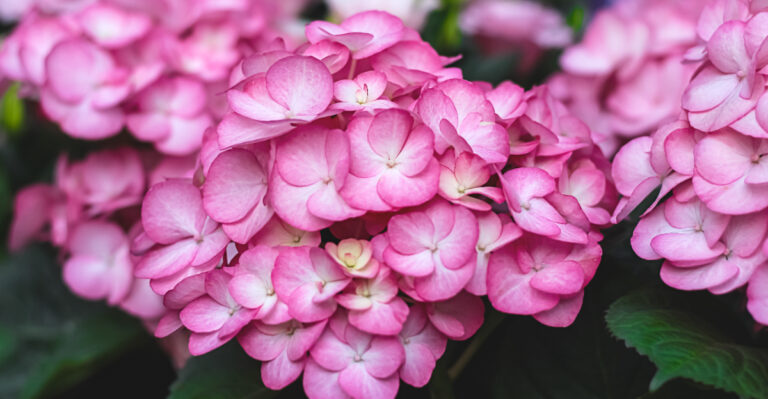
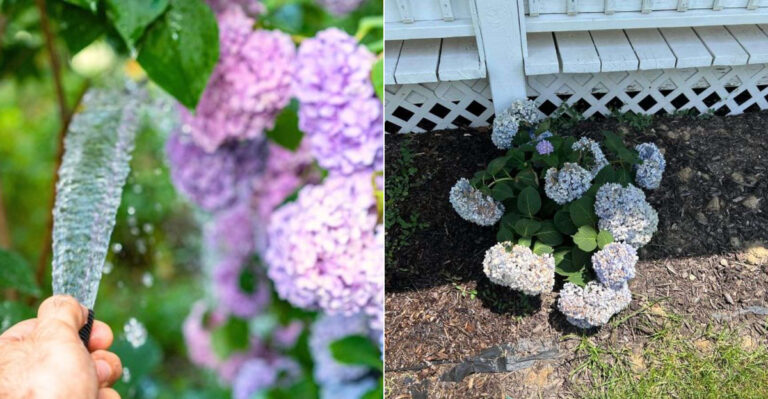
Mophead hydrangeas are one of the most photographed plants in Pacific Northwest gardens. Those big, round flower clusters in pink, blue, and purple have made them a social media favorite for years.
Walk through almost any established neighborhood and you’ll spot at least one in nearly every yard.
The problem is that the climate those hydrangeas were planted for has quietly changed. Hotter, drier summers are putting real stress on these moisture-loving plants.
Flower buds scorch before they fully open, leaves curl and brown at the edges, and blooms fade weeks earlier than they used to.
Mopheads also bloom on old wood, which means a late frost or a harsh pruning at the wrong time eliminates the whole season’s flowers. That timing issue frustrates gardeners who aren’t sure why their plants refuse to bloom year after year.
It’s a combination of climate stress and easy-to-make pruning mistakes.
Panicle hydrangeas are emerging as a popular replacement. They bloom on new wood, handle heat and drought far better, and produce flowers that age gracefully from white to pink to russet through fall.
Several compact varieties work well in smaller yards.
Smooth hydrangeas like the native Annabelle type are another solid option. They’re more forgiving of pruning and bounce back faster after heat events.
Both alternatives keep the beloved hydrangea look while being far better suited to the warmer summers ahead.
Mopheads aren’t disappearing entirely, but their dominance in the regional garden scene is clearly fading.
10. Japanese Barberry Feels Less Worth The Trouble
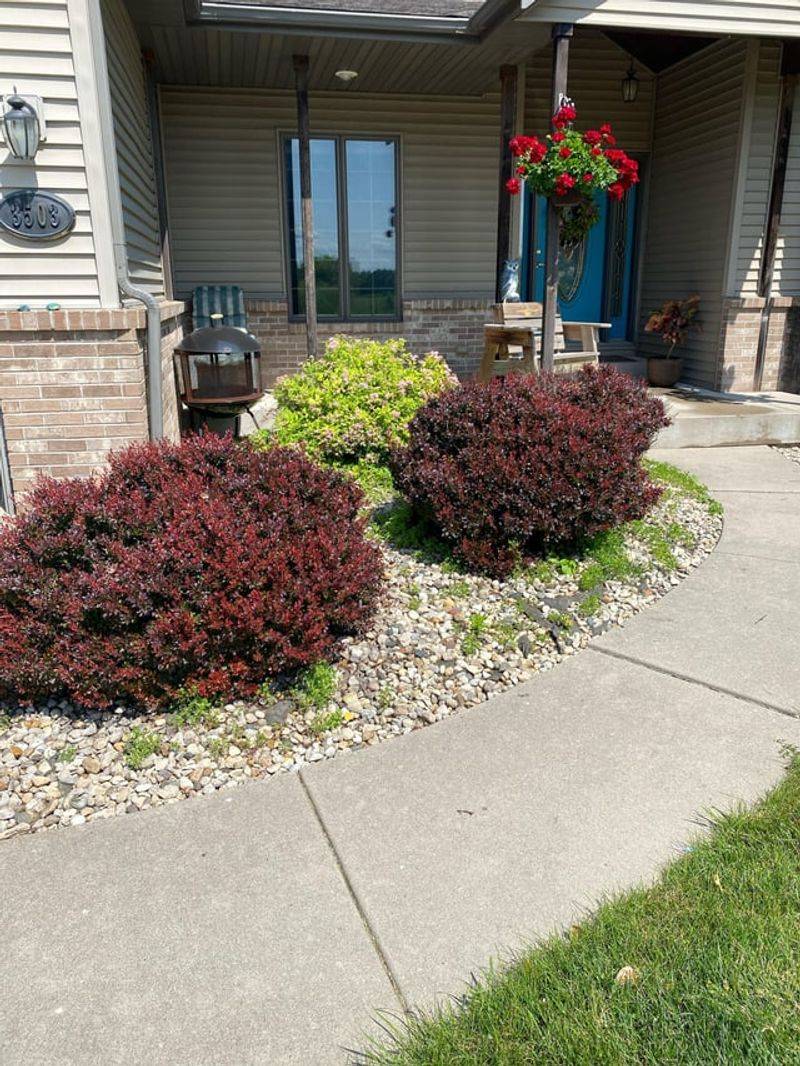
Japanese barberry earned its place in the landscape through sheer toughness. It tolerates poor soil, handles drought, shrugs off deer browsing, and comes in a range of leaf colors from deep burgundy to bright lime green.
For a long time, it seemed like the answer to every difficult garden situation.
But the thorns tell only part of the story. Research across the eastern and midwestern United States has linked Japanese barberry thickets to higher populations of deer ticks, the kind that carry Lyme disease.
The dense, low canopy creates ideal humid conditions where ticks thrive. Western states are now watching the same pattern with concern.
On top of the tick connection, barberry is considered invasive in many parts of the country. Birds eat the berries and spread seeds into natural areas, where the shrub forms impenetrable thickets that crowd out native plants.
Several states have banned its sale entirely, and pressure is building in the Pacific Northwest to follow suit.
Gardeners who once planted barberry for its colorful foliage are now finding equally striking alternatives. Native red-osier dogwood provides bold winter stem color.
Ninebark cultivars offer burgundy or gold foliage with much better ecological value. Both handle tough conditions without the invasive baggage.
The shift away from Japanese barberry is happening slowly, but it’s real. More landscape designers are quietly dropping it from their plant palettes.
And gardeners who do the research tend to agree that the tradeoffs no longer feel worth it.