The Most Underrated Michigan Native That Peaks In August When Everything Else Looks Exhausted
August in Michigan is when garden ambition meets garden reality, and reality usually wins.
The coneflowers are going to seed, the black-eyed Susans have said everything they needed to say, and even the most carefully planned perennial bed has a certain end-of-summer energy that no amount of tidying quite fixes.
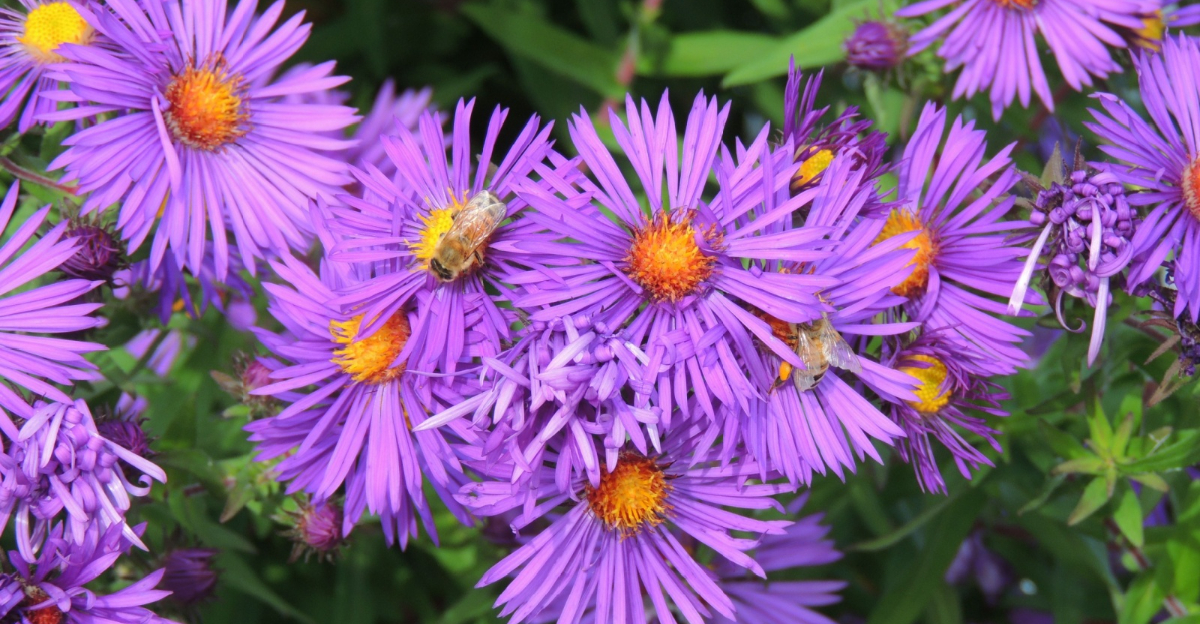
New England Aster has been watching all of this with the patience of a plant that knows exactly when its moment is coming. And then, right on cue, it opens.
Purple flowers arrive in late summer and early fall with the kind of confidence that makes the whole bed feel intentional again, pollinators come flooding back in, and the garden gets a second act that most people did not know they could plan for.
This Michigan native is genuinely worth the wait.
1. New England Aster Saves The Late-Summer Garden
Walking past a Michigan garden bed in August can feel a little discouraging. The bold colors of June and July have faded, stems are going to seed, and the whole border can look like it is running on empty.
That is the moment New England Aster earns its place in the yard.
Unlike many popular perennials that peak in early summer, New England Aster holds back its energy and saves it for late-season bloom.
When it finally opens its purple flowers, usually in August and continuing into fall, the timing feels almost strategic. Suddenly, a tired garden has a focal point again.
For Michigan homeowners who want a low-fuss native that fills a real gap in the seasonal garden calendar, this plant is worth serious consideration.
It does not require a lot of pampering once it is established, and it tends to grow vigorously in the right conditions.
The key is giving it enough space and choosing a spot where its late-season height and spread will look intentional rather than overgrown.
New England Aster is not a fix for every struggling August bed, but in the right setting, it can genuinely shift how a garden feels in late summer. Michigan gardeners who have tried it often say the same thing: they wish they had planted it sooner.
Its combination of timing, color, and wildlife value makes it one of the more rewarding native perennials available for residential landscapes.
2. Purple Blooms Wake Up Tired August Beds

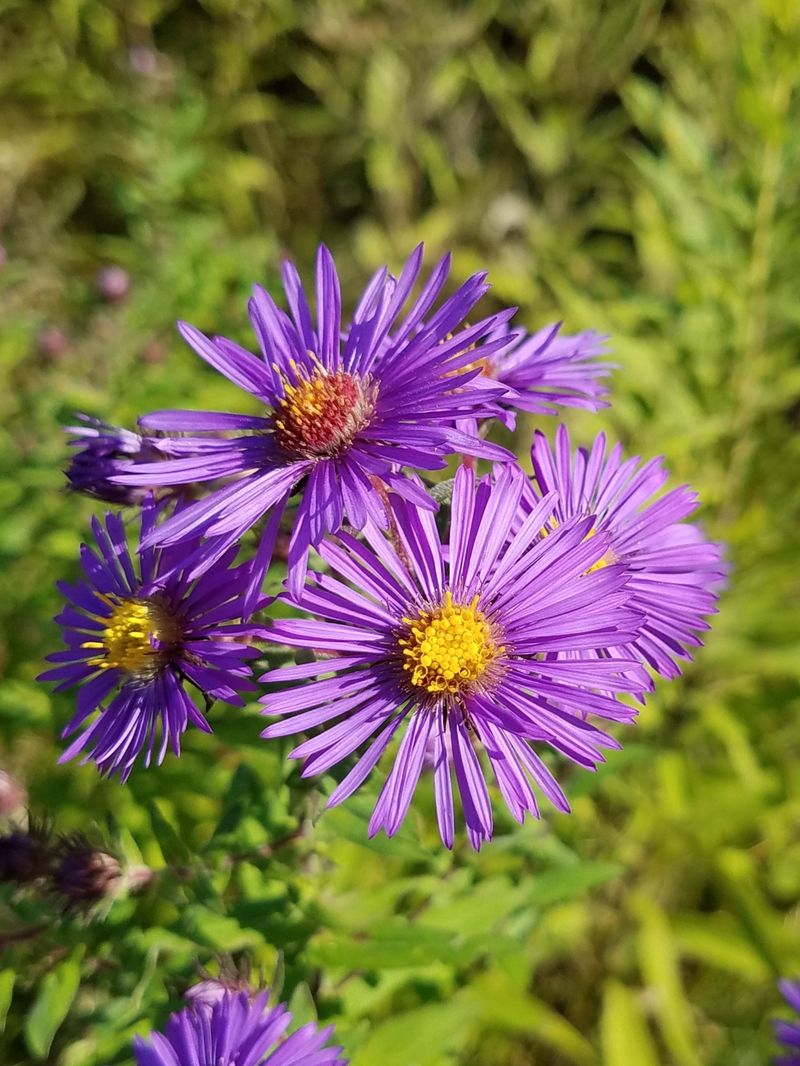
There is something almost startling about seeing a sweep of purple flowers open up in a garden that has been looking dull for weeks. The color New England Aster brings to an August bed is not subtle.
Those daisy-like flowers, typically a rich violet-purple with golden-yellow centers, create a contrast that draws the eye immediately.
Most summer perennials work in warm tones, so the cool purple of New England Aster stands out in a way that feels refreshing rather than out of place.
When planted near ornamental grasses, rudbeckia going to seed, or fading coneflowers, the purple blooms actually complement the warm tones around them rather than clashing.
Your Michigan Garden Changes Every Week. Your Plan Should Too.
Gardening in Michigan changes quickly throughout the season. Every Friday you’ll receive a simple weekly plan showing exactly what to plant, prune, fertilize, harvest, and protect so you never miss the right timing.
In Michigan gardens, this color combination can look especially striking in late August and September when the light starts to shift and the air begins to feel different.
The garden takes on a more layered, complex feel, and New England Aster is often the plant driving that shift.
One thing worth keeping in mind is that bloom timing can vary slightly depending on the cultivar and the conditions in your specific yard. Some plants may open earlier or hold their flowers longer than others.
Paying attention to which plants perform best in your Michigan microclimate can help you plan future plantings with more confidence.
The purple color alone makes it one of the most visually rewarding native choices for late-season interest in a residential perennial border.
3. Native Bees Find A Late-Season Feast

By late August, a lot of the flowering plants that native bees depend on through the summer have already peaked. Clover is winding down, garden phlox is fading, and many of the early-season wildflowers are long gone.
New England Aster arrives at exactly this moment and offers something genuinely valuable: a reliable source of late-season pollen and nectar.
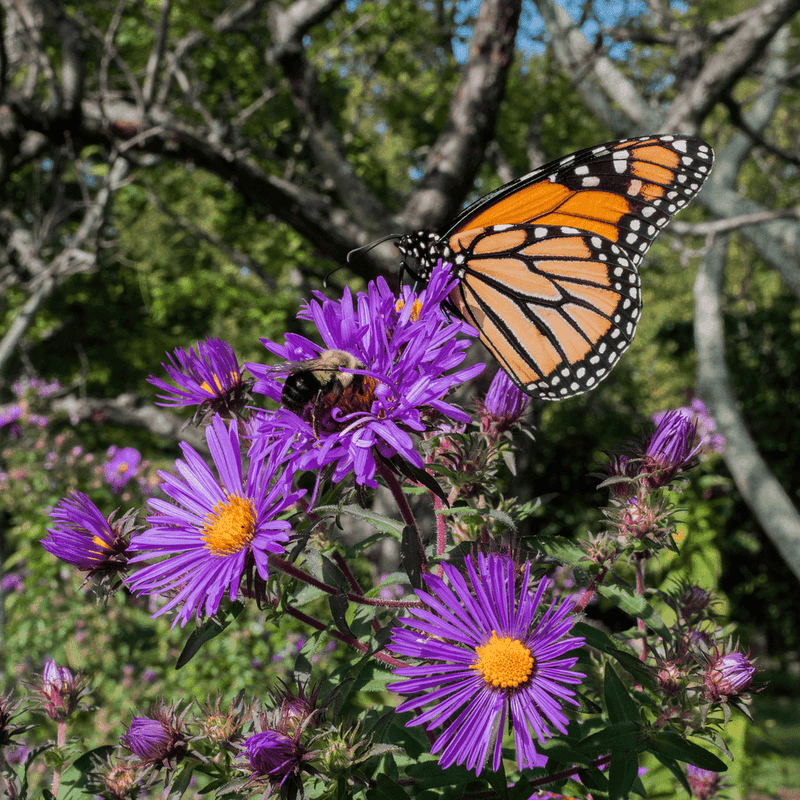
Bumblebees are especially visible on New England Aster in Michigan. You can often watch them working the flowers methodically, moving from bloom to bloom in a way that feels almost purposeful.
Smaller native bees, including sweat bees and mining bees, also show up consistently when the plant is in full flower.
For Michigan homeowners trying to support pollinators through the full growing season, this timing matters quite a bit. Early-season plants like wild geranium and golden Alexanders handle spring.
Mid-season plants cover summer. New England Aster helps close the gap in fall, giving late-flying bees something to work with before the season ends.
Planting New England Aster as part of a broader pollinator garden rather than as a standalone specimen tends to produce better results for both the plant and the bees.
Grouping it with other late-season natives like goldenrod can create a more consistent late-summer and fall food source.
Michigan gardeners interested in supporting native bee populations will find that adding New England Aster to an existing pollinator bed is one of the more straightforward steps they can take.
4. Sunny Spots Bring Out Its Best Color
Sun exposure plays a bigger role in how New England Aster performs than many people realize when they first plant it.
Given a spot with at least six hours of direct sunlight each day, the plant tends to produce more flowers, hold a more upright form, and develop richer color in the blooms.
Less sun does not eliminate flowering, but it can result in leggier growth and fewer blooms overall.
In Michigan yards, full-sun borders along fences, driveways, or the south-facing edges of a property tend to give this plant what it needs.
Open areas that receive good air circulation also help reduce the chance of powdery mildew, which can affect the foliage in shadier or more humid spots.
The flowers themselves look noticeably more vivid when the plant is grown in strong light.
Pairing New England Aster with other sun-loving Michigan natives in the same border can create a layered look that works well through multiple seasons.
Plants like wild bergamot, rattlesnake master, and prairie dropseed can share the same sunny space and give the bed structure from spring through fall.
New England Aster then becomes the final act of that planting, stepping forward in August when its companions have already had their moment.
Choosing the right location from the start makes a noticeable difference in how satisfying the plant looks at peak bloom.
A shady spot might keep it alive, but a sunny Michigan border is where it genuinely thrives and earns its reputation as a late-summer standout.
5. Moist Soil Helps It Grow Fuller And Taller
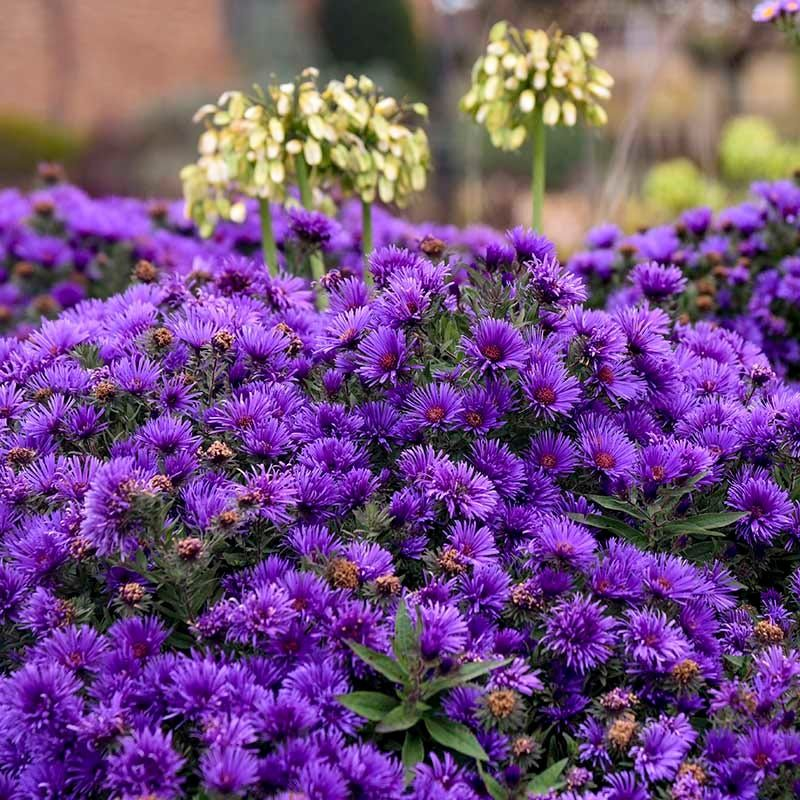
Soil moisture is one of the factors that most influences how full and impressive New England Aster looks at peak bloom. In consistently moist soil, the plant tends to develop a fuller, more robust form with more stems and more flowers.
In very dry conditions, growth can be more limited and the plant may look less lush when it finally blooms in late summer.
Michigan has plenty of garden spots where moisture tends to linger, including low areas near downspouts, edges of rain gardens, and spots along natural drainage paths.
These locations can actually be tricky to plant because many popular perennials struggle with wet feet.
New England Aster handles those conditions much better than most, making it a practical choice for spots that other plants have trouble with.
That said, it does not require standing water or boggy conditions to do well. Average garden soil that stays reasonably moist through the summer is often enough.
In drier Michigan summers, some supplemental watering during establishment can help the plant get settled before it needs to put energy into blooming.
Rain gardens and naturalistic borders near low spots in a Michigan yard are worth considering as potential homes for this plant. The combination of moisture, sun, and open space can produce specimens that look genuinely impressive by August.
Homeowners who have struggled to find the right plant for a wet-ish sunny border often find that New England Aster fits that situation better than many alternatives they have tried.
6. Tall Stems Make A Big Backyard Statement

Few late-season perennials make the kind of visual impact that a well-grown clump of New England Aster can produce.
Under good conditions, the plant can reach four to six feet in height, creating a bold vertical presence in the back of a border or along a property edge.
That kind of height is not always easy to find in late-season native plants. The tall stems are covered in small, lance-shaped leaves all the way up, and the flower clusters form at the top and along the upper branches.
When the plant is in full bloom, the effect is something like a purple cloud rising above the surrounding garden.
For Michigan yards that feel flat or lack vertical interest by late summer, this growth habit can be genuinely useful.
Managing height is something to think about if you want a more compact plant. Cutting stems back by about one-third in late spring or early June can encourage branching and result in a shorter, bushier plant that may need less support.
Without that kind of pinching, the plant tends to grow tall and may lean or flop in exposed spots with strong wind.
Placing taller specimens near a fence, wall, or among other sturdy natives can help support the stems naturally.
In a Michigan backyard where there is room to let a native plant grow to its full size, New England Aster can become a genuine anchor for the late-summer and fall garden rather than just a background filler.
7. Wild Michigan Habitats Explain Its Toughness
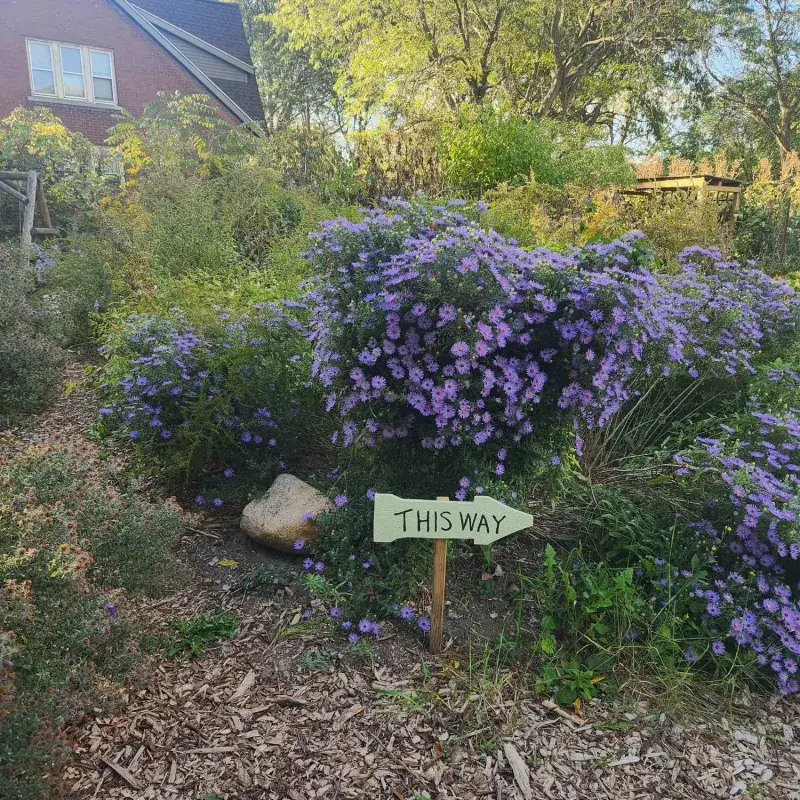
Seeing New England Aster growing along a Michigan roadside, at the edge of a wet meadow, or scattered through an open woodland margin gives you a clear sense of why it performs so reliably in home gardens.
This plant evolved in Michigan’s variable climate, meaning it has built-in tolerance for the kinds of conditions that can challenge plants from other regions or climates.
Michigan’s wild habitats range from dry sandy soils in the southwest to moist clay-heavy areas in the Lower Peninsula and everything in between.
New England Aster shows up across many of these settings, adapting to local conditions in ways that non-native ornamentals often cannot.
That adaptability is part of what makes it so useful in residential landscapes where soil and drainage can vary from one end of a yard to the other. The plant also handles Michigan’s late-summer heat without much visible stress.
While some perennials look wilted and ragged by August, New England Aster tends to look fresh and ready to bloom, as though the season is just getting started for it. That timing reflects its natural cycle in wild Michigan landscapes.
Understanding where a plant comes from helps explain how it behaves in a garden setting. New England Aster did not need to be bred for toughness because it developed that quality over time in Michigan’s own ecosystems.
Bringing it into a home garden is less about coaxing a delicate plant to survive and more about giving a resilient native the right conditions to genuinely shine.
8. Fall Interest Makes It Too Good To Cut Early
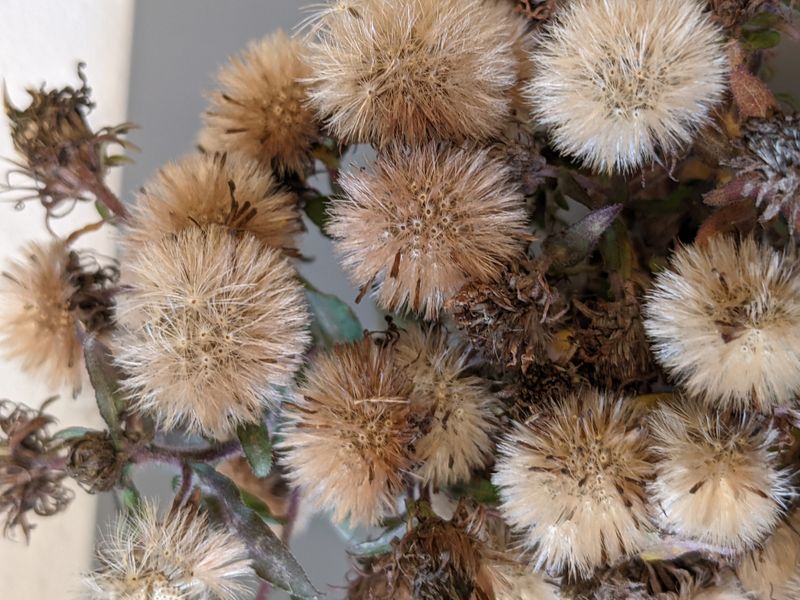
Once the purple flowers begin to fade in early fall, New England Aster does not suddenly become useless in the garden.
The seed heads that follow bloom are small, fluffy, and silvery, catching the light in a way that adds texture to the bed even after the color is gone.
Birds, including goldfinches and sparrows, may visit the spent flower heads to feed on the seeds.
Leaving the stems standing through fall and into early winter can provide shelter for small beneficial insects that overwinter in hollow or pithy stems.
It also gives the garden a more naturalistic, layered look that feels intentional rather than neglected, especially when combined with ornamental grasses and other seed-bearing natives nearby.
That said, leaving every stem in place is not always the right call. If powdery mildew has been a problem on the foliage, cutting the plant back after bloom can help reduce the chance of the same issue recurring next season.
Crowded clumps that have spread beyond their intended space may also benefit from division and thinning in early spring.
For Michigan gardeners who want to extend the value of their native plantings beyond the last bloom of the season, New England Aster offers a reasonable case for patience.
The transition from flower to seed head to winter structure can feel like a natural and satisfying ending to the gardening season.
Cutting it back too soon means missing that final chapter, and it is often the most underrated part of growing this plant in a Michigan yard.