This North Carolina Yard Border Mistake May Be Bringing Ticks Closer To Your Patio
You drag your favorite patio chair into the shade, set down a cold drink, and finally relax after a long week.
But just a few feet away, your yard border is doing something you probably never thought about.
That shady, overgrown edge packed with leaf litter and dense shrubs sitting right up against your patio could be quietly rolling out the welcome mat for ticks.
In North Carolina, where summers are humid, wooded lots are common, and tick season stretches from early spring well into fall, this one yard border mistake catches a lot of homeowners off guard.
Black-legged ticks and American dog ticks thrive in moist, shaded spots with plenty of ground cover. When those conditions exist right at the edge of where you sit, walk, and let your pets roam, ticks have a very short commute.
The good news is that fixing this mistake does not mean ripping out every plant you love.
Small, smart changes to how your border is managed can make a real difference before your next backyard cookout.
Dense Borders Hold Tick Humidity
Shade feels great on a hot Carolina afternoon, but ticks feel the same way.
Dense borders packed with overlapping shrubs, ground cover, and tall perennials create exactly the kind of cool, moist microclimate that ticks seek out when temperatures climb.
According to NC State Extension, black-legged ticks prefer shaded, humid environments and tend to avoid sunny, dry areas.
When your border plants grow into a thick wall right next to your patio, they trap moisture close to the ground and block the drying airflow that keeps tick activity lower.
The problem is not just the plants themselves.
It is the combination of shade, standing moisture from rain or irrigation, and dense ground-level foliage that creates a tick-friendly zone.
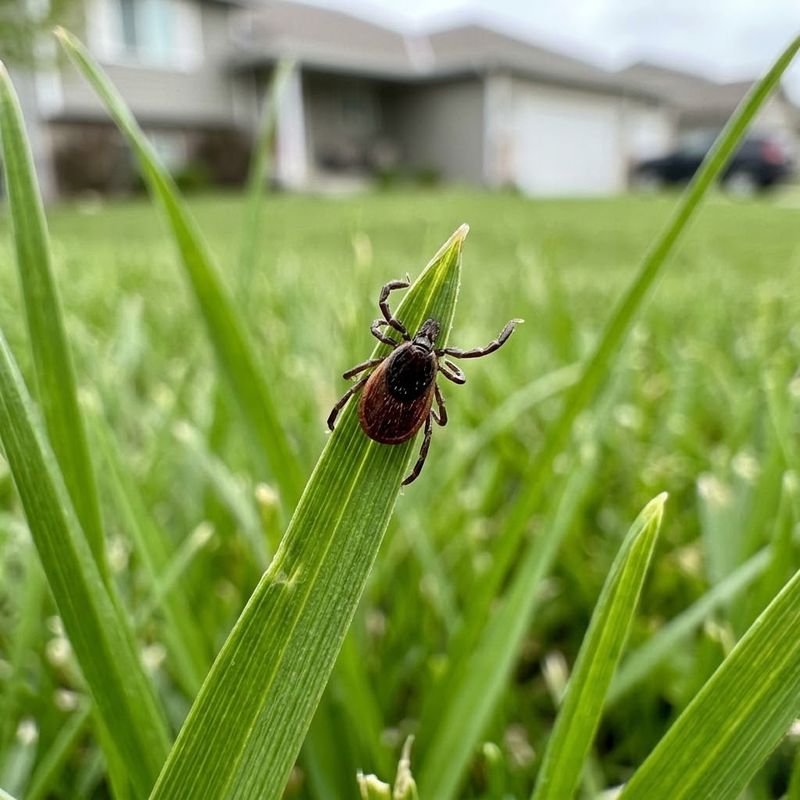
Ticks do not jump or fly. They wait on low vegetation, grass blades, and leaf surfaces in a behavior called questing, holding their front legs out to grab onto a passing host.
When that vegetation sits inches from your chair legs, the distance between a tick and your ankle gets very small, very fast.
Thinning your border plantings so sunlight can reach the soil surface disrupts this microclimate.
Even opening up a foot or two of airflow near ground level makes the edge drier and less appealing to ticks. A little selective pruning goes a long way toward making your patio edge far less tick-tempting.
Leaf Litter Turns Edges Risky
A pile of leaves might look harmless sitting along your shrub line, but leaf litter is one of the most tick-friendly habitats around.
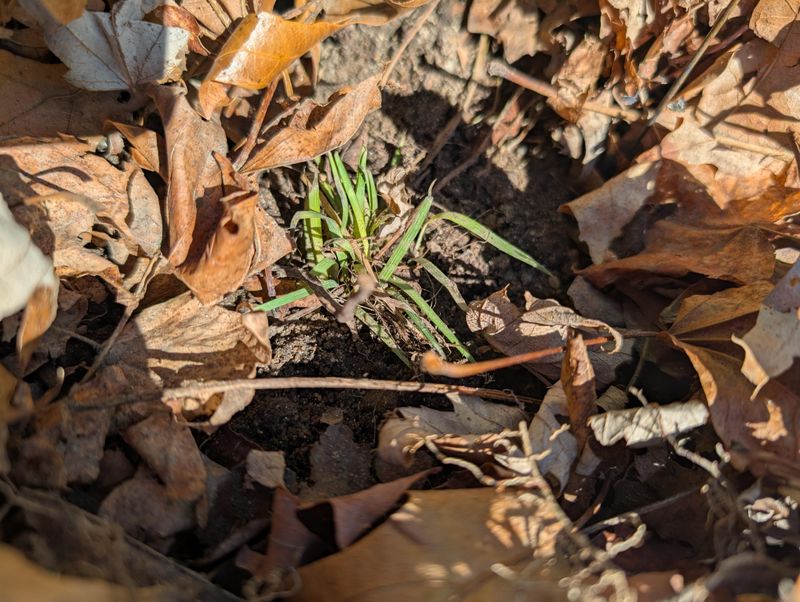
Fallen leaves hold moisture, block sunlight from reaching the soil, and create a layered, insulated environment where ticks can survive temperature swings and wait for a host.
The CDC recommends clearing leaf litter from yard edges as one of the most effective ways to reduce tick habitat near your home.
In North Carolina, oak trees, maples, and sweet gums drop enormous quantities of leaves every fall, and those leaves tend to drift and collect along fences, shrub lines, and the edges of patios.
Your North Carolina Garden Changes Every Week. Your Plan Should Too.
Gardening in North Carolina changes quickly throughout the season. Every Friday you’ll receive a simple weekly plan showing exactly what to plant, prune, fertilize, harvest, and protect so you never miss the right timing.
When that leaf buildup sits right against your seating area, ticks have a protected staging ground just steps from your feet.
Pets that sniff along the border or kids who toss a ball near the edge can pick up a tick in seconds without anyone noticing.
Raking and removing leaf litter from your patio border two or three times a year makes a noticeable difference.
Focus on the three-foot zone directly bordering your activity areas. Composting leaves further back in the yard, away from the patio, gives you the garden benefit without the tick risk.
Keeping that edge clear and exposed to sun and air is one of the simplest and most underrated steps you can take this season.
Tall Grass Meets The Patio Too Closely

Tall grass brushing against your ankles as you walk to your patio chair is more than just annoying.
It is one of the most direct ways ticks make contact with people and pets.
Grass blades that grow unchecked along the patio border become perfect questing spots, where ticks perch and wait with their legs extended, ready to latch onto whatever passes by.
The closer that tall grass grows to your seating zone, the shorter the path a tick has to travel.
NC State Extension notes that maintaining a mowed buffer around outdoor living areas is a key part of reducing tick encounters.
Keeping grass cut short, especially in the three-foot zone right at the patio edge, removes the vertical surface ticks rely on for questing.
Short grass also dries out faster after rain, which makes it less comfortable for ticks looking for a humid hiding spot.
The tricky part in North Carolina is that summer heat and frequent rain make grass grow fast.
A border that looks tidy on Monday can be brushing the patio edge by Friday. Setting a consistent mowing schedule for the area closest to your patio, even if the rest of the yard gets mowed less often, helps keep this contact zone under control.
A string trimmer works well for tight spots where a mower cannot reach cleanly.
Staying ahead of the growth is the real trick here, and the effort pays off every time you sit outside without doing a full tick check afterward.
Low Shrubs Create Crawling Cover
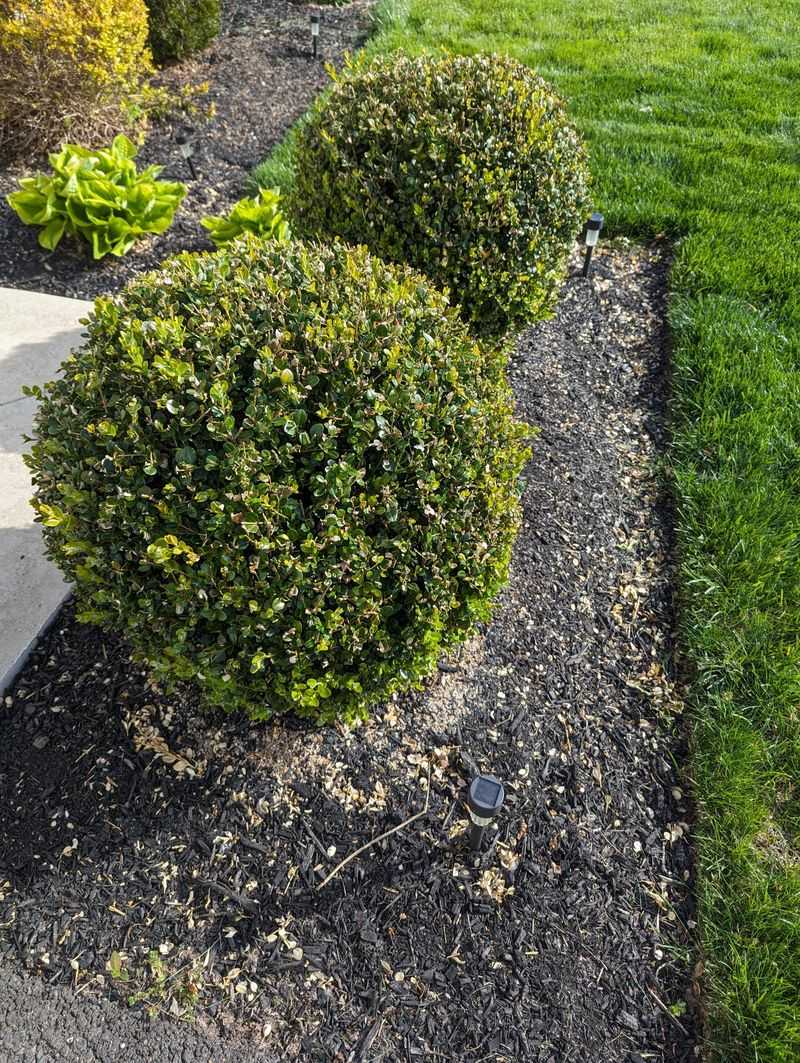
Shrubs with branches that sweep close to the ground are a landscaping staple across North Carolina yards, but those low-hanging limbs create a sheltered crawl space that ticks genuinely love.
The area beneath a dense, unpruned shrub stays shaded, damp, and protected from wind. That combination of conditions is exactly what ticks need to stay active and wait for a host.
When those shrubs grow right along your patio border, that sheltered zone is just inches from where people and pets spend time.
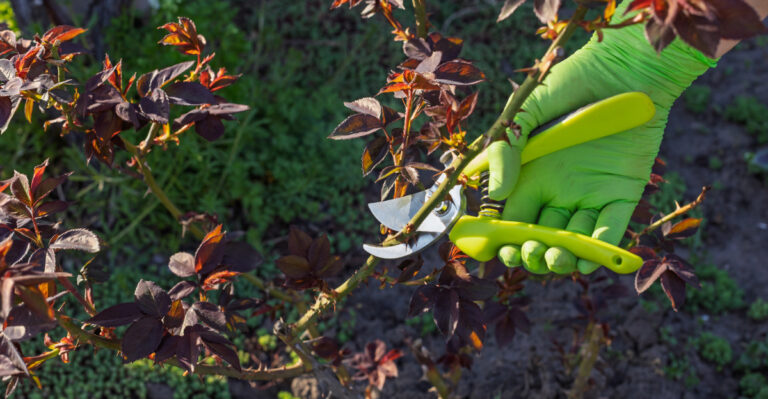
Lifting the canopy of your shrubs by pruning away the lowest branches opens the space beneath them to sunlight and airflow.
You do not have to reshape the entire plant. Removing the bottom six to twelve inches of branching from shrubs along your patio edge can make a real difference in how hospitable that space is for ticks.
Exposed soil dries faster. Air moves through more freely. The shaded, humid pocket disappears.
Pruning is also just good shrub care.
Plants with better airflow through their canopy tend to be healthier overall and less prone to fungal issues, which are already a concern in North Carolina’s humid summers.
Think of it as giving your shrubs a haircut from the bottom up. The plants stay, the tick cover goes, and your patio becomes noticeably more comfortable as a result.
Brush Piles Bring Small Mammal Traffic
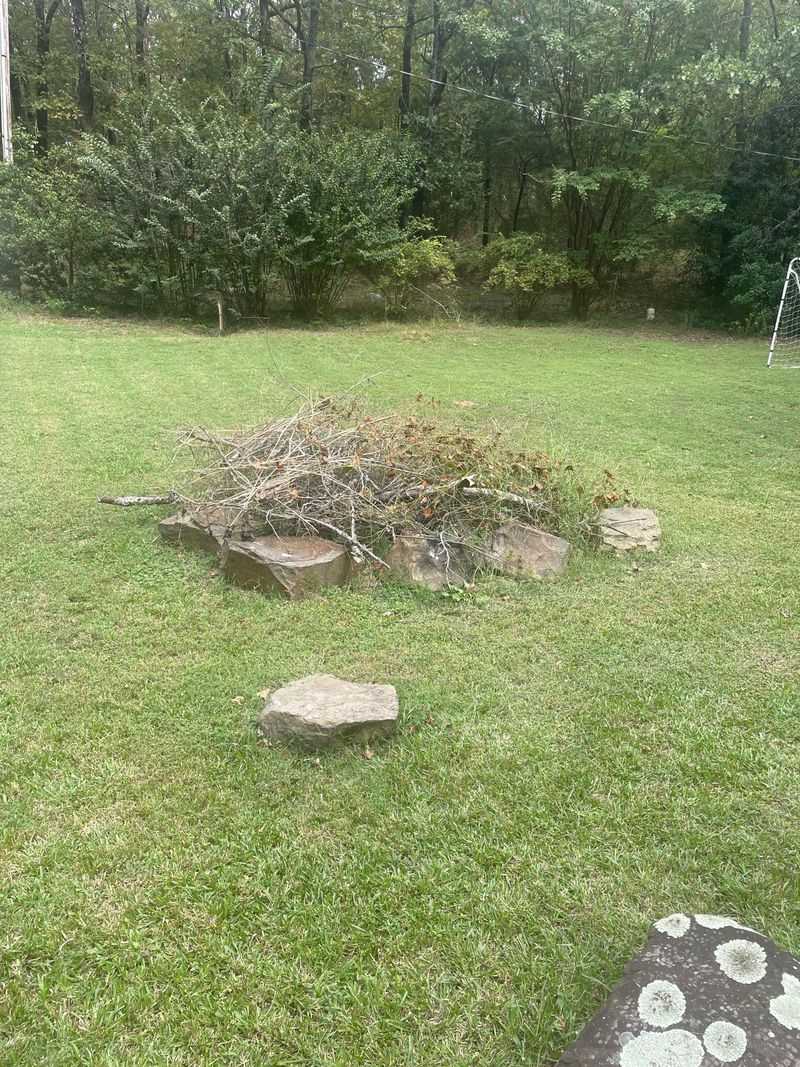
Brush piles tend to appear in yards almost on their own.
A pruning session here, a storm-blown branch there, and suddenly there is a pile of sticks and debris sitting right along your patio border.
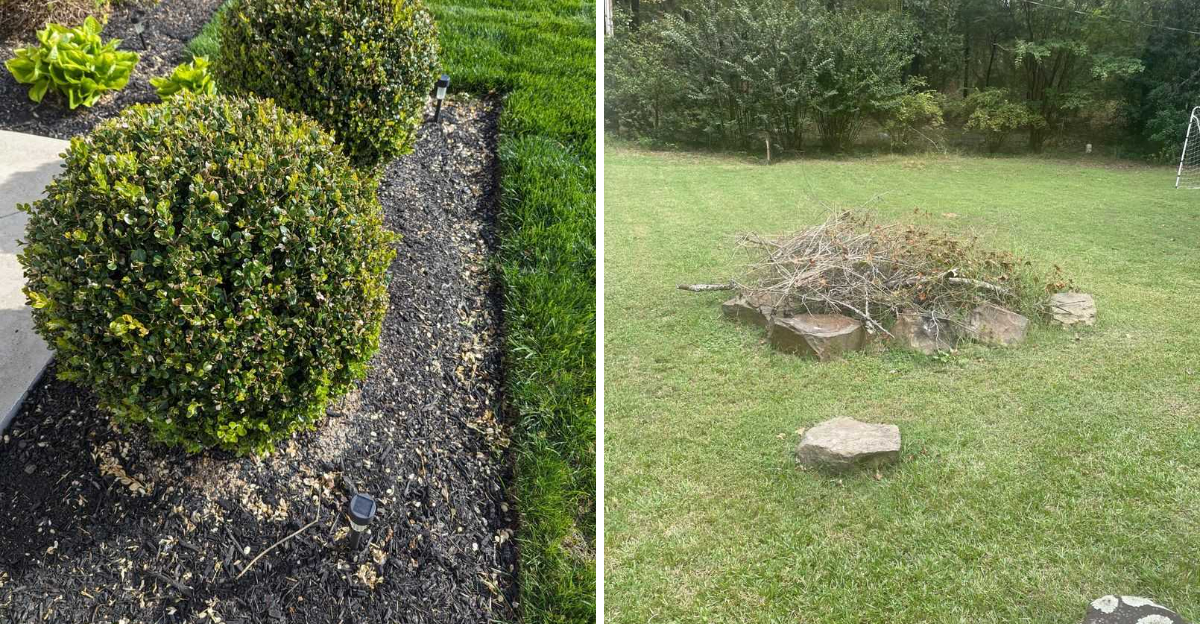
That pile might seem harmless, but it is basically a small mammal hotel. Mice, voles, and chipmunks love to nest and forage in brush piles, and small rodents are primary hosts for tick larvae.
The connection between mice and ticks is well established.
White-footed mice in particular are highly efficient at passing tick-borne pathogens to the larval ticks that feed on them.
When those larvae mature and quest for their next host, they may find your dog, your cat, or you. A brush pile near your patio essentially creates a tick nursery with a very short commute to your seating area.
Moving brush piles well away from the patio, at least eight to ten feet back, and ideally to the far edge of the property, reduces this traffic near your activity zones.
Better yet, chipping or bagging the debris eliminates the pile entirely.
If you like leaving some habitat for wildlife, that is a fair choice, just site it far from where people spend time.
Small mammals will still find it. The difference is that the ticks they carry will be much farther from your patio chair.
Gravel Breaks Dry The Edge

A gravel strip might not sound glamorous, but it is one of the most practical tools for reducing tick movement near your patio. Ticks prefer moist, shaded surfaces and tend to avoid hot, dry, exposed areas. A three-foot-wide gravel or wood chip buffer between your planting border and your patio surface creates exactly the kind of dry, sunny zone that ticks are reluctant to cross. It acts as a simple physical barrier that interrupts the path from the border to your seating area.
NC State Extension recommends placing a barrier of wood chips or gravel between wooded or planted areas and lawns or patios as part of a tick-safe yard strategy. The material itself is less important than the dryness and sun exposure it creates. Gravel stays dry faster after rain than soil or mulch. It does not hold moisture the way packed leaf litter does. And it gives ticks very little reason to venture across it toward your patio.
Installing a gravel break is a weekend project that most homeowners can handle without professional help. A simple edging strip keeps the gravel contained, and a layer of landscape fabric underneath reduces weeding. River rock, pea gravel, and decomposed granite all work well. The strip also gives your yard a clean, finished look that actually improves curb appeal. Practical and sharp-looking, a dry gravel edge is one of the smartest low-effort upgrades you can make to your patio border this season.
Pruned Borders Let Sun In
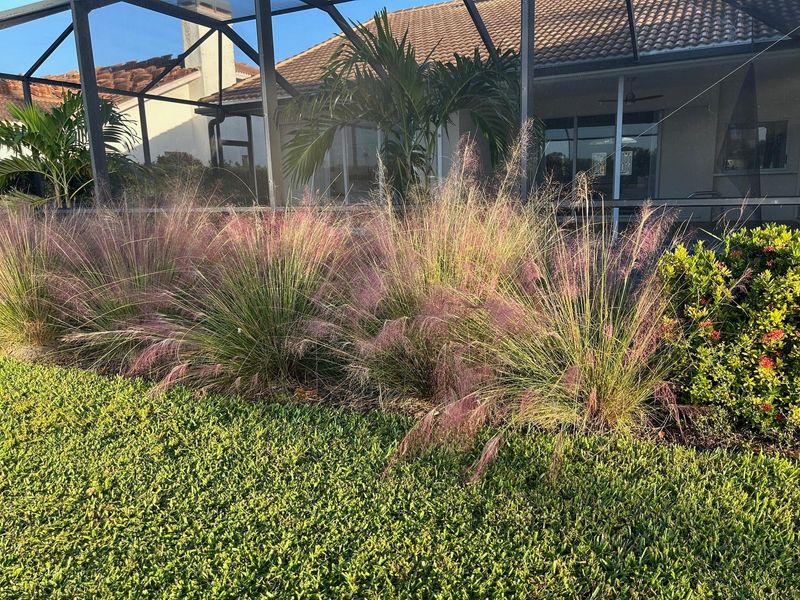
A gravel strip might not sound glamorous, but it is one of the most practical tools for reducing tick movement near your patio.
Ticks prefer moist, shaded surfaces and tend to avoid hot, dry, exposed areas.
A three-foot-wide gravel or wood chip buffer between your planting border and your patio surface creates exactly the kind of dry, sunny zone that ticks are reluctant to cross.
It acts as a simple physical barrier that interrupts the path from the border to your seating area.
NC State Extension recommends placing a barrier of wood chips or gravel between wooded or planted areas and lawns or patios as part of a tick-safe yard strategy.
The material itself is less important than the dryness and sun exposure it creates. Gravel stays dry faster after rain than soil or mulch.
It does not hold moisture the way packed leaf litter does. And it gives ticks very little reason to venture across it toward your patio.
Installing a gravel break is a weekend project that most homeowners can handle without professional help.
A simple edging strip keeps the gravel contained, and a layer of landscape fabric underneath reduces weeding. River rock, pea gravel, and decomposed granite all work well.
The strip also gives your yard a clean, finished look that actually improves curb appeal.
Practical and sharp-looking, a dry gravel edge is one of the smartest low-effort upgrades you can make to your patio border this season.