The One Thing Michigan Gardeners Should Do If Tomato Disease Appears In A Neighbor’s Yard
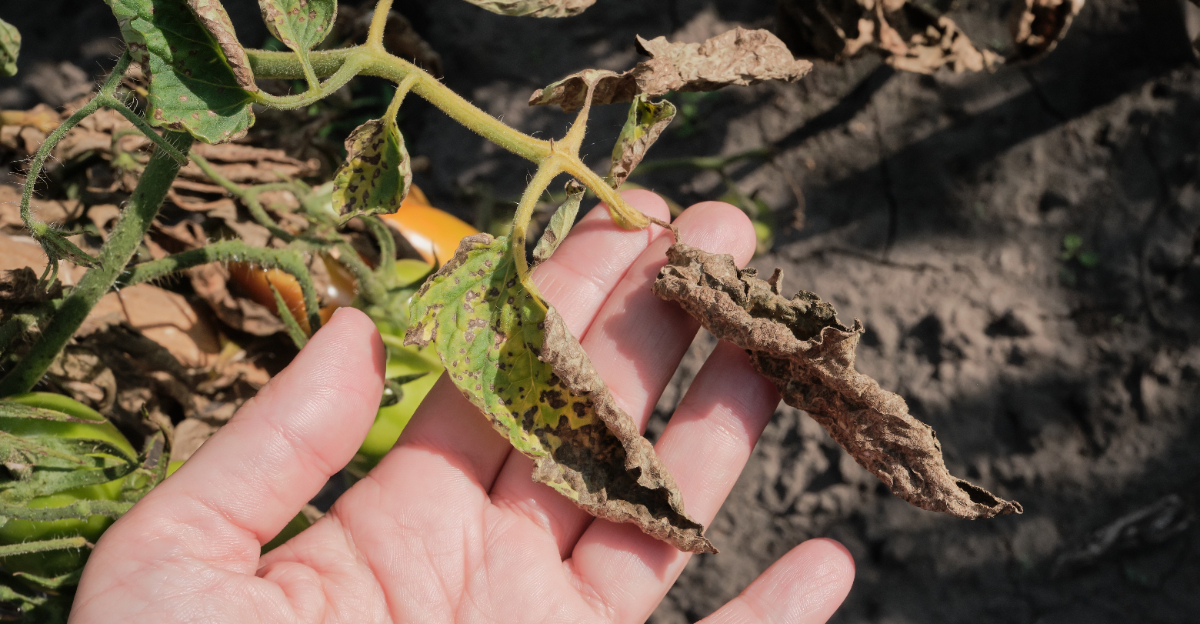
A neighbor’s tomato plants showing disease symptoms is not a distant problem in a Michigan neighborhood where yards share air, insects, water runoff, and the same regional pest and pathogen pressure.
Several of the most damaging tomato diseases in Michigan spread through spores carried on wind and on tools, clothing, and hands that move between gardens without any obvious vector connecting them.
Once a neighbor’s plants get sick, the disease can spread to your garden much faster than you think. Fortunately, taking one specific step right away can dramatically lower the risk of it reaching your yard.
Waiting to see whether the disease arrives before responding is the approach that consistently produces the worst outcome.
1. Start A Leaf Dry Protection Routine Right Away
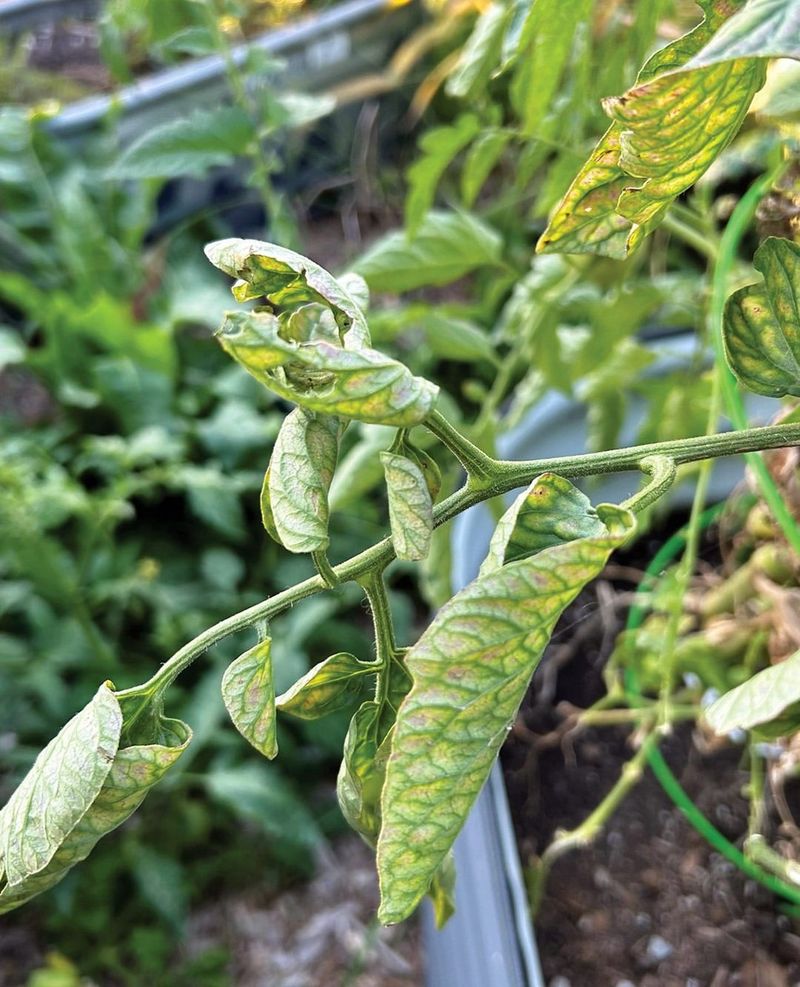
Wet foliage is one of the biggest reasons tomato diseases spread so fast. When a neighbor’s yard already has a problem, your first move should be keeping your own tomato leaves as dry as possible, starting today.
Even a few extra minutes of attention each day can make a real difference in how well your plants hold up.
Good airflow around your plants helps leaves dry off quickly after rain or morning dew. If your tomatoes are bunched together or surrounded by other plants, consider trimming back anything that blocks the breeze from moving through the garden.
Faster drying time means less opportunity for fungal spores or bacteria to settle in and spread.
Checking your plants often is another key part of this routine. Walk through your garden every couple of days and look closely at both sides of the leaves, especially the lower ones near the soil.
Catching anything unusual early gives you a much better chance of keeping your plants healthy throughout the growing season.
Soil splash is something many gardeners overlook. When rain or watering hits bare soil near infected plant material, it can carry disease organisms right up onto lower leaves.
A protective routine means being mindful of that splash zone and taking small steps, like adding mulch or adjusting your watering angle, to reduce how often it happens.
2. Do Not Wait Until Spots Show Up
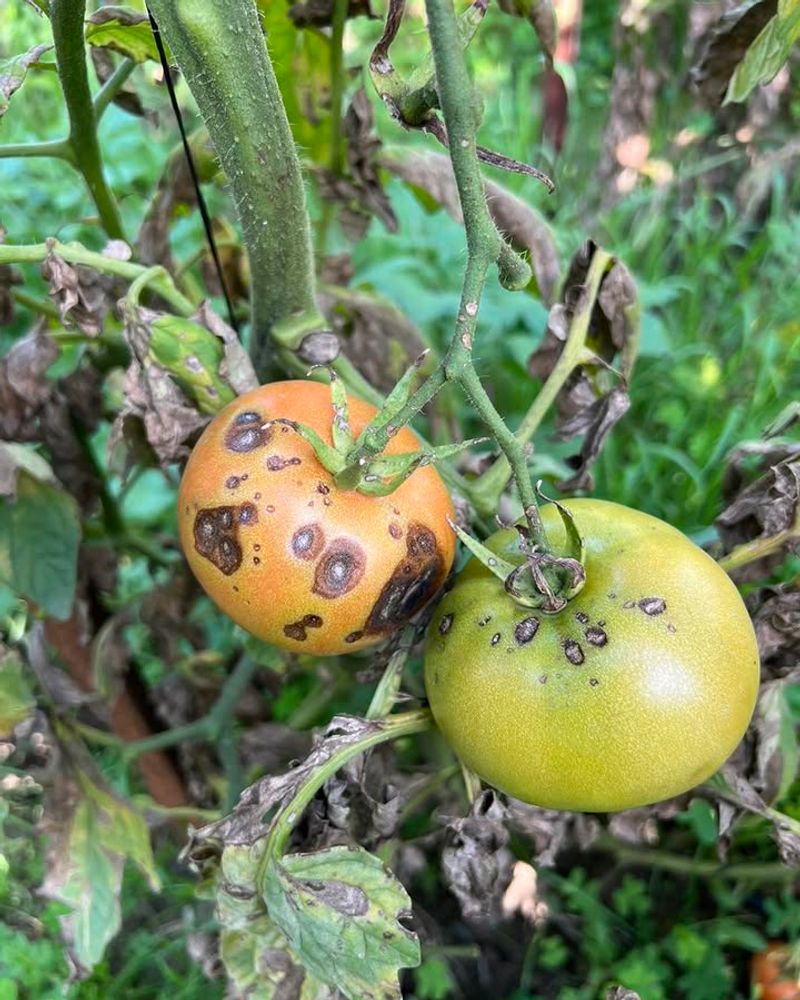
Waiting for spots to appear before taking action is one of the most common mistakes home gardeners make. By the time you see visible symptoms on your tomato plants, the disease has often already been spreading for days.
Prevention works best when you start before there is anything to see. Michigan summers can bring stretches of warm, humid weather that many leaf diseases absolutely love.
Fungal problems like early blight and Septoria leaf spot thrive when temperatures are mild and moisture sticks around on plant surfaces.
When a neighbor already has these issues, that humid air between your yards becomes a real concern worth taking seriously.
Think of prevention like putting on sunscreen before you head outside. You do not wait until you feel the burn to protect yourself.
The same logic applies to your tomato garden. Setting up good habits now, before any visible problem reaches your plants, keeps you ahead of the situation instead of scrambling to catch up later.
Your Michigan Garden Changes Every Week. Your Plan Should Too.
Gardening in Michigan changes quickly throughout the season. Every Friday you’ll receive a simple weekly plan showing exactly what to plant, prune, fertilize, harvest, and protect so you never miss the right timing.
Reach out to your local Michigan State University Extension office if you want to know which diseases are most active in your county right now. They track plant health problems throughout the growing season and can give you specific guidance for your area.
Being informed about what is circulating nearby helps you choose the right protective steps at exactly the right time, and that kind of targeted response is far more effective than a one-size-fits-all approach.
3. Water At Soil Level Only
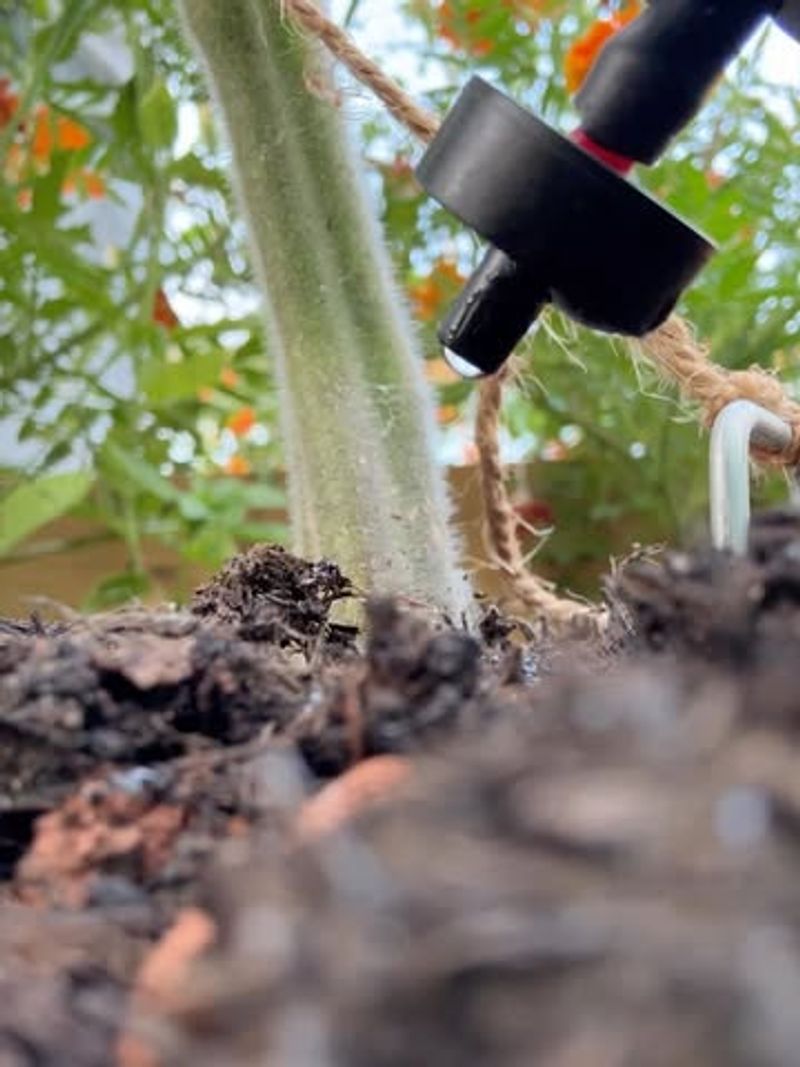
How you water your tomatoes matters just as much as how often you do it. Overhead watering, whether from a sprinkler or a hand-held hose aimed at the leaves, keeps foliage wet for longer than it needs to be.
Wet leaves in humid Michigan weather are practically an open invitation for fungal and bacterial problems to take hold.
Switching to soil-level watering is one of the simplest changes you can make right now. A soaker hose or drip irrigation system delivers moisture right to the root zone, where your plants actually need it most.
The leaves stay dry, the roots stay hydrated, and your garden becomes a much less welcoming environment for the kind of disease your neighbor is already dealing with.
Timing matters too. Watering in the morning gives any accidental moisture on leaves a chance to evaporate during the warmest part of the day.
Evening watering, on the other hand, leaves plants damp overnight, which is exactly when many disease organisms become most active. Shifting your watering routine to early morning, at soil level, covers two protective bases at once.
You might be surprised how much healthier tomato plants look after just a week or two of consistent soil-level watering. Leaves stay cleaner, the soil around the base stays more evenly moist, and the whole plant seems to grow with more confidence.
It is a small habit change with a big payoff, especially when disease pressure from nearby yards is already a concern this season.
4. Give Tomato Plants More Airflow
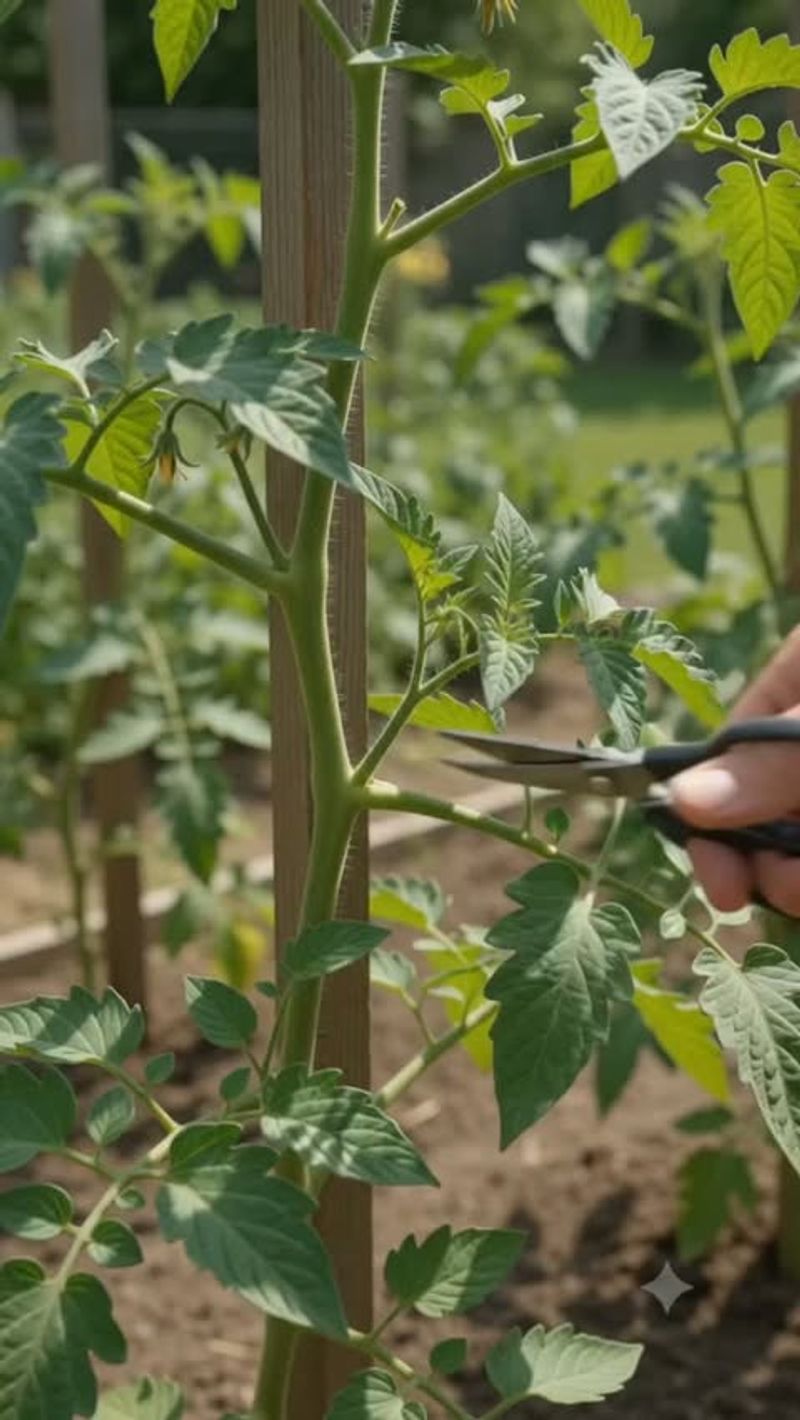
Stagnant air around tomato plants is a problem that often goes unnoticed until disease shows up. When leaves are packed tightly together and airflow is poor, moisture from rain or dew lingers far longer than it should.
That damp environment is exactly where many common Michigan tomato diseases feel most at home.
Staking and caging your tomato plants does more than just keep them upright. It opens up the plant’s structure so air can move through the canopy freely.
When stems and leaves are trained vertically rather than sprawling outward, there is simply more space between surfaces for wind and warmth to do their job.
Faster drying means shorter windows of vulnerability after every rain or foggy morning. Spacing between plants also plays a big role.
If your tomatoes are planted close together, now is a good time to assess whether any can be spread out or whether some neighboring plants or weeds should be cleared away to open things up.
Even a few extra inches of space can noticeably improve how quickly your garden dries out after wet weather.
Pruning suckers, those small shoots that grow in the crotch between a stem and a branch, can also help open up the plant’s interior. Fewer dense clusters of leaves mean better airflow through the entire plant.
Michigan’s mid-summer humidity alone can be tough on tomatoes, so any step that helps the garden breathe a little easier is a worthwhile investment in your harvest this year.
5. Add Or Refresh Mulch Under The Plants
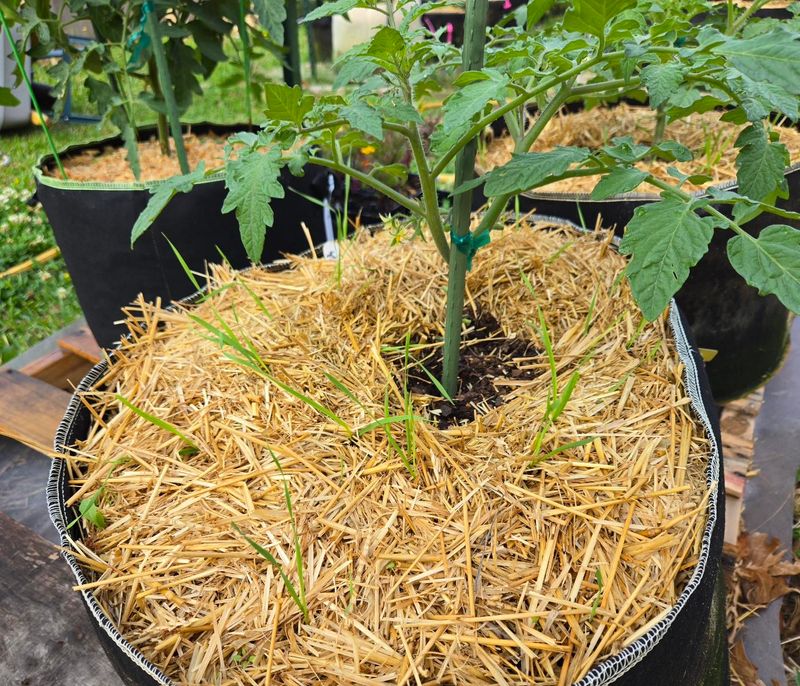
Mulch might look like a simple finishing touch, but underneath those tomato plants it is doing serious protective work. One of the biggest ways disease organisms move from soil to plant is through rain or watering splash.
A thick layer of mulch acts like a cushion that absorbs the impact and stops soil particles, along with anything they carry, from bouncing up onto lower leaves.
Straw, shredded leaves, and wood chips all work well around tomato plants. Aim for a layer about two to three inches deep, keeping the mulch pulled back slightly from the main stem so air can still circulate at the base.
Too much mulch pressed directly against the stem can trap moisture in the wrong spot, so a small gap around the base keeps things balanced.
Mulch also helps regulate soil moisture throughout the season. Michigan summers can swing between rainy stretches and dry spells, and mulch smooths out those extremes by slowing evaporation and keeping the root zone more consistent.
Steady moisture means healthier roots, and healthier roots mean stronger plants that can better handle stress from disease pressure nearby.
If you already have mulch down from earlier in the season, now is a good time to check its depth. Mulch breaks down over time, especially during a wet summer, so refreshing it back to a solid two-inch layer keeps the protective barrier doing its job.
This one step costs very little in time or money but adds meaningful protection right when your garden needs it most.
6. Remove The Lowest Problem Leaves Early
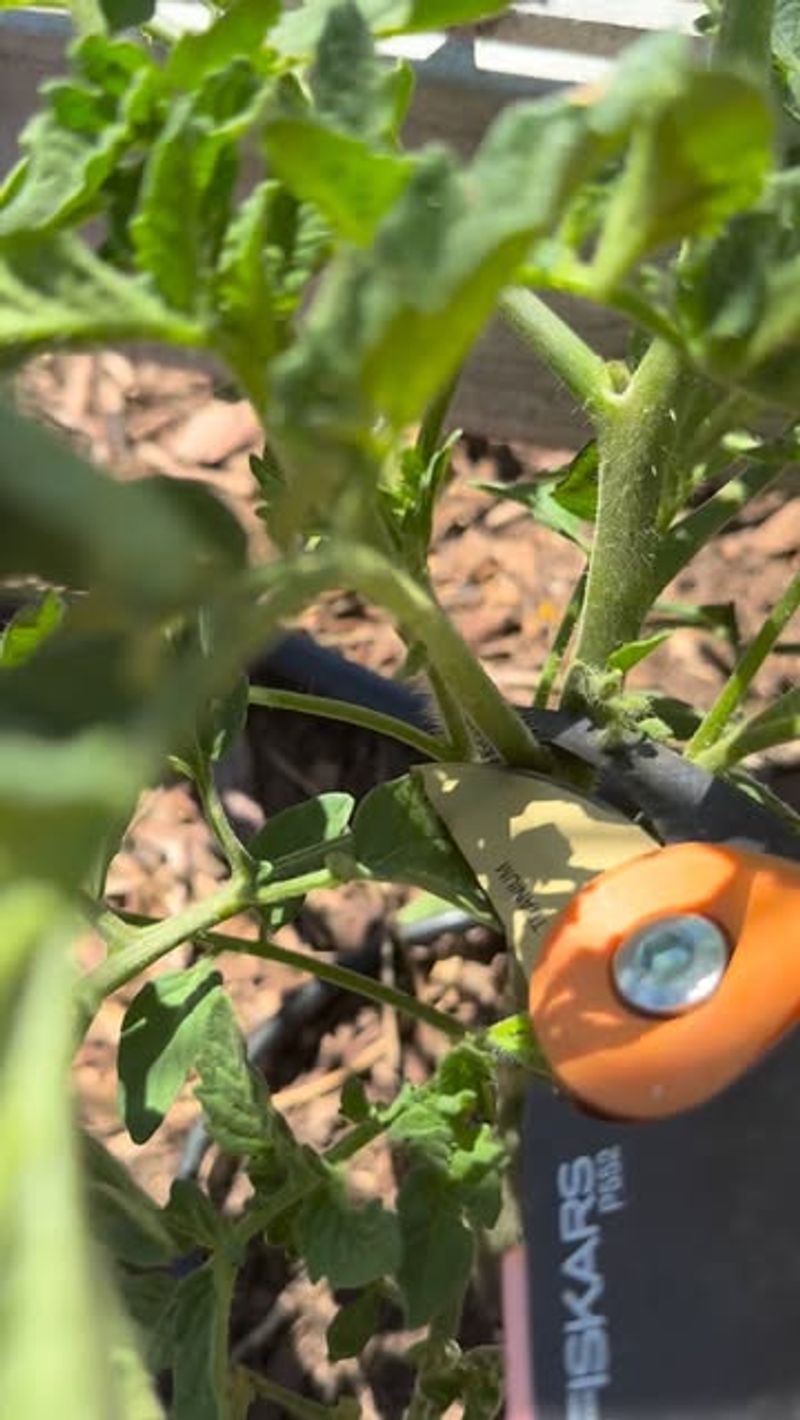
The lower leaves on a tomato plant are almost always the first place trouble shows up. Septoria leaf spot, one of the most common tomato diseases in Michigan, typically starts at the bottom of the plant and works its way upward.
Catching it early at that lowest level is one of the most effective ways to slow its progress before it reaches the main fruiting branches.
Make a habit of inspecting the bottom six to twelve inches of your tomato plants every few days. Look for small spots with dark or water-soaked edges, yellowing patches, or leaves that look generally off compared to the healthy ones above.
Early removal of those affected leaves, while the problem is still light, removes a potential source of spread before it gets a chance to move higher up the plant.
Always use clean hands or sanitized pruning snips when removing leaves. Wiping your tools with a diluted bleach solution or rubbing alcohol between plants prevents any transfer from one plant to another.
It sounds like a small detail, but it genuinely matters when disease pressure is already present in the area around your garden.
Put removed leaves directly into a bag or bucket rather than dropping them on the soil. Leaving diseased material on the ground near the plant just puts it right back where it can cause more trouble.
Staying consistent with this inspection routine throughout the season, especially after rainy stretches, keeps your plants cleaner and your harvest much more likely to come in strong.
7. Stay Out Of Tomato Plants When Leaves Are Wet
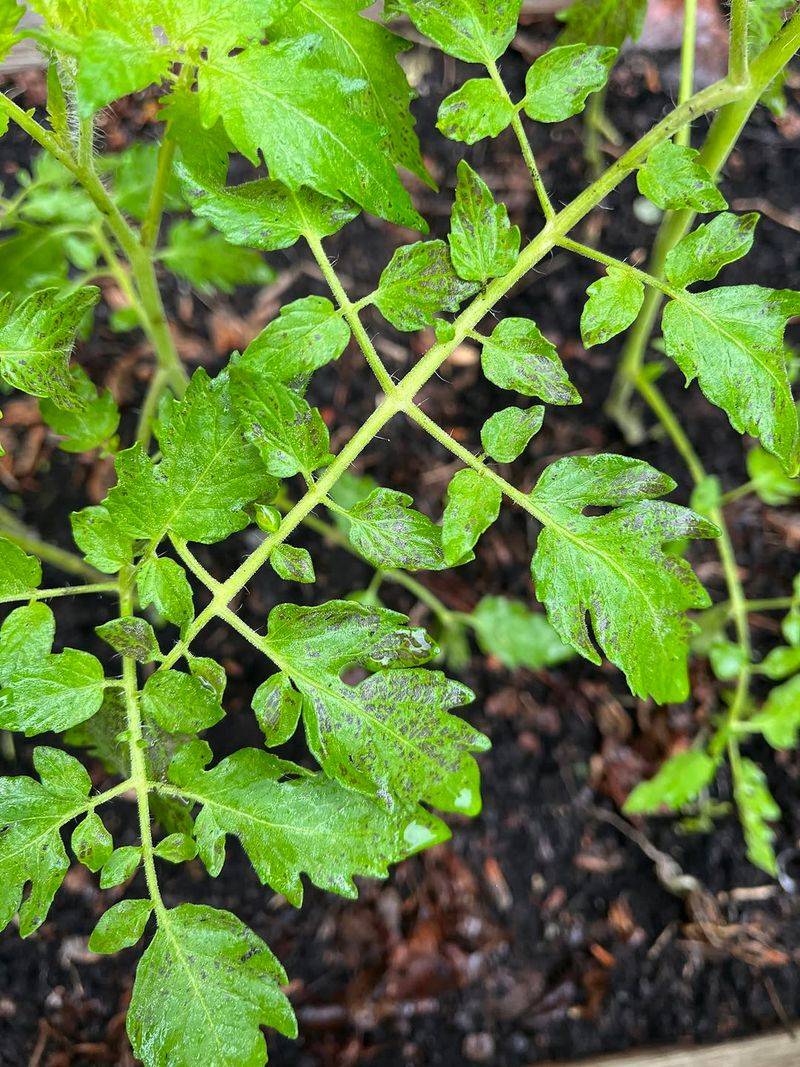
There is something satisfying about heading out to the garden first thing in the morning, coffee in hand, ready to tie up a wayward tomato branch or pinch off a sucker.
But if the leaves are still wet from overnight dew or an early rain, that is actually the worst time to be handling your plants.
Moisture on leaf surfaces makes it much easier for disease organisms to move from one spot to another.
When you brush against wet leaves, prune with damp tools, or tie stems while foliage is dripping, you essentially become a carrier. Anything living on one leaf can travel to the next on your fingers, gloves, or pruning snips.
With a neighbor’s yard already showing disease symptoms, the risk of accidentally spreading something between your own plants goes up significantly if you work in wet conditions.
The fix is simple: wait. Give your garden a couple of hours after rain or heavy dew to dry out before you go in to do any hands-on work.
Midday and early afternoon are often the best windows in Michigan’s summer schedule because temperatures are higher and leaves dry faster. Checking a quick weather forecast before your garden session helps you plan the timing well.
This small shift in your gardening routine takes almost no extra effort but provides real protection.
Your plants will not miss a few hours of attention, and the reduced risk of spreading disease between them is absolutely worth the wait. Healthy, dry leaves are always the right time to do your garden work.
8. Put Infected Plant Material In The Trash
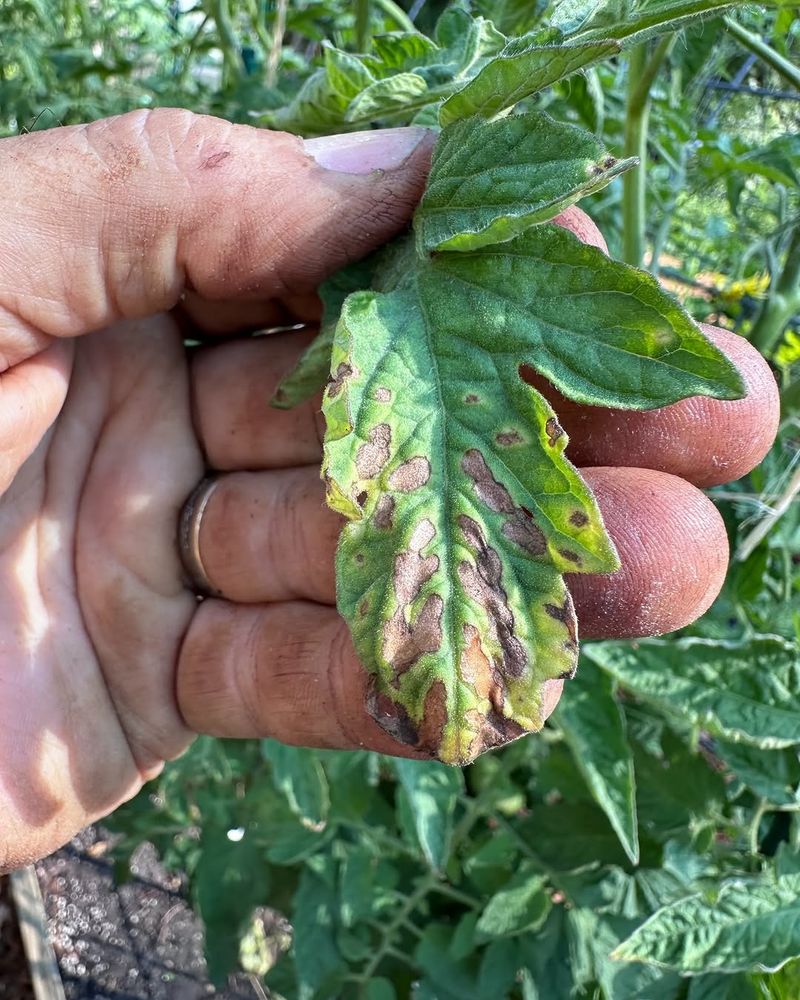
Even with all the right prevention steps in place, there is a chance a leaf or two on your tomato plants might still show symptoms before the season is over.
When that happens, how you handle the removal matters just as much as removing the material in the first place.
The destination of those leaves can either protect your garden or quietly extend the problem into next year.
Infected tomato leaves and plant debris should go straight into the trash, sealed in a bag, not into your home compost pile. Backyard compost bins often do not reach the temperatures needed to break down plant disease organisms reliably.
Tossing diseased material into the compost might feel like the eco-friendly choice, but it can allow the problem to survive and return to your garden when you spread that compost later.
Curbside yard waste collection is another option many Michigan municipalities offer during the growing season. Check with your local waste service to see what is accepted.
Either way, getting that material off your property and out of reach of your garden is the priority. Never leave removed leaves or stems sitting on the soil surface near your plants.
Wrapping up the season with good cleanup habits also sets your garden up for a healthier start next year.
Clearing out all plant debris from the garden bed in fall, rather than leaving it in place over winter, removes potential hiding spots for disease to carry over.
Prevention, airflow, dry foliage, mulch, careful scouting, and clean removal working together give your Michigan tomato garden the strongest possible defense all season long.