The Invasive Flowers You’ll Regret Planting In Your Pennsylvania Yard
Some plants make a genuinely great first impression. They’re beautiful, they grow fast, and they seem like exactly what your Pennsylvania yard has been missing.
So you plant them, they take off, and for a season or two everything looks wonderful. Then the problems start.
They spread further than expected, pop up where you never planted them, and begin crowding out everything around them. That is the invasive plant experience in a nutshell.
Pennsylvania’s mix of fertile soil, reliable rainfall, and mild to moderate winters gives aggressive growers every advantage they need to spread widely and dig in deeply before most homeowners realize what’s happening.
And many of these plants are still being sold at garden centers right now, with no warning about what they’re capable of once they get established in a Pennsylvania landscape.
The regret tends to arrive about two seasons in, right when removal has become a serious project. Here are the invasive flowers Pennsylvania gardeners most commonly regret planting and what to grow in their place.
1. Lesser Celandine
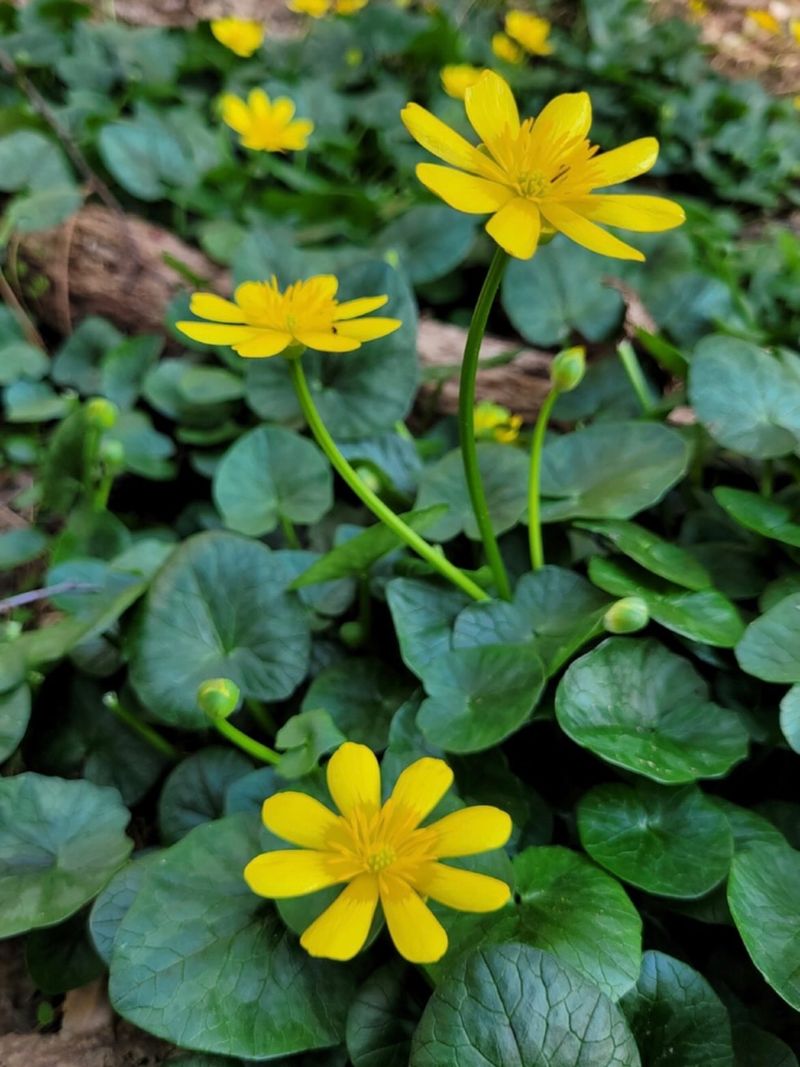
Walk through a Pennsylvania woodland in early spring and you might spot a carpet of shiny yellow flowers hugging the ground.
That cheerful sight could be lesser celandine, and it is not as innocent as it looks. This plant is now illegal to sell or intentionally plant in Pennsylvania, and for good reason.
Lesser celandine spreads into thick, dense mats that take over quickly. It sprouts earlier than most native spring wildflowers, which means it grabs all the sunlight and space before those plants even have a chance to grow.
Native wildflowers like trout lily and spring beauty simply cannot compete. The plant spreads through tiny bulb-like structures called bulbils that break off easily and travel with water, soil, or even on garden tools.
One small patch can turn into a massive problem in just a few seasons. Removing it is tough because even tiny root pieces left behind can regrow.
If you spot lesser celandine in your yard, act fast. Early removal before it sets seed gives you the best chance of getting it under control. Hand-pulling works when the soil is moist, but wear gloves since the sap can irritate skin.
Swap it out for native alternatives like marsh marigold or golden Alexanders, which offer similar yellow blooms without the invasive behavior. Supporting native plants helps local bees, butterflies, and birds find the food they need.
Your yard can still look bright and beautiful in spring without the regret of planting something that takes over your entire garden bed.
2. Dame’s Rocket
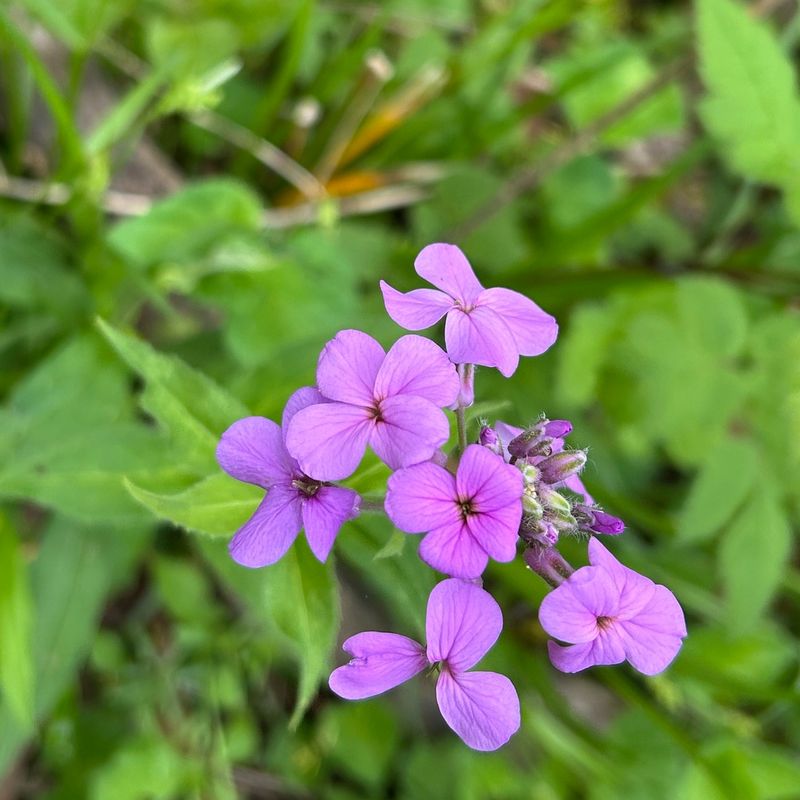
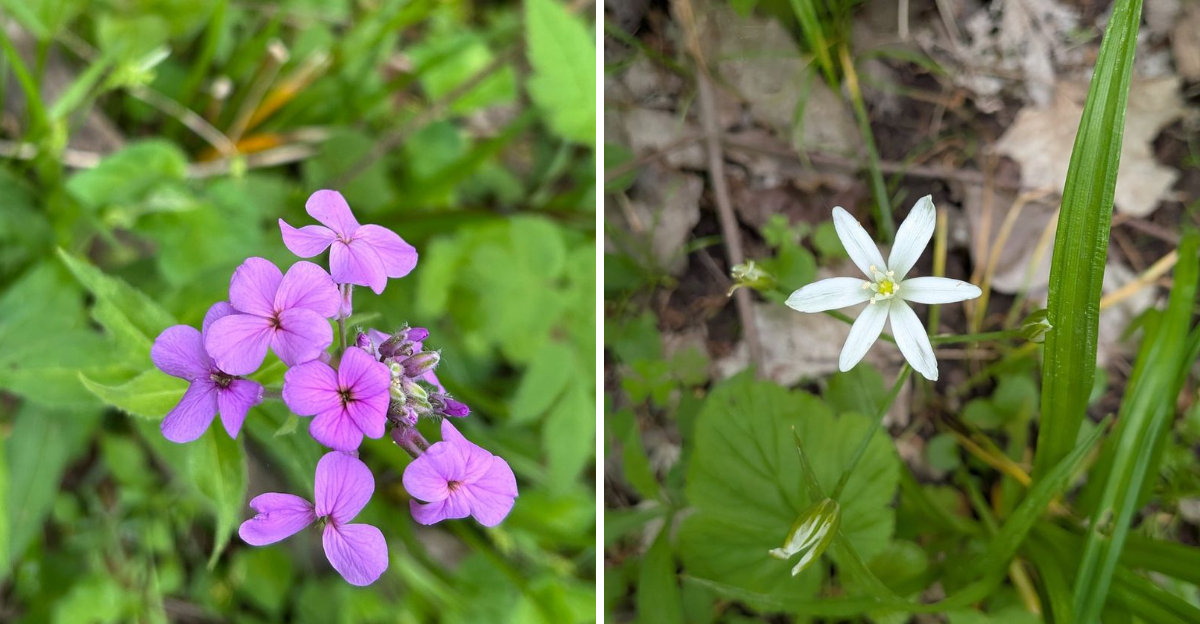
At first glance, dame’s rocket looks like a lovely wildflower you would want in any garden. Its purple, pink, and white blooms appear in late spring and are easy to confuse with native phlox.
But here is the key difference: phlox has five petals, while dame’s rocket has four. That small detail matters a lot.
Dame’s rocket is a prolific seed producer. A single plant can release hundreds of seeds that travel by wind and water into roadsides, meadows, and woodland edges far from your yard.
Your Pennsylvania Garden Changes Every Week. Your Plan Should Too.
Gardening in Pennsylvania changes quickly throughout the season. Every Friday you’ll receive a simple weekly plan showing exactly what to plant, prune, fertilize, harvest, and protect so you never miss the right timing.
Once it escapes, it spreads aggressively and forms dense patches that push out native plants.
Many wildflower seed mixes sold at garden centers still include dame’s rocket, which makes it easy to plant by accident. Always read the label carefully before buying any seed mix.
If you see Hesperis matronalis listed, put it back on the shelf. Removing dame’s rocket requires patience. Pull plants before they go to seed to stop the spread.
Because seeds can stay viable in the soil for years, you may need to keep pulling new seedlings for several seasons. Stay consistent and you will make real progress.
Great native alternatives include wild blue phlox, which offers similar pastel colors and actually supports native bees and butterflies. Cardinal flower and native columbine also add color without the invasive risk.
Choosing native plants means less work for you in the long run and more food and habitat for the wildlife that calls Pennsylvania home. Pretty does not always mean harmless, and dame’s rocket is proof of that.
3. Purple Loosestrife
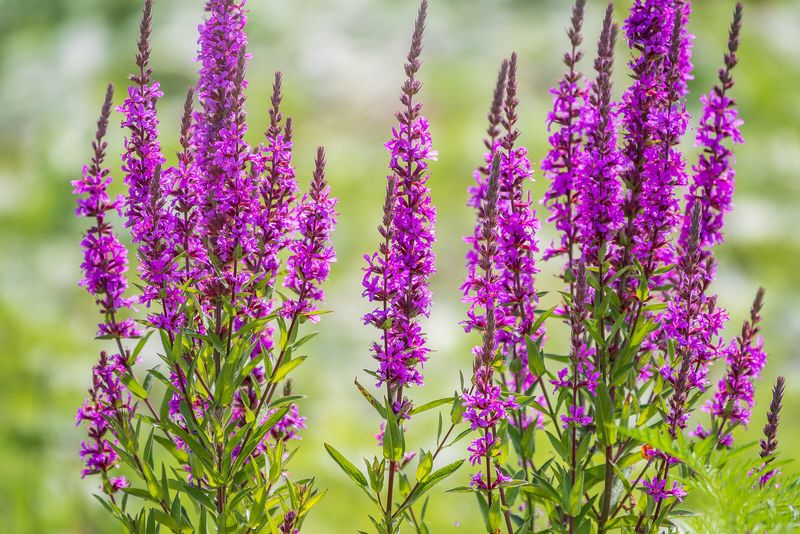
Few plants are as visually striking as purple loosestrife. Its tall, vibrant purple spikes rising above a wetland look like something out of a painting.
But behind that beauty is one of the most destructive invasive plants in the northeastern United States, and Pennsylvania wetlands have paid a serious price.
Purple loosestrife was brought to North America from Europe in the 1800s, likely as a garden ornamental and in ship ballast. It found the conditions here so favorable that it exploded across wetlands, marshes, and stream banks.
A single mature plant can produce up to two million seeds per year. That number alone should give any gardener pause.
Once it establishes itself in a wet area, purple loosestrife crowds out native plants like cattails, sedges, and native wetland wildflowers. Those native plants are critical for birds, amphibians, and insects that depend on wetland habitats.
When loosestrife takes over, that whole food web gets disrupted. Getting rid of it is a serious challenge. Pulling it by hand works for small patches, but you must remove as much of the root system as possible.
Larger infestations may need professional help or biological control methods approved for use in Pennsylvania.
Instead of purple loosestrife, consider planting native wetland beauties like blue flag iris, swamp milkweed, or joe-pye weed. These plants offer color and structure while actually supporting local wildlife.
Your rain garden or pond edge can still look stunning with the right plant choices. Skip the loosestrife and give native plants a fair shot.
4. Yellow Flag Iris
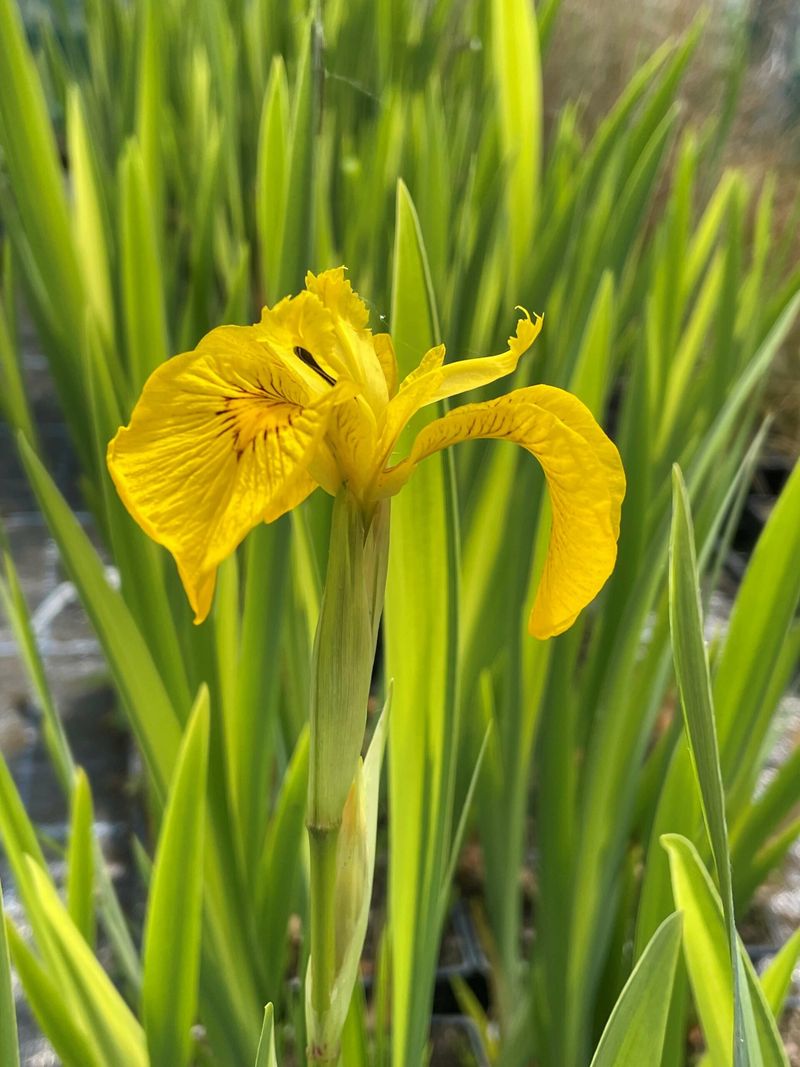
Yellow flag iris has a certain elegance that makes it tempting for water gardens and pond edges. Its large, sunny yellow blooms stand tall above sword-like leaves and look incredible reflected in still water.
Many homeowners plant it thinking it will stay contained near their pond or rain garden. It rarely does.
This iris spreads two ways: by seed and by thick underground rhizomes. Both methods are highly effective, which is exactly what makes it such a problem.
In wet or damp areas, it can form colonies so dense that almost nothing else can grow nearby. Native wetland plants get pushed out, and the habitat suffers.
Yellow flag iris is also toxic to livestock and can cause skin irritation in people who handle it without gloves. So not only does it spread aggressively, but it also poses a safety concern for families with pets or children who play near water features.
If you already have yellow flag iris in your yard, remove it carefully before it sets seed. Dig out the rhizomes thoroughly because any piece left behind will regrow. Bag all plant material and dispose of it properly. Never compost invasive plants.
Native blue flag iris is a gorgeous alternative that offers similar beauty without the invasive behavior. It supports native pollinators and looks just as stunning near water.
Swamp rose and native cardinal flower are also excellent choices for wet spots in Pennsylvania yards.
Making the switch to native plants is one of the most impactful things a homeowner can do for local ecosystems. Your pond will still look beautiful, just with plants that actually belong there.
5. Orange Daylily
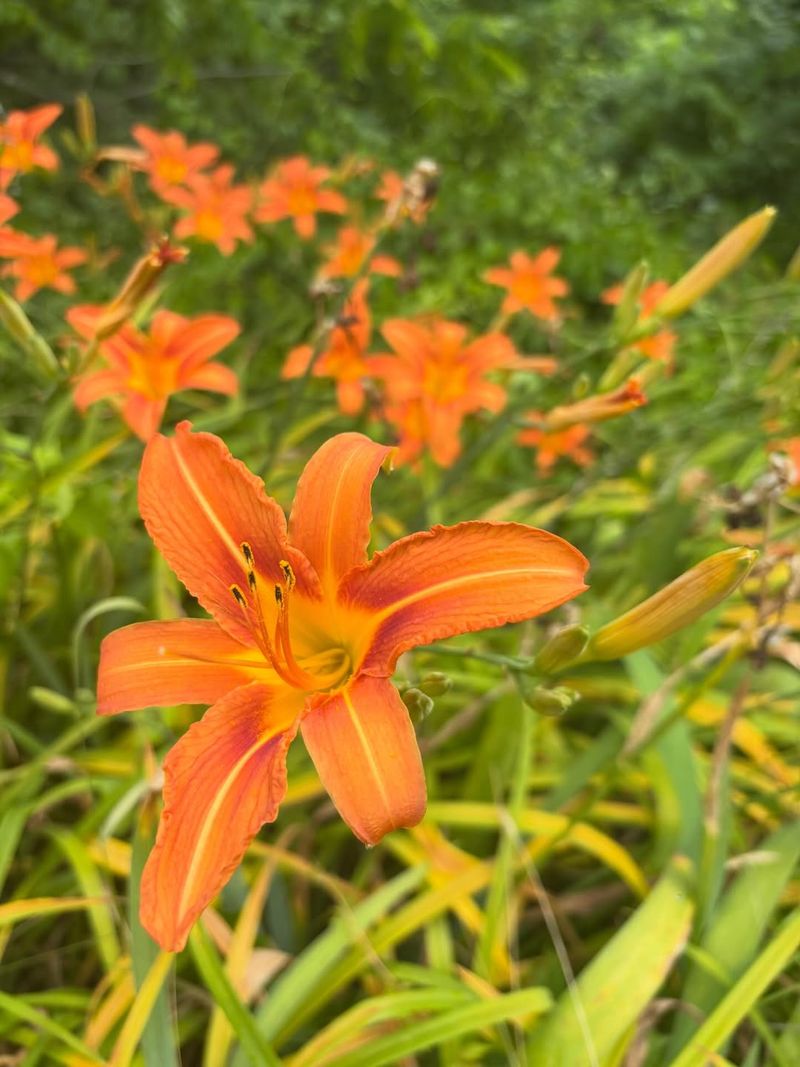
Chances are you have seen orange daylilies growing in thick clumps along roadsides, old farmsteads, and garden borders all across Pennsylvania. Many people feel nostalgic about them because they were a staple in grandma’s garden.
But what looks like a charming, carefree plant has a habit of taking over everything around it. Commonly called ditch lily, this orange bloomer spreads through thick, fleshy roots that multiply fast underground.
It does not spread by seed like some invasives, but its root system is so aggressive that it can crowd out neighboring plants and take over large areas of a yard or bank within just a few years.
Removing established orange daylilies is no easy task. The roots go deep and break apart easily when you try to dig them out.
Every small piece left in the soil can regrow into a new plant. Many gardeners spend multiple seasons digging and re-digging the same spots just to get them under control. Persistence is absolutely necessary.
If you love the look of summer orange blooms, consider replacing orange daylilies with native alternatives like butterfly weed or native black-eyed Susans. These plants offer season-long color, support pollinators, and stay where you put them.
Turk’s cap lily is another native option with dramatic orange flowers that hummingbirds absolutely love.
There is nothing wrong with appreciating a flower that has been in your family for generations.
But understanding the impact it has on your yard and your neighborhood helps you make smarter choices going forward. Sometimes letting go of the familiar is the best move for your garden’s long-term health.
6. Chinese Or Japanese Wisteria
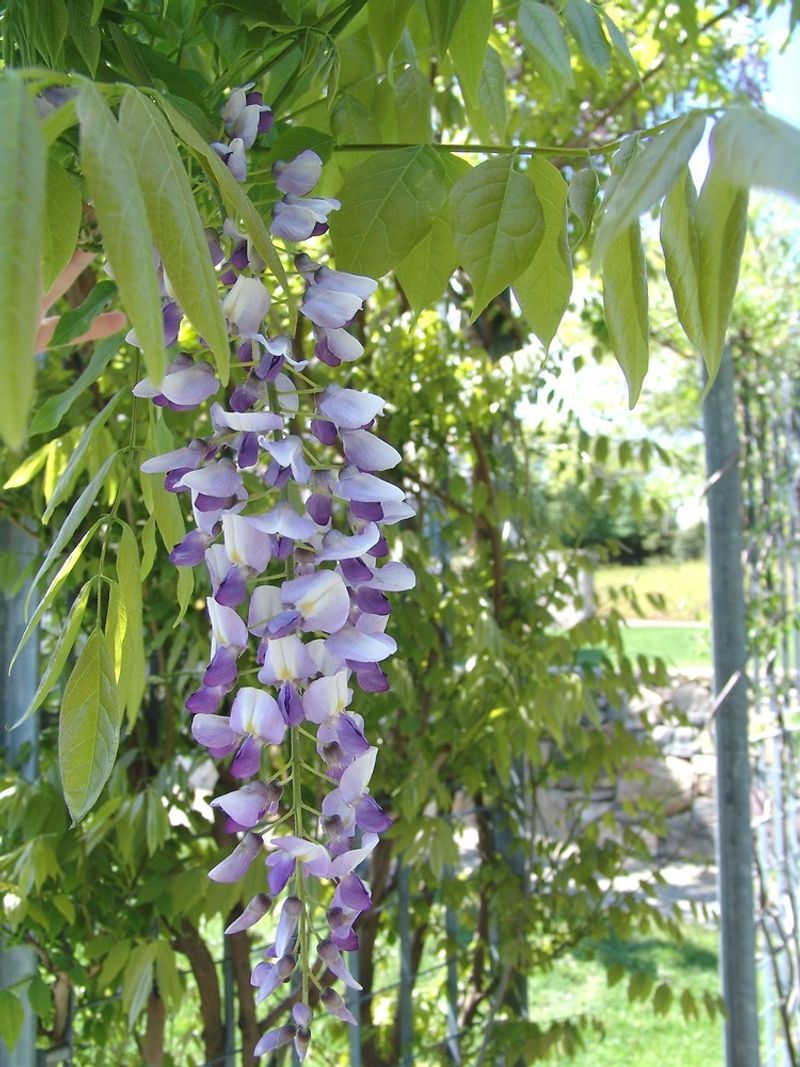
Few flowering vines create a more jaw-dropping display than wisteria in full bloom. Those long, draping clusters of purple flowers smell incredible and look like something from a fairy tale.
But both Chinese wisteria and Japanese wisteria are invasive in Pennsylvania, and the problems they cause are anything but magical.
These vines are incredibly strong growers. They can climb high into tree canopies, wrapping around trunks and branches so tightly that they girdle and weaken the tree over time.
The sheer weight of mature wisteria vines has been known to pull down fences, damage gutters, and even compromise the structural integrity of garden pergolas and arbors.
Wisteria spreads by seed and through underground runners that pop up far from the original plant. Once it gets into a wooded area, it can smother native shrubs and small trees by blocking out sunlight.
Getting it out of an established area is a long, physically demanding process that often takes years of repeated effort.
If you have always dreamed of a wisteria-covered pergola, there is good news. American wisteria and Kentucky wisteria are native alternatives that offer beautiful blooms with far less aggressive growth.
They are available at many native plant nurseries across Pennsylvania and provide the same romantic look without the ecological damage.
Choosing the right wisteria makes a real difference. Native species support native bees and other pollinators while staying manageable in the garden.
Before planting any wisteria, always check the label to confirm the species. The extra minute of research could save you many hours of frustrating removal work down the road.
7. Star-Of-Bethlehem
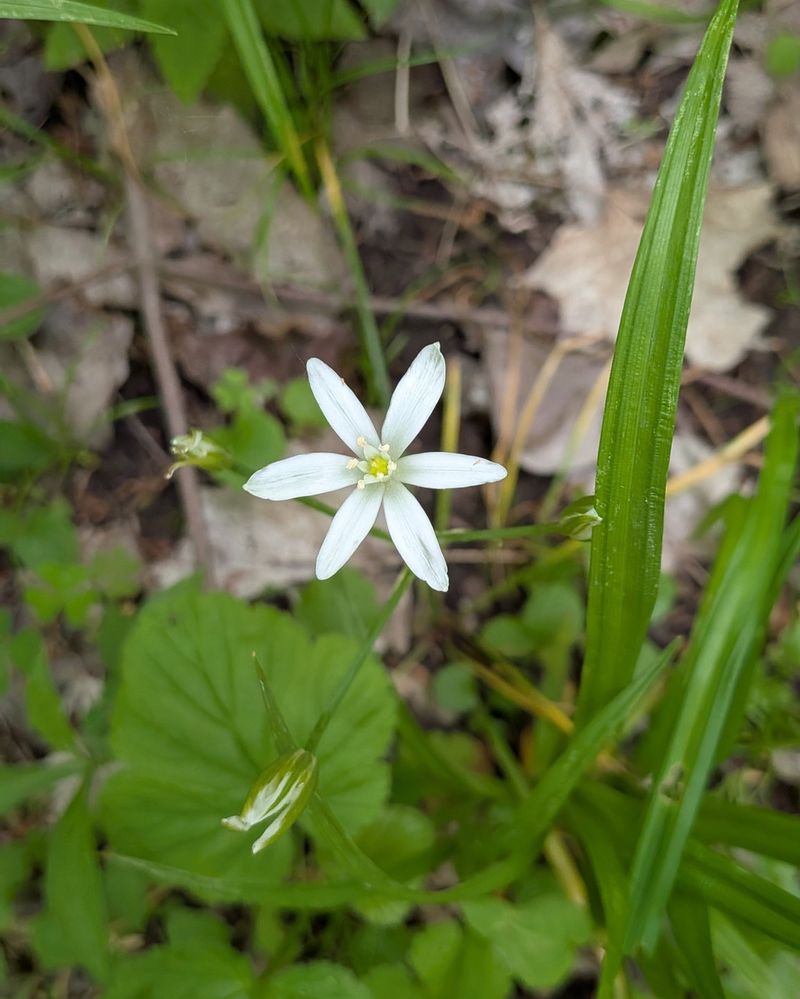
Star-of-Bethlehem might be the sneakiest plant on this list. Its small white flowers are delicate and easy to overlook in a lawn or garden bed.
Many people do not even realize they have it until it has already spread across a wide area. By then, getting rid of it feels like a full-time job.
This plant spreads through bulbs and bulblets that multiply underground without much fanfare. Each bulb cluster produces several offsets every year, and those offsets can travel through the soil or on garden tools.
Before long, what started as one small patch becomes dozens scattered across your lawn and flower beds.
Star-of-Bethlehem is also toxic to pets, including dogs, cats, and horses. If you have animals that spend time outdoors, this plant poses a real safety risk that goes beyond just being a garden nuisance. That alone makes it worth removing promptly if you find it growing in your yard.
Digging out the bulbs is the most effective removal method, but it requires careful attention. The bulbs are small and slippery, making them easy to miss or accidentally break apart.
Work slowly with a hand trowel and try to remove every piece. Check back regularly throughout the growing season for any new growth.
For a similar dainty spring look without the headache, try planting native wild ginger as a ground cover or native spring ephemerals like bloodroot and hepatica.
These plants are just as charming, support native pollinators, and will not quietly take over your entire yard while you are not looking. Sometimes the best-looking plants are the ones that play well with others.