These 10 High-Desert Plants Thrive In Idaho Yards
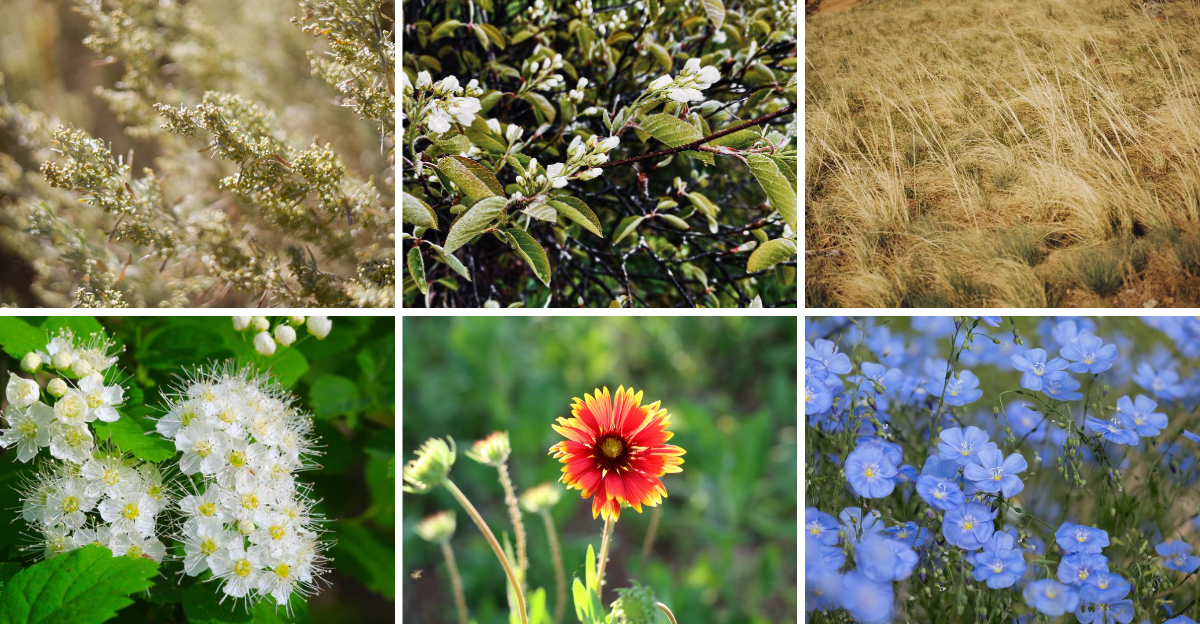
Idaho does not make gardening easy. Summers bake the ground dry, winters bite hard, and the dirt underfoot often behaves like packed gravel rather than soil. Yet plants native to this high desert have quietly mastered these exact conditions for centuries.
They shrug off drought, shake off frost, and thrive in dirt that would defeat almost anything else you plant. Maybe you have watched one too many flowerbeds wilt by July. Maybe you just want a yard that looks striking without constant fussing.
Either way, these hardy, sun-toughened natives are built for exactly that job. Some burst with golden blooms, others carry silvery, wind-brushed foliage, and each one earns its place in the landscape.
1. Bluebunch Wheatgrass
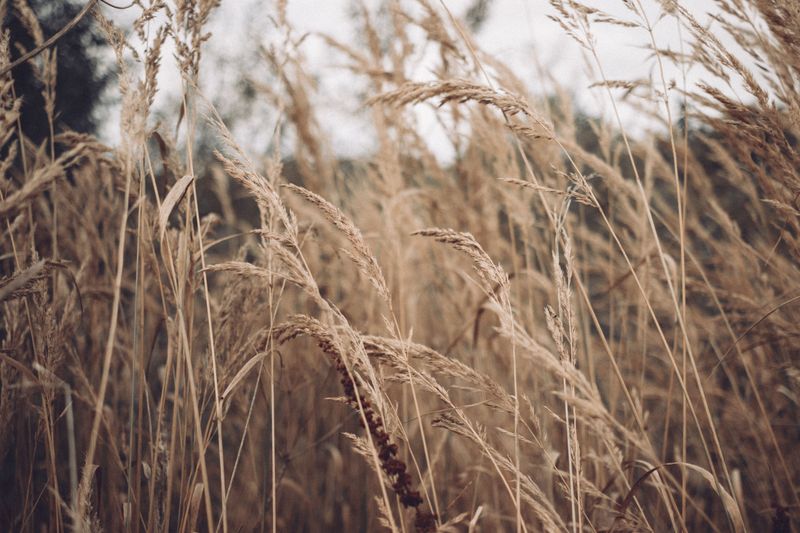
Bluebunch Wheatgrass has anchored dry hillsides across the American West for thousands of years. This native bunchgrass grows in tidy clumps that reach about two feet tall.
This native bunchgrass grows in tidy clumps that reach about two feet tall. The slender blades arch gracefully and turn a warm golden color by late summer. It looks stunning planted in drifts along a dry slope or mixed border.
One of its biggest selling points is drought tolerance. Once established, Bluebunch Wheatgrass needs almost no supplemental watering. It pulls moisture from deep in the soil, even when the surface looks bone-dry.
Deer tend to leave it alone once it matures, which is a huge bonus in rural and suburban yards. Birds love the seed heads in fall and winter. You get wildlife value without doing a single extra thing.
Planting is straightforward. Sow seeds in early fall or early spring into well-drained, low-nutrient soil. Avoid rich compost or heavy fertilizers, which actually weaken this grass over time.
It thrives in full sun and handles rocky or sandy ground with ease. Bluebunch Wheatgrass is a quiet workhorse that makes your landscape look effortlessly natural. Plant it once and enjoy it for years.
2. Idaho Fescue
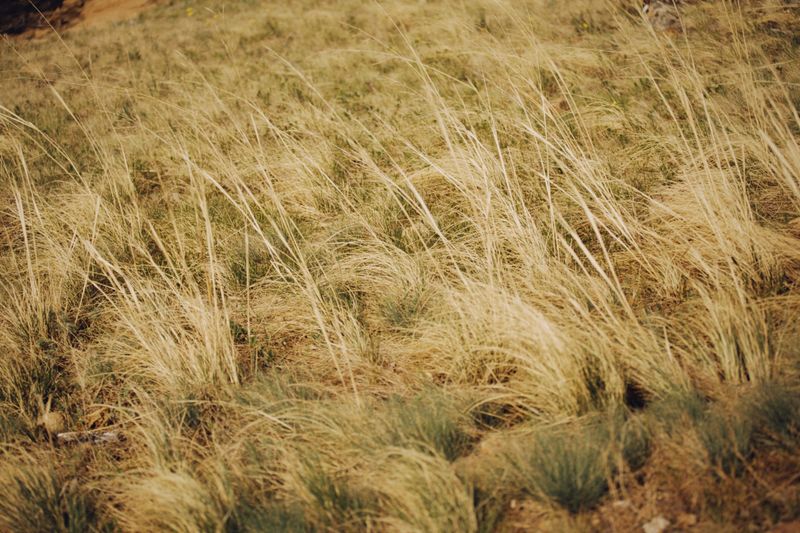
Not many grasses can claim a whole state in their name, but Idaho Fescue earns every letter. This fine-textured bunchgrass is a staple of mountain meadows and dry foothills across the region. It brings a cool, silvery-blue color that looks almost painted.
The blades are narrow and slightly rolled, giving the plant a soft, feathery look. Clumps grow about one to two feet tall and stay tidy without any mowing. That alone makes it worth planting.
Idaho Fescue handles cold winters and dry summers without drama. It is semi-evergreen, meaning it keeps some color even through the coldest months. Your yard will not look completely bare in February.
This grass pairs beautifully with wildflowers like Blanketflower and Lewis Flax. The contrast of blue-green foliage against bright blooms is genuinely striking. Garden designers use this combo constantly for a reason.
Plant it in full sun to partial shade, in well-drained soil. Avoid overwatering, especially in summer. Too much moisture encourages rot, and this plant prefers to stay on the dry side.
Spacing clumps about eighteen inches apart gives each one room to spread naturally. Idaho Fescue is a no-fuss, high-reward plant that rewards patient gardeners. Once it settles in, it practically takes care of itself.
Your Idaho Garden Changes Every Week. Your Plan Should Too.
Gardening in Idaho changes quickly throughout the season. Every Friday you’ll receive a simple weekly plan showing exactly what to plant, prune, fertilize, harvest, and protect so you never miss the right timing.
3. Rabbitbrush
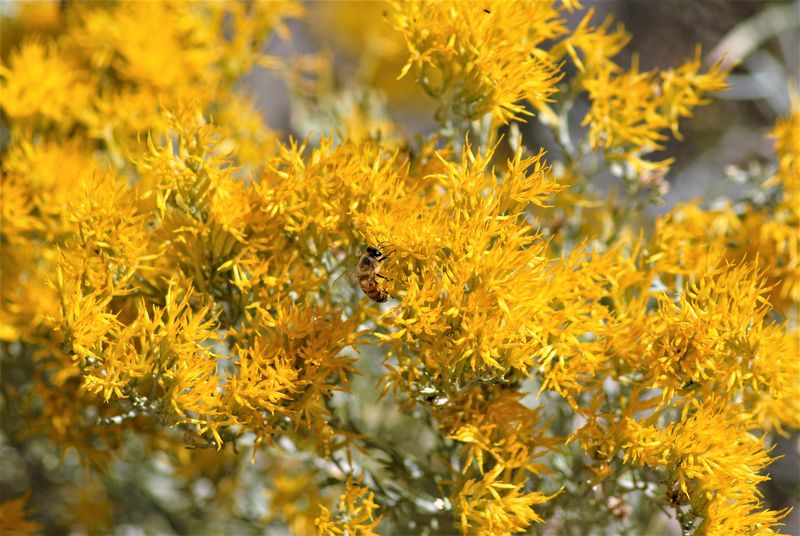
When everything else in the garden starts fading in late summer, Rabbitbrush explodes with bright yellow flowers. Timing is everything, and this shrub has mastered it. It blooms when pollinators need food most, making it a genuine hero of the fall garden.
Rabbitbrush grows three to five feet tall with a rounded, bushy shape. The stems are covered in silvery-green, aromatic foliage that smells faintly like rubber when crushed. It is an unusual scent, but oddly satisfying.
Butterflies swarm this plant in September and October. Dozens of species use it as a late-season fuel stop before winter. Planting even one shrub can transform your yard into a butterfly hotspot.
It thrives in the poorest, driest soils imaginable. Gravel, clay, sandy loam, it handles them all without complaint. Established plants do not need supplemental water once rooted in.
Pruning is optional but helpful. Cutting it back by about one-third in early spring keeps the shape compact and encourages more blooms. Skip the pruning and it gets a little wild, which some gardeners actually prefer.
Rabbitbrush is deer-resistant and virtually pest-free. It works well as a border shrub, a slope stabilizer, or a standalone specimen. This tough, cheerful plant is one of the best decisions you can make for a high-desert yard.
4. Serviceberry
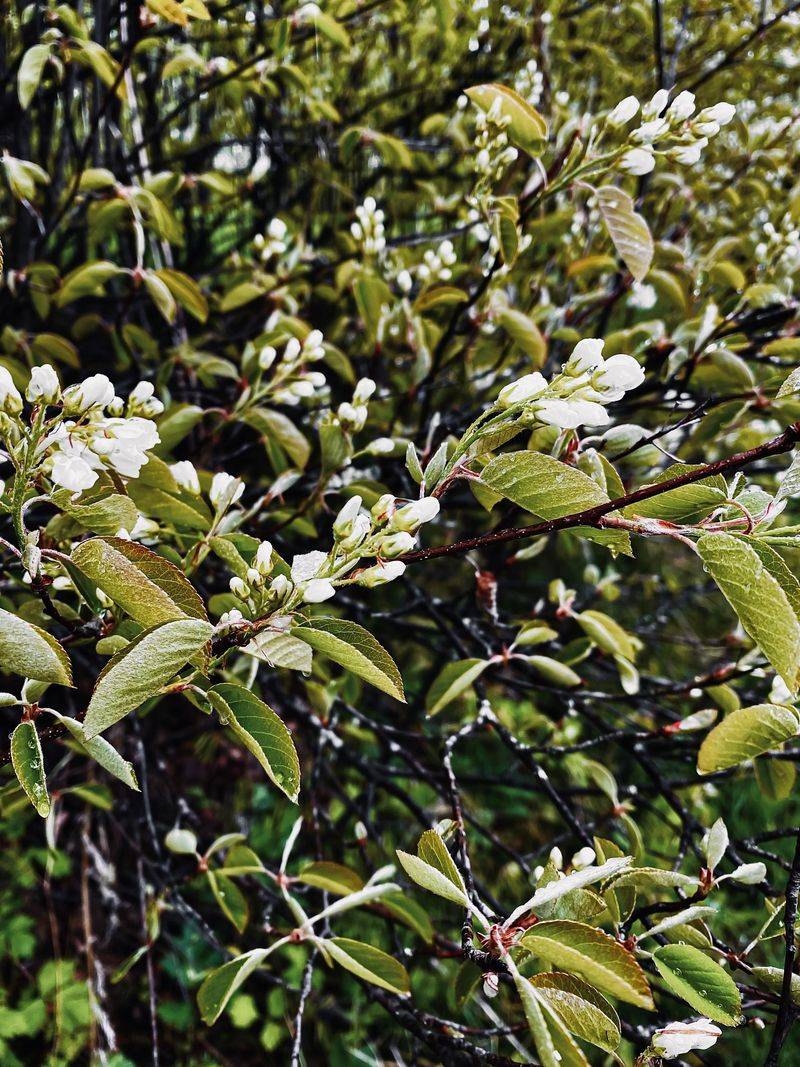
Spring arrives early when you have a Serviceberry in your yard. Before most plants even think about waking up, this multi-stemmed shrub bursts into clouds of white flowers. It is one of the most beautiful early-season shows in any high-desert landscape.
Serviceberry grows six to fifteen feet tall depending on the variety and conditions. The white blooms appear in March or April, often while snow is still on the ground nearby. Few sights in gardening are more dramatic.
After flowering, it produces small, dark purple berries that taste like blueberries with a hint of almond. Birds go wild for them. If you want berries for yourself, plan to share with the robins.
Fall color is another major attraction. The leaves turn brilliant shades of orange, red, and gold before dropping. Serviceberry gives you four full seasons of interest in a single plant.
It grows in full sun to partial shade and tolerates a range of soil types. Good drainage is important, but it handles rocky and clay soils better than most ornamental shrubs. Water regularly for the first two seasons, then back off.
This plant supports native bees, birds, and even small mammals. Serviceberry is a cornerstone of wildlife-friendly yards across the West. Plant one and watch your garden come alive in ways you never expected.
5. Mountain Ninebark
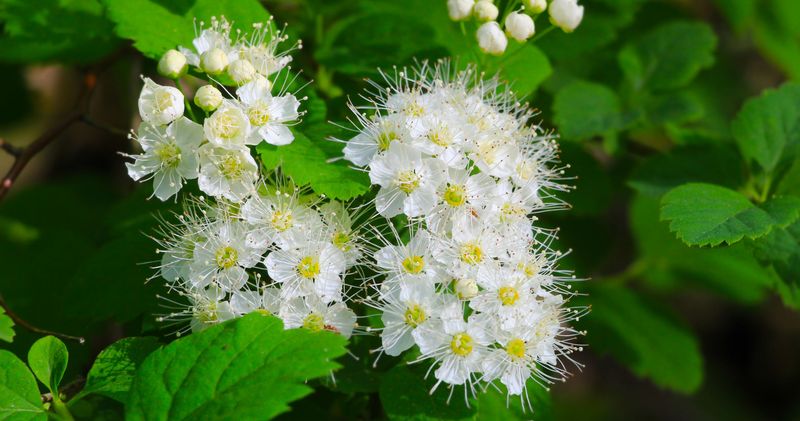
There is something deeply satisfying about a plant with interesting bark. Mountain Ninebark gets its name from the way its cinnamon-colored bark peels back in layers, revealing new layers underneath. It is genuinely one of the most textural native shrubs you can grow.
This deciduous shrub reaches four to eight feet tall with arching branches. In early summer, it covers itself in clusters of tiny white flowers that attract bees by the hundreds. The buzzing is almost musical on a warm June morning.
After flowering, papery reddish seed capsules form and hang on through fall. Birds pick at them through winter, giving the plant a second wave of wildlife value. You get beauty and function in one package.
Mountain Ninebark is remarkably adaptable. It handles full sun, partial shade, dry slopes, and rocky terrain without skipping a beat. Once established, it is one of the most self-sufficient shrubs in the high-desert plant world.
Pruning after flowering keeps it shapely and promotes fresh growth. Remove the oldest stems at the base every few years. This simple maintenance step keeps the plant looking young and vigorous.
It works brilliantly as a screen, a slope stabilizer, or a specimen plant near a patio. Mountain Ninebark is tough, beautiful, and endlessly interesting. It earns its place in any well-designed Idaho yard.
6. Blanketflower
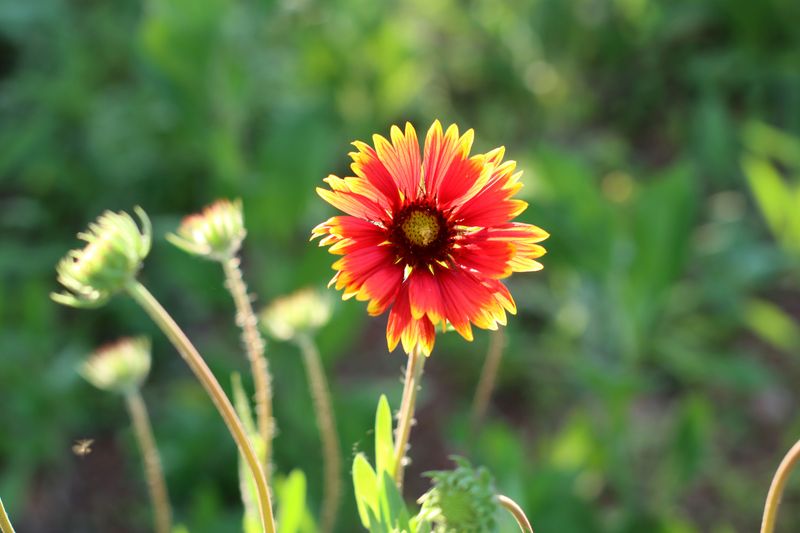
If a sunset could become a flower, it would look exactly like Blanketflower. The blooms are bold rings of red, orange, and yellow that seem to glow in the afternoon light. Few wildflowers make a stronger first impression.
Also known as Gaillardia, this native perennial blooms from late spring all the way through fall. That is an extraordinarily long season for any flowering plant. Remove spent blooms regularly and it just keeps going.
Blanketflower grows about one to two feet tall and spreads into a cheerful, mounding clump. It looks fantastic in mass plantings along a sunny border. Even a small patch creates a big visual impact.
Pollinators are obsessed with it. Bees, butterflies, and even hummingbirds visit the blooms constantly throughout summer. Planting a row of Blanketflower near a patio turns every morning into a nature show.
This plant demands excellent drainage above all else. Soggy soil will end it quickly, but dry, sandy, or rocky ground suits it perfectly. It is built for the exact conditions that challenge most garden plants.
Full sun is non-negotiable for best blooming. Give it at least six hours of direct light daily. Blanketflower is one of the most rewarding high-desert plants you can grow, offering maximum color with minimum effort in any Idaho landscape.
7. Lewis Flax
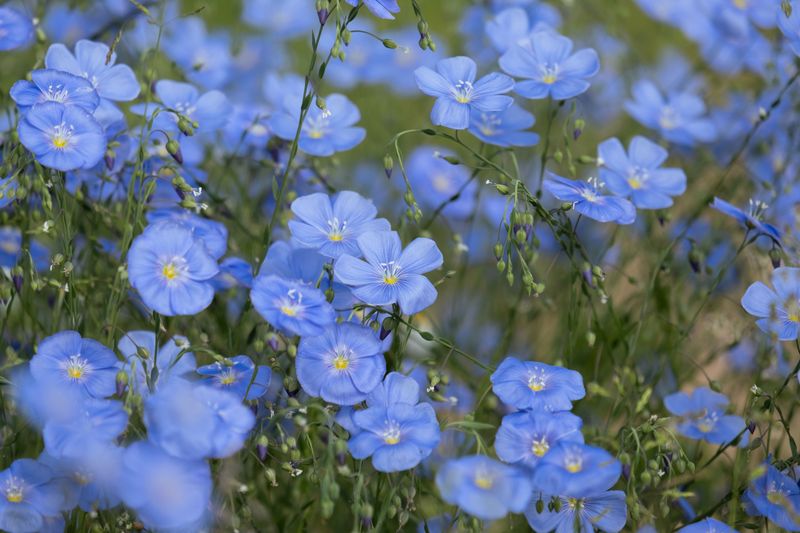
Meriwether Lewis documented this plant during his famous expedition. Lewis Flax produces sky-blue flowers so delicate they look like they were painted by hand. Each bloom lasts only a single day, but the plant produces hundreds in sequence.
It grows one to two feet tall with wispy, upright stems that sway gently in the breeze. The movement adds life and softness to a garden that might otherwise feel stiff. Planted in masses, Lewis Flax creates a shimmering blue haze.
This native perennial self-seeds generously once established. You plant it once and it quietly multiplies across your garden over the years. Some gardeners call it a gift that keeps on giving.
It thrives in full sun and dry, well-drained soil. Sandy or gravelly ground suits it better than rich, amended beds. Overwatering is the fastest way to lose this plant, so err on the dry side.
Lewis Flax blooms from late spring through midsummer. Cutting plants back lightly after the first flush of flowers can encourage a second round of blooming. It is worth trying for the extra color payoff.
Bees love the flowers, and finches eat the seeds in fall. Lewis Flax bridges the gap between tough and beautiful in a way few high-desert plants manage. It is a quiet gem worth every inch of garden space.
8. Western Yarrow
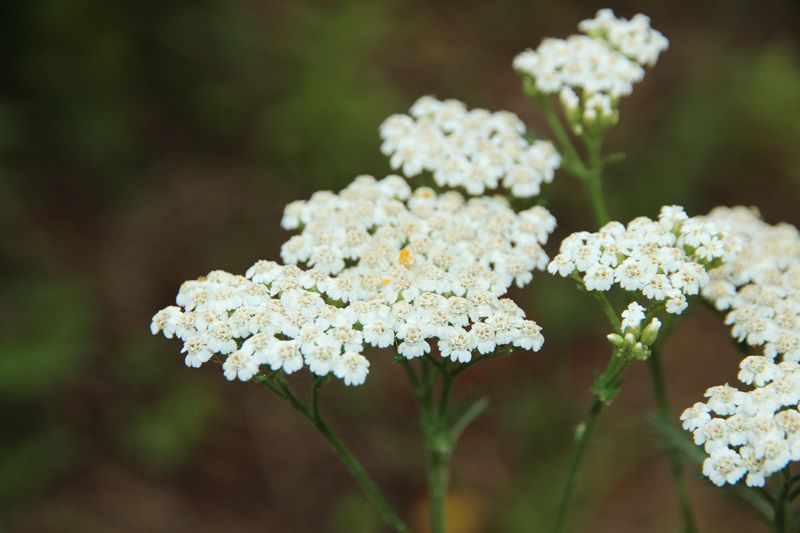
Western Yarrow has been used by people for thousands of years, from ancient medicine to modern pollinator gardens. Today it earns its place by being almost impossibly tough. This flat-topped wildflower handles drought, poor soil, and foot traffic better than most perennials.
The flowers form dense, lacy clusters in white or soft yellow that sit atop two-foot stems. They bloom from late spring through midsummer and attract an enormous variety of insects. Few plants support as many different pollinator species in a single season.
The feathery, aromatic foliage is attractive even when the plant is not blooming. It spreads slowly by underground rhizomes, filling gaps in a garden naturally. This spreading habit makes it a great groundcover for dry, sunny slopes.
Yarrow is extremely low-maintenance once established. Cut it back hard in early spring and it bounces back fresh and full every year. Forget fussing over them, babying them, or following some complicated feeding schedule.
It handles clay soil, sandy soil, and rocky ground without complaint. Full sun brings out the best flowering, but it tolerates partial shade reasonably well. Western Yarrow is one of those rare plants that works almost everywhere.
Dried flower heads add texture to fall arrangements and look beautiful left standing through winter. This wildflower is a workhorse with genuine charm. Any high-desert yard in Idaho is better with it growing somewhere inside.
9. Sagebrush
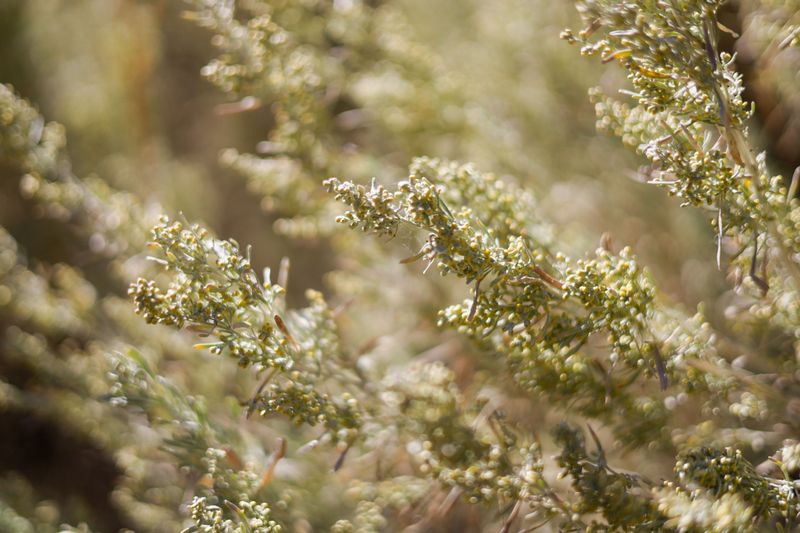
The smell of Sagebrush after a desert rain is one of the most iconic scents in the American West. It is earthy, herbal, and deeply nostalgic for anyone who grew up in the region. Planting it in your yard brings that wild, open feeling right to your doorstep.
Big Sagebrush grows three to six feet tall with silvery-gray, aromatic leaves that shimmer in sunlight. The texture and color are unlike almost anything else in a garden palette. It looks stunning against red rock, dark wood fencing, or golden grasses.
This shrub is the backbone of the high-desert ecosystem. Dozens of bird species nest in it or use it for cover. Pronghorn, mule deer, and sage grouse depend on it as a food source through harsh winters.
Sagebrush asks for almost nothing in return for all it gives. Full sun, dry soil, and excellent drainage are the only real requirements. Overwatering or planting in heavy clay will cause serious problems fast.
Once established, it does not need supplemental irrigation in most years. Even during summer drought, it pulls through with that distinctive silver foliage intact. Few shrubs are as genuinely water-wise as this one.
Avoid planting near irrigation zones or lawn areas where excess moisture collects. Give it space to grow and let it do its thing. Sagebrush is the soul of the high-desert landscape, and it belongs in Idaho yards.
10. Russian Sage
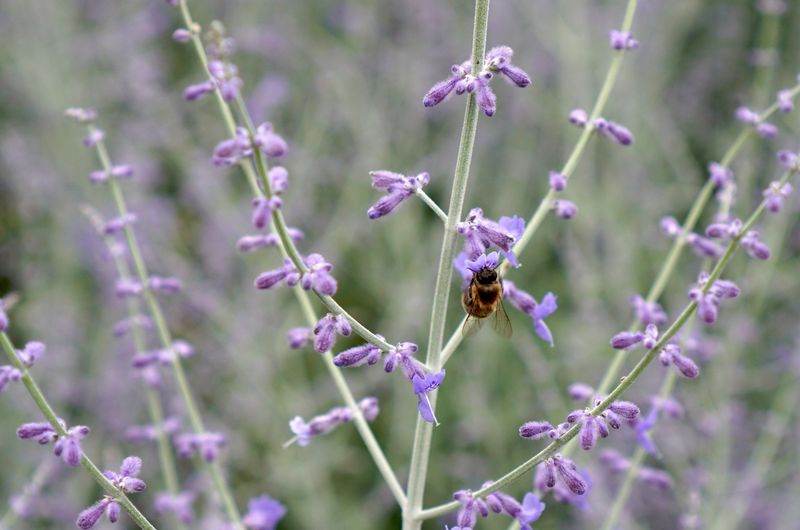
Walk past Russian Sage on a hot afternoon and the air around it smells faintly of lavender and herbs. It is one of those plants that engages every sense at once. The tall, airy spikes of lavender-blue flowers create a haze of color that looks almost ethereal in the late afternoon sun.
Russian Sage grows three to five feet tall with silver-white stems and deeply cut gray-green leaves. The contrast between the silvery structure and the blue-purple blooms is genuinely stunning. Few plants in the high-desert plant world offer this level of visual drama.
It blooms from midsummer well into fall, long after many other perennials have finished. That extended season makes it invaluable in a garden that needs late-summer color. Bees and butterflies absolutely cannot resist it.
Full sun and sharp drainage are the two non-negotiable needs. Sandy, gravelly, or rocky soil suits it far better than heavy amended beds. Wet winters in clay soil are the most common cause of failure with this plant.
Cut stems back hard in early spring, about six inches from the ground. New growth emerges quickly and the plant bounces back stronger each year. Do not be timid with the pruning shears.
Though not native to the region, Russian Sage thrives in the same dry, high-desert conditions and pairs beautifully with true natives like Blanketflower and Serviceberry.