9 Nebraska Prairie Natives Worth Adding This Summer
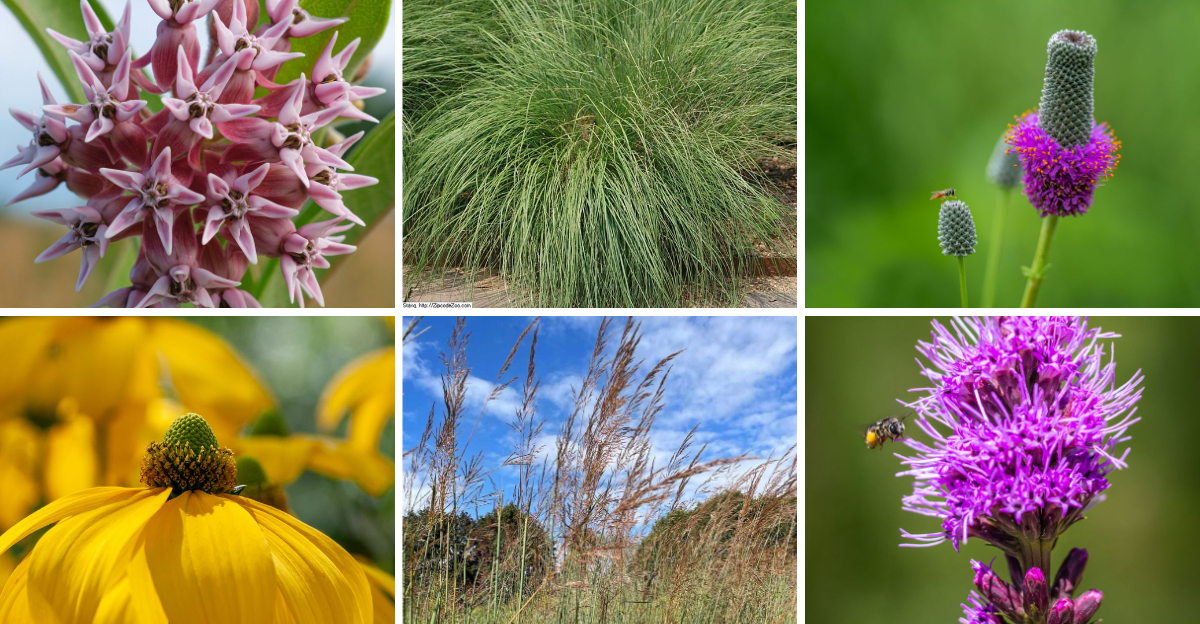
Nebraska summers don’t leave much room for weak plants. The wind rarely lets up, the sun bakes the soil dry by July, and winter comes back around hard every single year.
Prairie natives shrug all of that off because they were built for exactly this rhythm, root systems stretching feet underground long before the first settler ever broke ground here.
Plant something that grew up on the Great Plains and your yard starts working differently. Watering bills shrink too, since these species pull moisture from depths most lawn grass never reaches.
Nine standout prairie natives make that shift easy, each one suited to Nebraska’s particular mix of heat, wind, and unpredictable rainfall. Here’s where to begin.
1. Little Bluestem
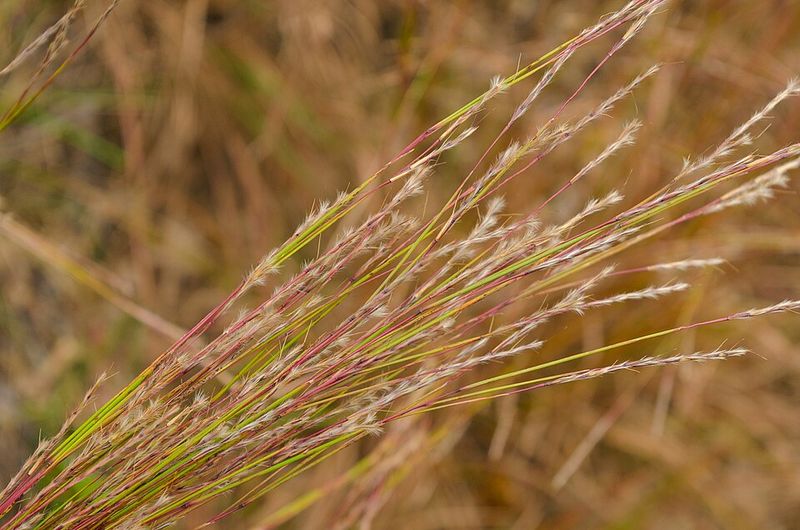
Few plants can stop you in your tracks like Little Bluestem does in October. This native grass turns a stunning copper-red each fall, making it one of the most beautiful plants on the prairie.
Little Bluestem thrives in poor, dry soil where other plants struggle badly. That makes it perfect for slopes, rocky patches, or any spot where nothing else wants to grow.
Standing between two and four feet tall, it creates graceful movement in a summer breeze. Silvery seed heads appear in late summer and last through winter, giving birds a reliable food source.
Nebraska prairie natives like this one need almost no fertilizer. Too much nitrogen actually causes the stems to flop over and look messy in the garden bed.
Plant it in full sun and give it space to show off its upright, clumping form. Once established after the first season, it handles drought with little to no extra watering from you.
Sparrows, juncos, and other small birds absolutely love the seeds from late fall through early spring. Planting several clumps together creates a naturalistic sweep of color that looks intentional and polished.
Little Bluestem pairs beautifully with wildflowers like coneflowers and black-eyed Susans. The contrast between its fine texture and bold flowers creates a garden that looks professionally designed without costing a fortune.
2. Big Bluestem
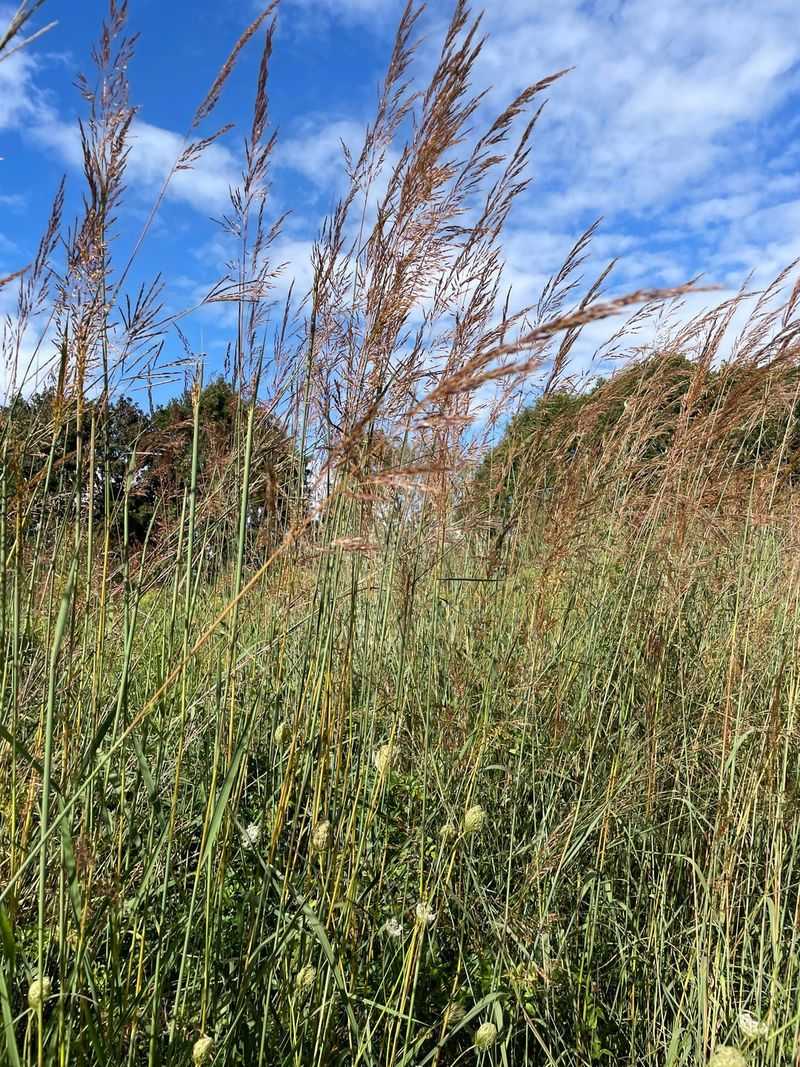
Big Bluestem earned the nickname “King of the Prairie” for a very good reason. This towering grass once covered millions of acres across the Great Plains, feeding bison and sheltering countless creatures.
It grows four to eight feet tall, making it a dramatic focal point in any garden space. The distinctive three-parted seed head looks exactly like a turkey foot, which gives it another popular nickname among gardeners.
One of the most impressive things about this plant is its root system. Those roots can reach up to ten feet deep into the soil, which is why it survives both drought and fire with ease.
Big Bluestem shifts from blue-green in summer to rich burgundy and copper shades by fall. That seasonal color change keeps your garden looking interesting from June all the way through November.
Plant it in a spot with full sun and well-drained soil for the best results. It can handle clay soil too, which is great news for many Nebraska homeowners dealing with heavy ground.
Your Nebraska Garden Changes Every Week. Your Plan Should Too.
Gardening in Nebraska changes quickly throughout the season. Every Friday you’ll receive a simple weekly plan showing exactly what to plant, prune, fertilize, harvest, and protect so you never miss the right timing.
Skipper butterflies and other native insects depend on Big Bluestem as a host plant for their larvae. Adding it to your yard supports the entire local food web, not just the pretty pollinators.
Nebraska prairie natives like this one anchor a garden both visually and ecologically. Give it room to spread slightly, and it will reward you with decades of low-maintenance beauty and wildlife activity.
3. Prairie Dropseed
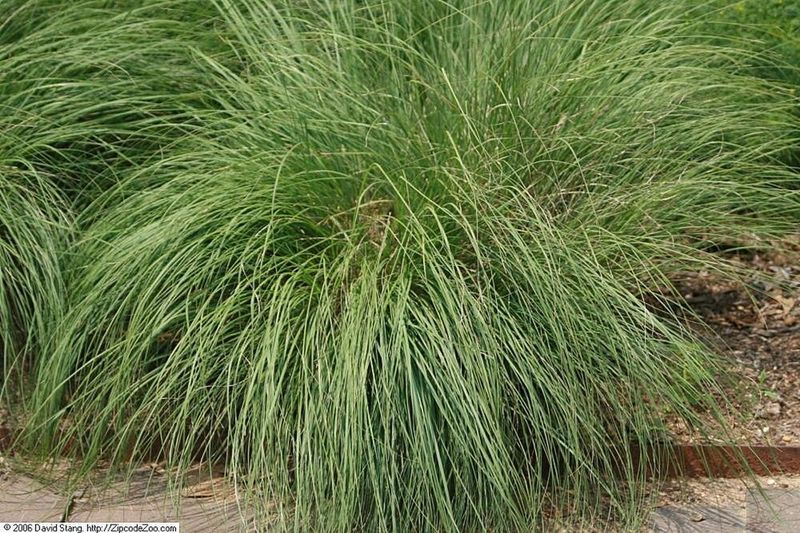
Prairie Dropseed is the plant that landscape designers quietly obsess over. It forms a perfect, fountain-like mound of fine-textured foliage that looks elegant in any garden style, from formal to naturalistic.
The leaves are incredibly narrow and graceful, almost like hair cascading over a rounded form. In late summer, airy seed heads rise above the mound and release a scent some people describe as buttery popcorn.
That fragrance surprises most first-time growers in the best possible way. Standing near a patch of blooming Prairie Dropseed on a warm evening is a genuinely memorable sensory experience worth planning for.
This grass is slow to establish but extremely long-lived once it settles in. Some clumps are known to thrive undisturbed for decades once established.
It performs best in full sun with dry to medium moisture soil conditions. Unlike many ornamental grasses, it stays compact and rarely becomes invasive or aggressive in the garden.
Prairie Dropseed turns golden-orange in autumn, adding warm color just as other plants start to fade. The seed heads also provide food for ground-feeding birds throughout the winter months.
Among Nebraska prairie natives, this one stands out for its adaptability and refined appearance. Use it as a border edging, a mass planting, or a soft contrast plant next to bold-leaved perennials for stunning results.
4. Showy Milkweed
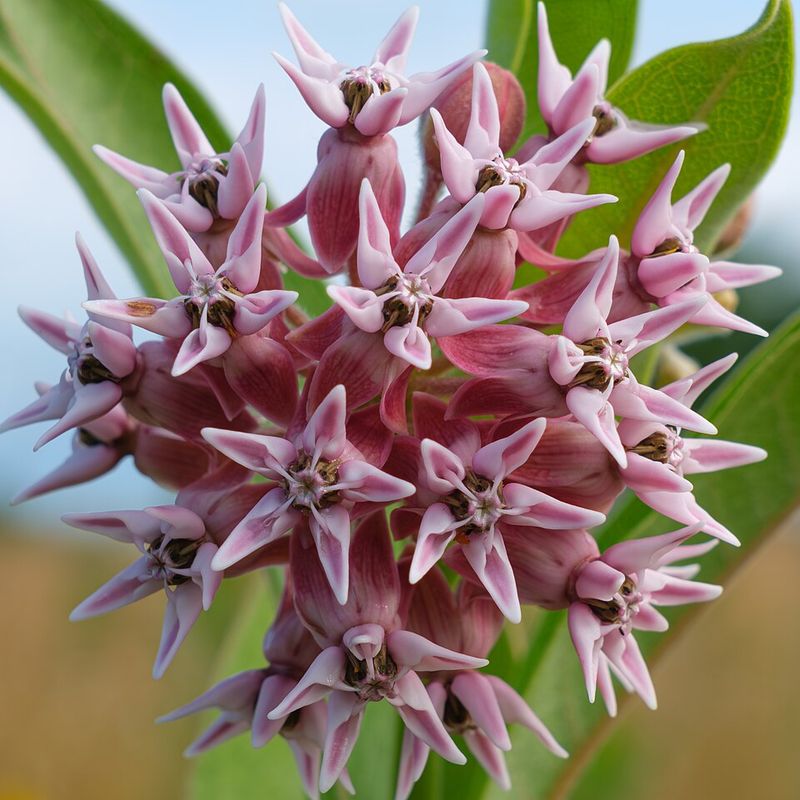
Showy Milkweed is the plant that monarch butterflies have been waiting for you to grow. Without milkweed, monarchs cannot complete their life cycle, making this plant one of the most important you can add.
The flowers are genuinely gorgeous, forming rounded clusters of rosy-pink blooms that smell sweetly of vanilla. Bees, butterflies, and hummingbirds all show up in impressive numbers once it starts blooming in June.
Each plant grows two to four feet tall with broad, soft leaves that have a slightly dusty texture. The large seed pods that follow the flowers split open in fall to release silky, parachute-tipped seeds into the wind.
Showy Milkweed spreads by underground rhizomes, so give it a dedicated area where it can roam freely. Once it colonizes a sunny spot, it creates a lush, wildlife-friendly patch that improves every single season.
Full sun and dry to medium soil are the only conditions it really needs to thrive. It handles clay, sand, and rocky ground equally well, making it one of the most forgiving natives you can plant.
Beyond monarchs, over 450 insect species depend on milkweed plants for food and shelter. Planting even a small patch creates a genuine wildlife sanctuary right in your own backyard space.
Nebraska prairie natives rarely pack as much ecological punch as Showy Milkweed does. Add it this summer and watch your yard transform into a living, buzzing, fluttering ecosystem within just a few weeks.
5. Purple Prairie Clover
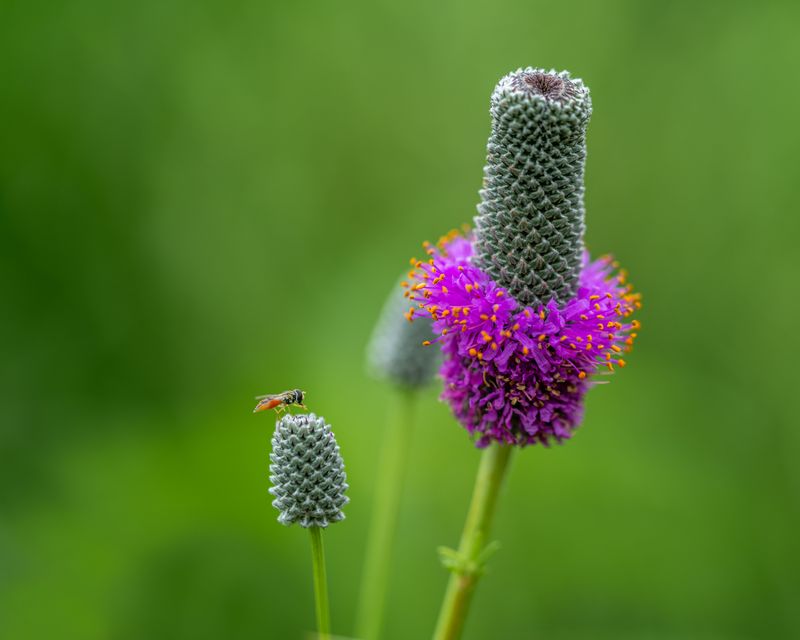
Purple Prairie Clover looks like something a wildflower artist invented on a creative afternoon. Its slim, upright stems are topped with bright magenta flower spikes that bloom from the bottom up in a slow spiral.
That upward blooming pattern is genuinely fascinating to watch over several weeks. Each day reveals a fresh ring of tiny flowers climbing higher on the spike, creating a constantly changing display of color.
This plant fixes nitrogen in the soil, meaning it actually improves the ground around it over time. Neighboring plants benefit from growing near Purple Prairie Clover, making it a generous addition to any planting scheme.
It grows one to three feet tall and stays slender, so it fits easily into tight spaces between other perennials. The finely divided leaves have a delicate, almost ferny appearance that adds textural contrast to bolder plants.
Bumblebees and native bees absolutely swarm the flowers when they are in peak bloom during July. Planting several together creates a magenta-colored beacon that pollinators can spot from a surprising distance away.
Once established, Purple Prairie Clover needs almost no care beyond cutting it back in early spring. It thrives in poor, dry soil and actually declines if you overwater or fertilize it too generously.
Among all the Nebraska prairie natives on this list, this one might be the most underrated. Its combination of soil-building talent and stunning color makes it an easy choice for any summer garden plan.
6. Prairie Coneflower
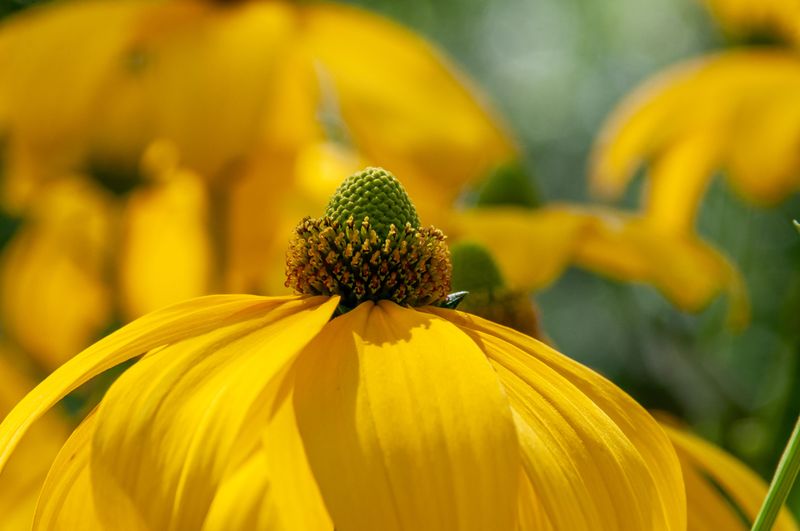
Prairie Coneflower has one of the most distinctive silhouettes of any wildflower on the Great Plains. Its yellow petals droop downward from a tall, thimble-shaped brown cone, giving it an almost whimsical, nodding appearance.
Also called Mexican Hat in some regions, this plant blooms from June through August in a sunny, well-drained spot. The long bloom period makes it one of the most reliable sources of summer color in a native garden.
Prairie Coneflower is a short-lived perennial that self-seeds enthusiastically in open soil. Once you plant it, it tends to pop up in nearby spots each year, gradually forming a cheerful, informal colony over time.
It grows two to four feet tall on slender, branching stems that sway attractively in a prairie breeze. The feathery, blue-green foliage is aromatic when crushed, releasing a pleasant, slightly spicy scent into the air.
Goldfinches love to perch on the dried seed heads during late summer and fall. Leaving the stalks standing through winter provides food for birds and adds structural interest to your garden during cold months.
This plant asks for almost nothing beyond full sun and soil that drains well after rain. It tolerates heat, wind, and drought without complaint, making it ideal for challenging spots in your yard.
Nebraska prairie natives that bloom this long and ask for this little are genuinely rare finds. Prairie Coneflower earns its place in any summer garden through sheer, dependable, low-effort performance all season long.
7. Blazing Star
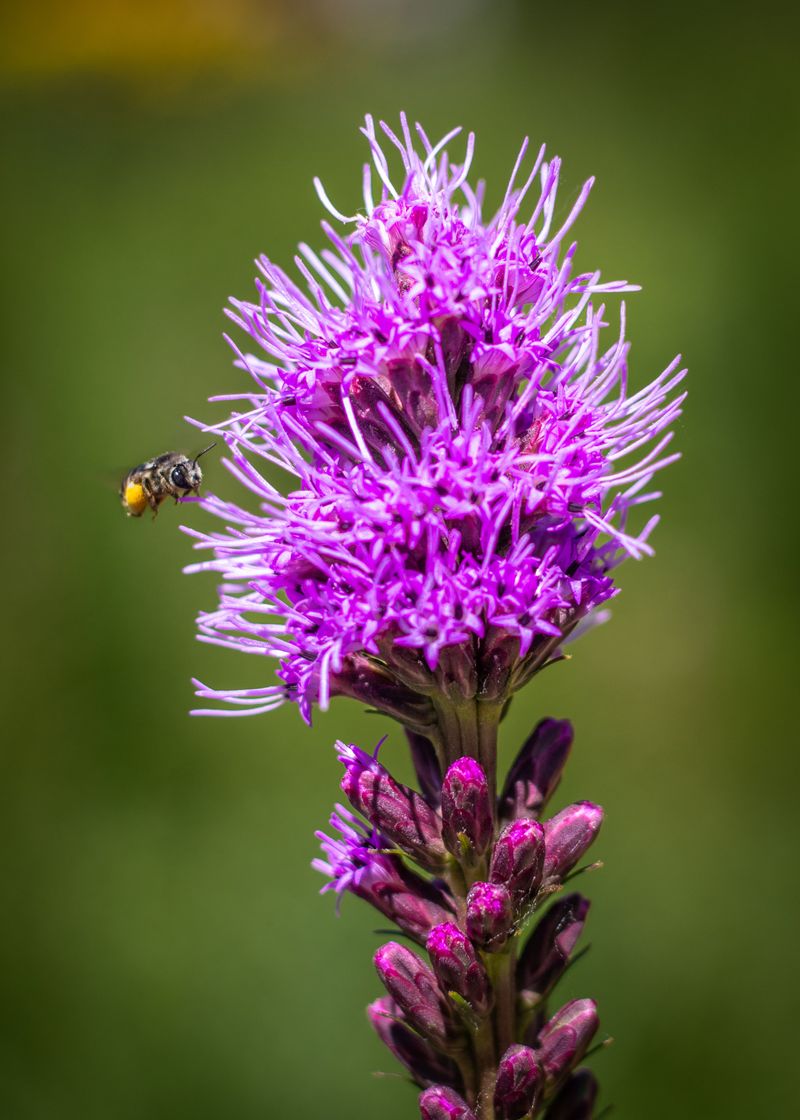
Blazing Star earns its dramatic name every single time it blooms. Tall, torchlike spikes of vivid purple-magenta flowers shoot up in late summer just when many other plants are starting to wind down.
Unlike most flowering plants, Blazing Star opens its blooms from the top of the spike downward. That unusual pattern means the show lasts longer than you might expect, stretching from July into September.
Monarch butterflies migrating south in late summer treat Blazing Star like a gas station along the highway. Planting it gives these iconic travelers a critical energy boost during their long journey to Mexico.
It grows from a corm, which is a small, bulb-like underground structure that stores energy between seasons. That stored energy means it bounces back reliably each spring without any help from you.
Blazing Star reaches two to four feet tall and thrives in full sun with dry to medium moisture soil. It handles clay and sandy soil equally well, which is a big advantage for varied Nebraska landscapes.
Bumblebees, swallowtail butterflies, and hummingbirds all compete for access to the nectar-rich flowers during peak bloom. Few plants create as much wildlife activity in such a short period of time as this one does.
The dried seed heads are beautiful in winter arrangements and attract small songbirds looking for a meal. Nebraska prairie natives rarely deliver this much visual drama with this little effort from the gardener growing them.
8. Leadplant
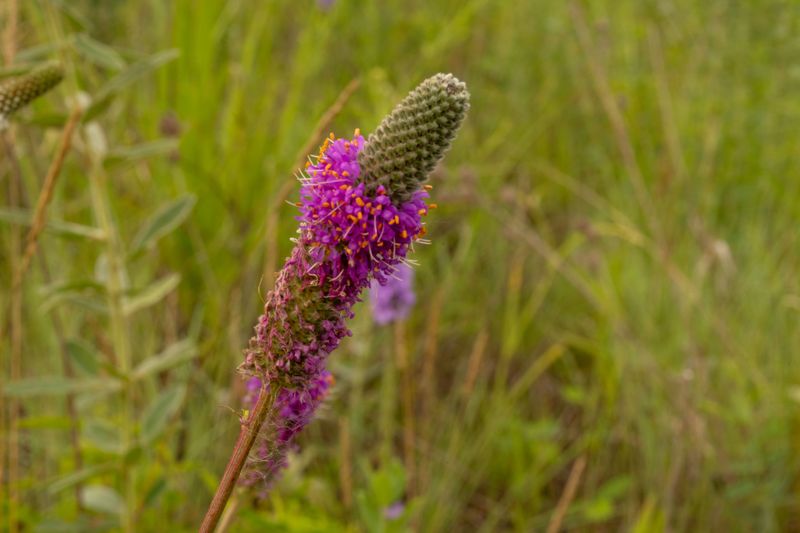
Leadplant is one of those plants that looks like it belongs on an ancient, windswept hillside. Its silver-gray, compound leaves shimmer in the sun, giving it a soft, almost frosted appearance unlike anything else in the garden.
Early settlers actually used the presence of Leadplant as a sign of high-quality prairie soil. If Leadplant was growing somewhere, farmers knew that land was worth farming, which earned it a respected place in history.
It produces small, purple flower spikes with bright orange stamens in June and July. That color combination of purple and orange sounds unusual but looks absolutely stunning when the plant is in full bloom.
Leadplant is a woody shrub that grows two to three feet tall and equally wide over time. It is slow to establish but extremely long-lived, with some plants known to survive for generations in the wild.
Deep, woody roots make it one of the most drought-tolerant plants on this entire list. Once established, it can go months without rain and still look healthy, silver-leafed, and full of character.
Bumble bees and specialist native bees are particularly drawn to the flowers during their short bloom window. The plant also serves as a host for several native moth and butterfly species throughout the season.
Among Nebraska prairie natives, Leadplant offers something truly unique: a shrubby, silver-leaved anchor plant with serious historical roots. Add it to a sunny, dry spot and enjoy decades of effortless, wildlife-friendly beauty without any regret.
9. Small Soapweed
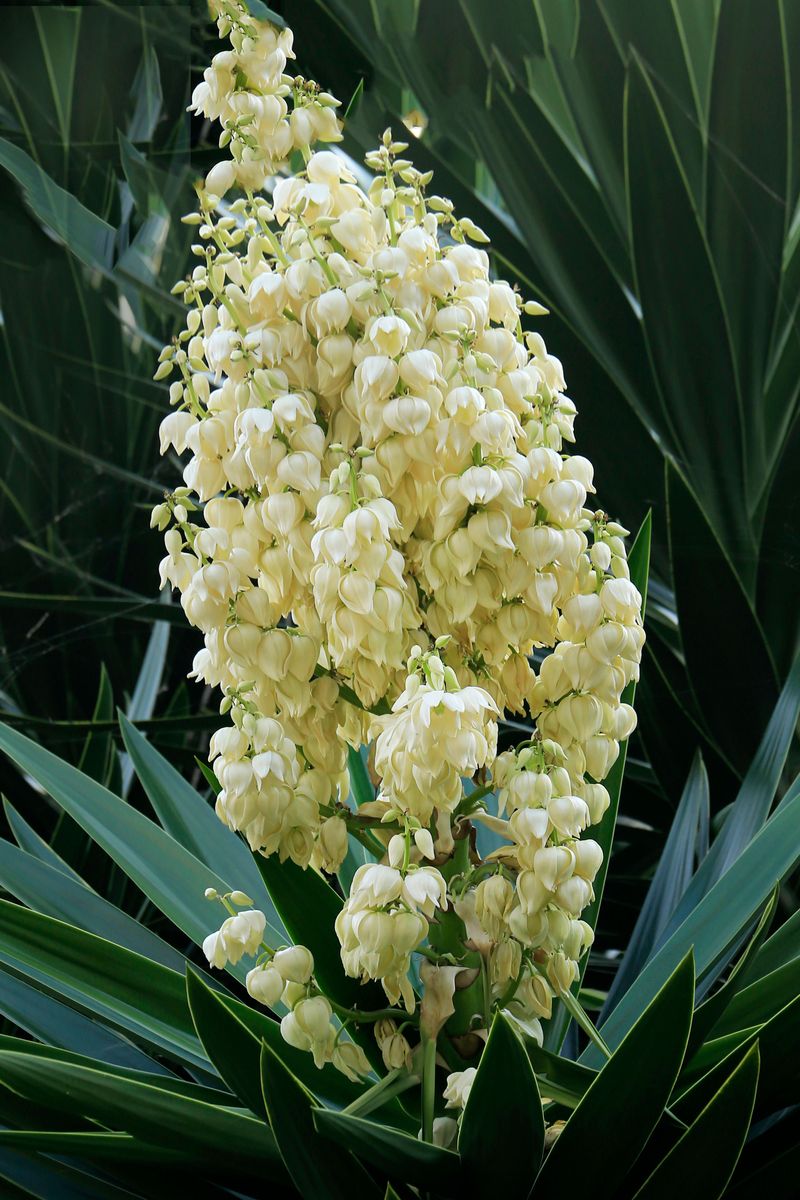
Small Soapweed is the plant that makes people do a double-take in a Nebraska garden. Its bold, spiky rosette of sword-shaped leaves looks almost tropical, yet it is completely at home on the dry Great Plains.
Also known as Yucca glauca, this native plant produces a tall flower stalk in late spring that can reach four feet high. Clusters of creamy white, bell-shaped blooms dangle from that stalk, filling the evening air with a sweet fragrance.
The yucca moth is entirely dependent on Small Soapweed for survival, and vice versa. These two species have co-evolved together so completely that neither can reproduce without the other, making this plant an ecological keystone.
Indigenous peoples across the Great Plains used every part of this plant for centuries. The roots were lathered into soap, the leaves were woven into baskets, and the flowers and fruit were eaten as food.
Small Soapweed grows one to two feet tall in its leafy rosette form before sending up the flower stalk. It spreads slowly by offsets, gradually forming a clump that becomes more dramatic and eye-catching each passing year.
Extreme drought, poor sandy soil, and relentless summer heat are conditions this plant genuinely prefers. Overwatering is the fastest way to harm it, so plant it in the driest, sunniest spot you have available.
Closing out this collection of Nebraska prairie natives, Small Soapweed is the bold exclamation point your garden needs. Its sculptural form and ancient ecological story make every other plant around it look a little more interesting.