9 Tips From Kansas Wheat Farmers For A Better Backyard Garden
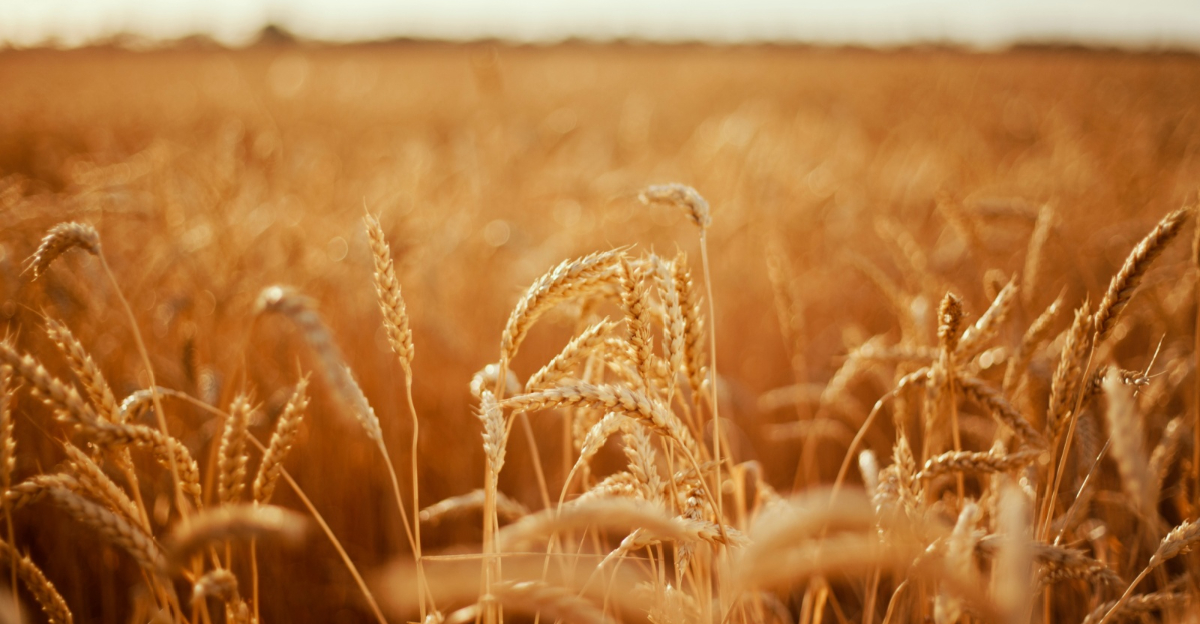
Out in Kansas, wheat farmers don’t trust a forecast. They trust their hands in the dirt. They trust their eyes on the horizon. Decades of dry summers and sudden storms taught them things no gardening blog ever will.
Nobody handed them a manual. The land itself did the teaching. One tough season at a time. Here’s the thing most backyard growers miss.
A thriving garden isn’t luck. It’s pattern recognition earned through failure. Kansas farmers know when soil is thirsty just by its color. They know when a storm is coming by how the birds move.
That kind of knowledge doesn’t fit in an app. You don’t need three hundred acres to use it though.
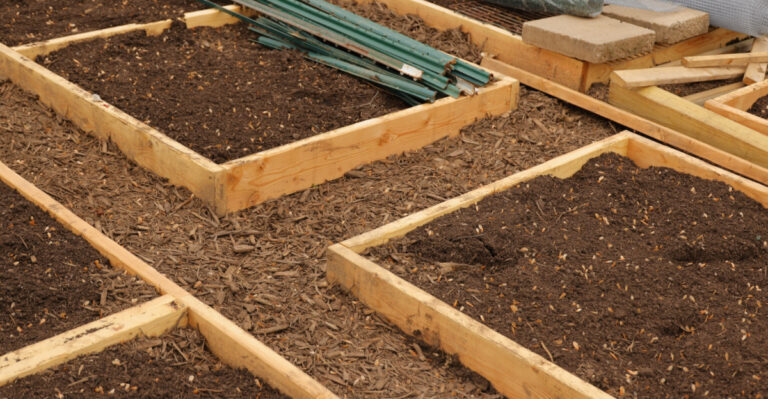
You just need to steal the right habits. These nine tips come straight from that hard-won wisdom. Scaled down for your backyard. Your raised beds. Your Sunday afternoons with a trowel.
1. Test Soil Before Planting Anything
Farmers don’t guess. Before a single wheat seed hits the ground, they know exactly what their soil needs.
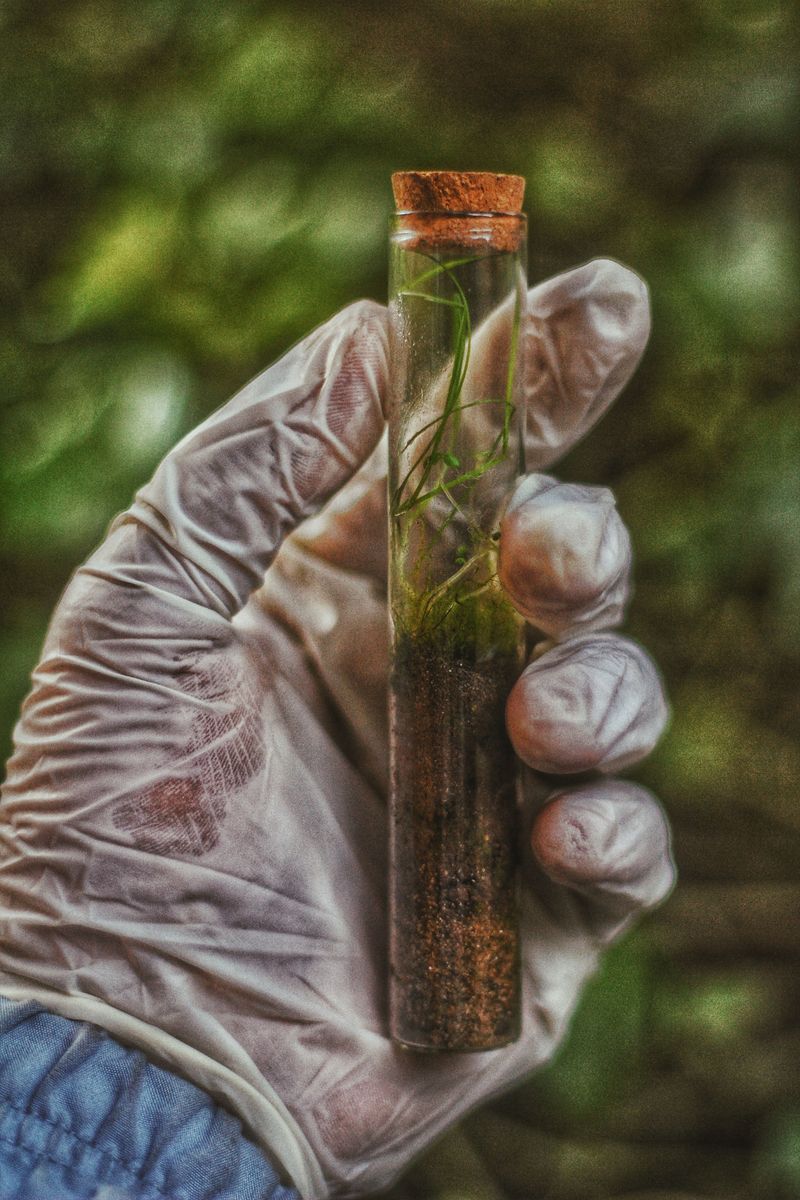
A basic soil test tells you pH levels, nutrient gaps, and organic matter content. It takes the guesswork out of everything that follows.
Most garden centers sell kits for under ten dollars, and the results are worth far more than the price tag.
Skipping this step is like cooking without tasting. You might get lucky. You probably won’t. Kansas wheat farmers test every few years because soil never stays the same. Rainfall changes it.
Plant matter changes it. Even foot traffic shifts the balance over time in ways you can’t see from the surface.
Your backyard garden deserves that same attention. Send a sample to your local extension office for a detailed breakdown.
They’ll tell you exactly what to add and how much to add. No guesswork. No wasted money on fertilizer your soil never actually needed in the first place.
Amending soil before planting sets up every crop for success from day one. Think of it as building a strong foundation before framing a house.
Once you know your numbers, you have options. You can choose plants that fit your soil as it is.
Or you can adjust the soil to fit the plants you want. Either way, you’re already ahead of most backyard gardeners before you’ve planted a single seed.
2. Rotate Crops To Keep Pests Away
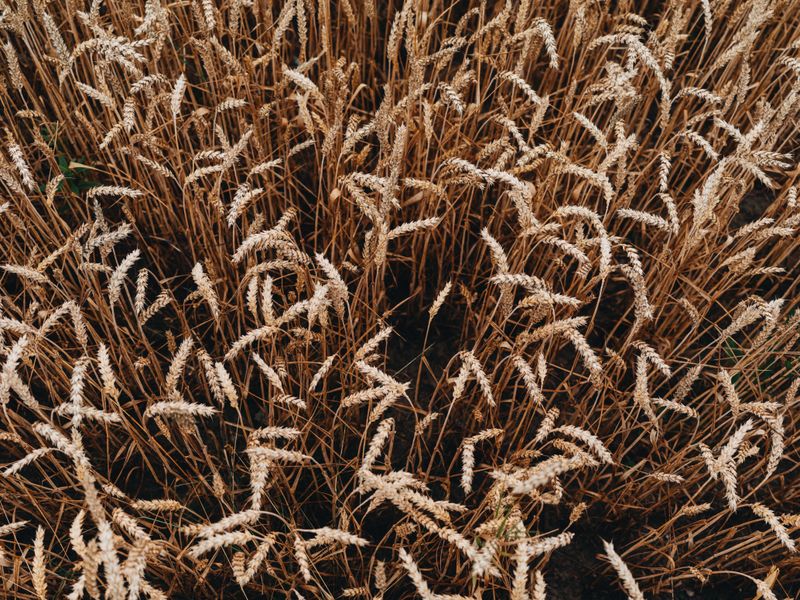
There’s an old farmer saying: move your crops or move your problems. Wheat farmers rotate fields every season for good reason.
Planting the same crop in the same spot feeds pest populations year after year. Insects and diseases build up in the soil, waiting for their favorite host plant to return.
When pests show up and find the wrong plant, they struggle to establish themselves. For backyard gardens, divide your space into zones.
Group plants by family: nightshades, legumes, brassicas, and root vegetables each get their own area.
Each season, shift every group one zone over. It sounds simple because it is simple, and it genuinely works.
Your Kansas Garden Changes Every Week. Your Plan Should Too.
Gardening in Kansas changes quickly throughout the season. Every Friday you’ll receive a simple weekly plan showing exactly what to plant, prune, fertilize, harvest, and protect so you never miss the right timing.
Legumes like beans and peas also fix nitrogen into the soil. Planting them before heavy feeders like tomatoes gives your next crop a natural boost.
Kansas farmers have used this method for over a hundred years. It’s not trendy advice pulled from a blog post.
It’s field-tested wisdom that keeps yields high without heavy chemical inputs. Rotate your backyard crops and watch pest pressure drop season after season.
3. Time Seeding To Soil Temperature, Not The Calendar
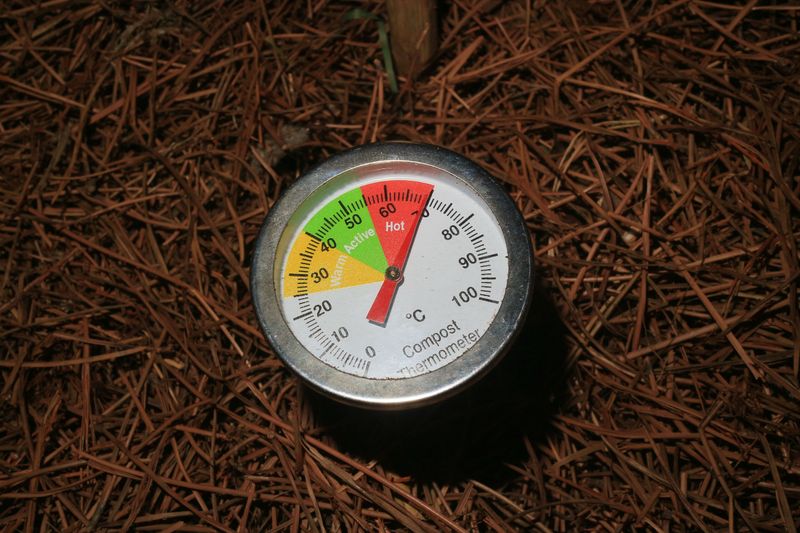
Forget the last frost date. Kansas wheat farmers plant by soil temperature, and it makes all the difference.
Seeds don’t care what month it is. They respond to the warmth beneath their roots, not the number on a calendar page.
Cool-season crops like spinach and peas germinate best when soil hits 45 to 50 degrees Fahrenheit. Warm-season crops like squash and beans want 60 degrees or higher.
A simple soil thermometer costs about five dollars and lasts for years. Push it two inches into the ground and check it in the morning for the most accurate reading.
Planting too early means seeds sit dormant or rot before sprouting. Planting too late means your crops race against heat or frost without enough time to produce.
Farmers can lose significant yield when timing is off. In your backyard garden, mistimed seeds just mean a wasted packet and a disappointing season.
Getting the temperature right gives seedlings the best possible start. They sprout faster, grow stronger, and resist stress better than seeds forced into cold ground. Trust the soil, not the seed packet date. The ground will tell you exactly when it’s ready.
4. Water Deeply Instead Of Often
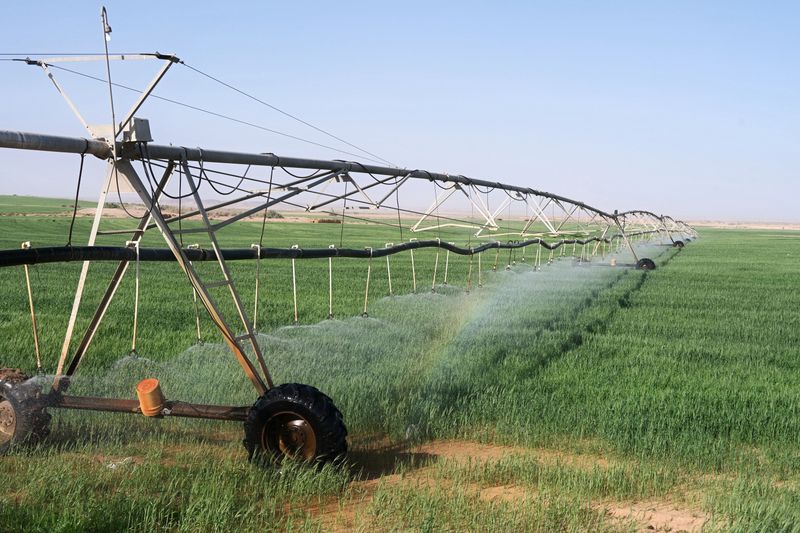
Shallow watering creates shallow roots. That’s a problem when summer heat rolls in and the top inch of soil dries out fast.
Kansas wheat farmers learned early that deep, infrequent watering builds drought-resistant crops. The same principle applies to your backyard garden beds.
When you water lightly every day, roots chase moisture at the surface. One hot, dry week and those roots have nowhere left to go.
Water deeply two or three times a week instead. Let the water soak six to eight inches into the ground where roots need to reach.
A simple way to check: push a finger or a screwdriver six inches into the soil after watering. If it slides in easily, you’ve reached the right depth.
Soaker hoses and drip irrigation deliver water slowly at ground level. They waste less to evaporation and keep leaves dry, which reduces fungal disease.
Overhead sprinklers look satisfying but often leave the deep root zone completely dry. Farmers figured this out decades before drip systems became mainstream.
Training your plants to reach deep for moisture makes them tougher all season long. A garden built on deep roots is a garden that can handle almost anything summer throws at it.
5. Mulch Beds To Lock In Moisture
Bare soil is a disadvantage. It dries out fast, cracks under heat, and invites weeds to move in uninvited.
Wheat farmers often leave crop stubble on their fields over winter. That leftover plant material acts as a natural mulch, protecting the soil below from wind and sun.
In your backyard garden, straw is the easiest and most affordable mulch option. Spread two to three inches around your plants and watch the difference it makes.
Mulch slows evaporation dramatically. Mulched soil retains moisture noticeably longer than bare soil on hot days.
It also regulates soil temperature. On scorching afternoons, mulch keeps roots cool. On cold spring nights, it holds warmth in just a little longer.
As straw breaks down, it feeds the soil with organic matter. You get moisture control and a slow-release soil amendment at the same time.
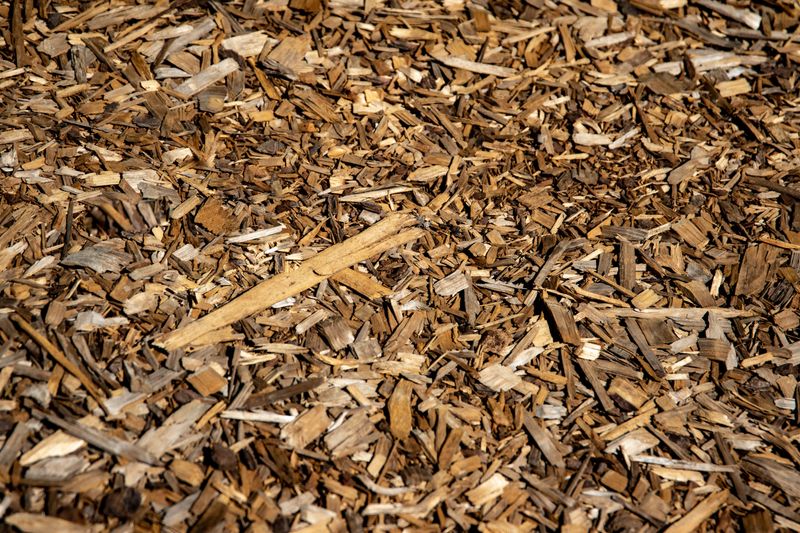
Wood chips work well around perennials and fruit bushes. Avoid using them directly around vegetable stems, as they can trap too much moisture against tender stalks.
Mulching is one of the easiest upgrades you can make to your backyard garden this season. Lay it down once and let it do the hard work for you all summer long.
6. Watch The Sky And Plan Around Wind

Wind is easy to underestimate. It dries out soil faster than sun, snaps stems without warning, and shakes pollinating insects right off your flowers.
Out on the open plains, wheat farmers live by the forecast. Wind direction tells them when to spray, when to irrigate, and when to just stay inside.
Your backyard garden deals with the same wind challenges. A strong afternoon wind can stress plants just as much as a missed watering day.
Observe where wind typically comes from in your yard. In many parts of the central United States, prevailing winds tend to come from the southwest.
Plant a windbreak on that side of your garden. A row of sunflowers, a fence, or even a hedge can meaningfully cut wind speed.
Tall plants like corn and staked tomatoes are especially vulnerable. Secure them early, before a surprise gust does the job for you the wrong way.
Farmers also time field work to calmer parts of the day. Early morning tends to be one of the calmer times of day in many regions.
Plan transplanting and any delicate garden tasks for those calm morning hours. A little sky-watching habit now saves a lot of plant-saving scrambles later.
7. Space Plants For Airflow And Root Room

Crowded plants compete for everything: water, light, nutrients, and air. That competition creates stress, and stressed plants attract disease fast.
Wheat farmers seed at precise rates per acre. Too dense and the crop chokes itself. Too sparse and weeds take over the gaps.
Backyard gardeners often pack plants too close because seedlings look tiny. By midsummer, that cozy little bed becomes a tangled, disease-prone mess.
Follow spacing recommendations on seed packets, but also think about airflow. Good circulation between plants dries leaves quickly after rain, cutting fungal risk significantly.
Powdery mildew, blight, and rust all thrive in humid, stagnant air. Give plants breathing room and those problems visit far less often.
Root space matters just as much as what’s happening above ground. Crowded roots pull nutrients from the same small zone, leaving everyone underfed.
Raised beds make spacing easier to control. Mark out a grid and stick to it, even when you’re tempted to squeeze in one more seedling.
Thinning seedlings feels wasteful at first. But pulling one plant to save three is exactly the kind of trade-off experienced farmers make without hesitation.
Give your backyard garden room to breathe, and it will reward you with healthier plants and a bigger harvest all season long.
8. Harvest Early Rather Than Risk A Storm
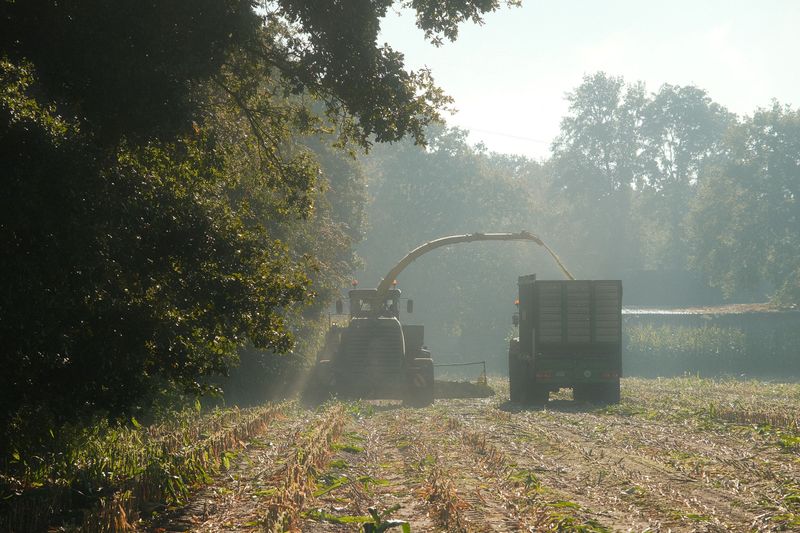
A storm doesn’t negotiate. It doesn’t care that your tomatoes needed two more days on the vine.
Wheat farmers often harvest early when bad weather threatens, rather than waiting for full ripeness. They know a crop in the bin beats a crop in the mud every single time.
Most backyard gardeners wait too long. They want peak flavor, peak color, and peak everything before picking. But hail, heavy rain, and high winds can badly damage a garden overnight.
Slightly underripe vegetables continue ripening indoors at room temperature. Set them on a counter away from direct sunlight and check them daily.
Tomatoes, peppers, winter squash, and melons all ripen well off the vine. You lose almost nothing in flavor by picking a day or two early.
Watch the forecast the same way farmers check it every evening. If a serious storm is coming within 48 hours, start harvesting your most vulnerable crops.
Beans and leafy greens handle storms better than fruiting plants. Prioritize whatever is close to ripe and most exposed to impact.
Protecting your harvest is part of growing a backyard garden successfully. Getting produce inside before a storm hits is a win, not a compromise.
9. Save Seeds From The Strongest Plants
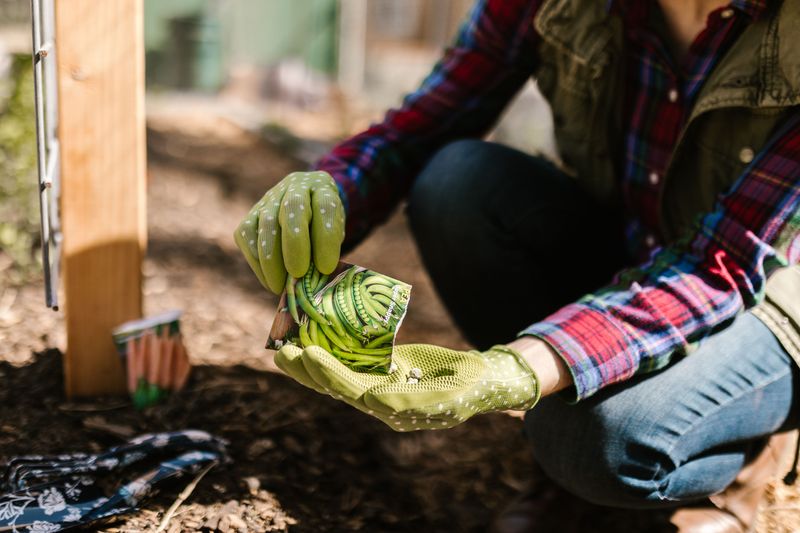
Every great wheat variety started with one farmer saving seed from the best-performing plant in the field. That’s not nostalgia. That’s smart selection.
Seed saving is one of the most powerful habits a backyard gardener can build. Over just a few seasons, your saved seeds adapt to your specific soil, climate, and conditions.
Choose seeds from plants that produced the most, resisted disease, and handled heat or drought without drama. Those traits pass forward into next year’s crop.
Let your best fruits fully ripen on the plant before collecting seeds. Tomatoes should be soft and deeply colored. Peppers should be fully red or yellow, not just green.
Dry seeds completely before storing them. Spread them on a paper plate for two weeks in a warm, dry spot out of direct sunlight.
Store dried seeds in labeled paper envelopes inside a cool, dry container. A mason jar in the refrigerator works perfectly for long-term storage.
Avoid saving seeds from hybrid varieties marked F1 on the packet. Those won’t grow true to the parent plant and often disappoint in the second generation.
Open-pollinated and heirloom varieties are your best candidates for seed saving. Each saved seed carries a little piece of your backyard garden’s history forward into the next season.