Why Nebraska Corn Belt Backyard Gardens Are Thriving This Season
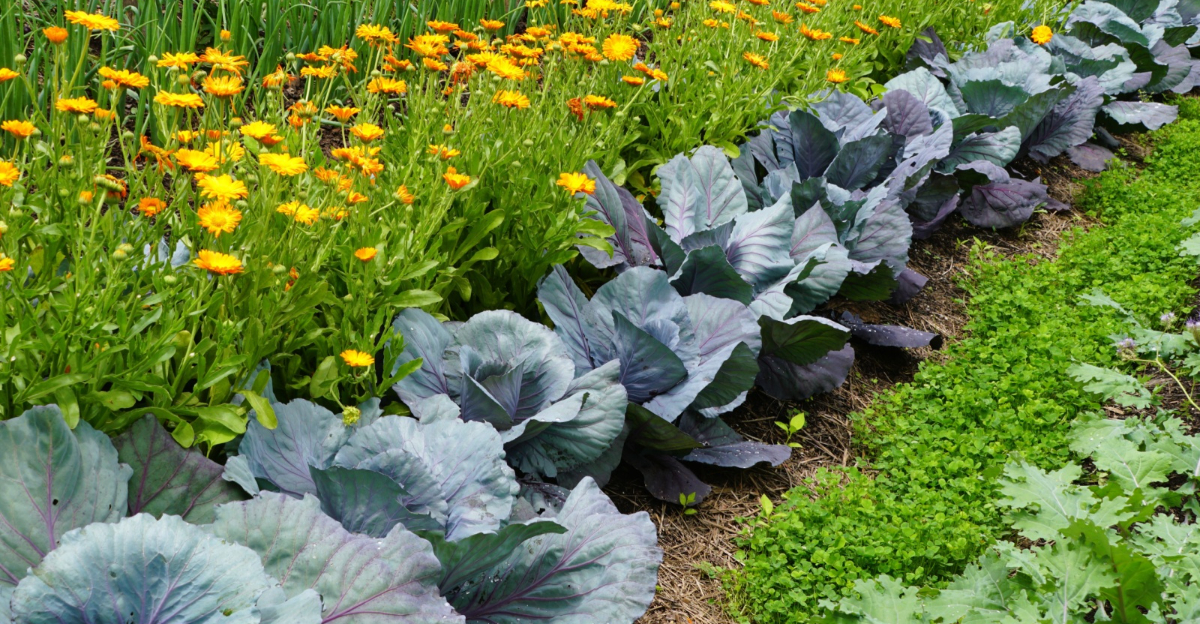
A quiet shift is taking root behind fences and garages across Nebraska this season. Gardeners who once fought for a few stubborn peppers are now filling baskets with squash, beans, and sweet corn.
Every week brings a new harvest. It’s not luck. It’s not rare soil either. Nebraska’s backyard growers have pieced together a mix of timing, technique, and patience.
Together, these small changes are turning modest plots into mini farms. Warmer spring nights arrived earlier than usual this year.
Rain fell right when young seedlings needed it most. Then came a wave of low-cost tricks. These ideas came from old-school farmers. They spread fast through neighborhood group chats.
The result is simple. Yards that once produced a lonely tomato or two are now full of color, weight, and flavor.
Curious what’s really driving this quiet shift across Nebraska? The answers are simpler, and stranger, than you’d expect.
1. Rain Hit At The Right Moments

Your garden soaking up a slow, steady rain right before a hot July week is the kind of timing that helps plants the most, and many gardeners saw the benefits across the Corn Belt this season. Rainfall timing matters more than total amount for backyard gardens.
A heavy downpour on dry, cracked soil mostly runs off without helping roots. But a gentle, well-timed rain soaks deep and feeds plants at the right growth stage.
Many gardeners this season reported storms rolling through at intervals that matched what most vegetable crops need.
Tomatoes got moisture right when blossoms were setting fruit, which reduced blossom drop significantly. Corn and beans received water during their most critical development windows.
Gardeners noticed fewer wilted leaves and stronger stems compared to previous dry summers. Soil moisture stayed consistent enough that plants never hit serious drought stress.
That consistency makes a major difference for root development and nutrient absorption. When roots are not stressed, they grow wider and deeper, finding more food naturally.
Some home gardeners across Nebraska mentioned needing to water less with their hoses this year. That saved time, money, and effort while producing better results than manual watering usually delivers.
Rain also washes dust off leaves, improving how well plants absorb sunlight each day. Clean leaves photosynthesize more efficiently, which means faster growth and healthier plants overall.
Lucky timing is not something you can control, but you can take advantage of it. Pair good rainfall with proper drainage, and your garden becomes far more productive.
2. Composting Boosted Soil Health Over Time
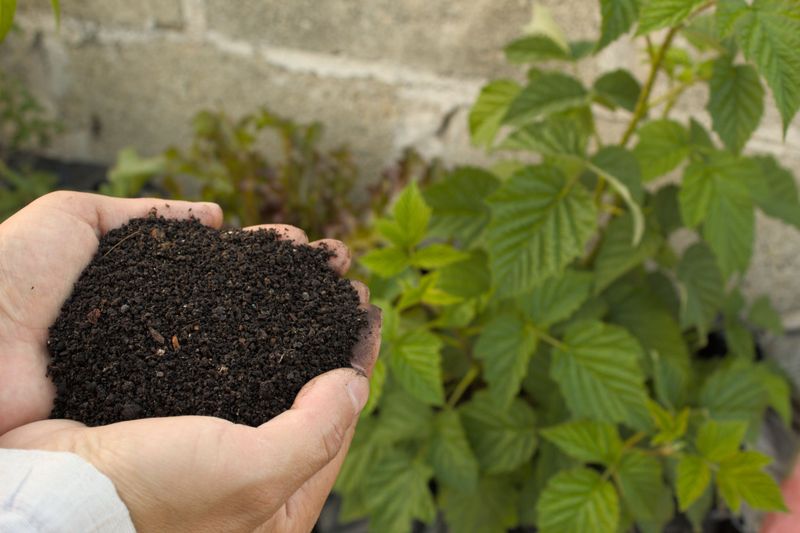
Dark, crumbly compost is one of the most valuable resources hiding in your backyard bin. Gardeners who started composting two or three years ago are now seeing serious payoffs.
Healthy soil is not built overnight, and compost works on a slow, rewarding timeline. Each layer of kitchen scraps and yard waste breaks down into nutrient-rich organic matter.
That matter feeds soil microbes, which then feed plant roots in a beautiful cycle. Nebraska gardeners who committed to composting through past seasons now have noticeably darker, richer soil.
Your Nebraska Garden Changes Every Week. Your Plan Should Too.
Gardening in Nebraska changes quickly throughout the season. Every Friday you’ll receive a simple weekly plan showing exactly what to plant, prune, fertilize, harvest, and protect so you never miss the right timing.
Darker soil holds more moisture, which means plants stay hydrated longer between waterings. It also means fewer fertilizer purchases because compost delivers a steady, natural nutrient supply.
Squash, peppers, and leafy greens have responded dramatically to compost-amended beds this season. Yields have jumped, and plants look stronger and more resistant to everyday stress.
Starting a compost pile is genuinely simple, requiring only a small corner of your yard. Toss in fruit peels, coffee grounds, eggshells, grass clippings, and dry leaves regularly.
Turn the pile every couple of weeks to speed up the breakdown process. Within six months, you will have rich material ready to mix into garden beds.
Even a thin two-inch layer worked into the top soil makes a measurable difference. Longtime gardeners often say compost was the single best change they ever made.
Once you see your plants grow noticeably stronger after a compost amendment, you will understand why. Good soil is the foundation everything else builds on, and compost is how you build it.
3. Warm Nights Stretched The Growing Window
Warm nights have quietly become one of the biggest gifts this growing season delivered. Most gardeners focus on daytime heat, but nighttime temperatures matter just as much for growth.
Plants do not shut down when the sun sets, they keep processing energy from the day. Warmer nights mean roots stay active longer, pushing nutrients upward into stems and leaves.
Cool nights, by contrast, slow metabolism and stall growth even when days are sunny and warm. Many gardeners across the Corn Belt noticed minimum temperatures staying higher than average well into September this year.
That extra warmth appeared to extend the effective growing window by a couple of weeks for many gardeners.
Peppers, which are notoriously sensitive to cold nights, held on longer and set more fruit. Even late-planted beans managed to mature before the first frost arrived this year.
For gardeners, that extended window means more harvests from the same plants already in the ground. You do not need to plant more to get more when the season stretches naturally.
Covering plants with lightweight row fabric on borderline nights can mimic this effect artificially. That simple trick traps warmth and can add days or even weeks to your season.
Nighttime temps above 55 degrees keep most warm-season crops actively growing without stress. Pay attention to overnight forecasts, not just daytime highs, when planning your fall garden strategy.
A few warmer nights at the right time can significantly increase your total harvest numbers. Timing and temperature made a real difference for backyard growers this season.
4. New Seeds Resist Disease Better
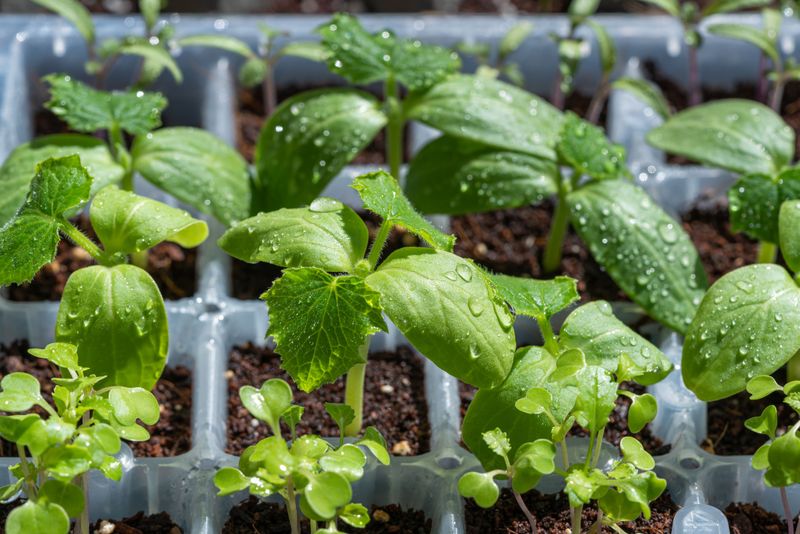
Seed technology has come a long way, and backyard gardeners are finally feeling the difference. Modern seed varieties bred for disease resistance are changing what is possible in home gardens.
A decade ago, powdery mildew could severely damage an entire squash crop by mid-August. Today, mildew-resistant varieties tolerate the same conditions and keep producing until frost arrives.
Plant breeders have spent years developing seeds that carry built-in protection against common garden threats. Fusarium wilt, early blight, and bacterial spot used to significantly damage backyard tomato crops regularly.
Newer hybrid and heirloom-adjacent varieties now carry resistance genes that block many of these diseases. Some Nebraska gardeners who switched to resistant varieties this season noted fewer crop failures.
Healthier plants also produce more consistently because they spend energy on fruit, not fighting infection. Shopping for seeds labeled with codes like VFN or VFNT tells you what the plant resists.
V stands for Verticillium, F for Fusarium, N for nematodes, and T for tobacco mosaic virus. Knowing those codes helps you pick the right seed for your specific soil and climate.
Local garden centers in the Corn Belt region often stock varieties suited to Nebraska conditions. Asking staff which seeds performed best locally last season can point you toward better choices for your garden.
Online seed companies also offer detailed resistance charts that make comparison shopping straightforward. Investing a few extra dollars in quality seed pays off well by harvest time.
Fewer losses mean more food on your table and more satisfaction in the garden. Choosing smarter seeds might be the easiest upgrade any backyard grower can make this year.
5. Steady Sunshine Kept Growth Consistent
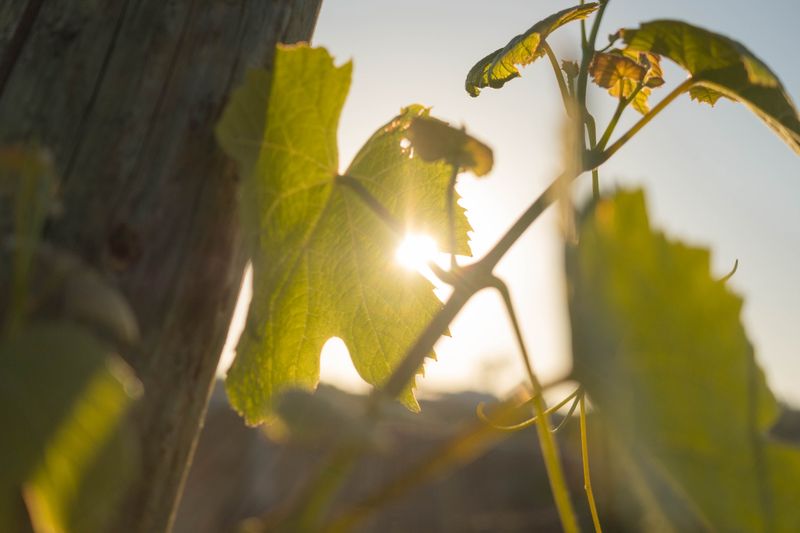
Sunshine is the engine that powers every plant in your garden, full stop. This season delivered something rare: long stretches of consistent sun without extreme heat spikes in between.
Extreme heat waves can actually shut down plant growth and damage delicate flower clusters. But steady, moderate sunshine allows photosynthesis to run at peak efficiency day after day.
Plants convert that light into sugars, which fuel root growth, stem strength, and fruit production. Many gardeners noticed fewer prolonged cloud cover periods this season compared to recent, more erratic years.
That reliability gave vegetable crops an uninterrupted energy supply throughout their most productive months.
Tomatoes especially benefit from consistent light, producing sweeter, more flavorful fruit when sun stays steady.
Zucchini and cucumbers, already fast growers, grew even more vigorously under these favorable light conditions. Even shade-tolerant crops like lettuce and spinach thrived by catching morning sun before afternoon heat.
Garden placement matters a great deal when trying to capture consistent sunlight each day. Most vegetables need at least six to eight hours of direct sun to perform well.
South-facing garden beds in the Northern Hemisphere catch the most sun throughout the full day. Trimming back any trees or shrubs that cast afternoon shadows can meaningfully improve yields.
Reflective mulches like silver plastic film can also bounce extra light onto lower plant leaves. Nebraska Corn Belt backyard gardens benefited naturally this season, but you can engineer better light too.
Maximizing sunshine is one of the most valuable steps a home gardener can take. When the sun shows up reliably, your garden will reward you just as reliably in return.
6. Better Spacing Cut Overcrowding
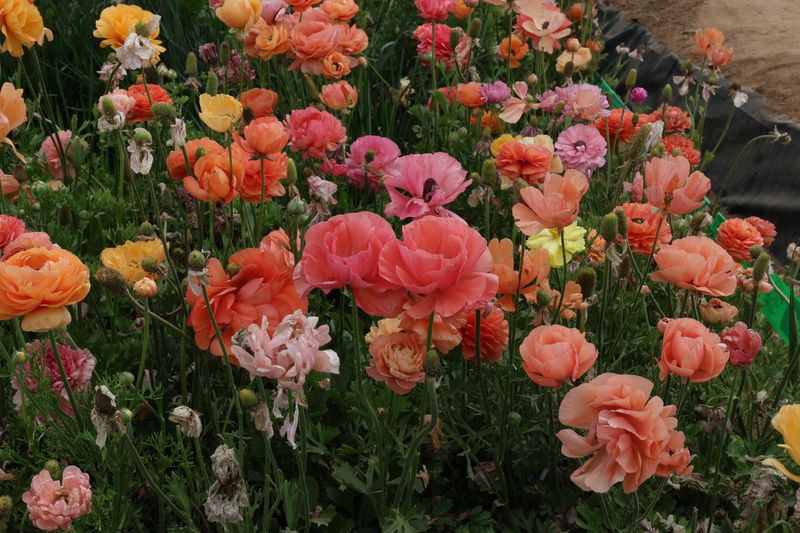
Overcrowded plants are a common cause of disease and reduced yields. Many gardeners learned that lesson the hard way in past seasons and changed their approach this year.
Proper spacing allows air to move freely between plants, which reduces moisture buildup on leaves. Less moisture on leaves means far fewer fungal problems like blight, mildew, and rust.
Roots also have more room to spread when plants are not competing for the same soil territory. Better root spread means better access to water and nutrients without constant competition.
Tomatoes spaced 24 to 36 inches apart generally produce more fruit than cramped plants, according to university extension guidelines. Peppers and eggplants given proper room developed fuller shapes and heavier individual fruit this season.
Even fast-growing zucchini, which many gardeners plant too close together, performed better with generous spacing. Thinning seedlings early feels counterintuitive because pulling out plants seems wasteful.
But removing weaker seedlings gives stronger ones the resources needed to grow into their space fully. Seed packets list recommended spacing for good reason, and following those numbers actually works.
Square foot gardening is a popular method that balances dense planting with smart spacing principles. Each plant type gets a designated square, preventing the chaos of random overcrowding.
Raised beds make spacing easier to manage because you control every inch of the growing area. Walking paths between beds also matter because compacted soil near roots limits their growth potential.
Giving your plants room to breathe is one of the simplest fixes with the biggest payoff. Less crowding means more food, a simple lesson many backyard growers relearned this season.
7. Extension Tips Sharpened Planting Skills
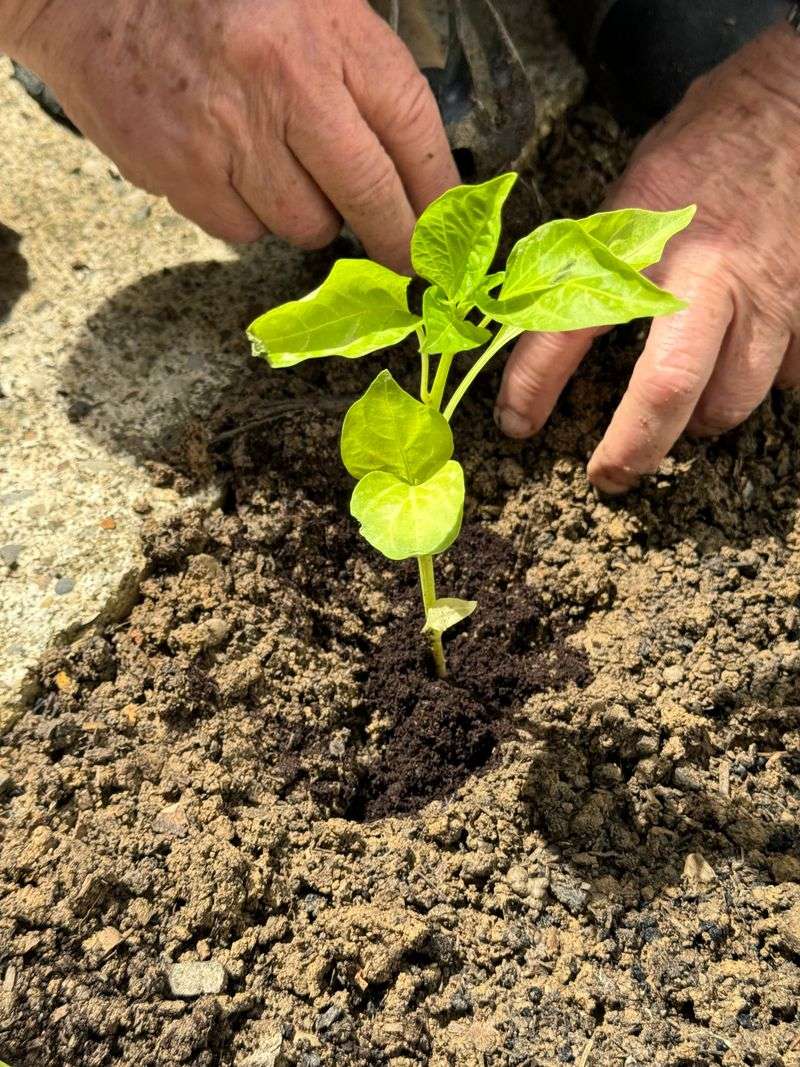
Free expert advice has been sitting right under most gardeners’ noses this whole time. University of Nebraska Extension programs offer research-backed guidance specifically designed for Corn Belt growing conditions.
Extension agents spend their careers studying what actually works in local soils and local climates. That means their recommendations are not generic internet tips, they are tailored to your exact region.
This season, more Nebraska gardeners turned to Extension resources for planting calendars and soil tips. Those calendars tell you exactly when to start seeds indoors and when to transplant outdoors safely.
Following a precise schedule takes the guesswork out of timing, which is where many gardeners stumble. Extension offices also offer soil testing services at low or no cost for local residents.
A soil test reveals your pH level, nutrient deficiencies, and organic matter content in clear detail. Knowing what your soil lacks lets you fix it precisely instead of guessing with random fertilizers.
Some gardeners who tested their soil this year discovered pH issues that had been limiting growth without obvious signs. Correcting pH with lime or sulfur unlocked nutrients that were already present but unavailable to roots.
Extension workshops on topics like pruning, companion planting, and pest management saw strong attendance this season. Gardeners who attended often noted better results after applying even one or two new techniques.
Online webinars made Extension knowledge accessible even for people with busy weekday schedules. The information is free, local, and research-based, making it a valuable, often overlooked resource.
Sharpening your skills with expert guidance does not require expensive classes or complicated books. A quick call or visit to your local Extension office can save a season’s worth of trial and error.
8. Fewer Pests Preserved The Harvest
Few things are more frustrating than watching a pest damage weeks of hard work quickly. This season, pest pressure in many Nebraska backyard gardens stayed lower than it has in years.
Cooler spring temperatures can slow the reproduction cycles of common insects like aphids and squash bugs, and some gardeners noticed this effect this season.
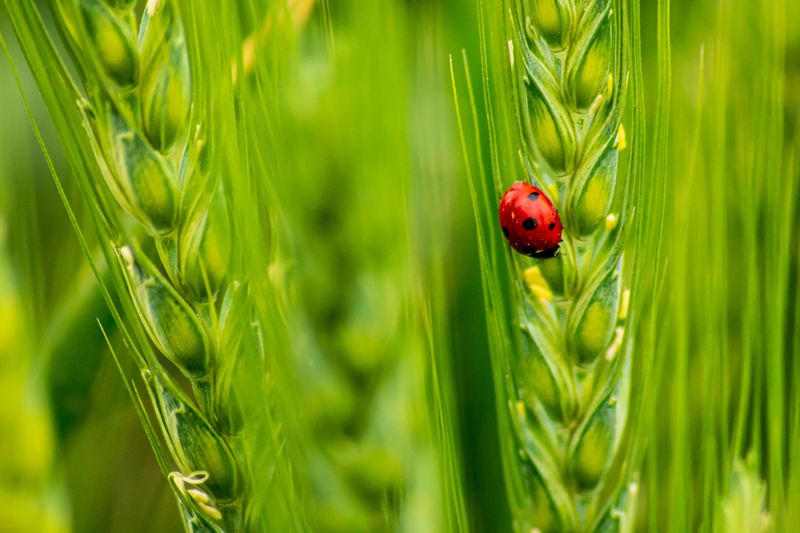
Fewer adults in spring means fewer eggs, and fewer eggs means a smaller midsummer population. Some gardeners also reported seeing more ladybugs and lacewings than usual this season.
Those predators feed on aphids, thrips, and whiteflies before populations can grow out of control. Gardeners who planted flowers like marigolds and zinnias nearby attracted those helpful insects deliberately.
Companion planting is an old technique that modern science continues to confirm actually works well. Basil planted near tomatoes is believed to repel thrips and possibly improve fruit flavor too.
Nasturtiums act as trap crops, drawing aphids away from vegetables and onto themselves instead. Floating row covers used early in the season physically blocked insects from reaching young transplants.
That physical barrier prevented egg-laying on leaves before plants were strong enough to handle damage. Hand-picking larger pests like hornworms and squash bugs in the morning proved surprisingly effective this year.
Early morning is ideal because insects are slower and easier to spot in cooler temperatures. Neem oil sprays applied preventively kept fungal gnats and soft-bodied insects at manageable levels.
Gardeners who combined multiple strategies saw the best results, with minimal crop loss overall. A healthy garden ecosystem is the best long-term pest management plan any grower can build.
Nebraska Corn Belt backyard gardens are thriving because more growers treated their gardens as living systems.