What To Fill Your Kansas Raised Beds With Before You Spend A Dime
Raised bed soil can drain your wallet before you even plant a single seed. In Kansas, it is easy to spend nearly $200 filling one bed with bagged soil from the garden center. And the painful part?
Better materials might be sitting right down the road for free. Wood chips. Aged leaves. Grass clippings. Compost. Old manure. The stuff most people overlook is exactly what your raised beds are hungry for.
Once you know where to look, the whole game changes. Kansas is packed with organic materials that can turn an expensive raised bed project into smart soil without blowing your budget.
None of them require a trip to the garden center. The key is knowing which materials work, how to layer them, and what your plants actually need to thrive.
A full, productive raised bed does not have to come with a hefty price tag, and right here in Kansas, the best growing medium may already be in your yard. Your wallet stays full, and so does your bed.
Aged Horse Or Cow Manure
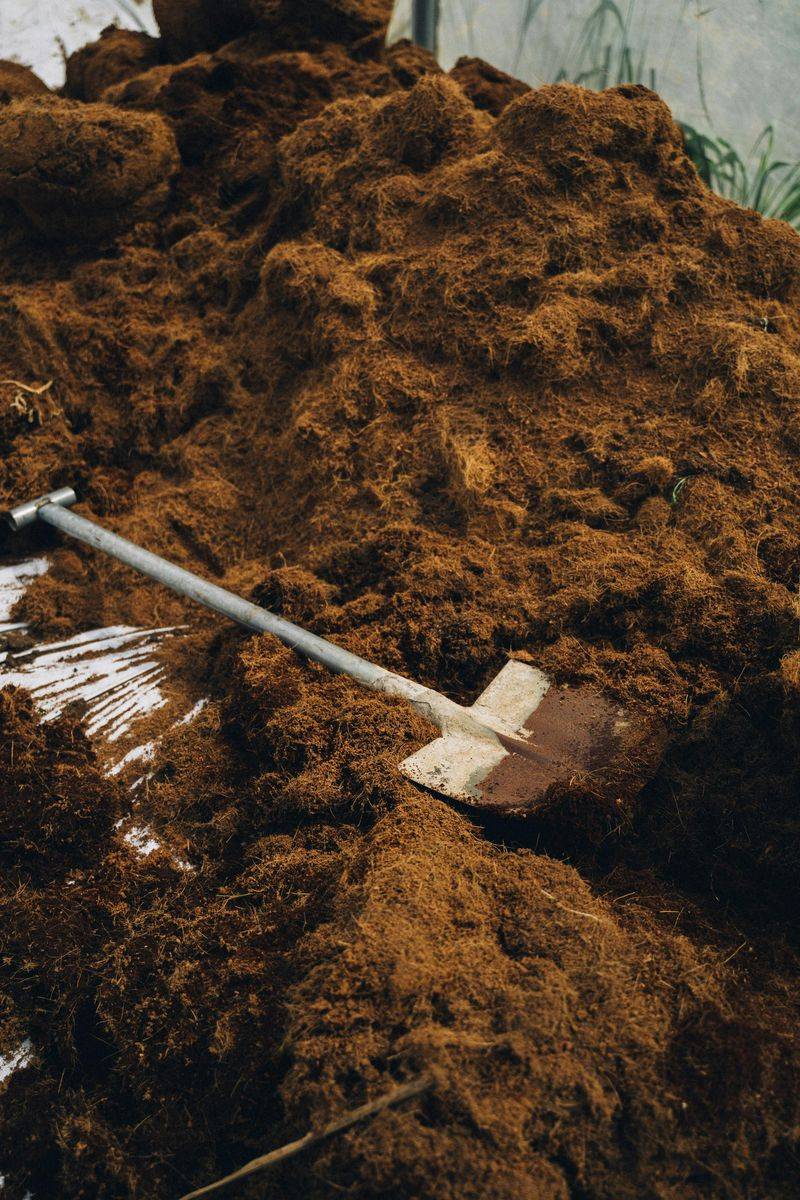
Manure has fed crops for thousands of years, and it still works. Aged horse or cow manure is packed with nitrogen, phosphorus, and potassium, which are the three things plants crave most.
If you live near a farm, you can often get a truckload of aged manure for free or at a very low cost. The key word here is aged.
Fresh manure is too hot for plants and can actually burn their roots, so you want material that has been sitting for at least six months. Well-rotted manure looks dark, crumbly, and smells more like earth than a barnyard.
Mix it into your raised bed with other organic material like leaves or straw to create a balanced growing environment. Horse manure sometimes contains weed seeds, so layering it below the surface can help reduce that problem.
Many local stables and small farms are thrilled to have someone haul it away, making this one of the most wallet-friendly options around. Your raised bed will thank you with lush, productive growth from the very first season.
Wood Chips From Tree Crews
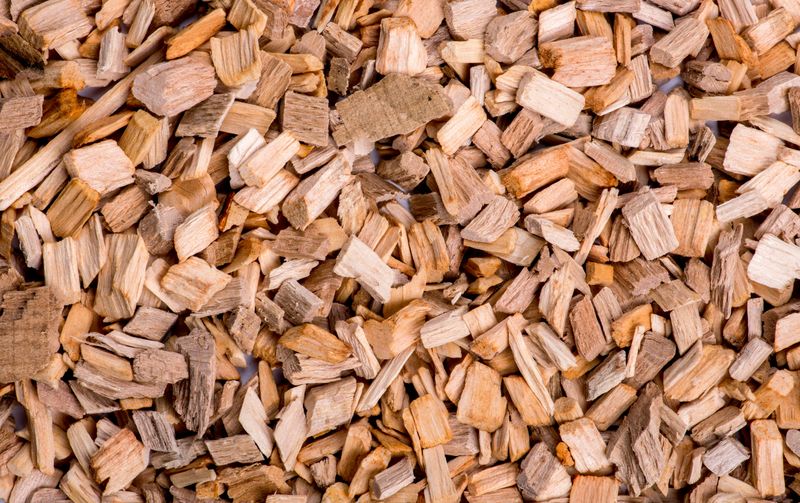
Tree crews chip up branches all day long and usually have nowhere to put the material. Many will drop a truckload at your property for free if you have a good spot for them to unload.
Sites like Chip Drop connect homeowners directly with arborists looking to offload fresh chips.
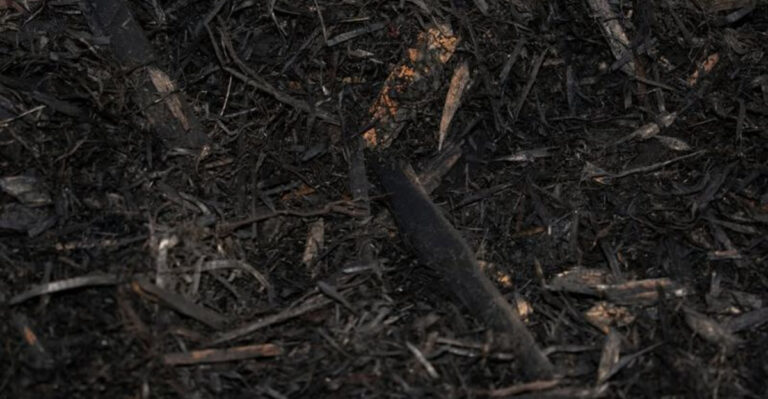
Wood chips work best as a base layer or as a mulch on top of your raised bed rather than mixed directly into the growing zone.
As they break down over time, they feed the soil with carbon and create an environment where beneficial fungi and microbes thrive.
That underground network actually helps your plants pull more nutrients from the surrounding material. One thing to keep in mind is that fresh wood chips can temporarily lock up nitrogen as they decompose.
To avoid this, let them age for a few weeks before mixing them close to plant roots, or use them only at the bottom of a deep raised bed.
Your Kansas Garden Changes Every Week. Your Plan Should Too.
Gardening in Kansas changes quickly throughout the season. Every Friday you’ll receive a simple weekly plan showing exactly what to plant, prune, fertilize, harvest, and protect so you never miss the right timing.
Paired with compost or manure on top, wood chips make an excellent long-term filler that keeps improving season after season. Think of them as a slow-release gift to your garden that keeps on giving.
Shredded Fall Leaves
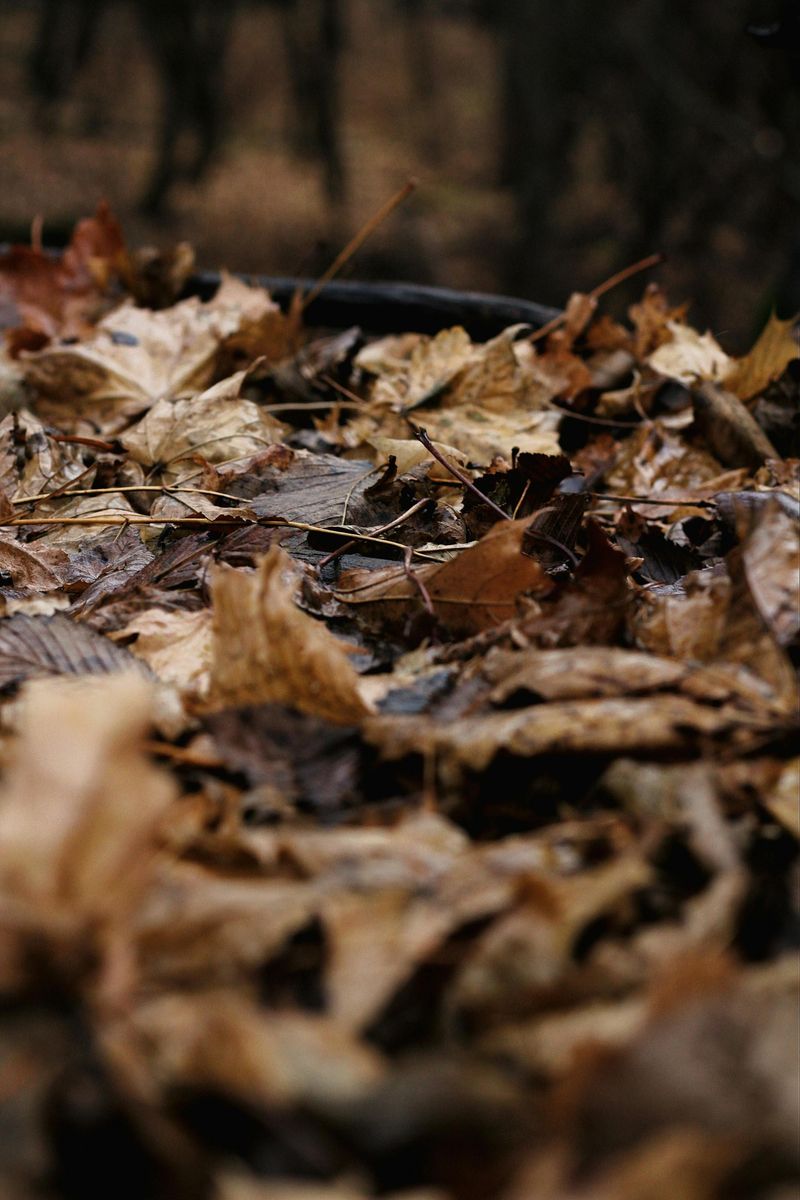
Your yard is already full of next season’s soil. Shredded fall leaves are one of the most underrated raised bed fillers, and collecting them takes nothing more than a rake.
Run over a dry pile with a lawn mower to shred them fast and cut down their volume significantly.
Whole leaves mat together and block water from reaching roots. Shredded leaves break down quickly and blend right into the soil.
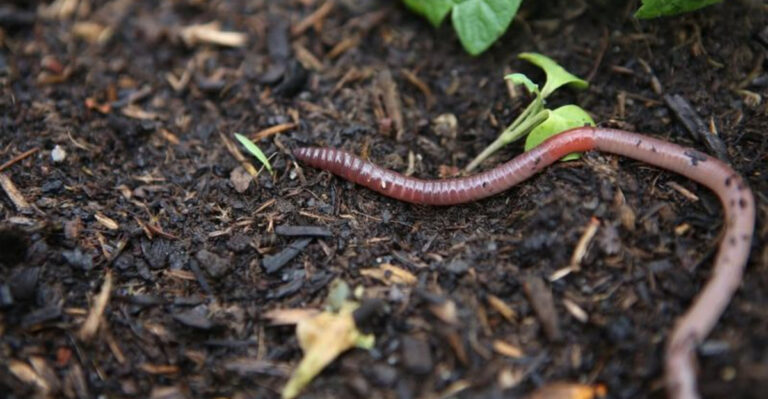
They add carbon, improve soil structure, and attract earthworms that do the mixing work for you. Oak, maple, and elm are all excellent choices, and most Kansas neighborhoods produce more than enough each autumn to fill several beds.
Layer shredded leaves at the bottom and top them with compost or another nitrogen-rich material to speed decomposition. By spring, much of that leaf material will look and feel like rich garden soil.
Knock on neighbors’ doors in October and offer to take their leaf bags off their hands. Most people are happy to hand them over.
Free, abundant, and surprisingly powerful, shredded leaves are a fall gardener’s secret weapon that costs absolutely nothing.
Bulk Compost By The Yard
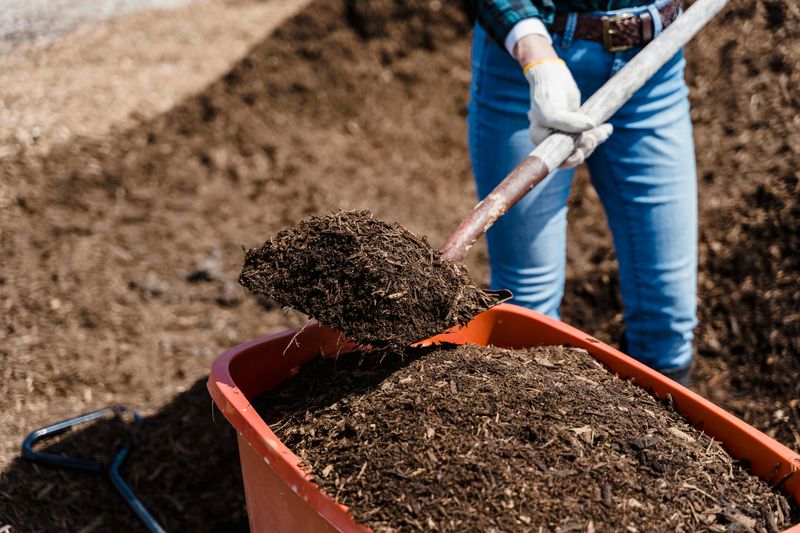
Bagged compost drains your budget fast. Ordering bulk compost by the yard from a local Kansas landscape supply company is a game-changer for anyone filling multiple beds at once.
A single cubic yard of compost can fill a standard 4-by-8-foot raised bed that is about ten inches deep. Bulk compost is made from a mix of yard waste, food scraps, and sometimes wood material that has been composted at high temperatures.This process neutralizes weed seeds and pathogens, giving you a cleaner product than homemade compost often provides.
Many Kansas municipalities offer free or deeply discounted compost to residents, so check your local government website before spending a dime.
When you pick up or order bulk compost, ask about the source material and how long it has been processed. A good compost supplier will be happy to answer those questions and may even let you see or smell the product before buying.
Dark color, earthy aroma, and a crumbly texture are signs of high-quality material.
Used as the primary filler, bulk compost gives Kansas gardeners a steady nutrient supply from day one. Your growing season starts stronger because of it.
Grass Clippings
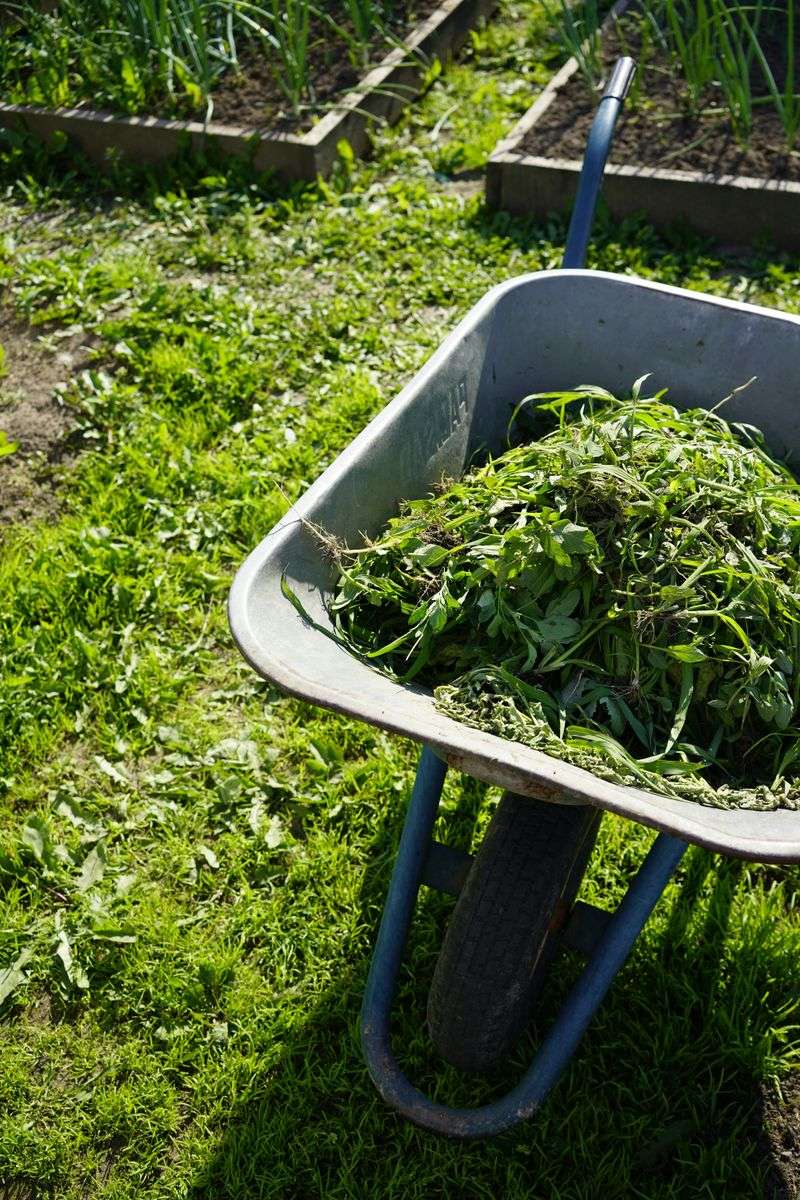
After mowing the lawn, most people bag up the clippings and forget about them, but those green scraps are actually a nitrogen goldmine.
Grass clippings break down quickly and release a burst of nutrients that hungry vegetables and herbs absolutely love. If you do not treat your lawn with synthetic herbicides or pesticides, those clippings are safe to add directly to your raised bed.
Be especially cautious with clippings from unknown sources. Some persistent herbicides like clopyralid can survive composting and damage vegetable crops even in small amounts.
The trick is not to pile them in too thick at once. A layer more than two or three inches deep can mat together, go anaerobic, and start to smell unpleasant.
Instead, spread thin layers and mix them in with drier materials like leaves or straw to keep airflow moving through the bed.
Grass clippings work especially well as a mid-season top dressing around established plants, where they also help hold in moisture and keep weeds at bay.
Neighbors, local parks, and sports fields may have bags of clippings they would happily give away during the summer months.
Over time, repeated additions of clippings build up organic matter and improve the texture of whatever base material you started with. It is one of those small, consistent habits that pays off in a big way by harvest time.
Spoiled Hay Bales
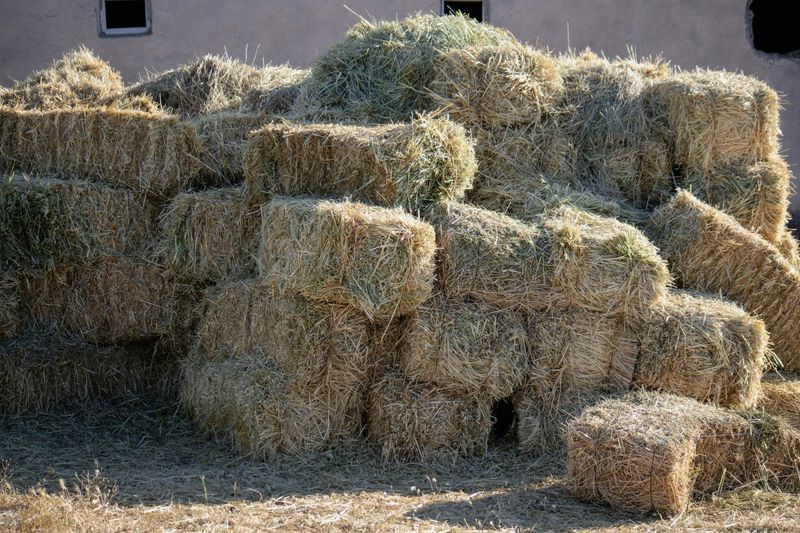
Spoiled hay is the bale that got wet, moldy, or sat too long and is no longer useful as animal feed. Kansas farmers often sell or give these away for almost nothing because storing bad hay is a headache they would rather not deal with.
For a gardener, though, a spoiled hay bale is basically a pre-packaged raised bed filler waiting to be put to work. Hay is rich in organic material and breaks down into a spongy, moisture-retaining medium that plants grow well in.
It is the foundation of straw bale gardening, a method where people plant directly into bales without any traditional soil at all.
The main difference between hay and straw is that hay contains seeds, which can mean a lot of unwanted plants competing with your vegetables. If weed control is a priority, straw is the safer choice for raised beds.
Use hay only if you can layer it deep and cover it well with compost.
Break the bales apart and layer the material loosely into your raised bed. Top it with a few inches of compost to give seedlings an immediate place to anchor their roots.
As the hay decomposes over the first season, it creates a warm, biologically active environment underground.
Some Kansas gardeners swear that beds filled with spoiled hay produce their biggest yields in the second year, once the material has fully broken down. Patience pays off beautifully with this one.
Cardboard As A Base Layer
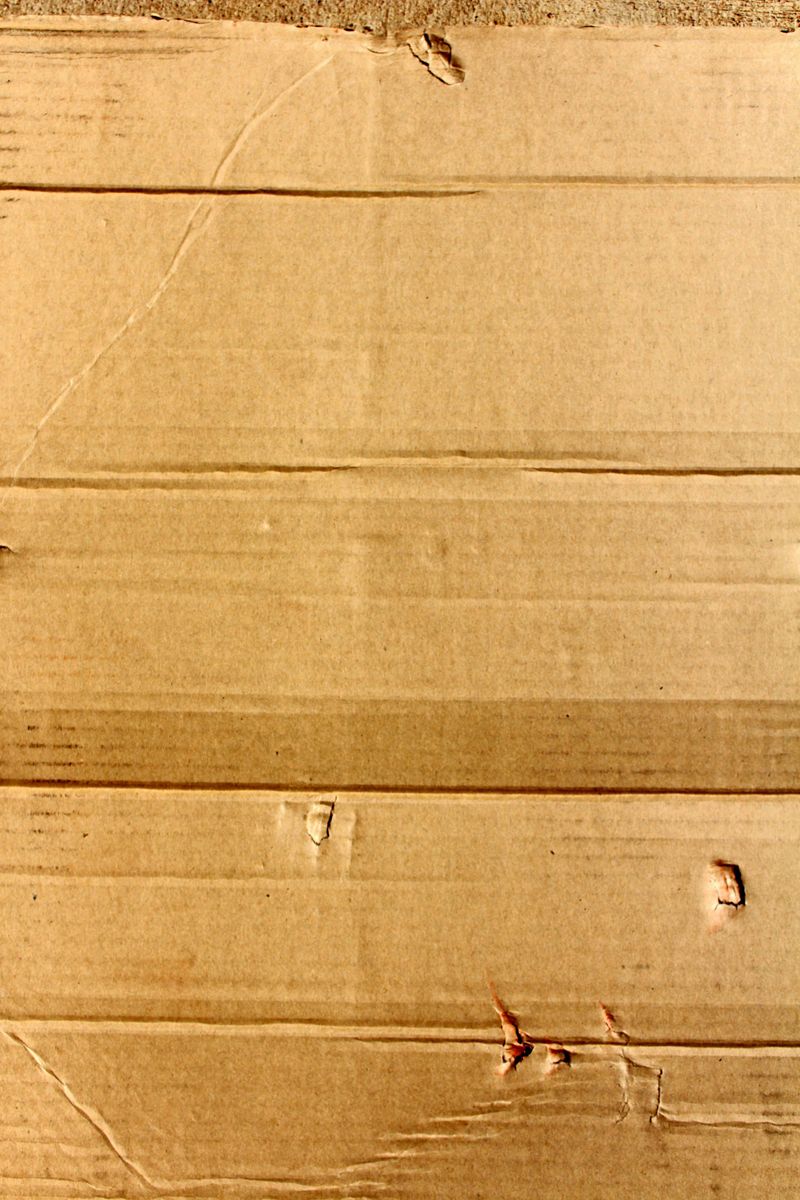
Before you add anything else to your raised bed, cardboard deserves a serious look as your starting point. Flattened cardboard boxes laid across the bottom block weeds and grass while still allowing water to drain through.
It is the same principle as sheet mulching, and it works shockingly well.
Cardboard is free if you know where to look. Grocery stores, appliance shops, liquor stores, and big-box retailers all generate enormous amounts of corrugated cardboard every single day.
Most of them are happy to let you take it off their hands, and a single trip can yield enough material to line several raised beds.
Remove any tape or staples before laying the cardboard flat, and overlap the edges by at least six inches so weeds cannot sneak through the gaps.
Wet the cardboard down thoroughly before adding your other materials on top, which helps it conform to the ground and speeds up decomposition. Within a single growing season, earthworms will move in and start breaking it down from below.
By the following spring, the cardboard is gone and the soil beneath is noticeably looser and more alive than it was before. It is the simplest foundation trick in the raised bed playbook.
Bulk Topsoil From Landscape Yards
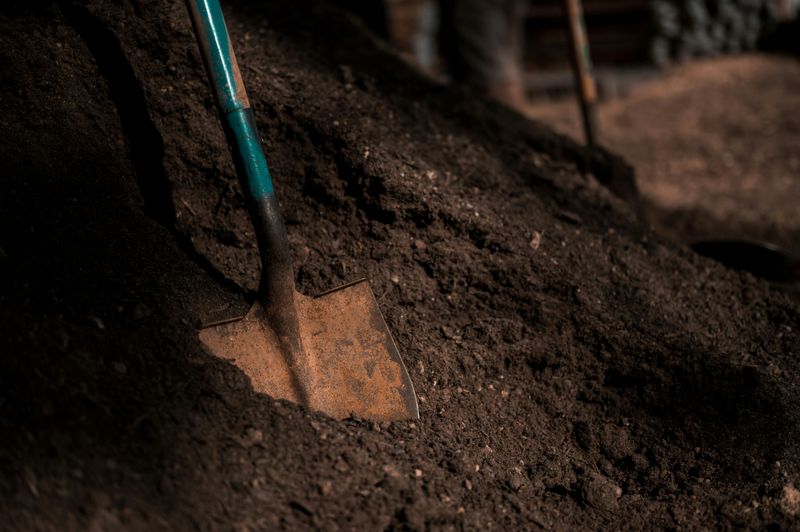
Not all topsoil is created equal, but sourcing it in bulk from a local Kansas landscape yard is almost always cheaper than buying it by the bag.
A cubic yard of bulk topsoil typically costs between twenty and fifty dollars depending on your region. Bagged versions can run three times that amount for the same volume.
When you are filling multiple raised beds, that price difference adds up fast.
Good topsoil from a reputable landscape supplier has a rich, dark color and a loose, workable texture. Avoid anything that looks gray, smells sour, or contains obvious chunks of clay that dry into bricks.
Ask the supplier where the soil was sourced and whether it has been screened to remove rocks and debris. Topsoil alone is not ideal for raised beds because it can compact over time and restrict root growth.
Blending it with compost, aged manure, or other organic material creates a mix that drains well, stays loose, and feeds plants throughout the season.
A common recipe is one-third topsoil, one-third compost, and one-third other organic matter like coco coir, aged wood chips, or peat. Coco coir is a popular sustainable swap for peat and holds moisture just as well.
This combination gives Kansas gardeners what they need to fill raised beds without spending a small fortune on specialty mixes.
Kitchen And Garden Compost
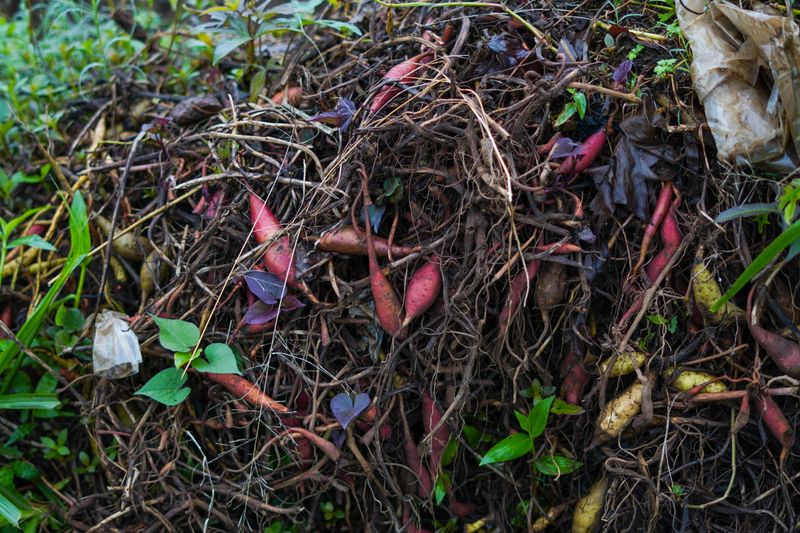
Making your own compost turns kitchen waste into something genuinely valuable. Vegetable peels, coffee grounds, eggshells, and fruit cores combine with yard waste to create a nutrient-dense amendment that store-bought products rarely match.
A basic compost bin can be built from pallets, wire fencing, or a purchased tumbler, and it takes up very little space.
The basic formula is simple: balance green materials like food scraps and fresh clippings with brown materials like dried leaves, cardboard scraps, and straw.
Turn the pile every week or two to keep oxygen moving through it, and keep it moist but not soggy.
In warm weather, a hot and actively turned pile can produce finished compost in as little as six to eight weeks. Most home composters should expect three to six months for fully broken-down material.
Homemade compost tends to have a broader diversity of microorganisms than commercial products. That difference benefits soil health in ways that are hard to measure but easy to see in plant performance.
Using it to fill or top-dress your raised beds closes the loop on your household waste in the most productive way possible.
Every banana peel and coffee filter becomes fuel for next season’s tomatoes or zucchini. Once you start composting, throwing food scraps in the trash will feel like leaving money on the table.
Cover Crops Turned Into The Soil
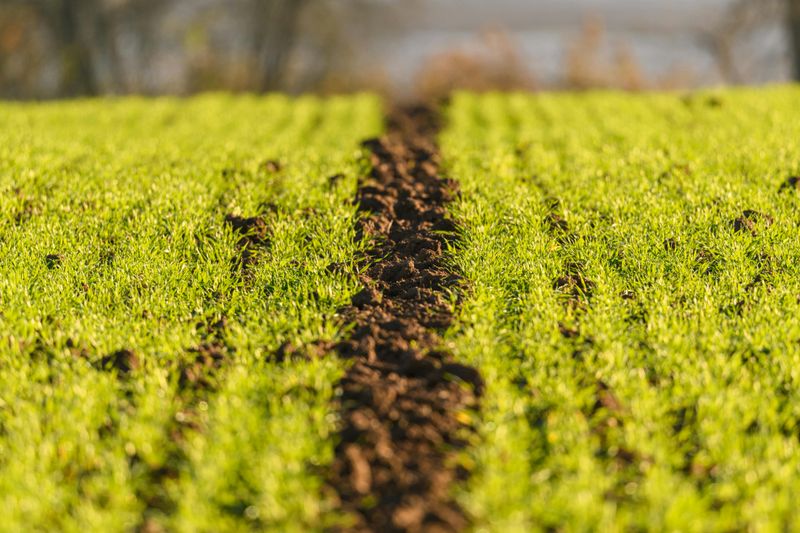
Cover crops cost almost nothing and deliver more than most Kansas gardeners expect. Plants like winter rye, clover, buckwheat, and crimson clover grow quickly, protect bare soil from erosion, and then get turned back into the bed before the next planting season.
This process is called green manuring, and it is what to put in raised beds when you want to build fertility from the ground up.
Legume cover crops like clover and vetch fix nitrogen from the air directly into the soil, which means they are essentially making free fertilizer as they grow.
When you chop and turn them in a few weeks before planting, that nitrogen becomes available to whatever crop follows.
The decomposing plant material also adds organic matter and improves the bed’s ability to hold water. Sow cover crop seeds in late summer or fall after your main Kansas crops finish for the season.
By spring, you will have a lush mat of green growth ready to be worked into the soil. Give it two to three weeks to break down before planting, and the results will speak for themselves.
Cover crops reward patience with richer soil, fewer weeds, and stronger plants that seem to grow with a little extra energy. Once you try them in Kansas, going back to bare beds over winter will feel like a missed opportunity.