This Native Texas Shrub Roots Wherever It Touches The Ground (And That’s Actually A Good Thing)
A shrub that spreads itself sounds like the kind of thing most gardeners want to avoid. The word “spreads” alone is usually enough to send experienced plant people running.
But every now and then a plant comes along that earns the right to spread, because what it does as it grows outward is genuinely useful rather than problematic. This native Texas shrub is exactly that plant.
Wherever its branches touch the ground, it sets down roots and establishes a new point of growth. In the right situation, that ability is extraordinarily valuable.
It fills in slopes naturally, stabilizes soil that would otherwise erode, crowds out weeds without any help from you, and creates dense, layered habitat that local wildlife absolutely loves.
It’s also native to Texas, which means it does all of this while thriving in the heat and drought conditions that defeat most other shrubs.
Here’s the native Texas shrub that spreads on its own terms and why that’s actually one of the best things about it.
The Native Texas Shrub That Roots Wherever It Touches The Ground
Some plants earn their place in a garden by being pretty. Fragrant sumac earns its place by being genuinely useful.
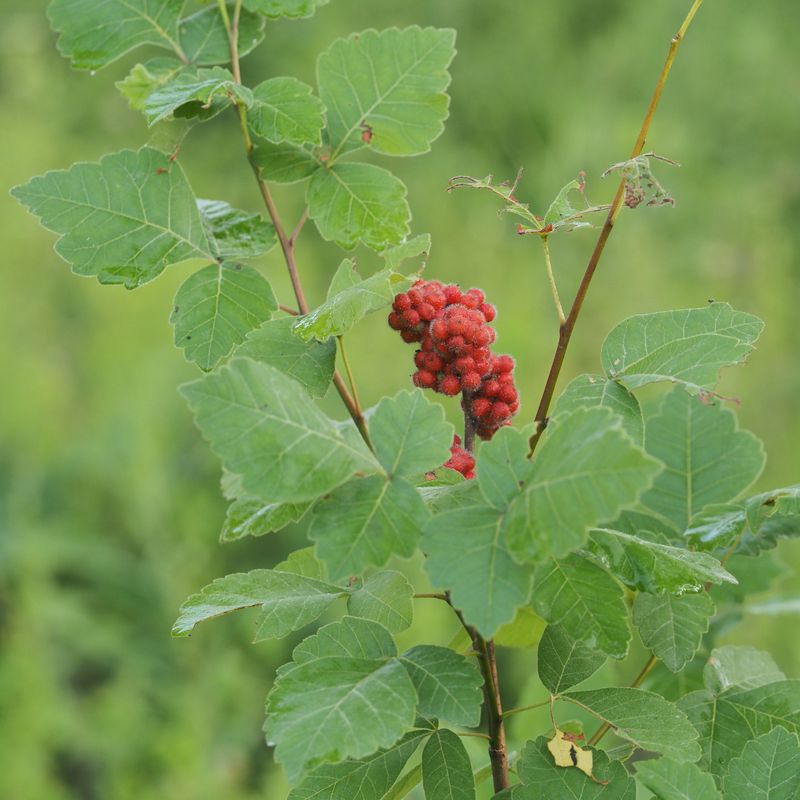
Native to Texas and much of North America, Rhus aromatica is a low, wide-spreading shrub that rarely grows taller than six feet but can spread eight feet or more across a sunny slope or open border.
The leaves are made up of three leaflets, similar in shape to poison ivy but completely harmless. Rub them between your fingers and you get a sharp, citrusy scent that gives the plant its common name.
That aromatic quality alone makes it stand out from most native shrubs, which tend to be more plain in the scent department.
What really sets fragrant sumac apart, though, is what its stems do when they touch the ground. The plant naturally lays its lower branches along the soil surface.
Over time, those branches root where they make contact. New growth sprouts from those rooted spots, and the shrub gradually expands outward in a slow, steady way.
To some gardeners, that sounds alarming. To Texas gardeners dealing with eroding slopes, bare rocky banks, or wide open borders that are hard to maintain, it sounds like exactly the right plant for the job.
Fragrant sumac is not an invasive species. It spreads at a manageable pace, and it stays where conditions suit it.
It is drought-tolerant, heat-tolerant, and perfectly adapted to Texas soils that would stress most ornamental shrubs. For native plant lovers, it checks nearly every box.
Why This Rooting Habit Is Actually Useful
Picture a steep ditch bank behind a Texas home. Rain hits it hard, water rushes down, and the soil slowly washes away every season.
Grass seed barely takes hold, and planting delicate ornamentals there feels like a waste of money. That is exactly the kind of spot where fragrant sumac works its quiet magic.
When stems root wherever they touch the ground, the plant builds a dense, interconnected root system beneath the soil surface. Those roots grip the ground firmly.
Your Texas Garden Changes Every Week. Your Plan Should Too.
Gardening in Texas changes quickly throughout the season. Every Friday you’ll receive a simple weekly plan showing exactly what to plant, prune, fertilize, harvest, and protect so you never miss the right timing.
They hold soil particles in place during heavy rain events and reduce the kind of surface runoff that leads to erosion. Over a few growing seasons, fragrant sumac can turn a bare, crumbling slope into a stable, green-covered bank.
The rooting habit also means the plant fills in bare ground naturally, without you having to replant or reseed every year. Weeds have a much harder time getting established once fragrant sumac settles in.
The spreading canopy shades the soil, and the rooted stems take up space that would otherwise be open to opportunistic weeds.
For naturalized areas, open borders along fences, and low-traffic zones of the yard, this self-filling quality is a genuine advantage. You plant once and let the shrub do the work.
It does not need irrigation once established, does not need fertilizer, and does not need much pruning unless you want to keep it tidy. In the right location, fragrant sumac is one of the lowest-effort, highest-reward shrubs a Texas gardener can choose.
Where Fragrant Sumac Works Best In Texas Yards
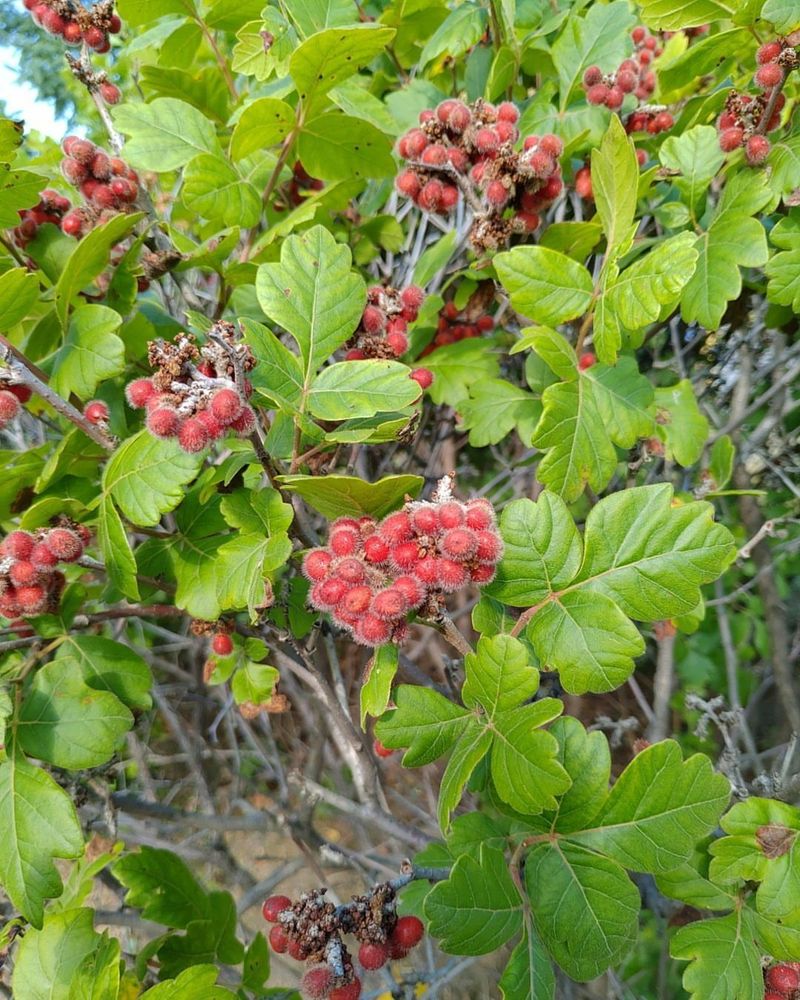
Placement matters more with fragrant sumac than with almost any other native shrub. Get it right, and you have a nearly carefree plant that handles tough conditions with ease. Put it in the wrong spot, and its spreading habit becomes more of a headache than a help.
Sunny slopes are the ideal home for this shrub. Rocky areas, dry hillsides, and driveway banks where mowing is difficult and erosion is a real concern are all excellent choices.
Fragrant sumac handles full sun and reflected heat well, which makes it a strong candidate for south-facing or west-facing exposures that bake in the Texas summer. It also tolerates partial shade, though it tends to be less dense and colorful in shadier spots.
Wildlife gardens and naturalized meadow edges are another great fit. The shrub blends naturally with native grasses, wildflowers, and other Texas natives like agarita and yaupon holly.
It does not look out of place in a relaxed, informal planting scheme, and it attracts the kinds of birds and insects that wildlife-friendly gardeners want to see.
Wide borders along fences or property lines work well too, especially where you want to create a low-maintenance green barrier without the expense of a formal hedge. Just give the plant room.
A single fragrant sumac can eventually spread six to eight feet wide, so spacing plants at least five to six feet apart gives each one space to develop naturally without crowding.
Tight formal beds, small patios, and narrow walkways are places to skip. The plant simply has too much energy and ambition for those confined spaces.
What Makes It More Than Just A Groundcover Shrub
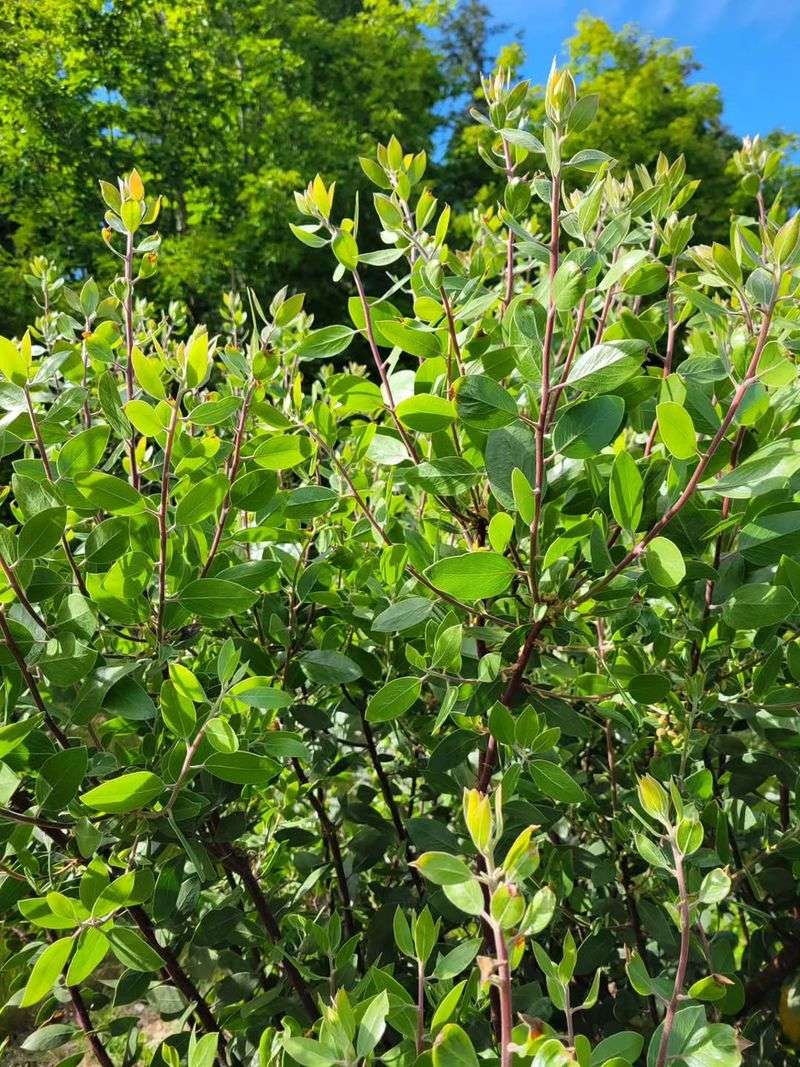
Calling fragrant sumac just a groundcover shrub is a little like calling a Swiss Army knife just a blade. Yes, it covers ground.
But it also does a whole lot more across every season of the year, and that multi-season interest is part of what makes it worth growing.
Spring arrives and fragrant sumac goes first. Small clusters of yellow flowers appear before the leaves even open, giving early pollinators a much-needed food source when not much else is blooming.
Bees visit the flowers regularly, and the early bloom time means the plant is providing value before most gardeners have even started their spring planting.
Summer brings full, lush foliage in a rich medium green. The leaves stay healthy-looking through the heat, which is more than can be said for many ornamental shrubs that start to look ragged by August in Texas.
Then fall happens, and fragrant sumac transforms. The foliage turns shades of orange, red, and burgundy that are genuinely striking.
It is one of the better fall color plants available for Texas landscapes, which tend to be short on reliable autumn color.
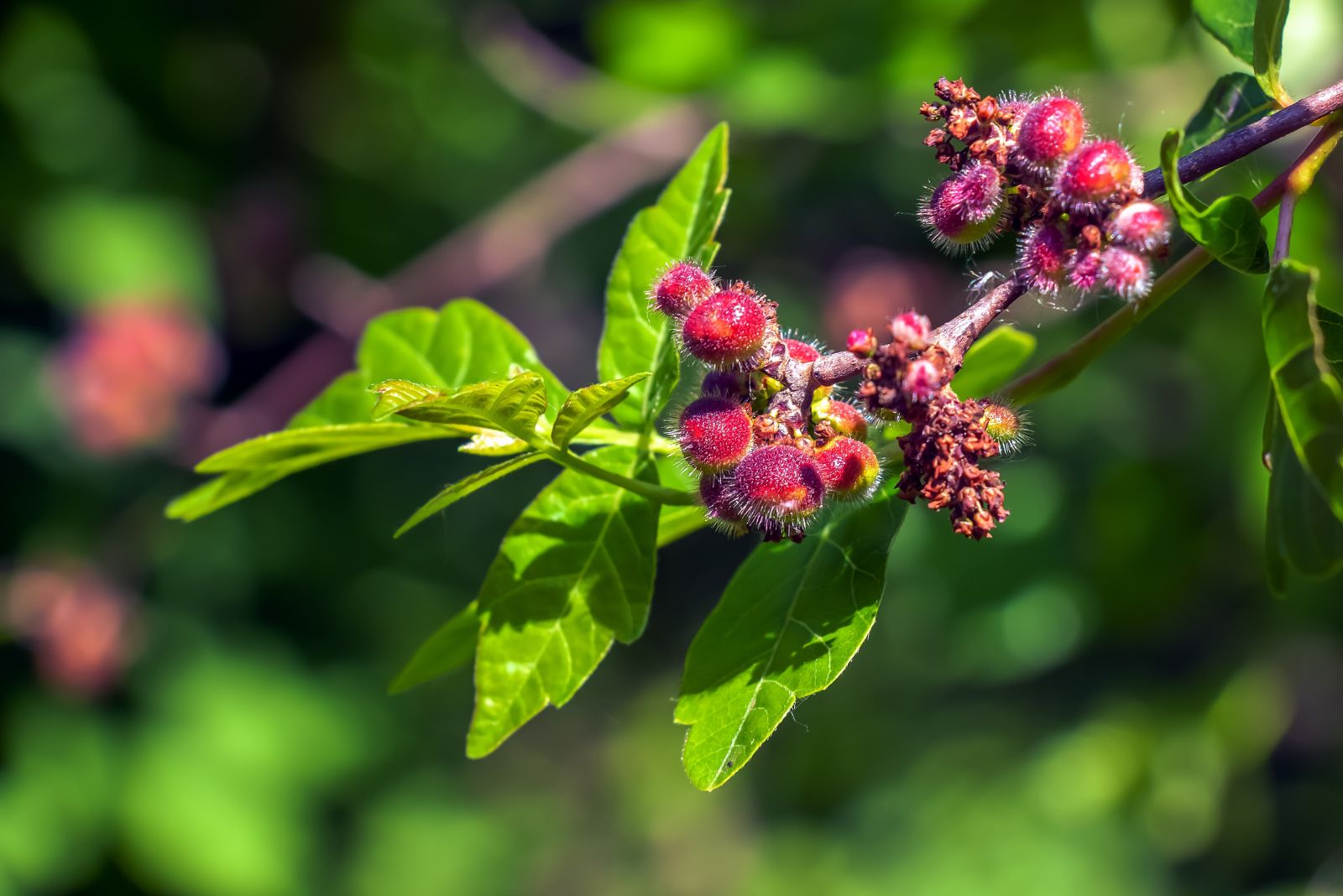
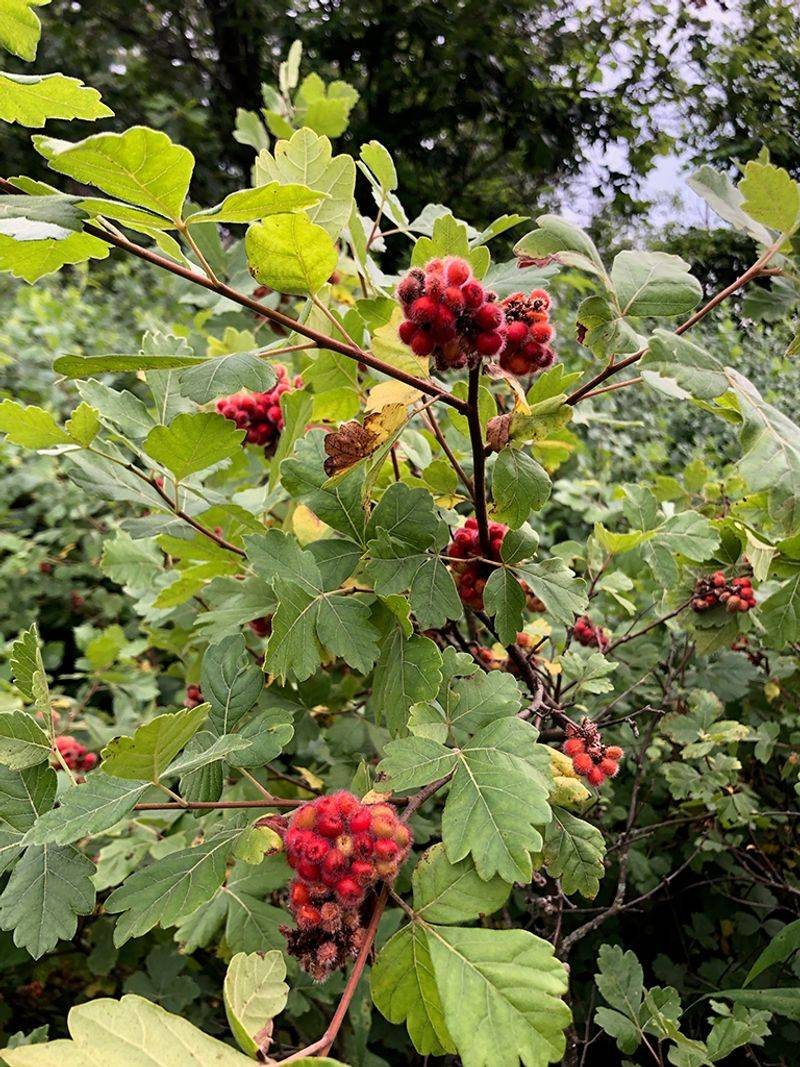
After the leaves drop, clusters of fuzzy red berries remain on the branches. Birds find those berries attractive, especially during the cooler months when other food sources are less available.
Cedar waxwings, bluebirds, and mockingbirds have all been spotted feeding on sumac fruit. For gardeners who want to support local wildlife without a complicated feeding setup, fragrant sumac offers a built-in, low-effort solution that looks attractive even in winter.
How To Keep Fragrant Sumac From Spreading Too Far
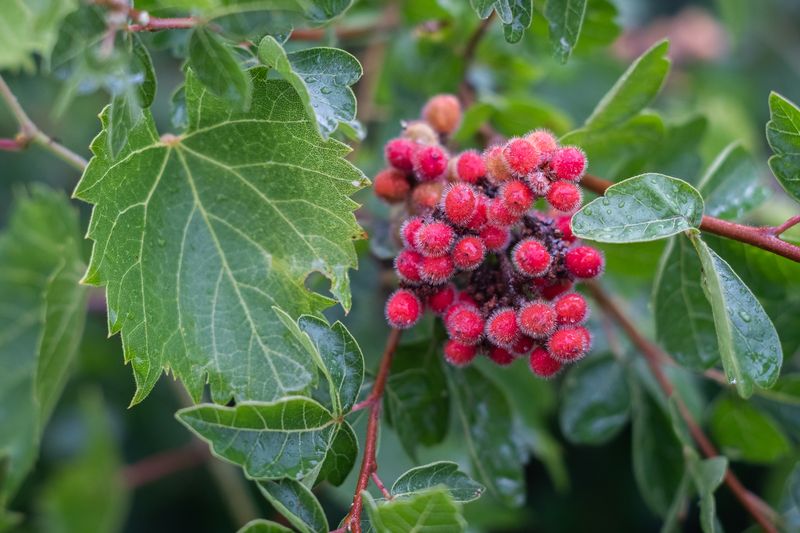
Fragrant sumac is easygoing, but it does have opinions about where it wants to go. Left completely alone in the right conditions, it will gradually spread beyond its original footprint.
That is not a disaster, but it does mean some occasional management is a good idea if you want to keep it from wandering into spaces where it is not welcome.
The simplest strategy is thoughtful placement from the start. Putting fragrant sumac where spreading is genuinely welcome means you never have to fight it.
A wide open slope or a long fence line border gives the plant room to do what it naturally does, and you can mostly step back and let it work. That is the easiest management plan of all.
When the shrub does start creeping beyond its intended zone, pruning is straightforward. Wandering stems can be cut back in late winter or early spring before new growth starts.
The plant responds well to pruning and does not hold a grudge. You can also use a flat spade to sever rooted stems at the soil surface and remove the unwanted sections without harming the main plant.
Edging around garden beds helps too. A clean physical edge of metal, stone, or plastic bed edging gives you a clear boundary and makes it easier to catch spreading stems before they root too far into a new area.
Avoid planting fragrant sumac right next to narrow walkways, small patios, or formal foundation beds where regular intervention would be needed. Plan for its natural width upfront and the plant becomes a pleasure rather than a project.
Why Texas Gardeners Should Consider It Over Fussier Shrubs
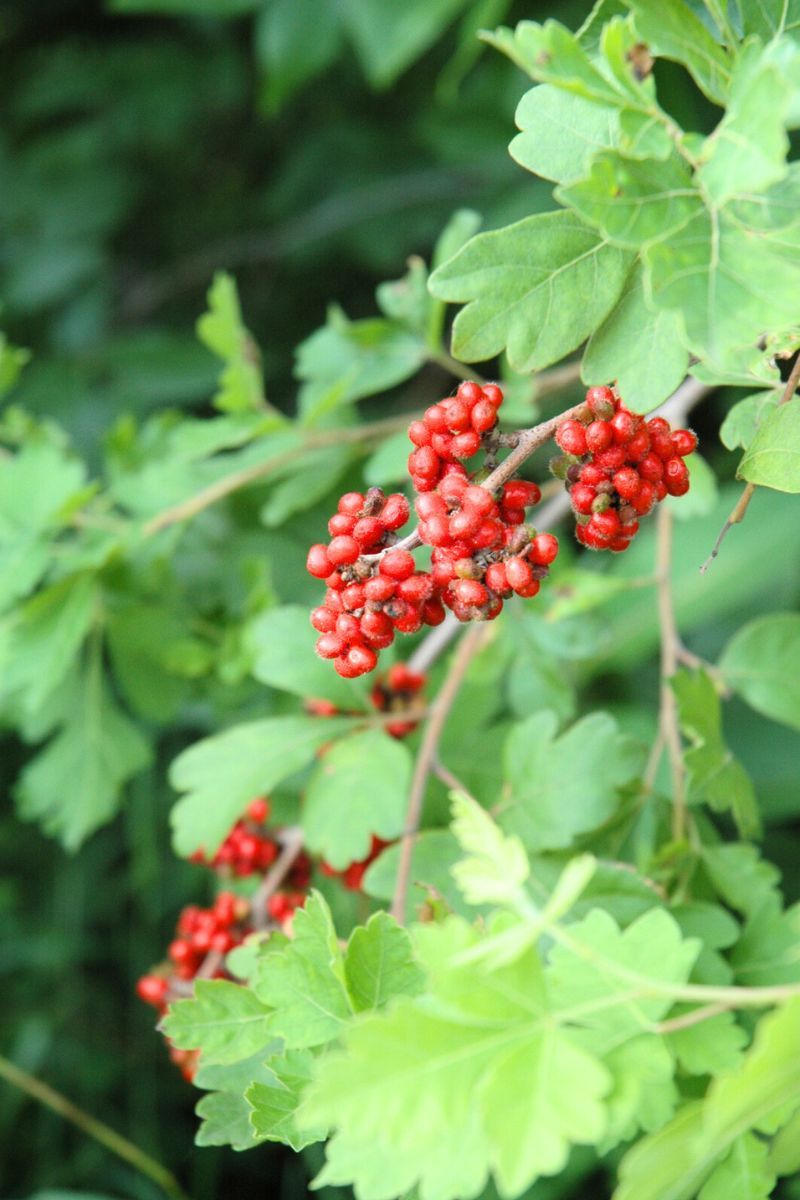
Walk into any Texas garden center and you will find rows of ornamental shrubs that look beautiful in their pots. Many of them need regular watering, rich amended soil, protection from extreme heat, and careful fertilizing to stay healthy through a Texas summer.
Fragrant sumac needs almost none of that. Once established, it survives on rainfall alone in most parts of Texas. It handles poor, rocky, alkaline soil without complaint.
It does not require supplemental fertilizer. It rarely has serious pest or disease problems. And unlike many imported ornamentals, it is perfectly adapted to the climate, soils, and rainfall patterns of the region where it evolved.
For gardeners who are tired of babysitting high-maintenance shrubs through brutal Texas summers, fragrant sumac offers a refreshing change. The rooting habit that might seem like a downside in a formal garden is actually one of its greatest strengths in the right setting.
A shrub that naturally fills in, holds soil, feeds birds, blooms in spring, and lights up in fall color without constant intervention is a rare and genuinely valuable thing.
Challenging spaces like rocky banks, dry exposed slopes, and wide naturalized borders are where most ornamental shrubs struggle and where fragrant sumac quietly thrives. It is a plant that rewards gardeners who work with its nature instead of against it.
If you have a tough spot in your Texas yard where other plants have repeatedly failed, fragrant sumac might be the low-fuss, high-value native shrub you have been looking for all along.