The Fall Crops Oregon Gardeners Should Start Before August Sneaks Up
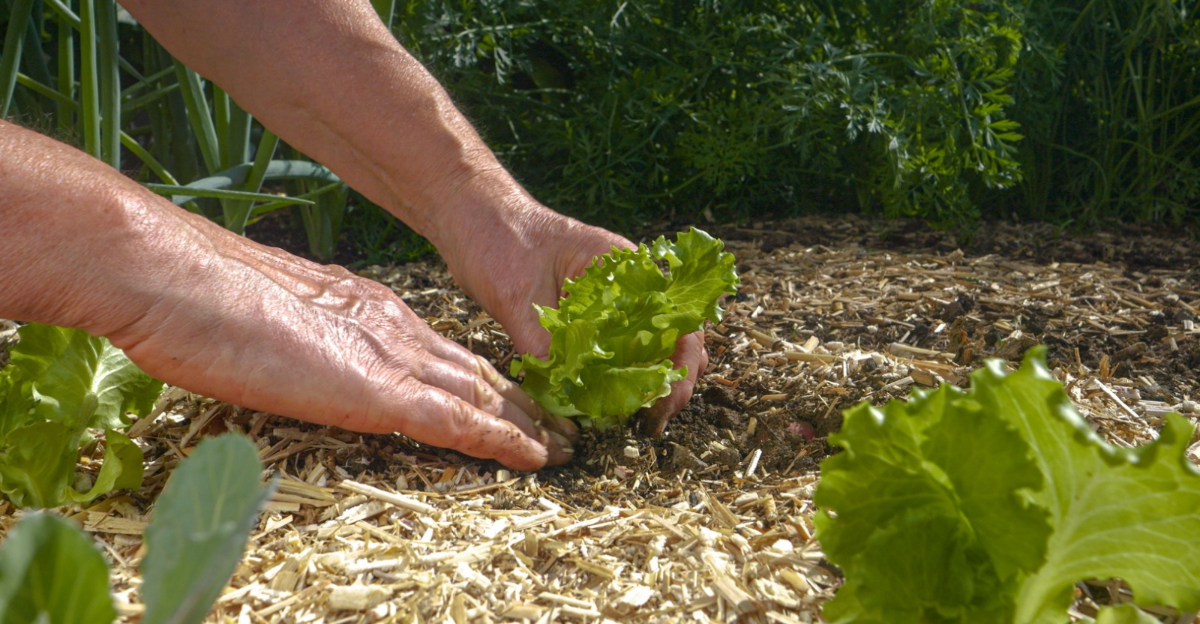
Late July feels like the tail end of the planting season, but experienced Oregon gardeners know it is actually one of the most important planting moments of the entire year. Miss this window and the fall harvest gets a lot thinner than it needed to be.
Warm soil, reliable irrigation, and days that are just starting to shorten create genuinely good conditions for getting certain crops established right now.
Beets, carrots, kale, turnips, spinach, Swiss chard, these are the plants that want to go in the ground this week, not next month.
Tomatoes, peppers, squash, and melons, on the other hand, are not the answer here and starting them now is a frustrating way to learn that lesson.
Knowing which crops to prioritize in late July is what separates a full fall harvest from a missed opportunity.
1. Beets Need A Late-July Start
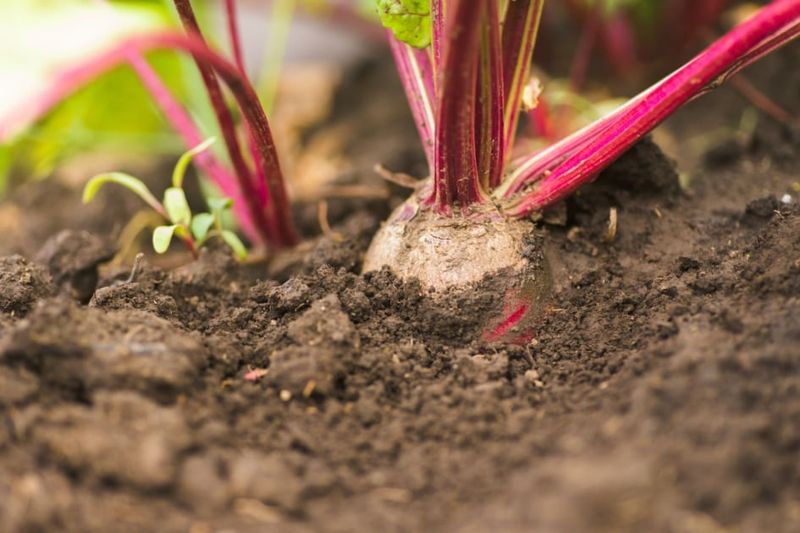
Warm July soil in Oregon is actually one of beet’s favorite conditions for getting a fast start. Beet seeds germinate well when soil temperatures are in a comfortable range, and a late-July sowing gives roots enough time to size up before fall cold sets in.
Many gardeners overlook beets for fall, but they reward those who plan ahead with both edible greens and sweet, tender roots.
One thing to keep in mind is that each beet seed is actually a cluster of seeds, so thinning early matters. Crowded seedlings compete for space and produce small, misshapen roots that are harder to use in the kitchen.
Thin to a few inches apart once seedlings reach a couple of inches tall, and use the thinnings as salad greens.
Steady watering is important throughout the season. Beets that dry out and then get flooded tend to crack, which affects both the look and the texture of the root.
In raised beds and in-ground Oregon gardens alike, keeping moisture consistent from germination through harvest is one of the simplest ways to get a reliable fall beet crop worth pulling.
2. Carrots Need Moist Seedbeds Now
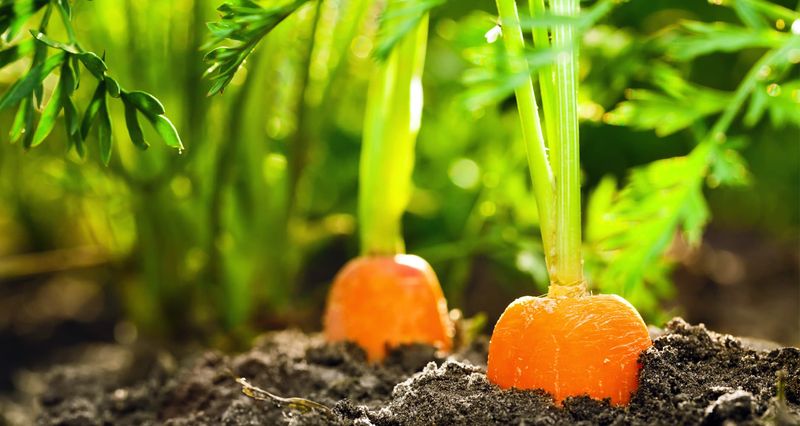
Getting carrots to germinate in July is one of the trickier tasks in the Oregon fall garden, mostly because the soil surface dries out fast during warm, dry summer weather. Carrot seeds are tiny and need consistent moisture right at the surface to sprout reliably.
If the top layer of soil dries out even briefly during germination, the seeds can fail without ever getting started.
Light mulch or a thin row cover laid loosely over the seedbed can help hold moisture and keep the surface from baking in the afternoon sun. Some gardeners water twice a day during the first week or two just to keep conditions steady.
Once the tiny feathery tops emerge, you can ease back and water more deeply and less often.
Timing matters a lot with carrots because they need enough growing days before hard frost arrives. Shorter-season varieties tend to be a better fit for late starts than long-season types.
In cooler Oregon regions like Central Oregon or higher-elevation gardens, getting seeds in the ground by late July gives roots the best realistic chance of reaching harvest size before the season closes down.
Your Oregon Garden Changes Every Week. Your Plan Should Too.
Gardening in Oregon changes quickly throughout the season. Every Friday you’ll receive a simple weekly plan showing exactly what to plant, prune, fertilize, harvest, and protect so you never miss the right timing.
3. Lettuce Needs Shade Before August
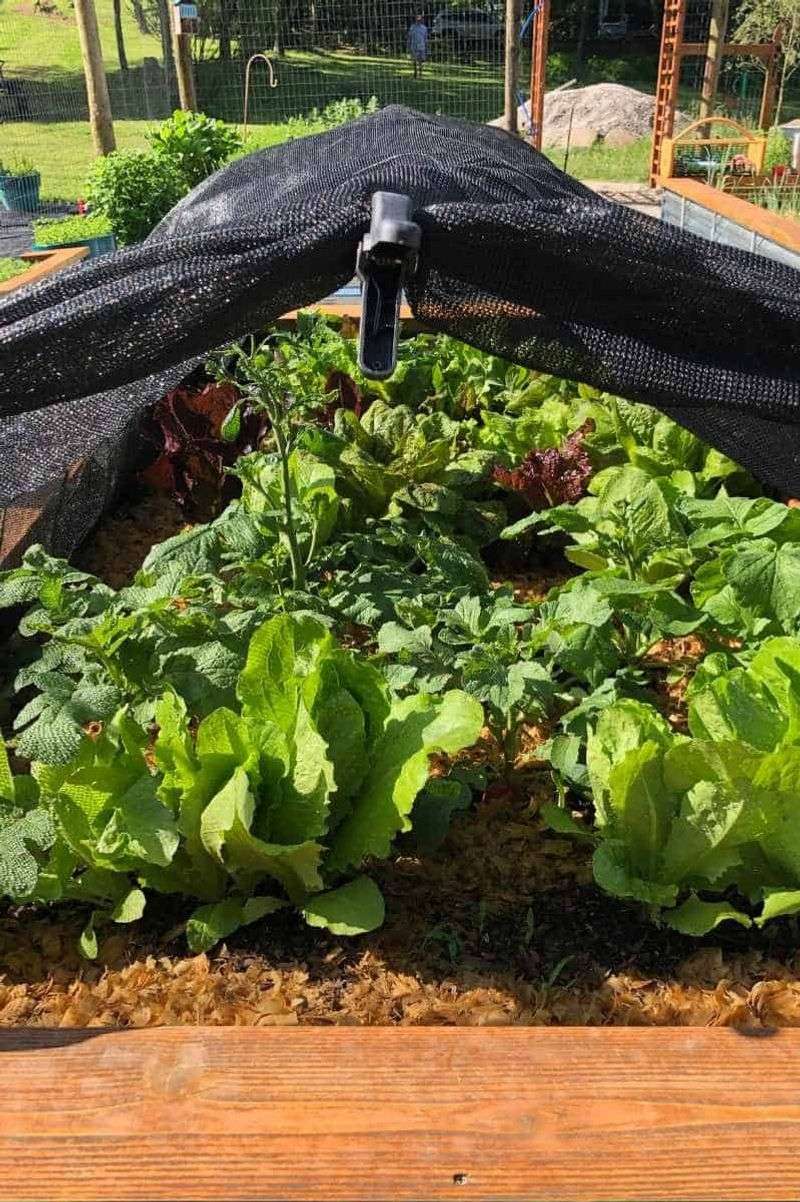
Hot soil is lettuce’s biggest enemy in late summer, and gardeners who have tried to start lettuce in full sun during July have probably watched seeds sit stubbornly in the ground or bolt almost immediately after sprouting.
Lettuce prefers cooler conditions for germination, and soil temperatures above a certain threshold can actually prevent seeds from sprouting at all.
That makes timing and shade management two of the most important factors for a late-July lettuce start.
A simple shade cloth stretched over the seedbed can lower soil temperature enough to make germination much more likely. Even a light, breathable fabric or a temporary lean-to made from old window screen can help.
Once seedlings are up and the days begin shortening into August, lettuce often picks up speed and grows more confidently as temperatures ease.
Loose-leaf types tend to perform better than heading types for late starts in Oregon because they mature faster and are more forgiving of uneven conditions. Butterhead varieties are another reasonable choice where seasons allow.
Keeping the seedbed consistently moist and protected from afternoon heat gives late-July lettuce the best foundation for reaching a harvestable size before fall frosts arrive at your specific Oregon location.
4. Kale Handles Cooling Fall Weather
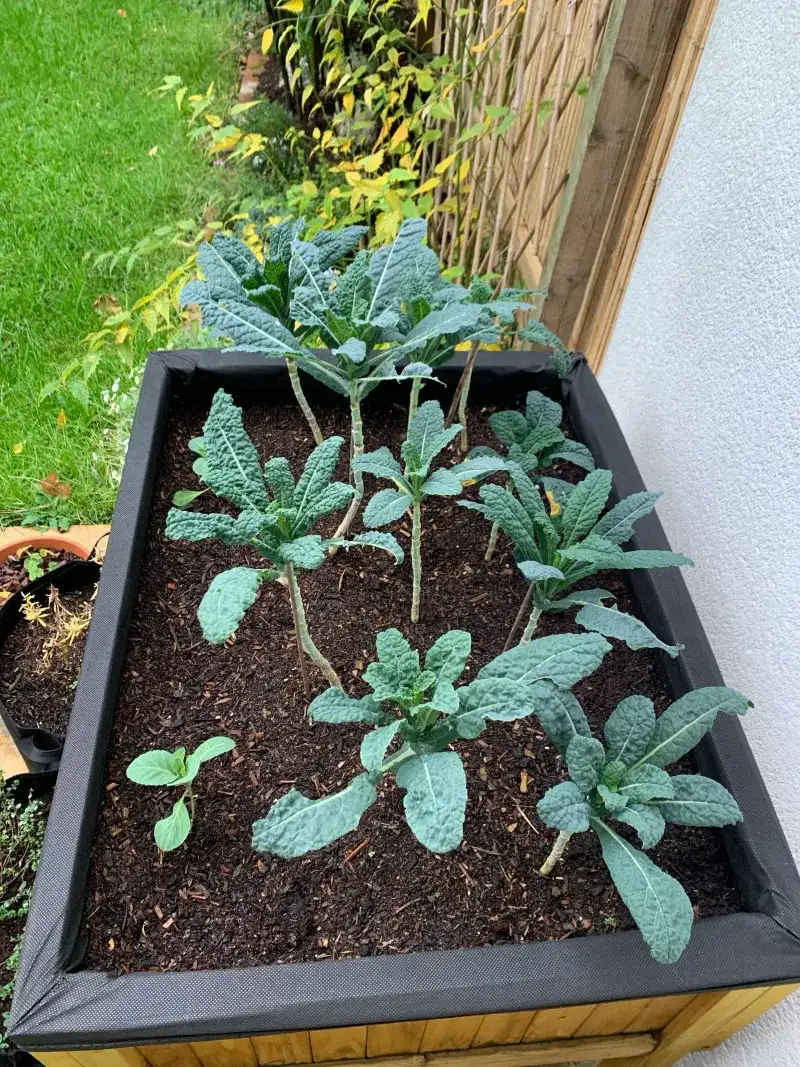
Few vegetables are as well-suited to the Oregon fall garden as kale. It tolerates light frost, actually improves in flavor after cool nights touch the leaves, and grows steadily through the shortening days of September and October.
A late-July start gives kale plants enough time to establish before the season shifts, and the timing lines up well with Oregon’s typical first-frost windows across much of the state.
Kale started from seed in late July should be thinned and watered consistently during the seedling stage. Young plants are vulnerable to cabbage worms and aphids, which are common in Oregon gardens during late summer.
Checking the undersides of leaves regularly and removing pests by hand or with a light spray of water can keep plants healthy without reaching for heavy treatments.
Raised beds and in-ground plots both work well for kale, and the crop adapts to most Oregon soil types when given reasonable fertility and drainage. Coastal gardens often get excellent kale harvests well into winter because hard freezes are less frequent there.
Inland and mountain gardens may see a shorter window, but kale still earns its place as one of the most dependable fall greens a gardener can grow from a late-July sowing.
5. Peas Need Careful July Timing
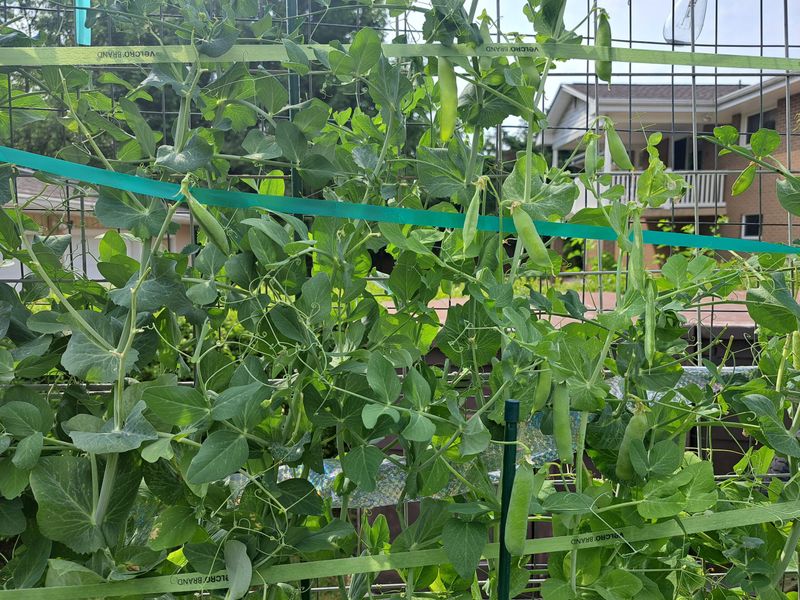
Peas are a little unusual among fall crops because they prefer cooler growing conditions, which makes a midsummer start feel counterintuitive.
Sowing peas in late July means the seedlings will push through some of the warmest weeks of the season before conditions finally cool down in September.
That stretch of heat can stress young plants, and gardeners who skip steady irrigation during this window often end up with disappointing results.
The key is choosing fall-suited varieties and getting seeds into the ground while there is still enough time for plants to mature before first frost. Shorter-season snap and shell pea varieties tend to give the best results for late starts in Oregon.
Checking your expected first-frost date and counting backward from the variety’s days-to-maturity is a practical way to figure out whether the timing works for your specific location.
Consistent moisture from sowing through the seedling stage is non-negotiable for summer-started peas in Oregon. Mulching around the base of plants once they are a few inches tall helps hold soil moisture and keeps roots a bit cooler during warm afternoons.
A trellis or some kind of support should go in early so plants can climb without flopping once they begin growing more vigorously in the cooler weeks ahead.
6. Broccoli Needs A Prompt Start
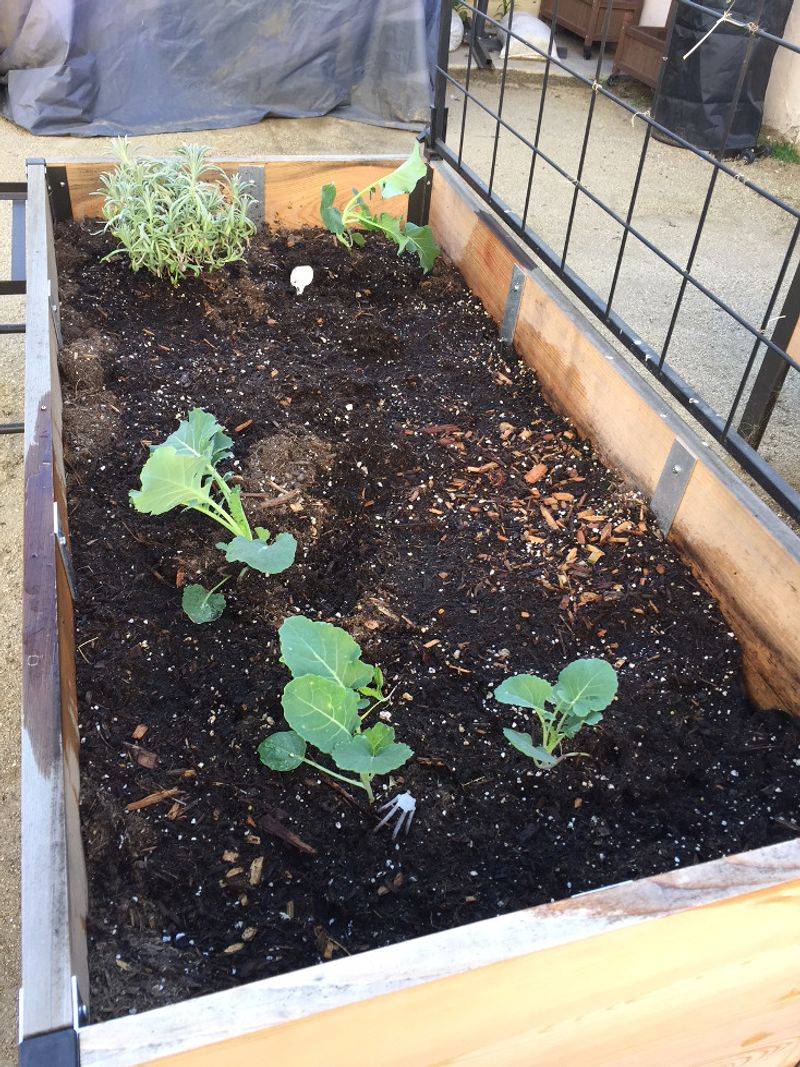
Broccoli is one of those fall crops where a casual approach to timing usually leads to disappointment. It needs a reasonable number of growing days to develop a full head, and a late start cuts into that window significantly.
In many parts of Oregon, late July is close to the last realistic moment for starting broccoli that has a genuine chance of heading up before cold weather shuts things down.
Transplants tend to give broccoli a meaningful head start over direct-sown seeds at this point in the season.
Starting seeds indoors a few weeks earlier and then transplanting into the garden in late July is a strategy many experienced gardeners use to squeeze a fall broccoli harvest out of the available season.
Healthy, stocky transplants with good root systems establish faster and begin growing sooner than seeds sown directly into summer soil.
Broccoli needs consistent moisture and reasonable soil fertility to grow well. Side-dressing with a balanced fertilizer a few weeks after transplanting can help plants put on size quickly.
Watch for cabbage loopers and imported cabbageworm, both of which are common in Oregon gardens and will happily feed on young broccoli plants.
Row cover used early can protect transplants from both pests and temperature swings during the establishment period.
7. Cauliflower Needs Steady Midsummer Care
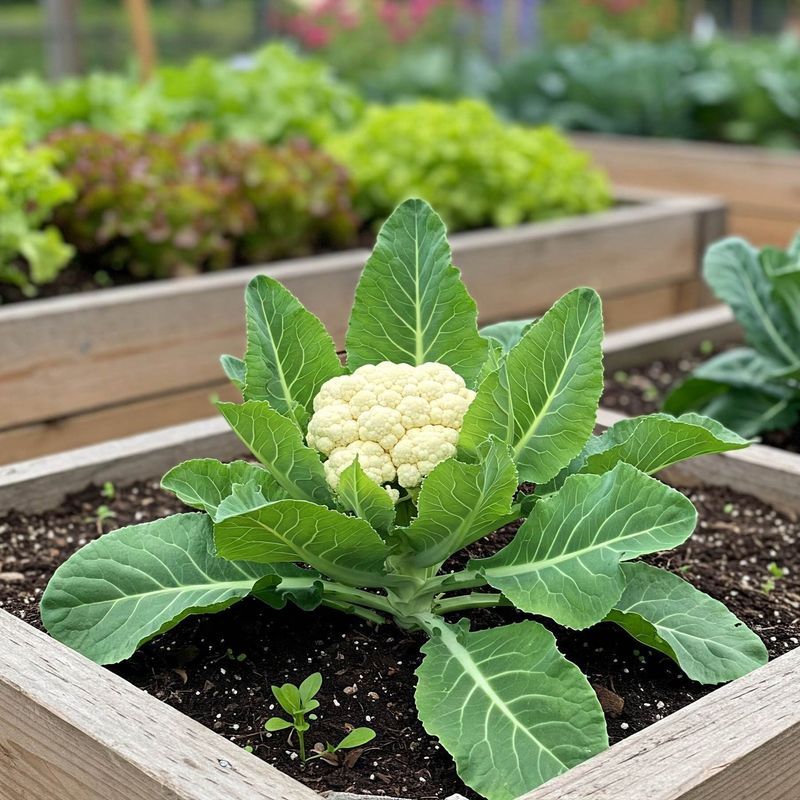
Cauliflower has a reputation for being fussy, and that reputation is not entirely undeserved. It is less forgiving of temperature swings, moisture stress, and timing mistakes than many other fall brassicas.
In Oregon, a late-July cauliflower start can work, but it requires more consistent attention than something like kale or turnips, which bounce back more easily from minor setbacks.
Transplants are usually the more reliable route for fall cauliflower in Oregon. Starting from seed indoors a few weeks before transplanting gives plants a more controlled beginning and reduces the risk of germination failure in hot outdoor soil.
Once transplants are in the ground, keeping the soil evenly moist and protecting young plants from afternoon heat for the first week or two helps them settle in without stress-related setbacks.
Cauliflower is sensitive to both heat and cold at certain growth stages, and Oregon’s variable late-summer weather can create challenges. Willamette Valley gardens often have more flexibility than inland or higher-elevation sites because the season stays mild longer.
Gardeners in cooler Oregon regions should be realistic about whether the available growing days match the variety’s maturity requirements.
Choosing a variety specifically described as suitable for fall production gives you a stronger foundation from the start.
8. Turnips Grow Quickly For Fall
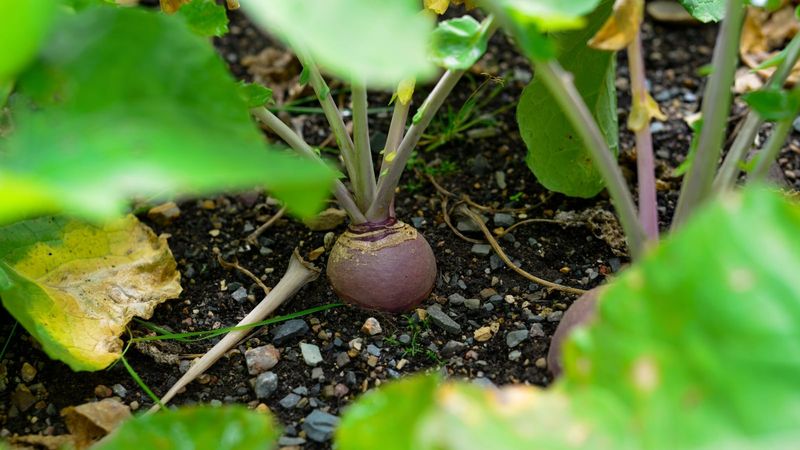
Speed is one of turnip’s best qualities as a fall crop, and it is one reason they fit so well into a late-July planting window in Oregon.
Many turnip varieties move from seed to harvest-ready root in a relatively short time, which means even gardeners who feel like they are getting a late start still have a reasonable shot at a full harvest before frost arrives.
That quick turnaround makes turnips a forgiving and practical choice across a wide range of Oregon gardens.
Turnips also give you two crops in one: the roots and the greens. Young turnip tops are tender and mild when harvested early, and they cook up quickly as a side dish or addition to soups.
In Oregon fall gardens where space is limited, getting both greens and roots from a single planting is a real advantage worth considering.
Direct sowing works well for turnips because the seeds germinate reliably in warm summer soil. Thin seedlings to a few inches apart once they are established so roots have room to develop properly.
Keep the bed watered steadily, especially during dry stretches in August.
Turnips that experience moisture stress tend to develop a sharper, more bitter flavor and a tougher texture, so consistent watering from sowing through harvest makes a noticeable difference in quality.
9. Spinach Works Best From Late July
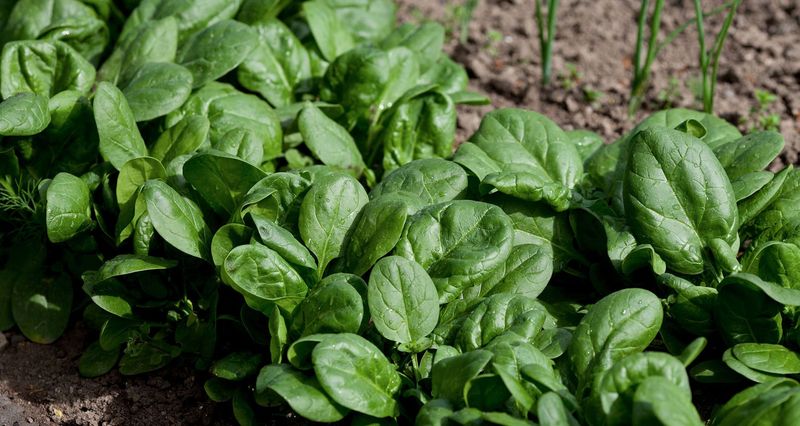
Spinach has a complicated relationship with summer heat. It germinates poorly in very hot soil, bolts quickly when days are long and warm, and generally performs much better once temperatures begin to ease.
That is why late July, rather than earlier in the summer, is the sweet spot for starting spinach in Oregon gardens aimed at a fall harvest. The seeds go in while there is still warmth to get them going, but the plants do most of their growing as conditions cool.
In the Willamette Valley and other warmer inland areas, that may mean giving the seedbed a little afternoon shade, keeping the soil surface evenly moist, and being patient if germination is slower during a hot spell.
On the coast or in cooler mountain gardens, spinach may have an easier time, but it still benefits from steady moisture and protection from drying winds.
A light layer of straw, compost, or shade cloth can help keep the surface from crusting or drying out before seedlings appear. Once the plants are up, thinning matters because crowded spinach competes for water and can stretch instead of making sturdy leaves.
Gardeners should also avoid treating spinach like a hot-weather crop. It is better to help it through the first warm stretch and let shorter days and cooler nights do the rest.
With careful timing, spinach can become one of the most useful greens in an Oregon fall garden.
10. Swiss Chard Handles Summer Starts Better
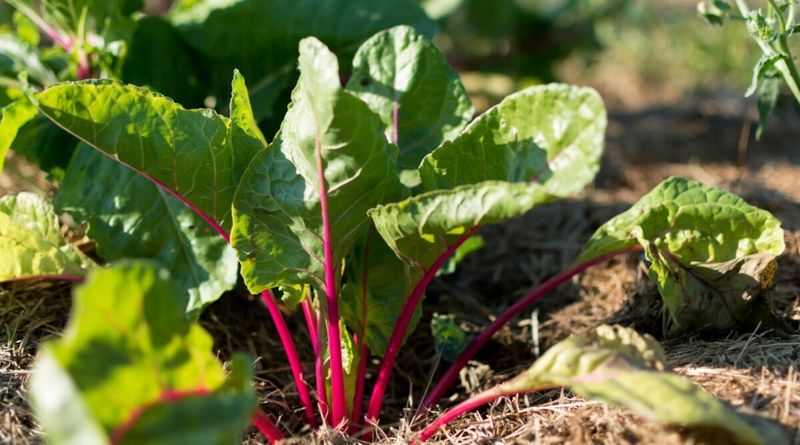
Swiss chard is one of the more heat-tolerant leafy greens you can grow in an Oregon summer garden, which gives it a practical edge over spinach and some lettuces when it comes to late-July starts.
It germinates reasonably well in warm soil, grows steadily through the remaining summer weeks, and then continues producing into fall as temperatures drop.
That extended harvest window makes it a smart addition to any Oregon fall garden plan.
Like beets, Swiss chard seeds are actually seed clusters that produce multiple seedlings. Thinning early to a few inches apart keeps plants from crowding each other and helps each one develop strong, upright stems.
The thinnings are completely edible and make a mild, tender addition to salads or stir-fries, so nothing goes to waste.
Swiss chard handles light frost reasonably well, which extends its usefulness into the colder weeks of fall across much of Oregon. Coastal gardens often keep chard going well into winter with minimal protection.
Inland and higher-elevation Oregon gardens may need a row cover or cold frame to stretch the harvest further once hard freezes become more likely.
Starting in late July gives plants enough size and root development to handle those cooler conditions with more resilience than a later sowing would allow.