When Is The Best Time To Water Plants During A Massachusetts Heat Wave
Watering wrong could quietly unravel your garden before the heat peaks. Massachusetts summers arrive without warning, catching your garden off guard.
Beneath the relentless sun, your garden quietly begins to shift. You assume more water solves everything, but timing tells another story.
Something happens during certain hours that changes what your garden needs. Instincts alone might easily lead you far astray this season.
Small choices ripple into outcomes you never see coming. Conditions shift hour by hour across Massachusetts, and your garden feels it.
Every moment mishandled quietly costs your garden something it needed. Your lawn reacts differently than you’d expect this time of year.
Choosing the right moment isn’t luck, it’s something you can master. Nothing about this season rewards you for guessing or waiting too long.
Understanding what actually happens changes everything you thought you knew. Once you uncover the secret, your garden stops struggling and finally thrives.
Why Watering Timing Matters More During A Heat Wave
Your plants respond quickly to heat stress. When temperatures spike above 90 degrees, the soil dries out significantly faster.
Water that sits on leaves or soil in midday heat can evaporate before roots ever absorb it. That means your effort goes nowhere, and your plants still fall short on hydration.
Timing your watering correctly is one of the smartest things a gardener can do. It stretches every drop further and protects plants from heat stress.
During a heat wave, soil loses moisture at a notably faster rate. Roots have difficulty drawing enough water to keep leaves cool and photosynthesis running.
Without proper hydration, plants close their leaf pores to conserve moisture. That shutdown slows growth and leaves plants vulnerable to lasting damage.
Think of watering timing like sunscreen. Applying it at the wrong moment makes it almost useless.
The best time to water plants during a Massachusetts heat wave is not random. It follows the rhythm of the sun, the soil temperature, and the plant’s own biology.
Getting this right saves water, saves money, and saves your garden. Once you understand why timing matters, every other tip in this list clicks into place.
The Best Time Of Day To Water Your Plants
Early morning is your golden window. Watering between 6 a.m. and 9 a.m. gives plants the moisture they need before the heat cranks up.
At that hour, the air is cooler and the sun is low. Water soaks into the soil instead of vanishing into the air.
Roots have the whole day to absorb what they need. By midday, the plant is already hydrated and better equipped to handle the scorching heat.
Evening watering is a distant second choice. If you missed the morning window, watering around 6 p.m. to 8 p.m. works, but comes with a catch.
Wet leaves at night invite fungal problems. Moisture sitting on foliage after dark creates the perfect environment for mildew and rot.
If you water at night, aim the flow directly at the soil. Keep leaves as dry as possible to reduce the risk of disease.
Your Massachusetts Garden Changes Every Week. Your Plan Should Too.
Gardening in Massachusetts changes quickly throughout the season. Every Friday you’ll receive a simple weekly plan showing exactly what to plant, prune, fertilize, harvest, and protect so you never miss the right timing.
Midday watering is the one time to avoid. Water evaporates almost instantly off hot soil, and wet leaves under direct sun can actually scorch.
The best time to water plants during a Massachusetts heat wave is always early morning. That consistent habit alone can transform how your garden handles extreme summer temperatures.
Set an alarm if you have to. Your tomatoes and perennials will thank you with every lush, green leaf they produce all season long.
How Often To Water When Temperatures Spike
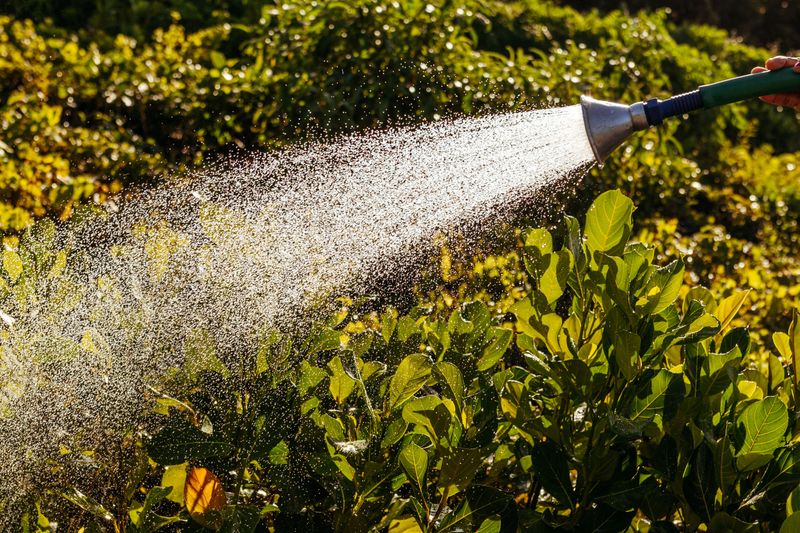
Normal watering schedules fall apart fast during a heat wave. What worked in June will leave your plants parched by late July.
Most outdoor plants need more frequent watering when temps stay above 90 degrees, though exact timing depends on soil type and plant variety. Container plants may need daily attention, sometimes twice a day.
The key is checking the soil, not just the calendar. Push your finger about two inches into the ground near the plant base.
If the soil feels dry at that depth, it is time to water. If it still feels damp, give it another day and check again.
Overwatering is a real problem, even in extreme heat. Soggy soil deprives roots of oxygen and creates conditions where disease thrives underground.
Deep, slow watering beats shallow, frequent sprinkles every time. When you water deeply, roots follow the moisture downward and grow stronger.
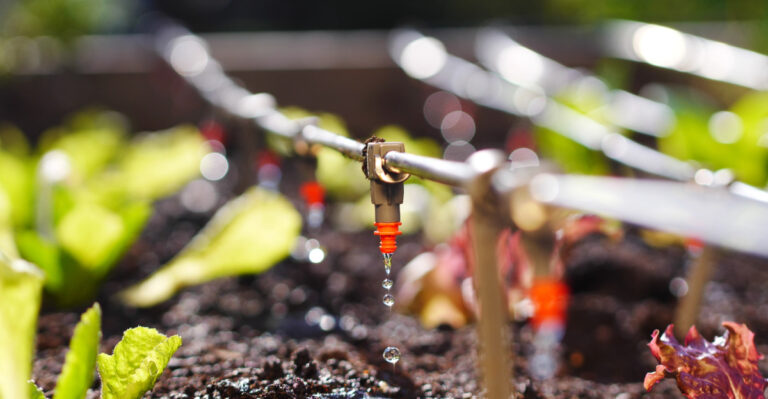
A soaker hose or drip irrigation system delivers water directly to the root zone. That approach cuts waste and keeps foliage dry.
Mulching around your plants also stretches watering intervals. A two-to-three inch layer of mulch holds soil moisture for hours longer than bare ground.
Adjust your schedule as the heat wave progresses. Plants tell you what they need if you pay close attention to their leaves and soil.
Signs Your Plants Are Getting Too Little Or Too Much Water
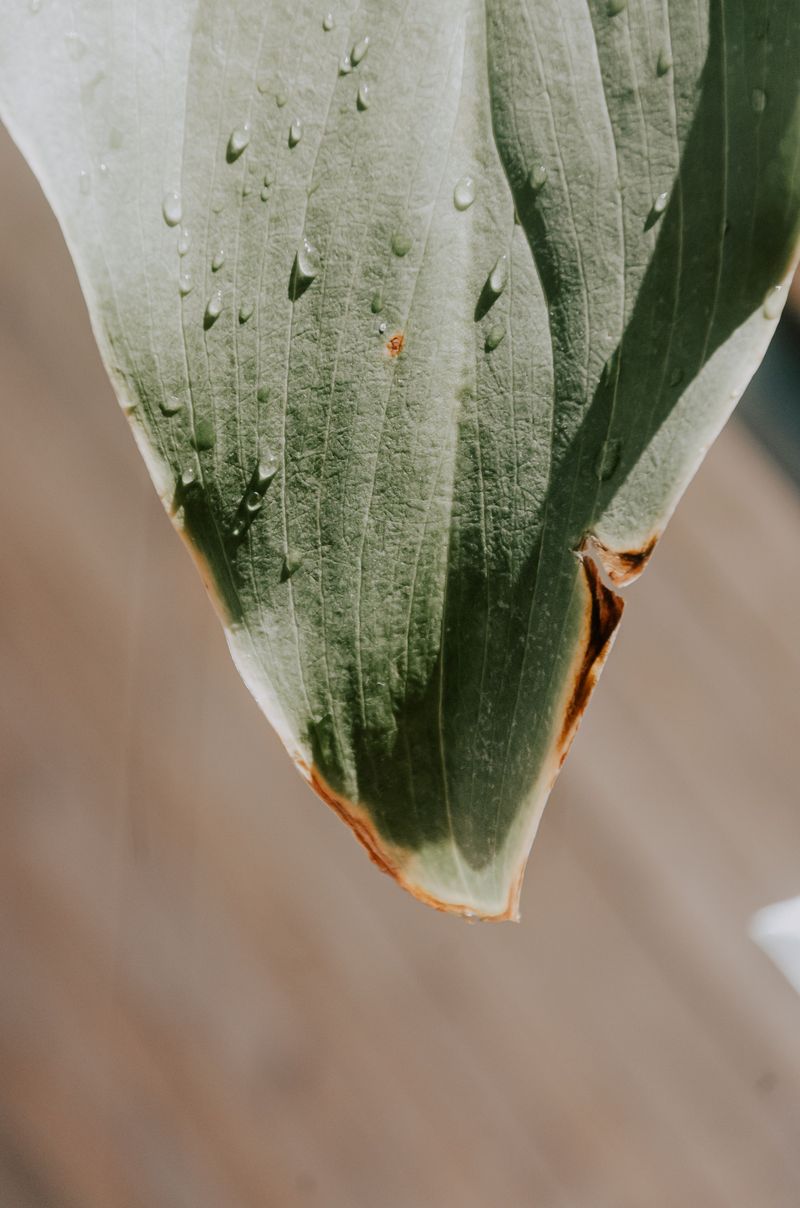
Plants are surprisingly good communicators. They send clear signals when something is off with their water supply.
Underwatered plants usually show wilting, especially during afternoon heat. Leaves curl inward, turn dull, and may feel dry or crispy at the edges.
Here is a useful trick: check plants in the morning, not midday. Wilting at noon can be normal heat stress, not a water shortage.
If leaves are still drooping in the early morning hours, the plant is genuinely thirsty. That is the clearest sign to water immediately and deeply.
Overwatered plants look surprisingly similar at first glance. Yellowing leaves, soft stems, and a musty smell near the soil are the biggest clues.
Roots sitting in wet soil cannot breathe properly. They begin to break down, which cuts off the plant’s ability to absorb water at all.
Ironically, overwatered plants can look just as wilted as thirsty ones. Always check soil moisture before adding more water to a struggling plant.
Leaf drop, brown mushy patches, and mold on the soil surface all point to too much water. Ease up and let the soil dry slightly before watering again.
Learning to read these signals makes you a more confident gardener. Your plants will stop being a mystery and start feeling like a conversation you actually understand.
Adjusting Your Watering Routine For Different Plant Types
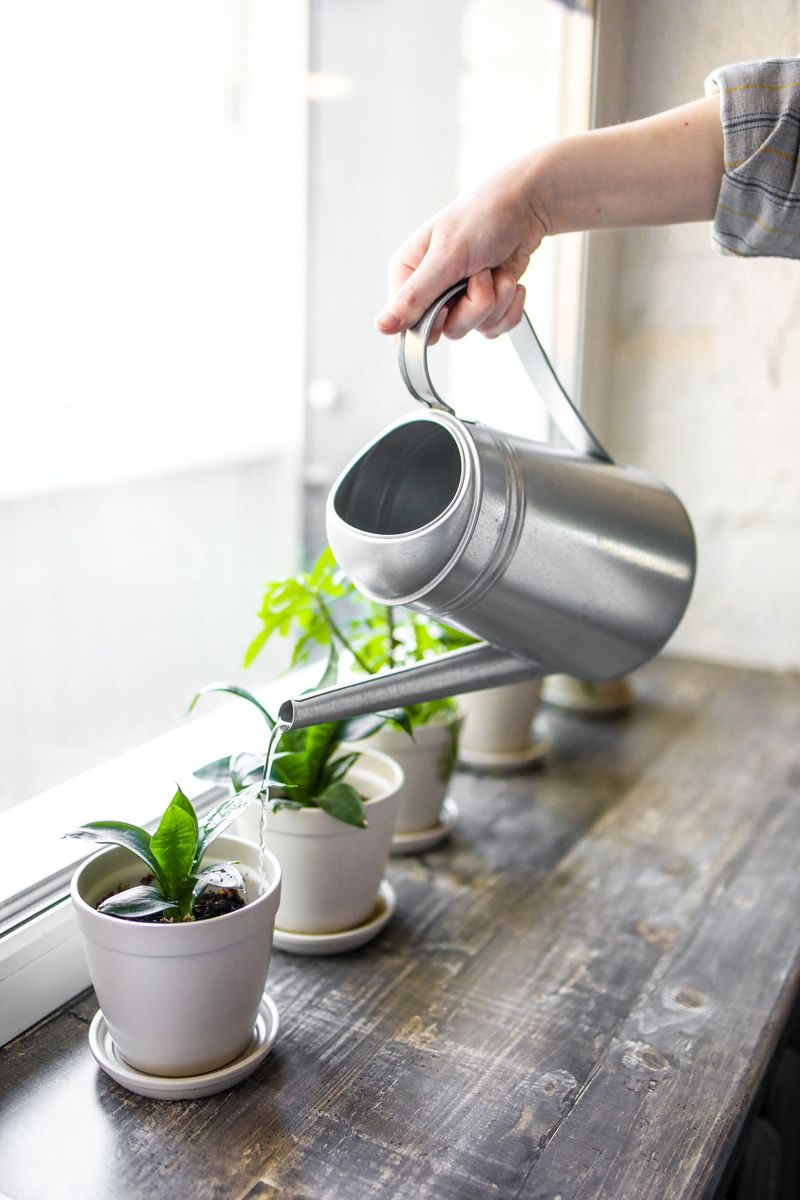
Not every plant plays by the same rules. A tomato plant and a cactus have completely different thirst levels, and heat waves make those differences even more dramatic.
Vegetables like tomatoes, cucumbers, and peppers are heavy drinkers. During a heat wave, they may need watering every single day to keep producing fruit.
Consistent moisture is especially important for tomatoes. Uneven watering causes blossom end rot and cracked fruit, two problems no one wants mid-harvest.
Native plants like coneflowers, black-eyed Susans, and switchgrass are built for New England summers. Once established, they handle heat and dry spells far better than exotic varieties.
Herbs like basil and parsley need regular moisture but dislike soggy roots. Water them deeply, then let the top inch of soil dry before watering again.
Container plants are the neediest group during hot weather. Their small soil volume heats up quickly and dries out fast, sometimes within hours on a scorching afternoon.
Succulents and drought-tolerant ornamentals need far less attention. Overwatering them during a heat wave is actually more dangerous than underwatering.
Lawns are another story entirely. Grass can often go dormant during extreme heat and bounce back once cooler weather returns, so prioritize your garden beds first.
Knowing your plant types transforms your approach. The best time to water plants during a Massachusetts heat wave depends partly on what you are actually growing.
Simple Habits To Help Plants Handle Extreme Heat
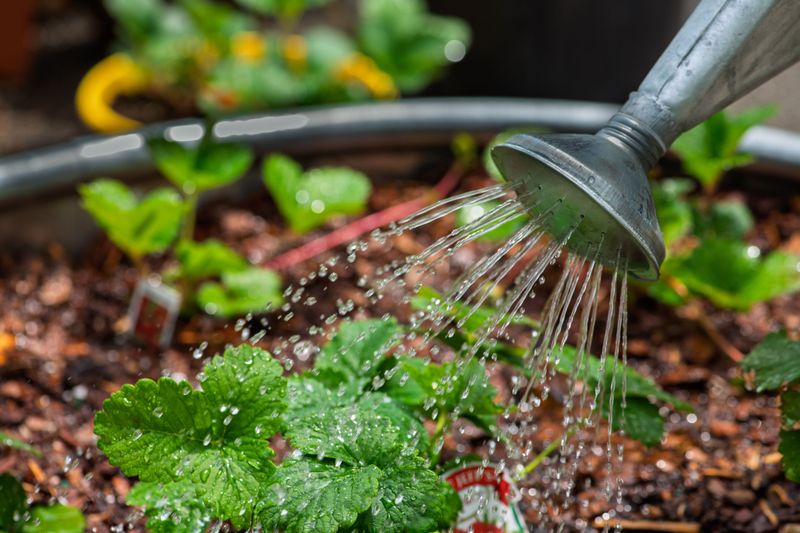
Small habits stack up fast when a heat wave hits. A few consistent actions each morning can protect your entire garden through even the hottest stretch of summer.
Mulching is the single best thing you can do besides proper watering. A thick layer around plant bases keeps soil cooler and holds moisture far longer.
Use organic mulch like wood chips, straw, or shredded leaves. Apply two to three inches around plants, keeping it away from direct contact with stems.
Shade cloth is another underrated tool. Draping a lightweight shade cloth over raised beds during peak afternoon hours reduces soil temperature noticeably.
Group container plants together in a shaded corner during heat waves. Clustered pots create a microclimate that is cooler and more humid than open sunny spots.
Avoid fertilizing during extreme heat. Fertilizer pushes new growth, and tender new growth is the most vulnerable during extended heat.
Weed aggressively before a heat wave hits. Weeds compete directly with your plants for the limited moisture in the soil.
Check your irrigation system or soaker hoses for clogs and leaks. A malfunctioning system during a heat wave can leave plants without water for days.
The best time to water plants during a Massachusetts heat wave is only part of the answer. Pairing smart timing with these simple habits gives your garden the best possible shot at surviving and thriving all summer long.