These Are The Best Pennsylvania Native Plants For A Low Water Gravel Garden That Looks Stunning
Gravel gardens have been gaining serious attention among Pennsylvania gardeners who are tired of fighting their worst growing conditions. Dry spots, poor soil, areas where nothing seems to want to thrive no matter what you try.
A well designed gravel garden turns those problem areas into something that looks intentional, beautiful, and remarkably low maintenance. The secret is planting it with the right natives.
Pennsylvania native plants suited to dry, gritty conditions are some of the most striking and interesting plants in the entire native plant palette.
They’ve evolved to thrive with minimal water, excellent drainage, and the kind of lean soil that sends other plants into decline. In a gravel garden setting, they don’t just survive. They look genuinely stunning.
And once established, they require almost nothing from you. No irrigation system, no frequent replanting, no constant attention through dry stretches.
Here are the best Pennsylvania native plants for a low water gravel garden that earns its place in your landscape every single season.
1. Eastern Prickly Pear Cactus
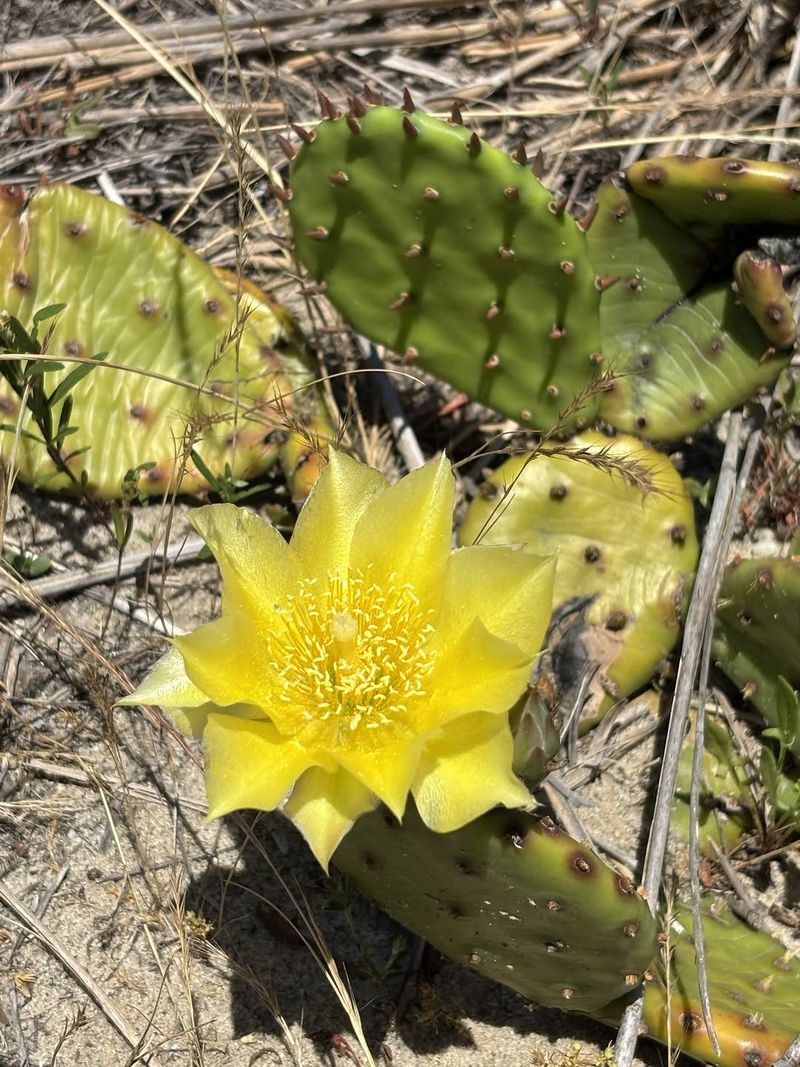
Most people are shocked to learn that Pennsylvania has its very own native cactus. The Eastern Prickly Pear Cactus is a real plant that grows wild in sandy, rocky, and gravelly spots across the state.
It is tough, low-growing, and genuinely stunning when it bursts into bloom. Each summer, this cactus produces large, silky yellow flowers that look almost tropical against its flat, paddle-shaped pads. The flowers are short-lived but incredibly eye-catching.
After blooming, small reddish fruits appear that birds and wildlife enjoy snacking on through the colder months.
In a gravel garden, Eastern Prickly Pear works as a living sculpture. Its thick, blue-green pads stay interesting even when it is not flowering.
It needs absolutely no extra watering once it settles in, and it laughs at poor, dry soil that would stress most other plants.
One important thing to keep in mind: always buy nursery-grown plants from a reputable source. Never dig Eastern Prickly Pear from wild populations.
Wild plants are protected in many areas, and removing them causes real harm to natural ecosystems.
Plant it in your sunniest, hottest spot with the sharpest drainage you can manage. Mix extra gravel or coarse sand into your planting area if needed.
Give it room to spread slowly over time, because it will gradually form a low, wide clump that looks more impressive every single year.
Wear thick gloves when handling it. The spines are obvious, but the tiny hairlike glochids are the real troublemakers. They are nearly invisible and irritating to skin.
2. Butterfly Weed
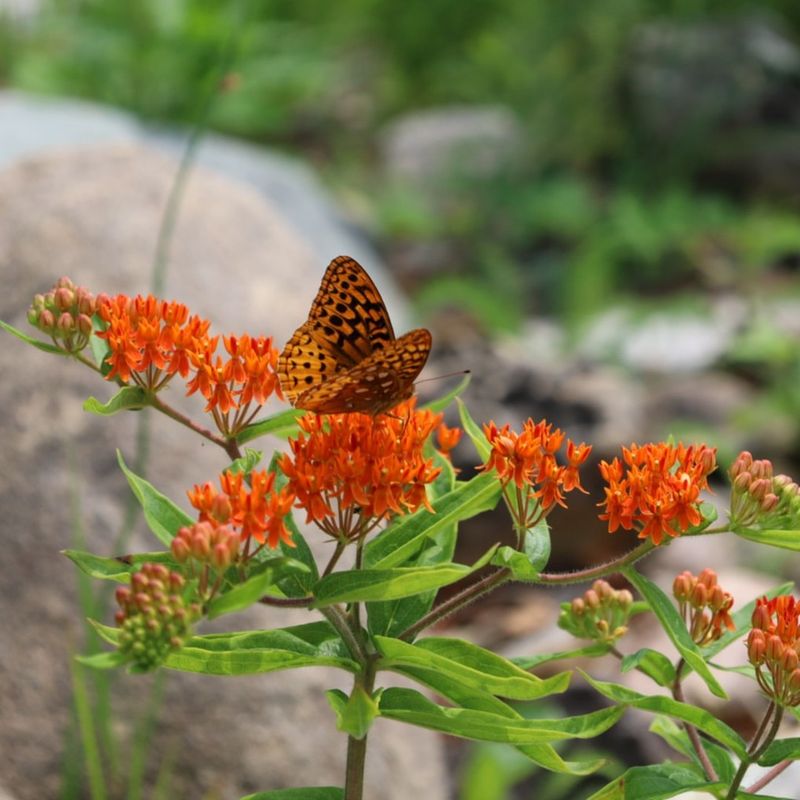
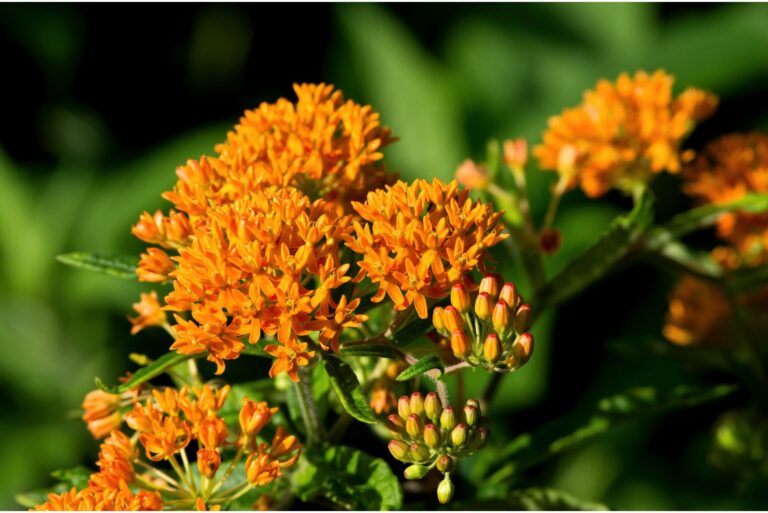
Few native plants pack as much visual punch as Butterfly Weed. That blazing orange color stops people in their tracks.
It looks almost too bold and tropical to be a Pennsylvania native, but it absolutely is, and it thrives in the exact conditions a gravel garden provides.
Butterfly Weed is a type of milkweed, which makes it a critical plant for monarch butterflies. Monarchs lay their eggs on milkweed leaves, and the caterpillars feed on the plant as they grow.
Your Pennsylvania Garden Changes Every Week. Your Plan Should Too.
Gardening in Pennsylvania changes quickly throughout the season. Every Friday you’ll receive a simple weekly plan showing exactly what to plant, prune, fertilize, harvest, and protect so you never miss the right timing.
Planting Butterfly Weed means you are directly supporting one of North America’s most beloved and threatened butterfly species.
Beyond monarchs, this plant draws in an impressive crowd of other pollinators. Bees, fritillaries, swallowtails, and hummingbirds are all regular visitors when Butterfly Weed is in bloom.
The flowering period runs from early summer into midsummer, giving you weeks of reliable color right when the garden needs it most.
Unlike some milkweeds, Butterfly Weed stays compact and upright. It does not flop or spread aggressively, which makes it a well-behaved addition to a tidy gravel bed.
It grows to about two feet tall and wide, fitting neatly among ornamental grasses and other perennials.
One quirk worth knowing: Butterfly Weed has a deep taproot, so it is slow to establish and slow to emerge in spring. Be patient with it.
Once it is settled in after its first or second season, it becomes one of the most reliable and long-lived perennials you can grow in a dry sunny garden. Full sun and sharp drainage are non-negotiable for this plant. Wet soil is its biggest enemy.
3. New Jersey Tea
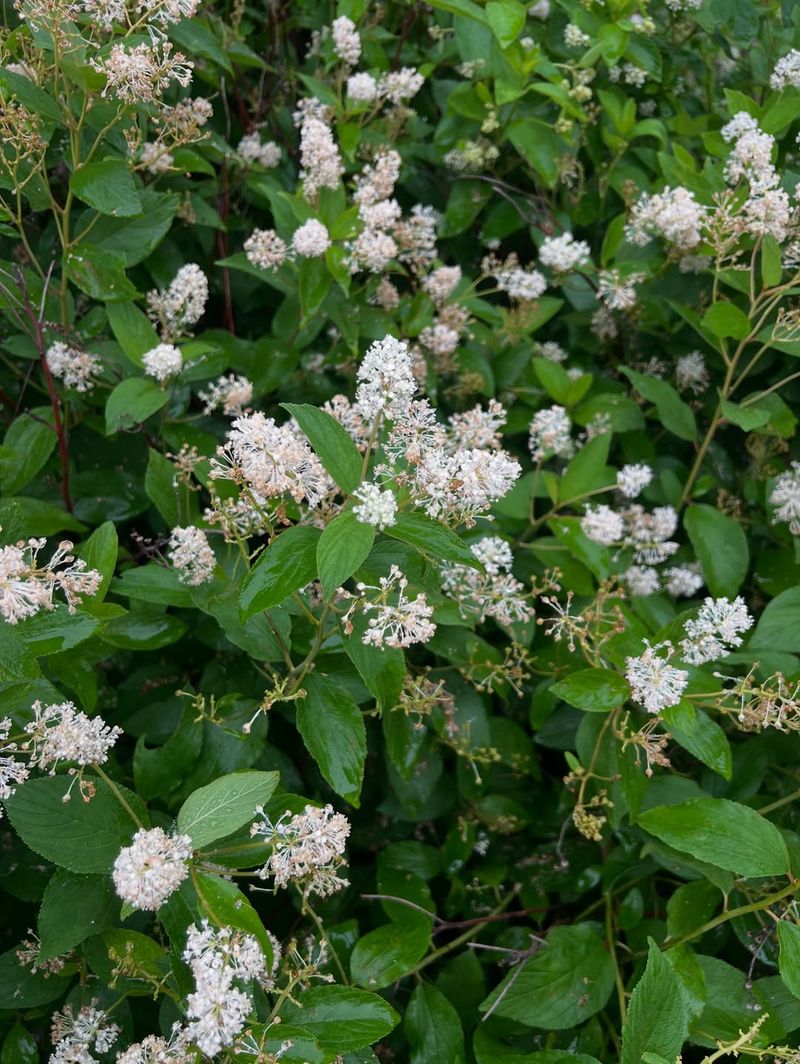
Do not let the name fool you. New Jersey Tea is just as much a Pennsylvania native as any plant on this list, and it brings something special that most perennials simply cannot offer: a woody structure that anchors the whole garden design.
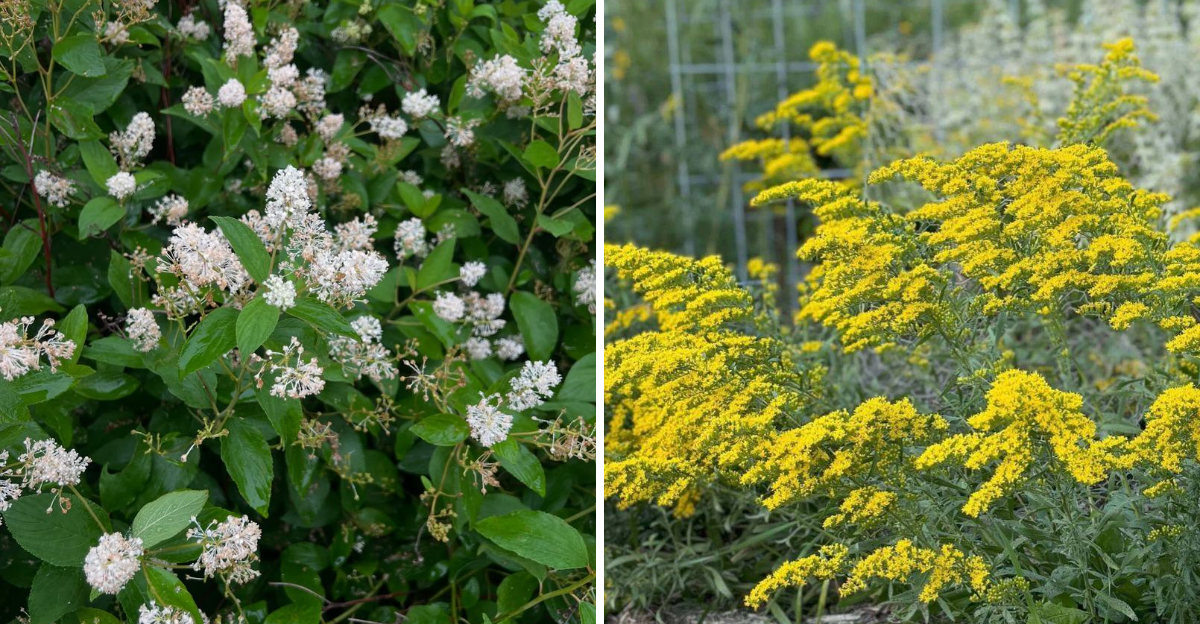
This compact shrub grows to about three feet tall and wide, giving your gravel garden a sense of permanence and polish. In early to midsummer, it covers itself in frothy clusters of small creamy white flowers that attract bees and butterflies in impressive numbers.
The clean, rounded shape holds up beautifully through the rest of the season even after blooming ends.
New Jersey Tea has a fascinating history. During the American Revolution, colonists actually brewed its dried leaves as a substitute for imported tea.
Whether or not you plan to make tea from yours, it is a fun conversation starter when guests visit your garden.
From a gardening standpoint, New Jersey Tea is remarkably adaptable. It tolerates rocky, poor soil, full sun, and extended dry spells without complaint.
Once established, it rarely needs any attention beyond the occasional light shaping if you want to keep it tidy.
Plant it as a low anchor in the center or back of a gravel bed. Surround it with ornamental grasses, Butterfly Weed, or Little Bluestem for a layered, naturalistic look that still feels intentional and designed.
One thing to keep in mind: like Butterfly Weed, New Jersey Tea has a deep root system. This means it is drought-tough once established, but it does not like being moved after it settles in. Choose your spot carefully from the start and let it grow undisturbed.
4. Little Bluestem
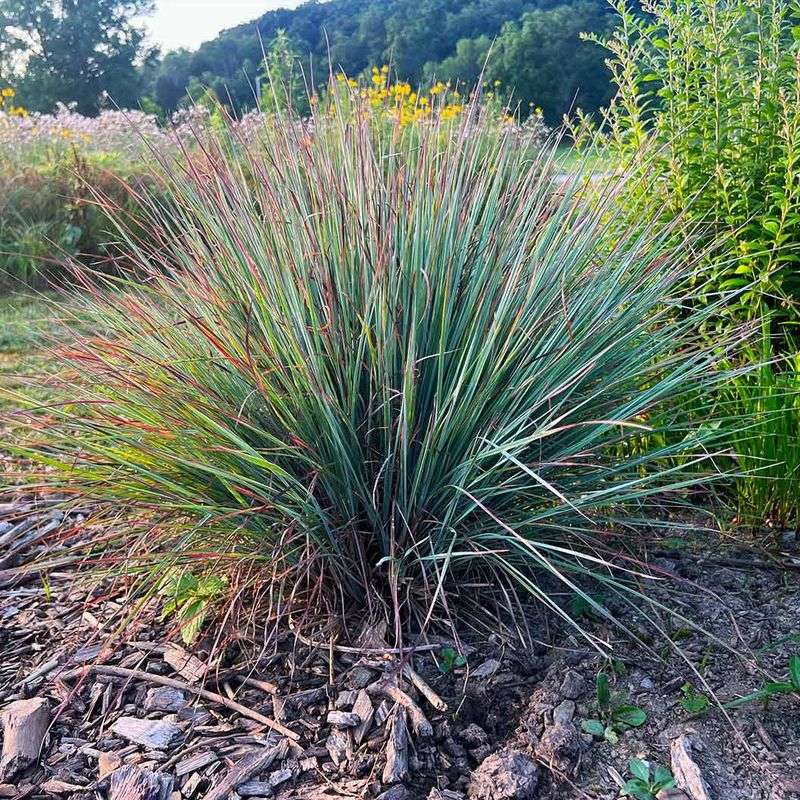
If a gravel garden is going to look truly alive, it needs movement. Little Bluestem is the plant that delivers that quality better than almost anything else.
When a breeze moves through it, the slender blades catch the light and sway in a way that makes the whole garden feel dynamic and natural.
Through the summer months, Little Bluestem displays attractive blue-green foliage that gives it its name. Then, as the season shifts toward fall, something almost magical happens.
The blades transform into rich shades of copper, red, and bronze that rival any flowering plant for sheer beauty. Even in winter, the dried stems hold their color and catch the light on cold sunny days.
Little Bluestem grows to about two to three feet tall, forming upright clumps that do not flop or sprawl.
It stays in bounds without any aggressive spreading, making it polite and easy to manage in a designed garden space. Each clump gradually grows fuller over time without becoming a problem.
This grass thrives in full sun and dry, well-drained soil. Gravel gardens are genuinely ideal for it because the sharp drainage mimics the rocky hillsides and open meadows where it grows naturally across Pennsylvania.
Planting Little Bluestem in groups of three or five creates a much stronger visual impact than a single clump. Mixing it with Butterfly Weed or Gray Goldenrod creates a color combination that looks spectacular from late summer all the way through the first snowfall.
Skip the fertilizer entirely. Rich soil actually makes Little Bluestem flop over and lose its upright, attractive shape.
5. Plantain-Leaf Pussytoes
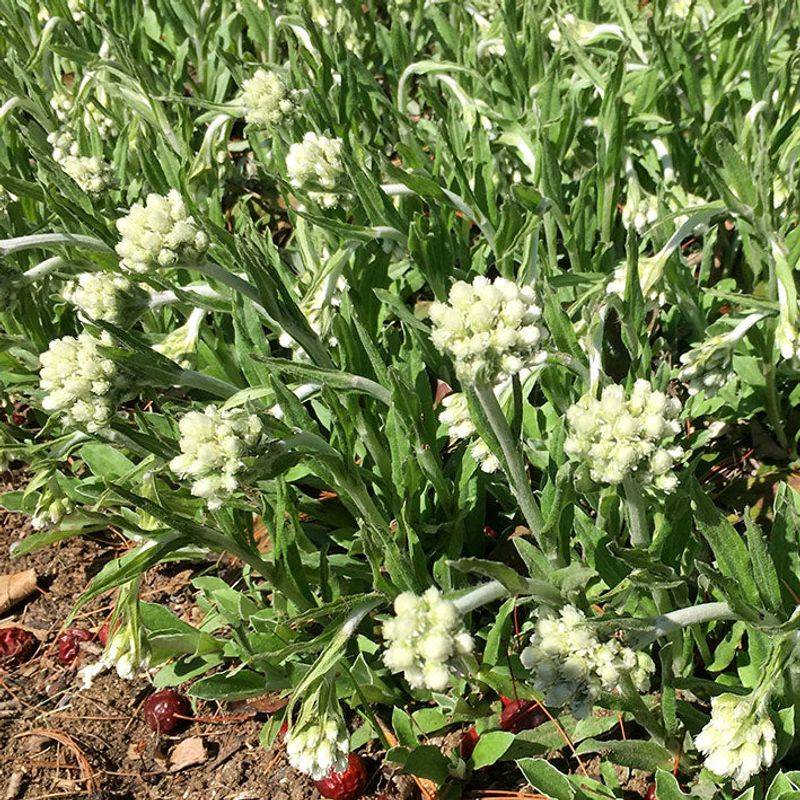
Every gravel garden has gaps. There are always spaces between stepping stones, along edges, and around the bases of taller plants where bare gravel shows through. Plantain-Leaf Pussytoes was practically made to fill those spots.
This low-growing native ground cover stays just a few inches tall, spreading slowly to form a soft mat of silvery-green foliage.
In spring, it sends up small fuzzy white flower heads that look exactly like a cat’s paw, which is where the charming common name comes from. The flowers are small but plentiful, and they catch the eye in a quiet, delicate way.
Plantain-Leaf Pussytoes is one of the toughest plants you can put in a dry, rocky, low-fertility garden spot. Poor soil does not bother it at all.
In fact, it actually performs better in lean conditions than in rich garden soil, where it can become floppy and less attractive.
From a wildlife perspective, this little plant punches well above its weight. It is an important early-season host plant for American Lady butterfly caterpillars.
Planting it helps support local butterfly populations right from the start of the season, before most other host plants have even leafed out fully.
Use it as an edging plant along gravel pathways, tuck it between flat stones, or let it weave around the bases of Little Bluestem and Hairy Beardtongue for a layered, meadow-inspired look.
One practical note: it spreads by short runners and can slowly colonize nearby bare areas. This is usually a welcome trait in a gravel garden, but keep an eye on it near more delicate plants that might get crowded over time.
6. Hairy Beardtongue
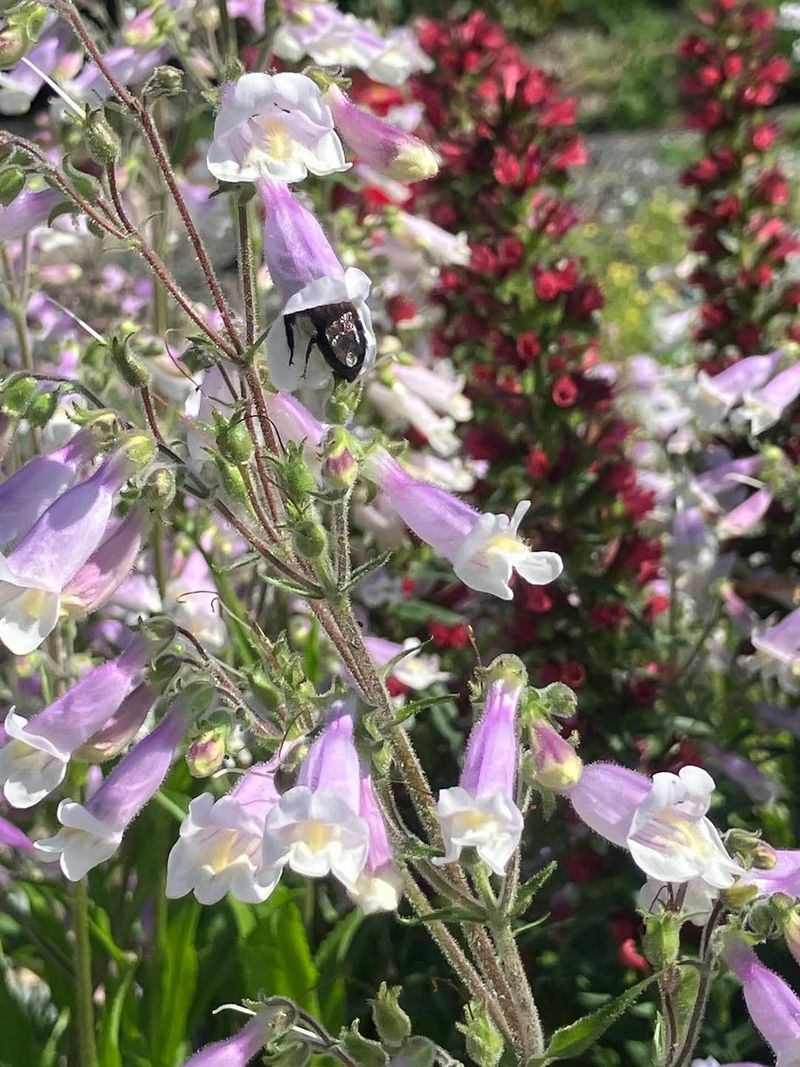
Spring in a gravel garden can feel a little bare while you wait for the summer and fall stars to show up. Hairy Beardtongue is exactly the plant that fills that gap with style.
It blooms from late spring into early summer, bringing a soft wildflower charm to the garden right when everything else is just waking up.
The flowers are tubular and elegant, usually a soft lavender-white with delicate purple veining inside the throat. They are arranged in loose, airy clusters along upright stems that reach about two feet tall.
Bumblebees absolutely love them, crawling deep into each flower to reach the nectar inside.
What makes Hairy Beardtongue especially valuable in a gravel garden is how well it handles harsh conditions. Hot, rocky, dry spots that would stress most flowering plants are exactly where this native thrives.
The name comes from the fine hairs that cover its stems and leaves, which help it resist moisture loss in dry, sunny conditions.
After blooming, Hairy Beardtongue fades quietly into the background rather than becoming an eyesore.
The seed heads are attractive in a subtle way, and the plant often self-seeds gently into nearby gravel, slowly expanding your planting over time without becoming weedy or aggressive.
Pair it with Plantain-Leaf Pussytoes and Eastern Prickly Pear for an early-season combination that looks deliberate and beautiful. Then, as summer arrives and Butterfly Weed and Little Bluestem take the spotlight, Hairy Beardtongue steps back gracefully.
Plant it in full sun with excellent drainage. It does not tolerate wet feet at any time of year, so gravel soil is genuinely its happy place.
7. Gray Goldenrod
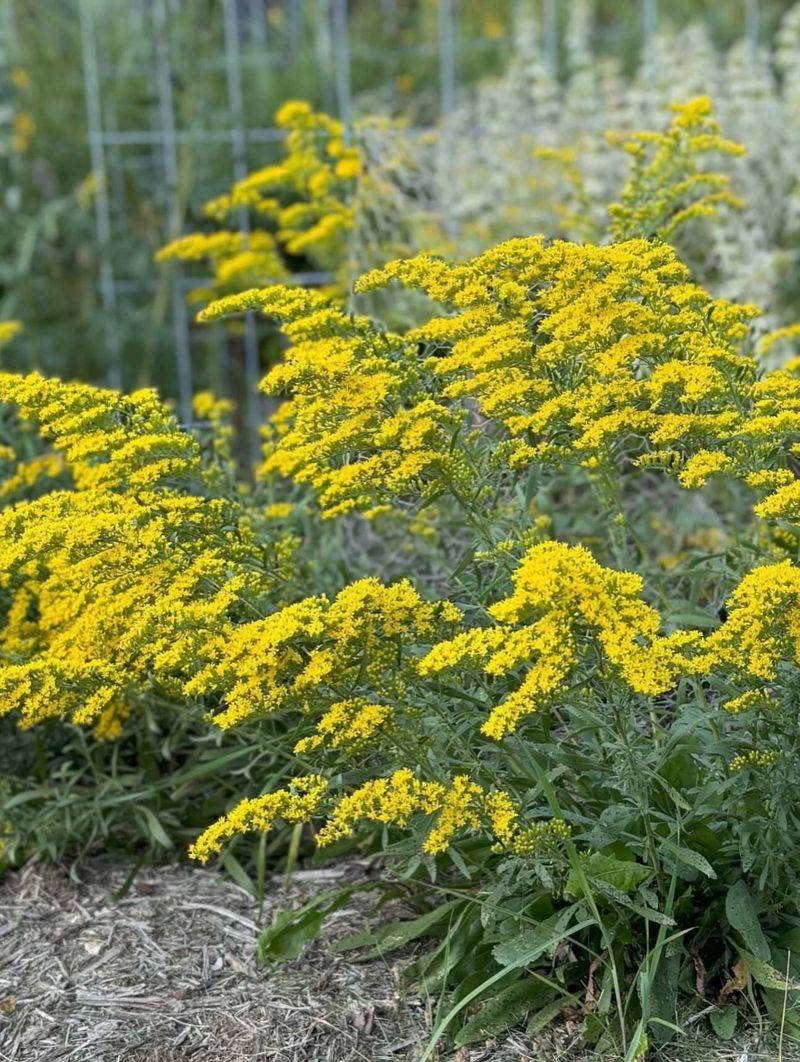
Goldenrod gets a bad reputation that it simply does not deserve. Many people blame it for fall allergies, but the real culprit is ragweed, which blooms at the same time.
Goldenrod’s pollen is too heavy to travel through the air. Bees carry it from flower to flower, which is exactly why so many pollinators absolutely swarm over it in late summer.
Gray Goldenrod is the goldenrod to choose for a gravel garden because it stays compact and well-behaved. Unlike some of its taller, more aggressive relatives, Gray Goldenrod tops out at about two feet and spreads at a manageable pace.
It will not take over your carefully designed garden bed. The flowers are bright yellow, appearing in late summer and lasting well into fall. In a gravel garden that can look a bit tired by September, that burst of yellow is genuinely welcome.
It extends the visual interest of your planting by weeks, carrying color right up to the first hard frost.
From a wildlife standpoint, Gray Goldenrod is one of the most valuable plants you can grow. Dozens of bee species, wasps, beetles, and butterflies visit the flowers.
After blooming, the seed heads feed birds through the fall and into winter. It is essentially a wildlife hotel packed into a small, tidy package.
Gray Goldenrod grows best in full sun and dry, well-drained soil. It actually performs worse in rich, moist garden conditions, where it tends to flop and spread too aggressively.
Plant it alongside Little Bluestem and Butterfly Weed for a late-season color combination that looks wild, warm, and wonderfully Pennsylvania.