7 Pennsylvania Native Ground Covers Worth Planting Before September Ends
The window for fall ground cover planting in Pennsylvania is open right now, and it closes faster than most gardeners expect.
Native ground covers planted before September ends have the entire fall to establish root systems before the ground freezes, and what they put down in those weeks makes an enormous difference in how they perform next spring and beyond.
Most people plant ground covers in spring and spend half the season nursing them through heat stress. Fall planting sidesteps that entirely.
Native options in particular thrive when planted now. They’re adapted to Pennsylvania’s climate, they establish without demanding constant attention, and once settled in they spread in ways that genuinely reduce maintenance rather than adding to it.
The best ones to plant before September ends are worth acting on now.
1. Wild Ginger (Asarum Canadense)
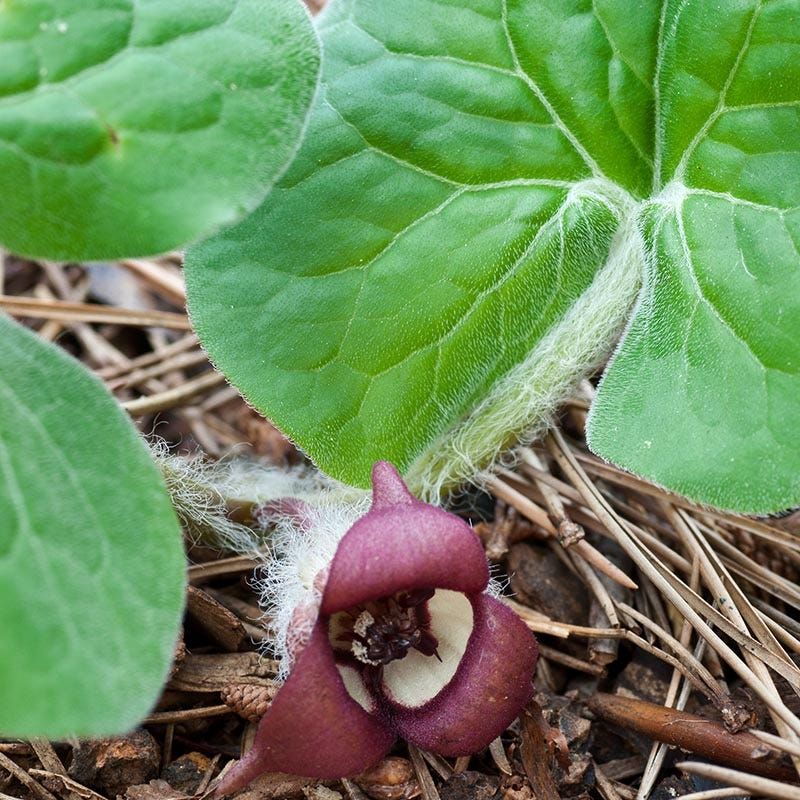
Tucked beneath the trees, wild ginger spreads its heart-shaped leaves like a soft green quilt across the forest floor. It loves shade, which makes it a lifesaver for those dark corners where grass refuses to grow.
The leaves feel fuzzy and stay low, usually around six inches tall. In spring, odd little maroon flowers hide near the ground, close to the soil where beetles and ants can find them.
Most people never notice these blooms, but they add a quirky surprise for curious gardeners.
Wild ginger is not related to the ginger you cook with, though its roots smell spicy when you rub them.
Native people once used it for flavoring, but it is best left in the garden today. It slowly creeps outward through underground stems, filling in bare patches over a couple of seasons.
Plant it in rich, moist soil with plenty of leaf mulch on top. Dappled light from oaks or maples suits it perfectly. Water it well right after planting so the roots settle in before the cold weather comes.
Once established, this plant asks for almost nothing. Deer usually walk right past it, which is a big win in Pennsylvania woodlands. Slugs may nibble now and then, but the plant bounces back with ease.
If you want a tidy, natural look under shade trees, wild ginger delivers. It pairs nicely with ferns and woodland wildflowers.
Give it space and time, and you will enjoy a lush green carpet that returns faithfully every single year without much effort at all.
2. Creeping Phlox (Phlox Subulata)
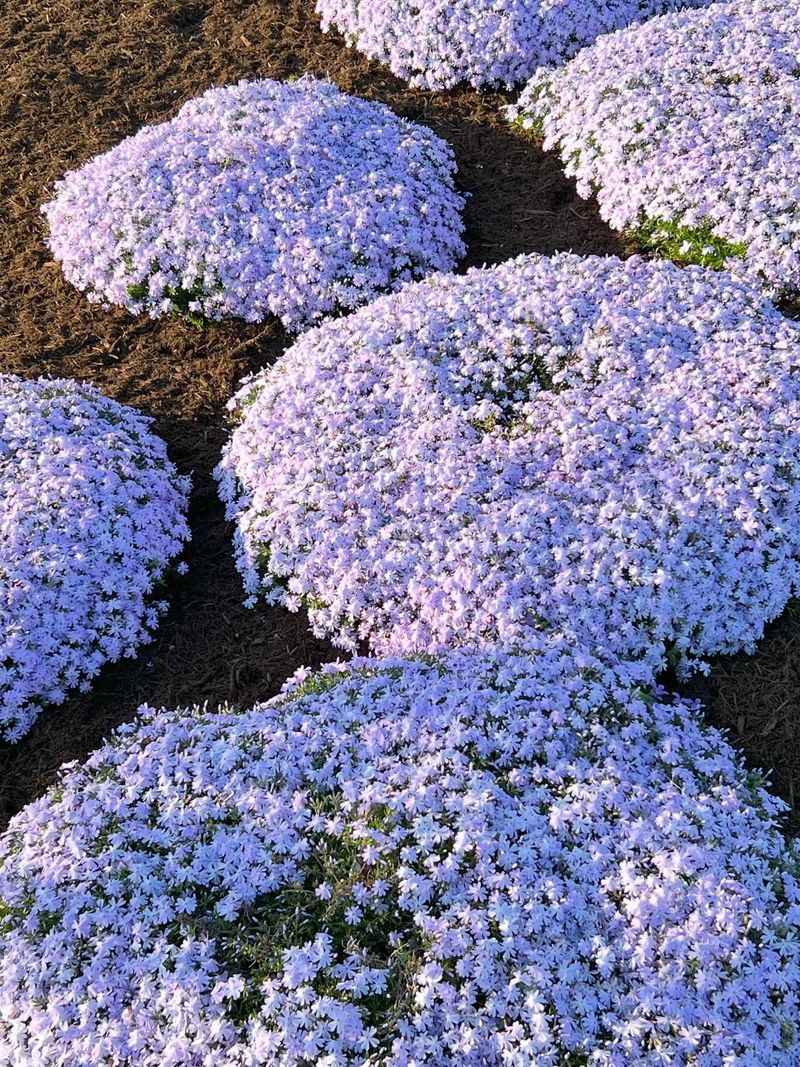
Picture a hillside exploding with pink, purple, and white flowers so thick you can barely see the leaves. That show-stopping scene is exactly what creeping phlox brings to a spring garden.
This tough little plant hugs the ground, forming a dense mat only a few inches high. It thrives in full sun and does great on slopes, walls, and rocky spots where other plants struggle. Bees and early butterflies flock to its blooms when few other flowers are open.
After the flowers fade, the foliage stays green and needle-like all through the year. That means you get a neat carpet even in the off-season. It spreads slowly but steadily, covering more ground each spring.
Your Pennsylvania Garden Changes Every Week. Your Plan Should Too.
Gardening in Pennsylvania changes quickly throughout the season. Every Friday you’ll receive a simple weekly plan showing exactly what to plant, prune, fertilize, harvest, and protect so you never miss the right timing.
Fall planting gives creeping phlox a head start. Choose a sunny, well-drained spot, since soggy soil is its biggest enemy. Loosen the dirt, tuck the plants in, and water gently until they root.
Once settled, it handles drought like a champ. You can trim it lightly after blooming to keep it full and bushy. Skip heavy fertilizer, because this native prefers lean soil.
Rock gardens, front borders, and steep banks all benefit from its cheerful cover. It also stops weeds from muscling in, saving you weeding time later on.
Did you know it belongs to the same family as garden phlox but stays much shorter? That low habit is what makes it such a reliable ground hugger.
Plant a few clumps this September, and next spring your yard could be one of the brightest on the block, buzzing with happy pollinators.
3. Golden Ragwort (Packera Aurea)
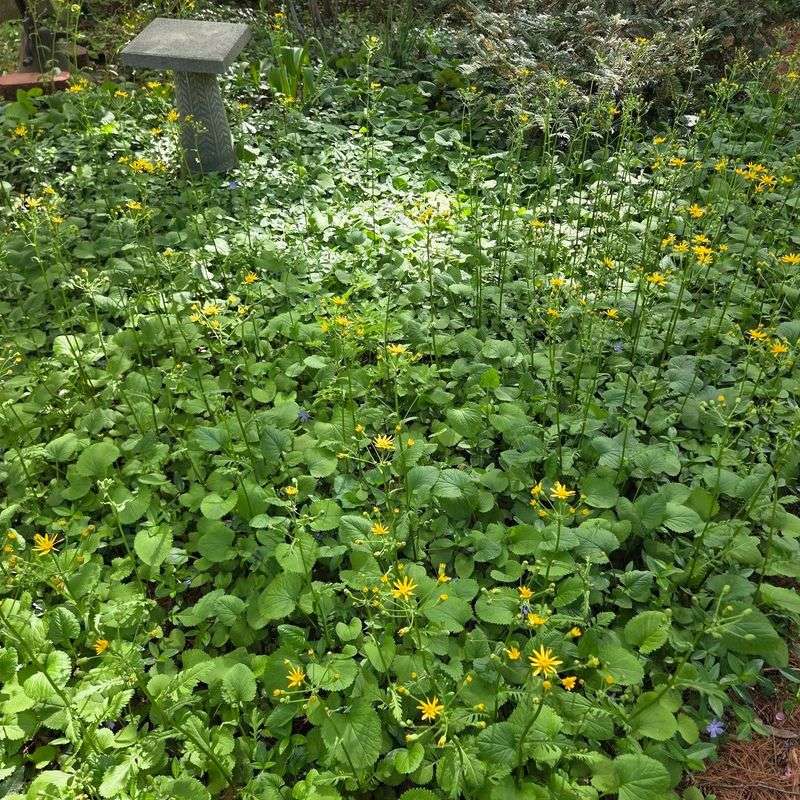
Golden ragwort is the friend you call when nothing else will grow in a damp, shady spot. It shrugs off wet feet and fills those tricky low areas with ease.
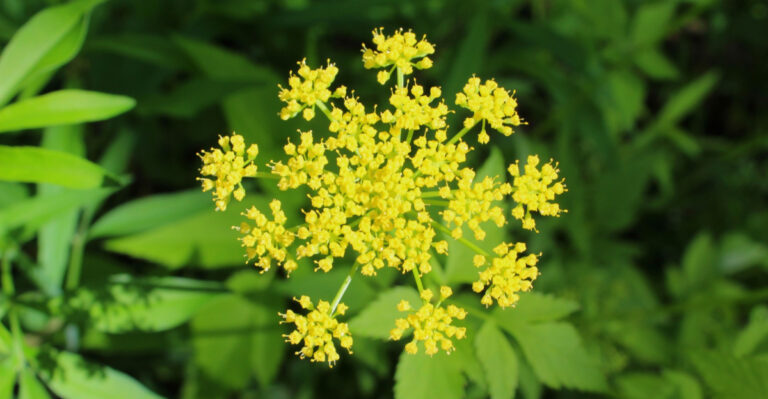
Rounded green leaves form a tidy base close to the ground, staying pretty even in winter. Come mid-spring, tall stems shoot up with bunches of bright yellow, daisy-like flowers. Pollinators of all kinds swarm these blooms for early food.
This plant spreads two ways, by seed and by creeping roots, so it fills in gaps fast. Some gardeners call it aggressive, but that energy is a gift in problem areas. If it wanders too far, simply pull the extras and share them with friends.
Rain gardens, stream edges, and moist woodland borders are its happy places. It also handles average garden soil surprisingly well. Give it partial shade to full sun, and it will reward you every season.
Plant it now while the ground is warm and rains come often. Water it in, then step back and let it do its thing. Deer and rabbits tend to leave it alone, which keeps your work light.
Here is a neat bit of history: the name Packera honors a Canadian botanist named John Packer. Small tribute, big plant.
The winter leaves add color when the rest of the garden looks bare. Then the golden spring flowers light everything up again.
For a low-cost, low-effort way to green up soggy corners, golden ragwort earns its keep. Give it room to roam, and it will happily solve your wet-shade puzzle.
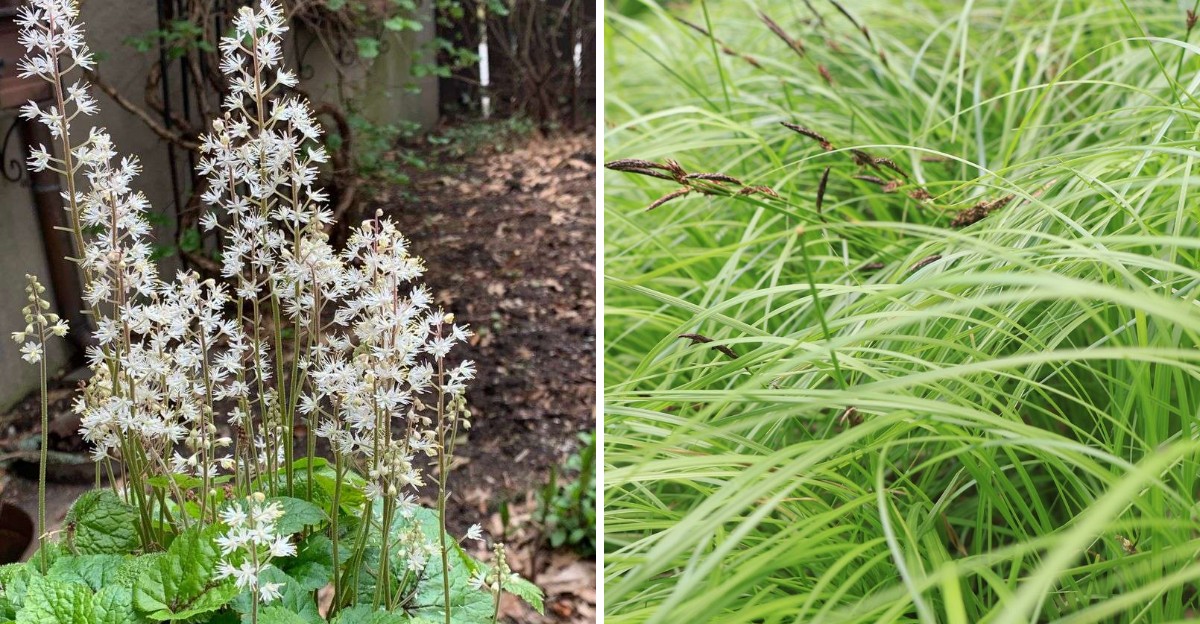
4. Foamflower (Tiarella Cordifolia)
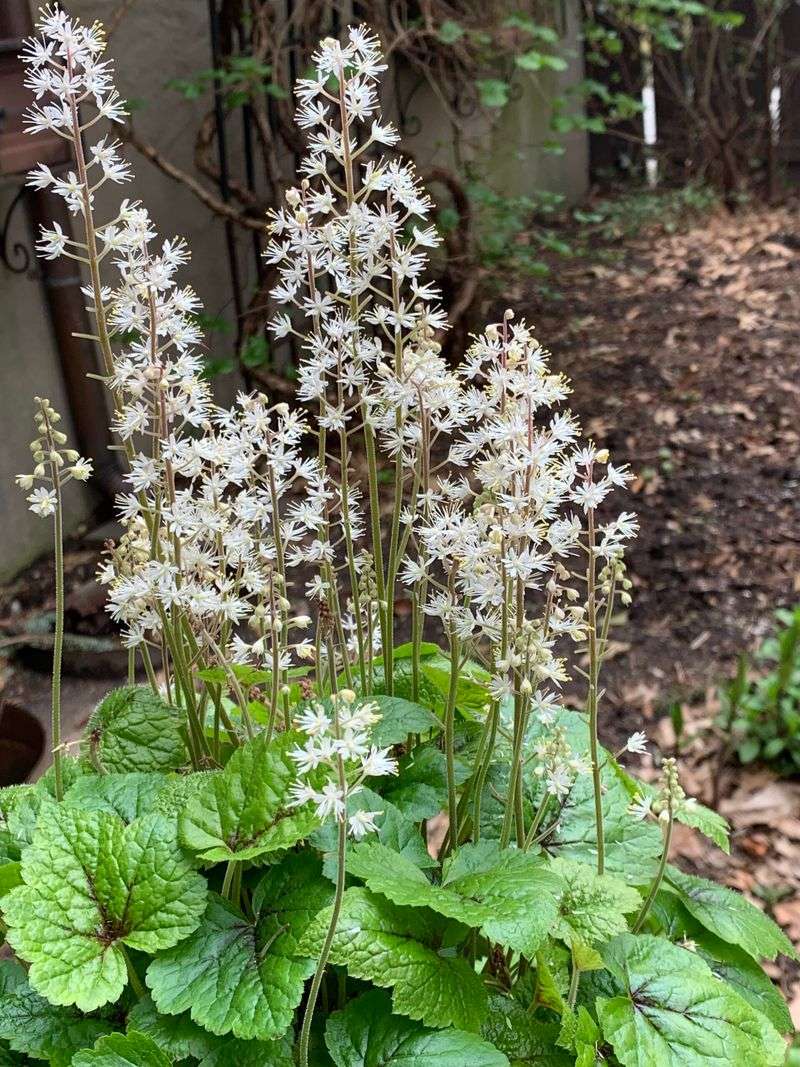
Soft, feathery flower spikes that look like tiny bursts of foam give this woodland gem its charming name. Foamflower turns shady beds into something magical each spring.
The leaves alone are worth planting for. Shaped a bit like maple leaves, they often show reddish veins and stay handsome for months. In cooler weather, some turn deep bronze, adding fall interest to your yard.
Around April and May, wands of white or pale pink flowers rise above the foliage. They sway in the breeze and draw in native bees looking for nectar. The overall effect is airy and dreamy.
Foamflower likes rich, moist soil and dappled shade, just like the forests where it grows wild.
It slowly spreads by short runners, forming a gentle, weed-blocking cover over time. Unlike some spreaders, it stays polite and easy to manage.
Get it in the ground this month so roots can grip before frost. Add compost or leaf mulch to feed the soil and keep moisture in. Water during dry spells that first year, then relax.
Pair it with ferns, wild ginger, or hostas for a layered woodland look. It shines along shady paths where people can admire the detailed leaves up close.
Deer usually pass it by, another reason gardeners adore it. Slugs may show up, but healthy plants take small nibbles in stride.
If your yard has more shade than sun, foamflower is a graceful answer. It brings texture, spring blooms, and year-round leaves without demanding much from you. Plant it once, and enjoy its quiet beauty for many seasons ahead.
5. Barren Strawberry (Geum Fragarioides)
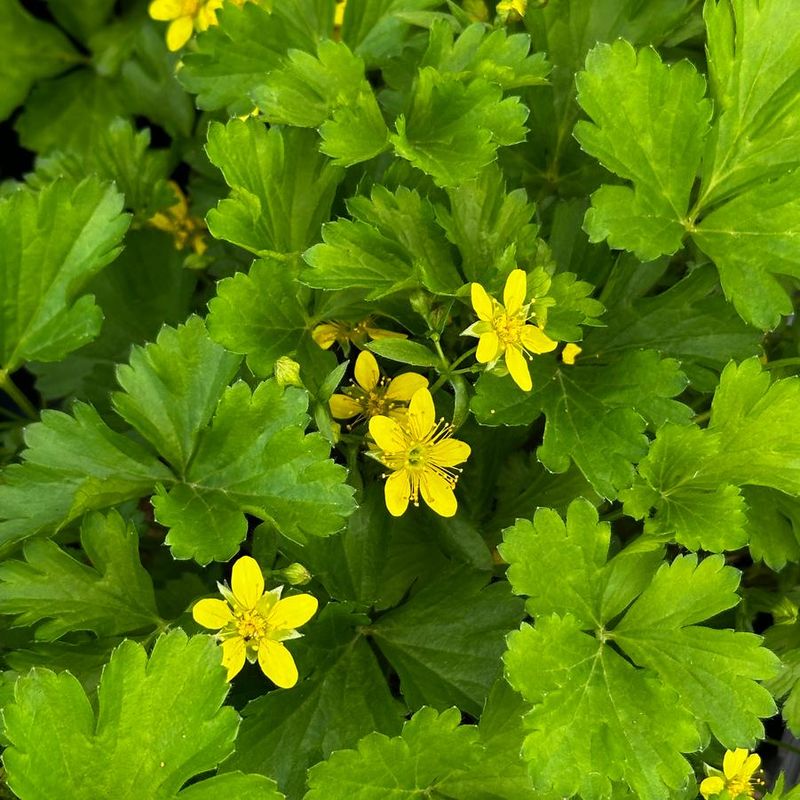
Do not let the name fool you. Barren strawberry looks a lot like a real strawberry plant, but it grows for its glossy leaves and sunny flowers instead of fruit.
This tidy native forms a low, spreading mat of shiny green leaves. In spring, cheerful yellow flowers pop up and cover the plant for weeks. The leaves stay green through much of the winter, keeping your garden from looking bare.
It works beautifully as a lawn alternative in spots that get light foot traffic. Because it stays short, you never have to mow it. That alone makes it a favorite for busy gardeners who want less yard work.
Plant barren strawberry in partial shade to full sun, in soil that drains well. It handles average conditions without complaint. Set your plants close together so they knit into a solid cover faster.
September planting lets the roots grab hold while the ground stays warm. Water gently after planting, then only during dry stretches. Once rooted, it takes care of itself with little fuss.
The flowers feed early pollinators searching for nectar. Later, the neat foliage keeps weeds from sneaking in. It slowly creeps outward, but never turns into a bully.
Try it along walkways, between stepping stones, or under shrubs where grass thins out. It also looks great tumbling over the edge of a raised bed.
For a hardy, good-looking cover that stays green much of the year, barren strawberry is a quiet winner. It asks little and gives plenty, making it a smart pick for almost any Pennsylvania garden.
6. Green And Gold (Chrysogonum Virginianum)
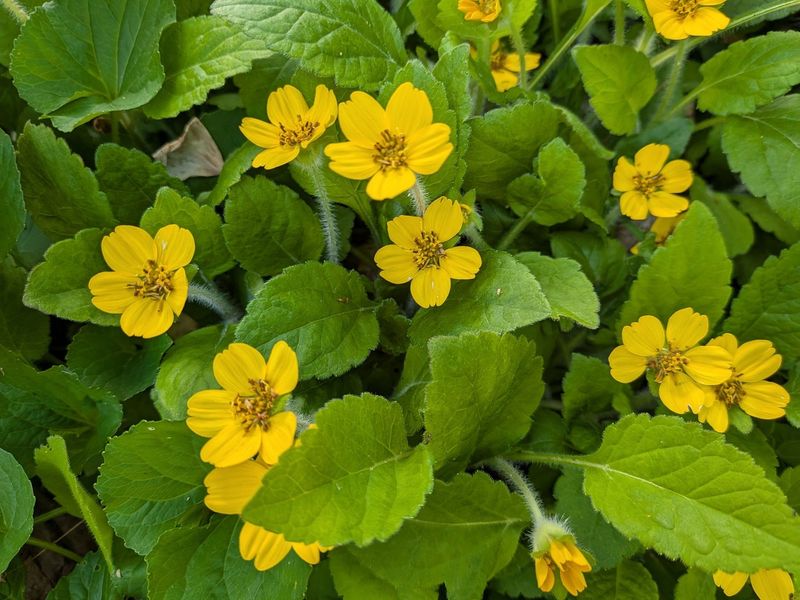
Bright golden stars scattered across a mat of fuzzy green leaves make green and gold one of the most cheerful natives you can plant. Its name says it all.
The flowers are small but plentiful, and they keep coming for a surprisingly long stretch. Blooming often starts in spring and pops back again in cooler fall weather. That double show is a rare treat among ground covers.
Standing only a few inches tall, this plant spreads slowly to form a soft carpet. It prefers partial shade but tolerates a bit of sun with enough moisture. Woodland edges and shady borders suit it perfectly.
Plant it now in rich, well-drained soil mixed with compost. Space the plants a foot apart so they fill in over a season or two. Water regularly that first year to help the roots settle.
Green and gold is native to the eastern United States, and it feels right at home in Pennsylvania. Small native bees visit the flowers, adding gentle life to your garden.
It stays fairly compact and does not overrun its neighbors. That makes it easy to mix with ferns, foamflower, or wild ginger. The bright blooms really stand out against darker woodland plants.
Deer and rabbits usually skip it, which keeps the flowers safe. A light trim after the main bloom can encourage more flowers later on.
If you want steady color in a shady spot without lots of work, green and gold delivers again and again. Tuck a few plants in before September ends, and enjoy their sunny faces for years to come.
7. Pennsylvania Sedge (Carex Pensylvanica)
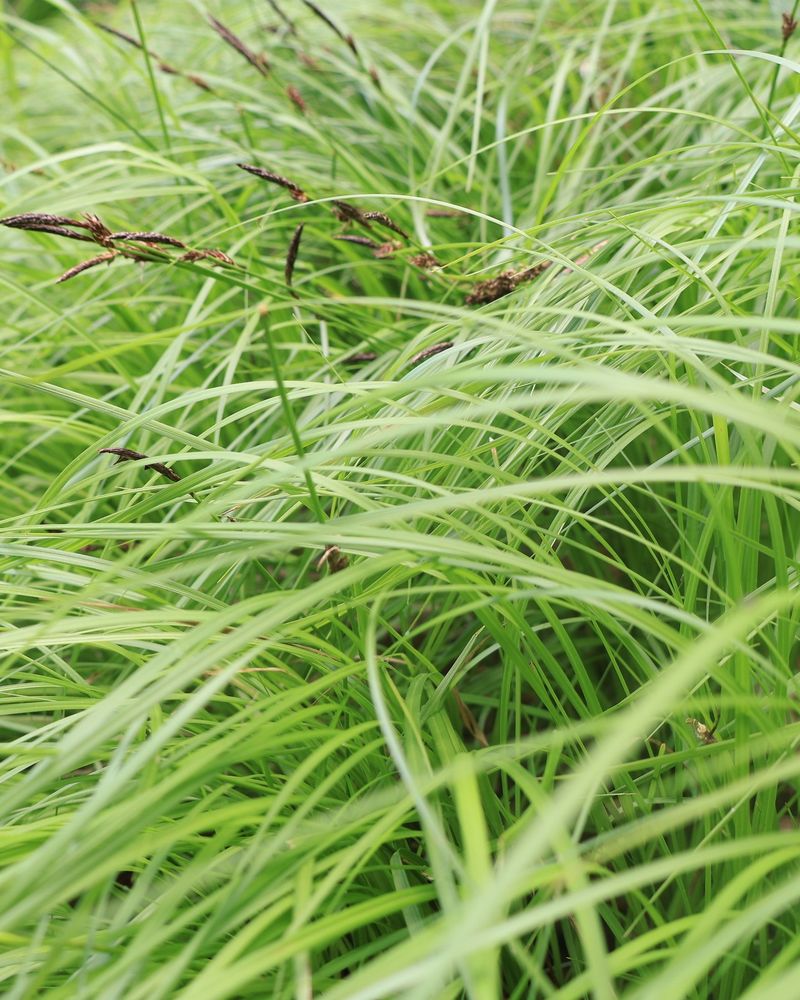
Named right after the state itself, Pennsylvania sedge is the closest thing to a no-mow lawn that nature offers. Its fine, soft blades flow like green hair in the breeze.
This grass-like plant stays low, usually under a foot tall, and often flops gently to form a flowing carpet.
It loves the dry shade beneath big trees, a spot where regular grass gives up. That alone makes it a hero for shady yards.
Spring brings tiny, wispy flowers that you have to look closely to notice. The real star is the calm, meadow-like texture it creates. Many homeowners now use it to replace thirsty, high-maintenance turf.
Plant it this month so roots can grow before the ground chills. Space plugs about six to twelve inches apart for a fuller look sooner. Water them in and keep the soil damp until they settle.
Once established, Pennsylvania sedge shrugs off drought and needs almost no care. You can leave it unmowed for a natural feel, or trim it once a year for a neater edge. Either way, it stays easygoing.
It spreads slowly by underground runners, gradually knitting into a soft mat. Foot traffic should stay light, since it is more for looks than for heavy play. Under trees and along shady borders, it truly shines.
Native bees and small critters find shelter among its blades. That gives your yard a little extra wildlife value too.
For a gentle, low-effort lawn swap that fits Pennsylvania perfectly, this sedge is hard to beat. Plant it now and trade mowing chores for a peaceful green haven.