The Worst Time Of Day To Water Hydrangeas In Pennsylvania During A Summer Heat Wave
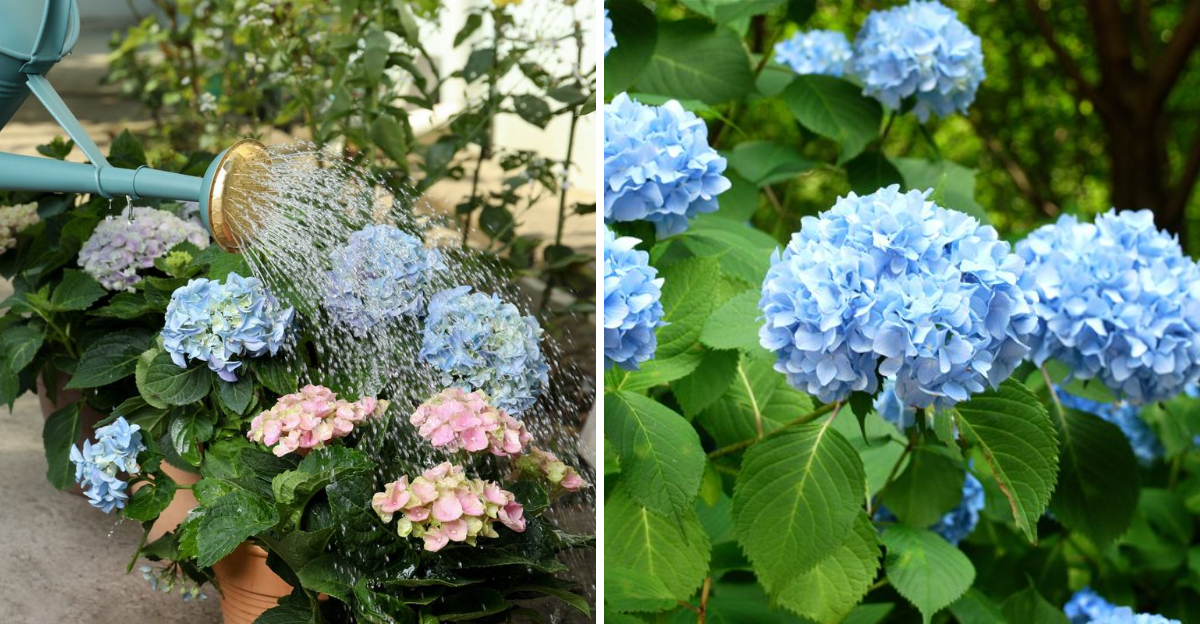
Hydrangeas are one of Pennsylvania’s most beloved garden plants, and for good reason. Those big, lush blooms in summer are hard to beat.
But during a heat wave, even the most established hydrangea can start showing signs of serious stress. Wilting in the afternoon, drooping leaves, flowers that look tired and bleached.
The instinct is to grab the hose and water immediately. Sometimes that instinct makes things worse.
Watering hydrangeas at the wrong time of day during a heat wave can actually compound the stress rather than relieve it.
It’s one of those counterintuitive gardening truths that trips up even experienced Pennsylvania gardeners, and the consequences show up fast when temperatures are already pushing plants to their limits.
The timing of when you water matters just as much as how much you water, especially when a heat wave puts your hydrangeas under pressure they’re not used to handling.
Here’s the worst time to water your hydrangeas during a Pennsylvania summer heat wave and what to do instead.
Late Evening Or Nighttime Is The Worst Time For Watering
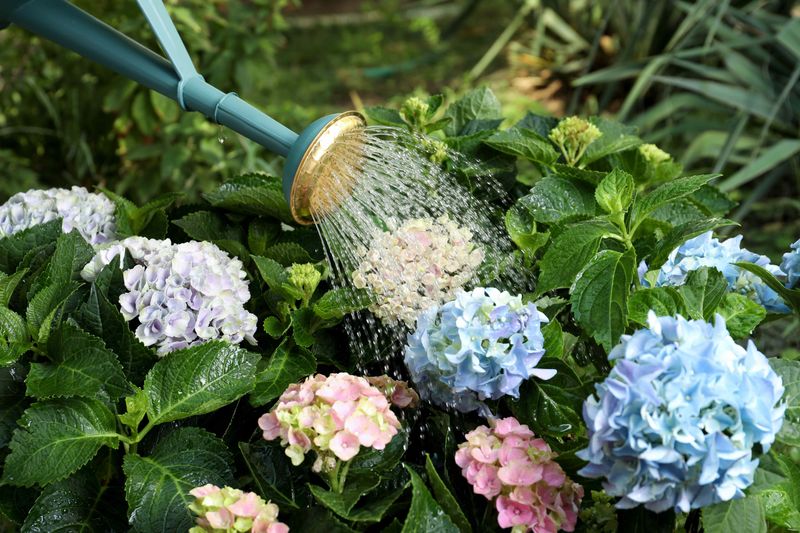
Most gardeners know that hydrangeas need plenty of water, but timing matters more than people realize. Late evening or nighttime is widely considered the worst time to water hydrangeas, especially during a summer heat wave in Pennsylvania.
When you water at night, the leaves, stems, and flower clusters stay wet for hours because there is no sunlight to help dry them out.
In Pennsylvania summers, the air is often thick with humidity, particularly at night. That combination of wet foliage and humid air creates the perfect environment for fungal diseases like powdery mildew and botrytis blight.
These problems spread fast and can seriously weaken your hydrangea plants over a single season.
Fungal spores love moisture. When water sits on leaves for six to eight hours overnight, those spores have all the time they need to settle in and start spreading.
You might notice dark spots on leaves, fuzzy gray patches on blooms, or stems that look slimy. None of those are good signs.
The risk gets even higher when nighttime temperatures stay warm, which happens frequently during Pennsylvania heat waves.
Warm and wet conditions together speed up fungal growth dramatically. Even healthy, well-established hydrangeas are not immune to this kind of stress.
Watering at the base of the plant during the evening is slightly safer than spraying from above, but it still is not ideal. Soil that stays too wet overnight can also lead to root problems over time.
Shifting your watering schedule away from nighttime hours is one of the easiest ways to protect your plants during a heat wave.
Why Night Watering Seems Helpful But Can Backfire
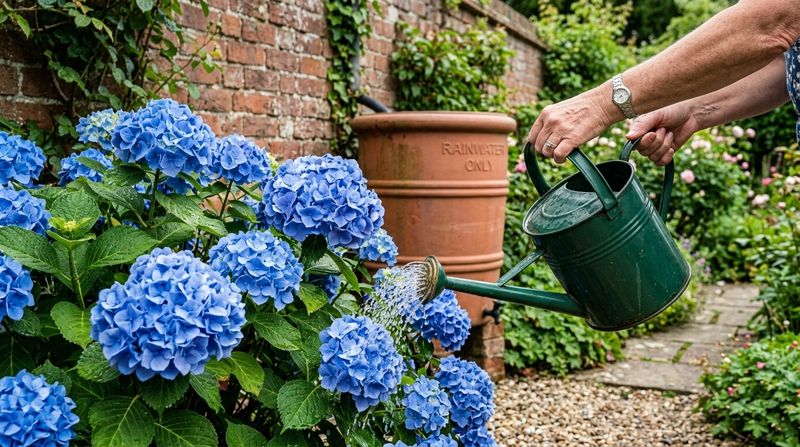
After a blazing hot Pennsylvania summer day, the last thing you want to do is go outside in the heat to water your garden.
So it makes total sense that many gardeners wait until the sun goes down and the air cools off a little before heading outside with a hose. It feels like the kind and sensible thing to do for your plants.
Your Pennsylvania Garden Changes Every Week. Your Plan Should Too.
Gardening in Pennsylvania changes quickly throughout the season. Every Friday you’ll receive a simple weekly plan showing exactly what to plant, prune, fertilize, harvest, and protect so you never miss the right timing.
The problem is that cooler overnight air actually slows the drying process dramatically. During the day, sunlight and warm air work together to evaporate moisture from leaves and stems quickly.
At night, that drying process nearly stops. If you water from above using a sprinkler or a hose sprayer, your hydrangea foliage can stay soaking wet until mid-morning the next day.
That is a long window of time for trouble to develop. Fungal spores that are already present in the soil or on nearby plant debris can travel onto wet leaves and take hold overnight.
By the time you notice something is wrong, the problem has often already spread to multiple leaves or stems.
Another issue is that night watering can give you a false sense of security. You water, the plant looks perky in the morning, and you assume everything is fine.
But underneath the surface, soggy soil and wet roots may be struggling. Roots need oxygen too, and waterlogged soil cuts off that supply.
Gardeners who water at night during heat waves often end up dealing with more plant problems by late August than those who simply shift their watering time. A small schedule change can make a surprisingly big difference for your hydrangeas.
The Best Time To Water Hydrangeas Instead
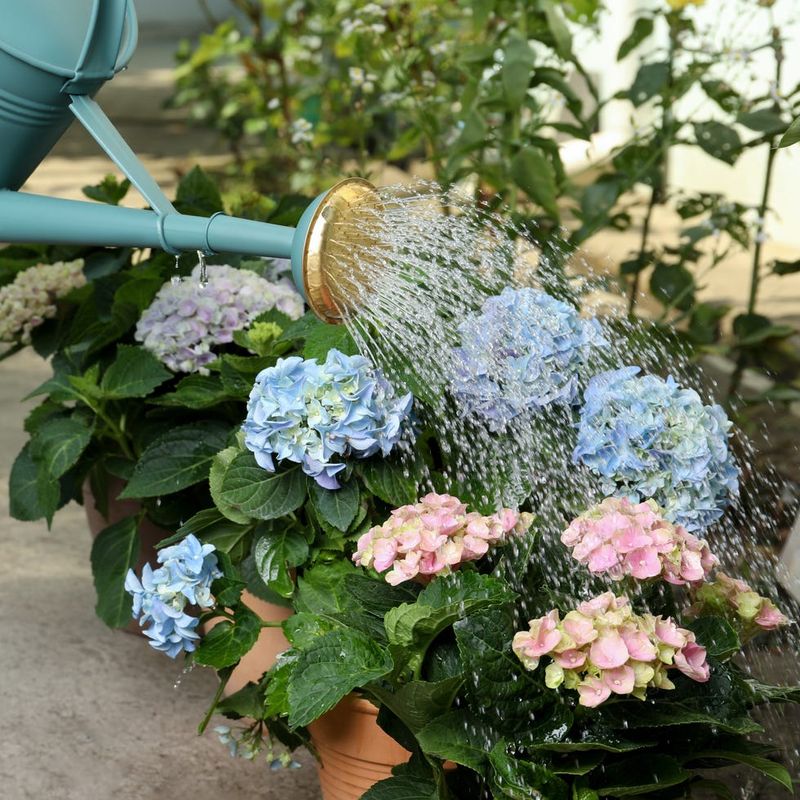
Early morning is hands down the best time to water hydrangeas, especially during a summer heat wave. Watering between 6 a.m. and 10 a.m. gives your plants a deep drink before the hottest part of the day arrives.
The soil soaks up the moisture while temperatures are still manageable, which means your hydrangeas have water available when they need it most.
Morning watering also gives any accidental splashes on leaves or blooms plenty of time to dry before the afternoon heat sets in.
Sunlight and warm daytime air work quickly to evaporate surface moisture, so the window of vulnerability for fungal problems is very short. Your plants stay hydrated without staying wet.
There is another big advantage to early morning watering that many gardeners overlook. The air is usually calmer in the morning, so water from a sprinkler or hose is less likely to drift onto foliage you did not mean to wet. You get better control over where the water actually goes.
Hydrangeas in Pennsylvania during a heat wave can lose moisture from their leaves surprisingly fast through a process called transpiration.
Watering in the morning gives the root system a head start on replacing that lost moisture before the hottest afternoon hours hit.
Plants that are well-hydrated going into the afternoon are far more likely to hold up without wilting.
If morning watering is not possible every single day, try to do it at least four to five times per week during a heat wave. Consistency matters.
Hydrangeas prefer steady moisture over sporadic soaking, so building a reliable morning routine is one of the kindest things you can do for them all summer long.
How To Water Hydrangeas The Right Way
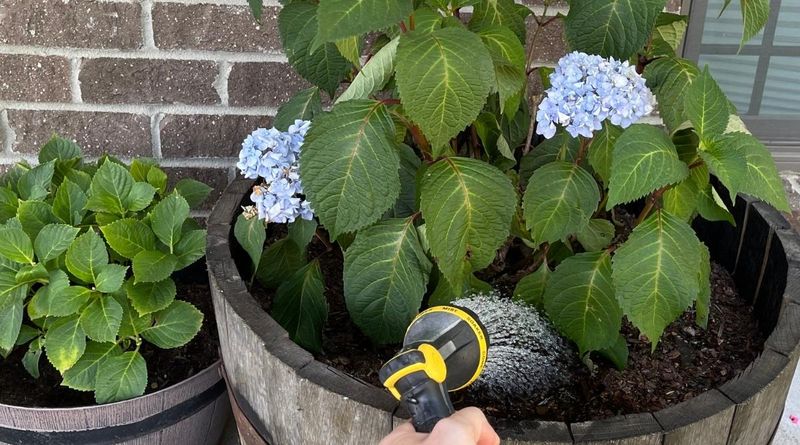
Knowing when to water is only half the equation. How you water your hydrangeas matters just as much, especially when summer heat is pushing your plants to their limits.
The golden rule is simple: water slowly and deeply at the base of the plant, not from above.
A soaker hose or drip irrigation system is the absolute best tool for watering hydrangeas during a heat wave. These systems deliver water directly to the soil around the root zone without getting a single leaf or bloom wet.
That keeps the foliage dry and the roots well-fed at the same time. If you do not have a soaker hose, a watering can or a hose with the nozzle pointed low toward the soil works well too.
The goal is to soak the root zone deeply rather than just wetting the surface. Shallow watering encourages roots to stay near the surface, where they dry out faster and suffer more during extreme heat.
Deep watering pushes roots to grow downward, where the soil stays cooler and holds moisture longer.
A good rule of thumb is to water until the soil is moist about six to eight inches deep. You can check this with a finger, a wooden chopstick, or a simple soil moisture meter. If the soil feels wet past the first inch or two, you probably do not need to water again yet.
Avoid using a strong spray that bounces water up onto leaves or flowers. Wet blooms can turn brown and drop early during a heat wave.
Slow, steady, low watering keeps your hydrangeas looking full and fresh even when the temperature climbs into the upper 90s.
What To Do If Hydrangeas Wilt In The Afternoon
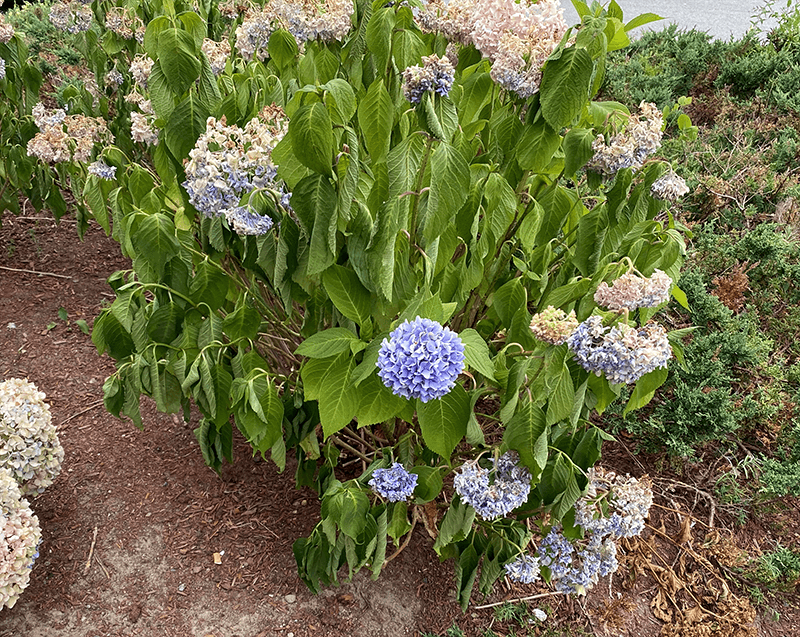
Seeing your hydrangeas droop and wilt on a blazing hot afternoon can feel alarming. Your first instinct might be to grab the hose and give them a big drink right away.
But hold on before you do that, because afternoon wilting during a heat wave does not always mean the plant is thirsty.
Hydrangeas are actually known for wilting dramatically in intense afternoon heat as a way of protecting themselves. When temperatures soar, the plant temporarily slows down its water movement to reduce stress.
It is a survival mechanism, and it is completely normal. Many gardeners call this temporary wilt, and it is different from true drought stress.
Before watering, always check the soil first. Push your finger about two inches into the soil near the base of the plant.
If the soil feels moist, the plant likely does not need more water right now. Adding more water to already moist soil can suffocate roots and cause more harm than the wilting itself.
If the soil feels dry and crumbly, then yes, water the base of the plant slowly and deeply. Skip the leaves and focus entirely on soaking the root zone.
Check the plant again in the early evening or the following morning to see how it is responding.
Most of the time, a heat-stressed hydrangea that has been properly watered in the morning will perk back up on its own once the sun starts to drop and temperatures ease off in the late afternoon or early evening.
Patience is a big part of heat wave gardening. Give your plant time to recover before adding more water and making the situation worse.
Extra Heat-Wave Steps That Help Hydrangeas Recover
Watering correctly is the most important thing you can do for hydrangeas during a Pennsylvania heat wave, but a few extra steps can make a real difference in how well your plants hold up.
Think of these tips as a support system that works alongside your watering routine to give your hydrangeas the best possible chance of coming through the heat looking strong.
Start with mulch. A fresh two to three inch layer of organic mulch around the base of your hydrangea helps the soil hold onto moisture much longer between waterings.
Wood chips, shredded bark, or compost all work well. Just make sure to keep the mulch a few inches away from the actual stem of the plant, because mulch piled directly against the stem can trap moisture and cause problems at the base.
Avoid fertilizing your hydrangeas during extreme heat. Fertilizer pushes new growth, and new growth needs extra water and energy to support itself.
During a heat wave, your plant is already working hard just to survive. Adding fertilizer at this time adds unnecessary stress to a plant that needs rest, not a growth boost.
If your hydrangeas are in a spot that gets blasted by afternoon sun, consider setting up a temporary shade cloth or even a patio umbrella to block the harshest rays between noon and 4 p.m.
Even a few hours of filtered shade can dramatically reduce the stress your plant experiences on the hottest days.
Finally, keep an eye out for any yellowing, spotted, or damaged leaves and remove them promptly. Diseased or damaged leaves draw energy away from the rest of the plant and can spread problems to healthy growth if left in place too long.