What To Do With Your Florida Lantana In July So It Stays Full All Summer
Florida in July is basically a giant, outdoor steam room, but your lantana is absolutely living for it.
These colorful little firecrackers laugh in the face of ninety-degree heat and daily afternoon thunderstorms, showing off those vibrant blooms when other plants are totally melting.
But even the toughest garden divas need a little summer tune-up to stay gorgeous. Without some quick attention, your compact bushes can suddenly turn into floppy, leggy monsters.
Plus, we need to talk about their family tree. Some non-native lantana varieties are sneaky troublemakers that spread way too aggressively across our beautiful state.
Choosing native species or sterile cultivars keeps local ecosystems happy.
1. Give It Full Sun
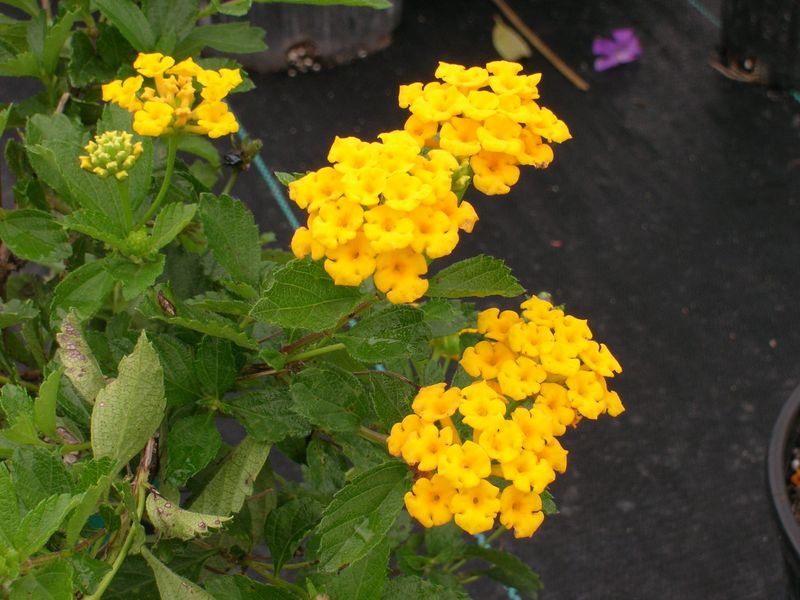
Those vivid flower clusters you see on healthy lantana are not an accident. They are almost always the result of a plant getting the strong, direct sunlight it needs to thrive.
In Florida, where summer sun is intense and long-lasting, lantana is one of the few plants that genuinely loves every hour of it.
When lantana does not receive enough light, the stems tend to stretch outward and upward as the plant reaches toward the sun. This stretched growth, sometimes called legginess, leads to fewer flowers and a plant that looks thin or uneven.
A shady spot that might work fine for other plants is usually a poor choice for lantana.
Florida’s sunny curb strips, open front beds, and south-facing foundation plantings are often ideal locations.
If your lantana is currently tucked under a tree or close to a structure that blocks morning or afternoon sun, that shade may be a bigger problem than watering or fertilizing.
Full sun typically means at least six hours of direct sunlight per day, and lantana often does even better with eight or more hours in summer.
Moving a container plant to a sunnier patio spot can make a noticeable difference in bloom density within just a few weeks.
For in-ground plants, trimming nearby shrubs or low-hanging branches to let in more light is worth considering before reaching for fertilizer or a watering can.
2. Water Regularly When Rainfall Is Limited
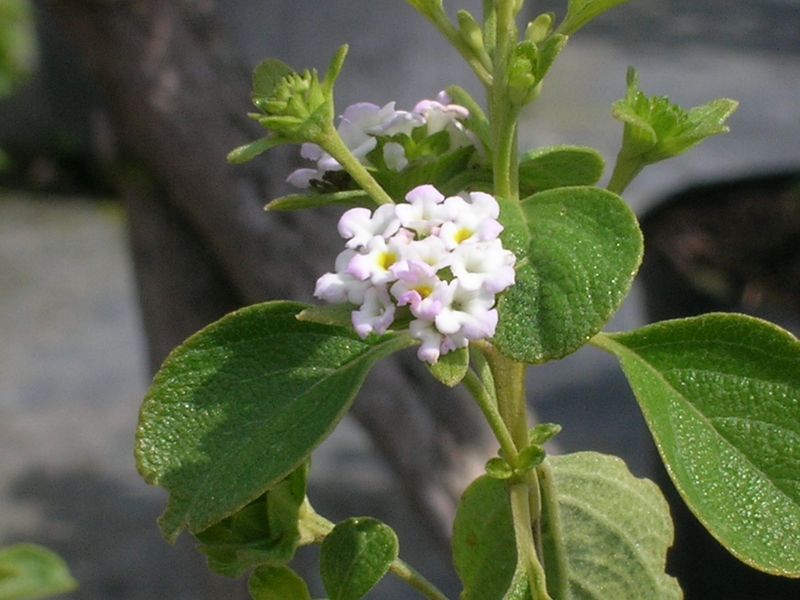
One of lantana’s best qualities in a Florida landscape is its ability to handle dry stretches once it is well established. Mature plants with a good root system can go several days without water and still look fairly healthy.
But drought tolerance does not mean lantana blooms its best without any moisture at all.
During July, Florida’s rainy season usually provides a good amount of natural rainfall, and that moisture often covers what lantana needs. The key is paying attention to what is actually happening in your yard rather than following a fixed daily watering habit.
If your area has received steady afternoon showers, the plant may not need any extra water that week.
When rainfall is limited or your beds are in a spot that dries out quickly, supplemental watering can help lantana stay fuller and more floriferous.
Sandy soils drain fast, which means moisture moves through quickly and the root zone can dry out sooner than expected.
Your Florida Garden Changes Every Week. Your Plan Should Too.
Gardening in Florida changes quickly throughout the season. Every Friday you’ll receive a simple weekly plan showing exactly what to plant, prune, fertilize, harvest, and protect so you never miss the right timing.
Watering deeply but less frequently tends to work better than light daily watering, encouraging roots to grow deeper where soil stays a bit more consistent.
Checking the soil a few inches down before watering is a simple habit that prevents both underwatering and overwatering.
Overwatering is a common mistake in summer gardens, and lantana that sits in soggy soil between rain events is more likely to struggle than one that dries out slightly between waterings.
3. Keep The Soil Well Drained
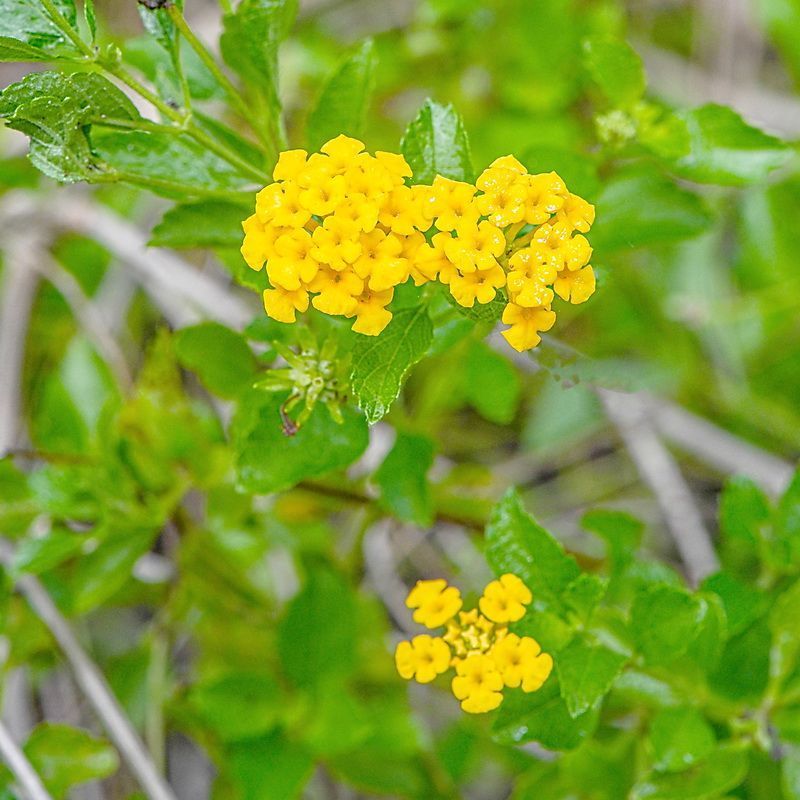
Soggy mulch after a Florida summer storm is one of the quieter signs that your lantana bed might have a drainage problem.
Even if the top of the plant looks thirsty and the leaves appear wilted in the afternoon heat, the real issue could be too much water sitting around the roots rather than too little.
Lantana strongly prefers well-drained soil. It is not a plant that tolerates wet feet for long, and Florida’s rainy season can push even healthy plants toward stress when water pools in low spots or drains slowly through compacted soil.
Root problems that develop in waterlogged conditions can show up as yellowing leaves, poor flowering, or stems that seem weak despite regular care.
Sandy soil often drains naturally and well, which is one reason lantana tends to perform so reliably across much of the state.
But beds that have been amended heavily with organic material, areas near downspouts, or low-lying spots in the yard may hold more moisture than lantana can handle comfortably during a rainy stretch.
Checking that mulch is not packed too tightly against the base of the plant also helps. A thick, dense layer of mulch can slow evaporation and keep the root zone wetter than it should be.
Keeping mulch a few inches away from the main stem and making sure the bed has good slope or drainage outlets can go a long way toward keeping lantana healthy through Florida’s wet summer months.
4. Cut Back Leggy Growth In Moderation
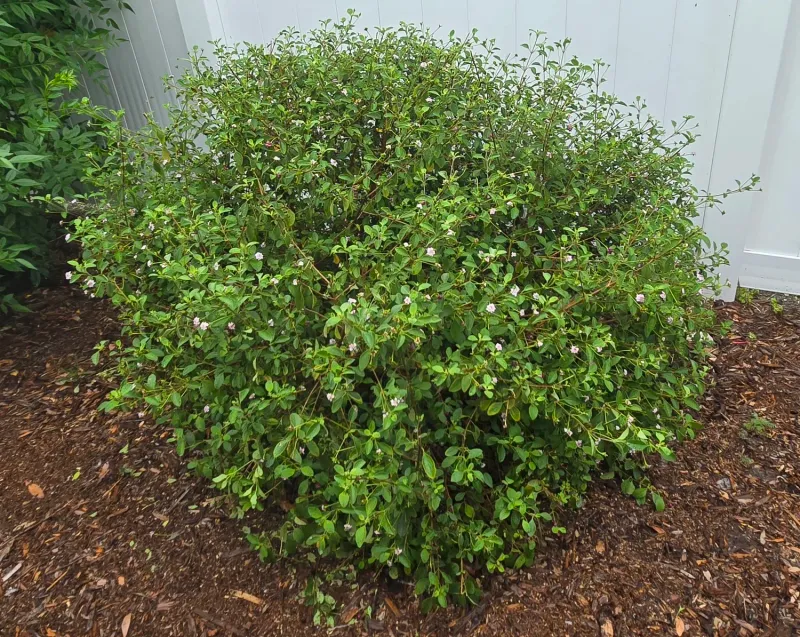
Leggy stems are one of the more common frustrations homeowners notice with lantana by mid-summer.
The plant may have started out looking full and rounded in spring, but by July the stems have stretched, the center looks open, and the flower clusters are mostly at the tips of long, bare branches.
A little light trimming can help reshape the plant without causing extra stress.
The goal with a moderate cutback is to remove the longest, most stretched stems and encourage the plant to push out new growth from lower on the branch. Cutting each leggy stem back by about one-third is a reasonable starting point.
This kind of light shaping encourages a neater, more compact form while keeping enough foliage in place so the plant can continue growing and flowering through the rest of summer.
Using clean, sharp pruners makes a real difference in how well the plant responds. Ragged cuts or dull blades can leave stems more vulnerable to disease, which matters in Florida’s humid summer conditions.
Wiping the blades with a clean cloth between cuts is a simple extra step that many experienced gardeners recommend.
The timing of this moderate trim matters too. Doing it earlier in July gives the plant more of the warm growing season to fill back in before fall.
Waiting until late summer or early fall for any heavier reshaping tends to produce better results than trying to force a major change in the middle of July’s heat.
5. Avoid Heavy Mid-Summer Shearing
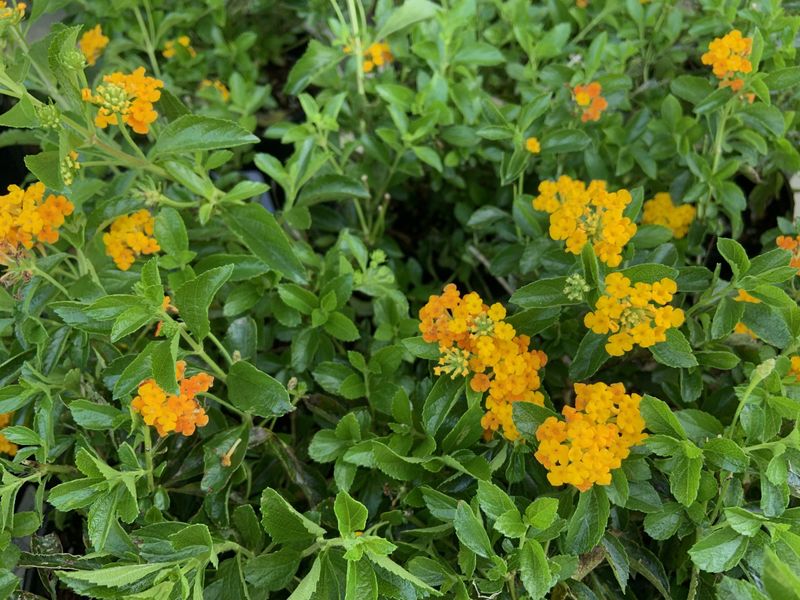
Grabbing hedge shears and cutting lantana down hard in mid-summer might seem like a quick fix when the plant looks overgrown or tired. The reality is that a severe cutback during July’s heat can leave the plant struggling rather than rebounding quickly.
Florida summers do not give plants a cool recovery window the way spring or fall might.
Hard shearing removes most of the plant’s active leaf surface all at once, which limits its ability to photosynthesize and generate the energy needed for new growth.
In a hot, humid July, a heavily sheared lantana may sit for weeks looking sparse and stressed before it begins pushing out new stems.
During that recovery window, it is also more exposed to sun scorch on the remaining stems and more vulnerable to moisture stress.
There is also a flowering cost to consider. Lantana blooms at the tips of its current season’s growth, so removing most of that growth in one pass means setting back the bloom cycle significantly.
What could have been a full, colorful plant through August and September becomes a slow rebuilding project instead.
Saving any major reshaping or hard cutbacks for a more appropriate time rather than mid-summer is a common recommendation among Florida gardeners who have seen lantana bounce back better after cooler-weather pruning.
Light shaping and moderate trimming can handle most July maintenance needs without the setbacks that come from going too hard, too fast, in peak summer heat.
6. Use Light Slow-Release Fertilizer
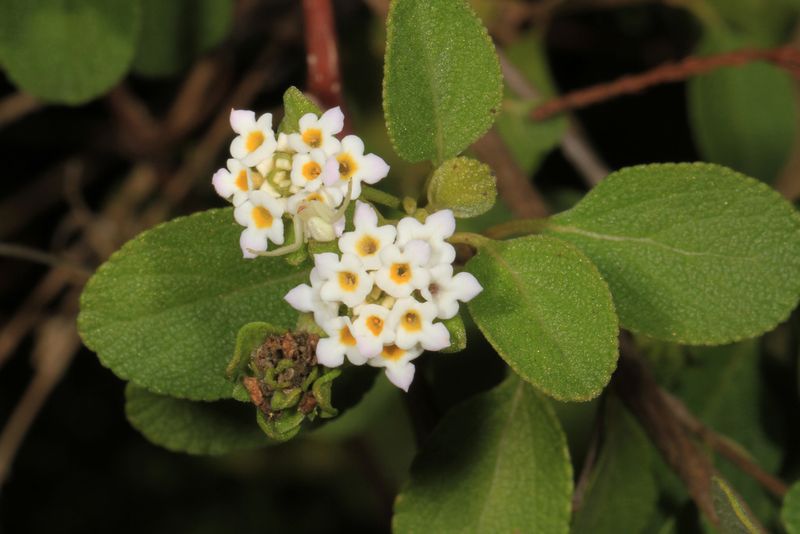
Fertilizing lantana in Florida’s summer rainy season calls for a different approach than feeding plants in a drier climate.
Heavy quick-release fertilizers applied in July can wash away fast in frequent downpours, delivering a surge of nutrients that pushes soft, weak growth rather than steady, full development.
That kind of lush but fragile new growth can also attract more pest pressure.
Slow-release or controlled-release fertilizer granules work differently. They break down gradually over several weeks or months, delivering a more consistent, lower level of nutrients to the root zone.
This matches better with how lantana actually uses nutrients during active summer growth and is less likely to cause problems when heavy rain follows right after an application.
Lantana is not a heavy feeder, and in many established Florida landscapes it gets along with minimal fertilizer, especially if the soil already has decent organic content.
Applying too much fertilizer, even the slow-release kind, can push excessive leafy growth at the expense of flowers.
A light application following product label directions is a better starting point than going heavy with the assumption that more is better.
Spreading granules evenly around the drip line of the plant rather than piling them against the stem helps nutrients reach the root zone where they are most useful. Watering lightly after application helps activate the granules if rain is not expected soon.
Keeping fertilizer applications minimal and well-timed is one of the easier ways to support lantana through summer without creating new problems.
7. Give Each Plant Enough Room
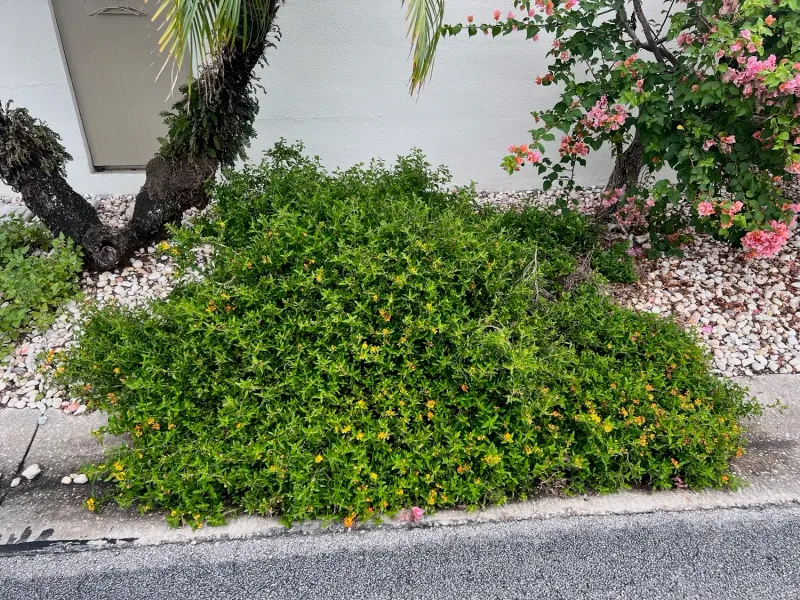
Crowded foundation plantings are one of the more common situations where lantana starts to look less than its best by midsummer.
When plants are placed too close together, they compete for light, water, and nutrients, and the natural shape of each plant gets compressed and distorted.
The result is usually a group of plants that all look a bit stretched and uneven rather than full and rounded.
Airflow between plants also matters more than many gardeners realize, especially in Florida’s humid summer conditions. Fungal issues and disease pressure tend to increase when foliage stays damp and air cannot circulate freely.
Lantana is fairly resilient, but crowded plants with limited airflow are more likely to develop problems that require extra attention and pruning to manage.
Standard lantana varieties can spread two to four feet or more depending on the cultivar, and giving each plant enough horizontal space to develop its natural form reduces the need for constant cutting.
Plants that have room to grow outward stay fuller on their own without needing to be trimmed back as frequently to maintain a tidy appearance.
If existing plants are already crowded, selective removal of the weakest ones or gradual thinning of nearby shrubs can improve conditions without a major landscape overhaul.
For anyone planning new plantings, checking the mature spread listed for the specific cultivar and spacing accordingly from the start saves a lot of management effort later.
Good spacing is one of those foundational decisions that pays off quietly all season long.
8. Choose Native Or Sterile Lantana
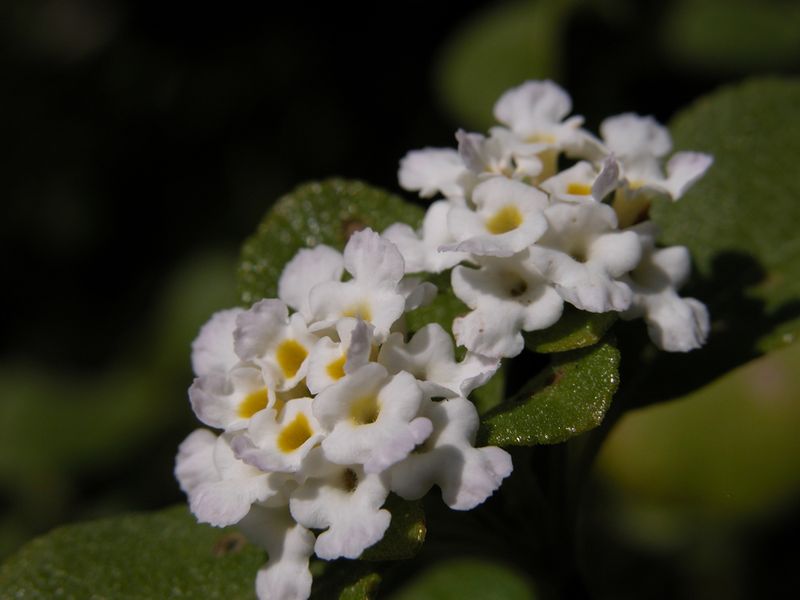
Pollinator traffic around lantana is one of the most enjoyable things about growing it in a Florida yard. Butterflies, bees, and other beneficial insects visit the flower clusters regularly, which makes lantana a popular choice for pollinator gardens.
But not all lantana is equally appropriate for Florida planting, and that distinction matters.
Common non-native lantana, particularly Lantana camara, is listed as an invasive plant. It can spread beyond cultivated landscapes into natural areas, roadsides, and wild spaces where it competes with native vegetation.
Warm climate and long growing season create ideal conditions for invasive plants to spread, which is why plant selection carries real responsibility for homeowners and gardeners.
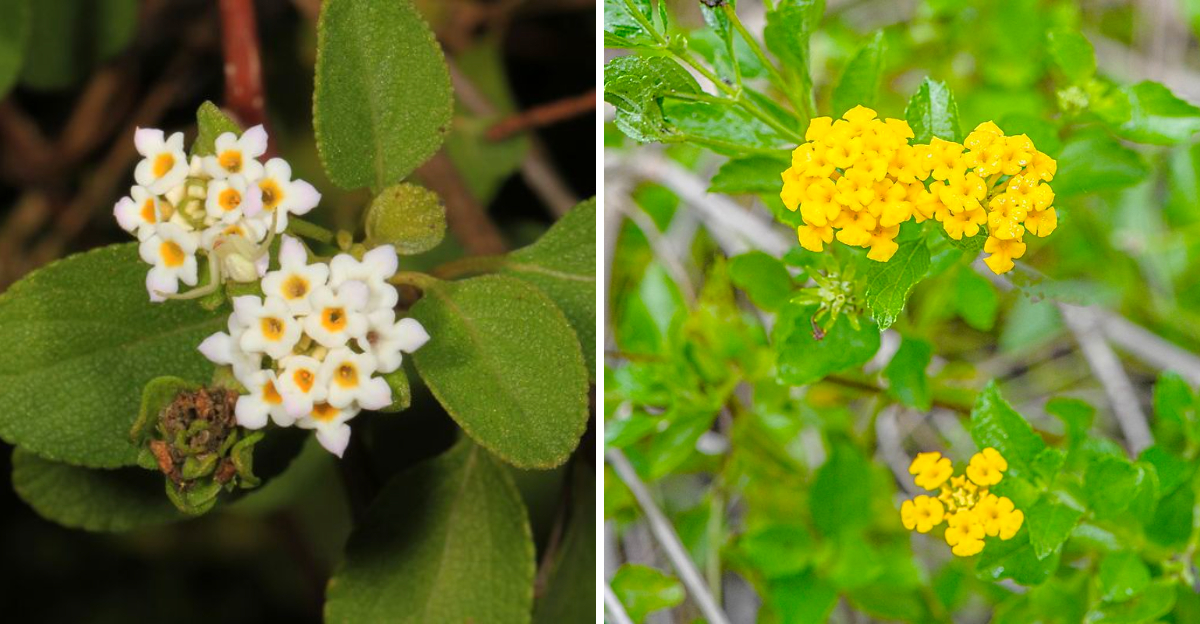
Florida does have native lantana species worth considering. Lantana depressa, sometimes called pineland lantana, is native to South Florida and is a good option for gardeners in that region who want the look and pollinator appeal of lantana without the invasive risk.
Native species tend to be better adapted to local conditions and support local wildlife more effectively.
For gardeners who prefer the look of traditional lantana in other parts of Florida, sterile cultivars from reputable nurseries are a more responsible choice than open-pollinated non-native forms.
Sterile cultivars produce little to no viable seed, which significantly reduces the chance of spreading into nearby natural areas.
Checking with a local Florida nursery or extension office can help identify which cultivars are considered low-risk and appropriate for your specific region of the state.