Why Arizona Homeowners Are Removing Pampas Grass This Summer
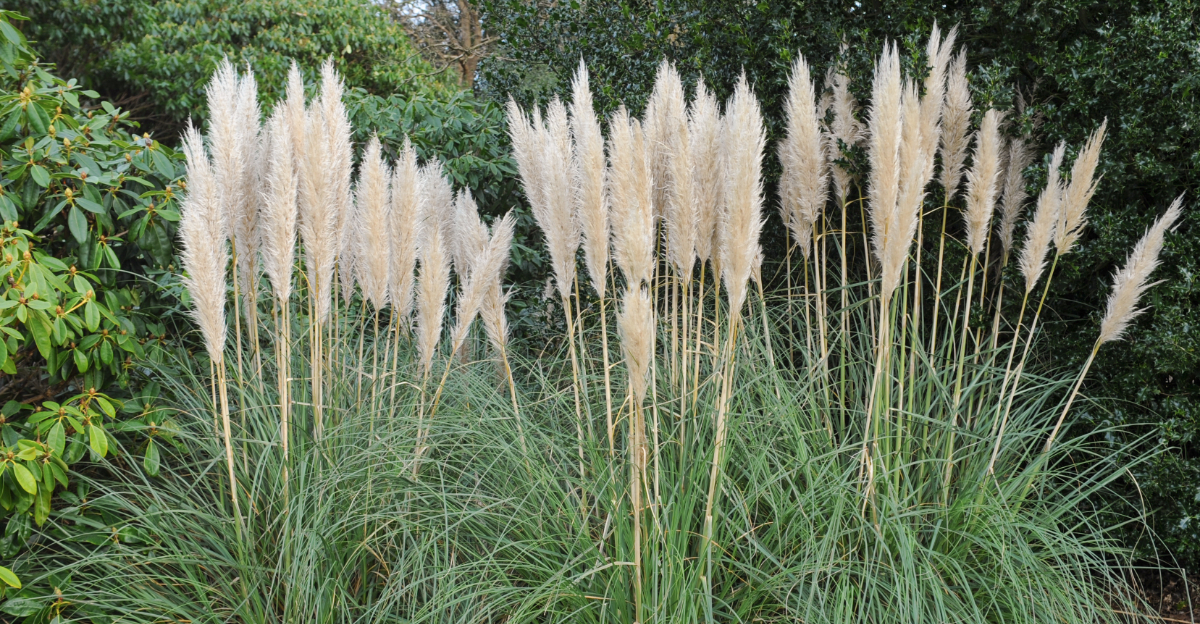
Have you noticed fewer yards keeping those tall, feathery grass plumes than they did a few years ago? That change is happening for good reasons, and it is not just another landscaping trend.
Plenty of homeowners planted pampas grass because it looked bold and dramatic at first. Later, many discovered that living with it was far less enjoyable than expected.
Sharp leaves, constant cleanup, and endless maintenance changed plenty of minds. Before choosing a plant for its appearance alone, it helps to know what it will demand later.
More homeowners in Arizona are deciding that pampas grass is no longer worth the trouble.
They are replacing it with plants that fit their landscapes better and require far less work through the hottest months.
The reasons behind that change may help you avoid making the same costly mistake.
1. It Quickly Outgrows Many Landscapes
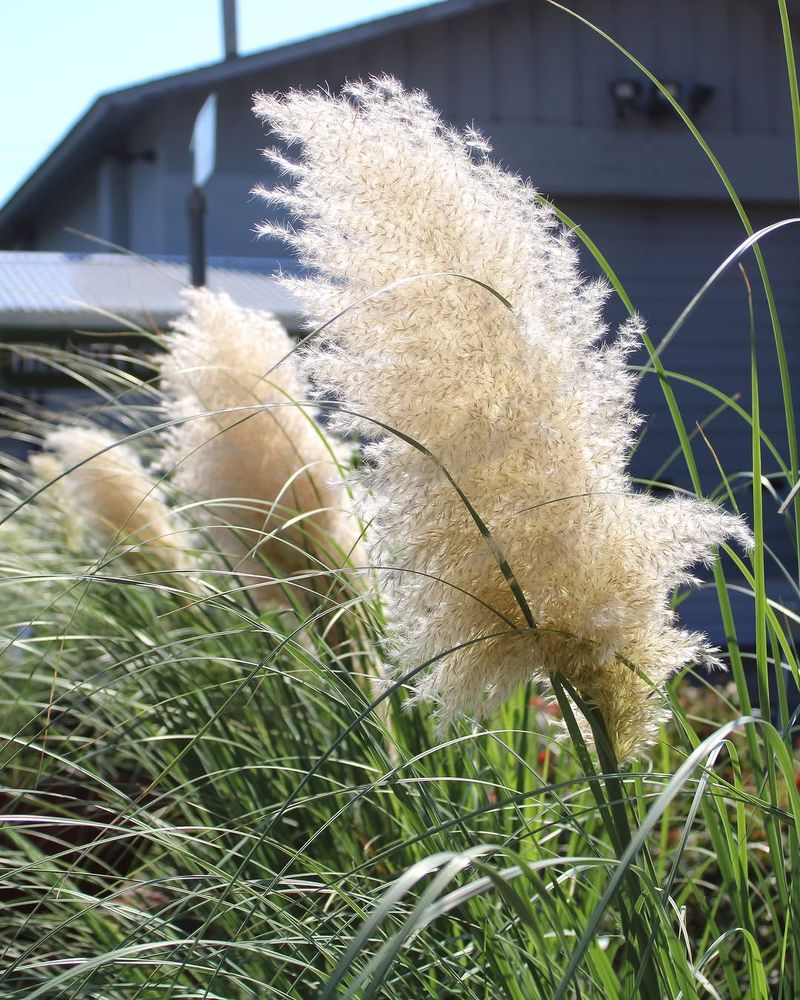
Pampas grass does not stay small. A single clump can stretch over ten feet wide and reach heights above twelve feet in just a few growing seasons.
Homeowners who planted it expecting a manageable accent quickly find it crowding out walkways, driveways, and neighboring shrubs. It spreads without asking permission.
Roots dig deep into dry soil and anchor the plant firmly. Cutting it back above ground barely slows it down.
New growth returns fast, often thicker than before.
Compact yards suffer the most. One oversized clump can visually dominate an entire front bed, leaving little room for anything else to grow nearby.
Neighbors sometimes notice the spread before the homeowner does. Seed plumes drift across property lines, and new growth pops up in unexpected spots weeks later.
Landscapers in the Phoenix metro area report that pampas grass removal calls have increased noticeably each summer. Clients are tired of fighting a plant that keeps winning.
Replacing it with a lower-growing native shrub can instantly open up sightlines and reduce yard maintenance. Smaller plants give you more control over how your outdoor space looks and functions over time.
2. Dry Leaves Increase Summer Fire Risk
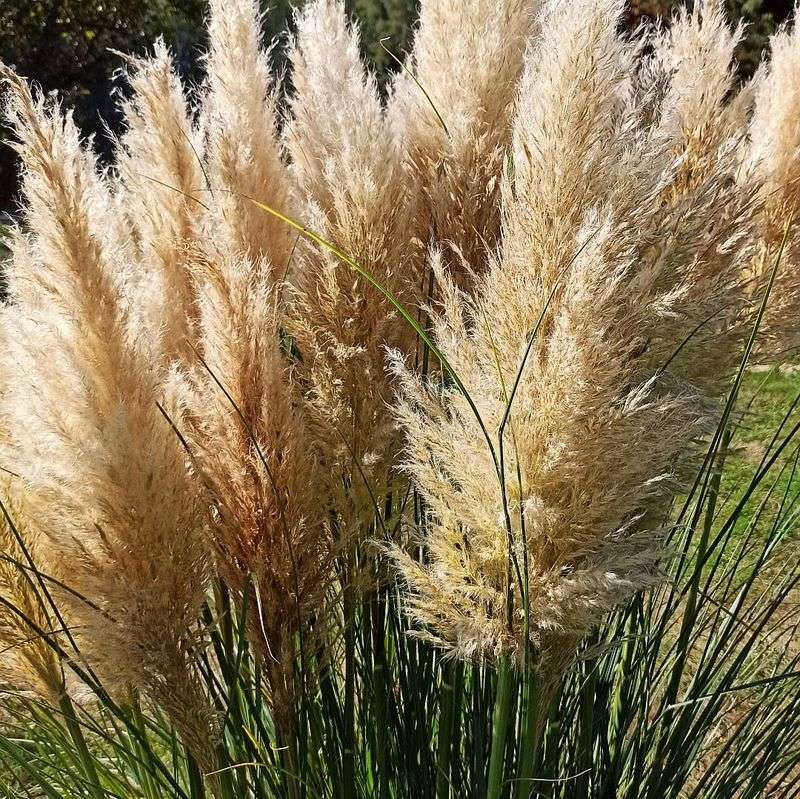
Pampas grass holds onto its dry, brown leaves like a bundle of kindling. During summer months in the Southwest, that dry growth becomes a serious concern.
Temperatures regularly spike above 110 degrees. A spark from nearby equipment or a stray ember from a neighbor’s grill can ignite dry thatch surprisingly fast.
Fire safety experts note that ornamental grasses with heavy thatch buildup pose higher ignition risk than low-water native plants. Pampas grass is one of the worst offenders in this category.
Removing the dry inner leaves requires thick gloves and long sleeves. Blades along the leaf edges are razor-sharp, making cleanup both slow and uncomfortable.
Homeowners near open desert or undeveloped lots face added exposure. Wind can carry a flame quickly once dry grass catches, especially during periods with low humidity.
Some neighborhoods have updated their landscaping guidelines to discourage high-thatch ornamental grasses for exactly this reason.
Swapping pampas grass for a low-growing desert plant significantly reduces fuel near your foundation. Fewer dry materials close to the house means fewer opportunities for fire to find an easy path.
Your Arizona Garden Changes Every Week. Your Plan Should Too.
Gardening in Arizona changes quickly throughout the season. Every Friday you’ll receive a simple weekly plan showing exactly what to plant, prune, fertilize, harvest, and protect so you never miss the right timing.
3. Sharp Blades Make Routine Maintenance Difficult
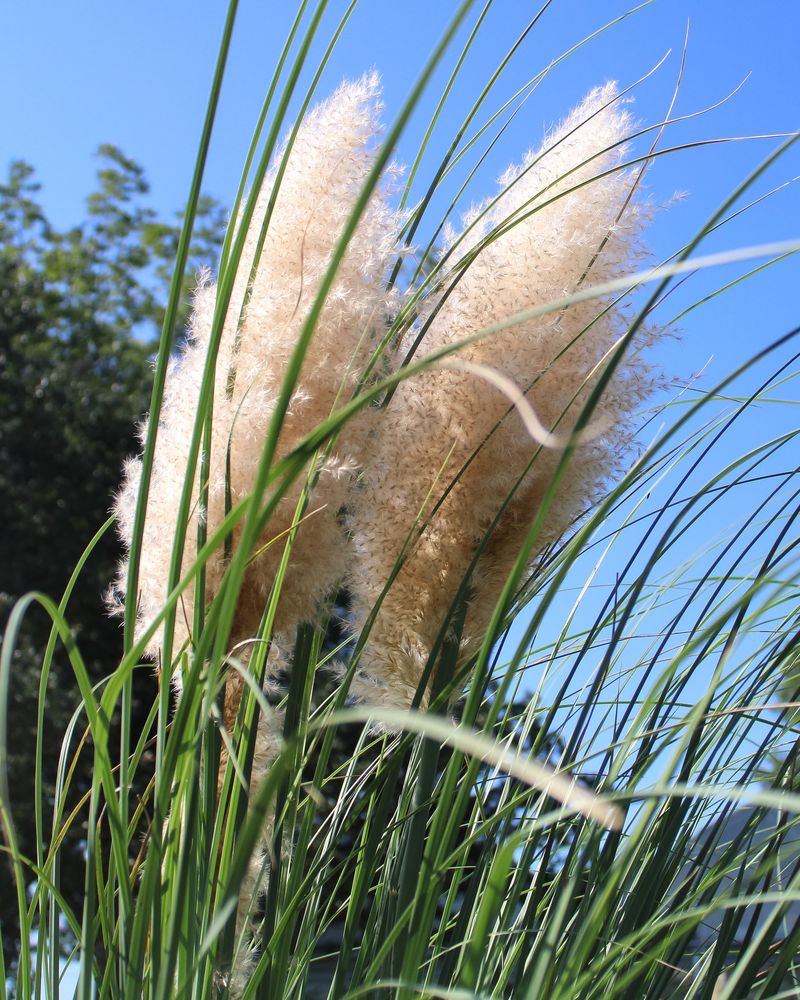
Touching pampas grass without protection is a mistake you only make once. Leaf edges carry micro-serrations that slice through skin with almost no pressure applied.
Routine trimming requires thick leather gloves, long sleeves, and eye protection. Even with gear on, working around a mature clump takes patience and careful body positioning.
Most standard garden gloves offer little protection. Thin fabric tears easily against the blades, leaving hands and forearms exposed to small but painful cuts.
Pruning shears struggle against the dense base. Many homeowners end up using reciprocating saws or hedge trimmers just to cut through the thick crown at ground level.
Cleanup afterward adds more risk. Loose blades caught in the wind can graze exposed skin during bagging or hauling.
Wearing a long-sleeve shirt in summer heat makes the job even more exhausting.
Professional landscapers typically charge more for pampas grass removal than for standard shrub removal. Extra protective gear, disposal weight, and labor time all factor into higher service costs.
Switching to a spineless native plant removes that maintenance burden entirely. Soft-leaved shrubs like desert marigold or autumn sage are far easier to trim, handle, and clean up without protective gear.
4. Wind Carries Seeds Far Beyond The Yard
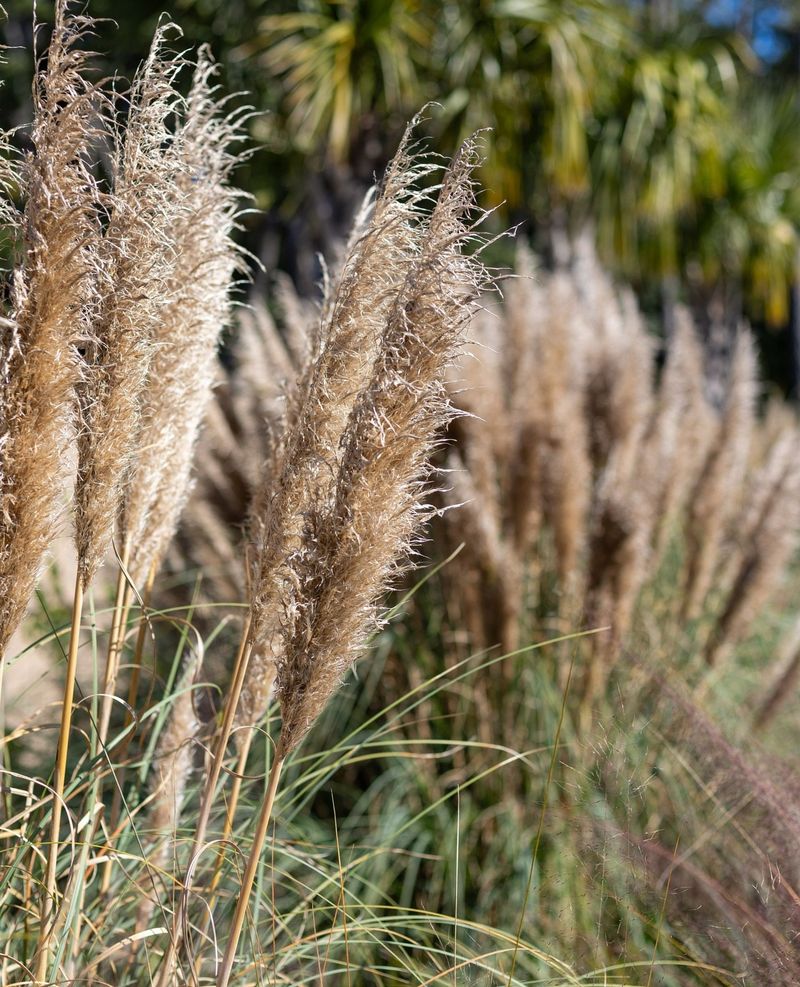
Each pampas grass plume can release thousands of seeds into the air. Wind does the rest, scattering them across yards, sidewalks, and open desert with no effort at all.
Seeds are light and travel far. A single plant in bloom can spread seedlings across several neighboring properties before the season ends.
Once seeds land in disturbed soil, they germinate quickly under the right conditions. Dry, sandy desert soil actually supports early germination better than many people expect.
Pampas grass is considered invasive in several western states. It outcompetes native plants for water and space, disrupting local ecosystems that took decades to establish.
Removing a plant that has already spread seeds does not stop the problem immediately. Follow-up monitoring over the next growing season helps catch new seedlings before they establish deep roots.
Responsible removal means disposing of seed heads carefully. Bagging plumes before cutting reduces the chance of seeds escaping during the removal process.
Neighbors benefit when one homeowner removes a seeding plant. Fewer seeds in the air means fewer surprises popping up in garden beds, gravel yards, and planting strips throughout the block.
Choosing a non-seeding ornamental grass or a native perennial removes that ongoing spread risk from your property entirely.
5. The Best Time To Remove Established Clumps
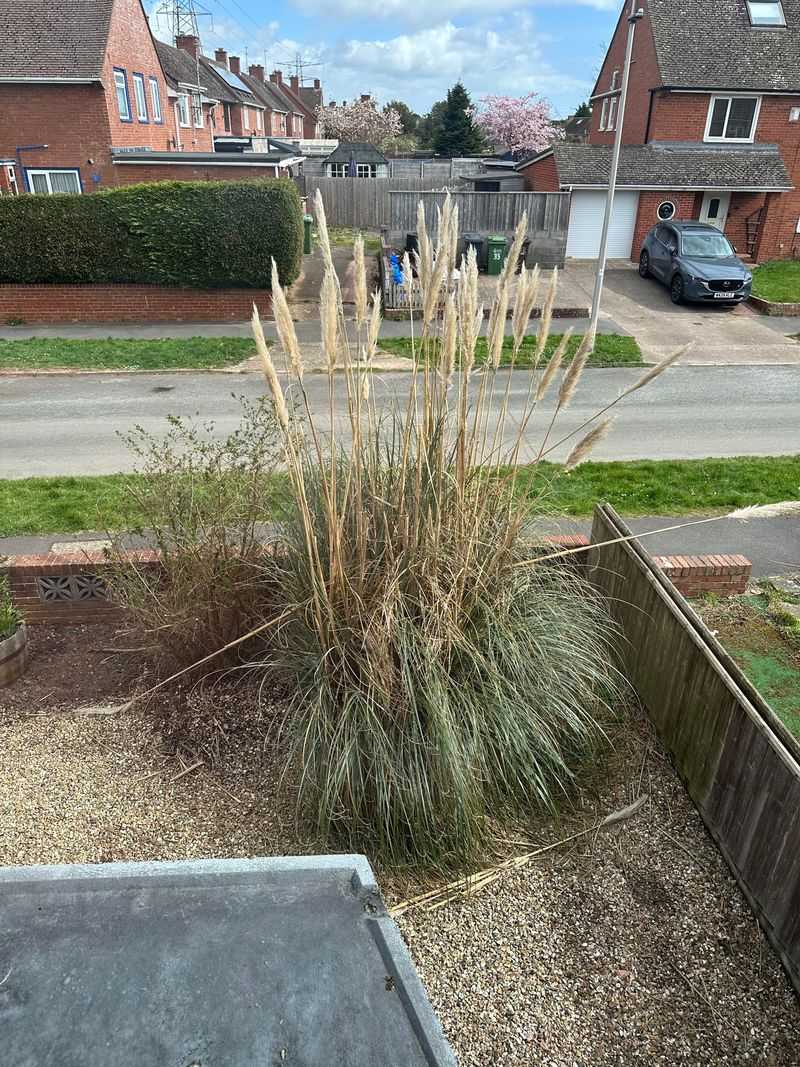
Timing matters when removing pampas grass.
Late spring through early summer is often the preferred window, before peak heat makes outdoor labor unsafe for extended periods.
Early morning work sessions keep physical strain manageable. Temperatures in the low 80s feel very different from afternoon heat pushing past 105 degrees.
Cutting the plant down to about six inches first makes root removal easier. A shorter crown gives you better visibility around the base and more room to swing tools.
Root systems on established clumps can be surprisingly wide and dense.
A mattock or heavy-duty garden fork works better than a standard shovel for breaking up the compacted root mass.
Renting a stump grinder is worth considering for very large plants.
Clumps that have been in the ground for five or more years often develop a woody base that hand tools struggle to remove cleanly.
Watering the area a day before removal softens hard desert soil. Loosened soil makes root extraction faster and reduces the chance of leaving behind root fragments that could regrow.
Removing the entire root system gives you the best chance of preventing regrowth. Leaving large root pieces behind often leads to new shoots appearing within weeks, requiring another removal effort.
6. Heat-Tolerant Native Plants Make Better Replacements
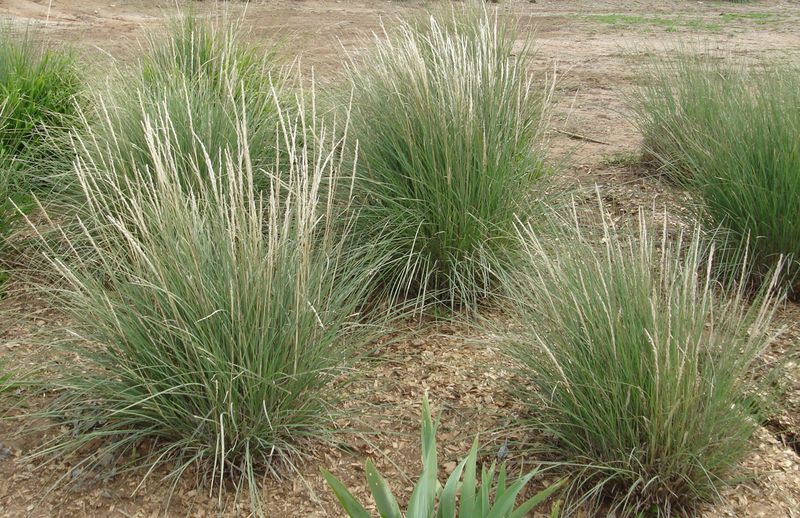
Pulling out pampas grass creates an opportunity to redesign the space with plants that naturally belong in Arizona landscapes.
Native species are better adapted to the state’s hot, dry climate, so they generally need less water and fewer maintenance tasks while providing food and shelter for local wildlife.
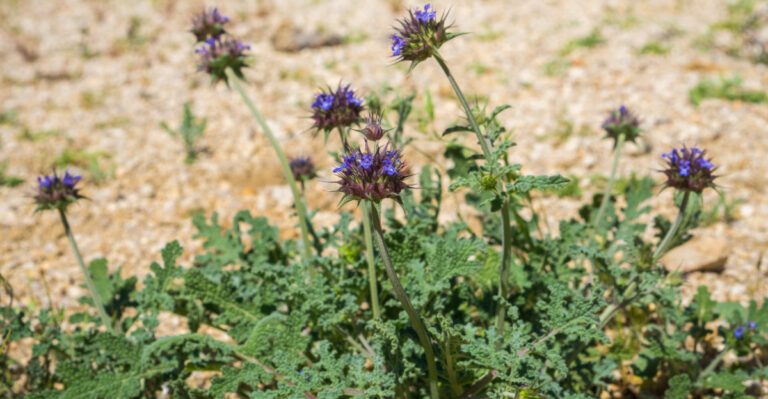
Desert marigold adds bright yellow blooms from spring through fall and thrives in full sun with minimal irrigation after it becomes established.
Autumn sage brings long-lasting red, pink, or coral flowers that attract hummingbirds and native pollinators while staying much easier to manage than a large ornamental grass.
Parry’s agave creates a bold architectural focal point with thick blue-gray leaves that hold their shape throughout the year.
Red yucca offers a softer look with narrow evergreen foliage and tall flower spikes that bloom for months, making it one of the most dependable choices for desert gardens.
If you still want the graceful movement that pampas grass provides, deer grass is an excellent native alternative. It forms tidy, fountain-shaped clumps that sway in the breeze without becoming invasive.
Unlike pampas grass, it does not produce plumes that spread aggressively into nearby natural areas.
Combining several native plants instead of relying on one oversized ornamental creates a landscape with more color, texture, and seasonal interest.
7. Proper Disposal Helps Prevent It From Spreading
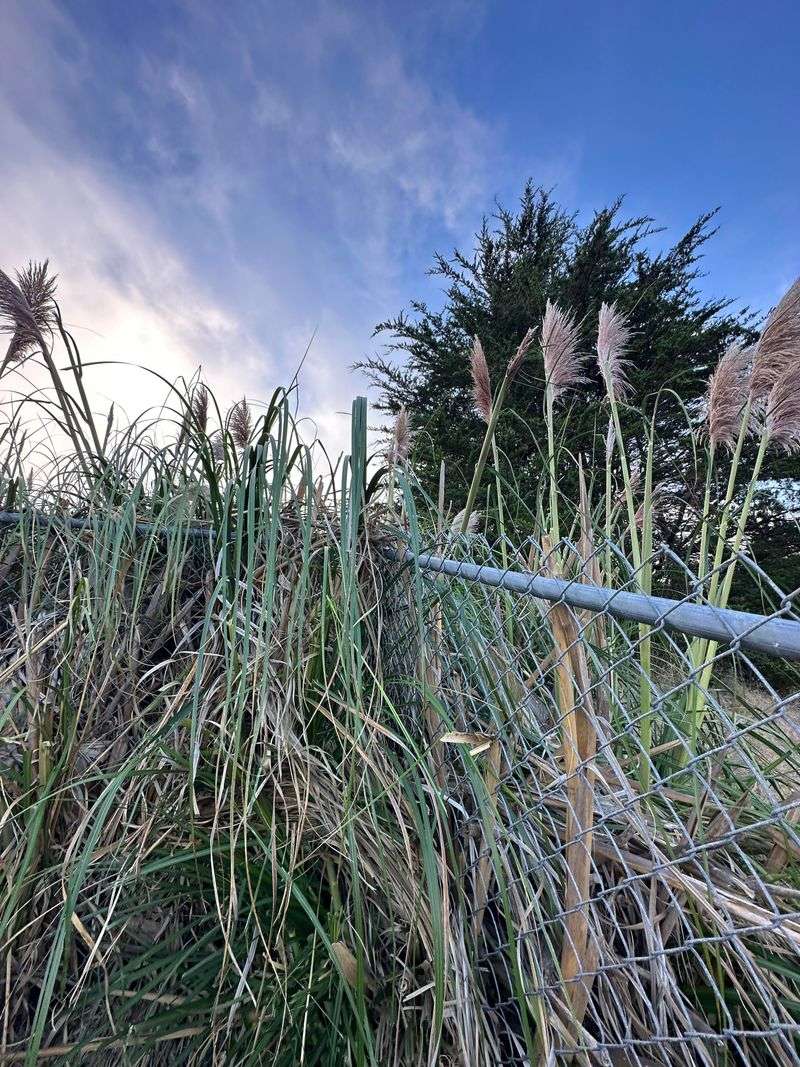
Cutting pampas grass without a disposal plan can make the problem worse. Loose seed plumes left on the ground or tossed loosely into a bin can still release seeds before collection day.
Bag seed heads first, before cutting the rest of the plant. Sealed bags stop seeds from escaping during the trimming and hauling process.
Standard yard waste bags work for leaves and stalks. Seed plumes need double-bagging or heavy-duty bags that do not tear easily when loaded with sharp debris.
Composting pampas grass at home is not recommended. Seeds can survive the composting process and spread when finished compost is used elsewhere in the yard.
Check with your local waste management provider about accepted materials.
Some municipalities in the greater Phoenix area have specific guidelines for invasive plant disposal that differ from standard yard waste rules.
Avoid shaking or dragging cut clumps across the yard. Seeds caught in plumes can dislodge easily during transport, landing in soil before they reach the trash bin.
Rinsing tools after removal helps too. Seeds can cling to shovels, gloves, and boots, then drop in new locations without you noticing.
Taking a few extra steps during disposal protects your yard and your neighbors’ yards from future seedling problems that would require starting the removal process again.