What It Really Means When Collared Lizards Start Showing Up In Your Texas Hill Country Garden
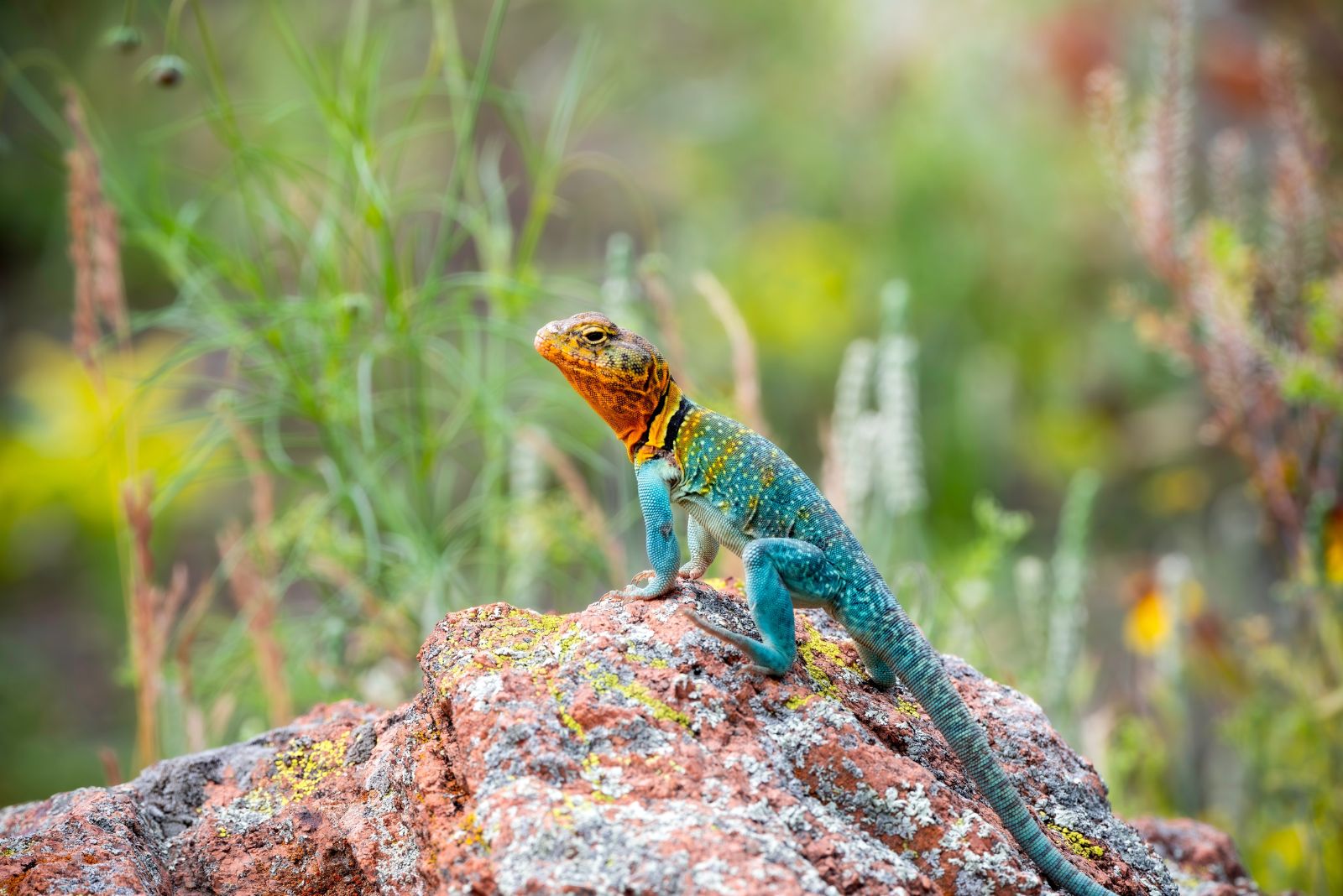
Spotting a collared lizard in your Texas Hill Country garden is one of those moments that stops you in your tracks. These are striking animals.
Bold coloring, an upright confident posture, and a way of moving that makes them look like they own every rock they stand on. If you’ve seen one recently, the first thought is usually the same. Where did that come from? And what does it mean?
Collared lizards are not random wanderers. They have specific habitat requirements, and when they show up in your garden, their presence is telling you something real about the conditions in and around your outdoor space.
These are animals that thrive in healthy, functioning Hill Country ecosystems, and a collared lizard choosing your garden as part of its territory is a genuinely meaningful signal.
Beyond the ecological significance, these lizards have long carried cultural and symbolic meaning across the communities of the American Southwest.
1. Your Garden Has The Rocky Habitat They Like
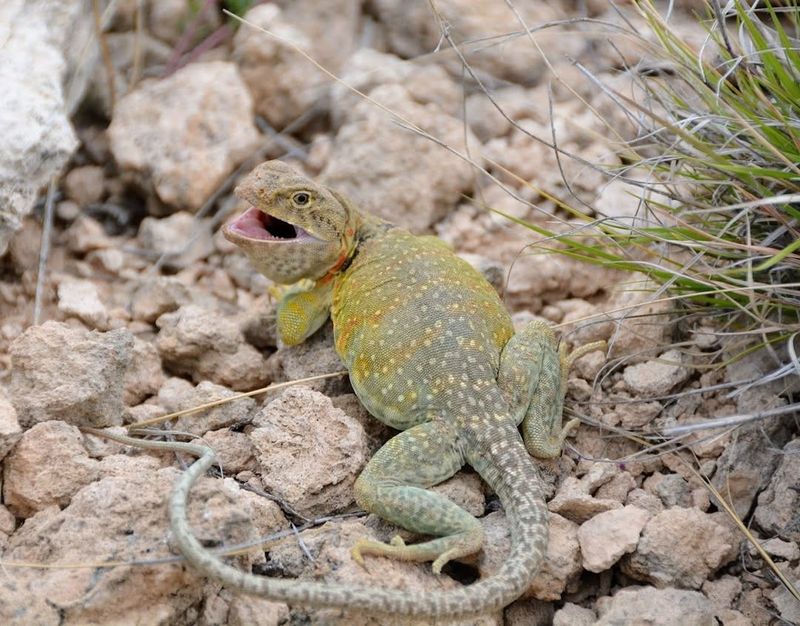
Rocky terrain is basically a luxury resort for collared lizards. These reptiles have been living among limestone outcrops and stony hillsides across the Southwest for thousands of years.
When they show up in your Hill Country garden, the first thing they noticed was probably your rocks.
Stone walls, gravel beds, boulders, and sunny rock borders all feel like home to them. Collared lizards need places to hide quickly, warm up fast, and spot prey from a good vantage point.
A flat rock on top of a limestone ledge? That is prime real estate in their world.
Many Hill Country homeowners add decorative stone features without realizing they are also building perfect lizard habitat. Dry-stacked rock walls with small gaps are especially attractive because they offer shelter without being fully enclosed.
Natural limestone outcrops that were already part of your landscape are even better. You do not need to go out and buy anything special. If collared lizards are already visiting, your yard already has what they need.
The rocky structure of your garden is doing the work on its own. One thing worth knowing is that collared lizards are territorial. A male will often pick a favorite rock and return to it regularly.
If you notice one lizard appearing in the same spot several days in a row, that rock has likely become his lookout post. Enjoy the show.
Your garden’s natural stone character is exactly what drew him there, and that is something worth feeling good about as a Hill Country homeowner.
2. You Probably Have Plenty Of Insects Around
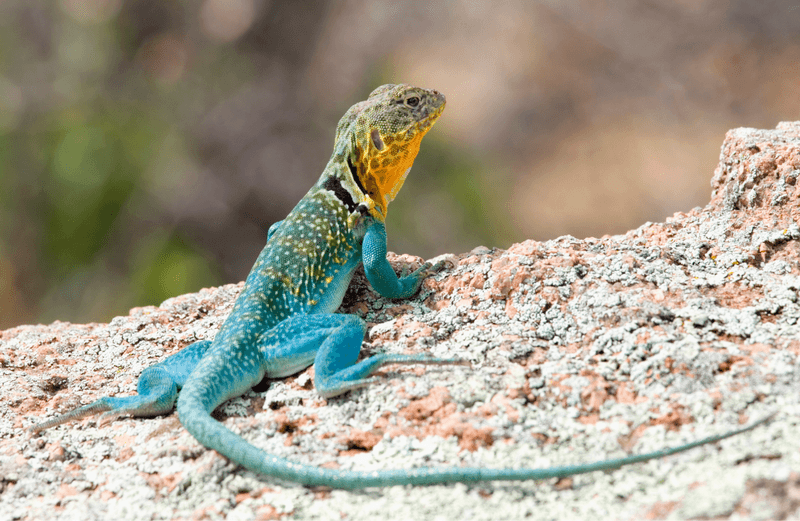
Collared lizards are serious hunters. They are not browsing your garden for seeds or nibbling on your flowers.
They are there for one thing above almost everything else: insects. Grasshoppers, crickets, beetles, and other small invertebrates make up the bulk of their diet, and a yard full of bugs is a yard worth visiting.
If you have native plants growing in your garden, you are likely supporting a much larger insect population than you realize.
Your Texas Garden Changes Every Week. Your Plan Should Too.
Gardening in Texas changes quickly throughout the season. Every Friday you’ll receive a simple weekly plan showing exactly what to plant, prune, fertilize, harvest, and protect so you never miss the right timing.
Native Texas plants like black-eyed Susans, cedar sage, and Texas lantana attract pollinators and other insects year-round. Those insects attract lizards. It is a simple food chain playing out right in your backyard.
Unmowed edges and natural areas also help. When you leave a strip of wild grass or let native groundcover spread near a fence line, you create a hiding place for exactly the kind of insects collared lizards love to chase.
They are quick and agile hunters, able to sprint across open ground and snap up prey in a flash.
Yards that rely heavily on broad-spectrum pesticides tend to see fewer insects overall, which means fewer lizards too.
A collared lizard showing up is actually a clue that your garden still has a healthy, functioning insect community. That is a very good ecological sign.
Think of them as a natural pest patrol. They are not going to wipe out every grasshopper, but they will keep hunting as long as the food supply stays strong.
A bug-rich garden brought them in, and a bug-rich garden will keep them coming back throughout the warm season.
3. Your Yard Offers Good Sun-Basking Spots
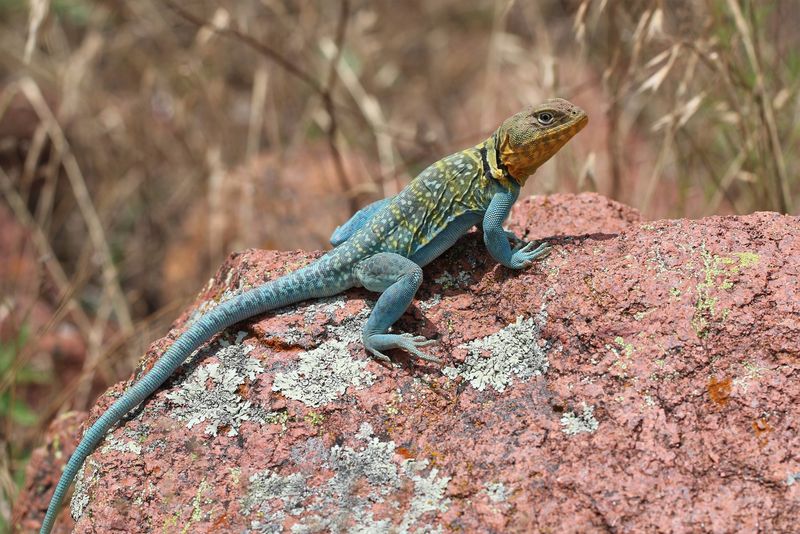
Warm-blooded animals regulate their temperature from the inside. Collared lizards do it from the outside.
They are ectotherms, which means they rely on the sun and warm surfaces to get their bodies up to the right operating temperature. Without good basking spots, they simply cannot function well enough to hunt, mate, or stay alert.
A garden with open sun exposure, flat warm rocks, and low vegetation is basically a collared lizard dream setup. They need direct sunlight hitting a surface that holds heat, and they need to get there quickly after dawn.
Limestone and granite rocks work especially well because they absorb heat efficiently and stay warm even as the air cools in the late afternoon.
Low vegetation matters too. Collared lizards do not like dense, overgrown areas because they cannot see predators coming or spot prey easily.
Open ground between plants, combined with a clear rock to sit on, gives them the visibility and warmth they need. Your garden layout is probably doing this naturally if you have kept things from getting too overgrown.
Fun fact: collared lizards can run on their back legs when they reach top speed. They look like tiny dinosaurs sprinting across the ground.
Watching one launch off a basking rock in pursuit of a grasshopper is genuinely one of the coolest things you can see in a Hill Country yard.
If your garden has sunny patches with warm, exposed stone and open sightlines, you have created the kind of environment these lizards actively seek out. That combination does not happen by accident, and it says a lot about how your outdoor space is laid out.
4. They Feel Safe Enough To Hunt There
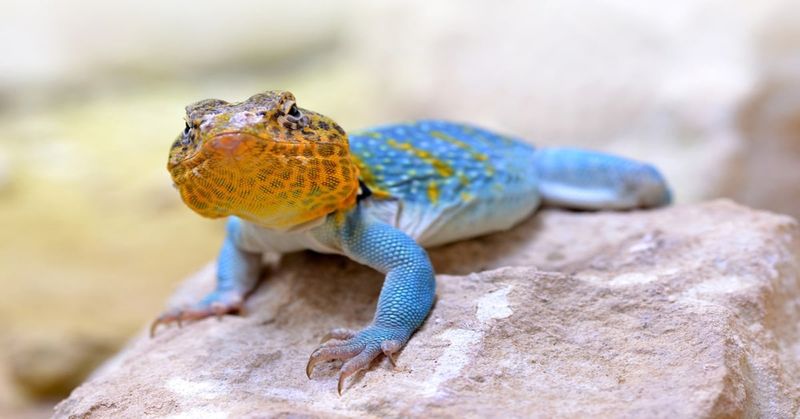
A collared lizard is not going to hang around somewhere that feels dangerous. These are alert, cautious animals.
They use rocky outcrops not just for warmth but for protection. If one keeps showing up in your yard, it has decided your garden is safe enough to be worth the risk of being out in the open.
That trust means something. Your yard probably has a good balance of open hunting space and quick escape routes.
Rock ledges, native shrubs, brush piles, and even the gaps under large stones give them somewhere to retreat when a hawk flies over or something else spooks them. Without those hiding spots nearby, they would not feel comfortable enough to stay and hunt.
Predator pressure matters a lot. Yards with free-roaming cats tend to see far less lizard activity.
Cats are skilled hunters and collared lizards recognize them as a serious threat. If you have a cat that spends time outside, that could be one reason lizard visits are rare or inconsistent.
Keeping cats indoors is one of the best things you can do for local wildlife. A returning collared lizard is actually a sign of something subtle but meaningful: your yard has the right structure. Open areas for hunting.
Rocky cover for safety. Enough distance from heavy foot traffic to feel undisturbed. That combination is harder to achieve than it sounds, and many suburban yards simply do not have it.
So when one keeps coming back to the same corner of your garden, take it as a quiet compliment. Your outdoor space has earned a little bit of wildlife trust, and that is genuinely worth appreciating.
5. Your Landscape May Be More Wildlife-Friendly Than You Realize
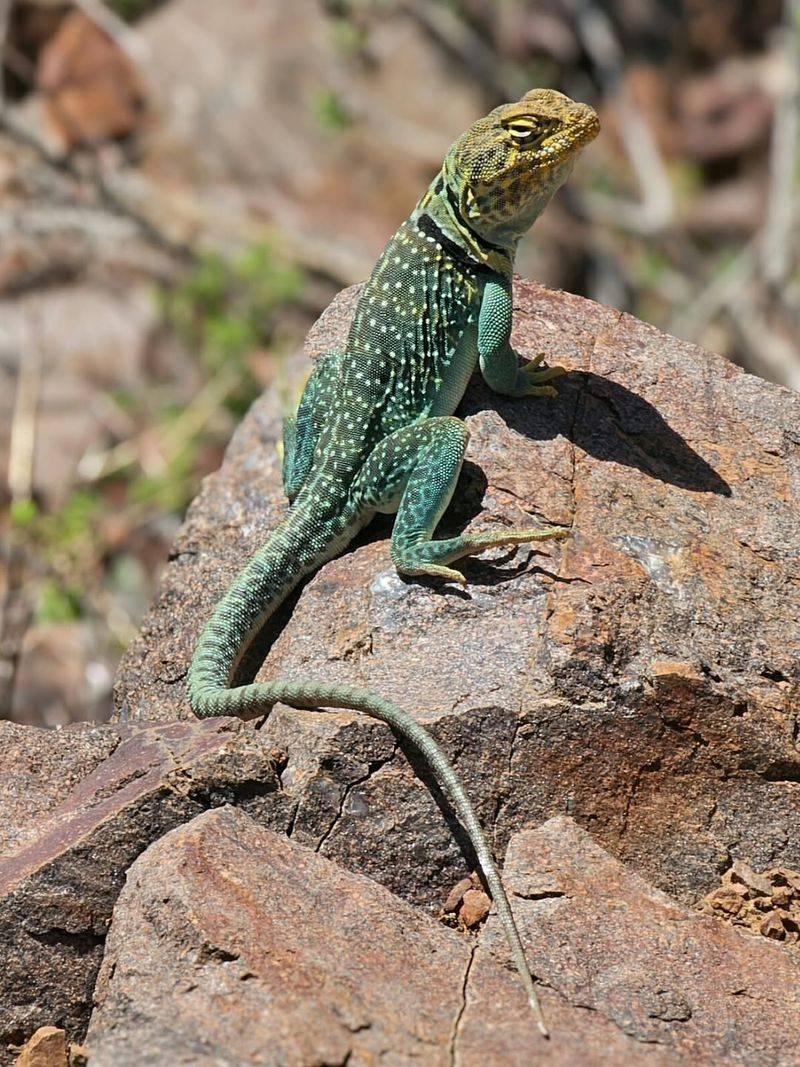
Most homeowners do not think of their gardens as wildlife habitat. But if a collared lizard has moved in, your yard is functioning as exactly that.
These lizards are picky about where they spend their time, and a yard that attracts them is doing a lot of things right without the homeowner even realizing it.
Overwatered lawns, heavily manicured landscapes, and yards drenched in pesticides tend to push native wildlife away. The insect populations crash, the natural cover disappears, and animals like collared lizards have no reason to stay.
A yard where one thrives is a yard that has avoided those pitfalls, whether intentionally or not.
Native plants play a huge role here. Even a small patch of native Texas vegetation can support dozens of insect species, which in turn support lizards, birds, and other wildlife up the food chain.
You do not need a wilderness preserve. Just a corner with some native grasses, wildflowers, and natural stone can make a real difference.
Natural stone features, sunny gaps in plantings, and chemical-free zones all come together to create what ecologists call microhabitat.
It is a small-scale version of wild space tucked inside a residential landscape. Collared lizards are one of the clearest indicators that this kind of microhabitat is working.
If you have been gardening with native plants, cutting back on pesticide use, or simply leaving some areas a little wilder than others, this lizard is your reward. It is nature’s way of saying your approach is working.
That is a genuinely encouraging thing to discover about your own backyard.
6. It Means You Should Watch, Not Capture Or Relocate Them
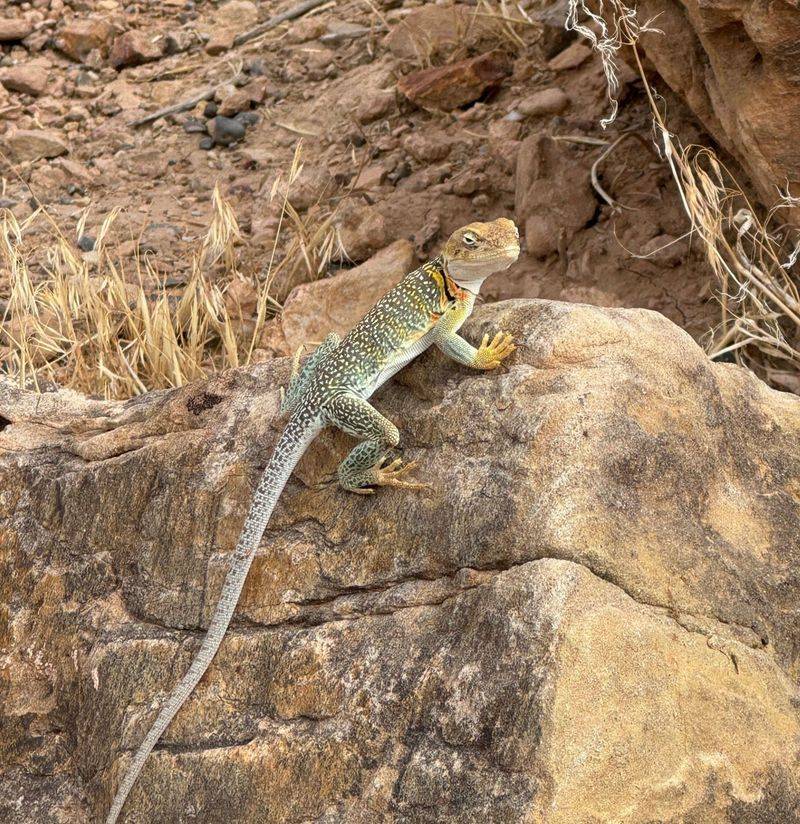
Seeing a collared lizard up close is thrilling, especially if it is your first time. They are strikingly beautiful, with bold collar markings and vivid colors that seem almost too bright for a wild animal.
The temptation to get closer, pick one up, or even bring it inside is understandable. But the best thing you can do is simply watch.
Collared lizards are wild animals, and handling them causes real stress. They can also bite firmly when frightened, which surprises a lot of people who assume small lizards are harmless to hold.
More importantly, removing them from their territory disrupts their natural behavior and can make it harder for them to survive on their own.
Texas native reptiles are protected under state wildlife guidelines, and it is generally illegal to capture or relocate them without proper permits. They belong where they are, moving through the local ecosystem and doing the work that nature designed them to do.
Your job as a homeowner is simply to make the environment welcoming and then step back.
Practical steps that help include keeping cats indoors, avoiding pesticide overuse, leaving natural rock cover in place, and not clearing away every bit of native brush or ground debris.
These small choices add up to a yard that lizards can use safely across the entire warm season. Grab a pair of binoculars if you want a better look. Set up a chair near the rocks where one likes to bask and enjoy the show from a comfortable distance.
Living alongside native wildlife is one of the quiet pleasures of gardening in the Texas Hill Country, and collared lizards are among the most rewarding neighbors you can have.