How Oregon Gardeners Should Water Roses During A Summer Heat Wave
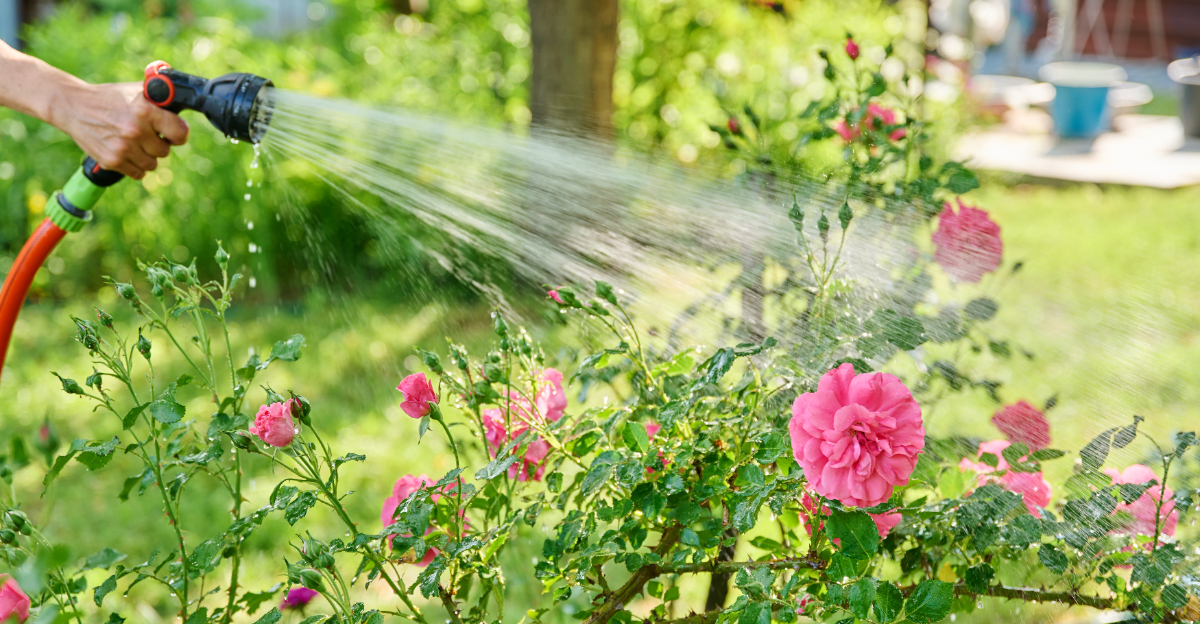
Roses can handle summer sunshine, but an Oregon heat wave can make even the toughest blooms look a little offended.
One scorching afternoon is all it takes for perky petals to droop and leaves to lose their sparkle.
Suddenly, watering feels less like a simple chore and more like a high-stakes garden decision.
The tricky part is that giving roses more water is not always the smartest move. Timing matters, technique matters, and small habits can have a big effect when temperatures climb.
Roses can be dramatic, but they are not unreasonable. A heat wave changes what the soil does and how quickly moisture disappears. It can also make familiar routines less effective than expected.
That means the usual watering schedule may need an adjustment. Keeping roses comfortable through extreme heat takes more than a quick splash.
A little strategy can help those blooms stay happier until cooler weather returns.
1. Water Early Before The Heat Builds
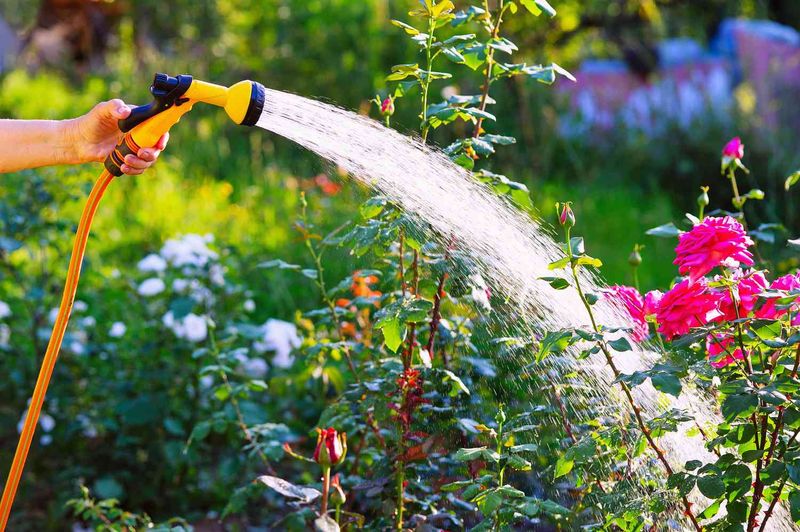
Early morning is the best time to water your roses during a heat wave. When you water before the sun gets high, the soil has time to soak everything up before the heat starts pulling moisture away.
That gives your roses a strong head start for the day. Watering in the early morning also helps keep your plants safer from fungal problems. When leaves accidentally get wet, the morning warmth dries them off quickly.
That is much better than leaving wet leaves sitting through a cool night, which can invite disease.
Most gardeners find that watering between 5 a.m. and 9 a.m. works best. During a heat wave, the temperature can jump fast once the sun climbs higher.
Getting water to your roses before that happens means they are hydrated and ready to handle the stress of a hot afternoon.
If you miss the morning window, wait until the evening when temperatures drop again. Avoid watering in the middle of the day when the sun is strongest.
Water evaporates quickly in midday heat, so much of it never even reaches the roots. A simple timer on your hose or drip system can make early morning watering easy, even if you are not a natural early riser.
Consistency matters most during a heat wave, so try to stick to the same time every day.
2. Deep Soaks Beat Quick Sprinkling
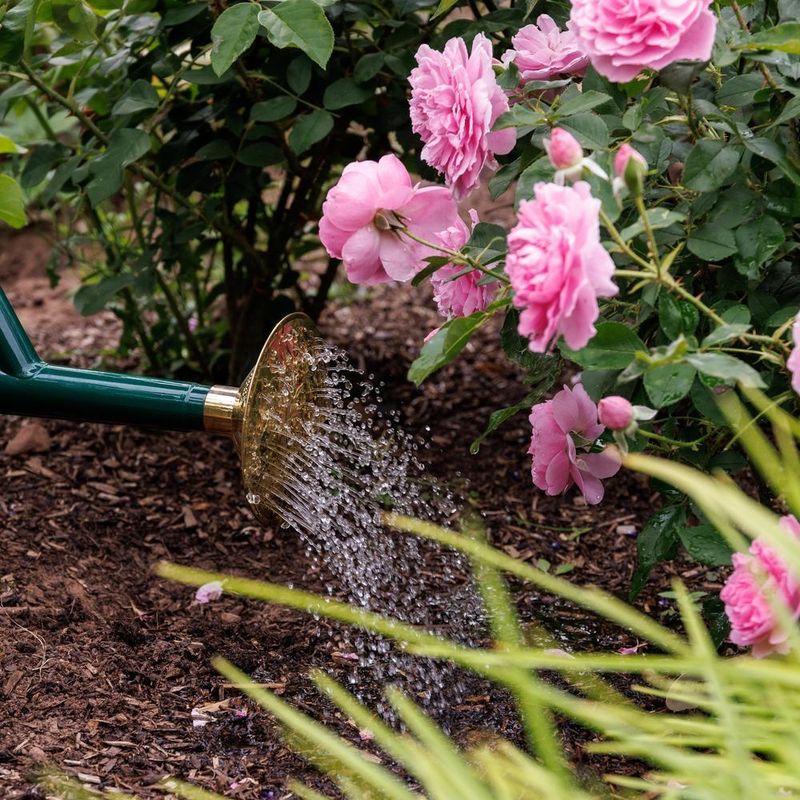
A quick splash of water on top of the soil does not do much good for roses during a heat wave. The moisture barely reaches the surface before it evaporates.
What roses really need is a long, slow, deep soak that pushes water far down into the ground.
Roots follow the water. If you only water the surface, roots stay shallow and weak.
But when you soak deeply, roots grow downward to find that moisture. Deep roots are stronger and better at surviving hot, dry stretches.
Aim to water slowly for at least 30 to 45 minutes per rose plant during a heat wave. A drip hose or soaker hose works great for this.
Your Oregon Garden Changes Every Week. Your Plan Should Too.
Gardening in Oregon changes quickly throughout the season. Every Friday you’ll receive a simple weekly plan showing exactly what to plant, prune, fertilize, harvest, and protect so you never miss the right timing.
It delivers water right where it is needed without wasting it on paths or leaves. If you use a regular hose, set it to a slow trickle and let it run at the base of each plant.
A good way to check if you watered deeply enough is to dig a small hole a few inches away from the plant after watering. The soil should be moist at least 8 to 10 inches down.
If it is still dry below 3 or 4 inches, your roses need more water. During a heat wave, deep soaking every day or every other day keeps roots cool and hydrated.
Shallow watering every day is far less effective than a real deep soak a few times a week.
3. Aim Water At The Root Zone
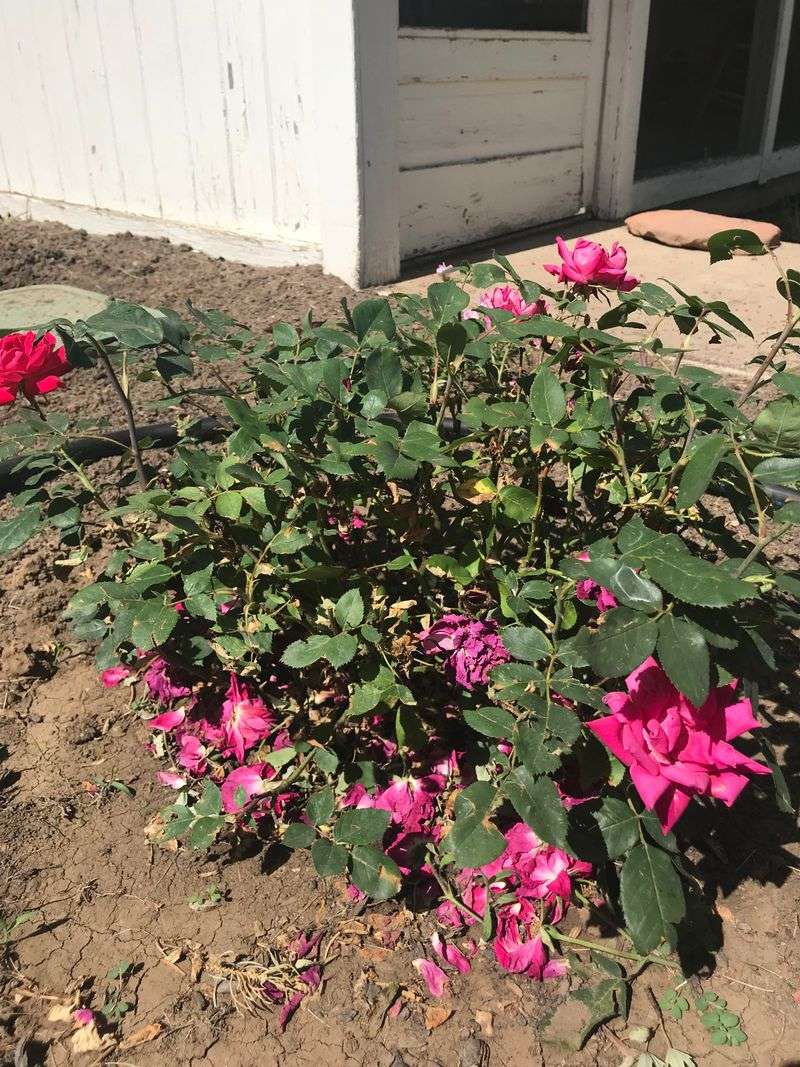
Not all parts of a rose plant need water the same way. The leaves and petals do not absorb water from rain or a hose.
The roots do all the real work. So the smartest thing you can do is aim your water directly at the base of the plant where the roots are.
Watering at the root zone saves water and helps your roses stay healthier. When water lands on leaves and stays there, it can cause problems like fungal spots and powdery mildew.
Those issues get worse in warm, humid conditions, which are common during summer heat waves in Oregon.
Try to keep the water stream low and directed at the soil around the base of each rose. A watering wand with a long handle makes this easy without having to bend down.
Soaker hoses and drip irrigation systems are even better because they deliver water straight to the roots every single time.
One helpful trick is to build a small ring of soil or mulch around the base of each rose plant. This creates a little basin that holds water in place and stops it from running off.
During a heat wave, every drop counts. Keeping water focused at the root zone means your roses get the full benefit of every watering session.
Over time, this habit also encourages stronger, deeper root growth, which makes your roses more resilient to future heat waves.
4. Keep Rose Leaves Dry When Possible
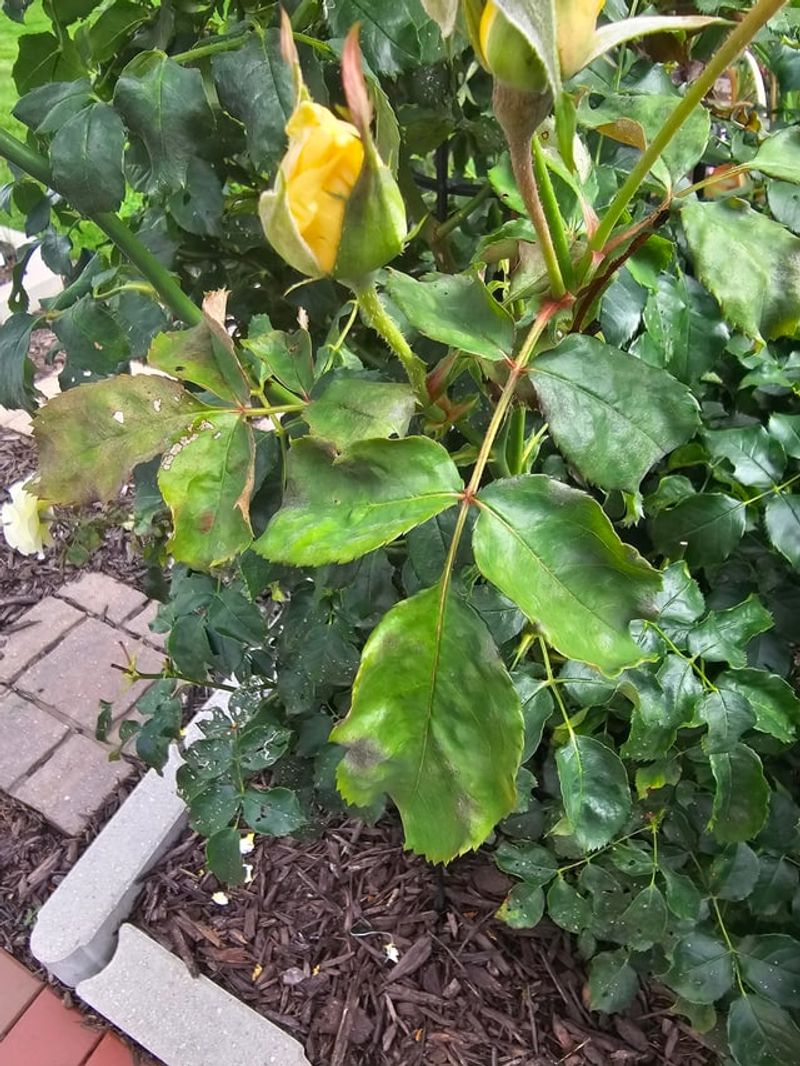
Wet leaves on a rose plant during a heat wave might seem harmless, but they can actually cause real damage. Water droplets sitting on leaves act like tiny magnifying glasses in bright sunlight.
They can scorch the leaf surface and leave behind ugly brown spots.
Beyond sunburn, wet leaves also invite fungal diseases. Black spot and powdery mildew are two of the most common rose diseases in Oregon.
Both spread faster when leaves stay damp for long periods. Keeping foliage dry is one of the easiest ways to stop those problems before they start.
The best way to keep leaves dry is to water only at the base of the plant. Use a drip hose, soaker hose, or a watering wand that lets you direct water to the soil without splashing.
If you use an overhead sprinkler, try to run it only in the early morning so leaves dry off quickly in the morning warmth.
Avoid spraying roses with water in the afternoon or evening during a heat wave. Evening watering that wets the leaves leaves them damp overnight, which is the perfect setup for fungal growth.
Even during a heat wave, it is tempting to mist leaves to cool them down, but that can do more harm than good. Focus all your watering effort on the soil and roots.
Healthy roots will do a much better job of keeping the whole plant cool and strong than wet leaves ever could.
5. Mulch Keeps Roots Cooler
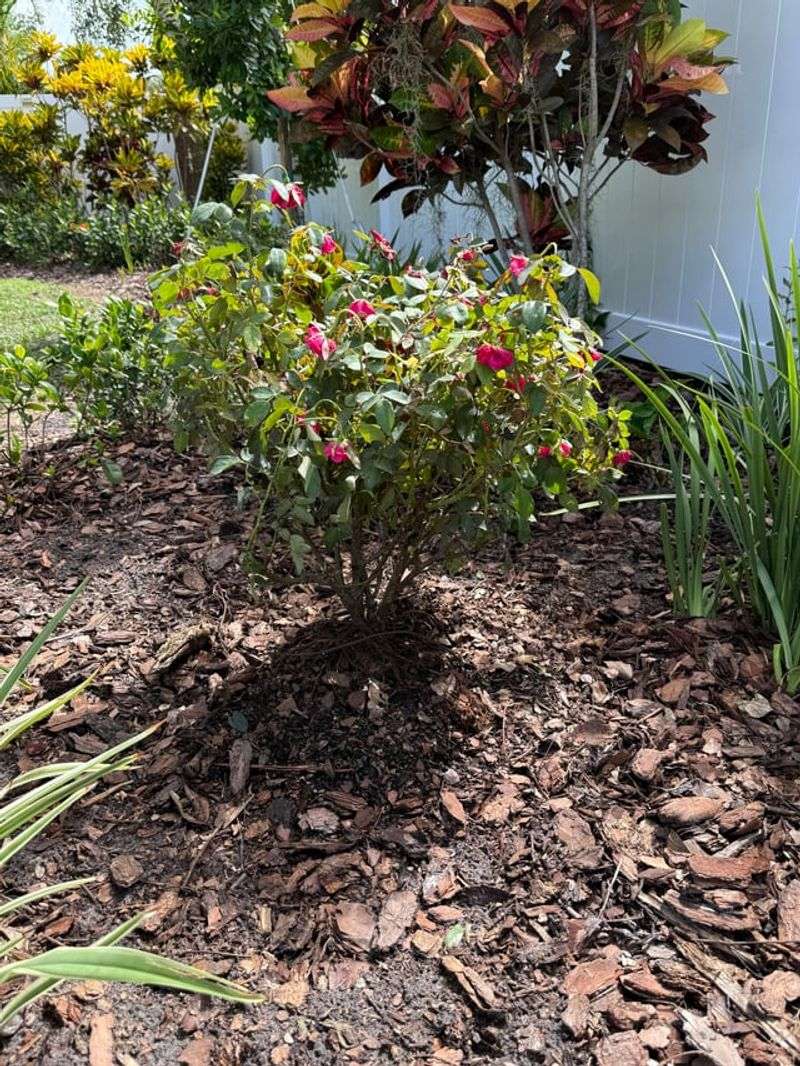
Mulch might be the most underrated tool in a Oregon gardener’s heat-wave toolkit. A good layer of mulch spread around the base of your rose plants does something no amount of watering alone can do.
It locks moisture into the soil and keeps roots from getting too hot during scorching summer days.
When the sun beats down on bare soil, that soil heats up fast. Hot soil stresses roots and causes moisture to evaporate quickly.
A 3 to 4 inch layer of mulch acts like a blanket that blocks the sun and keeps the ground beneath it much cooler and moister.
Wood chips, shredded bark, straw, and compost all work well as mulch around roses. Spread it in a ring around each plant, keeping it a few inches away from the main stem.
Mulch piled right against the stem can trap moisture there and cause rot, so leave a small gap.
During a heat wave, fresh mulch can reduce how often you need to water by a surprising amount. Some gardeners find they water 30 to 50 percent less often when their roses are well-mulched.
That saves water, saves time, and saves your roses from unnecessary stress. If your mulch has thinned out from last season, add a fresh layer before a heat wave hits.
In the cooler months, that same mulch breaks down and feeds your soil, making it a year-round win for your garden.
6. Check Soil Before Watering Again

One of the most common mistakes Oregon gardeners make during a heat wave is watering on a fixed schedule without checking the soil first. More water is not always better.
Overwatering can be just as harmful as underwatering, and roses sitting in soggy soil can develop root problems quickly.
Before you water again, take a moment to check the soil. Push your finger about 2 inches into the ground near the base of the plant.
If it feels moist and cool, the roses do not need water yet. If it feels dry and crumbly, it is time to water.
A simple soil moisture meter is another great tool for this job. They are inexpensive and easy to use.
Just push the probe into the soil and read the dial. This takes all the guesswork out of the process and helps you water only when your roses truly need it.
During a heat wave, the soil can dry out faster than you expect, sometimes within a single day. But in shaded areas or after a deep soak, moisture can linger longer than you think.
Checking the soil before each watering session helps you stay in tune with what your plants actually need. Over time, you will start to get a feel for your specific garden and soil type.
Sandy soils drain fast and need more frequent checks. Clay soils hold water longer.
Knowing your soil makes you a smarter, more confident gardener all season long.
7. Potted Roses Need Daily Attention
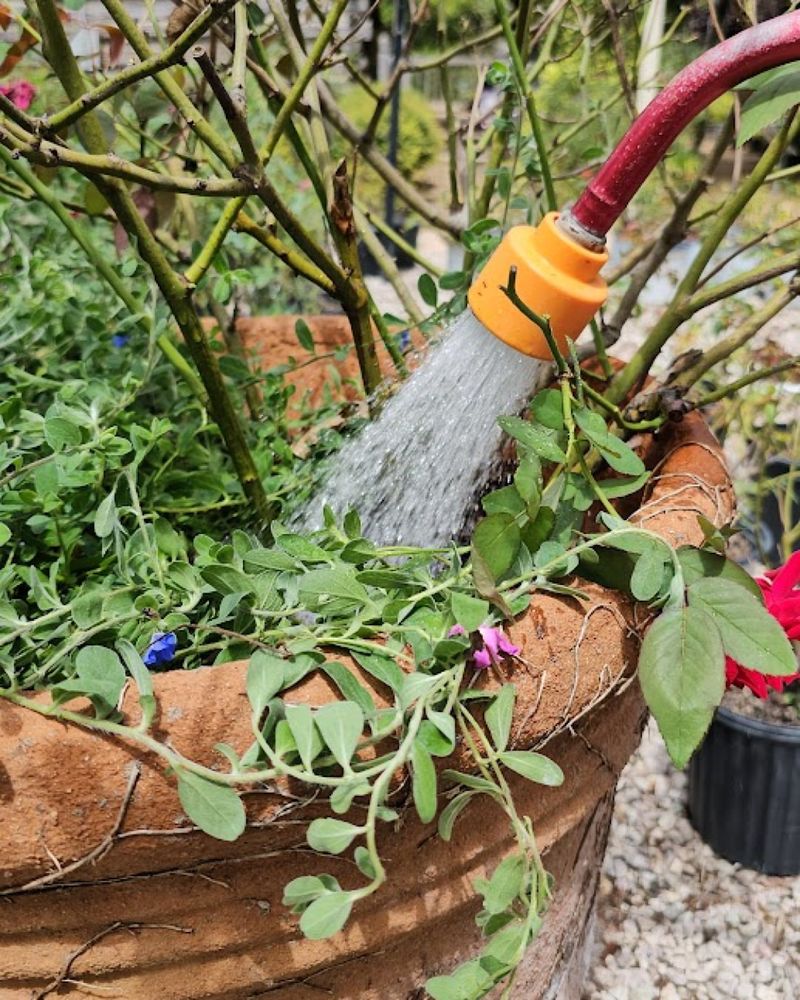
Container roses face a tougher challenge during a heat wave than roses planted in the ground.
Pots heat up fast in the sun, and the limited amount of soil in a container dries out much more quickly.
That means potted roses need your attention every single day when temperatures are high.
On very hot Oregon days, you may need to water your potted roses twice. Once in the morning and again in the late afternoon or early evening.
Check the soil each time before adding water. Stick your finger into the top inch of soil.
If it feels dry, it is time to water thoroughly until water drains from the bottom of the pot.
The type of pot matters too. Dark-colored containers and metal pots absorb heat and can cook roots from the outside.
If possible, move potted roses to a spot with afternoon shade during a heat wave. You can also wrap the pot in a light-colored cloth or set it inside a larger, cooler pot to reduce heat transfer.
Choose a potting mix designed for roses or one that holds moisture well but still drains properly. Adding a water-retaining gel to the potting mix can also help during extreme heat.
Potted roses are more vulnerable than in-ground plants, but with daily care and attention they can come through a heat wave in great shape. A little extra effort now keeps them blooming strong through the rest of the season.
8. New Roses Need Extra Heat-Wave Help
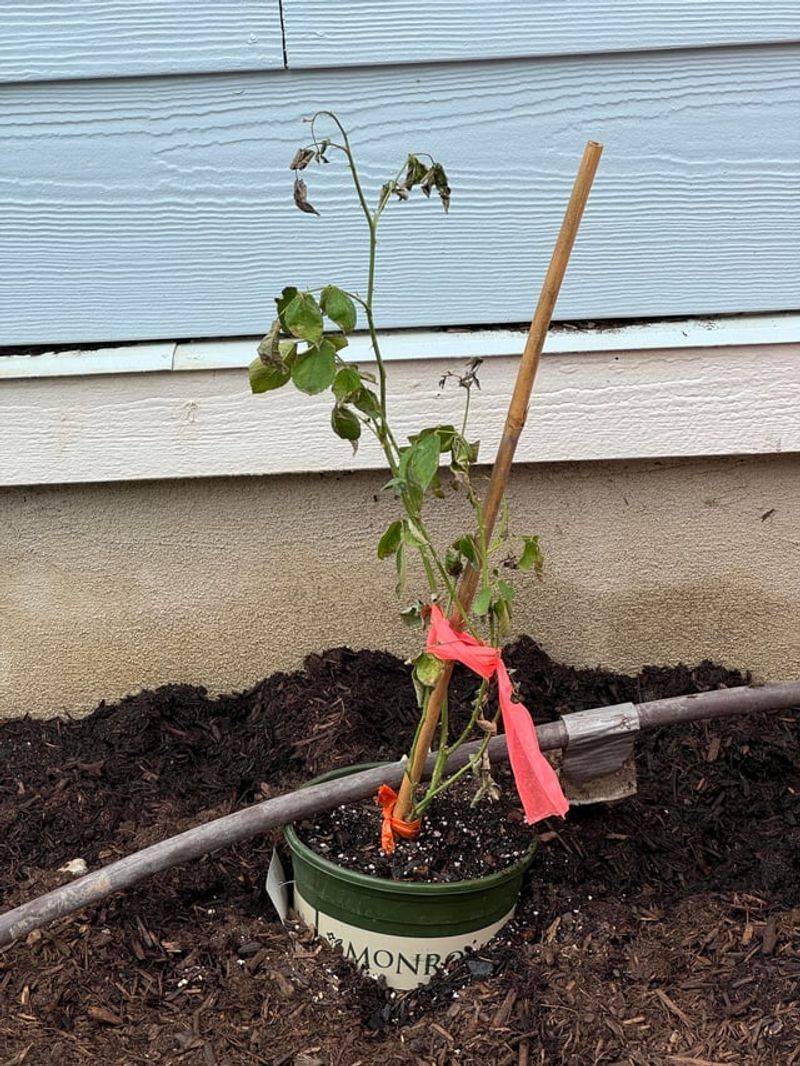
Roses that have been in the ground for several years have deep, well-established roots that help them handle heat better. But new roses planted within the last year or two are a completely different story.
Their root systems are still small and shallow, which makes them far more sensitive to summer heat and drought stress.
During a heat wave, newly planted roses may need watering every single day, sometimes even twice a day if the heat is extreme. Check the soil around them more often than you would for established plants.
The goal is to never let the soil around new roots go completely dry.
Adding a thick layer of mulch around new roses is especially helpful. It keeps the soil cooler and holds moisture longer, giving the roots a better environment to grow and expand.
Keep that mulch a few inches away from the stem to avoid any moisture buildup against the bark.
If a new rose starts to wilt badly during a heat wave, do not panic. Water it deeply right away and add some shade if you can using a light cloth or shade screen.
Temporary afternoon shade can reduce stress dramatically for young plants. Avoid fertilizing new roses during a heat wave since that pushes new growth, which needs even more water to survive.
Focus on water and protection first. Once the heat breaks, your new roses can bounce back and continue putting down the strong roots they need for the seasons ahead.