Timing Your Mow Right Helps Massachusetts Lawns Survive Summer Heat
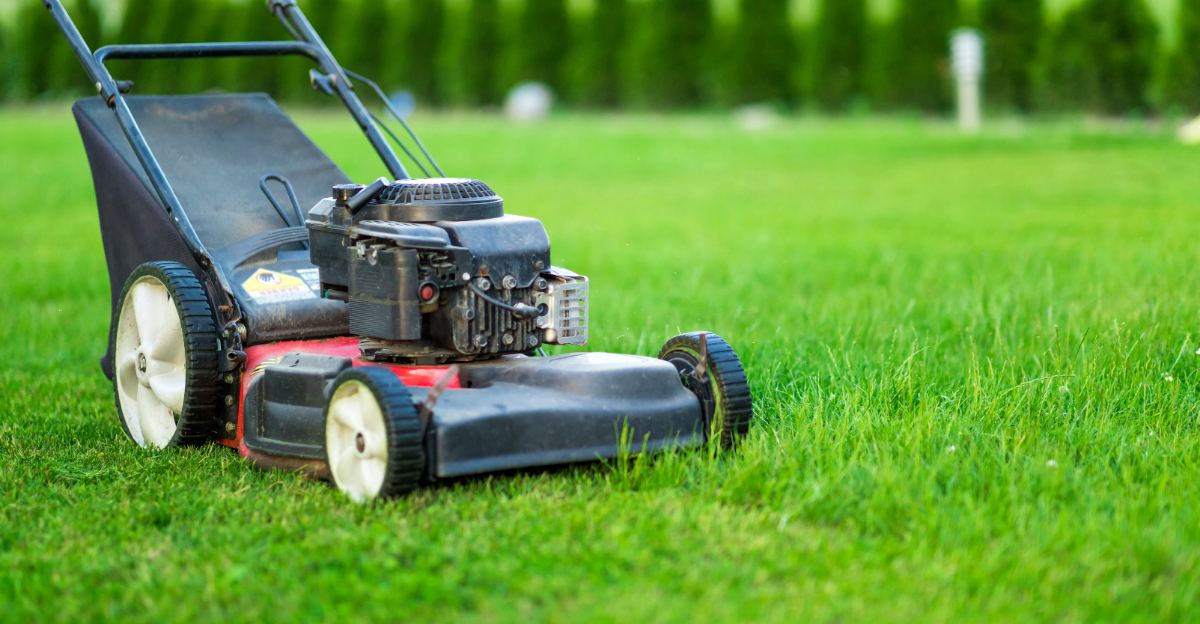
Massachusetts summers throw curveballs at even the most established lawns. One week brings sticky humidity that thickens the air, and the next drops into a dry stretch that cracks the topsoil.
Grass blades react to every shift, and mowing at the wrong moment turns a resilient lawn into a patchy one. Cut too short during a heat spike, and roots lose the shade they depend on to stay cool.
Mow too often during a dry spell, and each pass strips away moisture the blades were holding onto. Massachusetts lawns need a mowing rhythm that bends with the weather, not one that ignores it.
Get the height and timing right, and grass builds the kind of resilience that shrugs off August afternoons. Get it wrong, and homeowners spend the season staring at thinning patches, guessing what tipped the balance.
Best Time Of Day To Mow in Summer
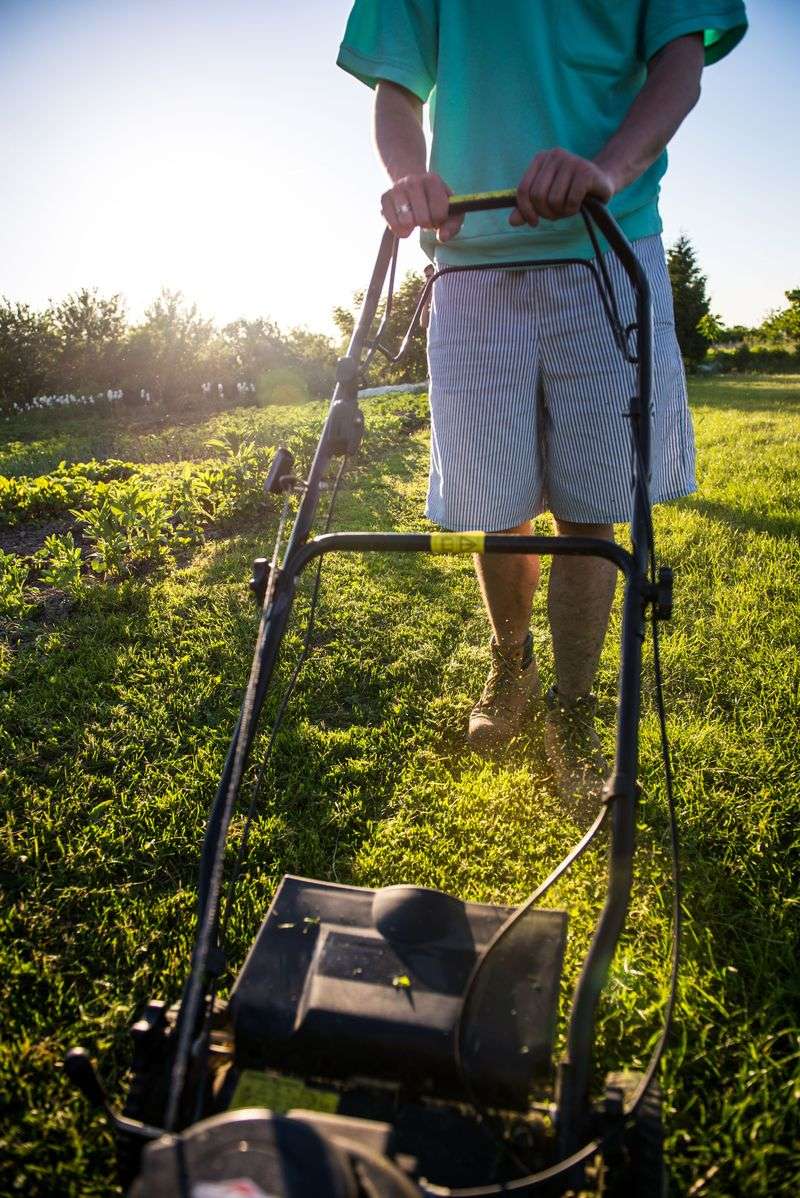
Morning air smells different when the lawn is still cool. Mowing between 7 and 10 a.m. gives your grass the best shot at a clean recovery before afternoon heat rolls in.
Midday mowing is a trap many homeowners fall into. Cutting grass during peak sun hours stresses the blades and speeds up moisture loss fast.
Evening mowing sounds harmless, but wet grass overnight invites fungal problems. Damp clippings sitting on the lawn after sunset create the perfect breeding ground for disease.
Morning cuts let the grass seal its wounds in mild, manageable conditions. The sun helps dry any exposed tissue before temperatures climb too high.
Timing your mow right helps Massachusetts lawns survive summer heat by giving the turf time to adjust. A smart morning schedule is one of the easiest wins a homeowner can make.
Heat waves call for a quick adjustment to the usual routine. Raising the mower deck by half an inch during the hottest stretches gives roots extra shade and cuts down on stress.
Skipping a mow during extreme drought is not a step backward. Grass that stops growing needs rest more than trimming, and forcing a cut only adds pressure it cannot handle.
Stick to a consistent morning window and your lawn will reward you. Healthy green color and fewer brown spots will follow naturally throughout the season.
Mowing Height Affects Lawn Heat Tolerance
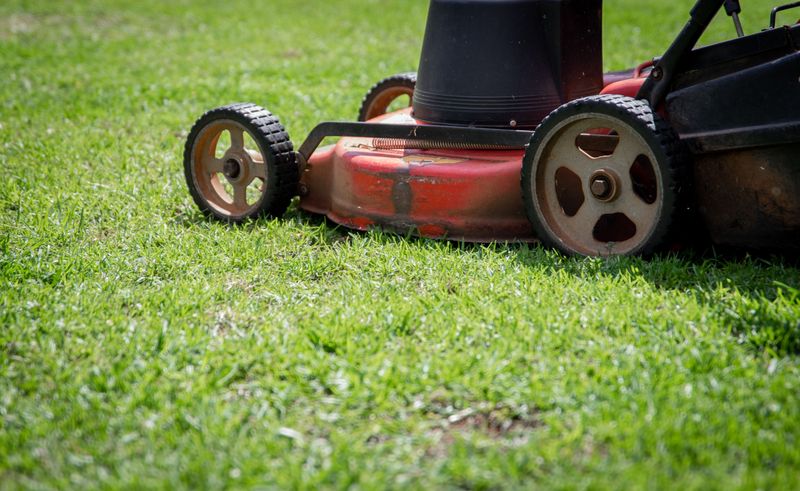
Cutting grass too short in summer is one of the most common lawn mistakes around. Scalped turf has almost no shade for its own soil, and that spells trouble fast.
Taller grass blades act like a natural canopy over the root zone. That shade keeps the soil cooler and helps hold moisture in longer during dry stretches.
Cool-season grasses like fescue and bluegrass thrive in New England yards. For these types, keeping the blade height between 3.5 and 4 inches during summer is the sweet spot.
Different corners of the yard often need different treatment during summer. Shaded areas under trees can handle a slightly lower cut, while sun-exposed patches benefit from staying on the taller end of that range.
Your Massachusetts Garden Changes Every Week. Your Plan Should Too.
Gardening in Massachusetts changes quickly throughout the season. Every Friday you’ll receive a simple weekly plan showing exactly what to plant, prune, fertilize, harvest, and protect so you never miss the right timing.
Mower blade sharpness matters just as much as deck height. A dull blade tears grass instead of slicing it cleanly, leaving ragged edges that lose moisture faster and heal slower in the heat.
Avoid cutting more than one-third of the blade length in a single mow. That rule protects the plant from shock and keeps it looking full and healthy.
Lower height settings work fine in spring when temps are mild. Once June hits, raise the deck and do not look back until fall arrives.
Timing your mow right also means adjusting how much you cut each pass. Mowing height and mowing schedule work as a team, not as separate choices.
A taller lawn looks lush, feels soft underfoot, and handles heat far better. Small adjustments to your mower deck can make a surprisingly big difference this summer.
Adjusting Mowing Frequency During Peak Heat
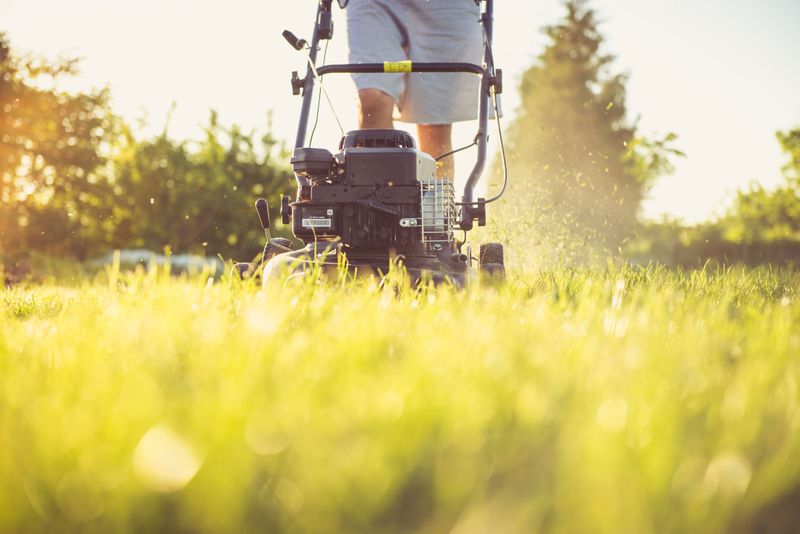
Peak summer heat slows grass growth down significantly. Your lawn is not being lazy, it is conserving energy to survive the season.
During a heat wave, mowing once every ten to fourteen days may be plenty. Cutting too frequently when growth is minimal adds unnecessary stress to already struggling turf.
Watch the grass, not the calendar. When blades have grown about one-third beyond your target height, that is your cue to mow.
Grass growth speeds up after a good rain, even in summer. Be ready to mow a bit sooner following a storm if the lawn bounces back quickly.
Early morning droop is not always a sign of drought stress. Grass can look tired in the heat simply because it is redirecting energy underground, and a mow at the wrong moment only adds insult to injury.
Homeowners chasing a perfectly manicured look often mow out of habit rather than need. Breaking that instinct during the hottest weeks is one of the harder adjustments, but the lawn notices the difference.
Skipping a scheduled mow is not laziness, it is smart lawn care. Giving your turf extra recovery time during brutal weeks pays off in long-term health.
Overworked lawns during heat waves tend to thin out and turn patchy. Reducing mowing frequency is one of the simplest ways to protect your investment.
Timing your mow right helps Massachusetts lawns survive summer heat by respecting the grass growth cycle. Let the lawn tell you when it is ready, and you will stay ahead of the season.
Sharp Blades Reduce Stress On Grass

A dull blade does not cut grass, it tears it. Ragged, torn edges turn brown fast and leave the plant open to disease and dehydration.
Sharp blades slice cleanly through each blade of grass. That clean cut heals faster and keeps the lawn looking uniform and green.
Most homeowners sharpen their mower blades once a season at best. During summer, sharpening every four to six weeks makes a noticeable difference in lawn health.
You can spot dull blade damage easily after mowing. Look for a whitish or straw-colored tint across the top of the lawn within a day or two of cutting.
Mowing with a dull blade wastes more than lawn health. The mower engine works harder to force through each blade of grass, burning extra fuel and adding wear on the deck over time.
Different grass types show blade damage differently. Fine-textured lawns like fescue reveal ragged tips almost immediately, while thicker turf can mask the damage for a few extra days before the browning shows.
Blade sharpening is a quick job with the right tools. A simple metal file or bench grinder gets the job done in under thirty minutes for most homeowners.
Keeping a spare sharpened blade on hand saves time. Swap blades mid-season so you never mow with a dull edge again.
Sharp equipment is part of timing your mow right during summer months. Pairing good timing with a clean, sharp cut gives your lawn every advantage it needs to push through the heat.
Watering Schedules That Support Mowed Lawns
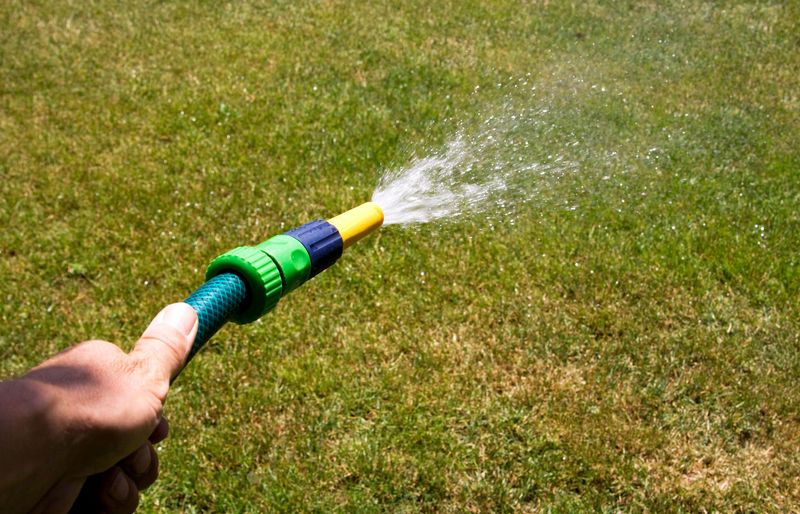
Water and mowing work best when they follow each other in the right order. Getting that sequence wrong can undo a perfectly timed cut within hours.
Water your lawn the day before you plan to mow. Mowing a deeply watered lawn gives the grass extra resilience during the cut.
Avoid watering right after mowing during summer heat. Wet, freshly cut grass sitting in hot sun can scorch faster than untouched turf.
Deep, infrequent watering beats light daily sprinkles. Aim for about one inch of water per week, applied in two sessions rather than seven small ones.
Water early in the morning, ideally before 9 a.m. This timing reduces evaporation and gives blades time to dry before nightfall.
Puddling water is a sign to stop, not push through. Clay-heavy soils common in parts of Massachusetts absorb moisture slowly, so a short pause between watering sessions helps it soak in rather than run off.
Freshly mowed lawns lose water faster than untouched turf. Give the grass a day or two to settle after cutting before resuming a full watering routine, especially during the driest stretches of summer.
Irrigation systems with timers take the guesswork out of the schedule. Set them once and let them support your mowing routine automatically all season long.
Timing your mow right helps Massachusetts lawns survive summer heat only when watering habits match. A lawn that is properly hydrated before and after a cut bounces back faster and stays greener through the toughest weeks.
Signs Your Lawn Needs A Mowing Break
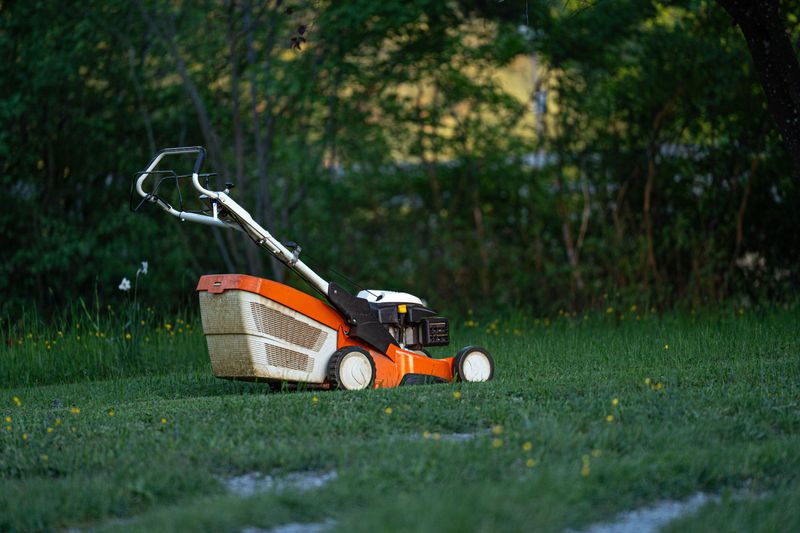
Your lawn talks to you, and summer is when it gets loudest. Knowing when to put the mower away is just as important as knowing when to start it up.
Footprints that stay visible after you walk across the grass are a red flag. That is a sign the turf lacks enough moisture to spring back on its own.
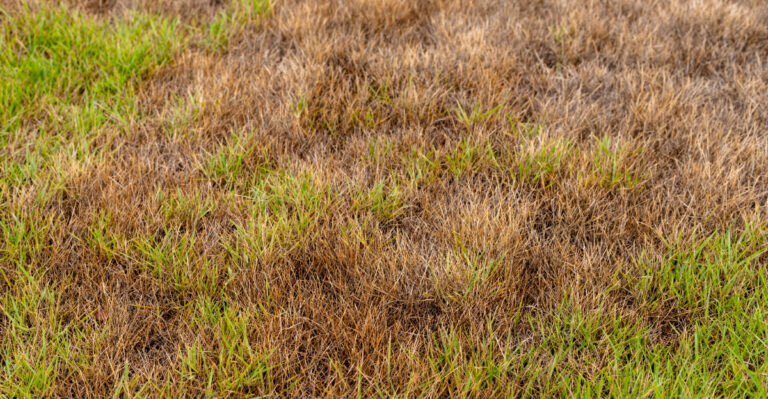
A bluish-gray tint on the lawn means the grass is under serious heat stress. Mowing during this phase pushes the plant past its breaking point quickly.
Thin, sparse areas that look like the lawn is retreating are another warning sign. Those zones need rest and water, not a fresh cut on top of the damage.
If your grass has not grown much since the last mow, skip the session. Cutting minimal growth removes the leaf area the plant needs to photosynthesize and recover.
Check the soil before mowing by pressing a screwdriver into the ground. If it will not go in easily, the soil is too dry and the lawn needs a break from the blade.
Timing your mow right helps Massachusetts lawns survive summer heat by knowing when to stop. Reading these signals early keeps your lawn from crossing the line into serious long-term damage.