Better Native Alternatives To Crape Myrtles For Louisiana Driveways
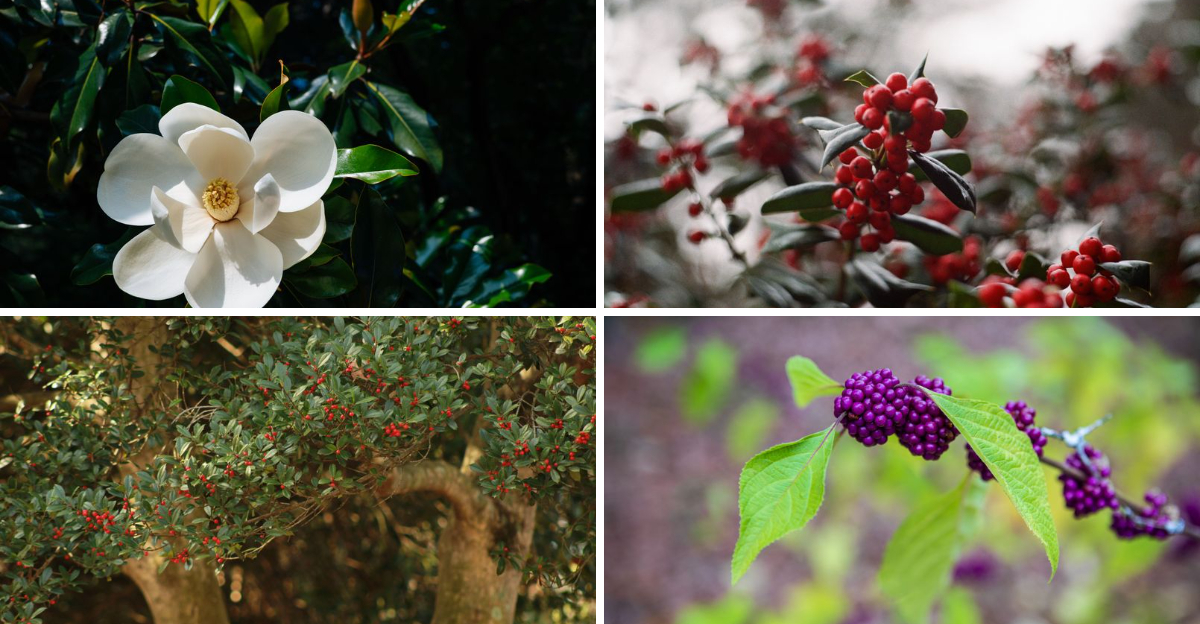
Louisiana driveways lean hard on crape myrtles every summer, yet these transplants skip most of the ecological work a front yard could be doing. A native tree or shrub anchors the same spot with roots built for Gulf Coast clay and its drought-to-downpour summers.
Swap in the right native and pruning stops eating your Saturdays. Local birds, bees, and butterflies gain a real food source instead of a decorative stand-in that offers them almost nothing.
Louisiana’s own plant palette already includes trees that rival crape myrtles for color, plus shrubs tough enough to hold structure through hurricane season. Some bloom for months, others surprise with fall color, and a few double as privacy screens.
Eight native plants deliver on all of that, driveway presence, minimal upkeep, and a yard wildlife actually wants to visit.
1. Eastern Redbud (Cercis Canadensis)
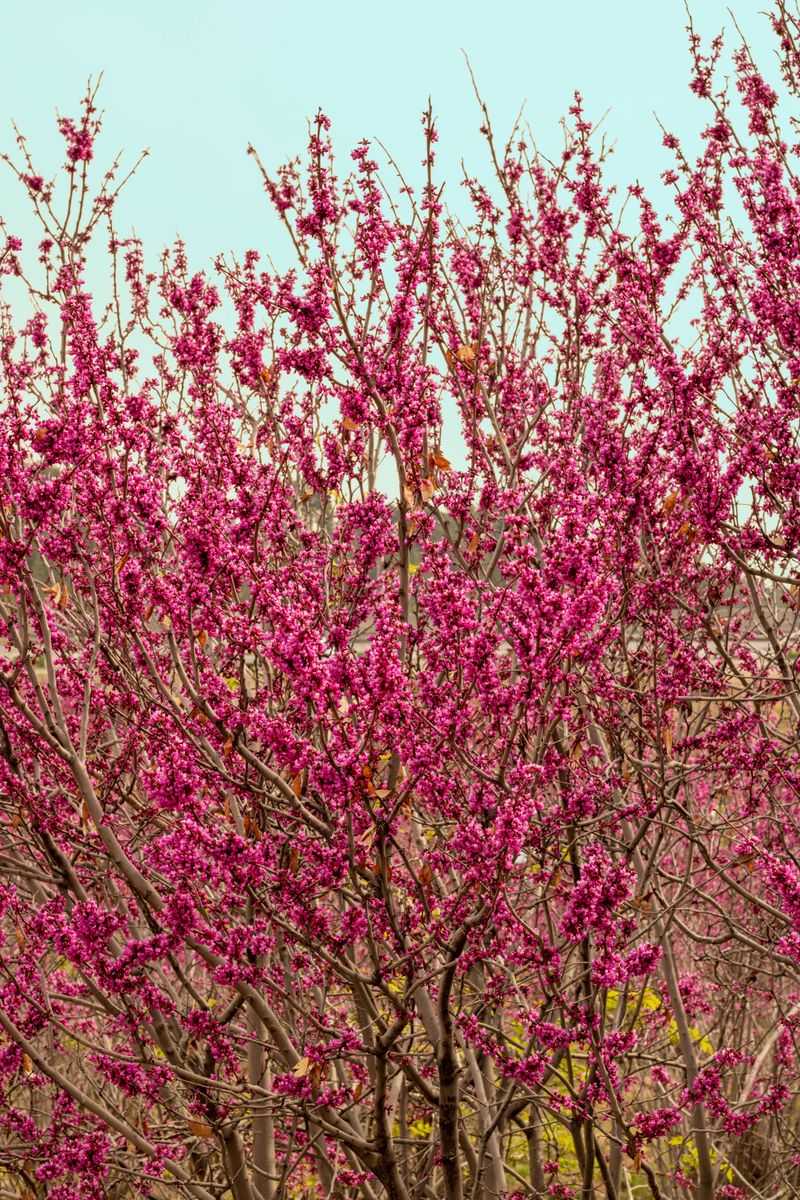
Spring arrives early when an Eastern Redbud is in your yard. Tiny magenta-pink flowers burst directly from the bark before a single leaf appears, turning your driveway into a tunnel of color.
Native to Louisiana and most of the eastern United States, this tree handles heat and humidity like a champ. It grows quickly to about 20-30 feet tall, offering a rounded canopy that provides real shade.
Pollinators respond fast to the blossoms. Bees and butterflies flock to the flowers every March and April.
After flowering, heart-shaped leaves fill the branches with deep green color all summer long. In fall, those leaves turn golden-yellow before dropping cleanly.
Eastern Redbuds thrive in full sun to partial shade, making them flexible for most driveway situations. They prefer well-drained soil but adapt to the clay-heavy ground common across Louisiana.
Unlike crape myrtles, Redbuds need almost no pruning to keep a natural, graceful shape. Plant one 10-15 feet from the pavement edge to give roots plenty of room.
These trees are also relatively drought-tolerant once established, which matters during hot Louisiana summers. Watering deeply every two weeks in the first year sets them up for long-term success.
Few driveway trees announce spring this loudly. One redbud can change how the whole front yard reads in March.
2. Fringe Tree (Chionanthus Virginicus)
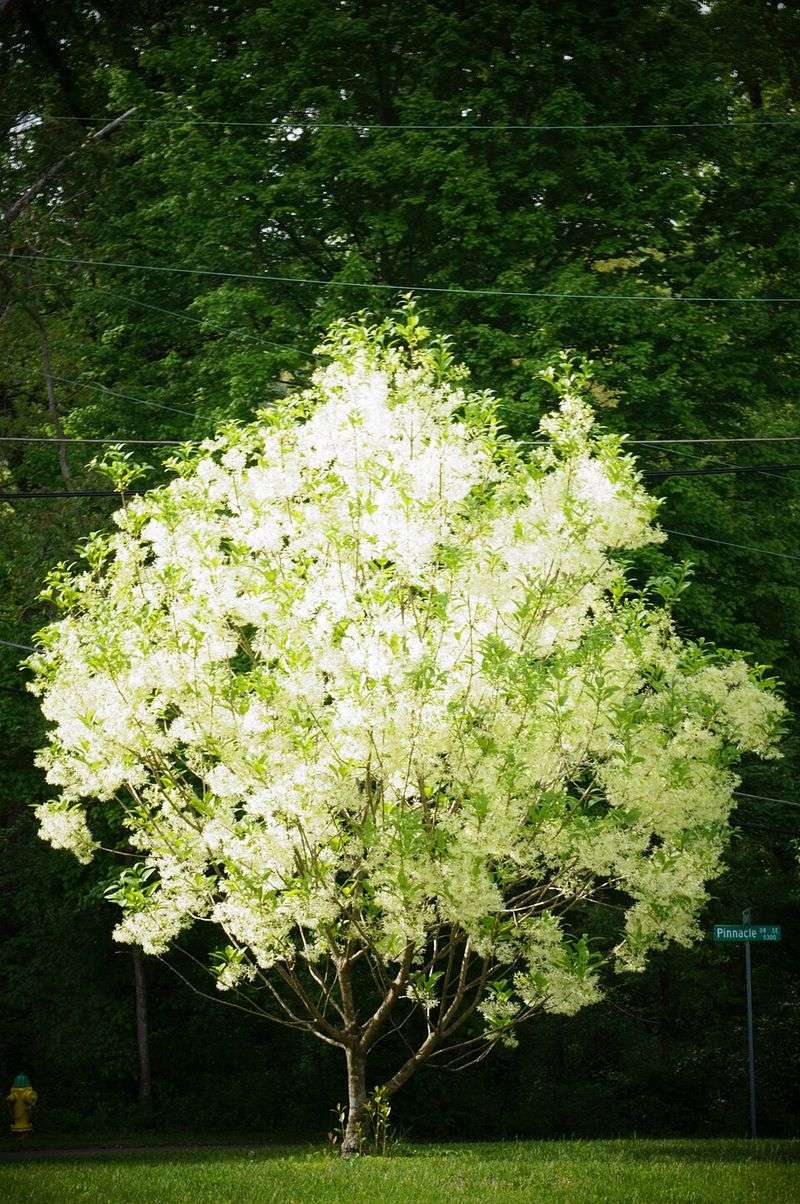
Fringe Tree blooms make a strong first impression. Clouds of white, thread-like petals drape over every branch in May, creating a look few driveway trees match.
Native to the southeastern United States, including Louisiana, this small tree tops out around 12-20 feet tall. That modest size makes it perfect for tighter driveways where a large canopy would feel overwhelming.
The blooms carry a light, sweet fragrance that drifts through open car windows on warm afternoons. Planting one near the driveway entrance means guests notice it the moment they arrive.
Female trees produce small, blue-black fruits that birds absolutely love in late summer. Attracting songbirds to your front yard is a bonus most homeowners genuinely appreciate.
Fringe Trees prefer moist, well-drained soil and full sun to partial shade. They grow slowly at first but settle into a reliable, low-maintenance rhythm after a couple of seasons.
Your Louisiana Garden Changes Every Week. Your Plan Should Too.
Gardening in Louisiana changes quickly throughout the season. Every Friday you’ll receive a simple weekly plan showing exactly what to plant, prune, fertilize, harvest, and protect so you never miss the right timing.
Pest and disease problems are rare with this species, which is a welcome change from high-maintenance ornamentals. Once established, it handles Louisiana summers without much intervention.
Fall foliage turns a clean, bright yellow before the leaves drop, adding one more seasonal moment worth watching. The bark also develops interesting texture as the tree matures.
The Fringe Tree brings a quieter kind of elegance most driveway trees skip entirely. Plant it where you can catch it from a window, too.
3. Parsley Hawthorn (Crataegus Marshallii)
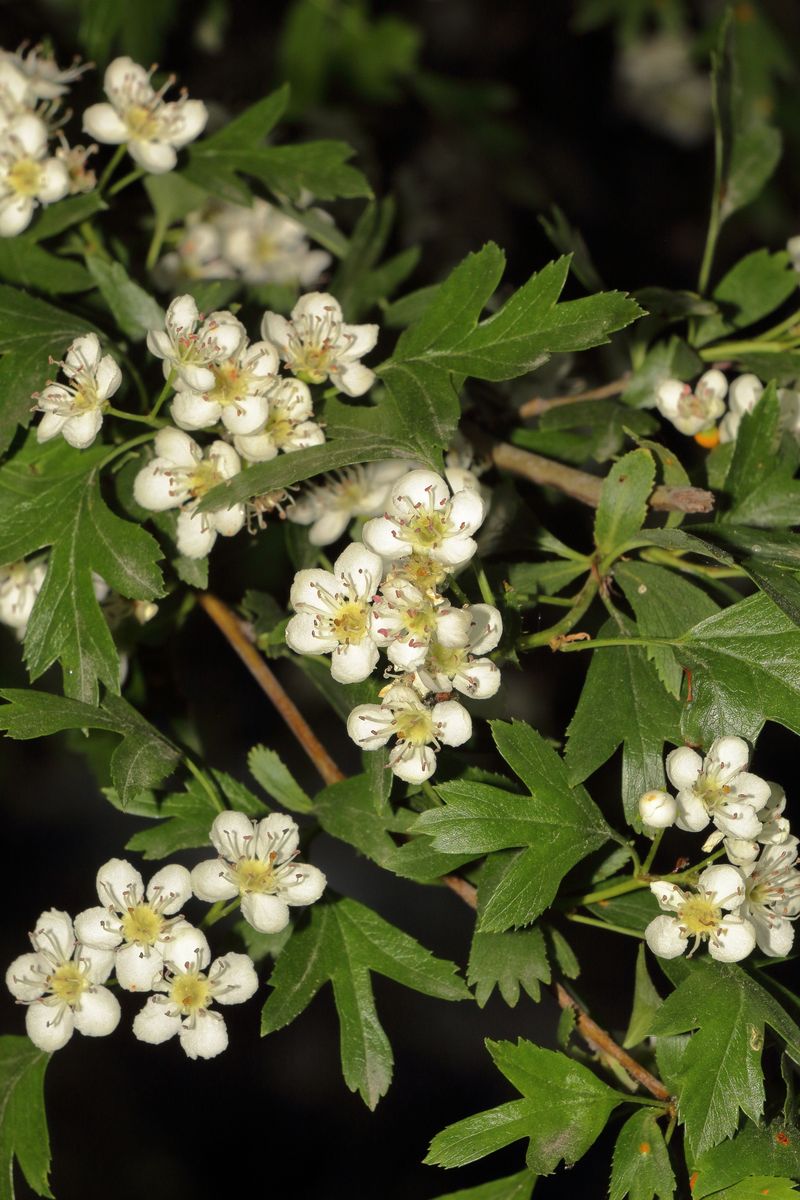
Not many trees pull off four seasons of interest the way Parsley Hawthorn does. White flower clusters in spring, lacy green foliage in summer, bright red berries in fall, and sculptural bare branches in winter all make this native a true overachiever.
Native to Louisiana bottomlands and forest edges, this small tree usually stays between 10-20 feet tall. That controlled size keeps driveways open while still adding real visual structure.
The deeply lobed leaves resemble parsley leaves, which is exactly how it earned its common name. Up close, the foliage has an almost delicate, fern-like quality that looks refined without trying too hard.
Birds flock to the small red berries called haws every autumn, turning your driveway into a lively outdoor feeding station. Cedar waxwings are especially fond of this fruit.
Parsley Hawthorn grows well in both sun and partial shade, which gives it flexibility in yards with mixed light conditions. It handles Louisiana clay soils better than most ornamental trees.
The thorny branches also provide nesting cover for small songbirds, adding ecological value beyond simple aesthetics. A yard with habitat layers attracts more wildlife overall.
Pruning requirements are minimal since the tree naturally develops an attractive, multi-stemmed form. Removing crossing branches every few years keeps it tidy without destroying its character.
Few driveway trees change this much across the calendar. Parsley Hawthorn rewards patient gardeners with something new every single month.
4. Little Gem Southern Magnolia (Magnolia Grandiflora ‘Little Gem’)
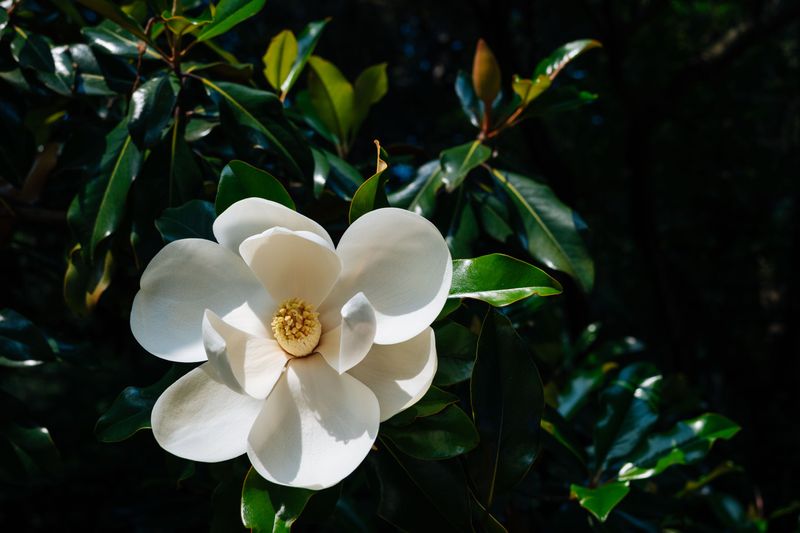
Southern Magnolias are iconic, but the full-size version can take over a driveway fast. Little Gem is the compact cultivar that solves that problem without sacrificing any of the drama.
This selection grows 15-20 feet tall with a narrow, columnar shape that works beautifully along driveway edges. The glossy, dark green leaves with rusty-brown undersides look striking year-round, even without a single flower.
Blooms appear from late spring through early fall, which is an unusually long flowering window for any tree. Each creamy white flower can reach five inches across and carries a strong, sweet fragrance on a warm afternoon.
Because it holds its leaves all year, Little Gem provides privacy screening and wind buffering that deciduous trees simply cannot match. Homeowners who want structure in winter especially appreciate this quality.
It thrives in full sun and tolerates Louisiana heat, humidity, and occasional flooding well once established. Well-drained soil helps, but this magnolia adapts to heavier clay conditions over time.
Leaf litter is minimal compared to standard magnolias, which means less raking along the driveway throughout the year. The tree stays naturally tidy with very little intervention needed.
Fertilizing once in early spring with a slow-release formula keeps the foliage deep green and encourages more flowers. Mulching around the base retains soil moisture during dry spells.
Little Gem delivers year-round structure and genuine Southern character in a footprint most driveways can spare. It earns every inch it occupies.
5. Possumhaw Holly (Ilex Decidua)
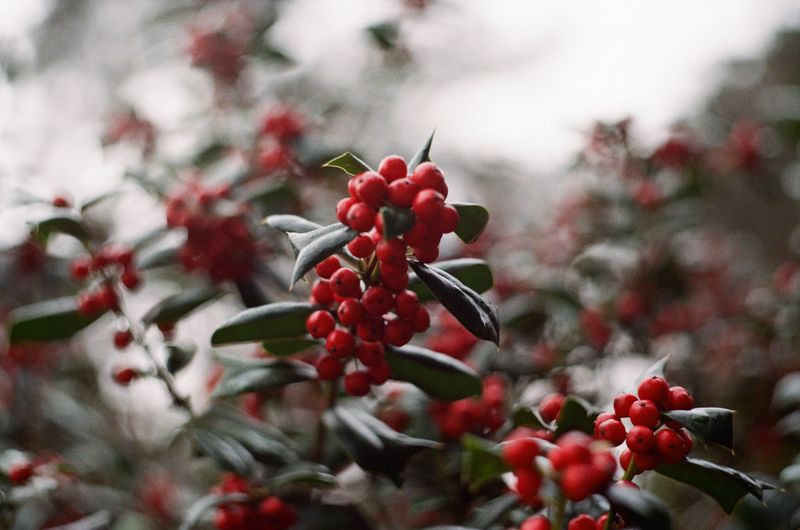
January in Louisiana can feel dull and flat, but a Possumhaw Holly changes that completely. When every other plant looks dormant, this native shrub blazes with hundreds of bright red or orange berries clinging to bare silver branches.
Native across the Gulf South, Possumhaw Holly grows 7-15 feet tall and works well as a small understory tree or multi-stemmed shrub. That size range gives homeowners flexibility depending on available driveway space.
Birds cannot resist the berries, especially mockingbirds, robins, and cedar waxwings passing through during winter migration. Planting a female plant near the driveway turns your yard into a wildlife hotspot during the coldest months.
You will need at least one male plant nearby for the female to produce fruit. A single male can pollinate several females planted within a reasonable distance.
Possumhaw thrives in moist, low-lying areas that other trees struggle with, which makes it ideal for Louisiana yards prone to seasonal flooding. It also grows in average garden soil once established.
Full sun produces the heaviest berry set, but partial shade works fine if full sun is not available. Soil pH flexibility means it adapts to a wide range of Louisiana garden conditions.
Pruning is rarely needed beyond occasional shaping in late winter before new growth starts. The natural vase-shaped form looks elegant without much human interference.
No other plant on this list carries winter the way Possumhaw Holly does. That pop of red against gray January skies is hard to forget.
6. Yaupon Holly (Ilex Vomitoria)
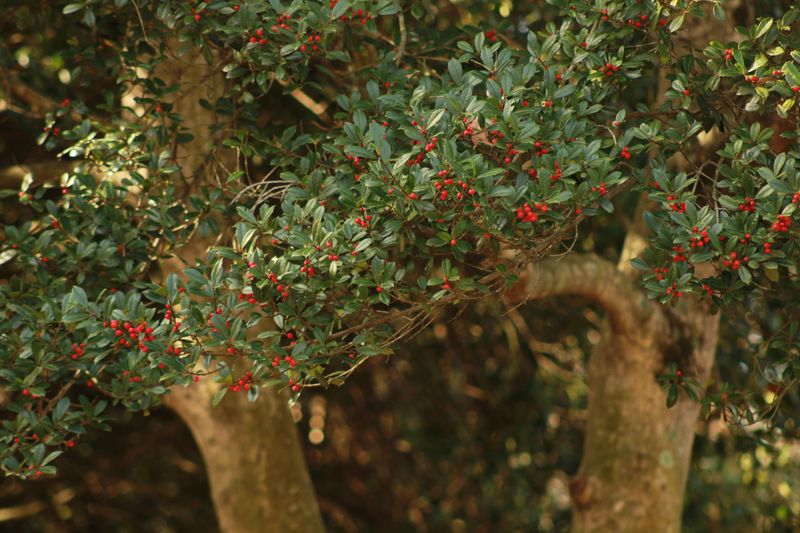
Yaupon Holly might have the most unfortunate scientific name in the plant world, but do not let that fool you. This native evergreen is one of the toughest, most versatile plants available for Louisiana driveways.
It grows naturally across Louisiana in a wide range of conditions, from wet bottomlands to dry sandy ridges. That adaptability makes it a flexible choice for almost any driveway spot.
Yaupon stays green all year, providing consistent structure and screening along driveway borders regardless of season. The small, oval leaves have a fine texture that looks polished without being fussy.
Female plants produce masses of tiny red berries that birds devour throughout winter and early spring. The berries contrast beautifully against the dark green foliage on cold, clear days.
Growth rate is moderate, reaching 10-25 feet tall depending on variety, but dwarf cultivars stay much shorter if needed. Pruning into a formal hedge or leaving it natural both work equally well.
Drought tolerance is exceptional once roots are established, which matters during Louisiana summers when rainfall can become unpredictable. Heat, humidity, salt spray, and poor soils barely slow this plant down.
Deer tend to avoid Yaupon Holly, which is a significant advantage in suburban areas where browse pressure is a real gardening challenge. Pest and disease issues are rare with this species.
Yaupon Holly trades drama for reliability, and most driveways benefit from that trade. Tough, tidy, and wildlife-friendly covers a lot of ground.
7. Smooth Sumac (Rhus Glabra)
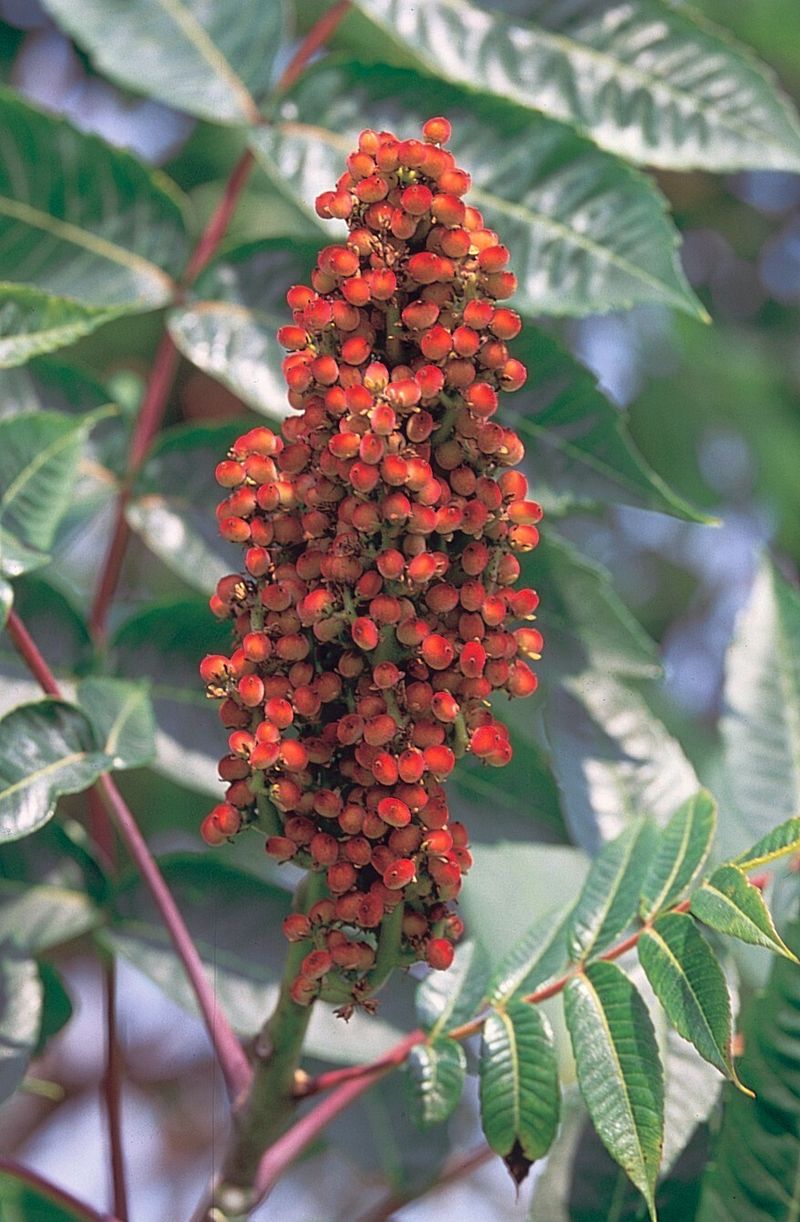
Fall color in Louisiana can feel underwhelming compared to northern states, but Smooth Sumac fixes that fast. Brilliant scarlet and orange foliage lights up the driveway every October like nothing else in the native plant palette.
Native across most of North America including Louisiana, Smooth Sumac grows 9-15 feet tall with a loose, spreading habit. It naturalizes quickly by sending up new stems from the roots, forming dense, attractive thickets over time.
The upright, cone-shaped seed clusters called drupes turn deep crimson in late summer and persist well into winter. Dozens of bird species eat sumac berries, making this plant a strong food source for your front yard.
Compound leaves with 11-31 leaflets give the plant a tropical, feathery look during the growing season. The foliage texture contrasts nicely with finer-leaved shrubs planted nearby along the driveway.
Smooth Sumac handles drought, poor soil, and full sun with remarkable ease. It actually performs better in lean, dry conditions than in rich, heavily amended garden beds.
Spreading habit means it works best at the end of a driveway or along a fence line rather than in tight, formal rows. Giving it room to naturalize produces the most dramatic seasonal display.
Mowing around the perimeter keeps spreading under control without harming the main plants. Light pruning in late winter encourages fresh, vigorous growth the following season.
Smooth Sumac carries the fall color load that Louisiana yards usually miss out on. That October display alone earns it a spot by the driveway.
8. American Beautyberry (Callicarpa Americana)
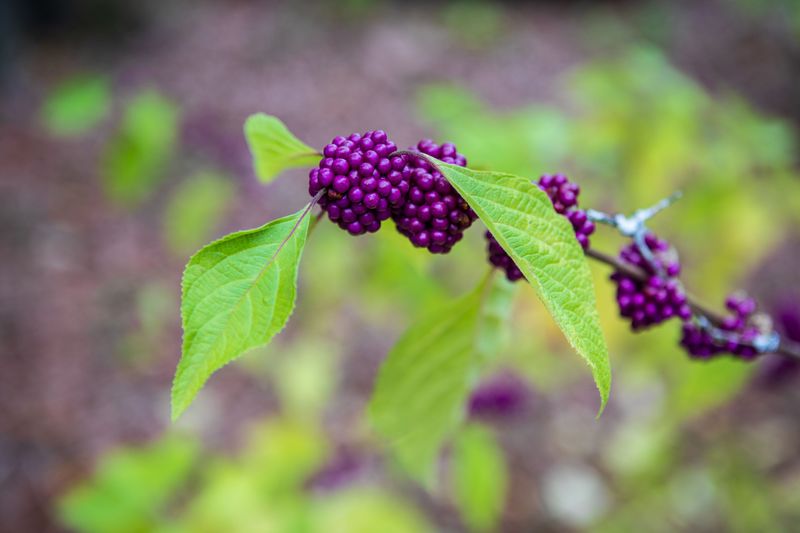
Nothing in the native plant world produces a color quite like American Beautyberry in late summer. Clusters of neon-purple berries wrap tightly around arching stems, creating one of the most vivid displays in the native plant world.
Native throughout Louisiana and the broader Gulf South, this shrub grows 4-8 feet tall with gracefully arching branches. It fits neatly along shaded or partially shaded driveway edges where many sun-loving plants struggle.
The berries appear in August and September when most of the summer garden is looking tired and faded. That late-season color burst is exactly what driveways need to stay interesting heading into fall.
Wildlife benefits are significant, with dozens of bird species recorded eating the berries. White-tailed deer, raccoons, and small mammals also browse the fruit, turning your yard into a busy natural pantry.
American Beautyberry grows quickly in average Louisiana soil with minimal fertilizing or supplemental watering once established. Shade tolerance sets it apart from most flowering shrubs that demand full sun.
Cutting the plant back hard in late winter to about 12 inches produces the most vigorous new growth and the heaviest berry production the following season. That annual reset keeps the shrub looking fresh and full.
Fragrant foliage is a bonus feature many gardeners never expect. Crushed leaves have been used traditionally as a natural insect repellent, adding a quirky practical dimension to a beautiful plant.
American Beautyberry closes out the growing season with a color nothing else on this list matches. Those purple clusters tend to stick in visitors’ memory.